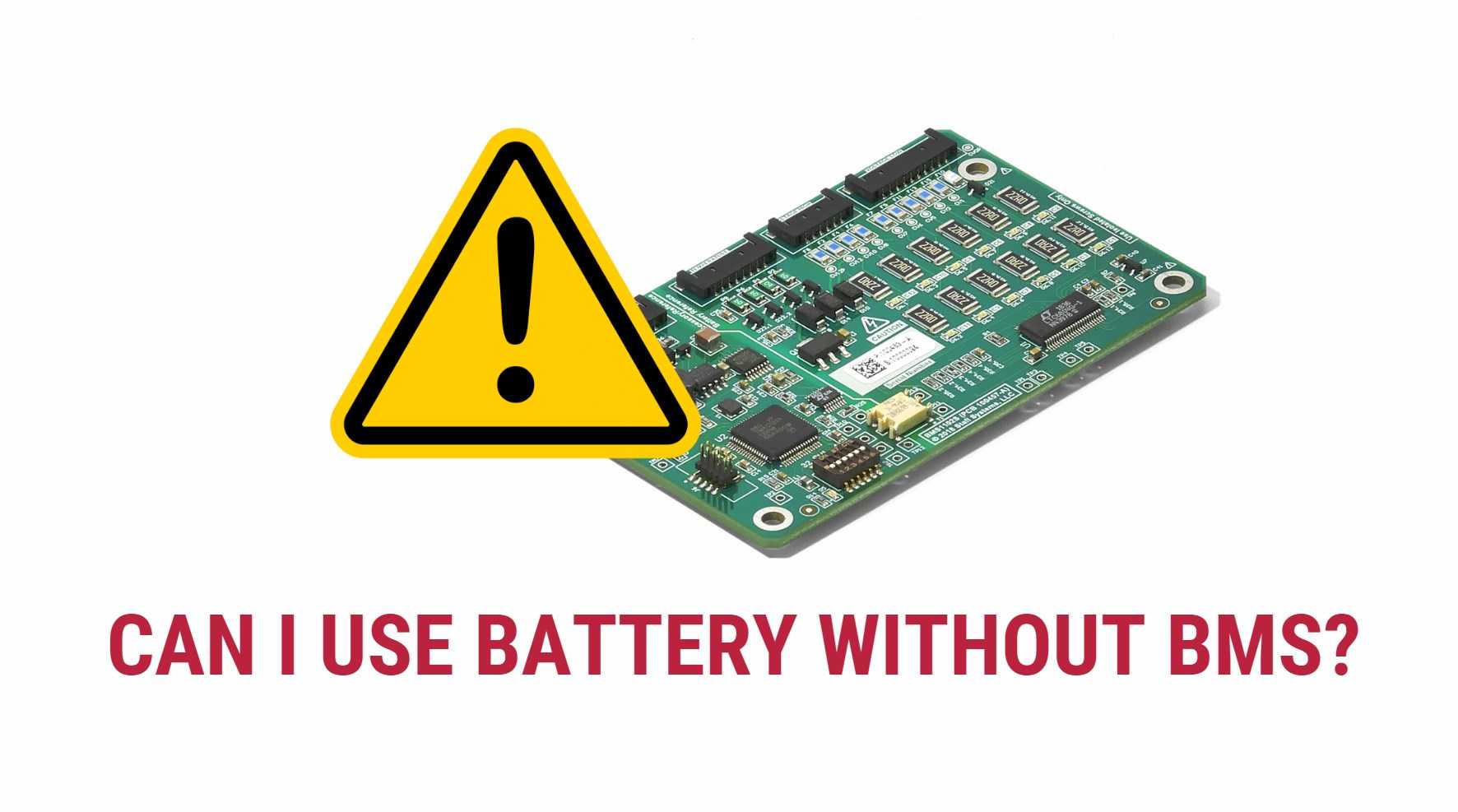
When it comes to battery management, the question of whether you can use a battery without a Battery Management System (BMS) is crucial for both safety and performance. A BMS plays an essential role in monitoring and managing the various parameters of a battery pack, particularly in lithium-ion batteries such as Lithium Iron Phosphate (LiFePO4). In this article, we will explore the implications of using a battery without a BMS, the risks involved, and the benefits of incorporating one into your battery system. Without a BMS, there’s no mechanism to prevent overcharging or over-discharging:
 Without a BMS, critical safety features are absent:

1. Understanding Battery Management Systems (BMS)
1.1 What is a BMS?
A Battery Management System is an electronic system that manages a rechargeable battery pack. It ensures that each cell within the battery operates within its safe voltage and temperature limits. The main functions of a BMS include:- Monitoring Voltage: Keeping track of the voltage levels of individual cells.
- Balancing Cells: Ensuring all cells are charged and discharged evenly.
- Temperature Control: Monitoring temperature to prevent overheating.
- Safety Features: Providing over-voltage, under-voltage, and over-current protection.
1.2 Importance of a BMS
The importance of a BMS cannot be overstated:- It enhances the lifespan of the battery by preventing conditions that can lead to degradation.
- It improves safety by minimizing risks associated with thermal runaway and short circuits.
2. Risks of Using a Battery Without a BMS
2.1 Overcharging and Over-discharging

Wholesale lithium golf cart batteries with 10-year life? Check here.
- Overcharging can lead to excessive heat generation, potentially causing thermal runaway, which may result in fire or explosion.
- Over-discharging can damage the cells, reducing their capacity and lifespan.
2.2 Cell Imbalance
In multi-cell configurations, cells can become imbalanced:- Without a BMS to balance the cells, some may become overcharged while others remain undercharged, leading to premature failure.
2.3 Lack of Safety Features

Want OEM lithium forklift batteries at wholesale prices? Check here.
- There is no protection against short circuits or excessive current draw, increasing the risk of accidents.
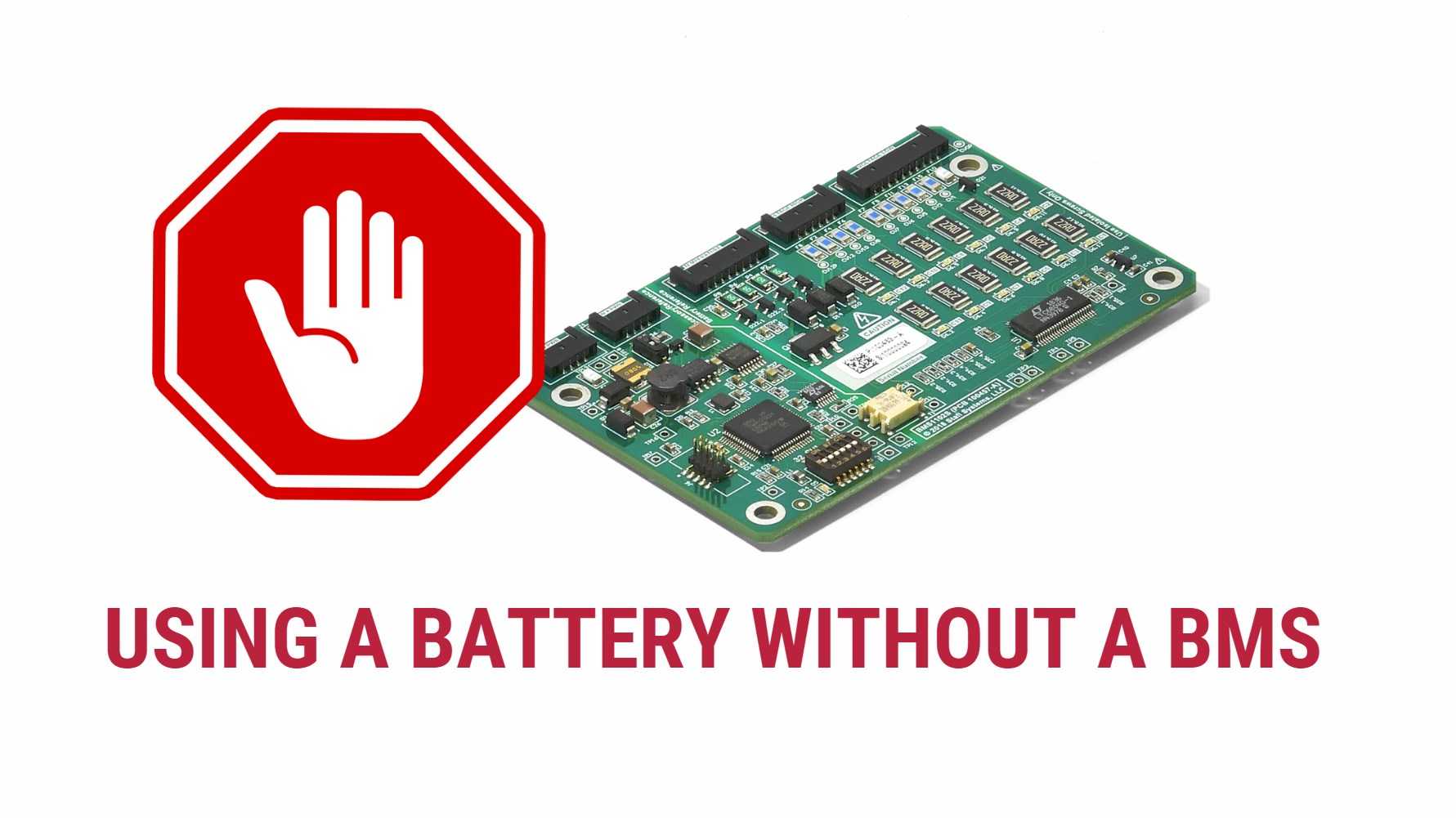
3. Performance Issues Without a BMS
3.1 Reduced Efficiency
Batteries without management systems often operate less efficiently:- Energy loss during charging and discharging can occur due to imbalances among cells.
3.2 Shortened Lifespan
The absence of monitoring leads to conditions that can significantly shorten battery life:- Regular cycling without proper management can lead to irreversible damage.
| Feature | With BMS | Without BMS |
|---|---|---|
| Overcharge Protection | Yes | No |
| Cell Balancing | Yes | No |
| Temperature Monitoring | Yes | No |
| Lifespan | Extended | Shortened |
4. Benefits of Using a Battery with a BMS
4.1 Enhanced Safety
The primary benefit of using a battery with a BMS is enhanced safety:- Users can have peace of mind knowing that their battery system is protected against common risks.
4.2 Improved Performance
A BMS optimizes battery performance:- By balancing cells and ensuring efficient charging and discharging cycles, users can achieve better overall performance.
4.3 Longevity
Batteries equipped with a BMS tend to have longer lifespans:- Regular monitoring and management help maintain optimal operating conditions for each cell.
5. Alternatives to Using a BMS
While it’s not advisable to operate batteries without some form of management system, there are alternatives:- Basic Monitoring Systems: Some simpler systems provide basic voltage monitoring without full management capabilities.
- Manual Monitoring: Users can manually check voltages and temperatures but this method is labor-intensive and prone to human error.
6. Latest Developments in Battery Management Technology
Recent advancements in battery management technology focus on enhancing safety and efficiency:- New algorithms for smart BMS provide real-time data analysis, allowing for better decision-making regarding energy usage.
- Research into solid-state batteries promises improved safety features that could further reduce reliance on traditional BMS systems.
7. Frequently Asked Questions (FAQs)
7.1 Can I charge my lithium battery without a BMS?
Technically yes, but it is highly discouraged due to safety risks associated with overcharging and thermal runaway.7.2 What happens if my battery gets too hot?
Without a BMS, excessive heat can lead to thermal runaway, potentially causing fire or explosion.7.3 Are there any exceptions where I might not need a BMS?
In very low-power applications or single-cell setups where risks are minimal, some users may opt not to use a BMS; however, this is generally not recommended.8. Conclusion
In conclusion, while it may be possible to use lithium batteries without a Battery Management System (BMS), doing so poses significant risks that can compromise safety and performance. The advantages of incorporating a BMS far outweigh any potential benefits of operating without one. For anyone looking to ensure reliable operation and longevity of their battery systems—especially in high-performance applications like electric vehicles or renewable energy storage—investing in quality batteries with an integrated management system is essential.At Redway Battery, we specialize in manufacturing high-quality Lithium LiFePO4 solutions tailored to meet diverse customer needs worldwide. With our extensive experience in this field, we provide custom solutions quickly for wholesale and OEM customers. For a quick quote or more information about our products, please contact us today!Continue exploring: Use the Battery Maintenance, Monitoring & Troubleshooting guide to review BMS selection, protection, balancing, thermal safety, monitoring, maintenance, and troubleshooting guidance.