
Redway battery guides
Mobility & Specialty Vehicle Batteries
Match vehicle voltage, power, energy, charging and packaging to real duty. This hub routes automotive, two-wheel, mobility equipment and specialty vehicle battery decisions.
The system at a glance
- VehicleApproved electrical system
- BatterySpace, weight and energy
- IntegrationCharger and communication
A decision framework · verify the actual product specification.
Before you choose
A vehicle battery must match the vehicle's electrical and mechanical interfaces. E-bikes, scooters and other mobility applications differ in mounting, controls, charging and operating demands. Start with the vehicle specification, then relate capacity and power to the intended journey.
Start with the vehicle electrical architecture. Confirm nominal and operating voltage, controller or starter limits, continuous and peak current, regenerative charging, alternator or charger behavior and communication. A battery that physically fits can still be incompatible with the controller, charging system or protection strategy. Record connector pinout, polarity and isolation before comparing capacity, range or price.
Vehicle battery replacement information
| Decision | What to establish |
|---|---|
| Vehicle | Model, controller, motor system and original battery specification. |
| Physical interface | Mounting, dimensions, connectors and installation space. |
| Electrical demand | Voltage window, operating load and peak demand. |
| Journey | Distance target, payload, terrain and operating environment. |
| Charging and support | Approved charger, service instructions and replacement documentation. |
E-bike batteries
Identify the exact vehicle and battery interface before comparing replacements. Voltage, mounting, connection and controller compatibility can rule out a pack even when its capacity appears suitable.

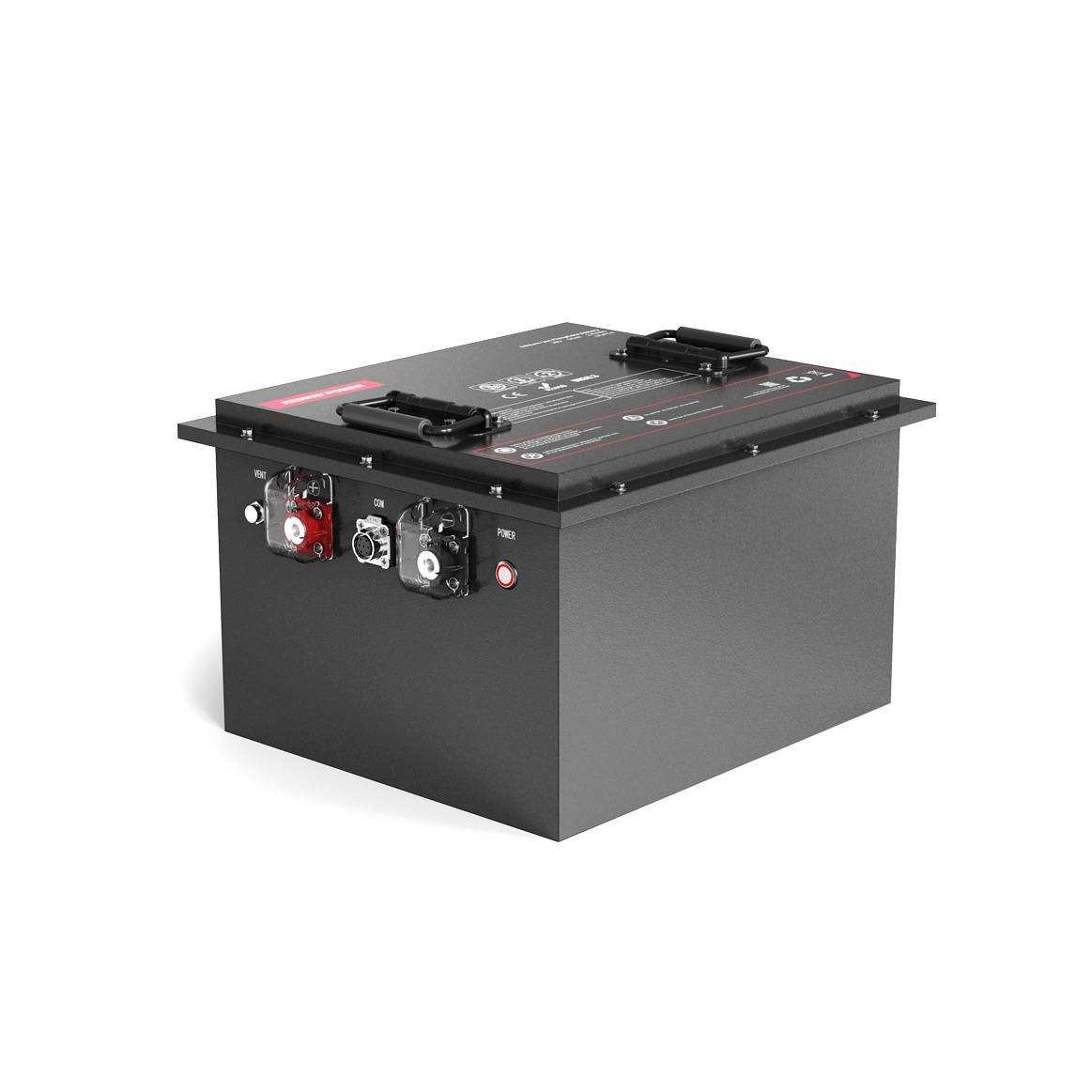 Decision guide
E-Bike, Scooter & Motorcycle Batteries
Choose voltage, capacity, current capability, connector, charger and enclosure around motor power, range, terrain, speed and applicable vehicle rules.
Decision guideMobility Equipment Battery Selection
Prioritize compatible voltage, dependable range, safe charging, manageable weight and service support for wheelchairs, mobility equipment and light electric vehicles.
Selected articleIs 20Ah Good for eBike?
Selected articleHow Long Does a 20AH eBike Battery Last?
Keep assumptions beside the result
Record the voltage window, load profile, temperature, usable capacity, charging limits and reserve used in every comparison. Add real measurements after commissioning so later tests use the same baseline. A number without its test condition is not a reliable specification.
Recheck the model whenever the equipment, duty cycle, charger, wiring or environment changes. Document the reason for the change and the evidence that confirms safe, useful performance.
Turn general advice into an application decision
Use battery fundamentals to eliminate incompatible options first, then compare lifetime value. Confirm the system can deliver peak power, daily energy and recharge within the available time while staying inside temperature and protection limits.
Ask suppliers for test conditions, drawings, protection settings, compliance evidence and warranty exclusions. Clear evidence is more valuable than a higher isolated rating because it shows how the battery behaves inside the real system.
Connect ratings to real operating duty
The best battery is compatible, measurable, serviceable and correctly charged.
Explore the complete topic
- Palestine Bestseller 2023: Redway 12V 105Ah LiFePO4 Battery – A Comprehensive Guide to Choosing the Right Car Battery
- Why Upgrade to a 12v Lithium Ion Car Battery?
- What Is the Toshiba SCiB™ 24V Battery Pack and How Does It Transform Automotive and Industrial Applications?
- How Fast Will a 60V 2000W E-bike Go?
- New York Law Prohibits Reselling of Electric Bike Batteries
- How Fast is 52V 1500W in MPH? Understanding Electric Bike Speeds
- How Fast Can a 1500W 48V Electric Bike Really Go?
- Electric Wheelchair Battery Types And Sizes
- How to Choose the Right Auto Battery Size: A Comprehensive Guide
- How To Wake Up A Lithium Motorcycle Battery?
- What Are the Licensing Requirements for 49cc Scooters in Michigan?
- How Fast is a 1500W eBike Conversion Kit? A Comprehensive Guide
- How Fast Does a 700W Electric Scooter Go?
- Contact
Scooter & motorcycle batteries
A capacity figure is not a guaranteed range. Rider or payload, gradients, speed, accessories and operating conditions affect energy demand, while the controller and motor determine current requirements.
Vehicle battery knowledge is useful when it changes the specification
Size energy from route and duty rather than advertised range. Calculate energy from measured or realistic watts across distance and time, then include hills, payload, speed, temperature, tyre pressure, conversion losses and reserve. Range claims made under light laboratory duty rarely describe a loaded vehicle. Verify peak current separately because acceleration, starting and climbing can trip protection even when total watt-hours appear sufficient.
Make packaging and environment part of the battery design. Available space, mounting, vibration, water exposure, impact risk, cable routing and service access control pack format. Temperature affects power, charging and life, especially for vehicles stored outdoors. Secure the battery against movement and protect connectors from strain and contamination. An enclosure must manage heat and faults without blocking inspection or safe removal.
Coordinate the battery, charger and controller. Charge voltage, current, connector and communication must match the pack and its BMS. Controllers should respect low-voltage and current limits rather than using protective trips as routine control. Confirm regenerative energy handling, key-switch behavior and standby drain. Test power-up, acceleration, braking, charging and fault recovery as one system before releasing the vehicle to normal use.
Validate performance with the hardest safe operating cycle. Measure pack and cell voltage, current, temperature, energy use and remaining state of charge during representative acceleration, climbing, payload and route conditions. Confirm recharge time in the real parking window. Repeat at expected temperature extremes and after installation changes. A measured baseline supports range planning, maintenance and diagnosis when performance later declines.
Vehicle battery compatibility
Use the battery and vehicle documentation for charging, storage and service. Keep approved equipment and settings with the installation records, particularly when a replacement changes the original configuration.
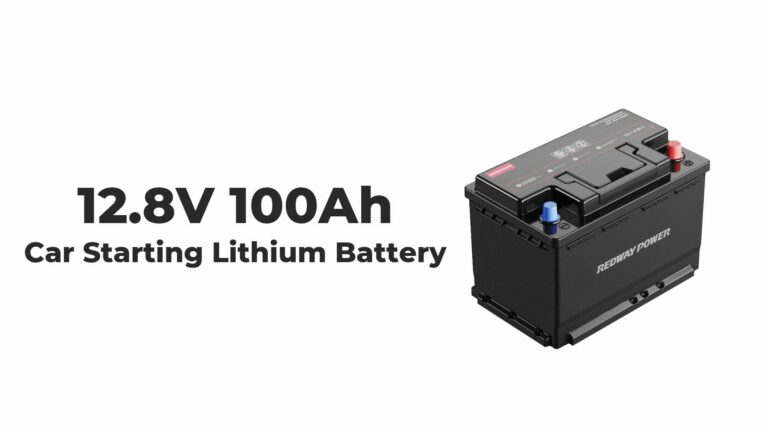 Selected article
What is Group Size Car Battery?
 Selected article
How Many Volts Does a Car Battery Have?
Plan service around vehicle availability
Define inspection, charging, storage, isolation and replacement procedures before the battery enters daily service. Record compatible chargers, connectors, firmware, mounting hardware and approved replacement specifications with the vehicle. Operators should know how to respond to reduced range, unusual heat, physical damage, charging faults and repeated protective trips.
Track energy per route, maximum current, temperature, recharge time and service events against the commissioning baseline. Trends reveal load growth, connection resistance, tyre or drivetrain changes, battery ageing and charger problems earlier than a vehicle shutdown. Use measured evidence to schedule maintenance and preserve safe availability.
Common questions
Mobility & Specialty Vehicle Batteries FAQ
What should be checked first in Mobility & Specialty Vehicle Batteries?
Start with the equipment voltage window, continuous and surge power, required usable energy, temperature, charging source, dimensions and service conditions.
Why are amp-hours not enough to compare batteries?
Amp-hours omit voltage. Multiply nominal voltage by amp-hours for watt-hours, then adjust for usable depth of discharge, efficiency, temperature and ageing.
What most affects battery lifespan?
Temperature, depth of discharge, charge voltage, charge rate, time at extreme state of charge, load current and storage conditions all influence life.
How should battery condition be tested?
Combine visual and connection inspection with voltage, current, temperature, load behavior and measured delivered capacity against a known baseline.
Can every battery use the same storage and recycling process?
No. Follow chemistry-specific manufacturer instructions and local transport, fire-safety and recycling rules.