
Redway battery guides
Solar Batteries
Start with critical loads, production and outage goals. This hub routes selection, sizing, integration and off-grid reliability decisions.

Before you choose
Solar battery storage should be sized around the energy the system needs to deliver. Define whether the priority is self-consumption, backup or off-grid operation, then connect load demand, usable storage, solar charging and inverter compatibility in one plan.
Start with the load and outage objective. Separate essential circuits from flexible consumption, then measure daily watt-hours and peak power. The battery must support the critical load for the required period without exceeding inverter, BMS or cable current. An autonomy target based only on average household use hides starting surges, seasonal variation and the reserve needed for forecast error or battery ageing.
Solar storage requirements to define
| Decision | What to establish |
|---|---|
| Operating objective | Self-consumption, essential-load backup or off-grid supply. |
| Demand | Daily energy, peak loads and essential circuits. |
| Storage | Usable energy, reserve and the intended period between charging. |
| Integration | Inverter model, voltage window, communication and charging sources. |
| Expansion | Future load growth, installation constraints and approved system configurations. |
Choosing storage batteries
Storage selection starts with the operating objective. Backup, self-consumption and off-grid use can require different reserve assumptions and power capabilities, even when the nominal battery capacity is similar.
Review assumptions after real operation
Compare predicted and measured load, solar production, minimum state of charge and recharge time. Recalculate energy balance and protection before expansion, and keep the approved configuration with the service record so later changes do not silently exceed inverter, cable or battery limits. Review the same evidence after seasonal production changes or major new loads.
Explore the complete topic
- Calculating Solar Panels with Battery Storage Costs: A Buyer’s Handbook
- Why Redway Lithium Iron Phosphate Batteries are the Future of Energy Storage
- What’s the Cost of Solar Battery Storage for Your Home?
- How many solar panels for 48V lithium battery?
- Going Off-Grid? Consider a LiFePO4 5kw Battery
- Home Backup & Off-Grid Solar Batteries
- Commercial & Utility-Scale Energy Storage
- Solar Battery Cost, Selection & ROI
- Contact
Sizing & system design
Review energy and power separately. Daily consumption and time between charging opportunities inform usable storage, while the loads and inverter determine the required power and surge capability.

 Selected article
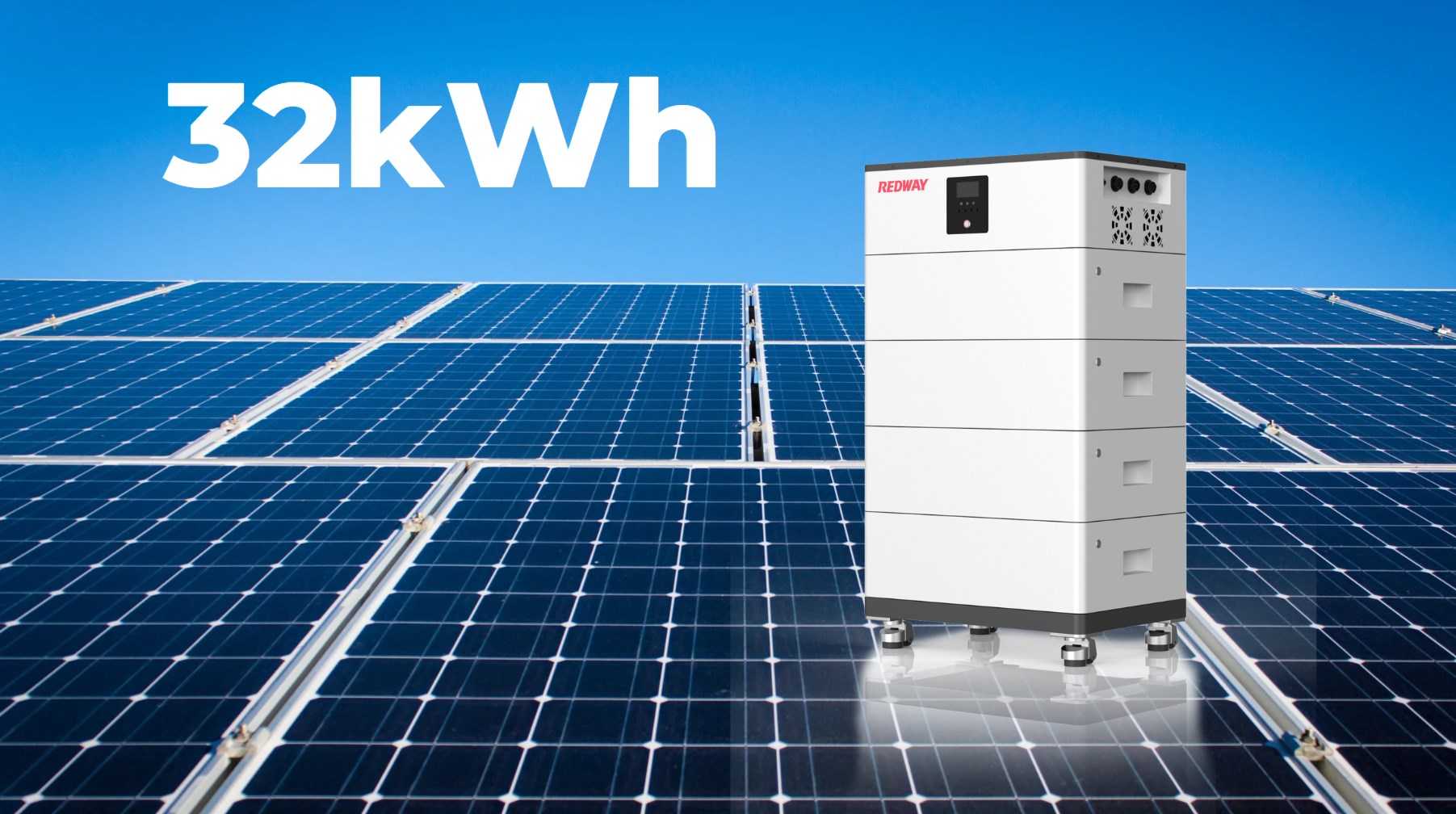
The Benefits of a 10 kWh Solar System
 Selected article
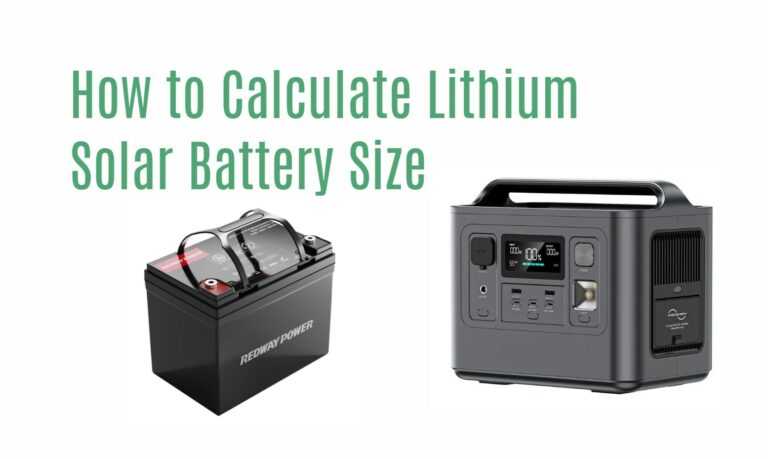
How to Calculate Lithium Solar Battery Size
Solar storage works only as a complete energy system
Match storage voltage to the inverter architecture. Nominal voltage is only the first compatibility check. Confirm the full charge and discharge window, current limit, communication protocol, firmware and permitted module count. A battery may connect physically yet fail to exchange operating limits with the inverter. Freeze the approved equipment combination before procurement or expansion.
Balance battery capacity with renewable production. More storage is useful only when the solar array, grid or generator can recharge it within the operating cycle. Model poor-weather production, seasonal sun hours, clipping and conversion losses. An oversized bank can remain chronically undercharged, while undersized storage wastes available generation and cycles too deeply. Size generation, storage and load management together.
Coordinate protection, isolation and monitoring. High fault current requires correctly rated fuses, breakers, disconnects, conductors and grounding. Monitoring should expose module voltage, current, temperature, state of charge, state of health and alarms. Define what disconnects automatically, what remains powered and how technicians isolate one component safely. Labels and a single-line diagram belong with the installed system.
Commission grid, backup and recovery modes. Test normal solar charging, grid charging, transfer to backup, inverter surge, low-state-of-charge response and recovery after shutdown. Record current, voltage, temperature, communication status and recharge time. For off-grid systems, repeat with the weakest expected solar day. Evidence from the complete operating sequence is stronger than separate equipment certificates.
Economics must include reliability and usable energy
Compare installed usable kilowatt-hours, conversion losses, cycle life, monitoring, maintenance and replacement logistics. A low module price can be expensive when integration is unsupported, while a larger system can waste capital when generation cannot recharge it.
Review measured load and production after representative operation. Update reserve, scheduling and expansion decisions from evidence rather than estimates, and keep the approved baseline with the single-line diagram.
Plan expansion before capacity runs short
Reserve electrical, communication, protection and physical capacity for the approved maximum system. Define how new modules will be matched by model, firmware, voltage and state of charge, and confirm that inverter current, conductors and fault protection remain valid after expansion. A documented path avoids mixing incompatible generations later.
Build storage around loads and energy sources
The specification is complete when normal, backup and recovery modes are verified.
Explore the complete topic
- How to Select the Best Energy Storage System Manufacturer for Wholesale
- What Kind of Inverter Does My Solar Panel System Need?
- Can I use a high voltage LiFePO4 battery without a solar panel system?
- How much voltage do solar panels produce?
- How to Properly Install and Maintain a 12V 200Ah LiFePO4 Battery in Your Off-Grid System?
- What Are the Benefits of Using LiFePO4 Batteries in Off-Grid Solar Systems?
- Solar Battery Installation & System Design
- Solar Battery Sizing, Autonomy & Runtime
Charging & inverter integration
Battery, inverter and charging sources must support compatible operating limits and communication. Keep commissioning settings and measured performance so expansion decisions can use evidence from the installed system.
Decision guideOff-Grid Solar Battery Safety & Maintenance
Off-grid reliability depends on protected essential loads, realistic low-sun production, safe isolation, thermal control, monitoring and a tested recovery procedure when energy runs short.
 Selected article
Can I charge LiFePO4 with solar panel?
 Selected article
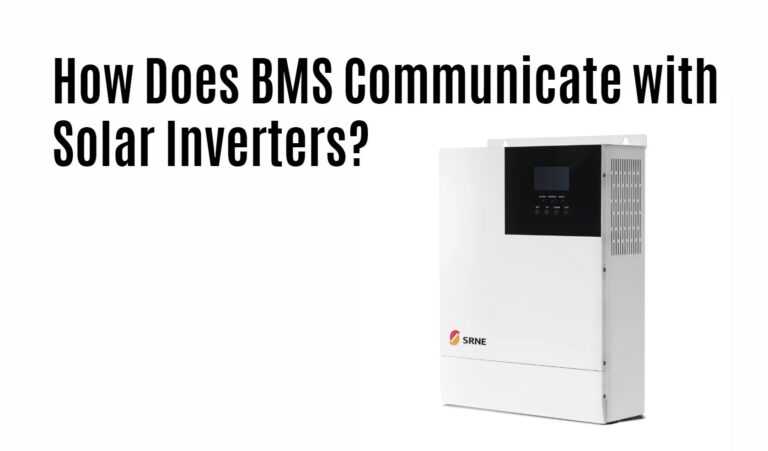
How Does BMS Communicate with Solar Inverters?
Explore the complete topic
- Troubleshooting Guide: Why Isn’t My Ring Solar Panel Charging?
- How Many Solar Panels Does It Take To Charge A 200Ah Lithium Battery
- Maximizing Your Ring Solar Panel: Installation, Troubleshooting, and Tips for Optimal Performance
- How Do You Charge A Lifepo4 Battery With Solar Panels
- Solar Inverter & Charge Controller Compatibility
- Solar Battery Maintenance, Safety & Reliability
Common questions
Solar Batteries FAQ
What should be checked first for Solar Batteries?
Start with critical loads, daily energy, autonomy target, inverter voltage, solar production, grid availability and installation environment before comparing batteries.
How is solar battery capacity calculated?
Add daily watt-hours, choose the required autonomy, include inverter losses and reserve, then divide by system voltage and usable depth of discharge.
Can an existing solar system add lithium storage?
Often yes, when inverter or charger voltage, communication, BMS current, protection, firmware and local electrical requirements are compatible.
What should an OEM send for a quotation?
Send load profile, autonomy, DC voltage, inverter model, solar array, grid mode, installation environment, compliance markets and annual volume.