
Redway battery guides
Battery OEM, Manufacturing & Buying
Connect product requirements, factory controls and commercial terms. This hub routes supplier selection, customization, quality and wholesale procurement.
The system at a glance
- DefineApplication and specification
- ValidateSamples and acceptance checks
- DeliverProduction and service records
A decision framework · verify the actual product specification.
Before you choose
An OEM battery project starts with a written operating requirement. The pack, charger, interfaces, documentation and acceptance tests need to describe the same application. Compare quotations against that shared baseline, then carry the approved configuration through production and service.
Write the application specification before requesting prices. A useful request defines nominal and operating voltage, usable energy, continuous and surge current, duty cycle, charging, dimensions, connectors, communication, temperature, ingress protection, compliance markets and annual volume. Rank which limits cannot move. Without this baseline, suppliers quote different products under the same name and later changes appear as unexpected cost, delay or performance risk.
What to include in an OEM battery enquiry
| Decision | What to establish |
|---|---|
| Application | Equipment, operating duty, environment and intended markets. |
| Electrical brief | Voltage window, usable energy, continuous load and peak demand. |
| Integration | Dimensions, mounting, connections, charging and communication. |
| Programme | Sample scope, expected quantities, milestones and acceptance process. |
| Lifecycle support | Production records, change control, warranty and service responsibilities. |
OEM & ODM requirements
Define the application before selecting a supplier. Voltage, loads, energy, dimensions, interfaces, quantities and target markets make the quotation comparable and identify which engineering responsibilities must be agreed.
 Decision guide
Battery OEM Customization & Engineering
Freeze electrical, mechanical, communication, environmental, regulatory and commercial requirements before prototypes become production commitments.
Decision guideBattery Manufacturing & Quality Control
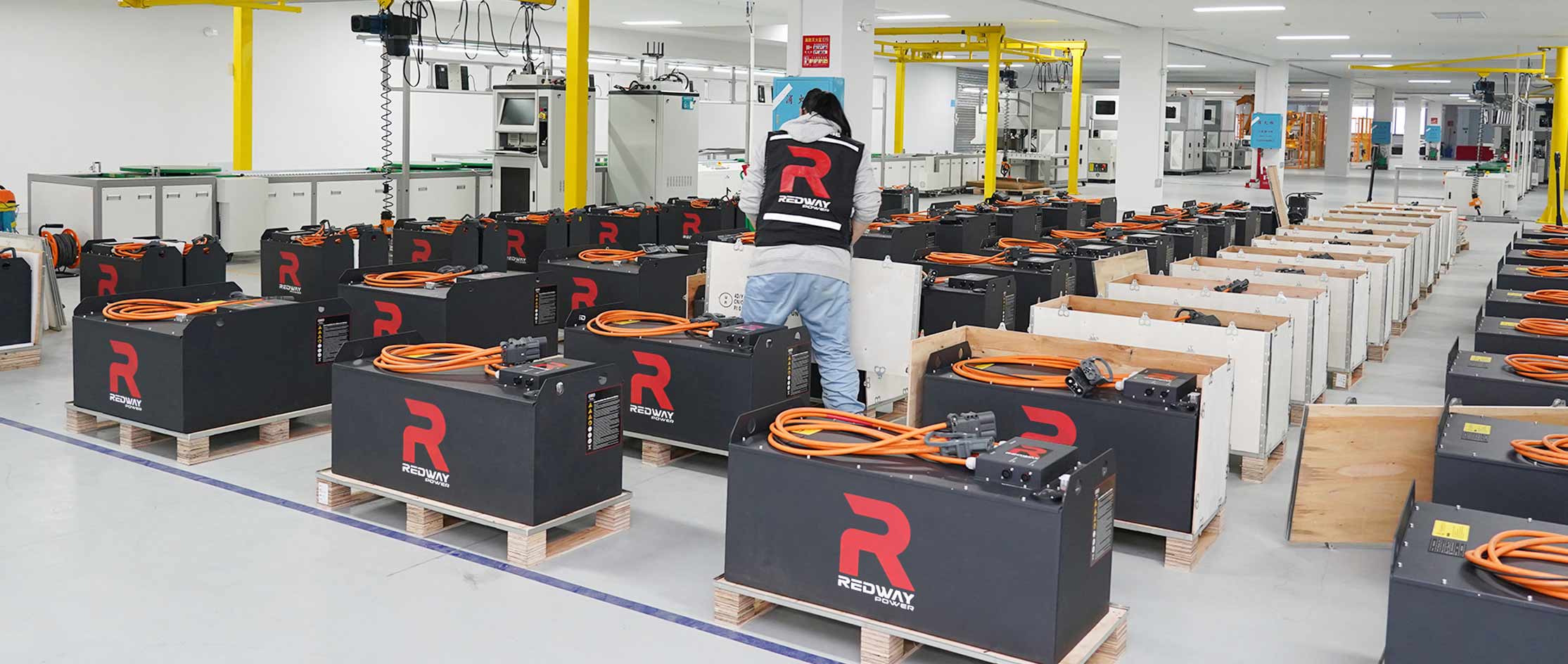
Control incoming cells, matching, assembly, firmware, insulation, end-of-line testing and serialized records so every shipment reflects the approved design.
Decision guideBattery Wholesale, Pricing & Logistics
Compare total landed cost, MOQ, tooling, lead time, dangerous-goods shipping, warranty reserves and change control rather than unit price alone.
Selected articleWhat is OEM Battery?
 Selected article
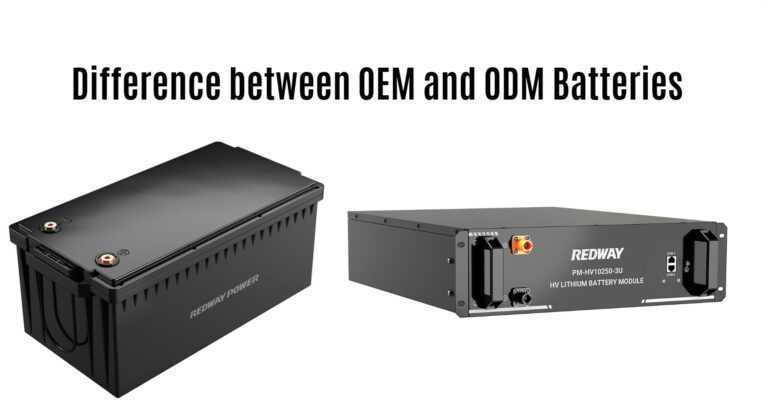
Difference between OEM and ODM Batteries
Successful sourcing starts before the quotation
Qualify the factory through records and repeatable controls. Ask for design review procedures, cell and component traceability, approved suppliers, calibration, operator training, process controls, nonconformance handling and serialized test data. Certificates matter only when their scope covers the product and production site. Audit evidence should connect the sample you approved to the materials, firmware and tests used on each production lot.
Treat the prototype as a learning stage, not production approval. Prototype testing should expose electrical, thermal, mechanical, communication and charging behavior under the hardest credible duty. Record every deviation and update drawings, bill of materials, firmware, limits and acceptance criteria before the pilot build. A prototype that powers the load is not enough; it must also charge correctly, survive transport and environment, report valid data and fail safely.
Control changes after approval. Cells, BMS components, firmware, connectors and enclosure materials can change when supply conditions move. Require written notification, risk review, samples and regression testing before substitutions enter production. Keep golden samples and revision-controlled specifications. Unapproved changes can invalidate certification, alter charger compatibility, shift thermal behavior or make replacement units different from batteries already in service.
Compare commercial terms across the complete lifecycle. Unit price excludes tooling, samples, inspection, packaging, freight, duties, certification, commissioning, spares, warranty handling and downtime. Model landed cost at realistic volumes and include lead-time variability and minimum order obligations. Define ownership of tooling and firmware, warranty evidence, failure-analysis turnaround and end-of-life support. The strongest offer makes technical and commercial responsibility measurable.
Keep one approved production baseline
Store the signed specification, drawings, BOM, firmware, golden sample, compliance evidence and acceptance limits together. Link every production lot to cell and component batches, process records and serialized end-of-line results. This baseline turns a quality complaint into an investigation instead of an argument over which version was supplied.
Review field data, warranty returns and supplier changes on a defined schedule. Update the controlled design only after evidence shows the change preserves compatibility, safety, reliability and regulatory status.
Make the quotation answer the same requirements
Use one requirement matrix for every supplier and mark compliant, exception or unverified beside each line. Ask suppliers to price the same volumes, Incoterms, packaging, testing, warranty and lead-time assumptions.
Resolve exceptions before purchase orders. A clear commercial comparison prevents a cheaper quotation from winning by silently excluding communication development, certification, shipping preparation or validation work.
Use field evidence to improve the next production lot
Define how installation results, alarms, returned units and warranty claims flow back to engineering and quality teams. Classify failures by symptom, environment, duty, component revision and production lot, then require documented root cause and corrective action. Trend results instead of treating every return as an isolated event.
Close the loop by updating risk analysis, work instructions, inspection plans and acceptance tests when evidence justifies a change. Verify the correction on representative production and monitor later lots. This process protects existing customers while preventing the same defect, ambiguity or service burden from repeating at higher volume.
Connect engineering, quality and procurement
The approved battery must be buildable, testable, traceable and commercially supportable.
Explore the complete topic
- How to Choose the Best China 7Ah Lithium Battery Factory for Wholesale
- How to Choose the Best Dual Purpose Batteries Factory Wholesale Supplier
- How to Choose the Best 21700 Battery Manufacturer and Supplier for Wholesale
- China’s Top OEM Manufacturer of Custom Power Storage Walls
- What is the review for an OEM Ampere Time Lifepo4 battery?
- OEM Lithium Polymer Batteries: What You Need to Know
- How Are 18650 Cells Made? A Comprehensive Guide to the Manufacturing Process
- How Are 21700 Cells Made? A Comprehensive Guide to Their Manufacturing Process
- Real-World Testing: Putting 18650 and 14500 Batteries to the Test in Common Devices
- Streamlining Your Manufacturing Process with Lithium Battery Factory Solutions
- Is It Better To Buy LiFePO4 Batteries at Walmart, Costco, or Amazon?
- The Cost Factor: Analyzing Price Differences Between 18650 and 14500 Batteries
- Buy High-Quality Wholesale Power Storage Walls from China
- Battery Certification, Compliance & Documentation
- Battery Import, Shipping & Warranty Support
- Battery OEM Cost, Tooling & Project Management
- Contact
Manufacturing & quality
Sample approval should establish a repeatable production baseline. Keep drawings, components, firmware, test conditions and acceptance records connected to the configuration that was actually evaluated.
Supplier selection & buying
Procurement continues after the first delivery. Clarify change control, quality records, warranty handling, service support and the evidence needed when field experience leads to a design revision.
Common questions
Battery OEM, Manufacturing & Buying FAQ
What should be prepared first for Battery OEM, Manufacturing & Buying?
Prepare the application specification, target markets, compliance list, annual volume, project schedule, validation plan and commercial priorities.
How can a buyer verify battery manufacturing quality?
Review traceability, process controls, calibration, serialized test records, change control, audit findings and samples from representative production.
When is a custom battery ready for mass production?
After design review, prototype and pilot validation, frozen drawings and BOM, approved firmware, compliance evidence and signed acceptance criteria.
Is the lowest battery unit price usually the lowest total cost?
No. Include tooling, testing, freight, duties, failure risk, warranty response, spares, downtime and future changes.
What must be controlled when components change?
Require notification, documented risk assessment, updated compliance review, representative samples and regression testing before approval.