
Redway battery knowledge
Start with the system you need to power.
Explore battery guides for industrial fleets, vehicles and stationary energy systems. Connect the application with voltage, capacity, chemistry, charging, safety and OEM sourcing.
Choose the guide that answers the next decision, then follow its selected articles and focused routes.
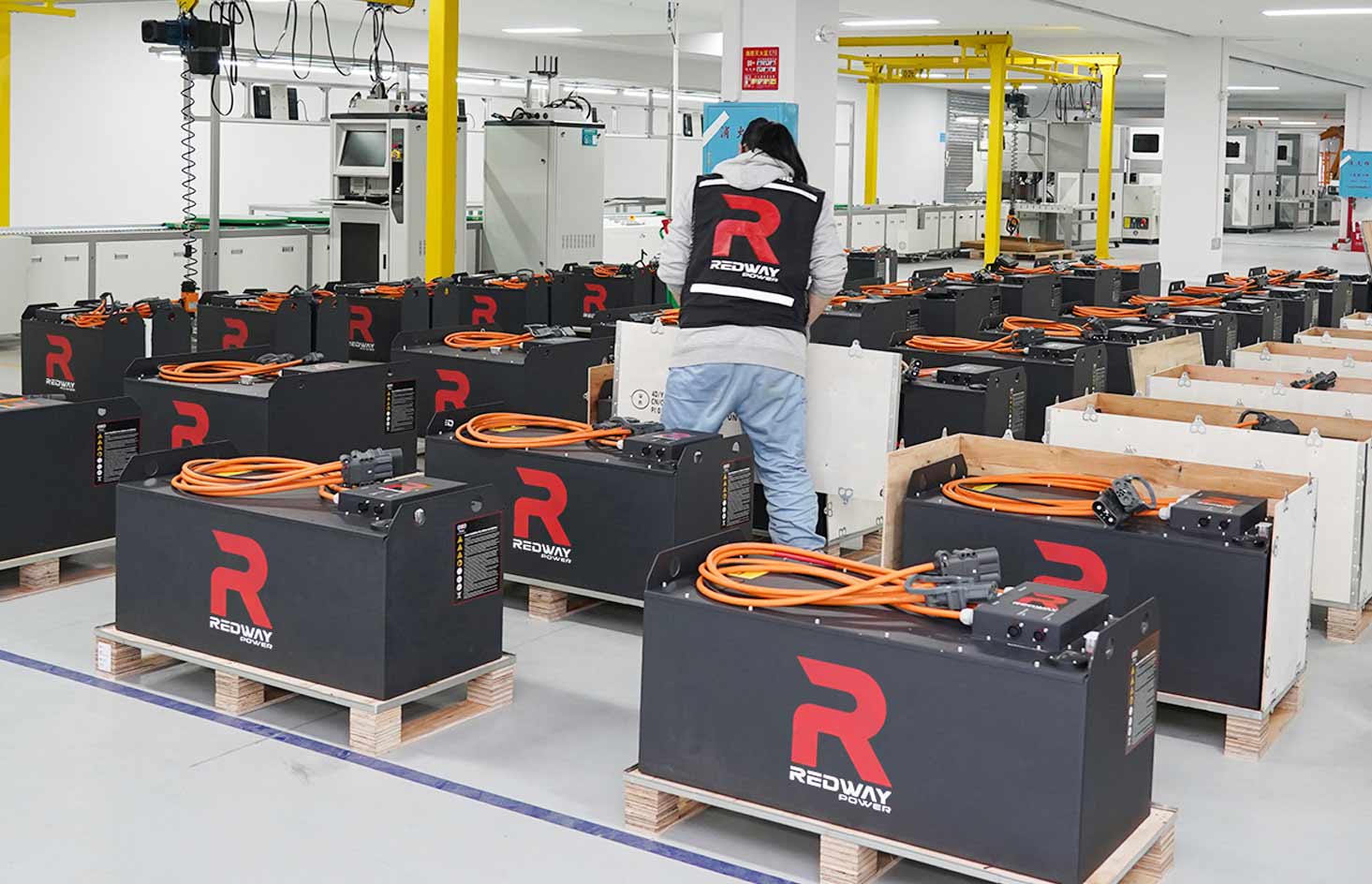
Keep the system connected
Battery selection starts with the equipment and the duty cycle. Voltage establishes compatibility, usable energy covers the working period, and continuous plus peak current determine whether the battery can support the normal load. Physical fit, protection, communication and the charging window must agree with those electrical requirements.
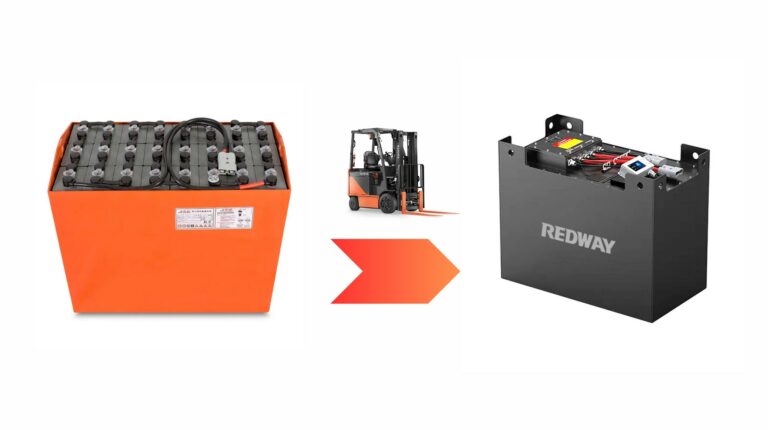
A forklift battery is an operating-system decision: energy covers the shift, current carries the load, and the charging strategy determines whether the fleet is ready for the next one. The same discipline helps vehicle and stationary projects turn a headline capacity into a specification that can be checked.
Application & equipment
Start with the machine, operating environment and working day. The application guides connect battery fit, usable energy, power and charging with the equipment that the battery must support.
 56 guides
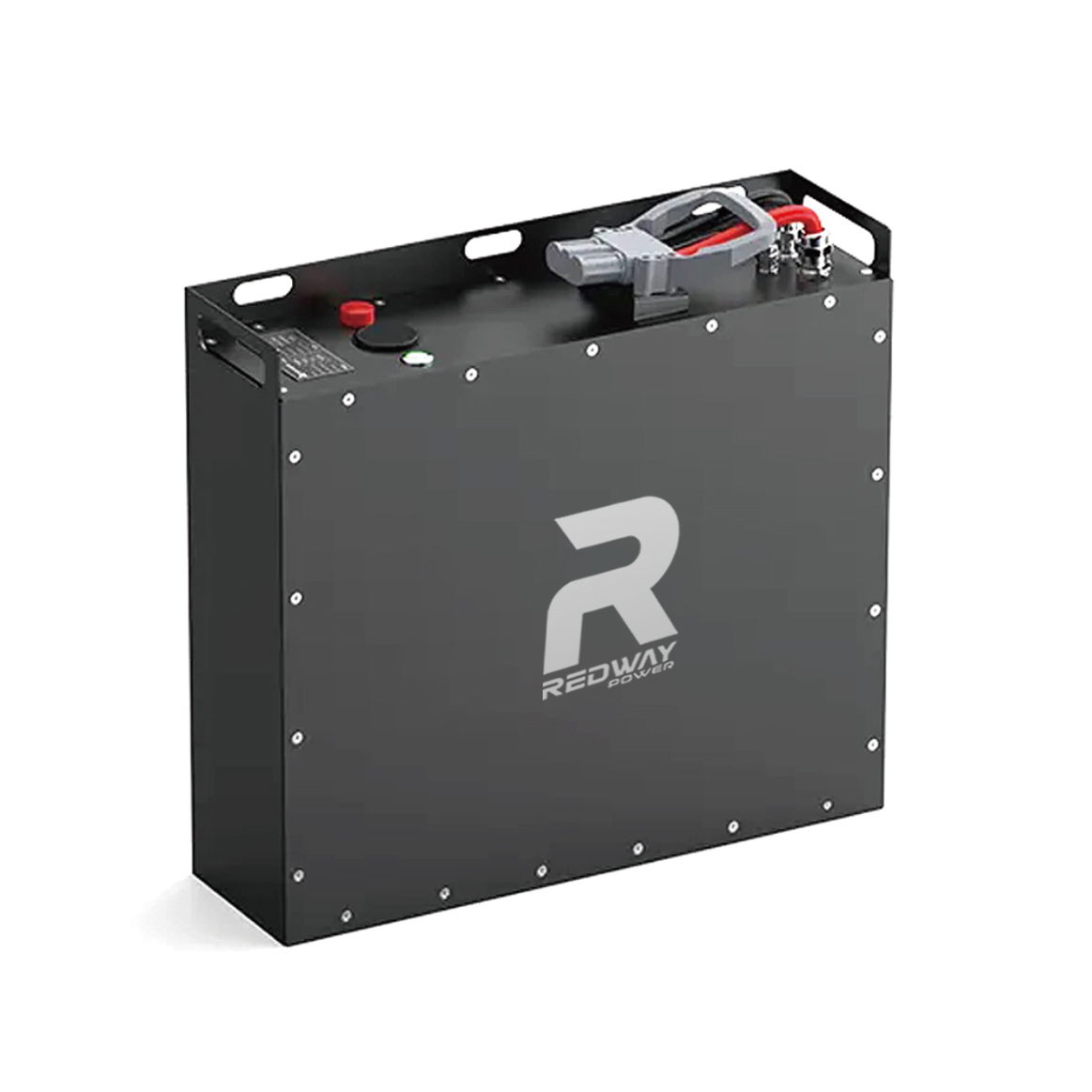
Forklift Batteries
Specify shift pattern, truck class, voltage, compartment, peak current and charging window before choosing a chemistry or supplier.
 53 guides
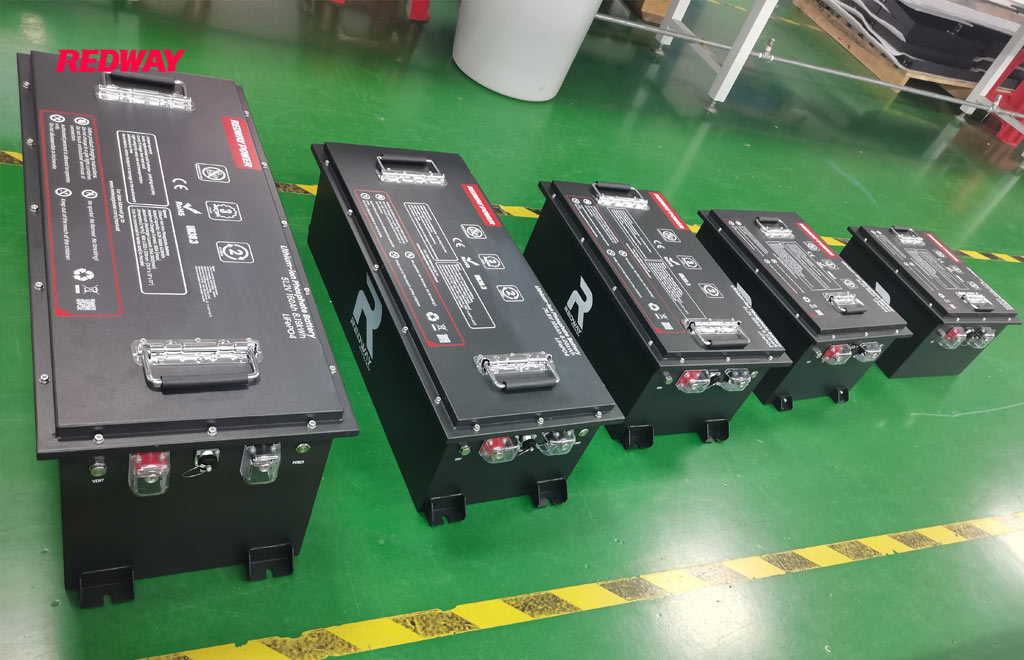
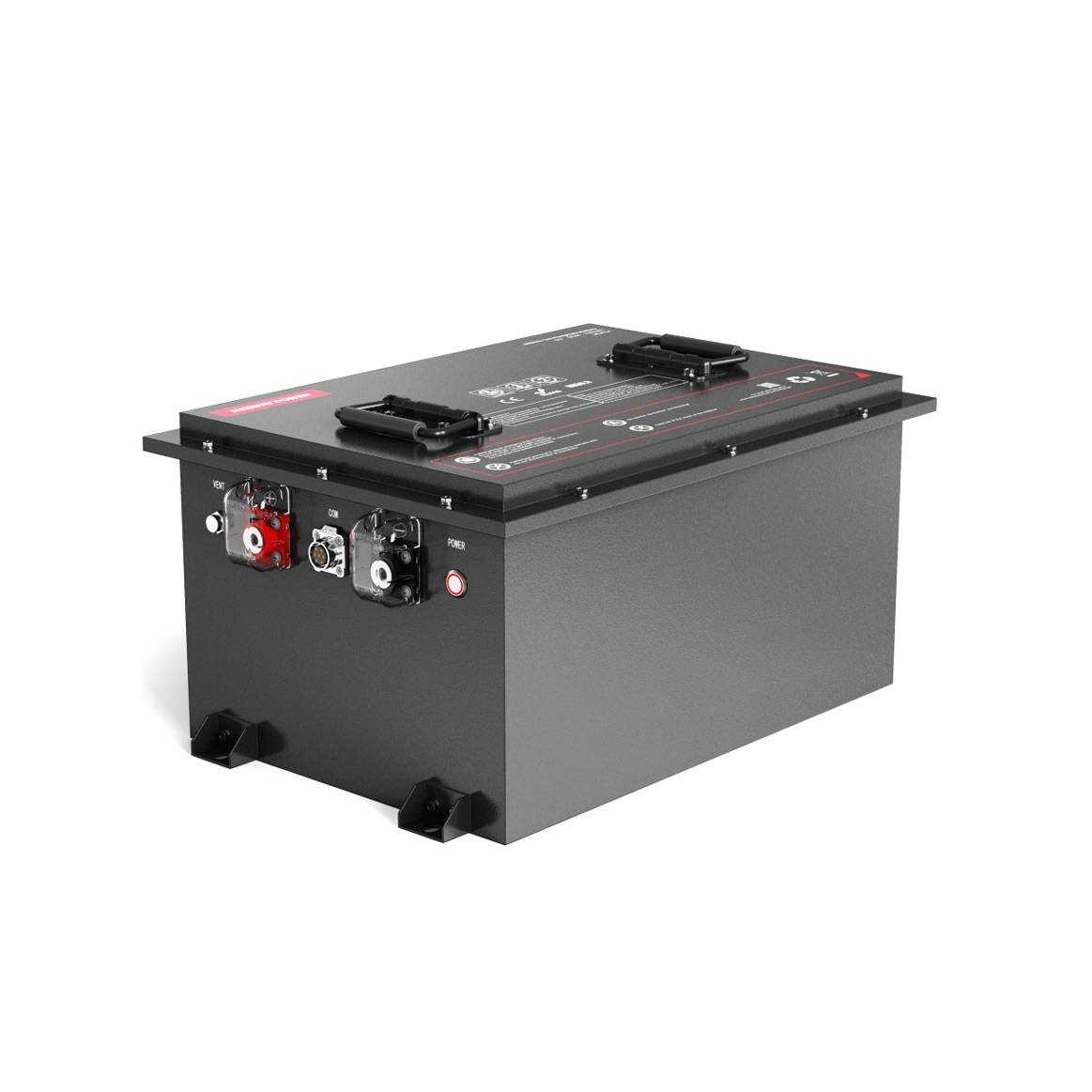
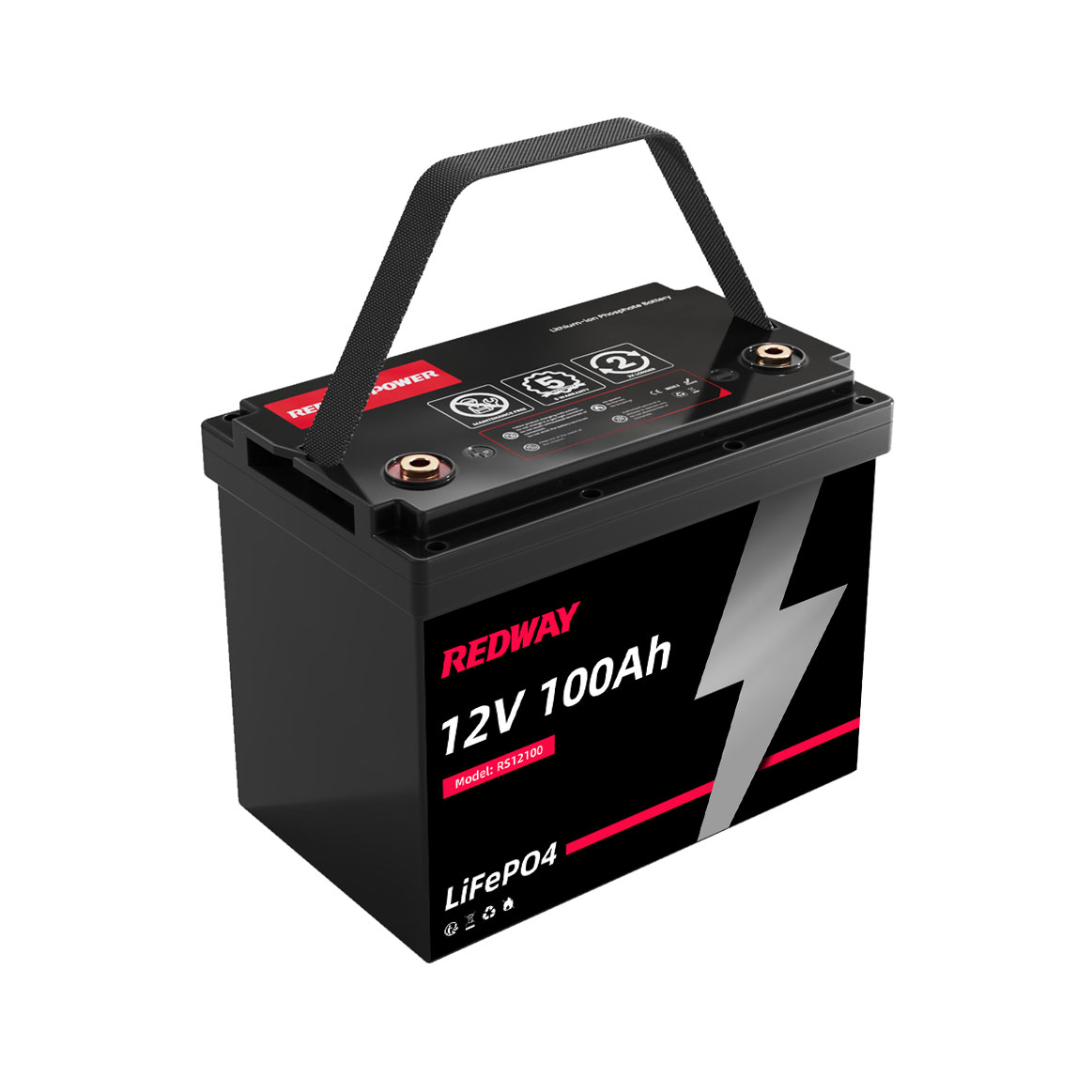
Golf Cart Batteries
Choose the pack, size usable energy and build a charging routine around the cart’s actual route and load.
 38 guides
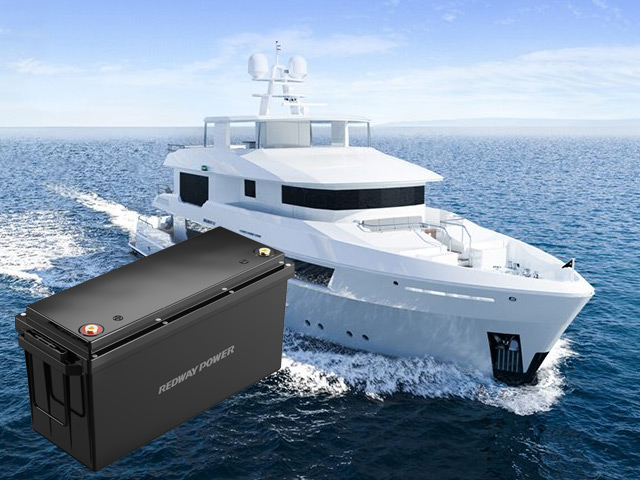
Marine Batteries
Choose starting, house and trolling banks from the vessel, energy budget, charging sources and safety requirements.
 33 guides
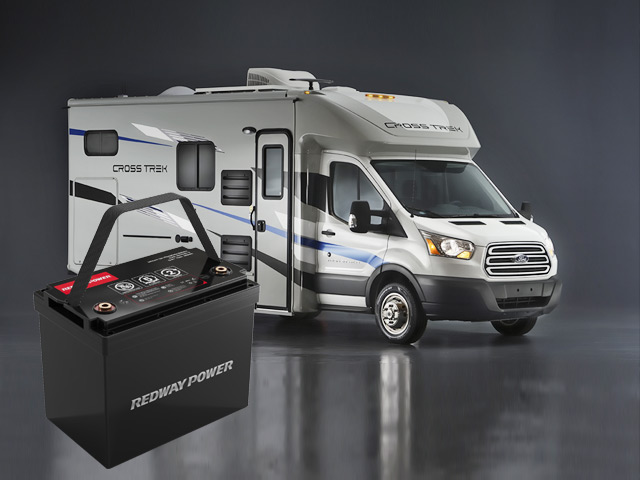
RV Batteries
Size coach energy, surge power and charging around the vehicle’s real travel and campsite pattern.

 34 guides
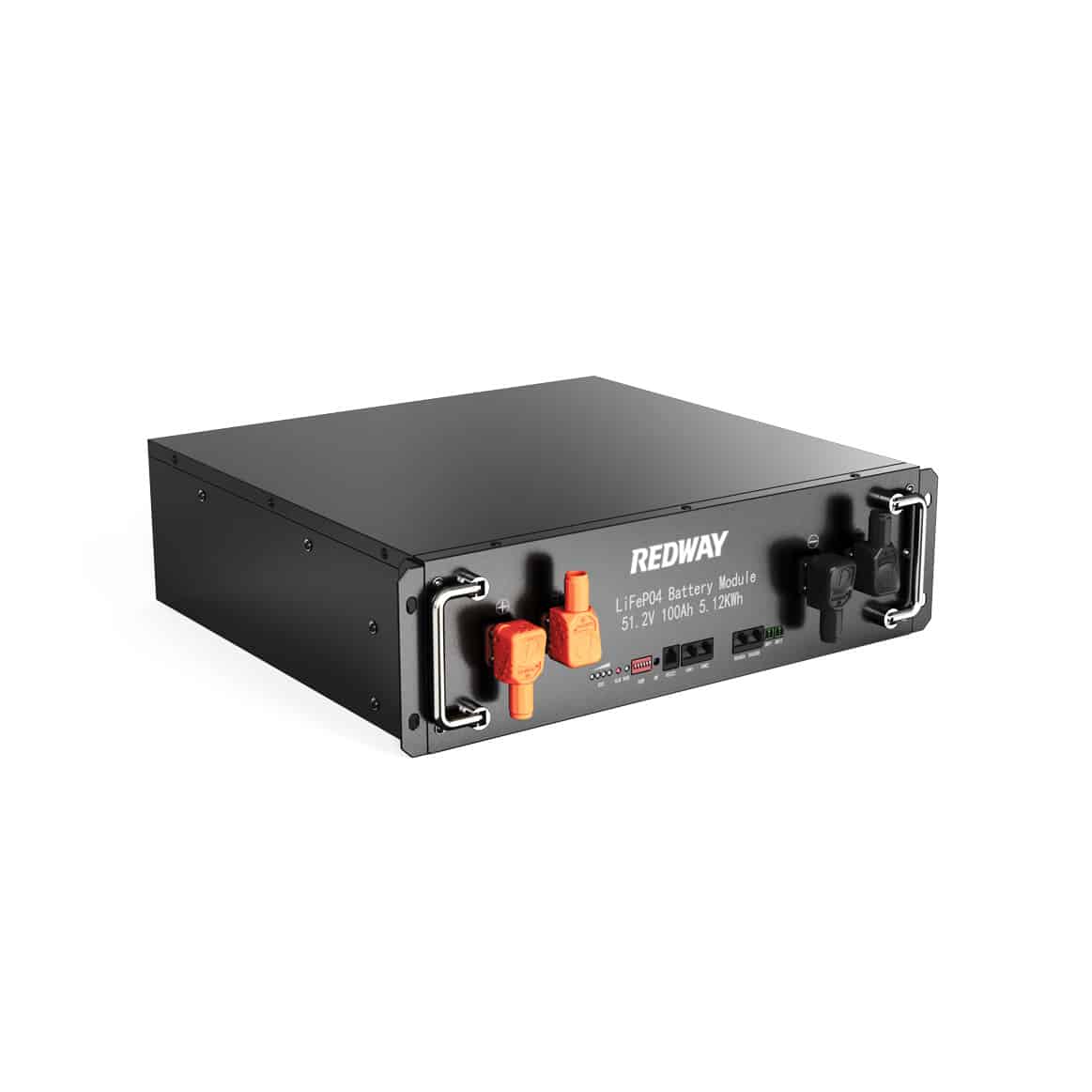
Rack Batteries
Plan server, telecom and UPS storage around bus voltage, autonomy, integration and service.

 32 guides
Solar Batteries
Size storage around critical loads, renewable production, inverter integration and backup goals.
 24 guides
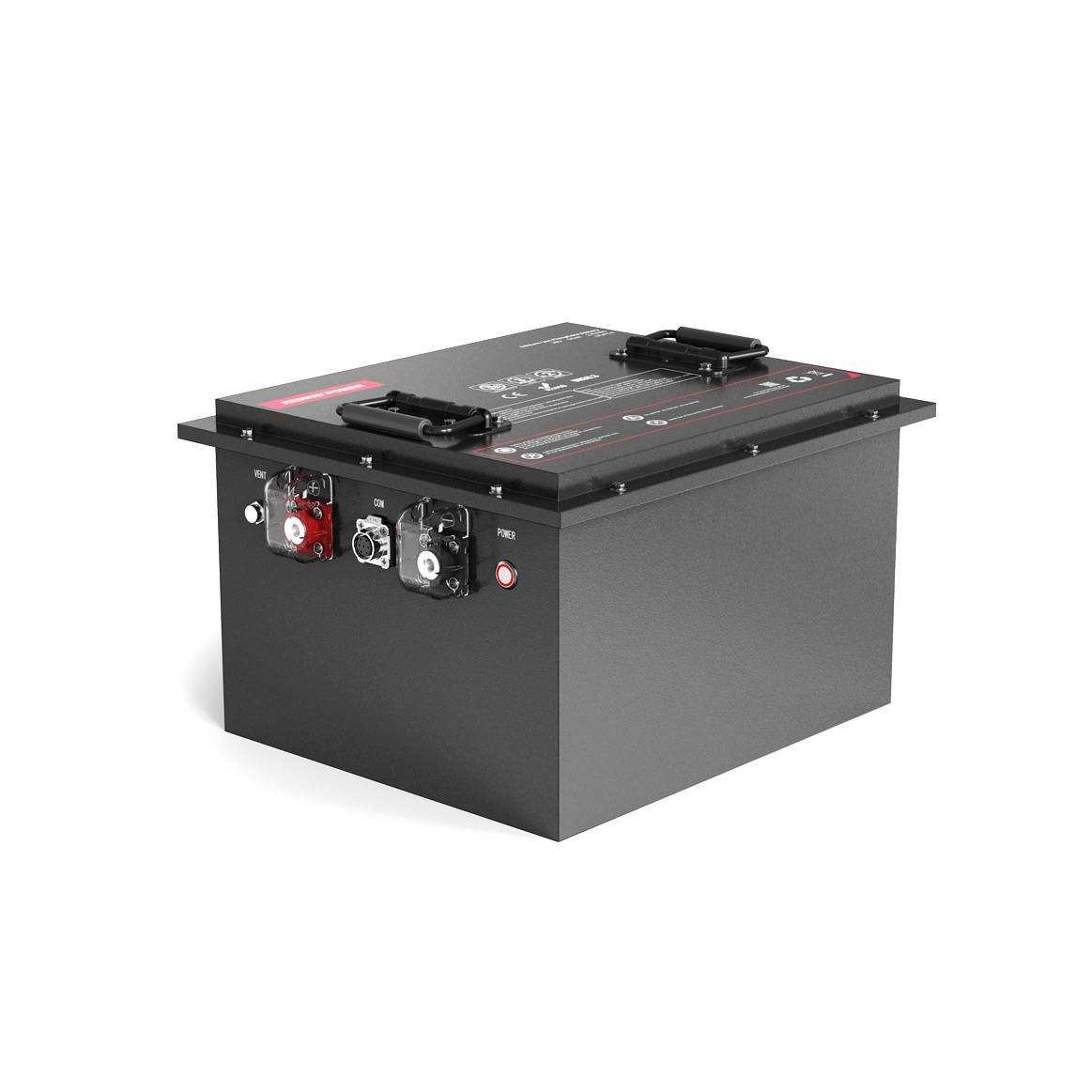
Mobility Batteries
Match voltage, power, range, charging, packaging and service to real vehicle duty.
Sizing, charging & care
Use these guides when a technical question crosses applications. Keep voltage compatibility, usable energy and current capability separate, then coordinate charging, protection and service around the complete system.
 42 guides
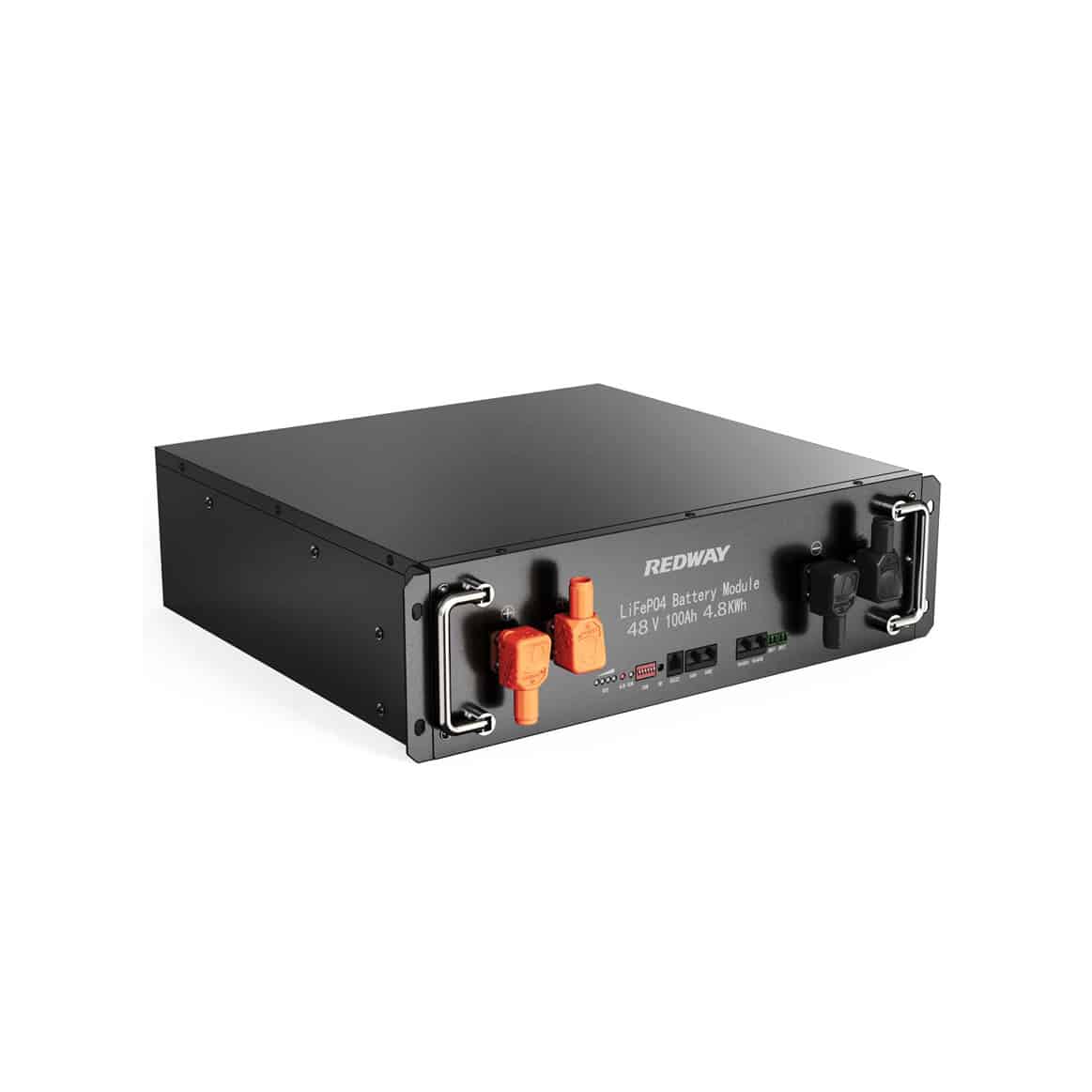
Battery Sizing
Match system voltage, usable energy, peak power, connections and charging to real duty.
 31 guides
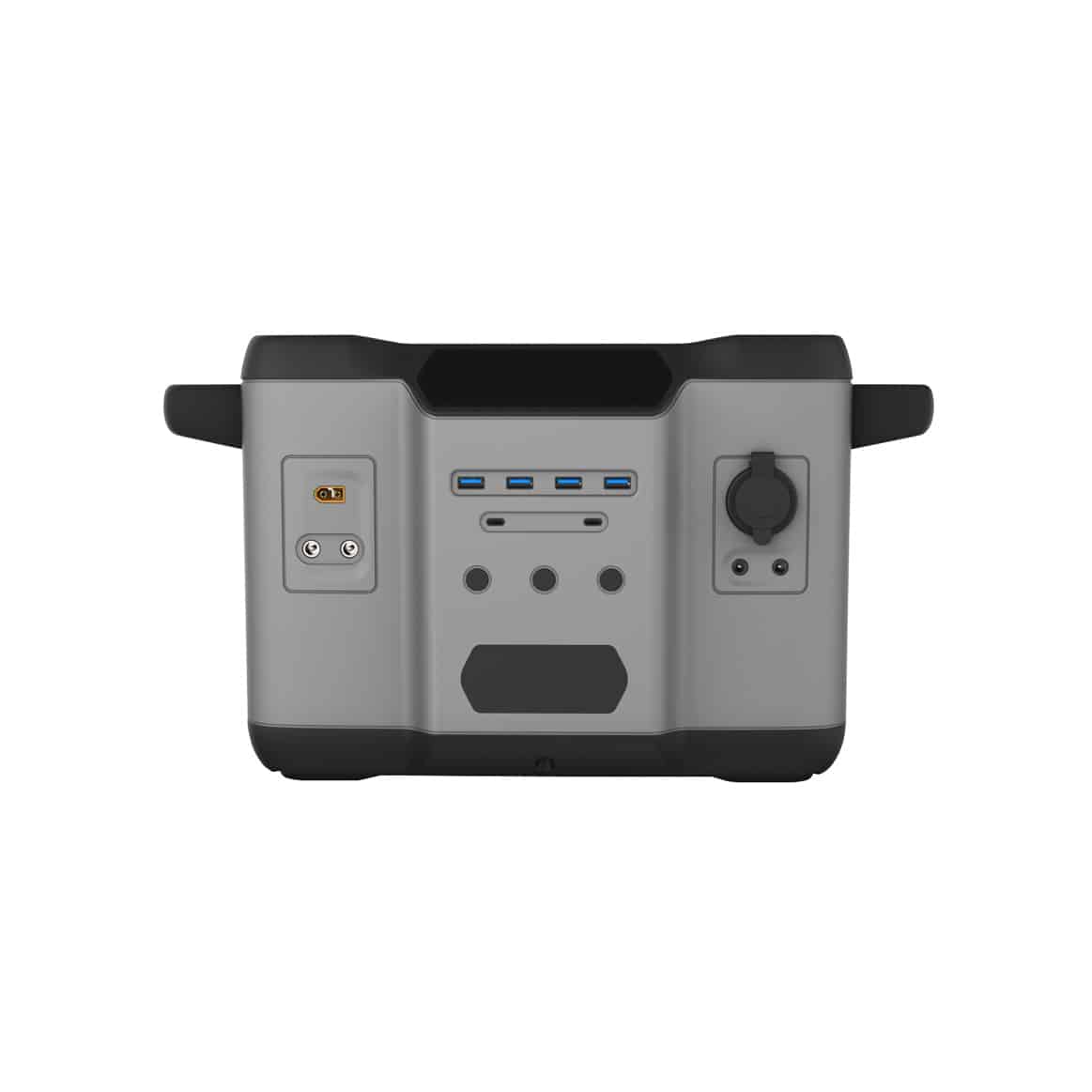
Charging & Chargers
Match charger voltage, current, control, power source and temperature to the battery duty.
26 guidesBMS & Safety
Coordinate cell protection, thermal control, monitoring, troubleshooting and safe service.
 40 guides
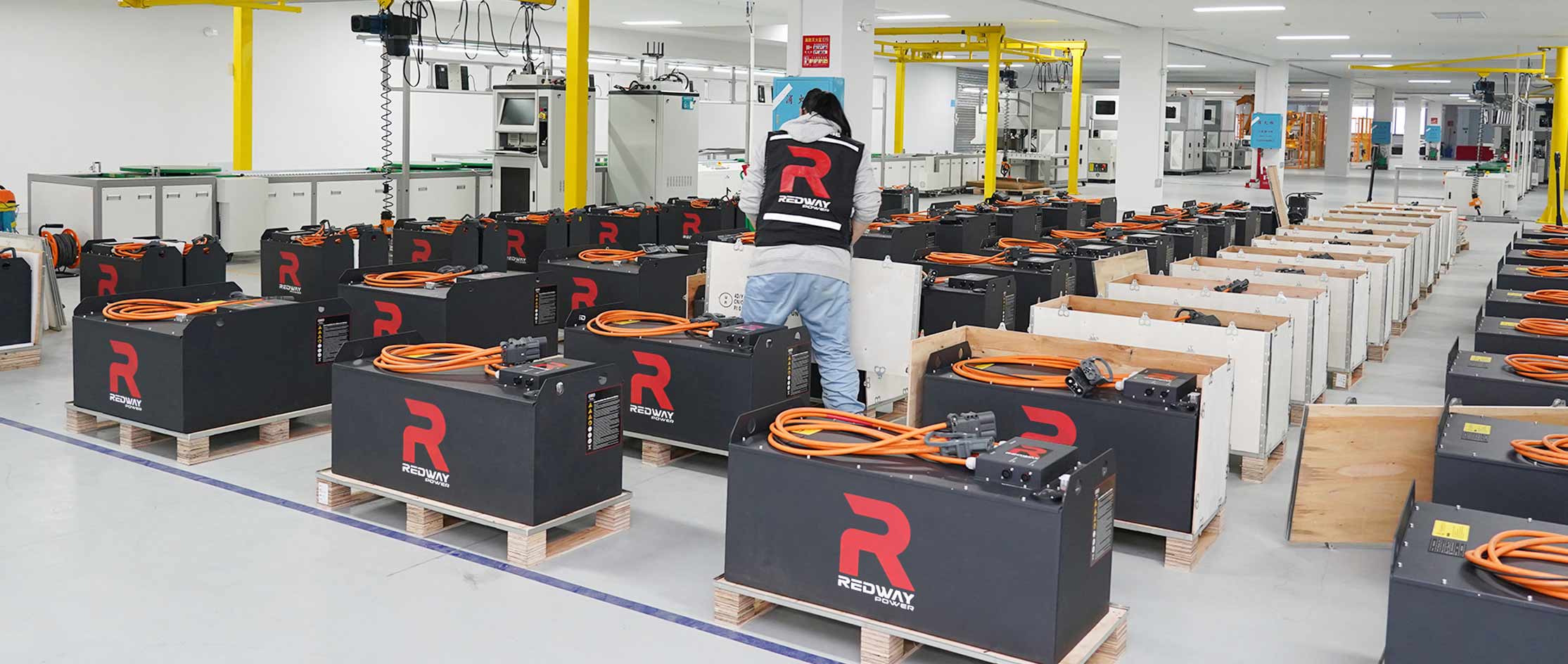
Battery Knowledge
Learn battery ratings, compare chemistries, verify performance and manage the full lifecycle.
For a focused vehicle example, continue to Golf Cart Battery Voltage & Capacity.
Technology & sourcing
Compare battery chemistry within the real operating limits, then turn the application into a supplier brief. Sample approval, interfaces, compliance markets, production validation, logistics and warranty support belong in the same procurement discussion.
 37 guides
LiFePO4 Technology
Understand chemistry, compare alternatives, verify performance and follow future cell technology.
29 guidesBattery OEM & Buying
Connect supplier qualification, custom engineering, production quality, pricing and logistics.
Turn requirements into an acceptance brief
Turn equipment data, operating conditions, compliance markets and order volume into a pack and validation brief. Keep sample approval, production checks, service responsibilities and warranty handling beside the technical specification so that buyer and supplier can verify the same requirements.
Using the guides
Battery guide questions
What is a battery guide Hub?
A Hub is a maintained decision page that connects one broad battery topic with detailed articles and focused routes. Use it to understand the main decisions before opening the reading that fits your application.
Where should I begin when selecting a battery?
Begin with the equipment and operating duty. Record approved voltage, physical fit, usable energy, continuous and peak current, temperature and charging access. Forklift and material-handling fleets are a central Redway application, with separate guides for other vehicles and stationary systems.
How do the technical guides support an application decision?
Application guides describe the machine and duty cycle. The sizing, charging, safety and technology guides explain decisions that repeat across applications. Compare the final battery, charger, protection and communication requirements together.
Are new blog posts automatically added to these Hubs?
No. Authors enter a title, body and existing article category, then use the normal draft or publishing controls. The configured article template handles suitable imagery, CTA, Hub backlinks and related reading. Hub inclusion is a separate editorial review; new posts are not automatically listed here.
What information helps an OEM battery discussion?
Prepare the equipment model, system voltage, compartment dimensions, load profile, working period, charging window, operating conditions, compliance markets and expected order volume. These inputs support a written battery and validation brief.