Ventilation helps disperse gases released during charging of gassing forklift batteries. In U.S. workplaces, assess the actual tasks performed at the charging location before applying the requirements of 29 CFR 1910.178(g). Document the chemistry, whether batteries are removed or serviced there, and whether electrolyte is present.
Last updated:
What the OSHA rule requires
Section 1910.178(g)(2) calls for adequate ventilation for dispersal of fumes from gassing batteries, together with facilities for flushing and neutralizing spilled electrolyte, fire protection, and protection of charging apparatus from truck damage where the provision applies. The paragraph does not set a universal airflow rate per square foot. Use the equipment data and applicable local requirements for an engineered assessment.

| Check | What to verify |
|---|---|
| Battery work | Charging only, removal or maintenance. |
| Site assessment | Chemistry, expected activity and ventilation basis. |
| Change trigger | New chargers, equipment chemistry or work activities. |
When the charging-only directive applies
OSHA’s directive explains that paragraph (g)(2) does not apply to qualifying charging-only areas where there is no battery maintenance, no battery removal from the truck and no electrolyte present in the area. Other provisions still apply, including designated-area, ignition-source and charging precautions. Record why the location qualifies before relying on the directive.
Reassess mixed fleets and layout changes
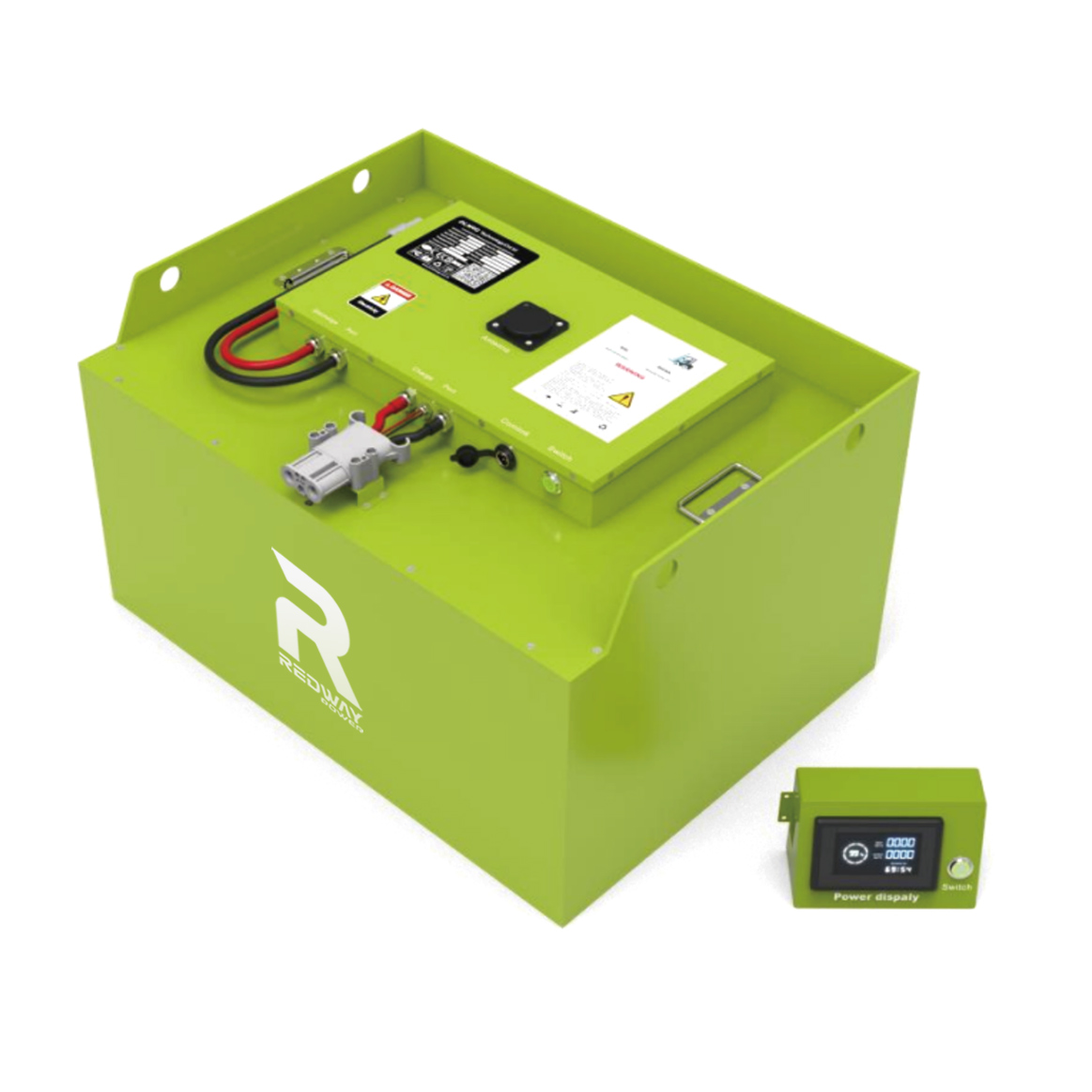
Flooded-battery gassing and electrolyte handling require different controls from charging sealed lithium systems. Obtain the lithium maker’s installation and emergency guidance and review applicable fire and electrical requirements. Revisit the assessment when more trucks charge simultaneously or the site adds battery service.
FAQ
Does 1910.178(g)(2) set one airflow rate?
It requires adequate dispersal where applicable. Have the qualified designer determine ventilation for the actual site.
Does a charging-only station need a designated area?
OSHA’s directive preserves the designated charging-area requirement and other listed provisions.
What should be kept on file?
Keep the equipment and chemistry list, actual activities, ventilation assessment and approved controls.
Reference: OSHA powered industrial trucks standard.
Reference: OSHA battery charging station directive.
Reference: OSHA electric truck battery guidance.
Related reading
Charging Safely: What Ventilation Does Your Forklift Battery Need?
manufacturer
Continue exploring: Forklift Battery Rooms, Ventilation & Compliance guide.