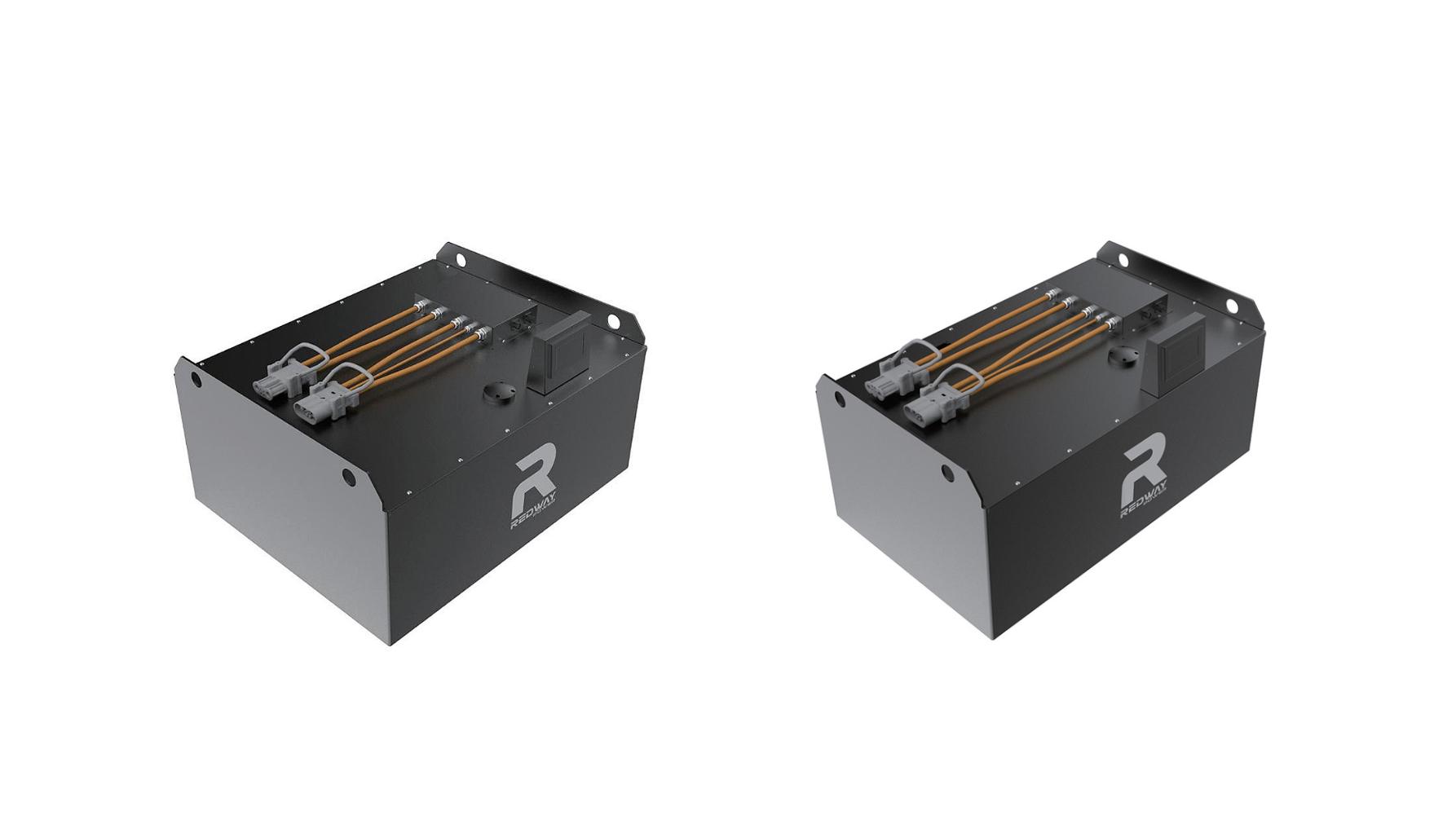
The evolution of 48-volt forklift batteries represents a transformative leap in industrial energy solutions, combining raw power with precision engineering. As warehouses and manufacturing hubs increasingly prioritize efficiency and sustainability, these high-performance batteries are redefining material handling operations. Let’s explore how 48V systems outperform traditional alternatives and why industries are rapidly adopting this technology.LiFePO4 Forklift Batteries
Advanced thermal management systems prevent overheating during 12-hour shifts, while adaptive load sensing dynamically allocates power between motors and hydraulic pumps. This reduces peak demand stress by 40%, ensuring consistent performance in freezer warehouses (-30°C) and scorching loading docks (45°C) alike.

Unmatched Performance for Demanding Environments
Modern 48-volt lithium-ion batteries deliver 18kW of sustained power output—double the maximum capacity of 24V lead-acid systems. This translates to forklifts effortlessly moving 3-ton pallets with 40% faster acceleration. Automotive plants using 48V fleets report 18% faster assembly line speeds, directly boosting productivity. The secret lies in lithium iron phosphate (LiFePO4) chemistry, which maintains 95% energy efficiency across 5,000 charge cycles compared to lead-acid’s 20% efficiency loss after just 500 cycles.| Performance Metric | 48V Lithium-ion | 24V Lead-acid |
|---|---|---|
| Peak Power Output | 18kW sustained | 9kW max |
| Energy Recovery Efficiency | 32% via regen braking | 0% |
| Full Charge Cycles | 5,000+ | 1,200 |
The Cost-Savings Revolution
While 48V batteries carry a 20-30% higher upfront cost, they deliver 62% lower total ownership expenses over a decade. Key savings drivers include:- Energy Efficiency: Smart charging algorithms optimize off-peak rates, cutting electricity bills by 30%
- Reduced Maintenance: No acid refills or equalization charges save $18,000 annually per 30-forklift fleet
- Longevity: 5,000-cycle lifespan vs. 1,200 cycles for lead-acid
Safety Engineered for Industrial Demands
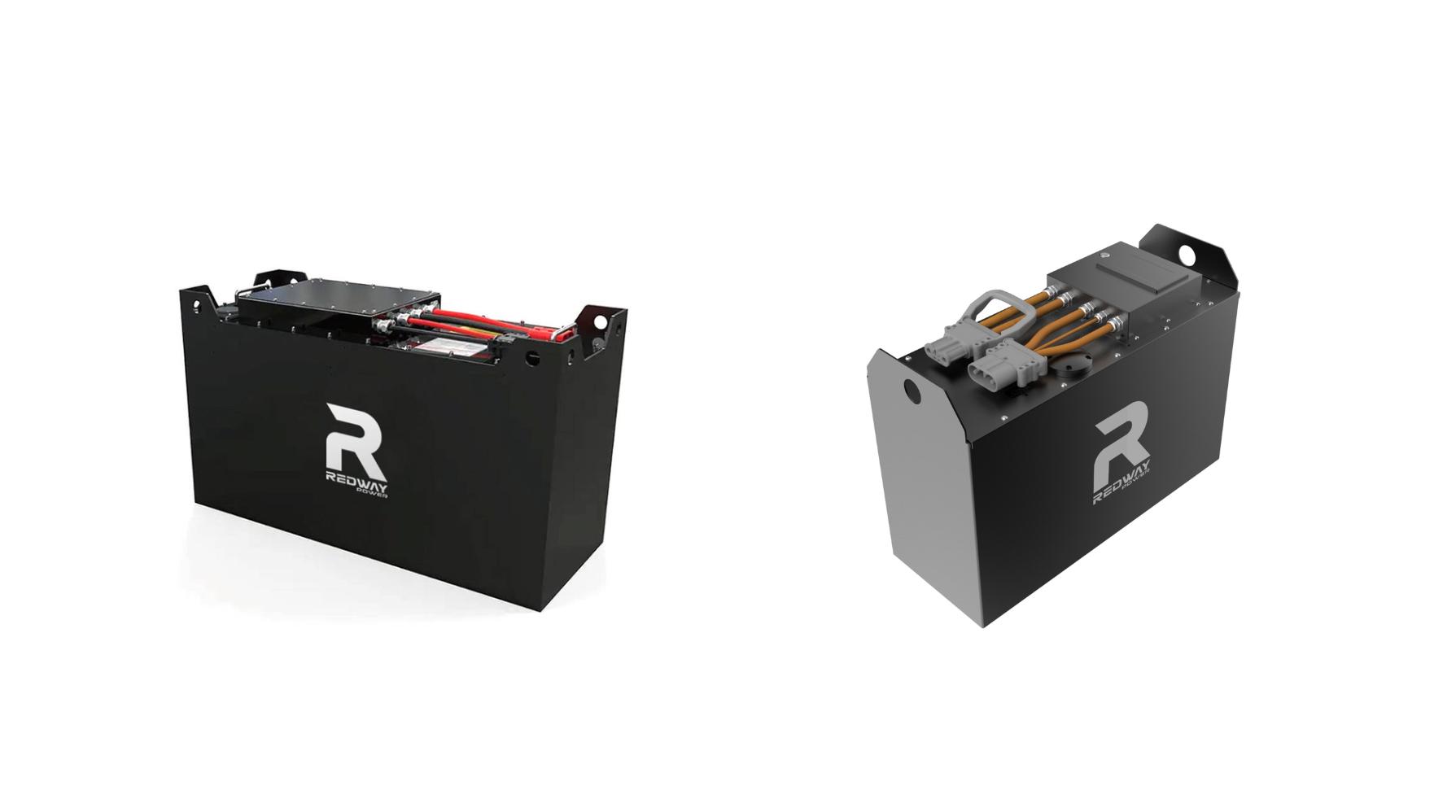
48V systems incorporate multi-layered protection:- Flame-retardant casings with IP67 waterproof ratings
- Real-time battery management systems (BMS) monitoring individual cell voltages
- Automatic shutdown during thermal runaway risks
Industry-Specific Applications
Different sectors leverage 48V advantages uniquely:- Cold Storage: Electrolyte heaters maintain performance at -30°C
- Automotive: Precision handling of engine blocks and EV batteries
- Ports: All-weather durability for container handling
Charging Efficiency Redefined
48V lithium batteries achieve 80% charge in 90 minutes versus 8+ hours for lead-acid. Opportunity charging during breaks enables 24/7 operation. A Phoenix logistics hub increased uptime by 37% using fast-charging 48V systems.Maximizing Battery Lifespan
Follow these maintenance best practices:- Keep state-of-charge between 20-80%
- Store at 50% SOC in climate-controlled areas
- Replace cooling fans every 10,000 hours
“48V lithium systems are game-changers,” notes Dr. Elena Marquez of Redway Power. “Our clients reduce carbon footprints by 18 metric tons annually per battery while achieving ROI in under two years.”
FAQ: Addressing Key Concerns
- Can older forklifts use 48V batteries?
- Most Class I-IV models support retrofits with compatible voltage regulators. Consult OEM guidelines for BMS integration.
- Are 48V batteries recyclable?
- Yes—95% of materials like lithium and cobalt are recoverable through EPA-certified programs.
- How does cold affect performance?
- Built-in heaters limit efficiency loss to 15% at -30°C. Liquid cooling maintains ±2°C stability in heat.
Continue exploring: Use the 48V Forklift Battery Systems guide for the related decision process, evidence, and practical guidance.