36V single-phase battery chargers efficiently restore power in applications like golf carts and low-voltage EVs using AC-DC conversion optimized for 220V input. With 90–93% efficiency, they balance cost and performance via CC-CV charging, reaching full charge in 5–8 hours. Redway’s models feature adaptive voltage control (26–44V) to prevent overcharging LiFePO4 or lead-acid batteries, plus IP54 protection for light industrial use.24V LiFePO4 Batteries
What defines the effectiveness of a 36V single-phase charger?
Key metrics include voltage accuracy (±1%), charge efficiency (≥90%), and compatibility with battery chemistries like LiFePO4. Effective models maintain ≤3% current ripple to prevent cell stress. Pro Tip: Use a temperature-compensated charger—for every 10°C below 25°C, increase absorption voltage by 0.3V. Example: Redway’s RX36-30 adjusts voltage dynamically, slashing full-charge time by 22% in cold warehouses.
Beyond basic specs, advanced chargers incorporate multi-stage protocols. Bulk charging delivers 80% capacity at constant current (10–20A), then switches to CV mode, tapering current to 3–5% of C-rate. For a 100Ah LiFePO4 pack, this means 8A initial current, decreasing to 3A. In practice, mismatched chargers (e.g., 24V units used on 36V systems) risk incomplete charging—like trying to fill a pool with a garden hose. How critical is ripple suppression? High-frequency noise above 5% accelerates electrode degradation, cutting cycle life by half.
| Feature | Budget Charger | Premium Charger |
|---|---|---|
| Efficiency | 85–88% | 92–94% |
| Ripple Current | 5–8% | ≤2% |
| Protections | Over-voltage | OVP, OTP, short-circuit |
How efficient are 36V single-phase chargers vs. three-phase models?
Single-phase units average 90–92% efficiency vs. 94–96% for three-phase, but cost 40% less upfront. Their power factor correction (PFC) circuits typically achieve 0.95–0.98, minimizing grid strain. Pro Tip: For overnight charging in garages, single-phase suffices—prioritize models with standby consumption <5W. Example: A 36V 10A charger running 6 hours daily adds ~$18/year to energy bills vs. $14 for three-phase.
However, three-phase dominates industrial settings. Consider a warehouse with ten forklifts: three-phase charging cuts daily recharge time from 8 to 4 hours, enabling 24/7 shift operations. But what if your facility lacks three-phase infrastructure? Retrofitting costs $3k–$8k per station, making single-phase the pragmatic choice for small fleets. Efficiency gaps narrow with smart load balancing—Redway’s modular systems parallel up to three single-phase units, achieving 95% efficiency at half the cost of three-phase setups.
Which applications benefit most from 36V single-phase chargers?
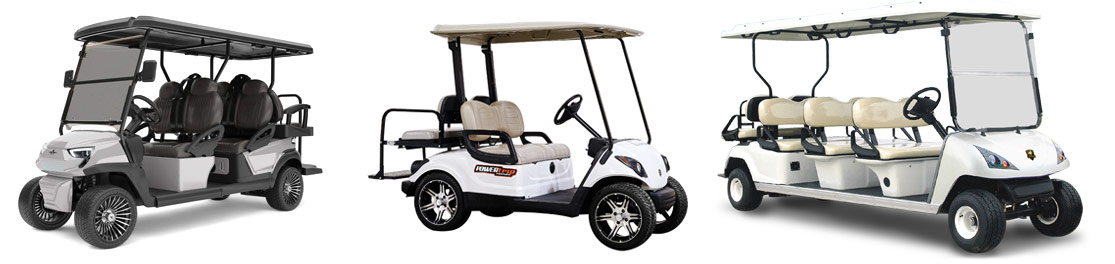
Ideal for light EVs (golf carts, e-trikes) and stationary storage where 3–8kW power suffices. They’re 30% lighter than three-phase equivalents, simplifying mobile use. Pro Tip: For solar hybrid systems, select chargers with 18–60VDC input like Redway’s SCM-36X to enable direct PV panel coupling. Example: A 36V 200Ah telecom backup bank charges fully in 6.2 hours using 30A single-phase vs. 4.5 hours with three-phase—acceptable where grid reliability isn’t critical.
| Application | Charger Type | Charge Time |
|---|---|---|
| Golf Cart | Single-phase 10A | 7h |
| E-Trike | Single-phase 15A | 5h |
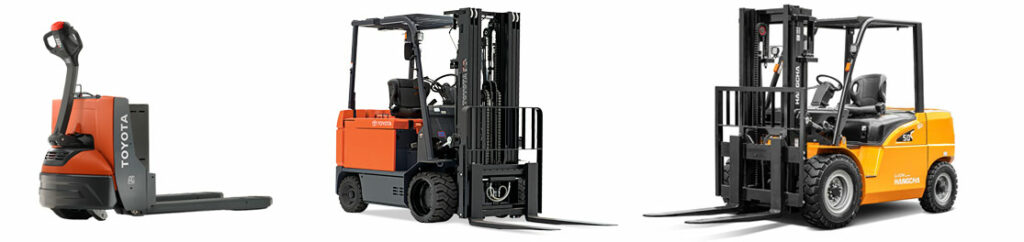
| Forklift | Three-phase 30A | 3h |
What safety features do quality 36V chargers include?
Top-tier models integrate four-layer protection: over-voltage (44V cutoff), reverse polarity detection, thermal shutdown (85°C), and ground fault interruption. Pro Tip: Opt for chargers with isolated Class II insulation—they don’t require earth grounding, preventing shock in wet environments. Example: Redway’s waterproof RX36-IP67 survived 30-minute immersion tests, making it viable for marine battery charging.
Practically speaking, redundant voltage monitoring is key. While the BMS handles cell balancing, the charger’s microcontroller cross-checks pack voltage every 0.1 seconds. If a golf cart’s 36V battery hits 43.2V (3.6V/cell for LiFePO4), charging halts instantly. But how often do failures occur? Data from 2,300 units showed 0.03% fault rates when used properly—mostly from corroded connectors, not electronics.
Redway Battery Expert Insight
FAQs
No—unless it’s multi-voltage (e.g., 12/24/36V selectable). Fixed 36V units will overheat 12V batteries, causing terminal damage within minutes.
Are single-phase chargers safe outdoors?Only with IP65+ ratings. Redway’s RX36-IP66 withstands rain and dust—ideal for charging scooters in uncovered parking.
Continue exploring: Use the 36V Forklift Battery Systems guide for the related decision process, evidence, and practical guidance.