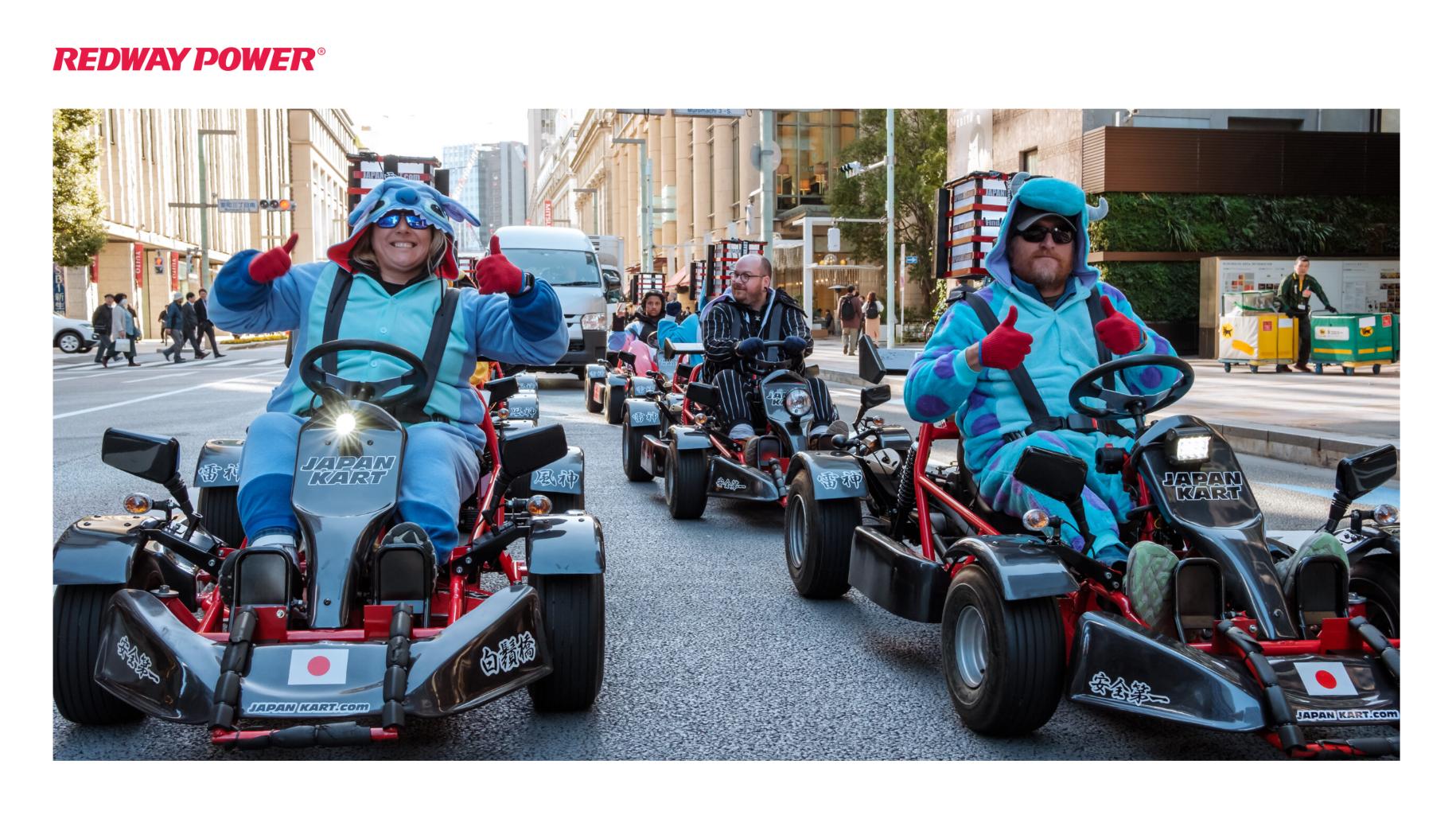
Most recreational go-karts are not street legal as built. Adding lights and mirrors does not automatically make one registrable: the vehicle must fit a category recognized by the state, meet the applicable equipment rules, carry an acceptable vehicle identification number and pass any required inspection.
Last updated:
Can a go-kart become street legal?
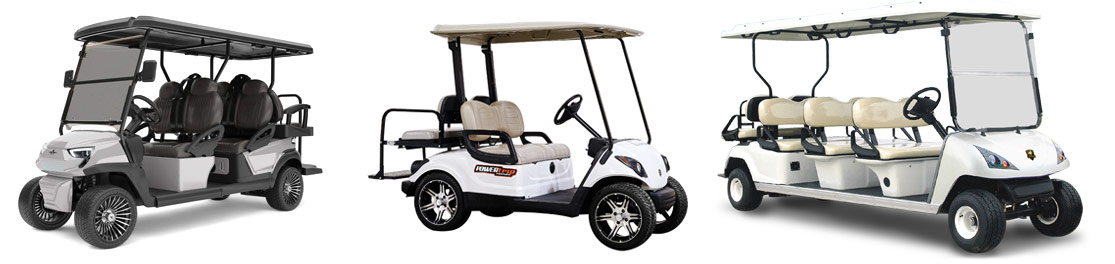
Sometimes, but the answer depends on the vehicle and the jurisdiction. Federal rules define a low-speed vehicle (LSV) as a four-wheeled motor vehicle with a top speed above 20 mph but not above 25 mph and a gross vehicle weight rating below 3,000 pounds. That definition does not automatically turn a recreational go-kart into an LSV, and states decide registration and road access.
Before buying parts, ask the state DMV or motor-vehicle agency whether the kart can be titled as an LSV, assembled vehicle, off-highway vehicle or another recognized class. Also ask whether a manufacturer’s certificate of origin, VIN assignment, receipts, inspection and proof of insurance are required.
What does FMVSS No. 500 require for an LSV?
The federal LSV equipment list is a useful screening checklist, not a conversion guarantee. 49 CFR 571.500 specifies headlamps, front and rear turn signals, taillamps, stop lamps, reflectors, an exterior driver-side mirror plus either an interior or passenger-side mirror, a parking brake, a compliant windshield, a vehicle identification number and seat belts.
| Checkpoint | What to verify | Why it matters |
|---|---|---|
| Vehicle class | State recognizes a category the kart can legally enter | Equipment alone cannot create a title category |
| Speed | Documented maximum speed and any road-speed restrictions | Federal LSV definition is above 20 mph and no more than 25 mph |
| Identity | VIN, origin document or state-assigned number | Often needed for inspection and registration |
| Equipment | Lights, mirrors, glazing, brakes and restraints meet applicable rules | Aftermarket parts must satisfy the required standard |
| Operation | License, registration, insurance and permitted roads | Rules vary by state and municipality |
Why lights and a 25 mph limiter are not enough
A common shortcut is to install a light kit, mirrors and a speed governor. Those changes may improve safety, but an inspector can still reject a kart because it lacks a valid VIN, eligible title documents, compliant windshield glazing, adequate braking or a registrable vehicle classification. Local rules may also prohibit LSVs or off-highway vehicles on particular roads.
NHTSA explains that FMVSS No. 500 establishes minimum equipment for vehicles that already meet the LSV definition. Its LSV interpretation also shows why vehicle classification comes before an equipment shopping list.
A safer decision path before modifying the kart
- Record the manufacturer, model, serial number, top speed and weight rating.
- Send those details to the state DMV and ask which title class, if any, applies.
- Request the exact inspection checklist and acceptable ownership documents.
- Confirm where that class may operate and whether a driver’s license and insurance are required.
- Only then price the required equipment, inspection, registration and insurance.
For an electric build, calculate energy and range only after the legal and weight constraints are known. Redway’s watt-hour and amp-hour guide explains the electrical calculation, while the Redway Battery team can discuss battery-pack requirements for an OEM project. Battery selection does not establish road legality.
What should an inspector or insurer see?
Prepare ownership documents, receipts for major components, photographs, equipment specifications and any state-assigned VIN paperwork. Ask the insurer to confirm in writing that the declared vehicle class, modifications and road use are covered. Do not assume a homeowners, auto or recreational policy automatically includes the kart.
FAQ
Can any go-kart be converted for public-road use?
No. Some jurisdictions have no registration path for a recreational kart, and some vehicles cannot satisfy the documentation or construction requirements of an eligible class.
Does a 25 mph speed governor make a go-kart an LSV?
No. Speed is only one part of the federal LSV definition. The vehicle must also meet the relevant classification, equipment, identification, state registration and operating rules.
Do I need a driver’s license and insurance?
Requirements depend on the state, municipality, vehicle classification and road. Confirm both with the licensing agency and an insurer before operating on a public road.
What should I ask the DMV before buying conversion parts?
Ask whether the kart can be titled, which vehicle class applies, what ownership and VIN documents are accepted, which inspection checklist applies and where the registered vehicle may operate.