When selecting batteries for outdoor activities, prioritize weight, capacity, temperature tolerance, and compatibility with your devices. Lithium batteries are often preferred due to their lightweight design and efficiency; however, alkaline options may suffice for less demanding applications.Batteries are indispensable power sources for numerous outdoor devices, from headlamps and lanterns to GPS devices and cameras. Selecting the right battery involves balancing factors like duration, performance, cost, and environmental impact. This guide provides an in-depth look at different battery types, their pros and cons, and tips for making the best choice for your outdoor adventures.

Understanding Battery Sizes
Common Battery Sizes
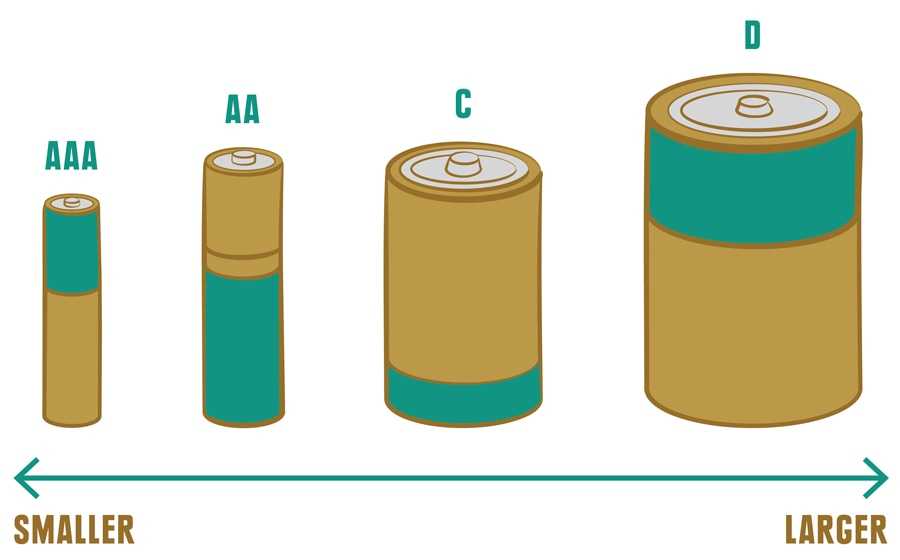
- AAA, AA, C, D: These familiar sizes are designated by letters. The further you go in the alphabet, the larger the battery size. Multiple letters indicate smaller sizes (e.g., AAA is smaller than AA).
- Coin Cell Batteries: Also known as button cells, these are identified by a combination of letters and numbers (e.g., CR2032). The first letter indicates chemical composition (C for lithium), the second indicates shape (R for round), and the numbers indicate diameter and height in millimeters.
Single-Use vs. Rechargeable Batteries
Single-Use Batteries
Alkaline Batteries
Best Use: Low to moderate-drain devices like LED headlamps, toys, and remote controls.Pros:- Moderate cost
- Widely available
- Long shelf life
- Disposable, contributing to landfill waste
Lithium Batteries
Best Use: High-drain devices like digital cameras and moderate-drain devices like headlamps.Pros:- Highest energy density
- Excellent performance in extreme temperatures
- Longest shelf life
- Lightweight
- Higher cost
- Potentially damaging to some devices due to higher voltage
Rechargeable Batteries
Nickel-Metal Hydride (NiMH) Batteries
Best Use: High-drain devices and prolonged use items like digital cameras and GPS receivers.Pros:- Consistent energy delivery
- Higher current capacity
- No memory effect
- Good performance in cold weather
- Better long-term value
- Faster self-discharge rate
- Moderately expensive
- Requires regular charging
Precharged NiMH Batteries
Best Use: High to moderate-drain devices and some low-drain devices due to low self-discharge.Pros:- Ready to use out of the package
- Lower self-discharge rate
- Suitable for intermittent use devices
- Moderately expensive
Lithium-Ion Batteries
Best Use: Electronics like smartphones, laptops, and portable power devices.Pros:- Lowest self-discharge rate
- High recharging cycles
- High performance
- More expensive
- Age-related performance decline
Detailed Comparison of Battery Types
| Battery Type | Best Uses | Nominal Voltage | Shelf Life | Self-Discharge Rate | Recharging Cycles | Performance at 0°F | Recyclable |
|---|---|---|---|---|---|---|---|
| Alkaline | Low-drain devices | 1.5V | 5-7 years | Very low | N/A | Poor/Good | Yes |
| Lithium | High-drain devices | 1.5-3V | 10-15 years | Very low | N/A | Very good | Yes |
| NiMH | High-drain devices | 1.2V | N/A | 30-40% per month | 150-500 | Good/Fair | Yes |
| Precharged NiMH | Moderate-drain devices | 1.2V | N/A | 10-20% over 6 months | 150-500 | Good/Fair | Yes |
| Lithium-ion | Electronics | 3.6V | N/A | <2% per month | 500-1,000 | Good/Fair | Yes |
Tips for Maximizing Battery Life
- Temperature Management: Keep devices warm in cold conditions to maintain battery performance.
- Consistent Charging: Regularly charge rechargeable batteries to extend their lifespan.
- Avoid Mixed Use: Do not mix different types, brands, or ages of batteries.
- Proper Storage: Store batteries in cool, dry places to prevent degradation.
- Safety Measures: Avoid short circuits and do not expose batteries to extreme heat or fire.
Recommended Battery Types for Outdoor Activities
- Headlamps: Precharged NiMH for moderate use, Lithium for high-drain and extreme conditions.
- GPS Devices: Lithium-ion for compact and high-performance needs.
- Digital Cameras: Lithium for maximum power and longevity.
- Emergency Kits: Alkaline for long shelf life and availability.
Conclusion
Choosing the right battery for your outdoor devices involves understanding the specific needs of each device and the environmental conditions you’ll face. By selecting the appropriate size, type, and managing their use properly, you can ensure reliable power for all your adventures.Continue exploring: Use the Lithium Mining, Regulation & Transport guide for the related decision process, evidence, and practical guidance.