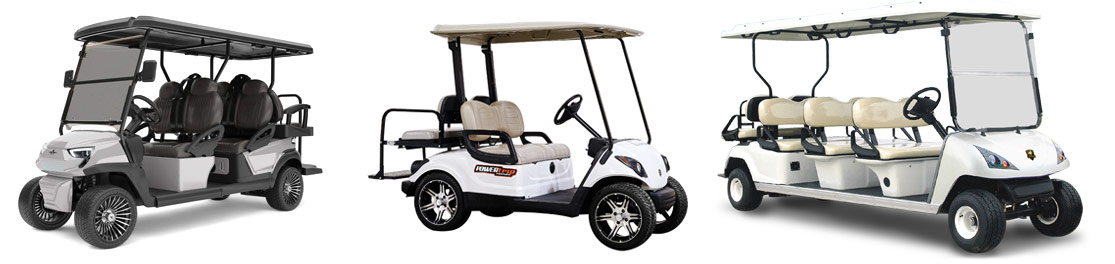
Electric carts used in stores are commonly referred to as electric shopping carts or motorized shopping carts. These battery-powered devices assist customers with mobility challenges in navigating retail spaces. Designed with baskets for holding items, they typically operate at walking speeds (3–5 mph) and feature ergonomic seating, intuitive joystick controls, and safety sensors to prevent collisions. Major retailers like Walmart and Costco often provide them near store entrances. Pro Tip: Check with store staff for availability—some locations require ID deposits to prevent theft.
Why Buy ICON EV Golf Carts Through CostcoWhat distinguishes electric shopping carts from standard carts?
Electric shopping carts integrate motorized propulsion systems and lithium-ion batteries, unlike manual carts. They support 250–400 lbs capacity versus 100–150 lbs for traditional models. Deep Dive: The core components include a 24V–36V battery (lasting 8–12 hours), brushless DC motor (200–500W), and digital control panel. For example, the MartCart EZ-Rider uses swivel wheels for tight supermarket aisles. Warning: Never leave these carts charging overnight—most BMS systems lack overcharge protection. Practically speaking, their turning radius averages 40 inches versus 60 inches for conventional carts, improving maneuverability.
How do stores maintain electric shopping carts?
Retailers implement scheduled maintenance protocols including battery cycling and brake inspections. Charging stations use smart docks that balance cells automatically. Deep Dive: Technicians typically replace lead-acid batteries every 18 months (≈500 cycles) or lithium variants every 3–5 years (≈1,200 cycles). A Walmart maintenance log shows weekly tire pressure checks (18–22 PSI) and monthly motor diagnostics. Pro Tip: Stores should sanitize handle controls daily—high-touch surfaces accumulate 12,000+ bacteria/sq inch. Transitionally, while upfront costs are higher ($2,000–$4,000 per unit), electric carts reduce staff assistance needs by 70% according to Kroger’s accessibility report.
| Feature | Electric Cart | Standard Cart |
|---|---|---|
| Speed | 3–5 mph | Manual push |
| Battery Life | 8–12 hours | N/A |
| Weight Capacity | 400 lbs | 150 lbs |
Redway Battery Expert Insight
FAQs
Most retailers offer them at no cost, though some require ID or a refundable deposit (usually $5–$20) to ensure return.
Can children operate electric shopping carts?Manufacturers specify a minimum user age of 16 due to weight and control requirements—always supervise teens during use.
Continue exploring: Use the Golf Cart Battery Maintenance, Storage & Winter Care guide for the related decision process, evidence, and practical guidance.