Redway Power · LiFePO4 battery factory for OEM & wholesale, 12V to 100V|Tel +86 189 7608 1534|Get a quick quote
What is the difference between optima 31 and 34?

What is the difference between optima 31 and 34?

Looking for the perfect battery to power your vehicle or boat can be overwhelming, especially when faced with a plethora of options on the market. Two popular choices are Optima 31 and Optima 34 batteries. But what sets these two apart? Which one is better suited for your needs? In this blog post, we will explore the differences between these two batteries and help you make an informed decision. So sit back, relax, and let’s dive in!

What is the Optima 31?

The Optima 31 is a deep cycle battery that is known for its exceptional durability and long-lasting performance. It is specifically designed to withstand harsh weather conditions, making it ideal for use in marine vehicles and other heavy-duty applications.One of the standout features of the Optima 31 is its SpiralCell design, which improves both power and capacity. This technology also makes the battery more resistant to vibration damage, ensuring longevity even in tough environments.In addition to its rugged construction, this battery boasts an impressive reserve capacity of up to 155 minutes. This means that even if your vehicle’s alternator fails, you’ll still have plenty of power to keep your lights on and electronics running until help arrives.If you’re looking for a reliable deep cycle battery with excellent endurance capabilities, then the Optima 31 may be just what you need. Its combination of advanced technologies and robust build quality make it a top choice among avid boaters and off-road enthusiasts alike.

What is the Optima 34?

The Optima 34 is a battery model designed and manufactured by the renowned battery manufacturer, Johnson Controls. It’s a high-performance AGM (Absorbent Glass Mat) battery that is specially constructed to provide reliable starting power for your vehicle in all weather conditions.One of the most significant advantages of the Optima 34 over traditional batteries is its durability. Its unique design makes it highly resistant to vibrations, which can often cause damage to other types of batteries.Another feature that sets this battery apart from others is its ability to maintain a stable voltage output throughout its lifespan. This ensures that your vehicle will always have sufficient power for all electrical components.The Optima 34 has also been engineered with advanced safety features such as spark-proof technology and reverse polarity protection, making it one of the safest car batteries on the market today.If you’re looking for a reliable and durable car battery with excellent performance capabilities, then the Optima 34 should definitely be at or near the top of your list when considering your options!

Which one is better for you?

When it comes to deciding between the Optima 31 and Optima 34, there are a few factors you’ll need to consider. First and foremost is the type of vehicle you drive. The Optima 31 is better suited for smaller vehicles such as sedans or hatchbacks, while the Optima 34 is designed for larger vehicles like SUVs or trucks.Another important consideration is your driving habits. If you frequently take short trips around town, then the Optima 31 may be more suitable for your needs. On the other hand, if you do a lot of long-distance driving on highways or off-road terrain, then the Optima 34 would likely provide better performance and reliability.It’s also worth noting that both batteries have similar features such as high-reserve capacity and deep cycle capabilities. However, there are some differences in terms of lifespan and warranty coverage that could impact your decision.Ultimately, choosing between these two batteries will depend on your specific requirements as a driver. It’s always best to consult with an expert who can help guide you through this process so that you can make an informed decision based on your unique needs and budget.

What are the different types of OPTIMA batteries?

OPTIMA batteries are known for their high-quality and reliable performance. There are several different types of OPTIMA batteries available, each with its own unique features and benefits.One of the most popular options is the OPTIMA Red Top battery. This battery is designed for starting applications, making it ideal for use in cars, trucks, and other vehicles. It provides a strong burst of power to get your engine started quickly and efficiently.Another option is the OPTIMA Yellow Top battery. This type of battery is a dual-purpose design that can be used for both starting and deep cycling applications. This makes it an excellent choice for use in RVs or boats where you need reliable power over an extended period.There’s the OPTIMA Blue Top battery which has been specifically designed to handle marine applications such as trolling motors or powering on-board electronics like GPS systems or fish finders.Regardless of what application you have in mind there’s likely an OPTIMA Battery that will meet your specific needs thanks to their range of options available!What are the different types of OPTIMA batteries?

What is the Optima D34 equivalent to?

The Optima D34 battery is a high-performance AGM (Absorbent Glass Mat) battery that is used in various applications, particularly in marine and automotive industries. This battery model belongs to the Yellow Top series of Optima Batteries, which are known for their deep-cycle capabilities.When it comes to finding an equivalent for the Optima D34, there really isn’t an exact match. However, some batteries from other brands can come close. For example, the Odyssey 31-PC2150S or the Exide Edge FP-AGML4/94R would be good options as they offer similar specifications such as amp hours and reserve capacity.It’s essential to remember that while these batteries may have similar specs on paper, they might not perform as well as the Optima D34 due to differences in build quality and technology. When choosing a replacement battery for your vehicle or boat, always make sure it meets or exceeds the manufacturer‘s requirements.In summary, although there isn’t an exact equivalent for the Optima D34 out there from another brand or product line – there are alternative options available with comparable characteristics.

The Differences between the Optima 31 and 34

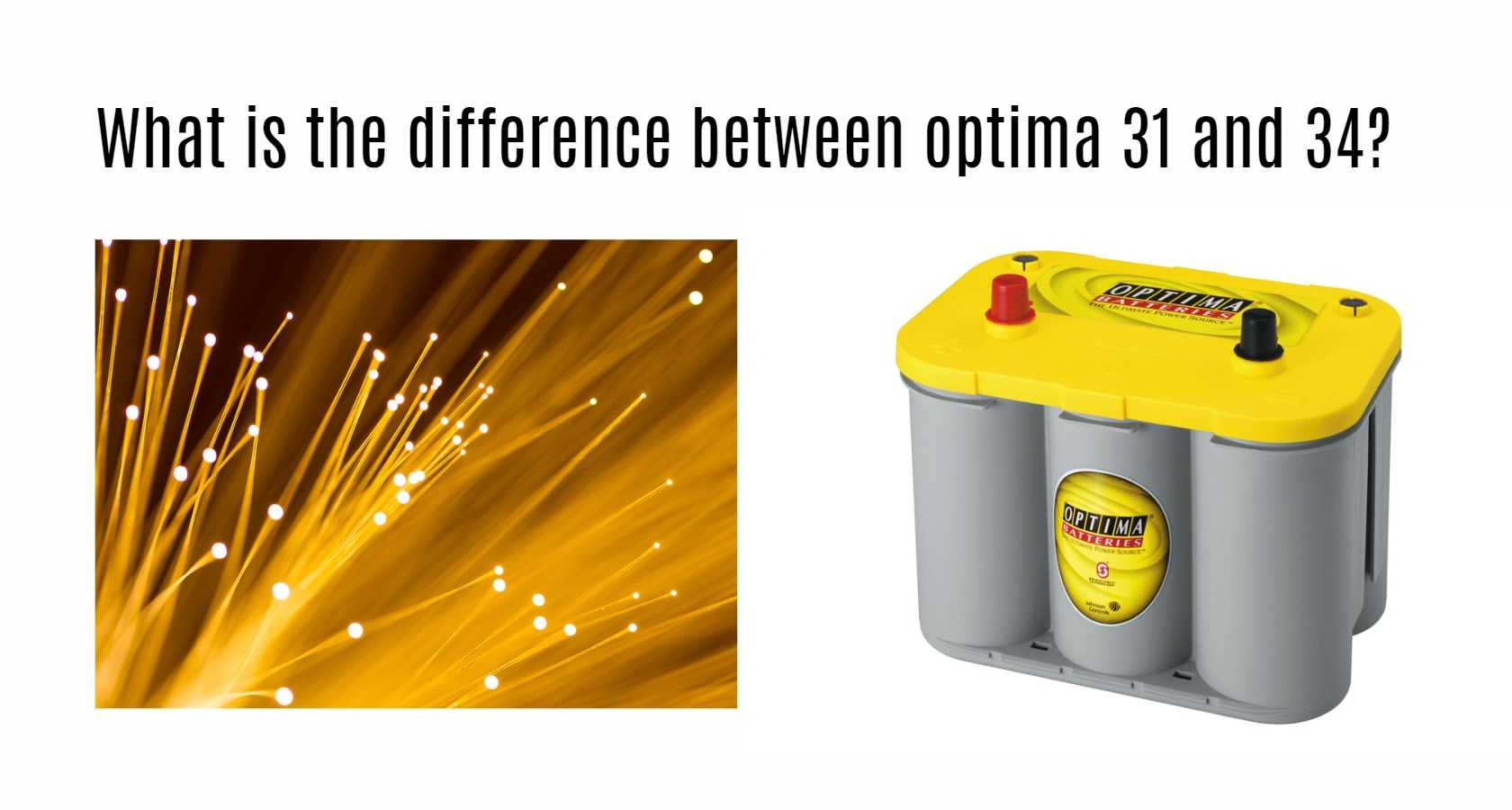
When it comes to choosing the right battery for your vehicle, you want to ensure that you are selecting one that can provide reliable performance and longevity. Two popular options in the Optima line of batteries are the 31 and 34 models. While they may seem similar at first glance, there are some key differences to consider.One significant difference between the Optima 31 and 34 is their size and weight. The Optima 34 is slightly larger and heavier than the 31 model, with dimensions of approximately 10 x7x7 inches compared to the smaller size of around 12x6x9 inches for the Optima 31.Another factor to consider when comparing these two batteries is their power capacity. The Optima D31M has a CCA (Cold Cranking Amps) rating of around 900 amps while its counterpart, the D34M has a CCA rating of about approximately1000 amps.The internal design also differs significantly between these two battery types; both have SpiralCell technology but differ in terms of how much lead plates they house inside each cell wall.While both options offer high-quality performance features such as deep cycle capabilities and maintenance-free operation, determining which one provides better overall value will depend on individual needs like available space under hood or budget constraints etcetera.In summary, although both batteries share many similarities regarding durability ratings & construction quality benefits -they do vary in essential metrics such as physical size/weight along with power output levels- making them suitable for different vehicles or applications depending on specific requirements & preferences!

Which Optima battery is better red or yellow?

When it comes to choosing between a red and yellow Optima battery, the decision can be tough. Both colors have their own unique set of features and benefits that may suit different individuals.The yellow top Optima battery is specially designed for deep cycling applications such as powering stereo systems, aftermarket lights, and other electronics. This type of battery has a high reserve capacity which means it can provide power for long periods without recharging. Additionally, the yellow top has faster recharging capabilities compared to the red top.On the other hand, the red top Optima battery is more suited for starting vehicles such as cars or trucks. It possesses a strong starting burst capability which makes it ideal in cold weather conditions. The red top also requires minimal maintenance due to its low self-discharge rate and vibration resistant design.When deciding between a red or yellow Optima battery you must determine what your specific needs are first. If you require a powerful starter with little maintenance then go with a Red Top; if you need deep cycle performance with quick recharge times then opt-in for Yellow Top!

How much does a Optima Group 34 weight?

In summary, both the Optima 31 and 34 are excellent battery options for a range of vehicles. The main differences between them lie in their physical dimensions, reserve capacity and CCA ratings. If you prioritize power above all else, then the Optima 34 is likely to be your best bet due to its higher CCA rating. However, if you’re working with limited space or need a battery that can run accessories for longer periods of time, then the Optima 31 could be a better option.To answer our final question on how much an Optima Group 34 weighs; it typically weighs around 43 pounds or slightly more depending on the model. It’s important to keep this weight in mind when installing your new battery so that you can ensure proper support and avoid any potential damage to your vehicle or yourself during installation.Ultimately, the decision between these two great batteries comes down to individual needs and preferences. So take some time to consider what factors matter most to you before making a purchase – whether it’s size constraints or high performance requirements – there is always an Optima battery option available that will meet your specific needs!

FAQs

What is so good about OPTIMA batteries?

OPTIMA batteries are trusted for their exceptional performance and reliability. They provide a strong and clean power source, surpassing traditional lead/acid batteries. With durability, longevity, and maintenance-free operation, OPTIMA batteries are the preferred choice for various applications. Their high performance, resistance to vibration, and ability to deliver consistent power make them ideal for off-road vehicles and other demanding environments. Choose OPTIMA batteries for reliable power and peace of mind.
  1. High Performance: OPTIMA batteries provide a reliable and powerful source of energy, delivering a high burst of starting power. Whether it’s for your car, truck, boat, or RV, OPTIMA batteries offer the performance you can depend on.
  2. Durability and Longevity: OPTIMA batteries are designed to withstand harsh environments and demanding applications. They are resistant to vibration, making them perfect for off-road vehicles and other rugged conditions. With a longer lifespan compared to ordinary batteries, OPTIMA batteries offer reliability that lasts.
  3. Maintenance-Free Operation: OPTIMA batteries are sealed and maintenance-free, eliminating the need for checking water levels or adding distilled water. Their leak-proof design allows for mounting in various positions without the risk of spills. Enjoy hassle-free power without the need for constant maintenance.

How long do OPTIMA batteries last?

OPTIMA batteries are designed to be long-lasting and reliable. On average, OPTIMA batteries can last between 4 to 8 years when properly maintained and used correctly. Factors such as climate, usage patterns, and maintenance habits can influence the lifespan of an OPTIMA battery. With their superior performance and durability, OPTIMA batteries provide a reliable power source for various applications. Choose OPTIMA batteries for long-lasting performance and peace of mind.
  1. Average Lifespan: OPTIMA batteries can last between 4 to 8 years when properly maintained and used correctly. This lifespan can vary depending on factors such as climate, usage patterns, and maintenance habits. It is important to follow the manufacturer’s guidelines for optimal battery performance.
  2. Factors Affecting Lifespan: The lifespan of an OPTIMA battery can be influenced by various factors. Extreme temperatures, whether hot or cold, can reduce the battery’s lifespan. Proper maintenance, including regular cleaning and inspection, is crucial for maximizing battery life. Additionally, the capacity and voltage of the battery, as well as the specific application and usage patterns, can impact its longevity.
  3. Benefits of OPTIMA Batteries: OPTIMA batteries are designed to be durable and reliable, even under stressful conditions. They offer superior performance, quicker recharge times, and improved vibration resistance compared to other types of batteries. OPTIMA batteries are available in different models, each designed for specific applications such as starting power, deep cycling, or marine use. With their long-lasting performance and reliable warranty, OPTIMA batteries are a trusted choice for powering various vehicles and applications.

What do OPTIMA battery colors mean?

Optima batteries come in three different colors: red, yellow, and blue. The colors indicate the different types and purposes of the batteries.
  1. Red Top Optima Battery: This is a starting battery designed for vehicles with standard electrical systems. It provides high cranking power and is suitable for cars, trucks, and SUVs used for daily driving.
  2. Yellow Top Optima Battery: This is a deep-cycle battery designed to provide consistent power over a long period of time. It is suitable for vehicles with high electrical demands, such as off-road vehicles and performance cars. It can handle both starting and deep discharges.
  3. Blue Top Optima Battery: The Blue Top Optima Battery is designed for marine use and can be used as either a starting battery or a deep cycle battery. The dark gray case is equivalent to the Red Top, while the light gray case is equivalent to the Yellow Top. The Blue Top batteries have stainless steel terminal studs and are suitable for marine applications and vehicles with a lot of electrical accessories.

What is the difference between Optima D31A and D31T?

The Optima D31A and D31T batteries are both part of the Optima Yellow Top series, suitable for starting and deep-cycle applications. The D31A features traditional round-shaped post terminals, while the D31T has threaded terminals for secure connections. Whether you need posts or threaded terminals, Optima Yellow Top batteries provide reliable power for a wide range of applications, including vehicles with custom audio systems, trucks with winches, and heavy equipment like forklifts and tractors.
  1. Optima D31A: The D31A battery features traditional round-shaped post terminals, making it suitable for applications that require this type of connection. It is commonly used in vehicles where post terminals are the standard for battery connections.
  2. Optima D31T: The D31T battery is equipped with threaded terminals, providing a more secure and reliable connection. This terminal type is commonly found in marine applications and heavy-duty vehicles that require enhanced resistance to vibrations and jolts.
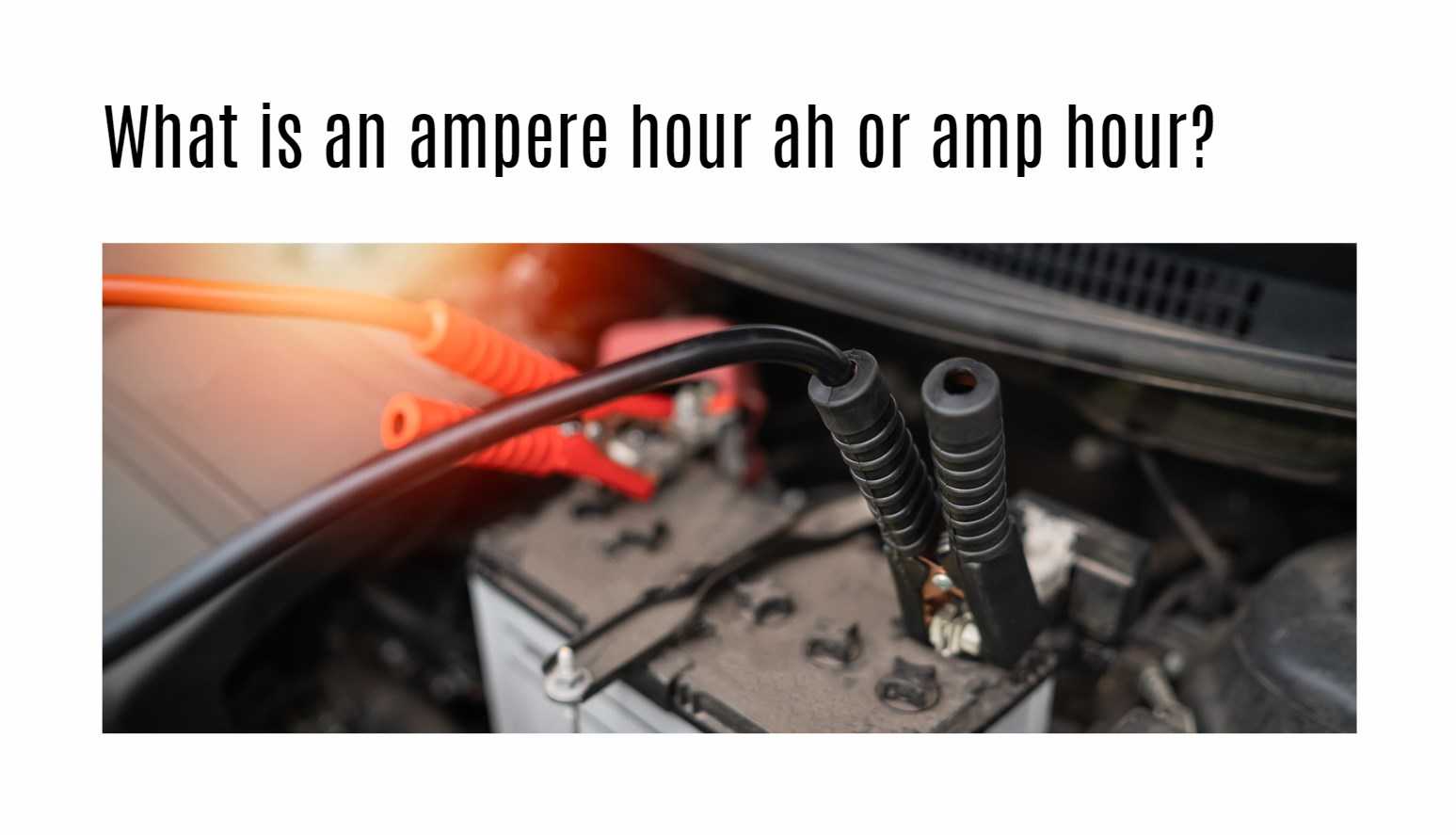
What is an ampere hour ah or amp hour?

What is an Ampere Hour (Ah) or Amp Hour?

An ampere hour (Ah), often referred to as an amp hour, is a unit of electric charge that represents the amount of current (in amperes) flowing for one hour. For example, a battery rated at 10 Ah can deliver 10 amps for one hour or 1 amp for 10 hours, indicating its capacity to store and provide energy.

Understanding Ampere Hours in Battery Capacity

The concept of ampere hours is crucial for understanding battery capacity and performance, especially in applications such as electric vehicles, renewable energy systems, and portable electronics. Here’s a deeper dive into the significance of ampere hours.

1. Definition and Calculation

An ampere hour quantifies how much electric charge a battery can deliver over time. The formula to calculate amp hours is: Amp Hours (Ah) = Current (A) × Time (h). For instance, if a battery supplies 5 amps for 2 hours, it has delivered: 5 A × 2 h = 10 Ah. This measurement helps users gauge how long a battery can power a device before needing a recharge.

2. Importance in Battery Selection

When selecting batteries for various applications, understanding the amp hour rating is essential. Here’s why:

Capacity Comparison

Different batteries have varying amp hour ratings, which directly affect their usability. For example:
  • A 12V 100Ah battery can run a device requiring 10 amps for approximately 10 hours.
  • A 12V 50Ah battery would only last about 5 hours under the same load.

Application Suitability

Higher amp hour ratings are ideal for applications with high power demands, such as electric vehicles or solar energy storage systems, where longer runtimes are crucial.

3. Real-World Applications

Ampere hours are widely used in various fields:

Electric Vehicles

In electric vehicles, the amp hour rating determines how far the vehicle can travel on a single charge. A higher Ah rating means more energy storage and longer driving range.

Renewable Energy Systems

In solar power systems, batteries are rated in amp hours to indicate how much energy can be stored from solar panels and used during non-sunny periods.

Consumer Electronics

Portable devices like laptops and smartphones also use amp hour ratings to inform users about battery life expectations.

Latest News

  • Recent advancements in battery technology have led to improved energy density and efficiency, making higher amp hour batteries more accessible.
  • Manufacturers are increasingly focusing on sustainable materials in battery production to enhance environmental responsibility.
  • The demand for electric vehicles continues to rise, driving innovations in high-capacity batteries with greater amp hour ratings.
  • Regulatory bodies are establishing standards for battery performance and safety, impacting how manufacturers design their products.

Redway Expert Comment

As experts in Lithium LiFePO4 batteries at Redway Battery, we understand the critical role that ampere hours play in determining battery performance and suitability for various applications. Our focus on high-quality lithium solutions ensures that our customers benefit from superior capacity and longevity. By selecting our batteries, users can expect reliable performance tailored to their specific energy needs.”

Conclusion

Understanding ampere hours is essential for anyone involved in selecting or using batteries. This unit of measurement provides valuable insights into battery capacity and performance across various applications, from electric vehicles to renewable energy systems. By considering the amp hour rating when choosing a battery, consumers can ensure they select the right power source for their needs.What are the benefits of using an ampere hour?

FAQs

Are amp and Ah the same?

Amp and Ah are related but not the same. Amp (A) measures the rate of electrical current flow, while Ampere-hour (Ah) indicates the capacity of a battery to provide current over a specific time period. For example, a battery with a capacity of 5Ah can provide a current of 5 amps for one hour. Understanding the difference between amp and Ah is crucial for evaluating battery performance and determining the appropriate power supply for your devices.
  1. Amp (A): Amp is a unit of electrical current, measuring the rate at which charge flows through a circuit. It represents the volume of electrons moving through a conductor.
  2. Ampere-hour (Ah): Ampere-hour is a unit of electric charge, indicating the capacity of a battery to provide current over a specific time period. It is calculated by multiplying the current (in amperes) by the time (in hours) for which it flows.
  3. Difference between Amp and Ah: While amp measures the rate of electrical current flow, Ah represents the capacity of a battery. Amp is used to measure current at a given moment, while Ah indicates the amount of charge a battery can deliver over a specific duration.

Is ampere-hour the same as ampere per hour?

Ampere-hour (Ah) and ampere per hour are not the same. Ampere-hour is a unit of electric charge, representing the capacity of a battery to provide current over a specific time period. It indicates the total amount of charge transferred by a steady current of one ampere flowing for one hour. Ampere per hour, on the other hand, is not a standard unit of measurement and does not have a specific definition or use in electrical calculations. Understanding the difference between ampere-hour and ampere per hour is important for accurately assessing battery capacity and evaluating electrical systems.
  1. Ampere-hour (Ah): Ampere-hour is a unit of electric charge, indicating the capacity of a battery to provide current over a specific time period. It represents the total amount of charge transferred by a steady current of one ampere flowing for one hour.
  2. Ampere per hour: Ampere per hour is not a standard unit of measurement and does not have a specific definition or use in electrical calculations. It is not recognized as a standard unit in the field of electrical engineering.

What is the difference between 2.5 Ah and 5.0 Ah?

The difference between a 2.5 Ah and 5.0 Ah battery is their capacity. The Ah (ampere-hour) rating indicates the energy storage capacity of a battery. A 5.0 Ah battery has twice the energy stored compared to a 2.5 Ah battery. This means that a device powered by a 5.0 Ah battery can run for a longer time before needing to be recharged compared to the same device powered by a 2.5 Ah battery. When choosing a battery, consider the desired runtime and select the appropriate Ah rating for your needs.
  1. Understanding Ampere-Hour (Ah): Ampere-hour is a unit of measurement that represents the energy storage capacity of a battery. A higher Ah rating indicates a larger capacity, meaning the battery can store more energy and deliver it over a longer period of time.
  2. Difference between 2.5 Ah and 5.0 Ah Batteries: The key difference between a 2.5 Ah and 5.0 Ah battery is their capacity. A 5.0 Ah battery has twice the energy storage capacity compared to a 2.5 Ah battery. This means that a device powered by a 5.0 Ah battery can operate for a longer duration before needing to be recharged, providing extended usage time.
  3. Impact on Runtime: The capacity of a battery directly affects the runtime of a device. A higher Ah rating allows the battery to deliver current for a longer period, resulting in extended usage time before recharging is required. Devices powered by a 5.0 Ah battery will generally have a longer runtime compared to those powered by a 2.5 Ah battery.

What is the difference between 1.5 Ah and 3Ah batteries?

The difference between a 1.5 Ah and 3 Ah battery is their capacity. The Ah (ampere-hour) rating represents the energy storage capacity of a battery. A 3 Ah battery has twice the capacity of a 1.5 Ah battery, allowing devices to run for a longer time before recharging. When choosing a battery, consider the desired runtime and select the appropriate Ah rating based on your needs.
  1. Understanding Ampere-Hour (Ah): Ampere-hour is a unit of measurement that represents the energy storage capacity of a battery. A higher Ah rating indicates a larger capacity, meaning the battery can store more energy and deliver it over a longer period of time.
  2. Difference between 1.5 Ah and 3 Ah Batteries: The key difference between a 1.5 Ah and 3 Ah battery is their capacity. A 3 Ah battery has twice the energy storage capacity compared to a 1.5 Ah battery. This means that a device powered by a 3 Ah battery can operate for a longer duration before needing to be recharged, providing extended usage time.
  3. Impact on Runtime: The capacity of a battery directly affects the runtime of a device. A higher Ah rating allows the battery to deliver current for a longer period, resulting in extended usage time before recharging is required. Devices powered by a 3 Ah battery will generally have a longer runtime compared to those powered by a 1.5 Ah battery.
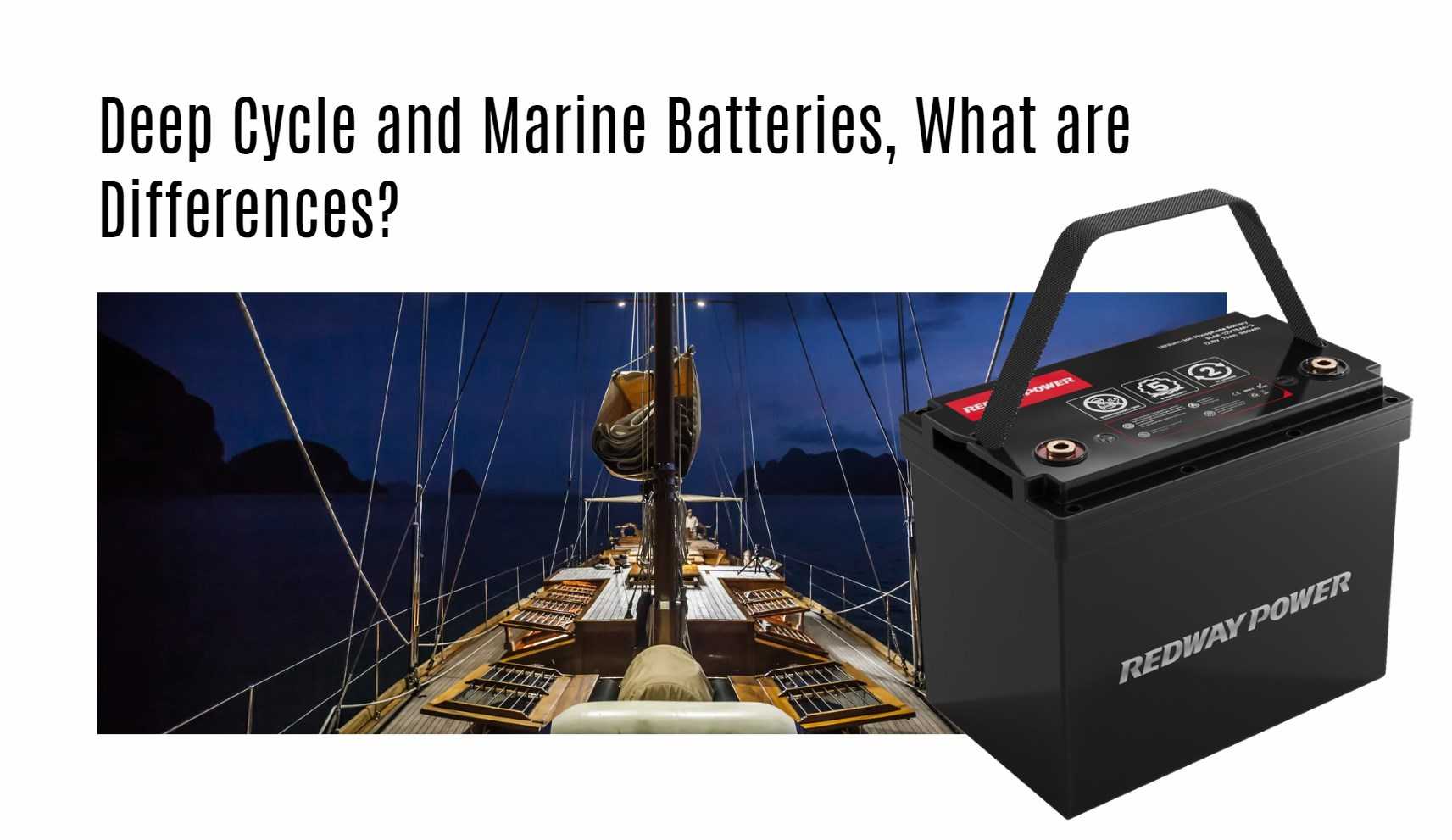
Deep Cycle and Marine Batteries, What are Differences? 12v 100ah rv lithium battery factory oem manufacturer marine boat

Deep Cycle and Marine Batteries, What are Differences?

Deep cycle batteries provide sustained power for extended periods, suited for off-grid systems. Marine batteries offer high bursts of energy for engine starts on boats. Deep cycle batteries have thicker plates, while marine batteries prioritize high cranking amps. Choose based on your usage needs: deep cycle for prolonged power, marine for short bursts. Maintenance includes checking water levels and tight connections.

Understanding Deep Cycle and Marine Batteries

Deep Cycle Batteries

Deep cycle batteries are engineered to deliver a consistent amount of power over an extended duration, making them well-suited for applications that require sustained energy output. They find common use in golf carts, RVs, and other vehicles where a prolonged supply of electricity is necessary without access to shore power. One distinct feature of deep cycle batteries is their thicker plates compared to starting batteries, enabling them to discharge more deeply while maintaining their capacity.

Marine Batteries

Marine batteries are specifically designed for use on boats and watercraft. These batteries must endure harsh marine environments while providing reliable power to start engines and operate electrical equipment like lights or radios. Marine batteries come in two primary types: starting and deep cycle, each serving a specific purpose.
  • Starting Marine Batteries: These batteries provide high cranking amps (CCA) for short bursts of energy required to quickly start boat engines.
  • Deep Cycle Marine Batteries: Designed to offer longer-lasting power that can be discharged at lower levels before needing to be recharged.
Before choosing between a deep-cycle battery or a marine one, it’s essential to assess your specific needs to determine the most suitable option for your application.

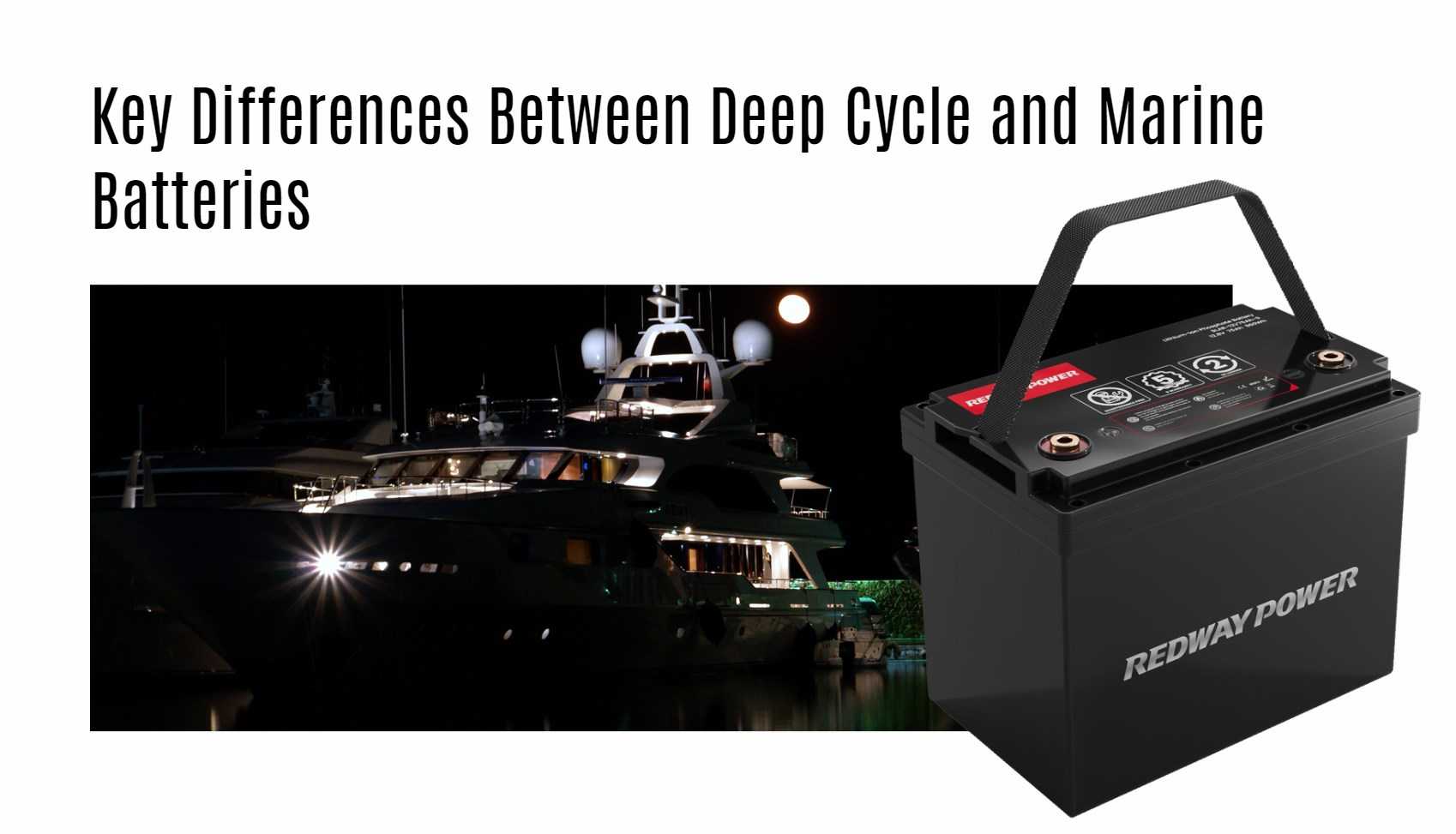
Key Differences Between Deep Cycle and Marine Batteries

Deep cycle and marine batteries, both used to power boats, have distinct differences:
  • Usage: Deep cycle batteries provide a consistent power supply over an extended period, ideal for being discharged and recharged repeatedly without harm. In contrast, marine batteries are intended for short bursts of high-power energy needed for engine starts or running electrical systems.
  • Construction: Deep cycle batteries have thicker plates and more lead content, making them resilient to repeated deep discharges. Conversely, marine batteries often have thinner plates and less lead content to maximize power output.

Key Differences Between Deep Cycle and Marine Batteries. 12v 100ah rv lithium battery factory oem manufacturer marine boat

Choosing the Right Battery for Your Needs

Choosing the appropriate battery type can be overwhelming if you’re unfamiliar with the differences between deep cycle and marine batteries. Here’s a simplified guide to assist you:
  • Marine Battery: Opt for a marine battery if you need to power accessories like GPS units, radios, or lights for shorter trips. Marine batteries provide high bursts of energy over short periods and typically have thinner plates.
  • Deep Cycle Battery: Choose a deep cycle battery if you require power for extended periods, such as running appliances or electronics overnight or during long voyages. Deep cycle batteries deliver sustained low-level power over longer durations without frequent recharging.
Ultimately, the decision boils down to assessing your equipment’s usage demands and recharging frequency. Consider factors like cost and maintenance requirements when selecting the battery type that best suits your situation.

Battery Maintenance Tips

Proper maintenance is essential for prolonging your battery’s lifespan and ensuring optimal performance. Follow these tips to maintain your deep cycle or marine battery:
  1. Regularly check water levels and top up with distilled water if needed.
  2. Ensure all connections are tight and free from corrosion.
  3. Avoid overcharging the battery; charge only when necessary using a suitable charger.
  4. Store the battery in a cool, dry place to prevent extreme temperatures.
If you won’t be using the battery for a while, fully charge it before storing to maintain its functionality.

Conclusion

In summary, both deep cycle and marine batteries are tailored for specific applications, with deep cycle batteries ideal for off-grid systems and marine batteries perfect for starting engines and providing power on boats. When selecting a battery, consider specifications, usage needs, and maintenance requirements. By following this guide, you can make an informed decision and choose a battery that will serve you well for years to come!

FAQs

Can I use a deep cycle battery for my boat?

Using a deep cycle battery for continuous starting of a boat motor is not recommended as it can greatly decrease the battery’s lifespan. Deep cycle batteries are designed for sustained power over a long period and are best suited for running electronics and accessories on a boat. For starting purposes, it is recommended to use a cranking battery, which is specifically designed to provide short bursts of energy to start the engine. Using the right battery for the intended purpose ensures optimal performance and longevity.
  1. Deep Cycle Batteries: Deep cycle batteries are not recommended for continuous starting of a boat motor. They are designed for sustained power over a long period and are best suited for running electronics and accessories on a boat.
  2. Cranking Batteries: Cranking batteries are specifically designed to provide short bursts of energy to start the boat motor. They are ideal for the initial power needed to start the engine.
  3. Choosing the Right Battery: It is essential to use the right battery for the intended purpose to ensure optimal performance and longevity. Using a deep cycle battery for starting purposes can significantly decrease its lifespan.

What is the advantage of a deep cycle marine battery?

Deep cycle marine batteries offer several advantages over standard batteries for marine applications. They provide sustained power over a long period, making them ideal for running electronics and accessories on a boat. Deep cycle batteries can be discharged to a lower percentage of their capacity without causing damage, allowing for longer-lasting power. They also require less maintenance and have a longer lifespan compared to standard batteries. With their versatility and ability to withstand marine environments, deep cycle marine batteries are a reliable choice for powering your boat.
  1. Sustained Power: Deep cycle marine batteries provide sustained power over a long period, making them ideal for running electronics and accessories on a boat.
  2. Lower Discharge Percentage: Deep cycle batteries can be discharged to a lower percentage of their capacity without causing damage, allowing for longer-lasting power.
  3. Less Maintenance: Deep cycle marine batteries require less maintenance compared to standard batteries, reducing the need for constant monitoring and recharging.
  4. Longer Lifespan: Deep cycle batteries have a longer lifespan, providing reliable power for many years with proper care and usage.
  5. Versatility: Deep cycle marine batteries are versatile and can be used for various applications on a boat, from powering electronics to running trolling motors.

Do you need a special charger for a deep cycle marine battery?

When it comes to charging a deep cycle marine battery, you don’t necessarily need a special charger. However, it is important to ensure proper charging to maintain the battery’s longevity and avoid damage. Deep cycle marine batteries are designed for sustained and continuous power delivery over longer periods. Here are some tips for properly charging your deep cycle marine battery:
  1. Check the water level: Before charging, ensure that the water level is above the plates and below the acid fill level tube. Add distilled water if available, or use clear tap water if it’s otherwise clear and free of sediment. Never add acid.
  2. Switch off automatic shut-off features: Some chargers have an automatic shut-off feature to turn off the charger when charging is complete. If the battery is severely discharged, it is recommended not to use the automatic feature initially.
  3. Use a hydrometer: To ensure the battery is fully charged, use a hydrometer. A battery is considered fully charged if the specific gravity is 1.265 in all cells, with up to a 25% variance between cells.
  4. Recharge as soon as possible: Recharge any discharged battery within 24 hours to prevent corrosion on the plates.
  5. Avoid overcharging: Do not overcharge the battery, as this can burn the material on the plates and contribute to grid corrosion.
  6. Charge at a slow rate: Charging the battery at a slow rate is best. Ideally, charge at 10% of the amp hour capacity of the battery. Consider using a trickle charger that slowly charges the battery when it’s not actively in use.
  7. Load test: If you’re unsure about the condition of your deep cycle marine battery, take it to a battery shop and have it load tested.

What is the average lifespan of a deep cycle battery?

The average lifespan of a deep cycle battery is approximately 3-6 years, but it can vary depending on factors such as the type of battery, usage, maintenance, and climate. Deep cycle batteries are typically rated for about 300-500 charge/discharge cycles. It’s important to note that batteries in hotter climates may have a shorter lifespan compared to those in cooler climates. By properly maintaining and monitoring your deep cycle battery, you can maximize its lifespan and ensure optimal performance.
  1. Average Lifespan: Deep cycle batteries have an average lifespan of about 3-6 years.
  2. Factors Affecting Lifespan: The actual lifespan can vary depending on factors such as the type of battery, usage, maintenance, and climate.
  3. Charge/Discharge Cycles: Deep cycle batteries are typically rated for about 300-500 charge/discharge cycles.
  4. Climate Impact: Batteries in hotter climates may have a shorter lifespan compared to those in cooler climates.
  5. Maximizing Lifespan: Proper maintenance and monitoring of the battery can help maximize its lifespan and ensure optimal performance.

Can I trickle-charge a deep cycle battery?

Trickle charging is a recommended method for maintaining and extending the life of a deep cycle battery. It helps maintain the battery’s voltage when it’s not in use and prevents deep discharge. Trickle charging is a slow and steady charge that replenishes a slightly discharged battery, keeping it ready for use. Most modern vehicle batteries have built-in smart chips that protect them from overcharging, ensuring safe trickle charging. By setting the charger appropriately and monitoring the battery’s voltage, you can effectively trickle charge a deep cycle battery and maximize its lifespan.
  1. Trickle Charging: Trickle charging is a recommended method for maintaining and extending the life of a deep cycle battery.
  2. Voltage Maintenance: Trickle charging helps maintain the battery’s voltage when it’s not in use, ensuring it remains ready for use.
  3. Prevention of Deep Discharge: Trickle charging prevents deep discharge, which can lead to battery damage and reduced lifespan.
  4. Modern Vehicle Batteries: Most modern vehicle batteries have built-in smart chips that protect them from overcharging during trickle charging.
  5. Safety Measures: It is important to set the charger appropriately and monitor the battery’s voltage to prevent overcharging.

What happens if you charge a deep cycle battery with a regular charger?

When you charge a deep cycle battery with a regular charger, it can be risky and potentially damaging. Regular chargers are typically designed for starting batteries and may not deliver the correct voltage or current for deep cycle batteries. This can lead to undercharging or overcharging, reducing the battery’s lifespan and performance. Deep cycle batteries require specific charging algorithms and profiles, including bulk charge, absorption charge, and float charge, which regular chargers lack. Using an improper charger can also pose safety risks such as overheating, battery leakage, gas buildup, and even explosions.
To properly charge a deep cycle battery, it is recommended to use a charger specifically designed for deep cycle batteries. These chargers have tailored charging profiles and features such as temperature compensation, safety controls, and automatic shut-off to ensure safe and efficient charging. Alternative charging options for deep cycle batteries include solar chargers, wind turbine chargers, trickle chargers, battery maintainers, and inverter/converter chargers.
It is important to properly maintain and extend the life of your deep cycle battery by regularly inspecting it for damage, keeping the terminals clean, charging it correctly, recharging it promptly, storing it properly, and following the manufacturer’s guidelines for maintenance.

Can a dead marine battery be recharged?

Yes, a dead marine battery can be recharged. To recharge a dead marine battery, follow these steps: 1. Identify the battery type (starting or deep-cycle). 2. Choose the right charger that matches the battery’s voltage and ampere-hour rating. 3. Prepare the battery by disconnecting it, cleaning the terminals, and checking the electrolyte level if applicable. 4. Connect the charger correctly to the battery. 5. Charge the battery in two stages: a slow charge rate and a faster charge rate. 6. Monitor the battery’s temperature during charging. 7. Maintain the battery properly after it’s fully charged. By following these steps, you can recharge a dead marine battery and ensure its longevity and performance.
  1. Identify the battery type: Marine batteries can be classified as starting batteries or deep-cycle batteries. Starting batteries provide a high burst of power to start the engine, while deep-cycle batteries provide a steady amount of power over a longer period for onboard electronics.
  2. Choose the right charger: Select a charger that matches the battery’s voltage and ampere-hour rating. Using the wrong charger can damage the battery, so it’s important to ensure compatibility.
  3. Prepare the battery: Before connecting the charger, disconnect the battery and clean the terminals. For wet-cell batteries, check the electrolyte level and add distilled water if needed.
  4. Connect the charger correctly: Follow the manufacturer’s instructions to connect the charger’s positive and negative cables to the corresponding terminals on the battery. Double-check the connections to avoid short-circuiting.
  5. Charge the battery in two stages: Start with a slow charge rate, allowing the battery to absorb the charge gradually. Then, increase the charging rate to a faster charge once the battery reaches 75-80% charge. Monitor the battery’s temperature during charging to prevent overheating.
  6. Maintain the battery: After the battery is fully charged, disconnect the charger and store the battery in a cool, dry place. Regularly check the water level (for wet-cell batteries), clean the terminals, and ensure tight connections to prolong the battery’s lifespan.

Can you jumpstart a car with a deep cycle battery?

Jump-starting a car with a deep cycle battery is not recommended, especially for larger vehicles. While it may work for smaller vehicles with lower power requirements, using a deep cycle battery for jump-starting can be risky and may not provide sufficient power for larger vehicles. Additionally, newer models with complex electronic systems are more susceptible to damage from improper jump-starting methods. To ensure safe and effective jump-starting, it is best to use a properly rated starter battery or seek professional assistance.
  1. Limitations of Deep Cycle Batteries: Jump-starting a car with a deep cycle battery may work for smaller vehicles but may not provide sufficient power for larger vehicles.
  2. Risks for Newer Models: Newer vehicles with advanced electronic systems are more vulnerable to damage from improper jump-starting methods.
  3. Importance of Proper Battery Rating: To ensure safe and effective jump-starting, it is recommended to use a properly rated starter battery or seek professional assistance.
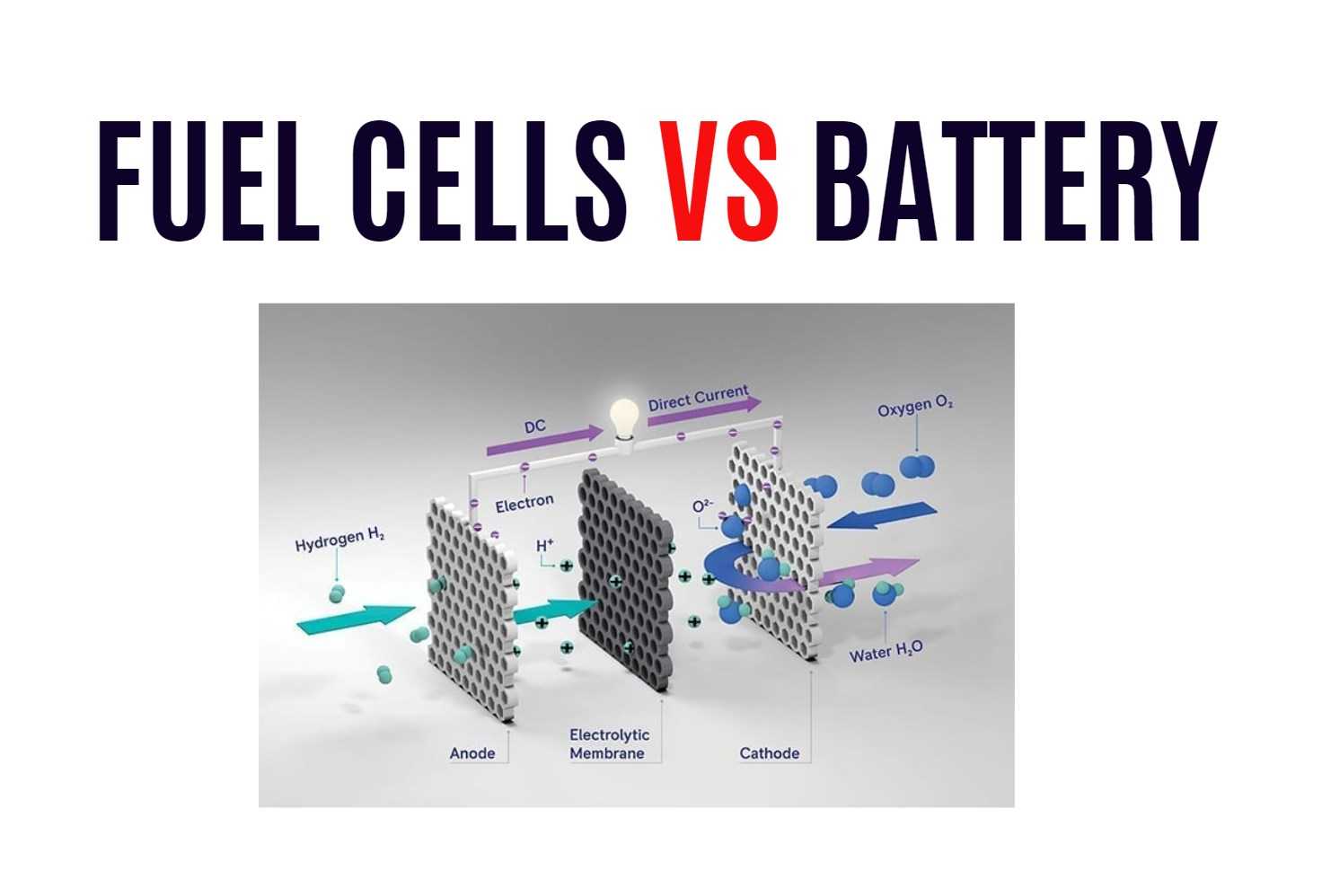
Fuel cells vs battery all you need to know. what is Fuel cells?

Fuel cells vs battery all you need to know

Are you tired of traditional energy sources that harm the environment? Are you interested in exploring alternative options for a cleaner and greener future? Two promising technologies have emerged as contenders – fuel cells and batteries. Both offer efficient ways to power electronic devices, vehicles, and even homes. But which is better? In this article, we’ll dive into the world of fuel cells vs batteries and give you all the information you need to make an informed decision about which technology suits your needs best. So buckle up, because this is going to be an electrifying ride!

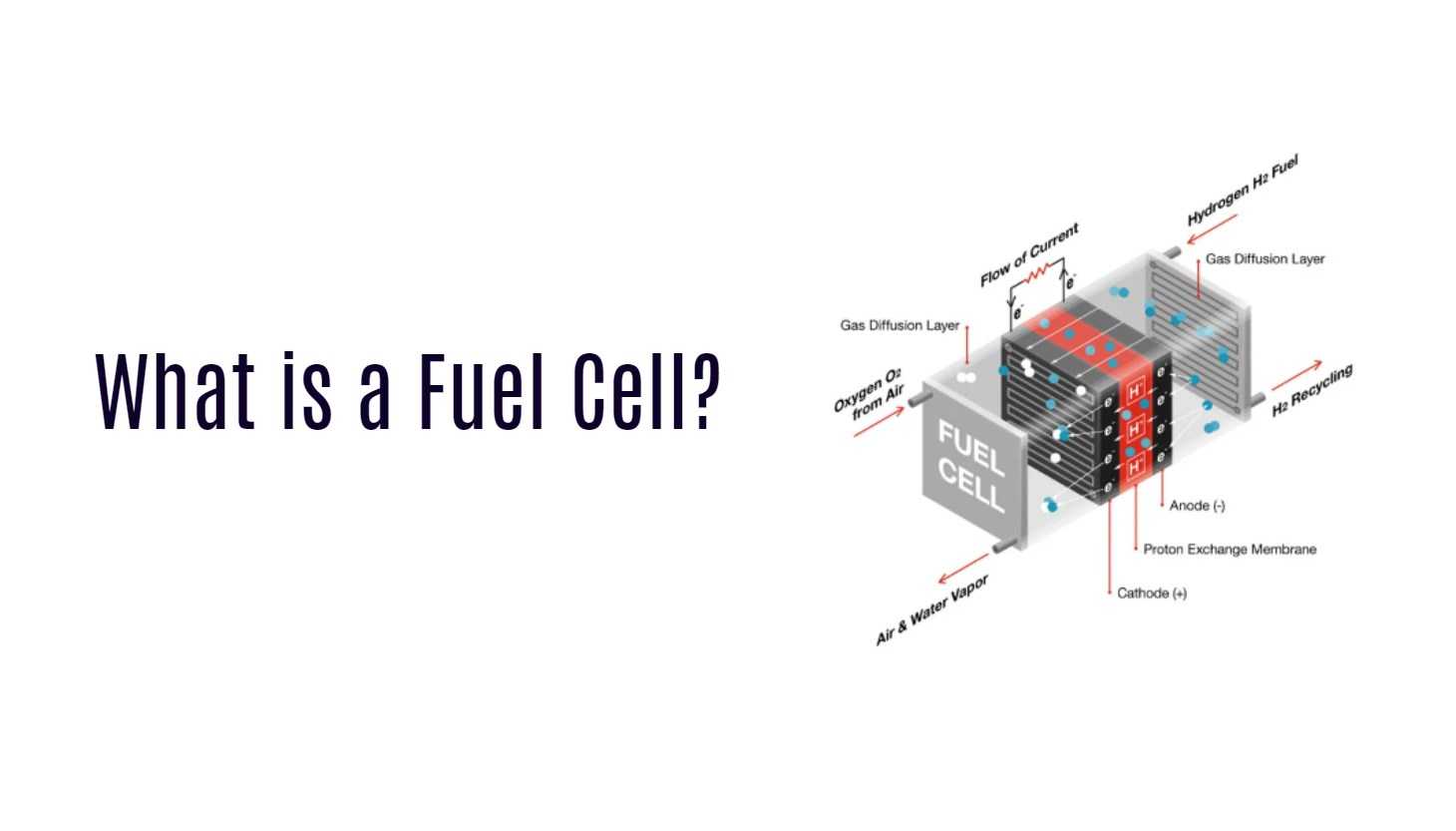
What is a Fuel Cell?

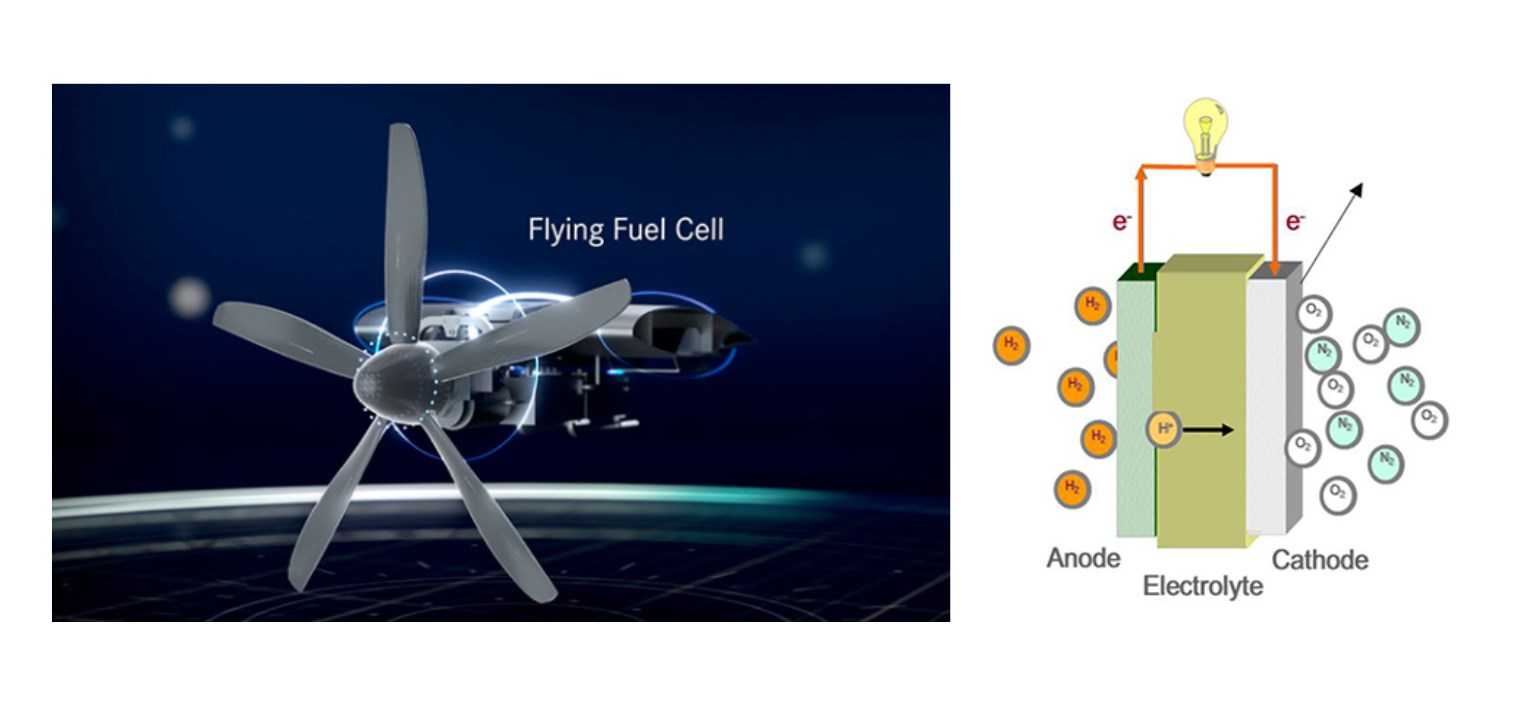
A fuel cell is an electrochemical device that converts the chemical energy from a fuel into electricity through a reaction between the fuel and an oxidizing agent. The most common types of fuel cells include hydrogen, methanol, natural gas, and propane.Fuel cells are made up of several components such as electrodes, catalysts, electrolytes, and membranes. When the fuel passes over one electrode and the oxygen or air flows over another electrode separated by an electrolyte membrane in between them – this creates a flow of electrons which produces electricity.One notable advantage of using fuel cells is that they produce clean energy with water being their only waste product. Furthermore, since there are no moving parts in these devices, they operate silently while producing less heat than traditional combustion engines.Hydrogen-powered vehicles have been gaining traction recently due to their reduced carbon footprint compared to gasoline- or diesel-fueled cars. Fuel cell technology has also found applications in stationary power generation for residential homes and commercial buildings.While there are still some challenges associated with developing cost-effective technologies for mass production of fuel cells – their potential environmental benefits make them a promising alternative to traditional sources of energy in various sectors including transportation and electricity generation.What is a Fuel Cell? about Fuel battery

What is a Battery?

Batteries are essential components of various electronic devices. They are electrochemical cells that convert chemical energy into electrical energy. Batteries come in different types and sizes, each with their unique characteristics and applications.The most common type of battery is the alkaline battery, which powers many household items such as toys, remote controls, flashlights, and clocks. Lithium-ion batteries are also widely used in smartphones, laptops, electric vehicles and other portable electronics due to their high energy density.Battery technology has advanced significantly over the years leading to improved performance and longer lifespan. Modern-day batteries offer a range of benefits including portability, reliability and low maintenance requirements.However, using batteries can have its drawbacks as well. Overcharging or overheating can cause them to leak or even explode posing safety risks for users. Disposing of old batteries properly is another issue since they contain chemicals that can harm the environment if not handled correctly.While there may be certain disadvantages associated with using batteries; nevertheless they remain an invaluable source of power for our everyday lives thanks to their convenience and ease-of-use features.

Fuel Cell vs Battery- Which is better?

Fuel cells and batteries are both sources of clean energy that have their own unique set of advantages and disadvantages. Fuel cells convert hydrogen fuel into electricity with the only byproduct being water, while batteries store electrical energy for later use.One advantage of fuel cells is that they can operate continuously as long as they have a supply of hydrogen fuel. Batteries, on the other hand, need to be recharged frequently once their stored energy has been depleted.Another advantage of fuel cells is their high efficiency compared to batteries. Fuel cells typically have an efficiency rate between 40-60%, while conventional lithium-ion batteries have an efficiency rate closer to 20%.However, one disadvantage of fuel cells is their higher cost compared to batteries. The technology required for producing and storing hydrogen gas makes it more expensive than producing rechargeable batteries.In terms of environmental impact, both technologies offer benefits over traditional fossil fuels but there are still concerns regarding the production processes for each option.Whether a fuel cell or battery is better depends on specific circumstances such as intended use case and available resources.Fuel Cell vs Battery- Which is better?

Advantages of Fuel Cells

Fuel cells are a promising alternative to traditional sources of energy. One of the main advantages of fuel cells is their high efficiency in converting chemical energy into electricity. Unlike traditional combustion engines, fuel cells produce electricity through an electrochemical process which is much cleaner and more efficient.Another advantage of fuel cells is their ability to operate quietly and with low emissions. Compared to internal combustion engines that produce noise and air pollution, fuel cell vehicles emit only water vapor as a byproduct. This makes them ideal for use in urban areas where air quality standards need to be met.Fuel cells also have the potential for longer operating life compared to batteries since they do not degrade over time or charge cycles like batteries do. Additionally, they can be refueled quickly and easily just like gasoline-powered vehicles making them more practical for long-range travel.One important advantage of fuel cells is their versatility – they can be used in various applications such as transportation, stationary power generation, portable power supply, and even in space exploration! With continued research and development efforts being made globally towards improving these devices’ performance characteristics while reducing costs further still make it one of the best alternatives we have today.

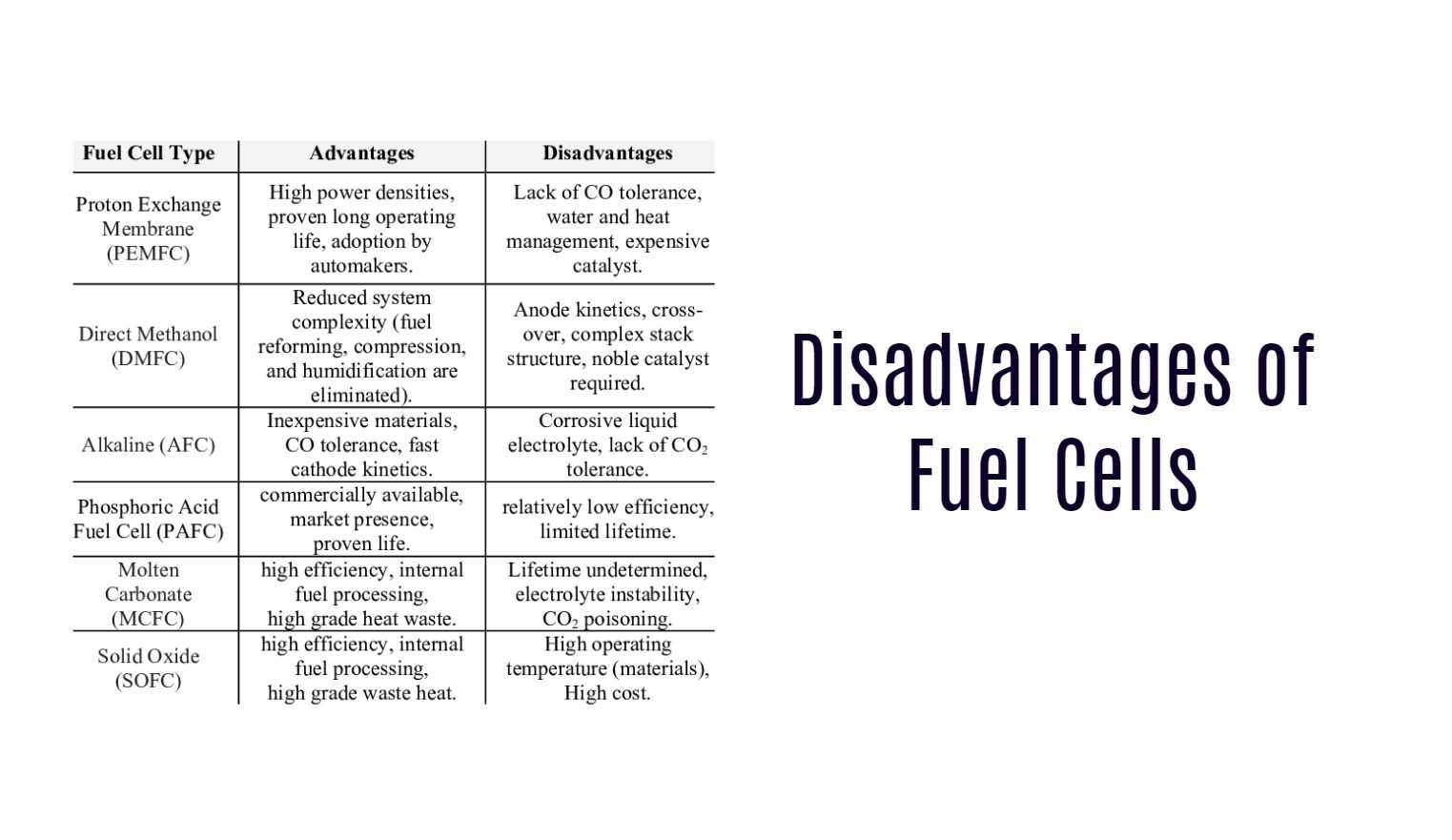
Disadvantages of Fuel Cells

Fuel cells are not without their disadvantages. While they offer many advantages over traditional fossil fuel technologies, there are some drawbacks to this emerging technology.One of the main disadvantages of fuel cells is that they can be quite expensive to produce, making them less accessible to the average consumer. Additionally, while hydrogen is abundant in nature, it can be difficult and costly to extract from other materials.Another concern with fuel cell technology is its durability. Fuel cells require regular maintenance and upkeep which can add additional cost over time. The complexity of these systems also means that repairs or replacements may take longer than expected which could result in extended downtime for users.Despite being a cleaner alternative to traditional fuels, fuel cell technology still relies on non-renewable resources like natural gas or coal for manufacturing hydrogen gas which raises concerns about sustainability and carbon emissions.Despite these challenges facing fuel cell technology today, researchers continue working towards solving these issues so that one day we might see widespread adoption of this promising energy source.

Disadvantages of Fuel Cells

Advantages of Batteries

Batteries have become an essential part of our daily lives due to their numerous advantages. One significant advantage of batteries is that they are highly portable and can be easily carried around, making them ideal for use in devices such as smartphones, laptops, and tablets.Another benefit of batteries is that they offer a reliable source of power. Unlike fuel cells which require the constant supply of hydrogen to function correctly, batteries can be charged at any time using conventional electrical outlets.Furthermore, batteries are relatively low maintenance compared to other power sources like fuel cells. Once fully charged, they don’t need any additional attention or monitoring until depleted.Additionally, batteries come in various sizes and shapes depending on their intended application. For instance, small button cell batteries are used in wristwatches while large lithium-ion battery packs are used in electric vehicles.The production process for most types of batteries has become more environmentally friendly over recent years with many manufacturers adopting sustainable practices such as using recycled materials and reducing waste emissions during manufacturing.There’s no doubt that the benefits offered by batteries make them an indispensable component in our modern world.

Disadvantages of Batteries

While batteries have their advantages, they also come with a few disadvantages. One of the main disadvantages is that batteries have a limited lifespan and need to be replaced periodically. This can be costly and often results in the disposal of old batteries, which can harm the environment.Another disadvantage is that batteries take time to recharge and may not always hold enough charge for long periods of use. This means that if you rely on battery-powered devices, you may find yourself constantly recharging or replacing them.Additionally, some types of batteries are prone to leakage or overheating if not used correctly or left unattended for extended periods. This can lead to damage to electronics or even pose a safety hazard.While advances in technology have made rechargeable batteries more efficient than ever before, they still require electricity from an external source to charge. This means that even though you may be able to reuse them many times over, they still contribute indirectly to your carbon footprint.Despite these drawbacks, there’s no denying that modern-day life would be impossible without the convenience provided by batteries!

Conclusion

After analyzing the advantages and disadvantages of both fuel cells and batteries, it is clear that each has its unique benefits. Fuel cells have a higher efficiency rate, produce less pollution, and offer longer ranges compared to batteries. On the other hand, batteries are more affordable, compact in size, easy to maintain and charge.Ultimately, choosing between fuel cells or batteries depends on your specific needs as well as budget. However, with advancing technology and research in this field continues to grow every day; we can expect even better solutions for clean energy sources in the future.Whether you opt for a battery-powered electric vehicle or go for one powered by hydrogen fuel cell technology will depend on what you consider most important – speed & range vs cost-effectiveness & maintenance requirements. Nonetheless whichever option you choose will without doubt contribute positively towards decreasing our carbon footprint which is always good news!

FAQs

Are fuel cells more efficient than batteries?

Fuel cells and batteries are both electrochemical devices used to generate electricity, but they differ in their energy storage and generation mechanisms. Fuel cells convert available fuel, like hydrogen, into electrical energy, while batteries store energy for later use. Fuel cells offer high power output, longer driving ranges, and faster refueling times, while batteries are more energy-efficient and have lower emissions. The choice between fuel cells and batteries depends on factors like weight, distance, downtime, cost, and infrastructure. Fuel cells and batteries are complementary technologies that address the clean energy challenge.
  1. Energy Storage and Generation: Fuel cells convert available fuel into electrical energy, while batteries store energy for later use.
  2. Advantages of Fuel Cells: Fuel cells offer high power output, longer driving ranges, and faster refueling times. They are suitable for applications that require heavy-duty, long-range vehicles and multiple shifts.
  3. Advantages of Batteries: Batteries are more energy-efficient, have lower emissions, and can be charged at home. They are suitable for applications that require portability and smaller vehicles.

Can hydrogen fuel cells replace batteries?

Hydrogen fuel cells and batteries have unique advantages and applications. Hydrogen fuel cells offer zero emissions, longer driving ranges, and quick refueling times. They have the potential to transform transportation and reduce greenhouse gas emissions. Batteries, on the other hand, are widely used, portable, and have made significant advancements in energy density. Both technologies play a role in the transition to sustainable energy, and their future development will depend on factors such as cost, infrastructure, efficiency, and environmental impact.
  1. Advantages of Hydrogen Fuel Cells: Hydrogen fuel cells offer zero emissions, longer driving ranges, and quick refueling times. They have the potential to revolutionize transportation and reduce greenhouse gas emissions.
  2. Advantages of Batteries: Batteries are widely used, portable, and have made significant advancements in energy density. They power everything from smartphones to electric vehicles and continue to improve in terms of range and charging speed.
  3. Future Prospects: The future development of hydrogen fuel cells and batteries will depend on factors such as cost, infrastructure, efficiency, and environmental impact. Both technologies play a role in the transition to sustainable energy, and their continued advancement will contribute to a greener future.

Why are hydrogen fuel cells not widely used?

Hydrogen fuel cells offer a range of benefits over traditional power sources, including zero-emission power, high energy density, quiet operation, scalability, and durability. However, several hurdles have prevented their widespread use. These include the high cost of fuel cell technology, inadequate fueling infrastructure, competition from electric vehicles, limited range and performance compared to traditional gasoline vehicles, and safety concerns and regulations. Despite these challenges, continued innovation, investment, and collaboration between manufacturers, governments, and safety experts can unlock the full potential of hydrogen fuel cells and create a cleaner, more sustainable future.
  1. High Cost of Fuel Cell Technology: One of the main obstacles to the mass adoption of hydrogen fuel cells is the high cost associated with their technology. Factors such as the high cost of materials, complexity of manufacturing processes, and low production volumes contribute to the overall expense. Manufacturers are actively working to reduce costs through innovation and increased production volumes.
  2. Inadequate Fueling Infrastructure: Another challenge is the lack of a widespread fueling infrastructure for hydrogen. Unlike gasoline or diesel, hydrogen is not widely available at fueling stations, making it difficult for consumers to refuel their vehicles. Governments and private companies are investing in the development of a hydrogen fueling infrastructure to support the widespread adoption of fuel cell technology.
  3. Competition from Electric Vehicles: Hydrogen fuel cells face competition from electric vehicles, which have already gained a significant market share. Electric vehicles offer many of the same benefits as fuel cells, including zero-emission power and quiet operation. To compete with electric vehicles, fuel cell manufacturers are working to improve the performance, efficiency, and cost-effectiveness of their systems.
What does lifepo4 mean on a battery? electric motorcycle lithium battery factory manufacturer oem

What Does LiFePO4 Mean on a Battery?

LiFePO4 stands for lithium iron phosphate, a type of lithium-ion battery chemistry known for its safety, long life, and thermal stability. It is widely used in applications requiring reliable, durable, and safe battery performance, such as electric vehicles, solar storage, and industrial equipment.

What Is LiFePO4 and How Does It Differ from Other Lithium-ion Chemistries?

LiFePO4 is a lithium-ion battery chemistry using lithium iron phosphate as the cathode material, offering enhanced safety and lifecycle compared to other lithium-ion types.

Unlike traditional lithium-ion batteries that use cobalt or manganese cathodes, LiFePO4 batteries utilize iron phosphate, which is more chemically stable. This structure prevents thermal runaway, leading to less risk of overheating or fire. While the energy density is slightly lower than lithium cobalt oxide, the trade-off favors safety and long-term durability, making LiFePO4 ideal for demanding industrial and renewable energy applications.

How Does LiFePO4 Improve Battery Safety and Thermal Stability?

LiFePO4’s chemical composition provides exceptional thermal and chemical stability, minimizing risks of combustion under stress or high temperatures.

The phosphate-based cathode bonds lithium ions tightly, forming a stable lattice that resists decomposition. This reduces oxygen release during high temperatures or damage, the main cause of fires in other lithium-ion batteries. As a result, LiFePO4 batteries can safely operate in a wider temperature range and endure harsher conditions without hazardous failures. This makes them preferred for applications where safety and reliability are paramount.

Why Is LiFePO4 Known for Its Long Cycle Life?

LiFePO4 batteries offer thousands of charge-discharge cycles without significant capacity loss, outperforming many conventional lithium-ion chemistries.

Their stable chemical framework and minimized cathode degradation allow these batteries to maintain capacity after 2000+ cycles, sometimes exceeding 5000 cycles under optimal conditions. This longevity reduces the total cost of ownership for users, especially in renewable energy storage and electric vehicle markets. The robust cycle performance also supports sustainability by reducing battery replacements and waste.

Which Applications Benefit Most from LiFePO4 Batteries?

Industries such as electric vehicles, solar energy storage, forklifts, and RVs leverage LiFePO4 batteries for their safety, longevity, and stability.

LiFePO4 batteries are ideal for heavy-duty applications demanding resilience, like telecom backup power, marine, and golf carts. Redway Battery specializes in tailoring LiFePO4 battery packs for forklifts and golf carts, as well as renewable energy systems, due to the chemistry’s balance of performance and safety. Their use offers reliable power in environments that require rugged, consistent energy supply.

How Does LiFePO4 Impact Battery Weight and Energy Density?

LiFePO4 batteries have slightly lower energy density and higher weight compared to some lithium-ion variants but remain competitive with optimized pack designs.

While the volumetric energy density of LiFePO4 (~90-160 Wh/kg) falls below lithium nickel manganese cobalt (NMC) batteries (~150-220 Wh/kg), innovations in cell design have minimized this gap. In return, users gain enhanced thermal safety and longer service life. Redway Battery’s advanced manufacturing techniques optimize pack construction to maximize usable energy density and reduce overall weight while maintaining safety.

What Are the Environmental Benefits of LiFePO4 Batteries?

LiFePO4 chemistry uses abundant, non-toxic materials, making it a greener alternative to cobalt-based lithium-ion batteries.

Iron and phosphate are more plentiful and less environmentally harmful than cobalt or nickel used in other batteries. This reduces dependency on scarce or conflict minerals and lowers environmental degradation. Additionally, the extended lifespan of LiFePO4 batteries means fewer replacements, reducing battery waste. Companies like Redway Battery incorporate these eco-friendly advantages into their products, supporting sustainable energy solutions.

Where Is LiFePO4 Technology Heading in Future Battery Innovations?

Emerging research focuses on improving LiFePO4 energy density, fast-charging capabilities, and integration with smart battery management systems.

Manufacturers and researchers aim to enhance cathode material conductivity and pack designs to boost power output and charge speed, reducing traditional limitations. Integration with advanced BMS enhances safety and performance monitoring. Redway Battery applies these innovations in OEM/ODM customization, delivering batteries that suit diverse client needs while pushing the envelope on LiFePO4 capabilities.

How Does Redway Battery Support Customized LiFePO4 Solutions?

Redway Battery offers full OEM/ODM customization of LiFePO4 battery packs to meet precise energy, size, and safety requirements for clients globally.

With over 13 years of lithium battery expertise, Redway’s engineering teams design packs optimized for applications ranging from forklifts to solar storage. Their ISO 9001:2015 certified factories use automated production and MES systems to ensure high-quality, durable batteries. Customers benefit from tailored solutions that maximize safety, performance, and longevity, all leveraging the inherent advantages of LiFePO4 chemistry.


Comparison of Common Lithium-ion Battery Chemistries

FeatureLiFePO4Lithium Cobalt Oxide (LCO)Lithium Nickel Manganese Cobalt (NMC)
Energy Density (Wh/kg)90-160150-200150-220
Cycle Life (cycles)2000-5000+500-10001000-2000
Thermal StabilityExcellentModerateGood
Safety RiskLowHigherModerate
Environmental ImpactLow (iron, phosphate)Higher (cobalt)Moderate
Typical Use CasesEVs, solar, forkliftsSmartphones, laptopsEVs, power tools, drones

Redway Expert Views

“LiFePO4 batteries represent a breakthrough in safe and sustainable energy storage. At Redway Battery, we harness the chemistry’s strengths to produce tailored battery packs that deliver reliability, longevity, and enhanced safety. Our expertise in manufacturing and customization empowers industries ranging from material handling to renewable energy to adopt next-generation energy solutions that reduce environmental footprints without compromising performance.” – Redway Battery Engineering Director


Conclusion

LiFePO4 on a battery means lithium iron phosphate chemistry, prized for its superior safety, long life, and thermal stability compared to other lithium-ion chemistries. While offering moderate energy density, its durable performance and environmental benefits make it ideal for electric vehicles, renewable energy storage, and industrial applications. Redway Battery’s customized LiFePO4 packs further elevate these advantages, providing tailored, high-quality solutions for global energy needs.


FAQs

Q1: Is LiFePO4 safer than traditional lithium-ion batteries? A1: Yes, LiFePO4 batteries are thermally stable and less prone to overheating or fire.

Q2: Can LiFePO4 batteries be fast-charged? A2: Yes, with proper chargers and battery management systems, LiFePO4 supports fast charging without damaging longevity.

Q3: Are LiFePO4 batteries heavier than other lithium-ion types? A3: Typically, yes. They have slightly lower energy density, so packs may weigh more for the same capacity.

Q4: Does Redway Battery offer LiFePO4 batteries for solar energy systems? A4: Yes, Redway Battery provides customized LiFePO4 packs optimized for solar and energy storage applications.

Q5: How long can I expect a LiFePO4 battery to last? A5: With good care, LiFePO4 batteries can last over 2000 full charge/discharge cycles, often many years in daily use.

Electron flow in battery introduction and energy

Electron flow in battery introduction and energy

Batteries are present in almost all aspects of our lives. From the small button cells that power our watches to the huge batteries that power electric cars, they form an essential part of our daily lives. But have you ever wondered how batteries work, or how they store energy? The answer lies in understanding the flow of electrons in a battery.

Let’s Talk about the Electron Flow

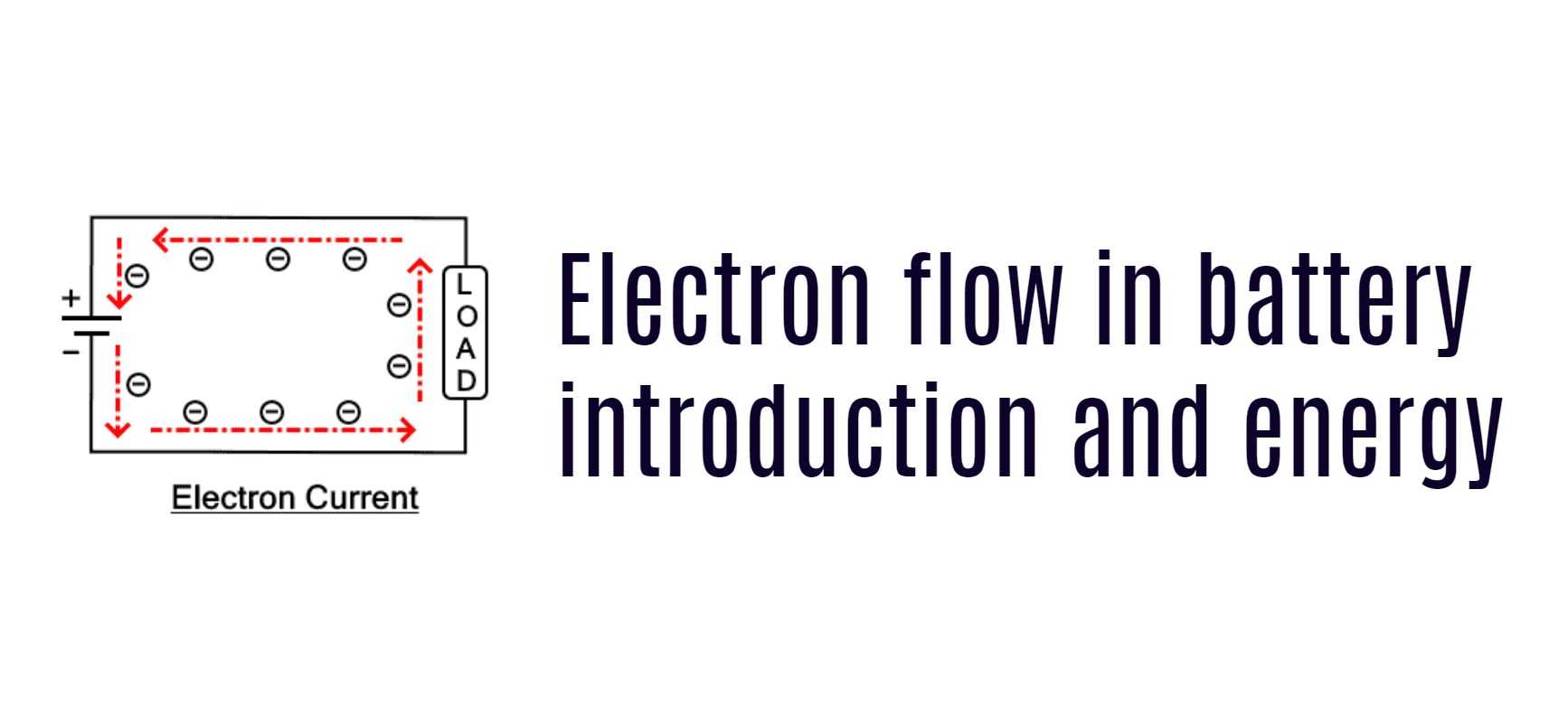
Electrons are the tiny subatomic particles that orbit the nucleus of an atom. When these electrons flow from one atom to another, they create an electrical current. Batteries use this flow of electrons to power devices. In simple terms, a battery works by moving electrons from one electrode to another, creating a flow of current.The flow of electrons in a battery is controlled by a chemical reaction that occurs between the electrodes and the electrolyte. The electrolyte is a solution that contains ions, which are charged particles that carry the electrical charge. When the battery is charged, the chemical reaction forces electrons from the positive electrode to the negative electrode, where they are stored. When the battery is discharged, the electrons flow back from the negative electrode to the positive electrode, creating an electrical current.what is Electron Flow. Let's Talk about the Electron Flow

Understanding the Anatomy of a Battery

A battery is made up of two electrodes, a positive electrode and a negative electrode, and an electrolyte. The positive electrode is typically made of a metal oxide, while the negative electrode is usually made of a metal. The electrolyte is a solution that contains ions, which carry the electrical charge.When a battery is connected to a circuit, the chemical reaction between the electrodes and the electrolyte causes the flow of electrons from the negative electrode to the positive electrode. The flow of electrons generates a current that powers the device.

How do Batteries Store Energy?

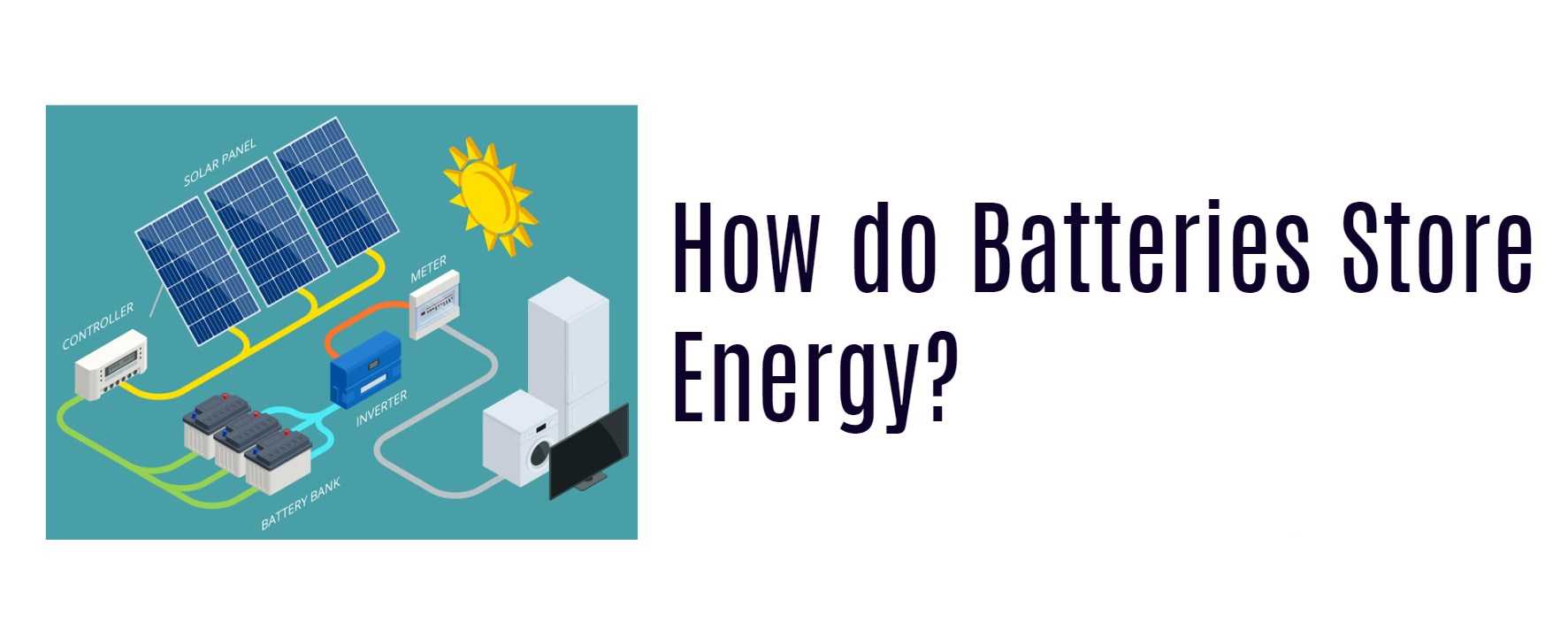
Batteries store energy by converting chemical energy into electrical energy. When a battery is charged, the chemical reaction between the electrodes and the electrolyte stores energy in the form of electrons in the negative electrode. When the battery is discharged, the stored electrons flow back to the positive electrode, creating an electrical current that can power a device.The amount of energy that a battery can store depends on its capacity. Battery capacity is measured in ampere-hours (Ah) and represents the amount of charge that a battery can deliver over a period of time. The higher the capacity, the more energy a battery can store.How do Batteries Store Energy?

The Science behind a Battery’s Energy

The energy stored in a battery is a result of the chemical reaction that occurs between the electrodes and the electrolyte. This reaction generates a voltage, which is the electrical potential difference between the positive and negative electrodes.The voltage of a battery determines its energy capacity, which is the amount of energy that the battery can deliver over a period of time. The higher the voltage, the more energy a battery can store.

A World without Batteries – Can You Imagine?

Batteries have become an integral part of our lives. From powering our phones and laptops to running electric vehicles and storing solar energy, they have revolutionized the way we live. But can you imagine a world without batteries?Without batteries, we would not have portable devices, electric cars, or renewable energy storage. Life would be very different without the spark that powers our lives. So the next time you use a battery-powered device, take a moment to appreciate the science and technology that makes it possible.Batteries may seem like a small and unassuming component of our lives, but they play an essential role in powering our world. Understanding how they work and store energy can help us appreciate the science and technology behind them. So the next time you use a battery, remember the electrons flowing inside it and the energy it holds.

FAQs

What is electron flow in battery?

Electron flow in a battery involves the movement of electrons from one electrode to another, creating an electrical current. Batteries utilize chemical reactions between the electrodes and the electrolyte to control this flow. When a battery is charged, electrons are forced from the positive electrode to the negative electrode, where they are stored. During discharge, the stored electrons flow back from the negative electrode to the positive electrode, generating an electrical current. Understanding electron flow in batteries is essential to grasp how batteries work and power various devices.
  1. Electron Flow in Batteries: Electron flow in a battery refers to the movement of electrons from one electrode to another, creating an electrical current. This flow is controlled by chemical reactions between the electrodes and the electrolyte.
  2. Role of Chemical Reactions: Batteries utilize chemical reactions to force electrons from the positive electrode to the negative electrode during charging. These electrons are stored until the battery is discharged, and they flow back from the negative electrode to the positive electrode, generating an electrical current.
  3. Understanding Battery Function: Understanding electron flow in batteries is crucial to comprehend how batteries work and power various devices. It provides insights into the fundamental principles behind battery operation and the conversion of chemical energy into electrical energy.

What is the electron flow of a battery terminal?

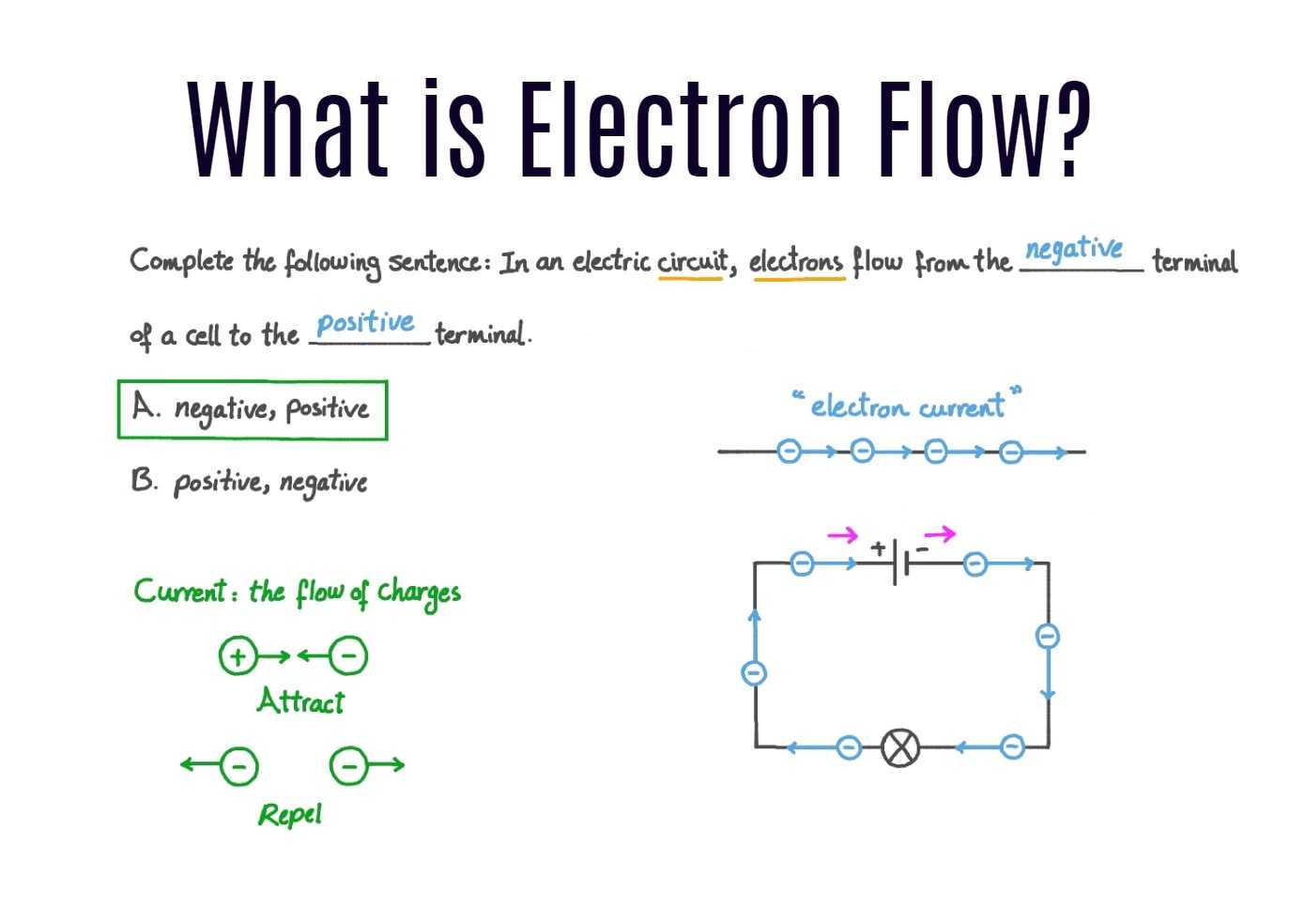
The electron flow in a battery terminal occurs from the negative terminal to the positive terminal. Electrons, which are negatively charged particles, are attracted to the positive terminal, resulting in their movement. This flow of electrons generates an electric current within the battery. It is important to understand that conventional current flow is considered to be in the opposite direction, from the positive terminal to the negative terminal. However, when discussing electron flow, we focus on the actual movement of electrons within the battery.
  1. Electron Flow in Battery Terminals: Electrons flow from the negative terminal to the positive terminal within a battery. This flow is due to the negative charge of electrons and their attraction to the positive terminal.
  2. Generation of Electric Current: The movement of electrons within the battery creates an electric current. This current can be used to power devices and perform various electrical functions.
  3. Conventional Current Flow: It is important to note that conventional current flow is considered to be in the opposite direction, from the positive terminal to the negative terminal. However, when discussing electron flow, we focus on the actual movement of electrons within the battery.

What is the basic principle of battery?

The basic principle of a battery is the conversion of chemical energy into electrical energy through the oxidation and reduction reactions of an electrolyte with metals. A battery consists of two dissimilar metals (electrodes) and an electrolyte. When immersed in the electrolyte, a potential difference is created, with the cathode as the negative terminal and the anode as the positive terminal. The electron affinity of the metals determines the direction of the current flow. By understanding this principle, we can grasp the functioning of batteries and their significance as a power source.
  1. Basic Principle of a Battery: A battery operates by converting chemical energy into electrical energy through the oxidation and reduction reactions of an electrolyte with metals. It consists of two dissimilar metals (electrodes) and an electrolyte that enables the flow of electrons.
  2. Electrodes and Electrolyte: The battery utilizes two different metals as electrodes and an electrolyte to create a potential difference. The cathode, which is the negative terminal, and the anode, which is the positive terminal, play crucial roles in the battery’s functioning.
  3. Electron Affinity: The electron affinity of the metals determines which metal gains or loses electrons, influencing the direction of the current flow. This phenomenon is essential in understanding the behavior of electrons within the battery and the overall operation of the device.

Why electrons flow in a wire when connected to a battery?

When a wire is connected to a battery, electrons flow from the negative terminal to the positive terminal. This flow is driven by the electric field created by the battery. The electric field exerts a force on the electrons, causing them to move in the direction of the positive terminal. This movement of electrons is what we refer to as electric current. The presence of a resistor in the circuit regulates the flow of electrons, controlling the current. Understanding why electrons flow in a wire when connected to a battery is essential to grasp the principles of electric circuits and the functioning of electrical devices.
  1. Electron Flow in a Wire: When a wire is connected to a battery, electrons flow from the negative terminal to the positive terminal. This flow is driven by the electric field created by the battery, which exerts a force on the electrons.
  2. Electric Current: The movement of electrons in a wire constitutes electric current. It is the flow of electric charge through a conductor, driven by the presence of an electric field.
  3. Role of a Resistor: The presence of a resistor in the circuit regulates the flow of electrons and controls the current. It slows down the movement of electrons, limiting the amount of current flowing through the wire.

How does current flow through a battery?

When a battery is connected in a circuit, current flows from the positive terminal to the negative terminal. This flow of current is driven by the movement of electrons. Inside the battery, chemical reactions occur that create a potential difference between the terminals. The positive terminal becomes positively charged, attracting electrons from the negative terminal. These electrons then flow through the external circuit, powering devices or performing work. Understanding how current flows through a battery is crucial to comprehend the principles of electrical circuits and the utilization of electrical energy.
  1. Current Flow in a Battery: When a battery is connected in a circuit, current flows from the positive terminal to the negative terminal. This flow of current is due to the movement of electrons.
  2. Movement of Electrons: Inside the battery, chemical reactions occur that create a potential difference between the terminals. The positive terminal becomes positively charged, attracting electrons from the negative terminal.
  3. External Circuit: These electrons then flow through the external circuit, powering devices or performing work. The flow of current is essential for the functioning of electrical circuits and the utilization of electrical energy stored in the battery.

How does energy flow in a battery?

Energy flows in a battery through the movement of electrons. Inside a battery, chemical reactions occur between the electrodes and the electrolyte, creating a flow of electrons in a circuit. The positive electrode (cathode) attracts electrons, while the negative electrode (anode) releases electrons. This flow of electrons generates an electric current that can power devices or perform work. The energy is stored in the chemical reactions and converted into electrical energy when the battery is in use. Understanding how energy flows in a battery is essential to comprehend the principles of energy storage and the functioning of electrical devices.
  1. Electron Movement: Energy flows in a battery through the movement of electrons. Chemical reactions occur between the electrodes and the electrolyte, creating a flow of electrons in a circuit.
  2. Role of Electrodes and Electrolyte: The positive electrode (cathode) attracts electrons, while the negative electrode (anode) releases electrons. The electrolyte facilitates the movement of electrons and controls the flow of energy.
  3. Conversion of Chemical Energy: The energy is stored in the chemical reactions that occur inside the battery. When the battery is in use, the stored energy is converted into electrical energy, which can power devices or perform work.
How to Balance Cost and Quality Control in LiFePO4 Battery Manufacturing. server rack battery factory oem manufacturer 48v 100ah

How to Balance Cost and Quality Control in LiFePO4 Battery Manufacturing

Welcome to the electrifying world of LiFePO4 batteries! If you’re in the business of manufacturing these cutting-edge powerhouses, you know that balancing cost and quality control is no easy feat. Join us as we delve into the dynamic realm of LiFePO4 battery production and uncover expert tips on achieving the perfect equilibrium between affordability and excellence. Let’s power up our knowledge together!

The Importance of Quality Control in Battery Manufacturing

Quality control is of utmost importance in battery manufacturing to ensure the performance, safety, and reliability of batteries. It involves measures such as raw material inspection, in-process quality checks, electrolyte quality control, formation and grading, safety tests, cycle life testing, post-production inspection, and continuous improvement through feedback loops. By implementing stringent quality control measures, manufacturers can deliver batteries that meet industry standards and gain the trust of consumers worldwide.
  1. Raw material inspection: Ensuring the purity and consistency of materials used in battery manufacturing.
  2. In-process quality checks: Vigilance at every step to monitor the production stages and ensure consistency.
  3. Electrolyte quality control: Maintaining the right mix of electrolyte to optimize battery function.
  4. Formation and grading: Shaping and sorting batteries based on performance to ensure quality.
  5. Safety tests: Subjecting batteries to rigorous tests to ensure they can withstand various conditions.
  6. Cycle life testing: Simulating real-world usage to estimate battery lifespan and performance over time.
  7. Post-production inspection: Final checks to identify any defects or imperfections before shipping.
  8. Continuous improvement: Feedback loops and collaboration with suppliers and customers for ongoing enhancement.

Factors that Affect the Cost of LiFePO4 Batteries

The cost of LiFePO4 batteries is influenced by several factors. These include the complexity of raw materials, such as lithium, iron, phosphorus, and oxygen, which require specific and intricate extraction and refinement processes. The manufacturing process itself is complex and involves multiple steps, demanding specialized equipment and skilled labor. The investment in safety features, strict quality control measures, and certifications also contribute to the higher cost. However, economies of scale and ongoing technological advancements are expected to drive down prices in the future, making LiFePO4 batteries more accessible and affordable.
  1. Raw material complexity: LiFePO4 batteries require specific and intricate raw materials, such as lithium, iron, phosphorus, and oxygen, which undergo complex extraction and refinement processes.
  2. Manufacturing process complexity: The production of LiFePO4 batteries involves multiple intricate steps, demanding specialized equipment and skilled labor.
  3. Investment in safety features: LiFePO4 batteries require advanced battery management systems (BMS) and protection circuits, contributing to their higher cost.
  4. Quality control and certifications: Strict quality control measures and certifications further increase production costs.
  5. Economies of scale and technological advancements: As demand increases and technology advances, economies of scale and ongoing innovations are expected to drive down the cost of LiFePO4 batteries.

Balancing Cost and Quality Control: Tips and Strategies

When it comes to balancing battery cost and quality control, there are several tips and strategies to consider. Here are some key points:
  1. Balancing Algorithms: Battery Management Systems (BMS) play a crucial role in balancing battery cells. The algorithms used by BMS should be able to correct imbalances from manufacturing and continuously monitor and balance the cells as needed.
  2. Accuracy of State of Charge (SOC) Estimation: SOC estimation is important for balancing batteries. However, most onboard BMSs rely on measuring cell voltage as a substitute for SOC, which can be inaccurate. Factors like temperature, age, and recent cell usage can affect the voltage, making it an unreliable indicator of SOC.
  3. Voltage-Based Balancing: Many BMSs use voltage-based balancing algorithms, where balancing occurs when cell voltages are nearly maximized at 100% SOC or nearly minimized at 0% SOC. However, this approach may not effectively balance cells during regular operations since batteries are usually not charged to 100% or discharged to 0%.
  4. Continuous Balancing: Continuous balancing is a more effective approach to keeping battery cells balanced. It involves continuously monitoring and balancing the cells during charging, discharging, resting, and other usage patterns. Continuous balancing ensures that the total capacity of the battery is utilized on every cycle.
  5. Active and Passive Balancing: There are two main methods of cell balancing: active and passive. Active cell balancing uses inductive or capacitive charge shuttling to transfer charge between cells, while passive cell balancing involves discharging cells through a bypass route. Active balancing requires additional components and incurs higher costs, while passive balancing is simpler and more cost-effective but dissipates excess energy as heat.
  6. Balancing Hardware Implementation: There are various hardware implementations for cell balancing, such as current bypass, charge redistribution, charge shuttles, and inductive converters. Each method has its advantages and disadvantages in terms of efficiency, cost, and complexity.
  7. Balancing Algorithm: The decision of when to activate the balancing mechanism is based on the voltage difference between cells. Balancing algorithms use a threshold value to determine if a bypass or energy transfer should be initiated. The algorithm can be implemented during charging cycles, at high states of charge, or simultaneously for multiple cells.
Balancing Cost and Quality Control: Tips and Strategies. server rack battery factory oem manufacturer 48v 100ah

Implementing Quality Control Measures in the Manufacturing Process

Implementing quality control measures in the battery manufacturing process is crucial for ensuring the reliability and performance of batteries. Key strategies include strict raw material selection and supply chain management, strengthening production process control, continuous improvement through data analysis, training and upskilling of production personnel, and establishing a sound quality assurance system. By implementing these strategies, battery manufacturers can optimize production quality, improve battery stability and performance, and deliver reliable and high-performance energy solutions.
  1. Strict raw material selection and supply chain management: Ensuring high-quality raw materials and establishing a reliable supply chain.
  2. Strengthening production process control: Implementing a complete production process and quality control process, utilizing advanced automation equipment and testing technology.
  3. Continuous improvement and data analysis: Establishing a quality management system, collecting and analyzing key data to identify improvement opportunities.
  4. Training and upskilling: Providing comprehensive training programs for production personnel to enhance their skills and quality awareness.
  5. Establishing a sound quality assurance system: Implementing strict quality assurance procedures, adhering to standards and specifications.

Choosing the Right Manufacturer for Your LiFePO4 Batteries

When it comes to selecting a manufacturer for your LiFePO4 batteries, thorough research is key. Look for companies with a proven track record in battery production and a reputation for quality.Consider the manufacturer’s experience in producing LiFePO4 batteries specifically, as this can impact the overall quality of the product. It’s also essential to assess their manufacturing facilities and processes to ensure they meet industry standards.Don’t forget to inquire about certifications and compliance with regulations – this demonstrates a commitment to quality control. Additionally, communication is vital; choose a manufacturer who is transparent and responsive throughout the production process.Take into account reviews and feedback from other clients to get insights into their satisfaction levels. By carefully evaluating these factors, you can confidently choose the right manufacturer for your LiFePO4 batteries.

Conclusion: Achieving Optimal Balance in Cost and Quality Control for LiFePO4 Battery Manufacturing

Finding the perfect balance between cost and quality control in LiFePO4 battery manufacturing is crucial for ensuring the efficiency and reliability of these energy storage solutions. By understanding the importance of quality control, the factors influencing costs, and implementing effective strategies, manufacturers can achieve optimal results.Remember that compromising on quality to reduce costs may lead to long-term consequences such as decreased performance or safety hazards. On the other hand, investing too much without considering cost-effectiveness could impact profitability.Therefore, it’s essential to strike a balance by prioritizing quality while also being mindful of expenses. By working closely with reputable manufacturers who prioritize both aspects, you can ensure that your LiFePO4 batteries meet high-quality standards while remaining cost-effective in the competitive market.Achieving this delicate equilibrium will not only benefit your business but also contribute to advancing sustainable energy solutions for a better future.
How long does a 100ah 48v lithium battery last? server rack battery factory oem manufacturer 48v 100ah

How long does a 100ah 48v lithium battery last?

Redway Power is a leading China-based company that specializes in providing custom Lithium Iron Phosphate (LiFePO4) battery solutions for a wide range of applications, including RVs, sightseeing carts, marine vessels, scooters, tricycles, emergency lighting, and security monitoring systems. Our LiFePO4 batteries are designed to offer deep cycle reliability, safety, and long life, making them ideal for use in various industries and applications.

What is a 100ah 48v lithium battery?

A 100Ah 48V lithium battery is a rechargeable lithium-ion battery with a capacity of 100 ampere-hours and an operating voltage of 48 volts. It is commonly used in electric vehicles, energy storage systems, and renewable energy applications. The battery works by allowing lithium ions to move between the cathode and anode during the charging and discharging phases. This enables the battery to store and release energy efficiently. With its compact size, lightweight design, and rechargeability, the 48V 100Ah lithium battery is a versatile and reliable power source for various applications.
  1. What is a 100Ah 48V Lithium Battery: A 100Ah 48V lithium battery is a rechargeable lithium-ion battery with a capacity of 100 ampere-hours and an operating voltage of 48 volts. It is commonly used in electric vehicles, energy storage systems, and renewable energy applications.
  2. Working Principle: The battery utilizes lithium compounds in the cathode and carbonaceous compounds in the anode to store and release energy. During the charging phase, lithium ions migrate from the cathode to the anode, and during the discharging phase, the transfer occurs in the opposite direction. This movement of lithium ions enables the battery to provide power efficiently.
  3. Advantages and Applications: The 100Ah 48V lithium battery offers advantages such as high efficiency, compact size, lightweight design, and rechargeability. These features make it suitable for various applications, including electric vehicles, energy storage systems, and renewable energy sources.

How long does a 100ah 48v lithium battery last?

A 100Ah 48V lithium battery, specifically a 48V (51.2V) LiFePO4 battery, can last between 8 to 14 years of daily use, equivalent to 3,000 to 5,000 full discharge cycles. The lifespan of the battery is influenced by factors such as usage patterns, operating temperature, and charging practices. Optimal maintenance and operating conditions play a crucial role in extending the battery’s life. With its long lifespan and reliability, the 100Ah 48V lithium battery is a durable and efficient power source for various applications.
  1. Factors Affecting Lifespan: The lifespan of a 100Ah 48V lithium battery can vary depending on several factors. Typically, a 48V (51.2V) LiFePO4 battery lasts between 8 to 14 years of daily use, equivalent to 3,000 to 5,000 full discharge cycles. However, certain factors can influence the actual lifespan.
  2. Influencing Factors: Usage patterns, operating temperature, and charging practices are crucial factors that impact the battery’s lifespan. Regularly fully discharging and recharging the battery maximizes its cycle life. Operating the battery at optimal temperatures helps prevent degradation and prolongs its life. Using the correct charger and avoiding overcharging are crucial for maintaining battery health.
  3. Durability and Applications: With its long lifespan and reliability, the 100Ah 48V lithium battery is an ideal power source for various applications. It is commonly used in renewable energy storage, backup power systems, and electric vehicles. The battery’s high energy density, durability, and enhanced safety make it a preferred choice in these industries.

How long will a 100Ah lithium battery last in RV?

A 100Ah lithium battery in an RV can last up to 10 years or more with proper care and maintenance. Lithium batteries offer superior performance compared to traditional lead-acid batteries, providing consistent power output, lightweight design, and enhanced fuel efficiency. Factors such as depth of discharge, temperature considerations, charging practices, regular maintenance, and mindful usage patterns influence the lifespan of a 100Ah lithium battery in an RV. By adhering to these guidelines, RV owners can ensure a reliable and long-lasting power supply for their adventures.
  1. Benefits of Using a Lithium Battery in an RV: Lithium batteries offer numerous advantages over traditional lead-acid batteries. They provide superior energy density, extended lifespan of up to 10 years or more, quick charging times, and versatile performance in diverse climates. These benefits elevate the RV experience by offering a lightweight, durable, and efficient power solution.
  2. Factors Affecting Lifespan: Several factors influence the lifespan of a 100Ah lithium battery in an RV. Depth of discharge (DoD) plays a crucial role, as consistently discharging below 20-30% can reduce battery life. Temperature considerations are important, as high temperatures accelerate degradation and freezing conditions compromise efficiency. Adhering to manufacturer guidelines for charging practices, regular maintenance routines, and mindful usage patterns also contribute to maximizing battery lifespan.
  3. Tips for Maximizing Lifespan: RV owners can optimize the lifespan of their lithium batteries by following simple yet effective tips. Charging with precision using quality chargers designed for lithium batteries, monitoring voltage levels, balancing cell voltages, and adopting mindful discharging practices help maintain optimal battery performance. Protecting the battery from physical harm, such as using secure mounting brackets and proper insulation, ensures its integrity.

How long will a LiTime 12V 100Ah MINI LiFePO4 Lithium Battery run?

A LiTime 12V 100Ah MINI LiFePO4 Lithium Battery is a compact and lightweight battery with a 10-year lifespan and up to 15,000 cycles. It has a maximum energy capacity of 1280Wh, making it perfect for RVs, solar systems, and trolling motors. With its built-in battery management system (BMS), it ensures safe operation and protection against various risks. The battery can be charged using a dedicated lithium battery charger or an advanced lead-acid battery charger with a lithium charging mode. Its energy efficiency and long cycle life make it a reliable choice for various applications.
  1. Compact and lightweight design
  2. 10-year lifespan and up to 15,000 cycles
  3. Maximum energy capacity of 1280Wh
  4. Built-in battery management system (BMS) for safety
  5. Suitable for RVs, solar systems, and trolling motors

How Long Does It Take for a 48V 100ah Lithium Battery to Be Fully

The charging time for a 48V 100ah lithium battery varies depending on the charger amperage rating and the battery’s depth of discharge. A higher amperage charger will charge the battery faster, while a deeply discharged battery will take longer to recharge. Factors such as battery chemistry, age, condition, and temperature can also affect the charging time. To estimate the charging time, you can use a step-by-step approach that considers these variables. It is recommended to choose a charger designed for lithium batteries and follow the manufacturer’s guidelines for optimal charging.
  1. Charger amperage rating and its impact on charging time
  2. Battery depth of discharge (DoD) and its influence on charging time
  3. Other factors such as battery chemistry, age, condition, and temperature that can affect charging time
How Long Does It Take for a 48V 100ah Lithium Battery to Be Fully. server rack battery factory oem manufacturer 48v 100ah
Search products
Product has been added to your cart