Redway Power · LiFePO4 battery factory for OEM & wholesale, 12V to 100V|Tel +86 189 7608 1534|Get a quick quote
Big Battery Solutions: How to Choose the Right One. 48v 100ah golf cart lithium battery factory manufacturer oem

Big Battery Solutions: How to Choose the Right One

Are you tired of constantly running out of battery power on your most important devices? Whether it’s your smartphone, laptop, or even an electric car, a big battery solution could be just what you need. But with so many different types and options available, choosing the right one can be overwhelming. Don’t worry – we’ve got you covered! In this blog post, we’ll break down everything you need to know about big batteries and how to choose the perfect one for your needs. So sit back, relax, and get ready to power up!

What is a Big Battery?

A big battery is a rechargeable power source that is designed to store and provide energy for large electronic devices, such as electric vehicles, boats, homes, or even industrial equipment. Unlike regular batteries which are typically small in size and have limited capacity, big batteries can hold much more energy and deliver it over an extended period of time.Big batteries come in various shapes and sizes depending on their intended use. They may be designed as standalone units or integrated into larger systems such as renewable energy generators like solar panels. Some examples of popular types of big batteries include Lithium-ion (Li-ion), Nickel-Cadmium (NiCad), Lead-Acid, among others.One key advantage of using a big battery solution is the ability to store excess electricity generated during off-peak hours when demand is low for later use during peak periods when demand is high. This helps to reduce energy costs significantly while ensuring continuous power supply at all times.A big battery offers many benefits compared to traditional smaller-sized ones including longer lifespan, higher storage capacity and efficiency.

Why Do You Need a Big Battery?

Having a reliable source of power is essential in today’s fast-paced world. That’s why more and more people are investing in big batteries to keep their devices charged and running for longer periods.One of the main reasons you may need a big battery is if you’re someone who travels frequently or spends long hours away from home. A big battery can provide enough power to charge your phone, laptop, tablet, or any other device multiple times so that you never have to worry about running out of juice on the go.Another reason why you might need a big battery is if you operate equipment that requires a lot of energy. For example, photographers often use high-powered flash units when taking pictures at events such as weddings or fashion shows. These flashes require substantial amounts of electricity which can quickly drain smaller batteries.Having a big battery backup gives peace of mind during emergencies such as natural disasters where access to electrical outlets may be limited or non-existent for extended periods.There are many reasons why investing in a quality big battery solution could benefit your lifestyle and daily routine significantly.

What Are the Different Types of Big Batteries?

There are several types of big batteries available in the market, each with its own unique features and applications. Here are some of the most common types:1. Lithium-ion Batteries – These batteries are commonly used in electronic devices such as smartphones and laptops but can also be used for larger scale applications like electric vehicles.2. Lead-acid Batteries – These batteries have been around for a long time and are still widely used today because they’re reliable and relatively inexpensive.3. Nickel-Cadmium (NiCd) Batteries – Although not as commonly used anymore due to environmental concerns, NiCd batteries were once popular for their high discharge rates and durability.4. Nickel-Metal Hydride (NiMH) Batteries – Similar to NiCd batteries, these offer a higher energy density making them useful in hybrid cars or power tools.5. Flow Batteries- Also known as redox flow batteries, this type of battery uses two electrolyte solutions separated by a membrane which allows it to store large amounts of energy reliably without degradation over time.In summary, choosing the right type of big battery depends on your specific needs or application requirements such as lifespan, cost-effectiveness or maximum energy storage capacity among others factors that may influence your decision-making process.What Are the Different Types of Big Batteries? 48v 100ah golf cart lithium battery factory manufacturer oem

How to Choose the Right Big Battery for You

Choosing the right big battery can be a daunting task, with so many options available in the market. However, there are certain factors you need to consider before making your final decision.Firstly, determine what kind of device or appliances you intend to power using the battery. Different batteries have different capacities and voltages, so it is important to choose one that matches your specific needs.Secondly, decide whether portability is a priority for you. If you plan on taking your big battery with you on camping trips or outdoor excursions, then choosing a lightweight and compact option make sense.Another aspect to consider is the charging method of the battery. Some batteries may require specialized chargers while others can be charged through standard USB ports or solar panels.It’s also essential to take into account the durability and longevity of any potential big battery purchase. Look at customer reviews and ratings online to get an idea of how long-lasting different models are likely to be in practice.Don’t forget about safety features such as overcharge protection and temperature control mechanisms which help prevent overheating during use.By keeping these key factors in mind when shopping for a big battery solution, you’ll ensure that whatever model you choose will match your specific requirements perfectly!

Conclusion

Big batteries are becoming more popular as people rely on technology to power their daily lives. They offer a convenient and reliable source of energy for everything from smartphones to electric cars.When choosing the right big battery for your needs, it’s important to consider factors such as capacity, portability, compatibility and safety features. Take the time to research different types of batteries and read reviews before making a decision.Remember that investing in a high-quality big battery is worth it in the long run because it will last longer and provide better performance than cheaper alternatives.By following these tips, you can find the perfect big battery solution to keep all your devices powered up whenever you need them.
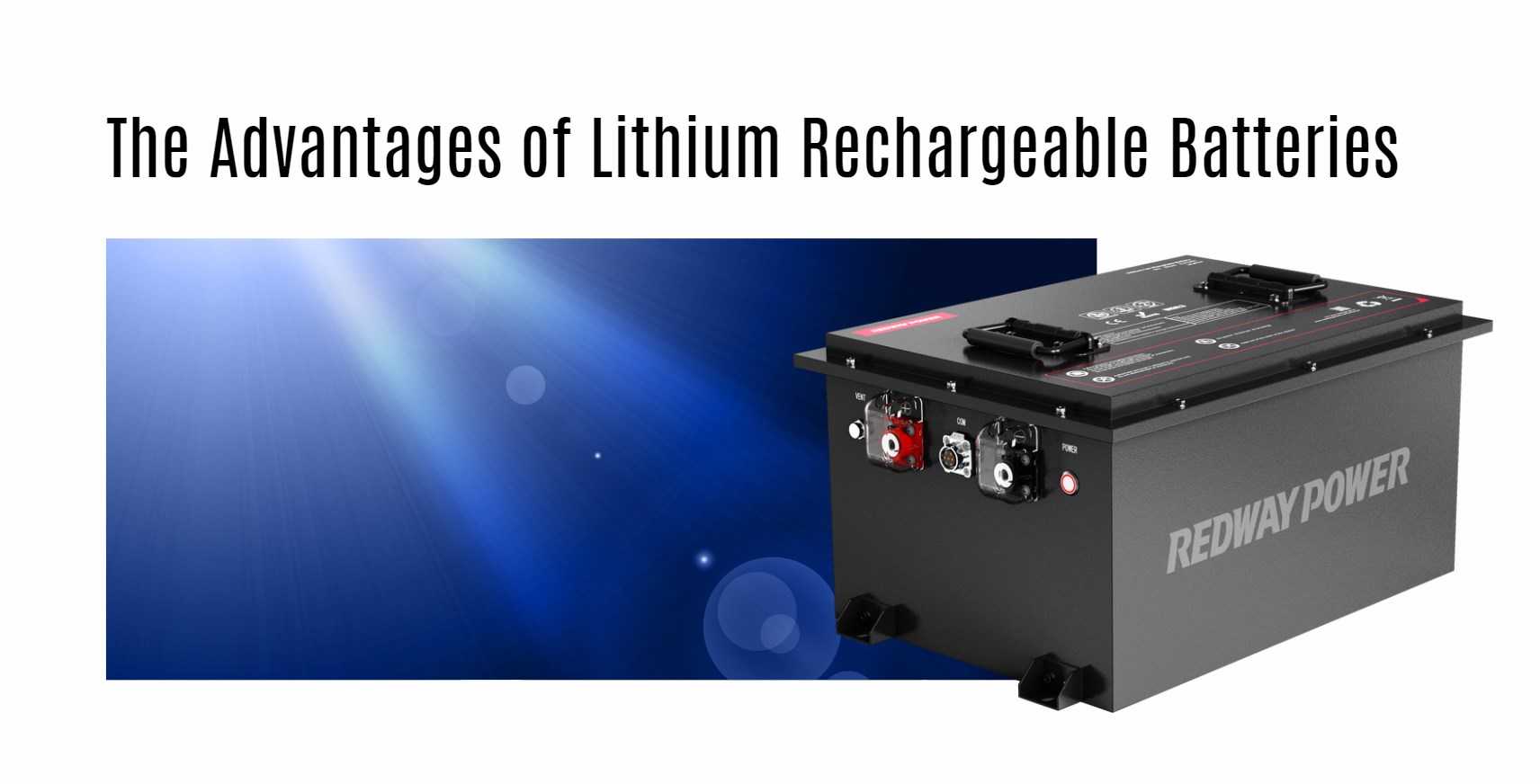
The Advantages of Lithium Rechargeable Batteries. 48v 100ah golf cart lithium battery factory manufacturer oem

The Advantages of Lithium Rechargeable Batteries

Are you tired of constantly replacing your batteries? Do you want a more sustainable and long-lasting option? Look no further than lithium rechargeable batteries! These powerful little power sources have become increasingly popular in recent years for their numerous advantages over traditional disposable batteries. From lasting longer to being better for the environment, there are many reasons why you should make the switch to lithium rechargeable batteries. In this blog post, we’ll explore everything you need to know about these innovative energy solutions and how they can benefit you in both the short and long term. So sit back, relax, and let’s dive into the world of lithium rechargeable batteries!

What are lithium rechargeable batteries?

Lithium rechargeable batteries, also known as lithium-ion batteries, are a type of rechargeable battery that use lithium ions as the primary source of energy. These batteries were first introduced in the 1990s and have since become one of the most popular types of rechargeable batteries on the market.Unlike traditional disposable batteries, which are only designed for single use, lithium rechargeable batteries can be recharged hundreds or even thousands of times before they need to be replaced. This makes them a more sustainable and cost-effective option over time.One reason why these batteries are so popular is because they offer high energy density, meaning they can store more power in a smaller size compared to other types of rechargeable batteries. This makes them ideal for powering portable devices like smartphones and laptops.Another advantage is their low self-discharge rate, which means they can hold their charge for longer periods when not in use compared to other types of rechargeable batteries. And unlike some other chemical-based battery technologies, lithium-ion cells do not contain heavy metals such as lead or cadmium that could harm the environment if improperly disposed.Lithium rechargeable batteries offer numerous advantages over traditional disposable options including sustainability, convenience and long-term cost savings

Why are they better than other types of batteries?

Lithium rechargeable batteries have become increasingly popular, and for good reason. They are an excellent choice in comparison to other types of batteries on the market today.Firstly, they are more energy efficient than conventional alkaline or nickel-metal hydride (NiMH) batteries. This means that they can store and deliver more power for a longer period of time, making them ideal for use in high-drain devices such as smartphones and laptops.Secondly, lithium rechargeable batteries have a higher voltage output compared to other battery types. This makes them more suitable for powering electronic devices with high power requirements.Another advantage is their ability to hold their charge when not in use. Unlike traditional NiMH or alkaline batteries which lose their charge over time even when not being used, lithium rechargeable batteries retain most of their charge even after weeks or months of disuse.These types of batteries have a longer lifespan compared to traditional disposable options. Lithium-ion cells can be recharged up to 500 times before needing replacement- this reduces waste while also saving money in the long run.There’s no denying that lithium rechargeable batteries offer numerous benefits over other battery types on the market today; from better energy efficiency and higher voltage outputs to greater longevity and superior performance overall.

What are the disadvantages of lithium rechargeable batteries?

While lithium rechargeable batteries have many advantages, they are not without their drawbacks. One disadvantage is that they can be more expensive than other types of batteries. This is because the materials used to manufacture them are costly and sometimes hard to come by.Another disadvantage is that they can be potentially dangerous if not handled correctly. Lithium-ion batteries can overheat or even explode if punctured or damaged in some way. It’s important to follow proper storage and handling procedures when using these batteries.In addition, lithium rechargeable batteries have a limited lifespan compared to disposable alkaline batteries. They typically last around 2-3 years before needing replacement, which may add up over time for those who use them frequently.Furthermore, lithium-ion batteries require specific charging methods and equipment that may not always be readily available. Overcharging or undercharging the battery can also shorten its overall lifespan.While there are some disadvantages to using lithium rechargeable batteries, their benefits often outweigh these drawbacks for most people’s needs.

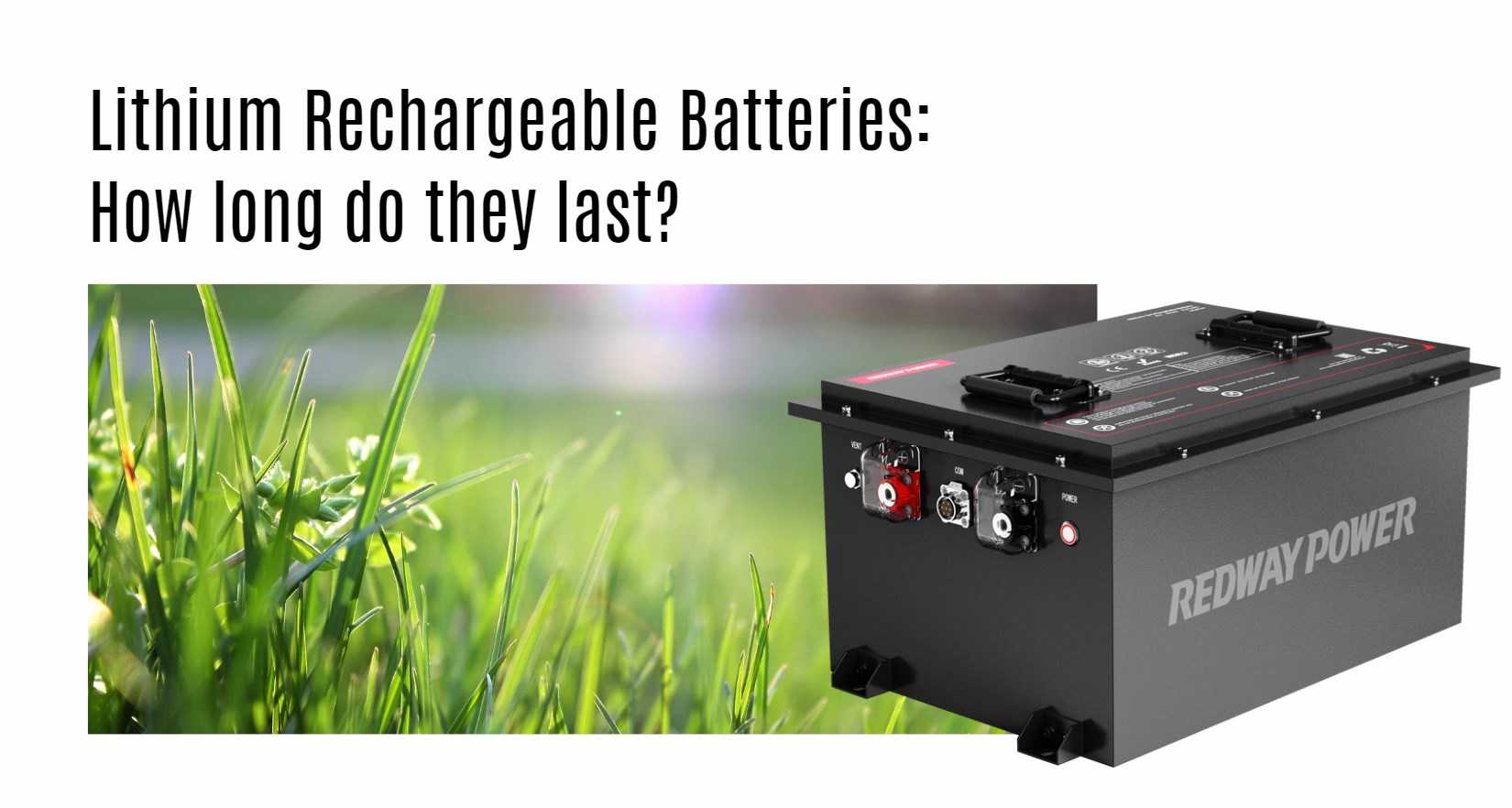
How long do they last?

Lithium rechargeable batteries have an impressively long lifespan. They can last up to 10 years with proper care and maintenance. However, the actual lifespan of a lithium battery depends on various factors.One factor that affects the lifespan of a lithium battery is its usage. The more frequently you charge and discharge your battery, the shorter its lifespan will be. Similarly, exposing your battery to extreme temperatures can also negatively impact its longevity.Another key factor in determining how long a lithium rechargeable battery lasts is its capacity. Batteries with higher capacities tend to last longer than those with lower capacities.It’s worth noting that even after several years of use, well-maintained lithium batteries can still hold around 80% of their original capacity. This means that they remain highly functional for much longer than other types of batteries.In summary, while there are many variables at play when it comes to how long lithium rechargeable batteries last, they are generally known for having impressive lifespans compared to other kinds of batteries available on the market today.Lithium Rechargeable Batteries: How long do they last? 48v 100ah golf cart lithium battery factory manufacturer oem

How to care for your lithium rechargeable batteries

Taking care of your lithium rechargeable batteries is essential to maintain their longevity and performance. Here are some tips on how to do it:1. Store them properly When not in use, store your lithium rechargeable batteries in a cool and dry place away from direct sunlight and heat sources.2. Don’t overcharge or undercharge Avoid leaving your batteries charging for too long or letting them run out completely before recharging. This can reduce their lifespan and damage the cells.3. Use compatible chargers Make sure you’re using the correct charger for your specific type of lithium rechargeable battery, as incompatible ones can cause overheating or even explosions.4. Keep them clean Regularly wipe down the surface of your batteries with a soft cloth to remove dirt and grime that may affect their conductivity.5. Handle with care Avoid dropping or physically damaging your batteries, as this can compromise their safety and effectiveness.By following these simple steps, you’ll be able to keep your lithium rechargeable batteries in optimal condition for longer-lasting performance!

Conclusion

To sum it up, lithium rechargeable batteries are an excellent choice for anyone looking for a long-lasting and reliable power source. They offer several advantages over traditional batteries, including longer lifespans, faster charging times, and higher energy densities. Additionally, they can be recharged thousands of times without losing their performance.However, as with any technology, there are also some disadvantages to consider. Lithium-ion batteries can be expensive upfront and require proper care to ensure their longevity.If you’re in the market for a new battery or considering upgrading your current one, we highly recommend considering a lithium rechargeable battery. They may cost more initially than other options on the market but will save you money in the long run by lasting longer and requiring fewer replacements. With proper care and maintenance practices in place, you’ll enjoy years of dependable power from your lithium rechargeable battery!
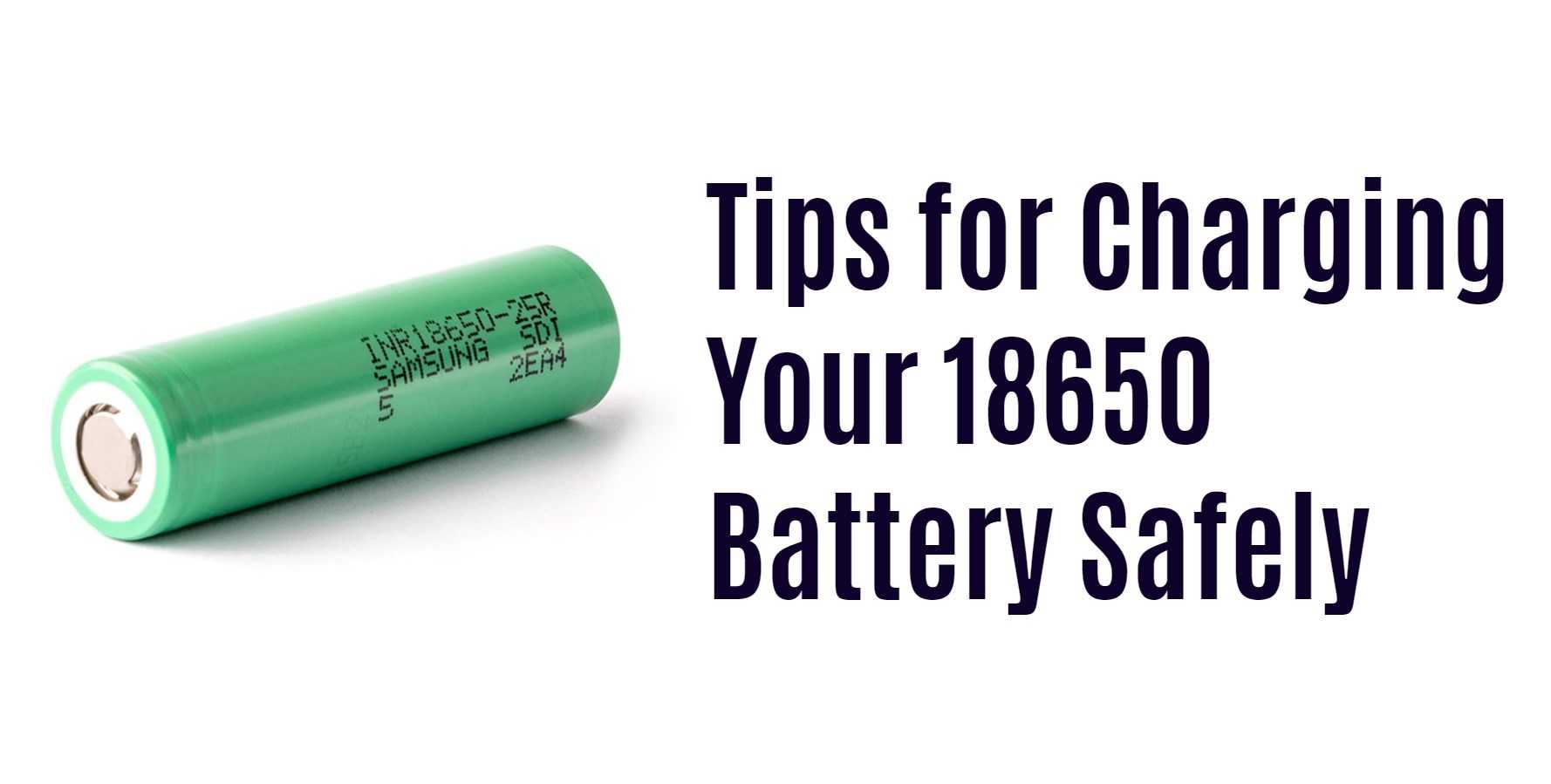
Tips for Charging Your 18650 Battery Safely

Tips for Charging Your 18650 Battery Safely

Are you using 18650 batteries for your electronic devices? If so, it’s important to know how to safely charge and dispose of them. These small but powerful batteries are commonly used in flashlights, vape pens, laptops, and more. In this blog post, we’ll provide you with tips on how to charge your 18650 battery safely and responsibly. By following these guidelines, you can protect yourself from potential hazards while extending the life of your battery. Read on to learn more!

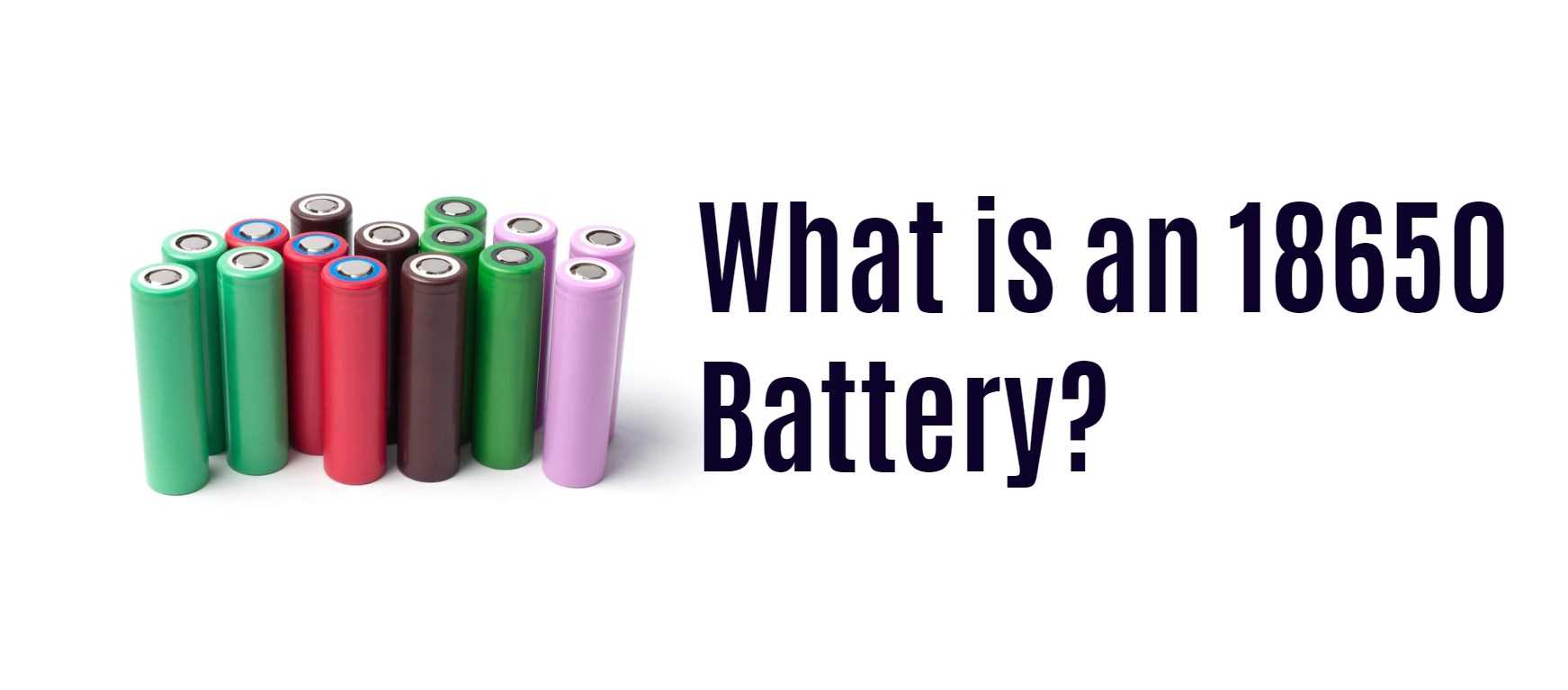
What is an 18650 Battery?

The 18650 battery is a type of rechargeable lithium-ion battery that measures approximately 18mm in diameter and 65mm in length. It gets its name from these dimensions, making it easy to identify among other types of batteries.These small but powerful batteries are commonly used in various electronic devices due to their high energy capacity and long-lasting performance. They can be found in flashlights, vape pens, laptops, power banks, electric vehicles, and even solar-powered homes.One of the unique features of the 18650 battery is its cylindrical shape. This design allows for efficient use of space within devices while also providing stability during charging and discharging cycles.However, it’s important to note that not all 18650 batteries are created equal. Some may have different energy capacities or discharge rates depending on the brand and quality level. Always do your research before purchasing an 18650 battery for your device to ensure optimal performance and safety.What is an 18650 Battery?

How to Charge an 18650 Battery

Charging an 18650 battery is a crucial step in ensuring its longevity and safety. Before charging, make sure to remove the battery from your device and inspect it for any damage. Next, choose a compatible charger that matches the voltage and capacity of your battery.When inserting the battery into the charger, be sure to align it correctly with the positive (+) and negative (-) terminals. This will prevent any damage or malfunctioning during charging. Once connected, ensure that the charger is plugged into a reliable power source.It’s important to monitor your battery’s temperature while charging as overheating can cause damage or even lead to explosion. Remove the battery immediately if it feels hot to touch or emits an unusual odor.Once fully charged, unplug your charger from its power source before removing your 18650 battery from it. A properly charged 18650 should last up to several hours depending on usage intensity.By following these simple steps you can safely charge your 18650 batteries which will help maintain their lifespan so they perform optimally every time you use them!

Tips for Charging Your 18650 Battery Safely

Charging your 18650 battery safely is essential to prevent any accidents or damage to the battery and device. Here are some tips to ensure safe charging:1. Use a reliable charger: Always use a charger that is compatible with your 18650 battery and comes from a reputable manufacturer.2. Check the condition of the charger: Before plugging in your charger, inspect it for any signs of wear or damage, such as frayed wires or loose connections.3. Charge at room temperature: Charging your battery at room temperature (around 20-25°C) can ensure optimal performance and safety.4. Don’t overcharge: Overcharging can cause the battery to overheat and may even lead to an explosion. Always monitor the charging time and remove it once fully charged.5. Avoid undercharging: Similarly, if you don’t charge your batteries enough, they won’t perform well in devices when used.6. Store properly while charging: Never leave your batteries unattended while charging them; store them on non-flammable surfaces away from heat sources like direct sunlightBy following these tips, you can safely charge your 18650 batteries without any worry of causing harm to yourself or others around you!Tips for Charging Your 18650 Battery Safely

How to Dispose of an 18650 Battery

When it comes to disposing of an 18650 battery, proper care must be taken to ensure safety for both people and the environment. These lithium-ion batteries can contain hazardous materials such as heavy metals that can cause harm if not disposed of properly.Firstly, never throw your used batteries in the trash bin. This is because they have a high risk of igniting fires or causing explosions due to their chemical components. Instead, look for designated battery recycling centers near you where they will be handled and disposed of carefully.Another alternative method is through mail-back programs offered by some manufacturers who take back used batteries for safe disposal. If there are no available options nearby, store your used batteries in a cool and dry place until you find an appropriate way to dispose of them.Always remember that improper disposal methods can lead to environmental pollution which may result in health risks among people living close by. By taking responsible steps towards disposing these batteries safely, we not only help protect ourselves but also contribute towards preserving our planet’s natural resources.

Conclusion

A reliable 18650 battery charger is crucial for safely powering your high-performance lithium-ion batteries. Many users opt for an 18650 battery and charger combo for convenience, ensuring compatibility between the battery and charging system. Whether you need a simple 18650 battery with charger set or a more advanced charging solution, proper care extends battery life and prevents hazards.When charging a 18650 battery, always use a quality charger to avoid overcharging or overheating. Some prefer purchasing an 18650 battery & charger bundle for optimal performance. For those seeking premium energy solutions, Redway Battery, China LiFePO4 Battery Wholesale Supplier, offers top-tier lithium batteries and accessories.From vape mods to flashlights, an efficient 18650 battery charger keeps your devices running smoothly. Investing in a trusted 18650 battery and charger setup ensures long-term reliability, while proper techniques for charging a 18650 battery maximize efficiency. Whether you buy an 18650 battery with charger or separately, safety should always come first.
The Power and Efficiency of Ion Batteries. LITHIUM BATTERY FACTORY

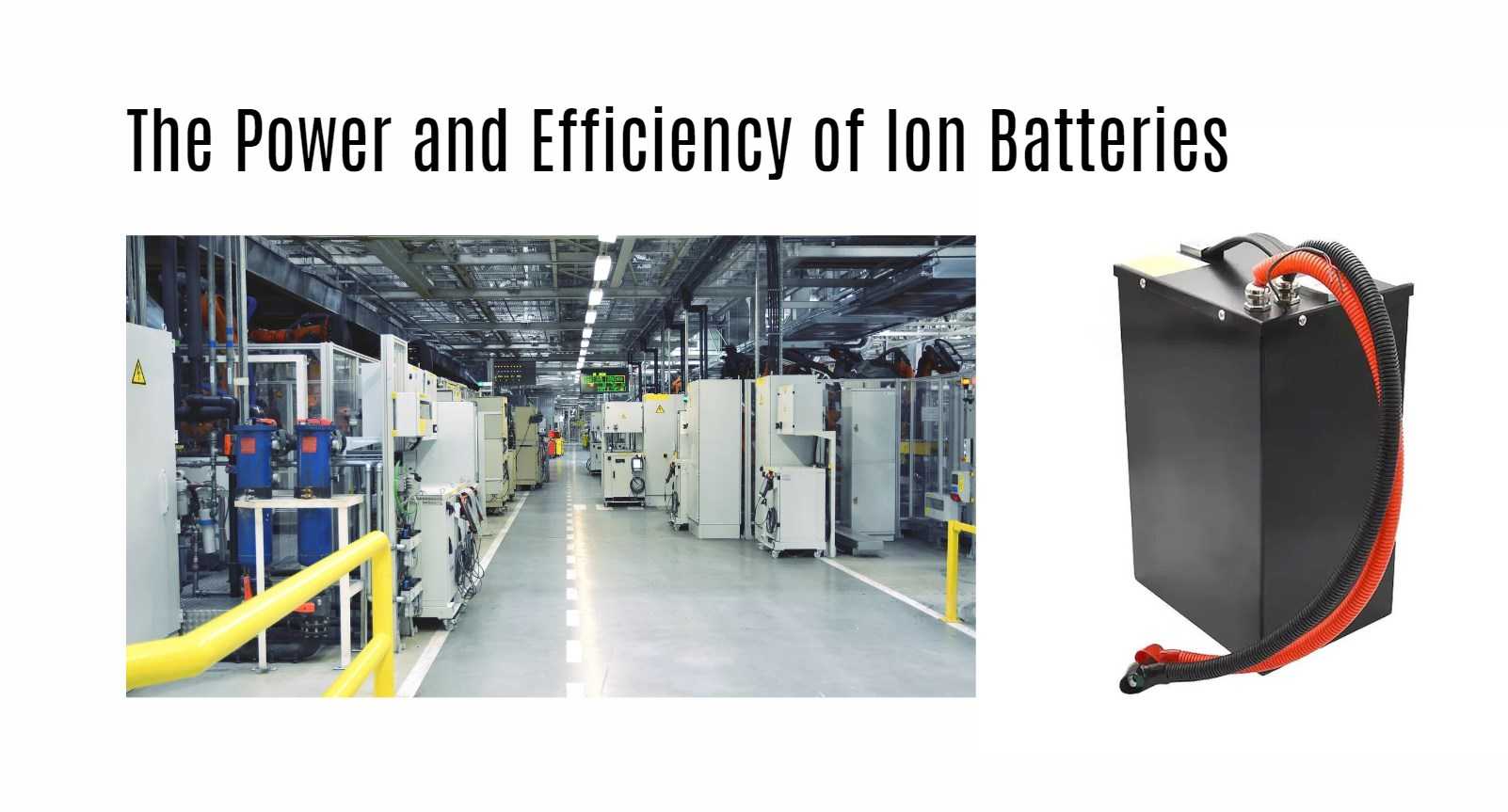
The Power and Efficiency of Ion Batteries

Welcome to the era of technology where we rely on batteries for almost everything in our daily lives. From smartphones and laptops to electric cars, these devices require a reliable and powerful source of energy to function properly. This is where ion batteries come into play; they have revolutionized the way we use our devices by providing high power density, longer lifespan, and better efficiency. In this blog post, we will explore how ion batteries work, their benefits and drawbacks, as well as their potential future developments that could change the world as we know it! So let’s dive in and discover the fascinating world of ion batteries together!

How Ion Batteries Work

Ion batteries are rechargeable energy storage devices that operate on the principle of electrochemical reactions. They consist of two electrodes, an anode and a cathode, separated by an electrolyte solution. When the battery is charged, lithium ions move from the cathode to the anode through the electrolyte and back again when discharged.The process begins at the positive electrode or cathode which contains metal oxide compounds such as cobalt oxide or nickel manganese cobalt oxide. These compounds release positively charged lithium ions during charging which then move towards negative electrode or anode made up of graphite that can absorb these ions.During discharge, a chemical reaction takes place in which lithium ions flow back to the positive electrode through a conductive medium called ion-containing liquid electrolytes. This movement creates electricity which can be used to power various electronic devices including smartphones, laptops and electric cars.Ion batteries work by utilizing lithium-ion technology to store electrical energy for later use with high efficiency and long-lasting performance capabilities.How Ion Batteries Work

The Benefits of Ion Batteries

Ion batteries have become increasingly popular over the years due to their numerous benefits. One of the most significant advantages is their high energy density, which makes them capable of holding more energy in a smaller and lighter package compared to other battery types.Another benefit of ion batteries is their long lifespan. They can last for several years without needing replacement, making them ideal for use in devices that require constant power supply such as electric vehicles and smartphones.They are also very efficient since they lose minimal charge when not in use, unlike other batteries that tend to discharge quickly even when not being used. This means users do not need to recharge regularly or worry about losing stored power.In addition, ion batteries are environmentally friendly since they do not contain toxic chemicals like lead-acid or nickel-cadmium batteries. They can be easily recycled, reducing waste pollution and promoting sustainability.Ion batteries provide fast charging times which ensures quick access to power whenever needed. It’s no wonder why many industries continue to invest heavily in this technology as it provides solutions to various challenges related to modern-day living.

The Drawbacks of Ion Batteries

Despite the many benefits of ion batteries, they also have their drawbacks that must be taken into account. One of the biggest concerns is their tendency to overheat and even catch fire if not handled properly.This risk is particularly high when charging or discharging at a too rapid rate, which can cause thermal runaway in the battery cells. This issue has caused several incidents with smartphones and laptops in recent years, leading to product recalls and safety warnings.Another drawback of ion batteries is their limited lifespan. With every charge-discharge cycle, the battery loses a small amount of its capacity until it eventually becomes unusable. This means that after a certain number of cycles (usually around 500-1000), the battery will need to be replaced.Additionally, ion batteries are still relatively expensive compared to traditional lead-acid batteries, making them less accessible for some applications such as large-scale energy storage systems.While lithium-ion batteries are more environmentally friendly than other types of batteries due to their lack of toxic heavy metals like lead and cadmium; they still require proper disposal methods since they contain harmful chemicals like cobalt and nickel.While there are certainly some significant drawbacks associated with ion batteries; these issues can be mitigated through proper handling protocols and further research & development efforts aimed at improving performance characteristics whilst reducing costs.

The Future of Ion Batteries

The future of ion batteries is looking bright as more advancements are being made in the technology. One of the most exciting developments is the use of solid-state electrolytes, which can replace traditional liquid electrolytes that have been known to cause safety issues.Solid-state electrolytes have a higher energy density and are less likely to catch fire or leak compared to their liquid counterparts. This means that they could potentially make electric vehicles safer and more efficient.Another area where ion batteries are expected to excel in the future is grid-scale energy storage. As renewable energy sources such as wind and solar become more prevalent, there will be a greater need for large-scale energy storage solutions. Ion batteries offer a viable solution due to their high capacity and ability to charge quickly.Researchers are also exploring ways to recycle ion batteries once they reach the end of their life cycle. By recovering valuable materials from used batteries, we can reduce our reliance on mining new resources while also minimizing waste.It’s clear that ion batteries have a bright future ahead with many potential applications in various industries. With ongoing research and development, we can continue unlocking even more benefits from this powerful technology.

Conclusion

The development of ion batteries has revolutionized the way we see energy storage and consumption. With their high efficiency, light weight, and long lifespan, they have become a popular choice in various industries such as transportation and electronics.Despite some drawbacks like safety concerns and cost issues associated with them, these limitations are being addressed by researchers who continue to innovate on better materials and manufacturing processes. The future of ion batteries looks bright with promising advancements in solid-state lithium-ion technology.As we move towards a more sustainable world where renewable energy sources are becoming increasingly important, ion batteries will play an even greater role in enabling us to store this energy for later use. The potential applications for ion batteries are endless – from powering electric vehicles to storing solar power at home.It’s clear that ion batteries have come a long way since their inception over 30 years ago. As technology continues to evolve, it’s exciting to think about what new possibilities lie ahead for this powerful source of energy storage.
12v 100ah rv lithium battery factory
Understanding the Basics of Battery Cells

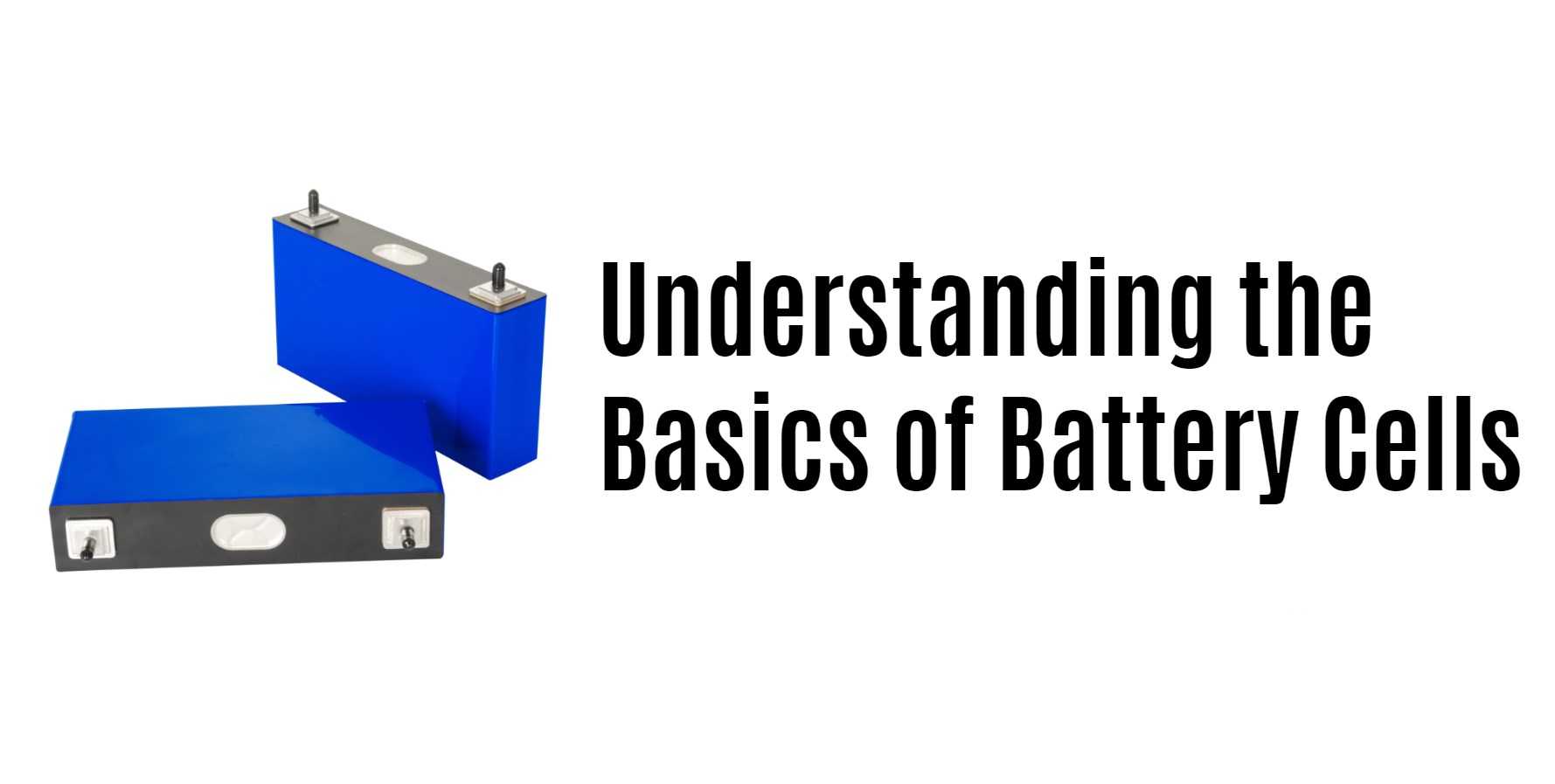
Understanding the Basics of Battery Cells

Batteries power our world, from the devices we use daily to electric cars and even entire buildings. But have you ever wondered how these batteries work? At the core of every battery is a battery cell. Understanding what a battery cell is and its various types can help you choose the right one for your needs. In this post, we’ll delve into the basics of battery cells, explore their pros and cons, and provide tips on selecting the right type for your applications. So buckle up as we take you on an electrifying journey through the world of battery cells!

What is a Battery Cell?

A battery cell is a small container that converts chemical energy into electrical energy. It contains an electrolyte solution, which separates two electrodes – the positive electrode (cathode) and negative electrode (anode). When connected to an external circuit, electrons flow from the anode through the circuit to the cathode, powering devices along the way.Battery cells come in various shapes and sizes, depending on their intended use. They can be cylindrical or rectangular with different dimensions and capacities. Each type of cell has its own unique characteristics and properties that determine its performance.Typically, batteries are made up of multiple cells connected in series or parallel to create higher voltages or longer run times. The number of cells within a battery determines its voltage output and capacity. For instance, a lithium-ion battery used in smartphones will have one or two cells while electric cars may contain hundreds of them.In essence, every electronic device with a rechargeable battery uses at least one battery cell. Understanding how these tiny powerhouses work is essential for anyone seeking to make informed decisions about choosing the right type of rechargeable batteries for their needs.

The Different Types of Battery Cells

When it comes to battery cells, there are various types available in the market. The most common battery cell is a lithium-ion battery, but there are other options that may be better suited for your needs.One type of battery cell is nickel-cadmium (NiCad). NiCad batteries were popular in the past due to their ability to provide high power output and long life cycle. However, they have become less popular due to their environmental impact and issues with memory effect.Another type of battery cell is nickel-metal hydride (NiMH). NiMH batteries offer higher energy density compared to NiCad batteries and do not have memory effect issues. They also have a longer lifespan than Li-ion batteries.Lead-acid batteries are another option, commonly used in automobiles. These heavy-duty batteries are reliable and can deliver high surge currents making them ideal for starting car engines.Lithium Polymer (LiPo) batteries offer an even higher energy density than traditional Li-ion cells but require more sophisticated charging circuits as well as careful handling due to safety concerns associated with overcharging or punctures.Each type of battery has its own pros and cons based on application requirements such as power output demands or operating temperature range so consider carefully before selecting which one fits your needs best!

Lithium-Ion Battery Cells

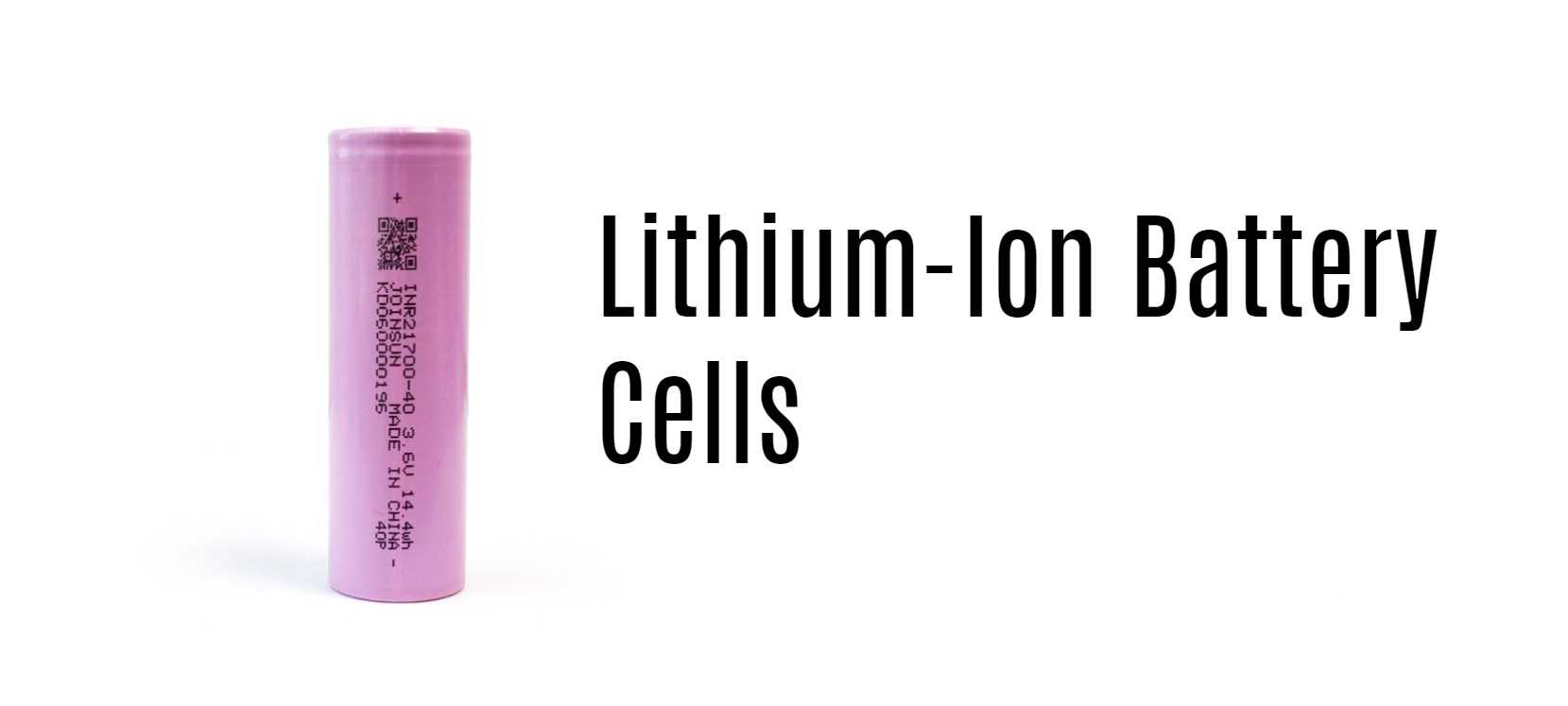
Lithium-ion battery cells have become one of the most popular types of batteries in recent years due to their high energy density, long cycle life and low self-discharge rate. These rechargeable batteries are used in a wide range of applications such as smartphones, laptops, electric vehicles and even airplanes.One advantage of lithium-ion battery cells is that they come in various sizes and shapes to fit different devices. They also have a higher voltage compared to other rechargeable batteries which makes them more efficient.However, these batteries can be expensive to produce due to the complex manufacturing process involved. They also require careful handling and storage since they contain flammable electrolytes that can pose safety risks if mishandled.Another challenge with lithium-ion battery cells is degradation over time. As the number of charging cycles increases, the capacity gradually reduces which means it will take less time for the battery to discharge fully than when it was new.Despite these challenges, companies continue investing in research towards improving lithium-ion technology by developing safer materials for better performance.

Lithium-Ion Battery Cells. joinsun 21700 cells

Pros and Cons of Battery Cells

Battery cells are essential components of modern electronic devices, and they come in various types. Each type has its own set of pros and cons that make them suitable for different applications.One primary advantage of battery cells is their portability, making them ideal for use in mobile devices like smartphones, laptops, and tablets. They also provide a reliable source of power to these gadgets without needing an external power source.Another benefit is the environmental-friendliness of some types such as lithium-ion batteries. These batteries do not contain hazardous materials like lead or mercury that can pose a threat to the environment if disposed improperly.On the other hand, one disadvantage of battery cells is their limited lifespan due to chemical reactions inside the cell during charging/discharging cycles. This means that they need replacements after a certain period which adds up cost-wise over time.Another drawback is safety concerns associated with some battery technologies like Lithium Polymer (LiPo) which can explode or catch fire when damaged or overcharged hence requiring safe handling while in use.Choosing the right battery cell type depends on your intended application since each technology offers its unique advantages and disadvantages.

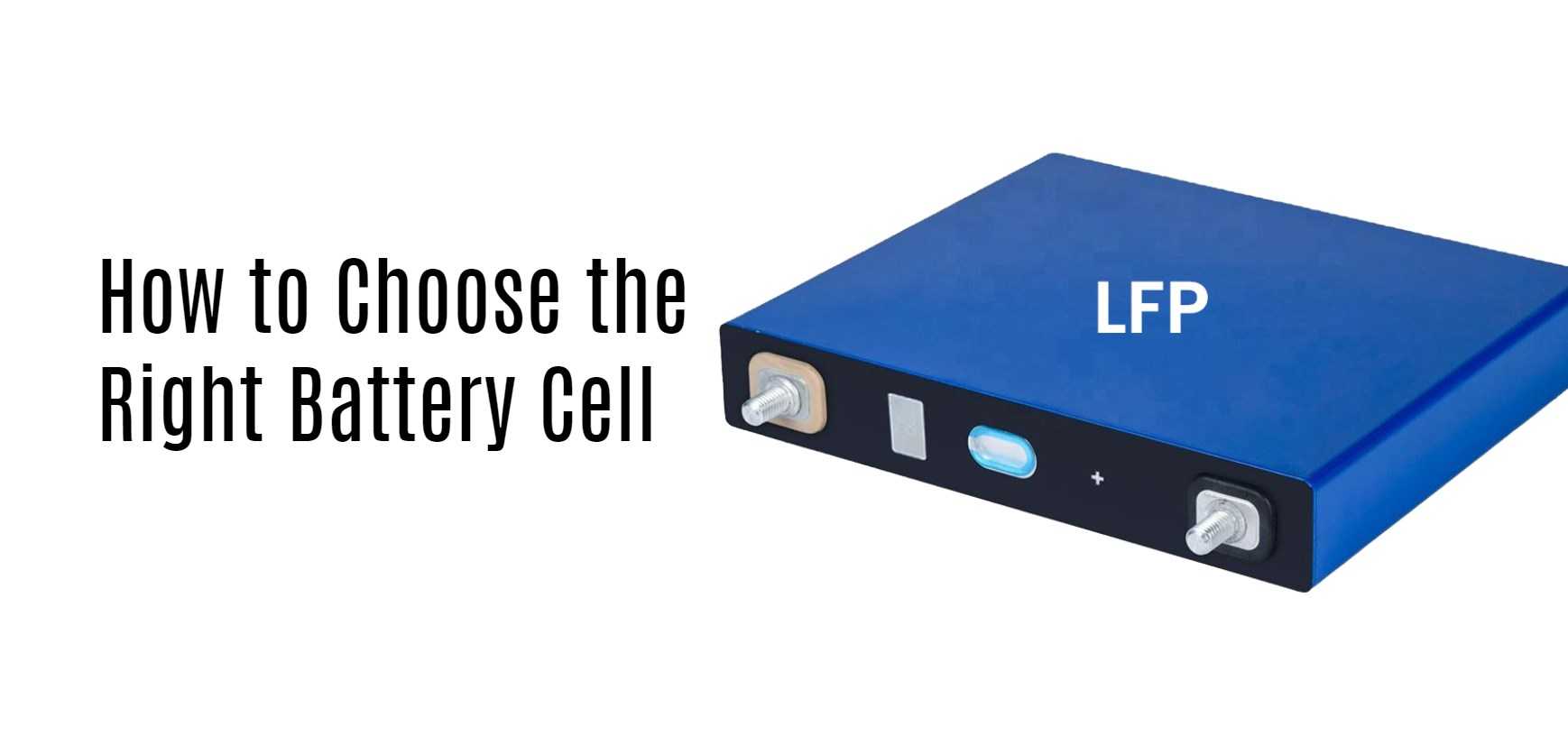
How to Choose the Right Battery Cell

Choosing the right battery cell is an important decision that can affect the performance and longevity of your device. There are several factors to consider when selecting a battery, such as capacity, voltage, size, and chemistry.Firstly, you need to determine the required capacity for your device. This refers to the amount of charge a battery can hold and is measured in ampere-hours (Ah). Make sure to choose a battery with sufficient capacity for your needs.Next, consider the voltage requirements of your device. Most batteries provide 3.7 volts per cell, but some devices may require higher or lower voltages.Size also matters when it comes to choosing a battery cell. Ensure that you select a size that fits perfectly into your device’s compartment without compromising on performance.Think about which type of chemistry would be best suited for your application. Lithium-ion batteries are popular due to their high energy density and long life span; however other types like lead-acid and nickel-cadmium may also be suitable depending on specific requirements.By considering these factors carefully when choosing a battery cell, you can ensure optimal performance from your device while extending its lifespan.How to Choose the Right Battery Cell

Conclusion

Understanding the basics of battery cells is crucial in today’s world where batteries are used to power almost everything from our smartphones to electric vehicles. We hope that this article has provided you with valuable insights into different types of battery cells, their pros and cons, and how to choose the right one for your device or application.We can say that lithium-ion battery cells have become the go-to option for most applications due to their high energy density and long cycle life. However, it is essential to consider factors such as cost, safety, and environmental impact before making a final decision. With advancements in technology, we can expect more efficient and sustainable options in the future.12v 100ah rv battery lifepo4 lfp redway manufacturer
The Benefits of a 12V Lithium Ion Battery. 12v 100ah rv lithium battery factory oem manufacturer marine boat

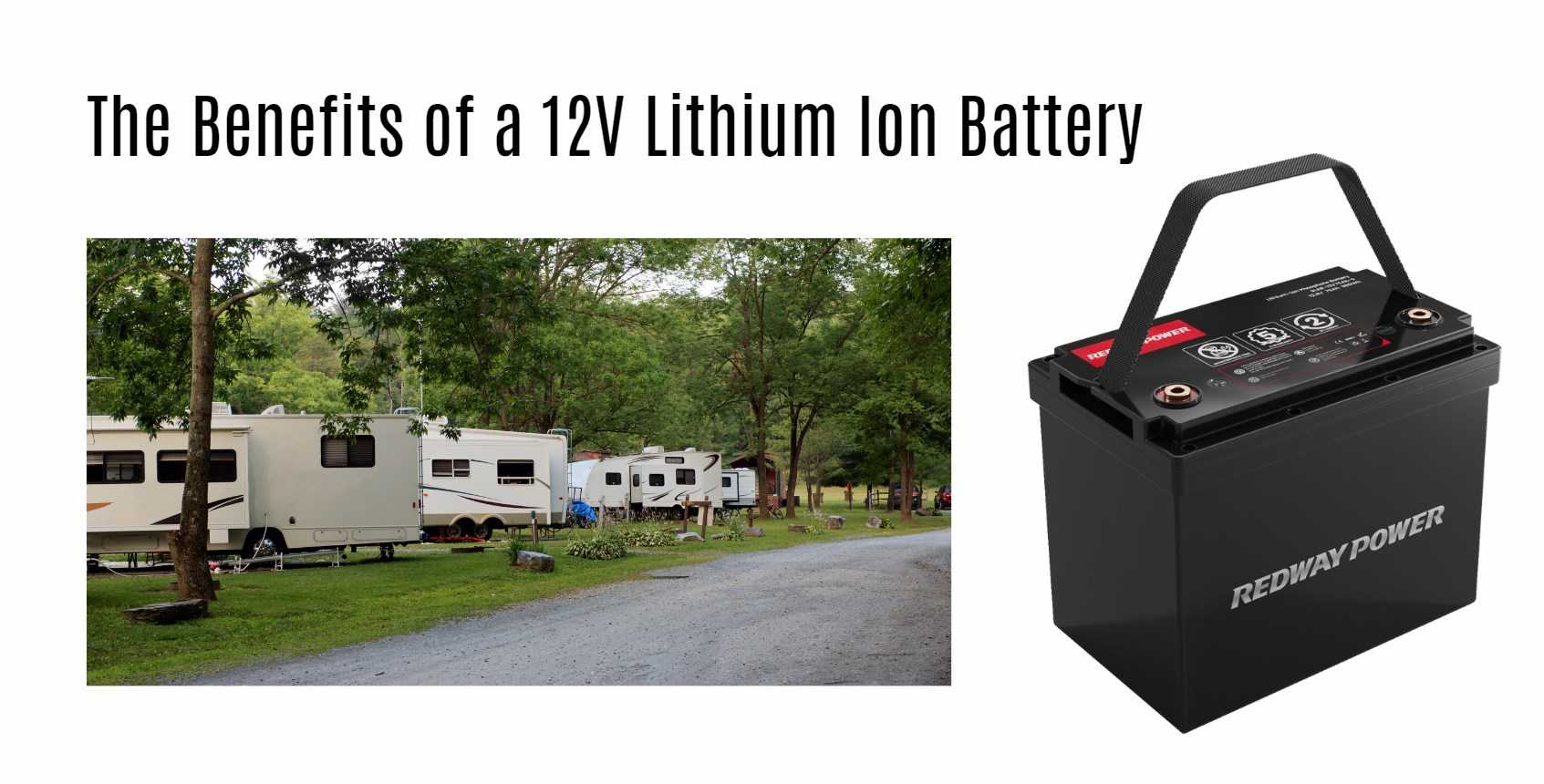
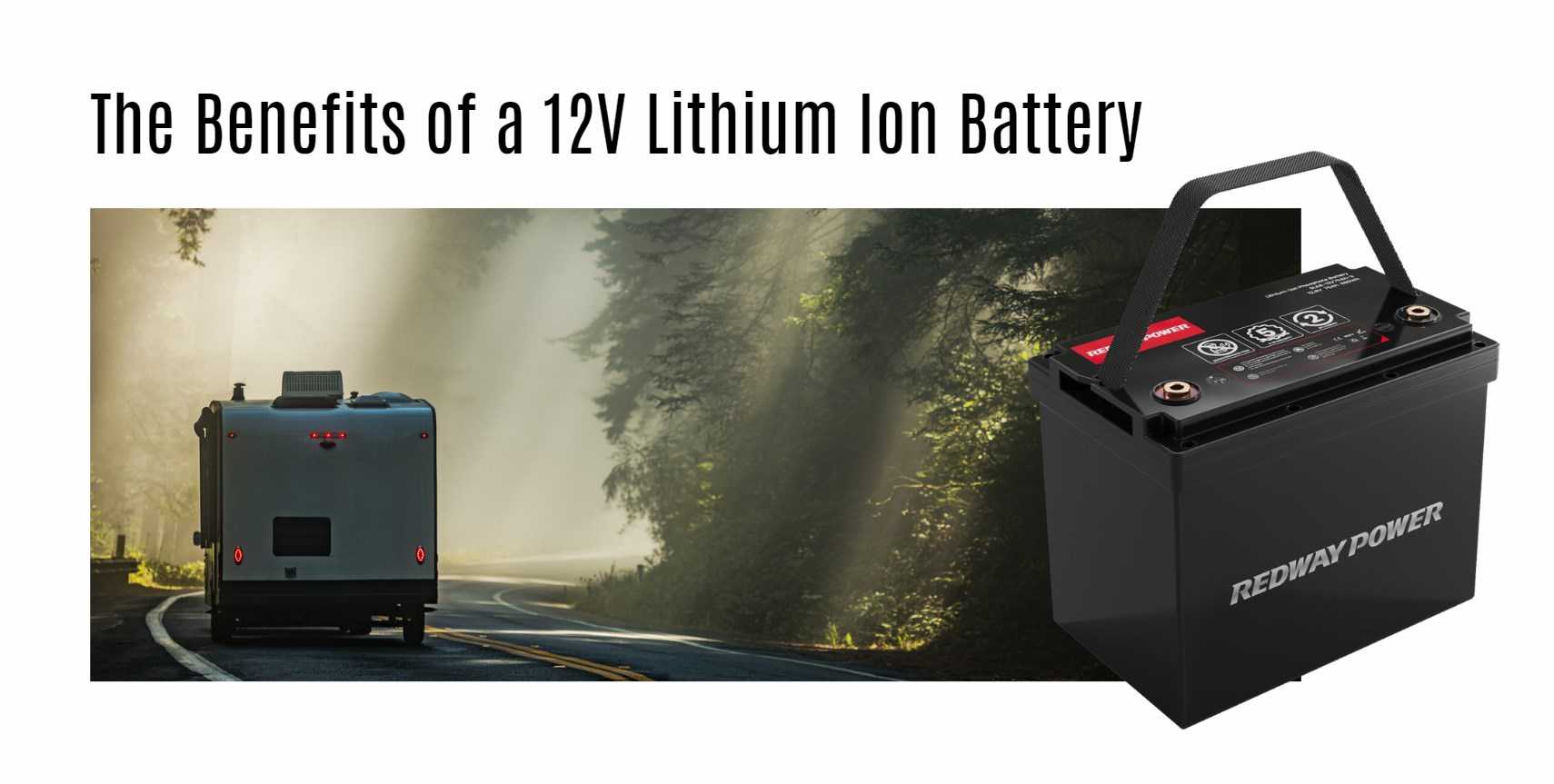
The Benefits of a 12V Lithium Ion Battery

Are you tired of constantly replacing your traditional lead-acid battery every few years? It may be time to make the switch to a 12V lithium ion battery. Not only do these batteries have longer lifespans, but they also offer a plethora of other benefits that will enhance your experience with devices and vehicles that require power on-the-go. In this blog post, we’ll explore what exactly a 12V lithium ion battery is, its advantages over traditional options, how to choose the right one for your needs, and tips for maintaining it properly. So sit back and learn why upgrading to a 12V lithium ion battery may just be the best decision you make today!

What is a 12V Lithium Ion Battery?

A 12V lithium ion battery is a rechargeable power source that utilizes lithium ions to store and release energy. It consists of one or more cells, each containing an anode, cathode, and electrolyte solution. When the battery is charged, lithium ions move from the cathode through the electrolyte to the anode where they are stored.Compared to traditional lead-acid batteries, 12V lithium ion batteries have a much higher energy density which means they can provide more power in less space. They also have longer lifespans as they do not suffer from memory effect unlike other types of rechargeable batteries.These modern batteries have become increasingly popular among consumers due to their versatility and efficiency. They are commonly used in portable devices such as laptops, smartphones, cameras as well as electric vehicles like cars or bikes.While there may be some initial cost associated with switching to a 12V lithium ion battery compared to traditional options, its numerous benefits make it worth considering for anyone who requires reliable and efficient power on-the-go.

The Benefits of a 12V Lithium Ion Battery

A 12V Lithium Ion Battery offers numerous benefits that make it a popular choice for many applications. One of the most significant advantages is its high energy density, which means it packs more power into a smaller and lighter package compared to other types of batteries.Another benefit of the 12V Lithium Ion Battery is its long lifespan. It can last up to ten times longer than traditional lead-acid batteries, making it ideal for use in critical applications where reliability is paramount.The 12V Lithium Ion Battery also has a very low self-discharge rate, which means it can hold its charge for extended periods without needing constant recharging. This makes it an excellent choice for backup power supplies or devices that need to be ready at a moment’s notice.Moreover, these batteries are highly efficient and have rapid charging capabilities. They can handle multiple charge cycles without losing capacity, guaranteeing optimal performance over time.Lithium-ion batteries are eco-friendly since they do not contain toxic elements like cadmium or lead found in traditional battery technologies. With increased focus on environmental sustainability worldwide, this feature makes them an attractive option among consumers who want greener products.The benefits of using a 12V Lithium-Ion Battery are clear – lower weight and volume while providing better performance with higher efficiency and longer lifespans compared to other conventional battery options available today.The Benefits of a 12V Lithium Ion Battery. 12v 100ah rv lithium battery factory oem manufacturer marine boat

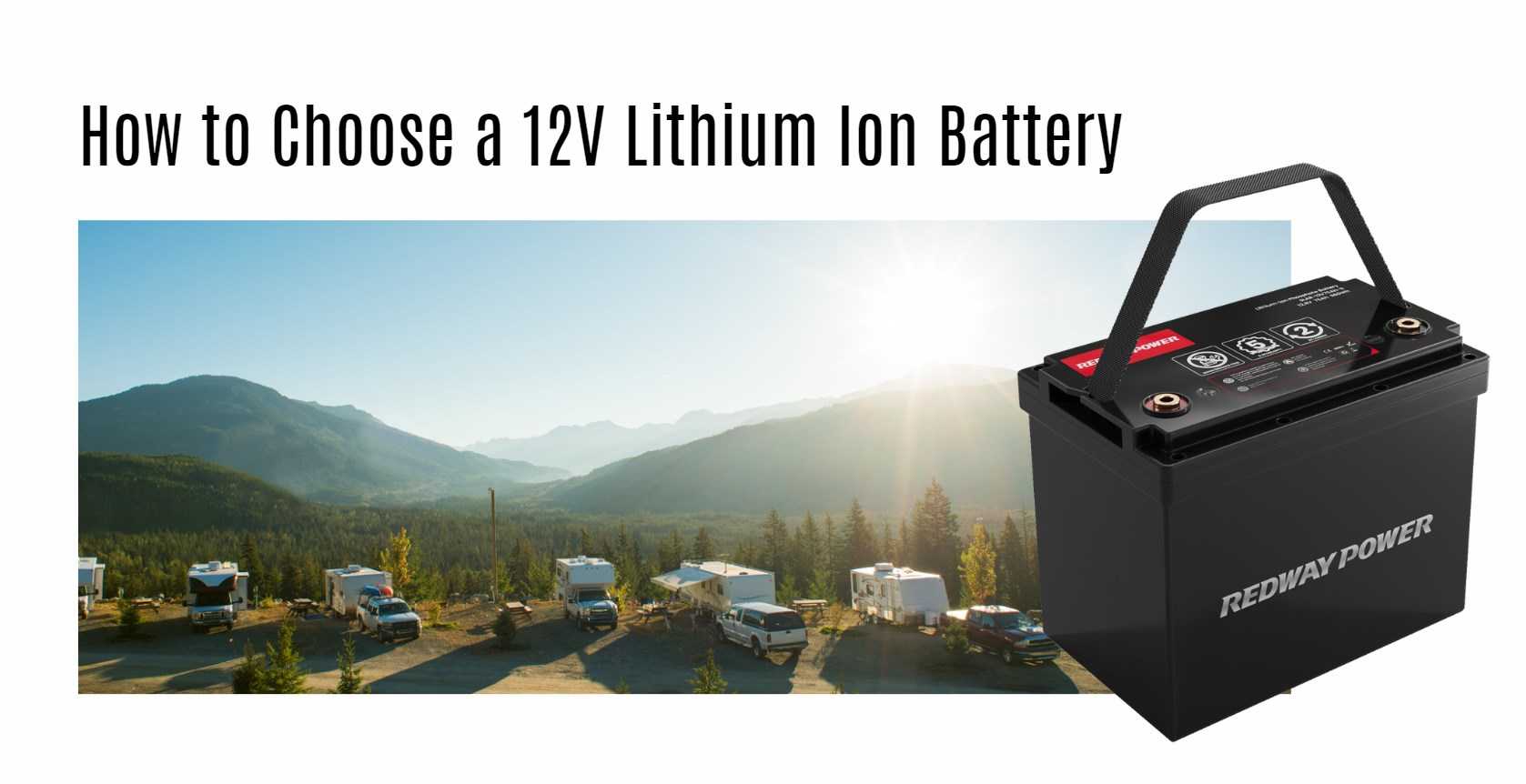
How to Choose a 12V Lithium Ion Battery

When it comes to selecting a 12V lithium ion battery, there are several factors you should consider. Here are some important things to keep in mind:1. Capacity: One of the most critical factors is capacity. The higher the capacity, the longer your battery will last before needing a recharge.2. Size and Weight: Depending on how you plan to use your 12V lithium ion battery, size and weight may be essential considerations for you. If portability is crucial, look for batteries that come in compact sizes.3. Charging Time: Consider how long it takes for the battery to charge fully before buying one.4. Brand Reputation: Be sure always to research brands before making a purchase decision as not all brands offer high-quality products.5. Price: Take note of price when purchasing a 12V lithium-ion battery; some companies overprice their products without giving much value while others give reasonable prices but deliver excellent quality products.By understanding these factors and assessing what matters most based on your specific needs and intended usage of the product, you can select an ideal option suitable for your requirements at an affordable cost without compromising its quality or performance capabilities.How to Choose a 12V Lithium Ion Battery. 12v 100ah rv lithium battery factory oem manufacturer marine boat

12V Lithium Ion Battery Maintenance

Proper maintenance is crucial to ensure the longevity and optimal performance of your 12V lithium ion battery. Here are some tips on how to maintain your battery:Firstly, make sure that you store your battery in a cool and dry place away from direct sunlight. Prolonged exposure to heat can cause damage to the cells, leading to decreased capacity.Secondly, do not overcharge or discharge your battery as this can also affect its lifespan. Always use a charger specifically designed for lithium-ion batteries and avoid leaving it plugged in for an extended period.Thirdly, clean the terminals regularly using a cloth or brush to remove any dirt or debris that may have accumulated on them. This will ensure proper connectivity between the battery and device.If you plan on storing your battery for an extended period, make sure it is charged at around 50% capacity before doing so. This will prevent self-discharge while still maintaining enough charge for when you need it next.By following these simple steps, you can maintain the health of your 12V lithium ion battery and enjoy long-lasting performance from it.

Conclusion

To sum up, a 12V lithium ion battery is a reliable and efficient power source that offers many benefits for various applications. Whether you need it for your RV, boat, or solar panel system, this type of battery can provide long-lasting energy with minimal maintenance.Before purchasing a 12V lithium ion battery, it’s essential to consider your specific needs and requirements. Ensure that the battery has enough capacity to meet your energy demands and choose one from a reputable brand with good customer reviews.Remember to follow proper maintenance practices to extend the lifespan of your 12V lithium ion battery. With regular care and attention, these batteries can last for years without losing their performance capabilities.Investing in a quality 12V lithium ion battery may seem like an upfront expense but will ultimately save you money in the long run by reducing replacement costs and providing reliable power when you need it most.
Exploring the Advantages of Lithium Iron Phosphate Batteries. 12v 100ah rv lithium battery factory oem manufacturer marine

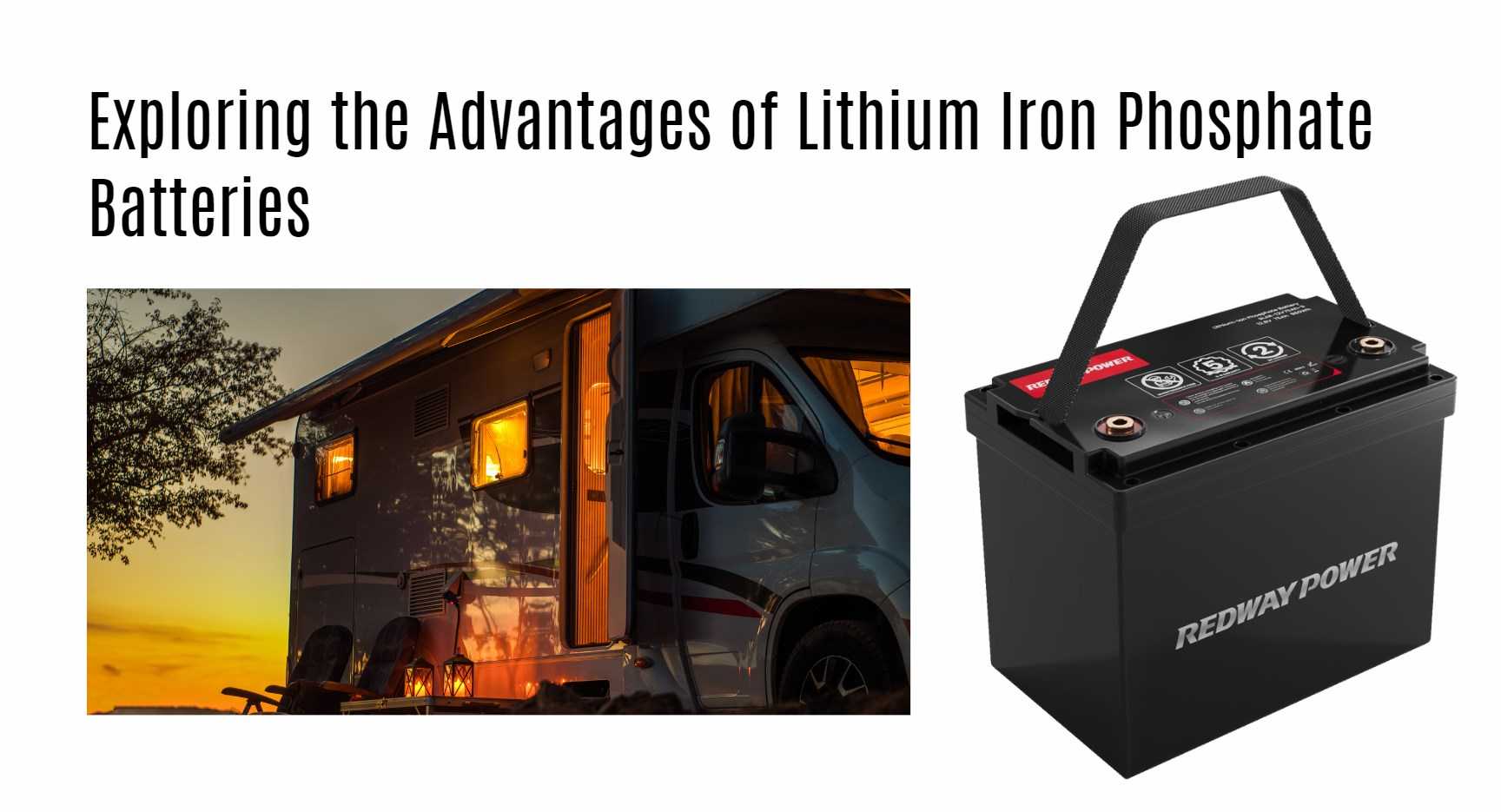
Exploring the Advantages of Lithium Iron Phosphate Batteries

Welcome to the world of Lithium Iron Phosphate batteries! In today’s fast-paced world, we need reliable and efficient energy storage solutions that can keep up with our demanding lifestyles. Lithium Iron Phosphate batteries are quickly becoming a popular choice due to their many advantages over traditional lead-acid batteries. In this blog post, we’ll explore the features, benefits, and how to choose the right Lithium Iron Phosphate battery for your needs. So buckle up as we take you on an exciting journey through the world of Lithium Iron Phosphate batteries!

What are Lithium Iron Phosphate Batteries?

Lithium Iron Phosphate batteries, also known as LiFePO4 batteries, are a type of rechargeable battery that is becoming increasingly popular due to their many advantages over traditional lead-acid batteries. These batteries use lithium-ion technology and are made from iron phosphate rather than cobalt or nickel, which makes them more environmentally friendly.One of the most significant benefits of Lithium Iron Phosphate batteries is their high energy density. This means they can store more energy in a smaller space compared to other types of batteries. They are also highly reliable and have long lifespans with very little maintenance required.In addition to their reliability and efficiency, Lithium Iron Phosphate Batteries have excellent safety features since they do not contain any toxic materials or liquids that could leak out. They also have built-in protection against overcharging or overheating, making them ideal for various applications such as electric vehicles (EVs) and renewable energy storage systems.Lithium Iron Phosphate Batteries offer an innovative solution for our growing need for clean and sustainable energy sources. Their unique properties make them a promising option for numerous industries looking to reduce environmental impact while improving efficiency at the same time.

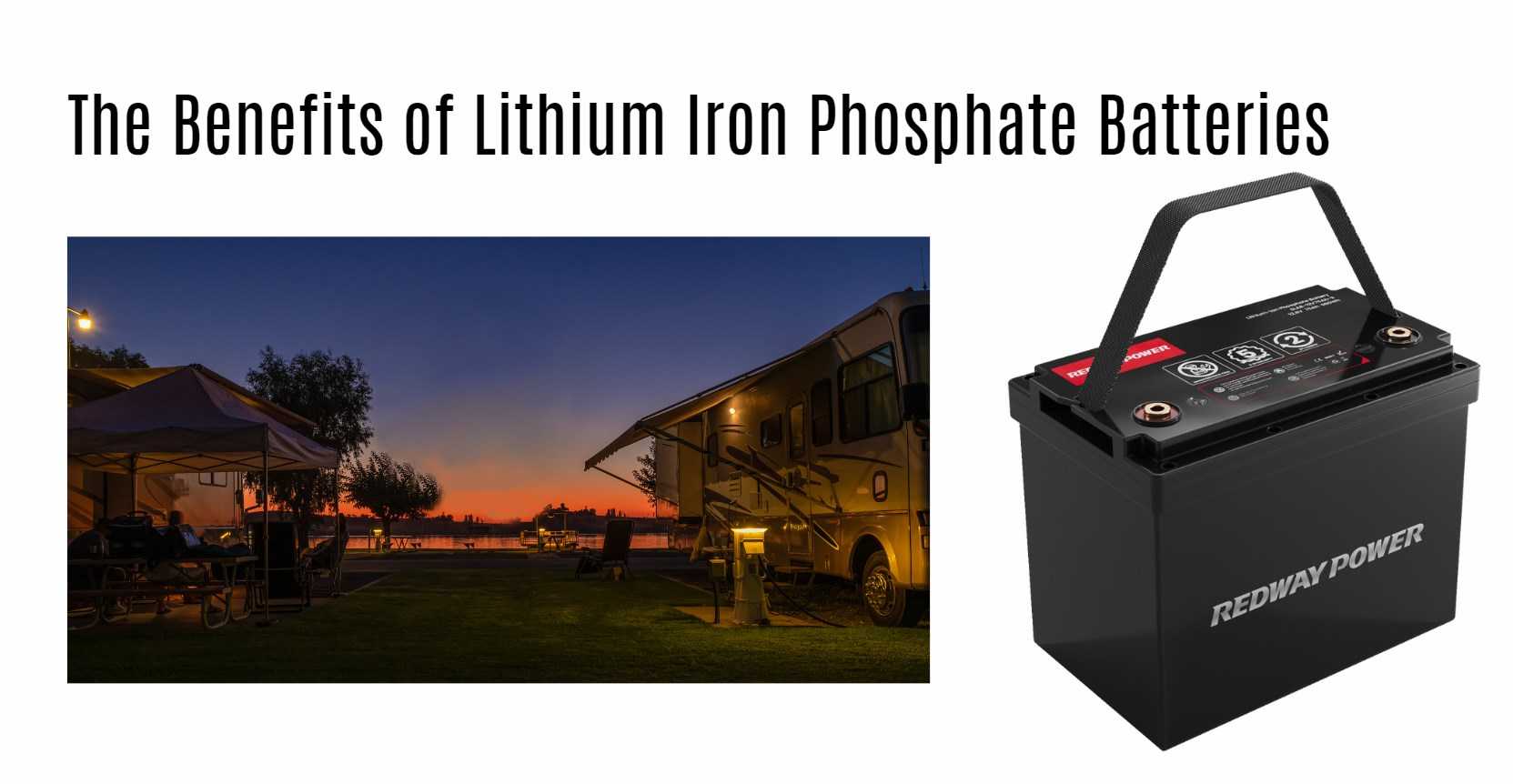
The Benefits of Lithium Iron Phosphate Batteries

Lithium Iron Phosphate (LiFePO4) batteries are the latest innovation in rechargeable battery technology. They are renowned for their durability, low maintenance requirements, and high energy density. Here are some of the benefits of using Lithium Iron Phosphate Batteries:Firstly, LiFePO4 batteries have a much longer lifespan compared to other types of rechargeable batteries such as lead-acid or nickel-cadmium batteries. This means that they require fewer replacements over time, reducing costs and minimizing waste.Secondly, these batteries offer superior safety features due to their stable chemistry which eliminates the risk of overheating or explosion during charging or discharging processes.Thirdly, Lithium Iron Phosphate Batteries have a higher discharge rate than traditional lead-acid or NiCad counterparts. This makes them ideal for applications requiring high power output like electric vehicles and renewable energy systems.Lastly but not least important is the fact that they can withstand extreme temperatures without affecting performance; from -20°C to 60°C making them suitable for use in harsh environments.In summary, adopting Lithium Iron Phosphate Battery technology provides numerous advantages including better longevity, enhanced safety measures and improved functionality regardless of environmental conditions.The Benefits of Lithium Iron Phosphate Batteries. 12v 100ah rv lithium battery factory oem manufacturer marine boat

Features of Lithium Iron Phosphate Batteries

Lithium Iron Phosphate batteries are known for their unique features that set them apart from other battery types. These batteries have a long cycle life, meaning they can be charged and discharged numerous times without losing their capacity. Additionally, they have a high rate of discharge which makes them ideal for high-power applications.Another feature of Lithium Iron Phosphate batteries is their safety. Unlike traditional lithium-ion batteries, these batteries are less prone to overheating or catching fire due to their stable chemistry and lack of volatile materials. This makes them an excellent choice for use in electric vehicles and energy storage systems.In terms of size and weight, Lithium Iron Phosphate batteries offer a compact design that allows for easy installation in various devices. They also have a wide operating temperature range which enables them to perform well even in extreme environments.Furthermore, these batteries require minimal maintenance compared to other battery technologies due to their self-discharge rate being lower than most battery types. This means they can be stored for longer periods without needing frequent charging.The features of Lithium Iron Phosphate Batteries make it clear why they are gaining popularity among different industries such as automotive, telecommunications and renewable energy sectors where reliability is key.

How to Choose the Right Lithium Iron Phosphate Battery

When choosing the right lithium iron phosphate (LiFePO4) battery, there are a few factors you should consider. First and foremost, determine your power needs. How much energy do you need to store? This will help you determine the capacity of the battery that is suitable for your application.Next, consider the voltage requirements of your device or system. LiFePO4 batteries typically have a nominal voltage of 3.2V per cell, so you may need to connect cells in series or parallel to achieve the desired voltage.Another important factor is cycle life – how many times can the battery be charged and discharged before it starts to degrade? LiFePO4 batteries have an impressive cycle life compared to other lithium-ion chemistries.You should also look at the maximum discharge current rating of a LiFePO4 battery if high currents are needed for your application.Size and weight considerations cannot be ignored when choosing a LiFePO4 battery as they can vary greatly depending on their capacity and configuration. Consider where and how you plan on using the battery before making your final decision.Carefully considering these factors will help ensure that you choose a Lithium Iron Phosphate Battery that meets your specific needs while providing reliable performance with long-lasting durability.

Conclusion

To sum it up, lithium iron phosphate batteries are a great alternative to traditional lead-acid batteries due to their numerous benefits. They are more efficient, durable, and environmentally friendly as they do not contain toxic materials that could harm the environment.When choosing the right lithium iron phosphate battery for your needs, be sure to consider factors such as capacity, voltage, and size. It is also important to purchase from a reliable supplier who can provide quality products and customer support.Switching to lithium iron phosphate batteries may require an initial investment but in the long run it will prove cost-effective through its durability and efficiency. Plus you’ll be doing something good for our planet’s health!
FAQs of Custom Lithium Battery Module OEM. server rack battery factory oem manufacturer 48v 100ah

FAQs of Custom Lithium Battery Module OEM

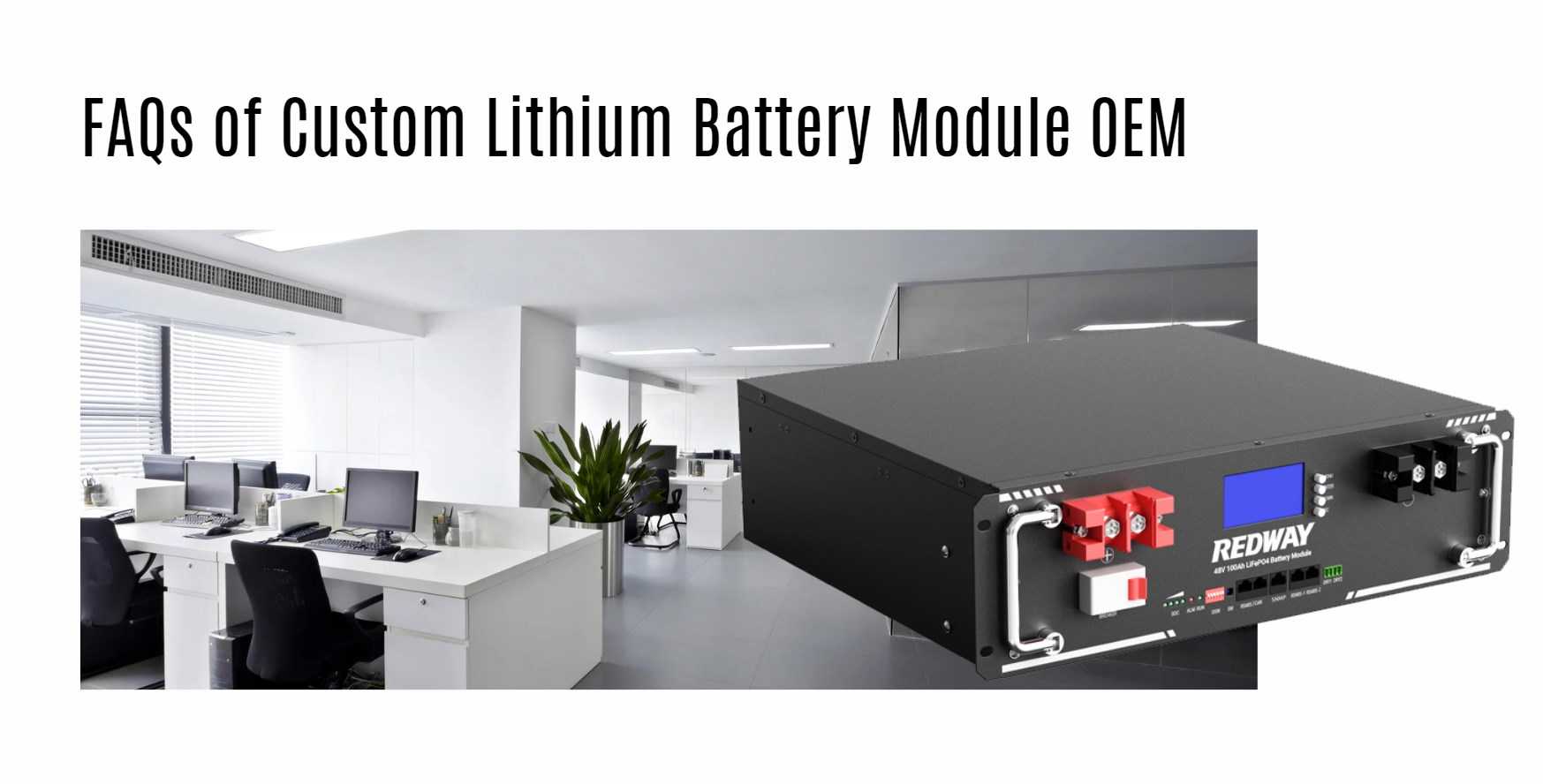
FAQs of Custom Lithium Battery Module OEM: Learn about the advantages, selection tips, care instructions, HS codes, and the necessity of Battery Management Systems (BMS) for lithium battery modules. Ensure optimal performance and longevity with expert insights on choosing, caring for, and importing lithium battery modules.

What is a lithium battery module?

Introducing the lithium battery module: a compact, self-contained unit with connected lithium-ion cells offering higher output voltage and capacity. Here’s why they stand out:
  1. High Energy Density: Lithium battery modules store more energy per volume or weight than traditional batteries, making them perfect for portable devices like laptops, smartphones, electric vehicles, and spacecraft.
  2. Fast Charging and Long Lifespan: Enjoy fast charging times, extended lifespan compared to conventional batteries, and low self-discharge rates, ensuring they retain charge for more extended periods.
  3. Customization for Specific Needs: OEM manufacturers can tailor lithium battery modules to specific requirements, choosing the number of cells for desired voltage or capacity in various shapes and sizes.
In summary, lithium battery modules provide a reliable power source with advantages surpassing traditional batteries.

What are the benefits of using a lithium battery module?

Discover the advantages of lithium battery modules, a popular choice for various applications:
  1. High Energy Density: Lithium battery modules store more power in a smaller space compared to other batteries, providing efficient energy storage.
  2. Longer Lifespan and Durability: With an extended cycle life, lithium batteries outlast traditional lead-acid batteries, remaining resilient against vibrations and shock.
  3. Fast Charging and High Discharge Rates: Ideal for electric vehicles and renewable energy systems, lithium battery modules offer quick charging and discharging capabilities.
  4. Low Maintenance and Eco-Friendly: Unlike many rechargeable batteries, lithium modules require no maintenance and produce no harmful emissions during use or disposal, making them an environmentally friendly option.
In summary, the high energy density, durability, fast charging, and eco-friendliness make lithium battery modules an excellent choice for modern applications.

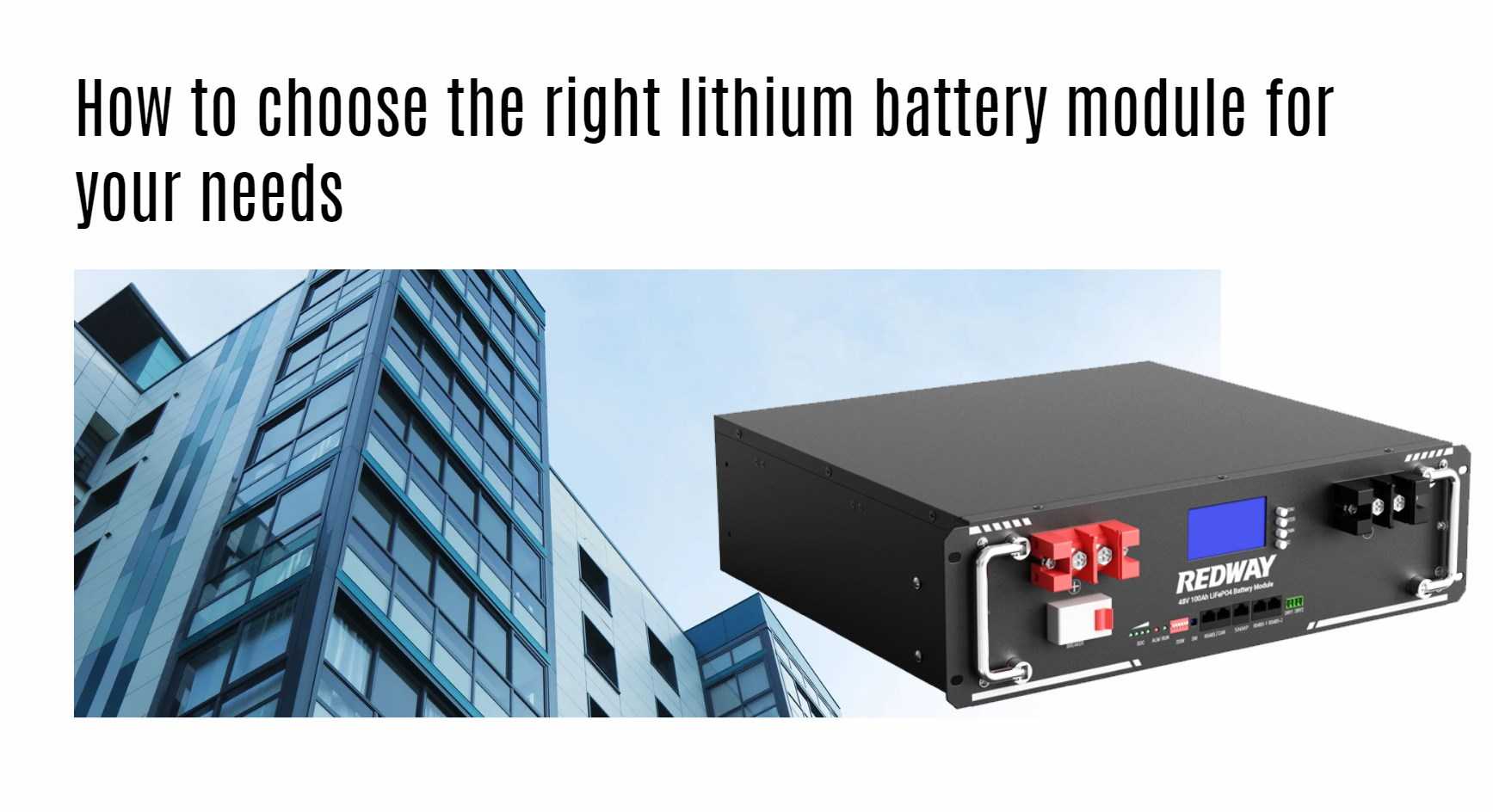
How to choose the right lithium battery module for your needs

Choosing the right lithium battery module involves considering key factors:
  1. Application-Specific Needs: Identify the intended application to determine voltage, capacity, and discharge rate requirements, narrowing down options accordingly.
  2. Size and Weight Constraints: Factor in space limitations; opt for a smaller, lighter battery for constrained setups, or choose a larger module for projects prioritizing high energy density.
  3. Quality and Reliability: Select modules from reputable manufacturers with high-quality materials and stringent testing procedures to ensure durability and performance.
  4. Customization Options: Explore offerings from OEMs for tailored solutions, allowing you to meet specific needs or applications precisely.
By weighing these considerations, you can confidently choose the ideal lithium battery module for your unique requirements.How to choose the right lithium battery module for your needs. server rack battery factory oem manufacturer 48v 100ah

What does OEM mean on a battery?

Understanding OEM (Original Equipment Manufacturer) in the context of batteries is crucial:
  1. Definition of OEM: OEM stands for Original Equipment Manufacturer. In battery terms, it signifies a module made by the same company that manufactures the device it powers, ensuring compatibility.
  2. Benefits of OEM Batteries: OEM batteries offer compatibility and reliability, designed specifically for your device. This ensures seamless integration with all components, optimizing performance and lifespan.
  3. Considerations for Non-OEM Batteries: While non-OEM batteries may be more budget-friendly, they can void warranties or harm devices if not carefully selected. Prioritize compatibility over cost when choosing between OEM and non-OEM battery modules.
By understanding these points, you can make an informed decision about the right battery module for your device.

What is the HS code for Li ion battery module?

When dealing with the import or export of lithium-ion battery modules, understanding the HS code is essential:
  1. What is HS Code: HS stands for Harmonized System, a global classification system for goods used by customs authorities. Knowing the HS code is crucial for smooth customs procedures.
  2. HS Code for Li-ion Battery Modules: Generally falling under Heading 8507 for “Electric accumulators including separators,” the specific HS code varies based on factors like type, size, capacity, rechargeability, voltage rating, and power output.
  3. Importance of Correct HS Code: Using the correct HS code is vital to avoid customs delays and potential penalties. Consult with your local customs office or freight forwarder to ensure accurate classification before importing or exporting lithium-ion battery modules.
Understanding and correctly applying the HS code is crucial for a seamless and compliant international trade process.

How to care for your lithium battery module

Ensuring the longevity and optimal performance of your lithium battery module involves simple care practices:
  1. Storage Conditions: Store the battery module in a cool, dry place away from direct sunlight or heat sources to prevent damage from extreme temperatures.
  2. Charging Habits: Avoid overcharging or discharging the battery excessively. Use a charger designed for your battery model and unplug it when fully charged to prevent irreversible cell damage.
  3. Maintenance: Keep the module clean by regularly wiping it with a soft cloth. Avoid harsh chemicals or abrasive materials that can scratch the surface or compromise internal components.
  4. Handle with Care: Exercise caution when installing or transporting lithium battery modules to prevent dropping or mishandling, which may cause permanent damage to delicate parts.
Following these straightforward tips ensures the extended life and continued excellent performance of your lithium battery module.

Do you really need a BMS for lithium batteries?

Unlock the full potential of lithium battery modules with these key insights:
  1. Choosing the Right Module: Whether for electric vehicles or high-energy applications, selecting the appropriate lithium battery module is crucial for long-term benefits.
  2. HS Code Awareness: Understand the HS code for Li-ion battery modules to ensure compliance with international regulations during import/export, a critical factor for a seamless global trade process.
  3. Proper Care: Extend the lifespan of your lithium batteries by avoiding extreme temperatures, using correct charging methods, and handling them with care during installation and transport.
  4. Importance of BMS: Consider installing a Battery Management System (BMS) to protect against overcharging and overheating. This safeguard not only preserves battery life but also prevents damage to devices.
By incorporating these insights, you can harness the efficiency and reliability of lithium battery modules across various applications.
Is lithpower a reliable lifepo4 batteries factory supplier, 48v 100ah golf cart lithium battery oem

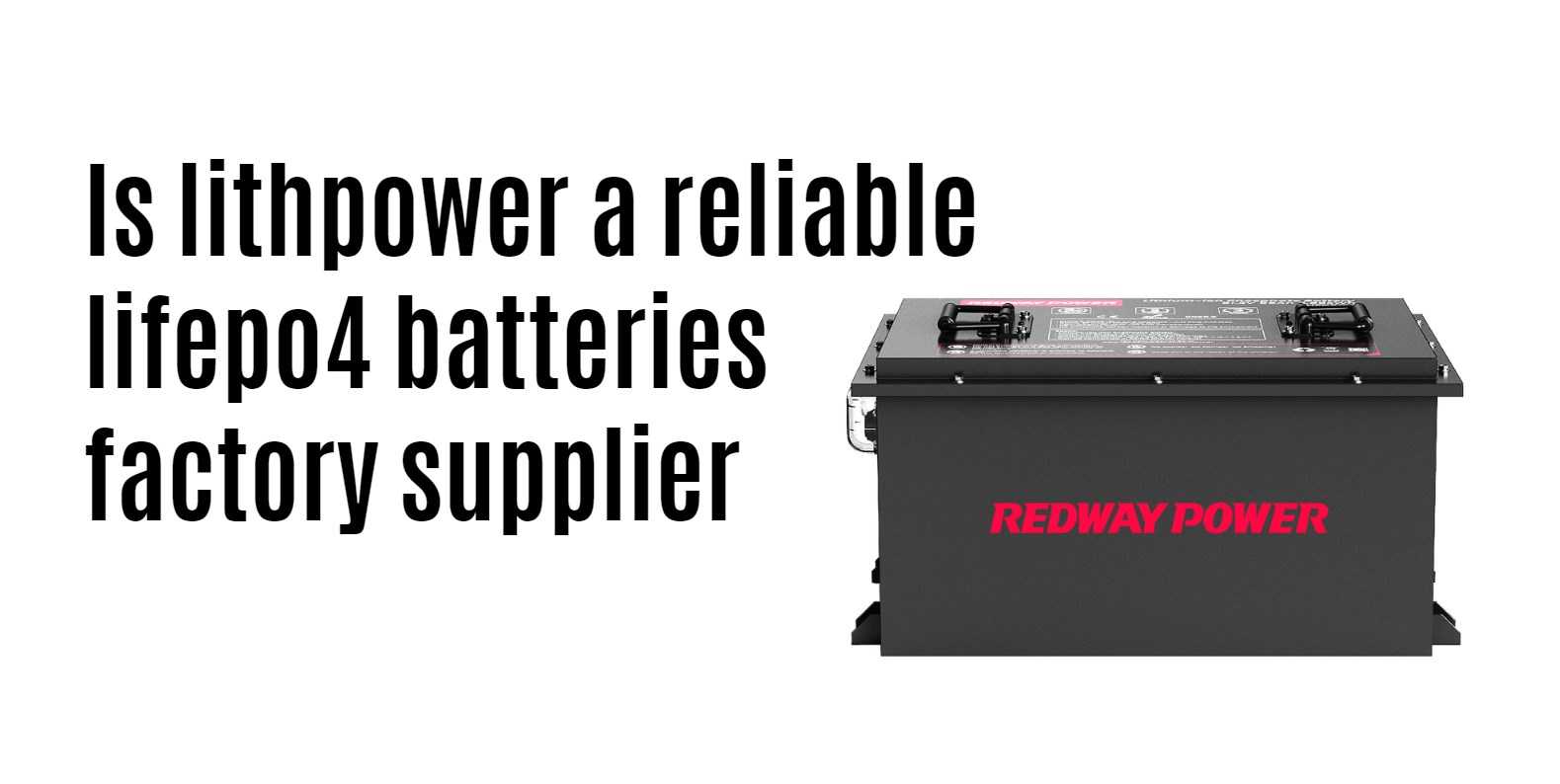
Is lithpower a reliable lifepo4 batteries factory supplier

Looking for a reliable supplier of lithium iron phosphate (LiFePO4) batteries? Look no further than Lithpower! With their high-quality products and exceptional customer service, Lithpower has become a trusted name in the industry. But is this factory supplier really as dependable as they claim to be? In this blog post, we’ll take a closer look at what makes Lithpower stand out from the competition and determine whether or not they’re the right choice for your energy storage needs. So if you’re considering purchasing LiFePO4 batteries, keep reading to learn more about Lithpower’s product offerings and reputation in the market!

What is lithpower?

Lithpower is a lithium iron phosphate battery manufacturer that specializes in producing high-quality LiFePO4 batteries. The company offers a wide range of products, including rechargeable batteries for electric vehicles and energy storage systems. They also offer custom-made solutions to meet specific customer needs.One of the key features that sets Lithpower apart from other manufacturers is their focus on safety. Their advanced materials and manufacturing processes ensure that their batteries are safe to use and handle, with minimal risk of overheating or explosion.In addition to safety, Lithpower’s products are known for their exceptional performance and long lifespan. Their LiFePO4 batteries have a higher energy density than traditional lead-acid batteries, meaning they can store more energy in less space.Lithpower stands out as a reliable supplier of high-quality LiFePO4 batteries. With their commitment to safety and superior performance, they’re an excellent choice for customers looking for dependable energy storage solutions.

What products does lithpower offer?

Lithpower is a reputable factory supplier of high-quality lithium iron phosphate batteries. They offer a wide range of products that cater to various industries, including automotive, marine, solar power systems, and more.Their product line includes lifepo4 batteries in different sizes and capacities suitable for both small-scale and large-scale applications. With advanced manufacturing technologies at their disposal, Lithpower can also customize battery designs based on the specific needs of clients.Aside from conventional lithium iron phosphate batteries, Lithpower also offers prismatic cells with higher energy density levels ideal for electric vehicles (EVs). They have cylindrical battery packs designed for golf carts and other industrial utility vehicles as well.Additionally, they provide complete solutions such as battery management systems (BMS), chargers, inverters and converters to ensure seamless integration into any system.Lithpower’s product portfolio caters to an extensive range of applications requiring efficient energy storage solutions.

Is lithpower a reliable supplier?

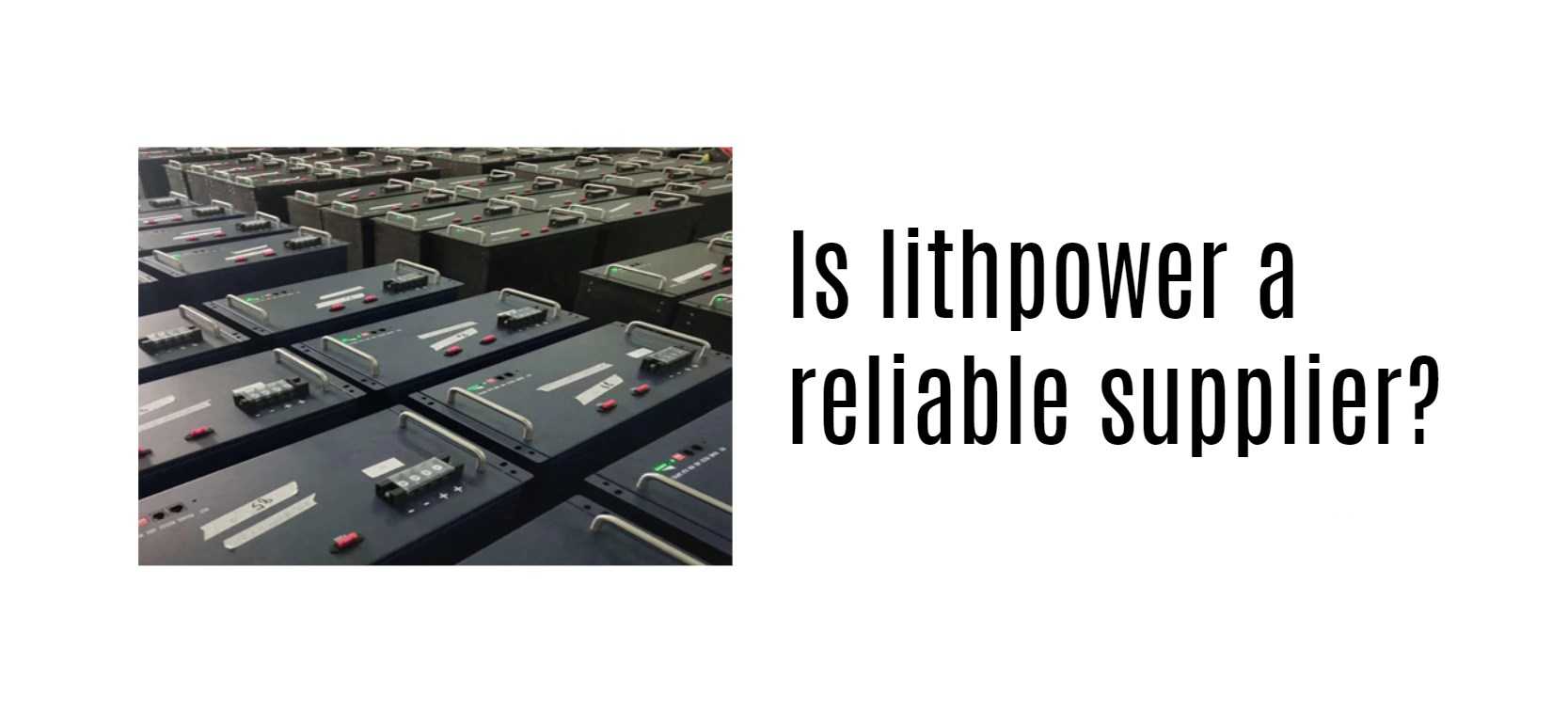
Lithpower is a well-known supplier of lithium iron phosphate (LiFePO4) batteries that are widely used in various applications. But the question remains, is Lithpower a reliable supplier? Let’s take a closer look.Firstly, Lithpower has been in the business for over ten years and has established itself as a reputable manufacturer of high-quality LiFePO4 batteries. The company has also invested heavily in research and development to ensure its products remain competitive and up-to-date with the latest advancements in battery technology.Secondly, Lithpower adheres to strict quality control measures throughout its manufacturing process. Every battery undergoes rigorous testing before leaving the factory to ensure it meets or exceeds industry standards. This commitment to quality ensures customers receive reliable and long-lasting batteries.Thirdly, Lithpower offers excellent customer service support through their knowledgeable staff who can assist you with any queries regarding your purchase or product application needs.Based on these factors mentioned above, it’s safe to say that Lithpower is indeed a reliable supplier of LiFePO4 batteries.

Is lithpower a reliable supplier?

How to purchase lithpower products?

If you are interested in purchasing high-quality lithium iron phosphate batteries from Lithpower, there are a few steps you can follow to ensure a successful transaction.Firstly, visit the Lithpower website and browse through their product offerings to find the battery that best suits your needs. Each product page contains detailed specifications as well as photos of the product.Once you have selected the battery you want to purchase, add it to your cart and proceed to checkout. You will need to provide some basic information such as your name, shipping address, and payment details.Lithpower offers several payment options including PayPal and credit card payments through Stripe. They also offer free shipping for orders over a certain amount depending on your location.After completing your order, Lithpower will send you an email confirmation with tracking information so that you can monitor the progress of your shipment. The company has a good track record of delivering products on time and in excellent condition.Purchasing Lithpower products is a straightforward process that is made easy by their user-friendly website and efficient customer service team.

Conclusion

To sum it up, Lithpower is a reliable factory supplier of high-quality Lifepo4 batteries. With their commitment to customer satisfaction and innovation in battery technology, they have established a strong reputation as a trusted brand in the industry.Their extensive range of products, including customized solutions for specific requirements, makes them an excellent choice for businesses and individuals looking for reliable energy storage solutions.When purchasing from Lithpower, customers can rest assured that they are getting quality products at competitive prices with exceptional customer service. Their dedication to sustainability and environmental responsibility also sets them apart from many other suppliers.If you are searching for an efficient and dependable manufacturer of Lifepo4 batteries with quality assurance at every step – then look no further than Lithpower! 
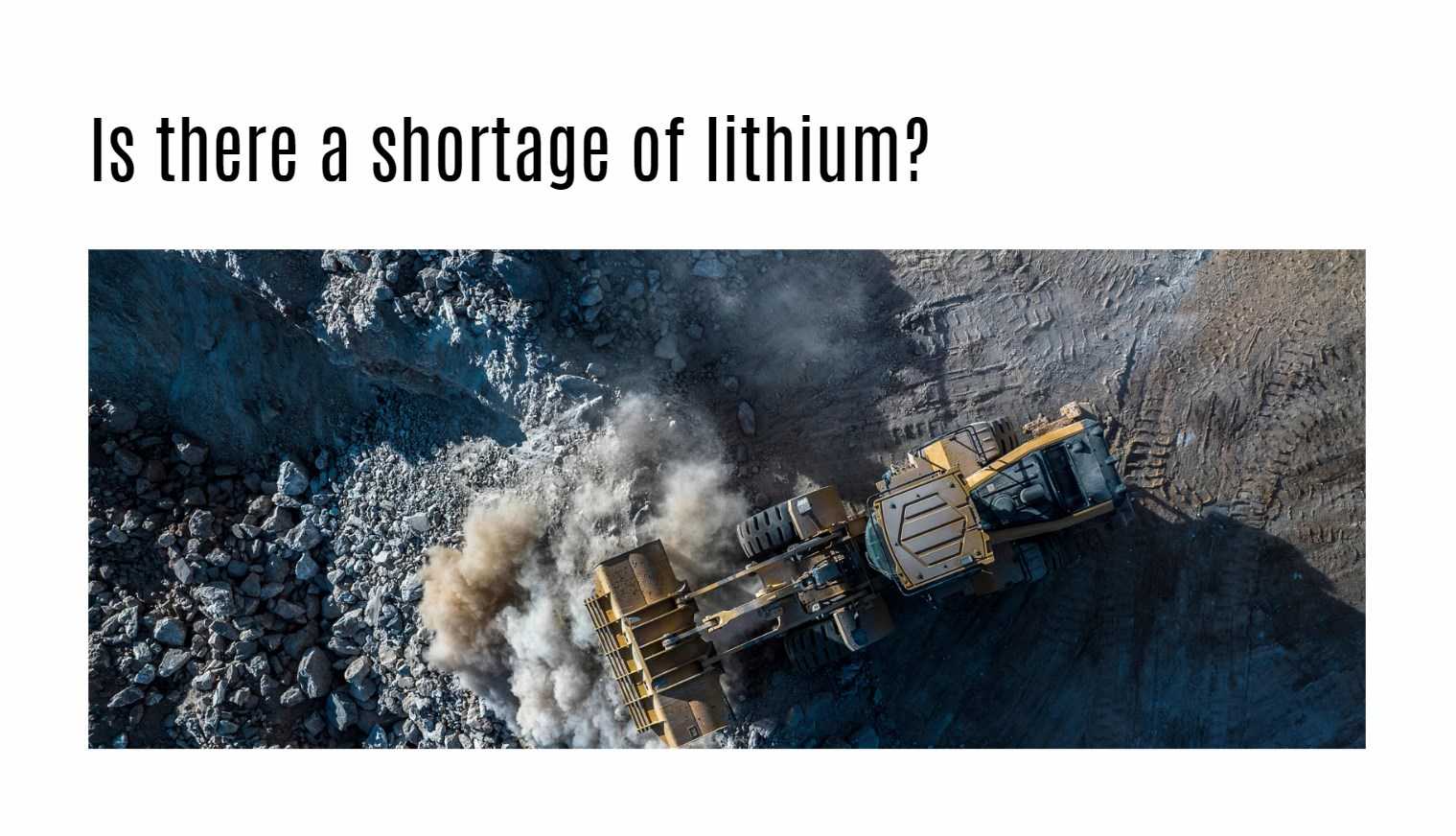
Is there a shortage of lithium?

Is There a Shortage of Lithium in Today’s Market?

The current state of the lithium market reveals a complex interplay between supply and demand, with reports indicating a potential oversupply due to increased production capacity and fluctuating demand from electric vehicle manufacturers. Understanding these dynamics is crucial for anticipating future trends in lithium availability.

What Is the Current State of the Lithium Market?

The lithium market is currently experiencing significant fluctuations, with supply outpacing demand due to increased production capabilities from major mining countries like Australia and Chile. As of late 2024, prices have dropped as producers respond to a slowdown in electric vehicle sales, leading to concerns about oversupply.Chart: Current Market Overview
MetricValue
Current PriceApproximately $10,000 per metric ton
Production Increase25% increase expected this year
Demand ForecastExpected to reach 3 million tons by 2030

What Factors Contribute to Lithium Supply and Demand?

Several factors influence lithium supply and demand:
  • Electric Vehicle Growth: The rapid increase in electric vehicle production drives up lithium demand significantly.
  • Production Capacity: New mining projects are coming online, increasing overall supply.
  • Market Speculation: Investor sentiment can lead to fluctuations in prices based on anticipated future demand.
Chart: Factors Influencing Supply and Demand
FactorDescription
EV GrowthSignificant driver of lithium demand
New Mining ProjectsIncreases overall supply
Market SpeculationAffects pricing based on future expectations

How Is Lithium Used in Electric Vehicle Batteries?

Lithium is a critical component in electric vehicle batteries, particularly lithium-ion batteries:
  • Energy Storage: Provides high energy density necessary for long-range EVs.
  • Efficiency: Enhances charging speed and overall battery performance.
  • Weight Reduction: Lighter than traditional battery materials, improving vehicle efficiency.
Chart: Role of Lithium in EV Batteries
FeatureDescription
Energy StorageEssential for powering electric vehicles
Charging EfficiencyAllows for faster charging times
WeightReduces overall vehicle weight

What Are the Implications of Lithium Oversupply?

The implications of an oversupply include:
  • Price Declines: As supply exceeds demand, prices may continue to drop, affecting profitability for producers.
  • Investment Shifts: Companies may reduce investments in new mining projects due to lower prices.
  • Market Correction: A potential correction could occur if demand rebounds or new applications for lithium emerge.
Chart: Implications of Oversupply
ImplicationDescription
Price DeclinesLower revenue for producers
Investment ShiftsReduced funding for new projects
Market CorrectionPossible rebound if demand increases

How Do Geopolitical Factors Influence Lithium Supply?

Geopolitical factors play a significant role:
  • Resource Control: Countries like China control a large portion of lithium processing capabilities, affecting global supply chains.
  • Trade Policies: Tariffs or trade restrictions can impact the flow of lithium between countries.
  • Local Regulations: Environmental regulations can influence mining operations and production rates.
Chart: Geopolitical Influences on Supply
FactorDescription
Resource ControlDominance by specific countries
Trade PoliciesImpact on international trade
Local RegulationsAffect mining operations

What Innovations Are Being Developed in Lithium Extraction?

Recent innovations include:
  • Direct Extraction Technologies: New methods that allow for more efficient extraction from brine sources.
  • Sustainable Practices: Techniques aimed at reducing environmental impact during extraction processes.
Chart: Innovations Overview
InnovationDescription
Direct ExtractionMore efficient extraction methods
Sustainable PracticesReduces environmental impact

How Do Environmental Regulations Affect Lithium Production?

Environmental regulations can significantly impact lithium production:
  • Stricter regulations may slow down mining operations but also promote sustainable practices.
  • Compliance costs can affect profitability but lead to better environmental stewardship.
Chart: Regulatory Impact Overview
Regulation TypeEffect on Production
Stricter RegulationsSlower mining operations
Compliance CostsIncreased operational expenses

What Are the Future Projections for Lithium Supply and Demand?

Future projections indicate that while there may be short-term oversupply, long-term demand is expected to rise sharply due to increased adoption of electric vehicles and renewable energy systems:
  • By 2030, lithium demand could exceed 3 million tons annually as EV adoption accelerates globally.
  • Investments in new mining projects will be crucial to meet this growing demand.
Chart: Future Projections Overview
YearProjected Demand (tons)
2025~2 million
2030>3 million

How Do Battery Recycling Programs Impact Lithium Demand?

Battery recycling programs are becoming increasingly important as they help recover valuable materials from used batteries:
  • They can reduce the need for new raw materials, thereby alleviating some pressure on supply chains.
  • Recycling initiatives contribute to sustainability efforts by minimizing waste.
Chart: Recycling Impact Overview
BenefitDescription
Material RecoveryReduces need for new raw materials
SustainabilityMinimizes environmental impact

What Role Do Emerging Markets Play in Lithium Supply Chains?

Emerging markets are playing a crucial role in expanding lithium supply chains:
  • New discoveries and investments are being made in countries like Argentina and Africa.
  • These regions offer untapped resources that could significantly increase global production capacity.
Chart: Emerging Markets Overview
RegionPotential Contribution
ArgentinaRich lithium brine resources
AfricaUntapped mineral deposits

How Can Technological Innovations Improve Lithium Extraction Efficiency?

Technological advancements are essential for improving extraction efficiency:
  • Enhanced techniques can lead to higher recovery rates from existing mines.
  • Innovations in processing technologies can reduce costs and environmental impacts.
Chart: Technological Innovations Overview
InnovationDescription
Enhanced TechniquesHigher recovery rates
Processing InnovationsReduced costs and environmental impacts
Expert Views”The future of lithium supply hinges not only on addressing current oversupply but also on ensuring sustainable practices that meet the escalating global demand,” states Dr. Sarah Mitchell, an expert in renewable energy resources.

FAQ Section

  • Is there currently a shortage of lithium?
    • While there is an oversupply now due to increased production, long-term projections indicate that demand will soon exceed supply again.
  • What factors drive lithium demand?
    • The primary drivers are electric vehicle production and renewable energy storage solutions.
  • How do geopolitical factors affect lithium availability?
    • Resource control by specific countries impacts global supply chains and pricing dynamics.
  • What should I know about recycling lithium batteries?
    • Recycling helps recover valuable materials while reducing environmental impacts associated with mining new resources.
Search products
Product has been added to your cart