Redway Power · LiFePO4 battery factory for OEM & wholesale, 12V to 100V|Tel +86 189 7608 1534|Get a quick quote
Florida Golf Cart and LSV Laws: A Comprehensive Guide

Florida Golf Cart and LSV Laws: A Comprehensive Guide

In Florida, golf carts and Low-Speed Vehicles (LSVs) can be legally operated on public roads under specific conditions. Golf carts are permitted on streets with a speed limit of 30 mph or lower, while LSVs, which can travel between 20 and 25 mph, must adhere to safety requirements and be registered with the state.

Understanding Golf Cart and LSV Regulations in Florida

As the use of golf carts and LSVs continues to grow in Florida, it is crucial for operators to understand the laws governing these vehicles. These regulations ensure safety while providing residents with convenient low-speed transportation options.

Key Requirements for Golf Carts in Florida

  1. Operational Restrictions: Golf carts may only be driven on public roads with a speed limit of 30 mph or lower. They are prohibited from operating on highways unless local ordinances allow otherwise.
  2. Driver’s License: Operators must possess a valid Florida driver’s license to legally operate a golf cart on public roads.
  3. Safety Features: While specific safety features are not mandated by state law for golf carts, it is advisable to equip them with:
    • Headlights
    • Brake lights
    • Turn signals
    • Reflectors
  4. Local Ordinances: Some municipalities may have additional regulations regarding the operation of golf carts. It is essential for operators to check local laws before driving.

Key Requirements for Low-Speed Vehicles (LSVs) in Florida

  1. Definition and Speed Limit: LSVs are defined as vehicles that can travel between 20 and 25 mph. They must be operated on roads with a speed limit of 35 mph or lower.
  2. Registration: LSVs must be registered with the Florida Department of Highway Safety and Motor Vehicles (DHSMV). This includes providing proof of ownership and paying applicable fees.
  3. Insurance: While insurance is not explicitly mandated for LSVs, it is highly recommended to carry liability insurance to protect against potential accidents or damages.
  4. Safety Equipment: LSVs must be equipped with certain safety features, including:
    • Headlights
    • Brake lights
    • Turn signals
    • A windshield
    • Seat belts
  5. Driver’s License: Like golf carts, operators of LSVs must hold a valid driver’s license.

Where Can You Drive Golf Carts and LSVs in Florida?

Permissible Areas for Golf Carts

  • Streets with a speed limit of 30 mph or lower
  • Designated paths or lanes specifically for golf carts

Permissible Areas for LSVs

  • Roads with a speed limit of 35 mph or lower
  • Designated paths or lanes specifically for LSVs

Prohibited Areas

Both golf carts and LSVs are prohibited from operating on highways or roads where the speed limit exceeds the specified thresholds unless local laws permit otherwise.

Latest News

  • Recent legislative discussions in Florida have focused on expanding the permissible use of golf carts and LSVs in urban areas to promote eco-friendly transportation options.
  • Local governments are exploring the implementation of dedicated lanes for these vehicles to enhance safety and reduce traffic congestion.
  • Awareness campaigns are being launched to educate residents about the benefits and safe operation of golf carts and LSVs as sustainable alternatives to traditional vehicles.

Redway Expert Comment

As experts in Lithium LiFePO4 battery technology at Redway Battery, we see an increasing trend towards electric-powered golf carts and LSVs in Florida. These vehicles not only provide an eco-friendly transportation option but also align with our commitment to sustainability. Our high-quality batteries are designed specifically for these applications, ensuring optimal performance and reliability. We encourage users to explore our custom battery solutions tailored for their needs.”

Benefits of Driving Golf Carts and LSVs in Florida

Eco-Friendly Transportation

Both golf carts and LSVs provide an environmentally friendly alternative to traditional gasoline-powered vehicles. They produce zero emissions, contributing positively to air quality.

Cost-Effective Solution

Operating a golf cart or LSV can be more economical than driving a car for short distances. With lower maintenance costs and reduced energy expenses, these vehicles offer significant savings.

Convenience and Accessibility

Golf carts and LSVs allow easy access to neighborhoods, parks, shopping centers, and recreational areas that may not be easily reachable by larger vehicles. Their compact size enables them to navigate narrow streets efficiently.

Conclusion

Understanding the regulations surrounding golf carts and Low-Speed Vehicles in Florida is essential for ensuring compliance while enjoying their numerous benefits. As the trend towards sustainable transportation continues to grow, Redway Battery remains committed to providing high-quality Lithium LiFePO4 batteries tailored for golf carts and LSVs. For those interested in enhancing their vehicle’s performance or seeking custom battery solutions, we invite you to contact us for a quick quote today.

FAQs

What are the latest updates on Florida’s golf cart and LSV laws? Recent updates to Florida’s golf cart and Low-Speed Vehicle (LSV) laws clarify that golf carts can operate on public roads designated by local authorities, specifically on roads with speed limits of 35 mph or lower. Additionally, LSVs must be registered and insured, and they must meet safety standards such as having headlights and turn signals.How do Florida’s golf cart laws differ from those of neighboring states? Florida’s golf cart laws allow for operation on public roads with local authorization, similar to Georgia. However, states like Alabama require registration for golf carts, while Florida does not. In contrast, South Carolina allows golf carts on public roads but mandates specific local designations for usage, making Florida’s regulations relatively flexible.What are the key regulations for using golf carts in public areas in Florida? In Florida, golf carts may only be operated on public roads designated by local municipalities and must not exceed speeds of 20 mph. Operators must be at least 15 years old with a learner’s permit or 16 years old with a driver’s license. Golf carts must also display a slow-moving vehicle sign and comply with any additional local safety requirements.How do Florida’s laws for Low-Speed Vehicles (LSVs) impact their usage in public areas? Florida’s LSV laws allow these vehicles to operate on public roads with speed limits of 35 mph or lower, provided they are registered and insured. This regulation facilitates greater use of LSVs in urban settings, as they can access more roads compared to golf carts, which have stricter limitations.What are the specific requirements for registering golf carts in Florida? In Florida, golf carts do not require registration or titling; however, they must have a permit from the local government if operating on public roads. Operators should ensure their carts are equipped with safety features like headlights and a slow-moving vehicle sign as required by local ordinances.

Georgia Golf Cart and LSV Laws: A Comprehensive Guide

Georgia law permits the use of golf carts and Low-Speed Vehicles (LSVs) on public roads under clearly defined rules. Golf carts operate at speeds up to 20 mph and may require local permits, while LSVs travel between 20–25 mph, requiring registration, insurance, and safety equipment. Understanding these distinctions ensures safe and legal operation in the state.

How Does Georgia Define Golf Carts and LSVs?

Georgia classifies golf carts as Personal Transportation Vehicles (PTVs) with a maximum speed of 20 mph, designed primarily for recreational use on golf courses. LSVs are street-legal vehicles capable of speeds up to 25 mph and must comply with federal safety standards, including seat belts, headlights, taillights, turn signals, and a Vehicle Identification Number (VIN). LSVs require state registration and insurance, whereas golf carts may only need local permits unless modified.

What Are the Registration Requirements for Golf Carts and LSVs?

Golf carts operating on public roads must obtain a local registration decal, typically issued by the Georgia Department of Revenue for $20 annually. LSVs require full vehicle registration, a title, a license plate, and proof of insurance. Local ordinances may impose additional permits or rules. Non-compliance can result in fines up to $1,000 and vehicle impoundment.

Vehicle TypeRegistration RequirementPenalties for Non-Compliance
Golf CartLocal decal, annual renewalUp to $200 fine
LSVFull registration, title, insuranceUp to $1,000 fine + impoundment

Which Safety Equipment Is Mandatory for LSVs in Georgia?

LSVs must be equipped with headlights, brake lights, turn signals, rearview mirrors, windshield wipers, seat belts, and a VIN. Golf carts driven on public roads require rear-facing amber turn signals and reflectors, with helmets mandatory for minors under 18 in open vehicles. Compliance with these standards ensures both legal operation and passenger safety.

Where Can Golf Carts and LSVs Legally Operate in Georgia?

Golf carts may travel on roads with speed limits of 35 mph or less, primarily during daylight unless fitted with lights. LSVs can operate on roads with the same speed limit but are restricted from highways. Municipalities, such as Peachtree City, may allow golf carts on multi-use paths while restricting LSV access. Drivers must always check local ordinances for additional limitations.

How Does Georgia Enforce DUI Laws for Golf Cart and LSV Operators?

Golf cart and LSV drivers in Georgia are subject to standard DUI laws with a 0.08% BAC limit. Penalties include fines up to $1,000, license suspension, and potential jail time. Checkpoints may occur in high-traffic areas, and open-container laws apply with fines up to $200. Responsible driving is crucial, even in low-speed vehicles.

What Are the Insurance Requirements for LSVs and Golf Carts?

LSVs must carry minimum liability coverage: $25,000 per person, $50,000 per accident, and $25,000 for property damage. Golf carts require liability insurance only if registered for road use. Comprehensive insurance is optional but recommended to protect against theft or vandalism. Redway Battery supports LSV owners in maintaining energy systems that comply with safety standards.

Vehicle TypeMinimum CoverageTypical Annual Cost
LSV$25k/$50k/$25k$300
Golf CartLiability only$120

Can You Modify a Golf Cart to Meet LSV Standards in Georgia?

Yes, golf carts can be upgraded to LSV standards by installing headlights, seat belts, mirrors, and assigning a VIN. After modification, the vehicle must pass state inspection to receive LSV classification. Costs range from $2,000–$5,000. Once converted, the vehicle is subject to stricter insurance, licensing, and operational rules. Redway Battery provides reliable lithium battery solutions that support these upgraded vehicles’ electrical systems.

ModificationCost RangeInspection Required?
Lighting System$400-$800Yes
Seat Belts$150-$300No
VIN Assignment$200Yes

Redway Expert Views

“Georgia’s regulations for golf carts and LSVs are designed to enhance safety while supporting mobility innovation. Operators should familiarize themselves with both state and local laws to ensure compliance. Investing in proper modifications and high-quality battery systems from providers like Redway Battery not only ensures legal adherence but also improves vehicle performance and longevity.” — Redway Battery Analyst

Conclusion

Understanding Georgia’s golf cart and LSV laws is essential for safe and lawful operation. Key takeaways include differentiating vehicle classifications, ensuring proper registration, equipping vehicles with mandated safety features, and adhering to local ordinances. Redway Battery’s energy solutions further enhance compliance and performance, offering durable and reliable support for all types of low-speed vehicles.

FAQs

Q: Can I drive a golf cart on Georgia sidewalks?
A: Sidewalk use is generally prohibited unless explicitly allowed by local ordinances.

Q: Are LSVs required to undergo emissions testing?
A: No, LSVs are exempt under Georgia’s Clean Air Vehicle rules.

Q: What age is required to operate a golf cart or LSV in Georgia?
A: Golf carts: minimum 15 with a learner’s permit and adult supervision, or 16 with a license. LSVs: minimum 16 with a valid driver’s license.

Q: Can a golf cart be insured for on-road use?
A: Yes, if registered for public road operation. Liability coverage is mandatory; comprehensive coverage is optional.

Q: What is the maximum speed for golf carts and LSVs?
A: Golf carts: 20 mph. LSVs: 20–25 mph, depending on modifications and state approval.

Streamlining Your Golf Cart: Upgrading to Lithium Batteries

Louisiana Golf Cart and LSV Laws: A Comprehensive Guide

In Louisiana, operating golf carts and Low-Speed Vehicles (LSVs) on public roads is allowed under specific state and local regulations. Golf carts must not exceed 25 mph, while LSVs must meet federal safety standards, be registered, insured, and comply with local ordinances. Adhering to these laws ensures safety, legality, and a smooth driving experience on designated roads.

What Are Golf Carts and LSVs in Louisiana?

Golf carts are primarily designed for recreational use on golf courses but can be driven on public roads if locally approved. Low-Speed Vehicles (LSVs) are federally defined four-wheeled vehicles capable of 20–25 mph. Unlike golf carts, LSVs are treated as motor vehicles and must meet stricter safety and registration standards.

FeatureGolf CartLow-Speed Vehicle (LSV)
Maximum Speed25 mph20–25 mph
Road AccessLocally designated streetsAny road ≤ 35 mph speed limit
RegistrationOff-road vehicle decal from OMVTitled and registered as a motor vehicle
Safety EquipmentHeadlights, taillights, mirrors, turn signals, brakesFederally mandated equipment including windshield, seat belts, 17-digit VIN
Driver LicenseRequiredRequired
InsuranceRequiredRequired

How Do You Register Golf Carts and LSVs in Louisiana?

Owners must register their golf carts or LSVs with the Louisiana Office of Motor Vehicles (OMV). The process involves providing proof of ownership, completing a registration application, and paying applicable fees. Registration ensures compliance with state safety standards and legal road access.

What Licensing Requirements Apply to Golf Cart and LSV Operators?

Operators must hold a valid driver’s license to operate golf carts or LSVs on public roads. This guarantees that drivers understand traffic laws and safe vehicle handling. Some local jurisdictions may require operators to be at least 16 years old or hold a learner’s permit.

Which Safety Equipment Must Be Installed on These Vehicles?

Louisiana mandates specific safety equipment for golf carts and LSVs. Golf carts typically require headlights, taillights, turn signals, reflectors, and functional brakes. LSVs must meet federal safety standards, including windshield, seat belts, a 17-digit VIN, and a four-wheel braking system, ensuring full compliance for public road use.

How Do Local Ordinances Affect Golf Cart and LSV Use?

Local municipalities may designate specific roads or zones for golf cart operation. Operators should confirm local ordinances before driving to avoid fines or penalties. Age restrictions, safety equipment enhancements, or speed limitations may vary by community.

What Are Best Practices for Safe Golf Cart and LSV Operation?

Regular maintenance is essential. Check brakes, tires, and lights frequently. Use designated paths whenever possible and follow traffic rules, including stopping at stop signs and yielding to pedestrians. Ensuring reliable power is also critical—Redway Battery provides high-performance LiFePO4 batteries that support safe and efficient vehicle operation.

Where Can You Legally Drive Golf Carts and LSVs?

Golf carts may only operate on roads specifically designated by local parishes or municipalities, typically with a speed limit of 25–35 mph. LSVs can operate on any road with a speed limit of 35 mph or less, provided they comply with federal safety standards.

Are There Recent Updates to Louisiana Laws for Golf Carts and LSVs?

Recent legislation emphasizes safety and designated usage areas. Local governments are encouraging education campaigns to promote proper golf cart operation. Modifications that increase a golf cart’s speed beyond 25 mph may reclassify it as an LSV, requiring stricter compliance with federal and state regulations.

Redway Expert Views

“At Redway Battery, we recognize that a safe and reliable power source is as important as following local traffic laws. Our LiFePO4 battery solutions provide consistent performance, long life, and enhanced safety for golf carts and LSVs operating in Louisiana. Investing in quality batteries ensures your vehicle runs efficiently while fully complying with all road regulations.”

Conclusion

Understanding Louisiana’s golf cart and LSV laws is essential for safe and legal operation. Registration, licensing, and adherence to safety equipment standards protect both drivers and pedestrians. Staying informed about local ordinances and using reliable power solutions like Redway Battery enhances your overall driving experience while maintaining compliance. By following these guidelines, operators can enjoy recreational activities with confidence and peace of mind.

Frequently Asked Questions

What are the key safety requirements for golf carts in Louisiana?
Golf carts must have headlights, taillights, brake lights, turn signals, mirrors, efficient brakes, and red reflectors. Liability insurance and a valid driver’s license are also required.

How do LSV regulations differ from golf cart laws?
LSVs are classified as motor vehicles, requiring federal safety standards, VIN numbers, seat belts, and registration as a motor vehicle. They can operate on roads with speed limits up to 35 mph, while golf carts are restricted to locally designated streets.

Can golf carts cross highways in Louisiana?
Golf carts are generally prohibited on state highways but may cross if a specific permit is obtained from the Department of Transportation and Development.

What penalties exist for non-compliance?
Violations can result in fines, citations, or legal repercussions for operating without registration, insurance, or a valid driver’s license.

How can operators stay updated on local rules?
Regularly review updates from the Louisiana Office of Motor Vehicles and local municipal websites, and consult law enforcement for guidance on local ordinances.

Maryland Golf Cart and LSV Laws: Legal Guidelines Deciphered

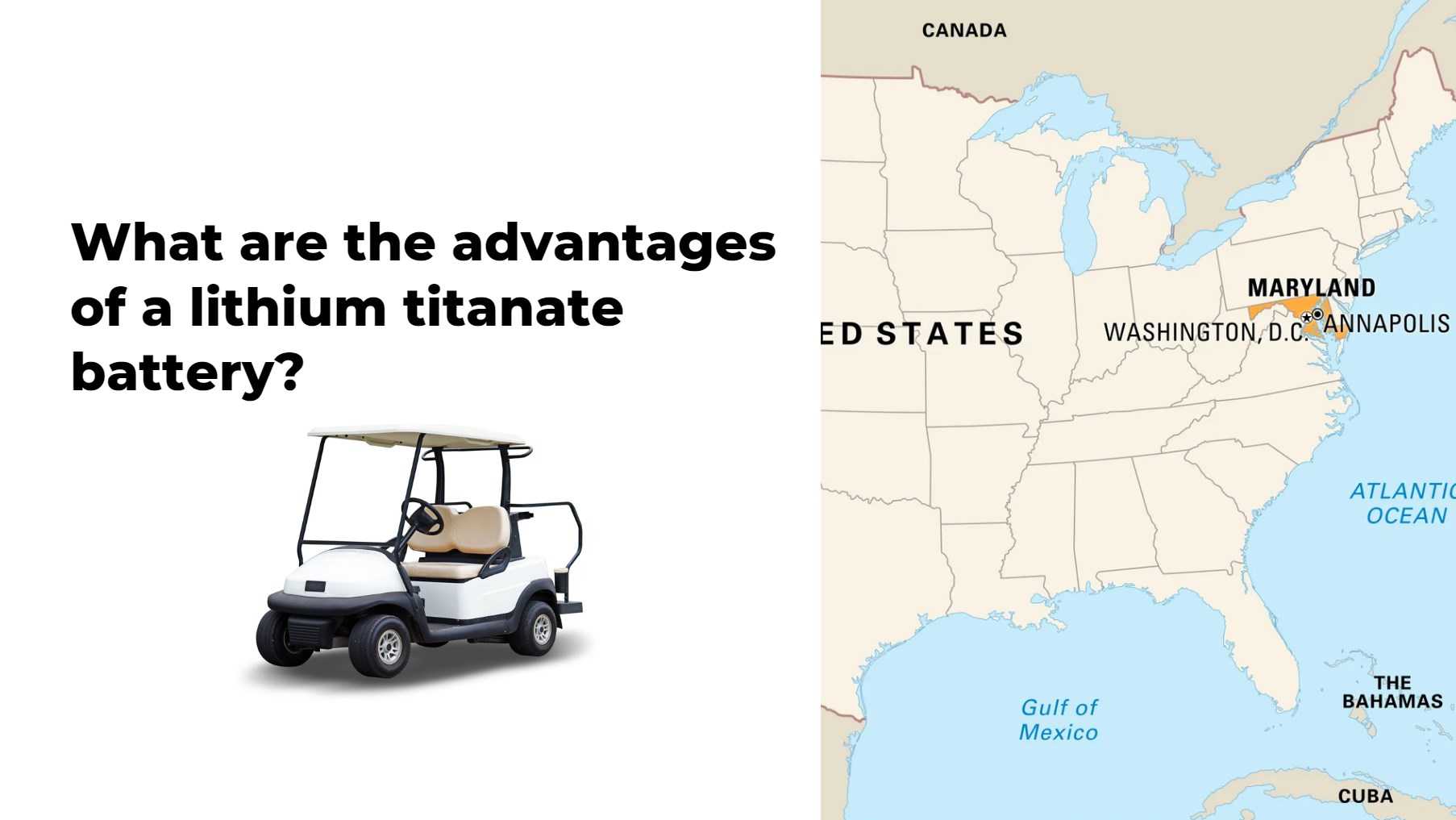
Maryland Golf Cart and Low-Speed Vehicle (LSV) Laws: A Comprehensive Guide

In Maryland, golf carts and low-speed vehicles (LSVs) have distinct legal requirements that ensure safe use on public roads. Golf carts are generally restricted to private property, while LSVs can operate on roads with speed limits up to 30 mph if registered, insured, and equipped with essential safety features. Compliance with local ordinances and state regulations is essential for legal and safe operation.

What Are the Key Laws Governing Golf Carts in Maryland?

Maryland law distinguishes between standard golf carts and low-speed vehicles. Golf carts are not classified as motor vehicles under state law and are primarily limited to private property. Public road use is only allowed where local authorities explicitly permit it. Understanding the local ordinances is critical, as municipalities may set additional rules or restrictions.

Law AspectDescription
Public Road UseAllowed only if designated by local authorities
DefinitionGolf carts are not considered motor vehicles

What Defines a Low-Speed Vehicle (LSV) in Maryland?

A low-speed vehicle is a four-wheeled motor vehicle capable of speeds between 20 and 25 mph. LSVs are subject to federal safety standards, registration, and insurance requirements, making them suitable for limited public road use. Operators must have a valid driver’s license to legally drive an LSV.

DefinitionCriteria
Speed20–25 mph
RegistrationRequired for public road operation

Where Can Golf Carts and LSVs Legally Operate?

Golf carts are usually confined to private properties but may operate on certain public roads if allowed by local law. LSVs can be driven on roads with speed limits up to 30 mph, provided they meet safety standards and registration requirements.

Vehicle TypeAllowed Locations
Golf CartsPrivate property; select public roads with local approval
Low-Speed VehiclesPublic roads with speed limits ≤ 30 mph

What Are the Registration and Insurance Requirements for LSVs?

All LSVs must be registered with the Maryland Department of Motor Vehicles (DMV) and carry mandatory liability insurance. These regulations ensure that operators are covered in case of accidents on public roads.

RequirementDetails
RegistrationMandatory for all LSVs
InsuranceLiability coverage required

What Safety Equipment Is Required for Low-Speed Vehicles?

Maryland mandates that LSVs include headlights, taillights, turn signals, windshields, and seat belts. These features ensure that LSVs comply with basic safety standards for public road operation.

Safety EquipmentRequirement
HeadlightsRequired
TaillightsRequired
Turn SignalsRequired
WindshieldRequired
Seat BeltsRequired

How Do Local Ordinances Affect Golf Cart Operation?

Local municipalities can impose additional regulations on golf cart use, including road access restrictions, required safety equipment, and permits. It is important to consult local authorities before driving a golf cart on public streets.

Are There Recent Updates to Maryland’s Golf Cart and LSV Laws?

Recent legislation allows counties and municipalities to designate roads for golf cart use. Carts with approved lighting can operate between dawn and dusk on roads with speed limits of 30 mph or less. House Bill 234 strengthens penalties for negligent driving, ensuring greater protection for operators and pedestrians.

How Do Golf Carts Differ from Low-Speed Vehicles in Maryland?

Golf carts are generally limited to speeds of 20 mph and private property use, whereas LSVs can reach 20–25 mph and must comply with registration, insurance, and federal safety standards. LSVs are street-legal on qualifying roads, while standard golf carts are not.

FeatureGolf CartLow-Speed Vehicle (LSV)
Street LegalNoYes, on qualifying roads
Max SpeedUp to 20 mph20–25 mph
RegistrationNot requiredRequired
InsuranceNot state-mandatedRequired
Safety StandardsNoneMust meet FMVSS
Road Limit30 mph or less (local)30 mph or less
Driver’s LicenseYes, if on public roadYes

Redway Expert Views

Maryland’s evolving regulations for golf carts and low-speed vehicles highlight the importance of compliance and safety,” says a Redway Battery expert. “Operators must stay informed about state laws and local ordinances to ensure legal and secure operation. With proper registration, safety equipment, and insurance, LSVs can provide an efficient, environmentally friendly way to navigate communities while maintaining peace of mind for users and pedestrians alike.”

Conclusion

Maryland laws differentiate clearly between standard golf carts and low-speed vehicles. While golf carts are mostly restricted to private property, LSVs offer legal, street-ready mobility when registered, insured, and equipped with necessary safety features. Operators should always check local ordinances and maintain compliance with state laws. Redway Battery emphasizes using high-quality, reliable batteries to enhance safety, performance, and longevity of electric LSVs.

FAQs

Can I drive my golf cart on public roads in Maryland?
Only if local authorities permit it; otherwise, golf carts must remain on private property.

What is the maximum speed limit for low-speed vehicles?
LSVs can operate on roads with speed limits up to 30 mph.

Do I need insurance for my low-speed vehicle?
Yes, liability insurance is mandatory for all registered LSVs.

What safety features must an LSV have?
It must include headlights, taillights, turn signals, a windshield, and seat belts.

How old must I be to drive an LSV or golf cart?
A valid driver’s license is required for public road use of LSVs. Golf carts on private property do not have a strict age requirement but minors should be supervised.

Top 5 Golf Cart Lithium Battery Buying Tips

Minnesota Golf Cart and LSV Laws: A Comprehensive Guide to Legal Operation

Minnesota allows golf carts and Low-Speed Vehicles (LSVs) on public roads under specific conditions. Golf carts are generally permitted on streets with speed limits of 30 mph or less, while LSVs, capable of 20–25 mph, must meet safety standards, be registered, and insured. Understanding these laws ensures safe, legal use and maximizes the convenience of low-speed transportation.

How Are Golf Carts and LSVs Regulated in Minnesota?

Golf carts and LSVs are governed by distinct regulations in Minnesota. Golf carts are mostly regulated at the local level through permits, while LSVs are treated as state-registered vehicles and must comply with federal safety standards. These rules are designed to ensure safety while providing eco-friendly, efficient transportation alternatives for short-distance travel.

What Are the Key Requirements for Golf Carts in Minnesota?

Golf carts can only operate on streets with speed limits of 30 mph or lower unless local ordinances allow otherwise. Operators must hold a valid Minnesota driver’s license. While safety features are not mandated statewide, adding headlights, brake lights, turn signals, and reflectors is recommended. Some municipalities may impose additional regulations, so checking local rules before driving is essential.

What Are the Key Requirements for Low-Speed Vehicles (LSVs) in Minnesota?

LSVs must travel on roads with speed limits of 35 mph or less. They require registration with the Minnesota Department of Public Safety, including proof of ownership and applicable fees. While insurance is not strictly required, liability coverage is strongly advised. LSVs must have headlights, brake lights, turn signals, a windshield, and seat belts. Operators need a valid driver’s license.

RequirementGolf CartLSV
Maximum Road Speed30 mph35 mph
RegistrationPermit from local authorityState registration required
Safety EquipmentRecommendedMandatory: lights, mirrors, seat belts, windshield
InsuranceRecommendedHighly advised
Driver’s LicenseRequiredRequired

Where Can You Drive Golf Carts and LSVs in Minnesota?

Golf carts are allowed on streets with a 30 mph speed limit or designated paths for golf carts. LSVs can use roads with a 35 mph limit or designated lanes for LSVs. Both are prohibited on highways or faster roads unless explicitly permitted by local laws. Awareness of specific local ordinances ensures safe and legal operation.

Why Are Redway Battery Solutions Ideal for Golf Carts and LSVs?

Redway Battery provides high-performance LiFePO4 batteries tailored for electric golf carts and LSVs. These batteries offer long life, superior safety, and consistent power output. Redway Battery’s OEM solutions are designed to support customized voltage and capacity requirements, helping operators maximize vehicle efficiency and reliability for daily use.

When Should You Check Local Ordinances Before Driving?

Local regulations can differ widely across Minnesota municipalities. Operators should confirm rules regarding permits, allowable streets, equipment requirements, and operating hours. Some cities impose restrictions on nighttime or poor-weather operation. Regularly reviewing local ordinances ensures compliance and avoids fines or liability issues.

Redway Expert Views

“As the demand for electric golf carts and LSVs grows in Minnesota, Redway Battery continues to support sustainable mobility solutions. Our lithium batteries provide safe, reliable energy, extending vehicle range while reducing maintenance. We emphasize customized solutions for different vehicle models, enabling optimal performance. Embracing electric-powered options is not only environmentally responsible but also enhances user convenience and operational efficiency.”

What Are the Benefits of Driving Golf Carts and LSVs in Minnesota?

Golf carts and LSVs offer several advantages:

  • Eco-Friendly Transportation: Zero emissions contribute to cleaner air and reduced environmental impact.

  • Cost Savings: Lower energy and maintenance costs make these vehicles economical for short trips.

  • Convenience: Compact size enables easy navigation through neighborhoods, parks, and shopping areas.

BenefitGolf Cart & LSV Impact
EnvironmentalZero emissions
CostLower energy & maintenance costs
AccessibilityManeuverable in tight spaces

Conclusion

Understanding Minnesota’s golf cart and LSV laws is crucial for legal and safe operation. Golf carts require local permits, while LSVs follow state registration and federal safety standards. Redway Battery supports this growing trend with high-quality LiFePO4 solutions that enhance performance and reliability. Operators should review local ordinances, equip vehicles with safety features, and consider Redway Battery for customized power solutions.

FAQs

What is the maximum speed for golf carts and LSVs in Minnesota?
Golf carts are limited to streets with a 30 mph speed limit, while LSVs can operate on roads with limits of 35 mph or lower.

Do LSVs require registration and insurance?
Yes, LSVs must be registered with the state and carrying liability insurance is strongly recommended.

Can golf carts operate on all public roads?
No, they are limited to designated streets or paths authorized by local permits. Highways and roads exceeding 30 mph are generally prohibited.

What safety equipment is required for LSVs?
LSVs must have headlights, brake lights, turn signals, seat belts, and a DOT-approved windshield. Golf carts are advised to have similar features for safety.

How can Redway Battery improve the performance of my electric golf cart or LSV?
Redway Battery offers customized lithium battery solutions that enhance power, extend lifespan, and ensure safe, reliable operation tailored to specific vehicle models.

Nebraska Golf Cart and LSV Laws: A Guide to Legal Vehicle Use

Welcome to the ultimate guide on Nebraska Golf Cart and LSV laws! Whether you’re cruising through the charming streets of a small town or exploring scenic golf courses, understanding the regulations surrounding these convenient modes of transportation is key. Let’s dive into what defines a golf cart and LSV, how to legally operate them in Nebraska, and why they’re becoming increasingly popular for both recreational and practical purposes. Buckle up (or not, because it’s a golf cart!), as we navigate through the ins and outs of enjoying these zippy vehicles in the Cornhusker State.

What is a Golf Cart and LSV?

Golf carts and LSVs, or low-speed vehicles, are compact modes of transportation designed for short-distance travel. Golf carts typically have seating for two to four passengers and are commonly used on golf courses or in residential areas. LSVs, on the other hand, are larger vehicles capable of higher speeds than traditional golf carts.Both golf carts and LSVs run on electric power, making them environmentally friendly options for getting around. They offer a convenient way to navigate through neighborhoods, campsites, or commercial properties without the need for a full-sized vehicle.These vehicles come equipped with safety features such as seat belts, headlights, turn signals, and mirrors to ensure safe operation. While golf carts are limited to certain areas like golf courses and private property, LSVs can be driven on roads with speed limits up to 35 mph.In Nebraska, understanding the laws and regulations surrounding the use of these vehicles is crucial to stay compliant while enjoying the convenience they offer.

Registration and Permit Requirements for Golf Carts and LSVs in Nebraska

When it comes to cruising around Nebraska in your golf cart or Low-Speed Vehicle (LSV), there are certain registration and permit requirements you need to keep in mind. To legally operate a golf cart or LSV on public roads, you must ensure that your vehicle is registered with the Department of Motor Vehicles. This registration process typically involves providing proof of ownership, submitting an application, and paying any required fees.Additionally, depending on where you intend to drive your golf cart or LSV, you may need a permit from local authorities. These permits help regulate the use of these vehicles within specific areas and ensure the safety of both operators and other road users.By adhering to these registration and permit requirements, you can enjoy exploring Nebraska’s streets and neighborhoods in your golf cart or LSV without worrying about running into legal issues.

Operating Regulations for Golf Carts and LSVs in Nebraska

When operating a golf cart or low-speed vehicle (LSV) in Nebraska, there are specific regulations to follow for the safety of yourself and others. It is important to note that these vehicles are not allowed on state highways with speed limits over 35 mph unless crossing directly. In areas where they are permitted, always stay as far right on the road as possible to allow other vehicles to pass safely.Additionally, drivers must be at least 16 years old and possess a valid driver’s license when operating a golf cart or LSV. It is crucial to adhere to all traffic signs and signals just like any other motorist on the road. When traveling during nighttime hours, ensure your vehicle has proper lighting such as headlights and taillights for visibility.Always yield the right of way to pedestrians and obey posted speed limits within designated areas. By following these operating regulations diligently, you can enjoy cruising around Nebraska in your golf cart or LSV responsibly.

Safety Requirements for Golf Carts and LSVs in Nebraska

When it comes to operating golf carts and LSVs in Nebraska, safety should always be a top priority. To ensure the well-being of both drivers and pedestrians, there are specific safety requirements that must be followed.One important safety requirement is the use of seat belts while operating a golf cart or LSV. Seat belts can help prevent injuries in case of sudden stops or collisions.Another key safety measure is ensuring that your vehicle is equipped with proper lighting, including headlights and taillights. This helps improve visibility, especially during low-light conditions.It’s also crucial to adhere to speed limits when driving a golf cart or LSV. Excessive speeding can lead to accidents and endanger everyone on the road.Additionally, following all traffic laws and signs is essential for safe operation. Being aware of your surroundings and obeying rules can prevent accidents from occurring.By prioritizing safety measures such as wearing seat belts, using proper lighting, observing speed limits, and following traffic laws, you can enjoy cruising around Nebraska in your golf cart or LSV responsibly.

Penalties for Violating Golf Cart and LSV Laws in Nebraska

Breaking the law regarding golf carts and LSVs in Nebraska can result in penalties that should not be taken lightly. Violating regulations such as driving under the influence, operating without a permit, or failing to adhere to safety requirements can lead to fines and potential legal consequences.Law enforcement in Nebraska takes these violations seriously to ensure the safety of both drivers and pedestrians. Penalties for breaking golf cart and LSV laws may vary depending on the severity of the offense, but they can include hefty fines, points on your driver’s license, or even impoundment of your vehicle.It is important for all drivers of golf carts and LSVs in Nebraska to familiarize themselves with the state laws governing their operation to avoid facing these penalties. By following the regulations set forth by the state, you can enjoy using your vehicle while staying on the right side of the law.

Benefits of Using a Golf Cart or LSV in Nebraska

Whether you’re cruising around your neighborhood or exploring a golf course, using a golf cart or LSV in Nebraska can be both fun and convenient. By understanding the laws and regulations surrounding these vehicles, you can ensure a safe and enjoyable experience.From their eco-friendly nature to their cost-effective operation, there are numerous benefits to using a golf cart or LSV in Nebraska. Not only do they provide an efficient mode of transportation for short distances, but they also offer a unique way to enjoy the great outdoors.So, whether you’re running errands in your community or teeing off on the green, consider the advantages of utilizing a golf cart or LSV in Nebraska. Stay informed, follow the rules, and make the most of these versatile vehicles in your everyday life.

FAQs

Do I need to register my golf cart in Nebraska? No, golf carts generally do not need to be registered in Nebraska unless they are used on public roads where local ordinances require registration.What are the requirements for operating a golf cart on public roads in Nebraska? To operate a golf cart on public roads in Nebraska, you must comply with local ordinances, which may include obtaining a permit and ensuring the golf cart has appropriate safety equipment. Golf carts are usually allowed on roads with speed limits of 25 mph or less.Which local authorities can authorize golf cart operation? Local authorities such as city councils or county boards can authorize golf cart operation on public roads in Nebraska. They set specific rules and areas where golf carts are permitted.What safety equipment is required for golf carts in Nebraska? Golf carts in Nebraska must be equipped with safety features as required by local ordinances. This often includes working headlights, taillights, and reflectors. Specific requirements vary by locality.What is the definition of a low-speed vehicle (LSV) in Nebraska? In Nebraska, a Low-Speed Vehicle (LSV) is a four-wheeled vehicle with a top speed of 20 to 25 mph, meeting federal safety standards, including headlights, taillights, turn signals, and seat belts.Do I need a driver’s license to operate a golf cart or LSV in Nebraska? Yes, a valid driver’s license is required to operate both golf carts (when allowed on public roads) and LSVs in Nebraska.What are the insurance requirements for golf carts and LSVs in Nebraska? Golf carts typically do not require insurance unless driven on public roads where local regulations apply. LSVs must have liability insurance meeting state minimum requirements for vehicle operation.Can LSVs be driven on roads with speed limits over 35 mph in Nebraska? No, LSVs can only be driven on roads with speed limits of 35 mph or less in Nebraska, unless local regulations specifically allow otherwise.Are there any restrictions on the use of golf carts and LSVs at night in Nebraska? Golf carts are generally restricted from operating at night unless equipped with appropriate lighting and authorized by local ordinances. LSVs can operate at night if they meet federal lighting and safety standards.What are the penalties for violating golf cart and LSV laws in Nebraska? Penalties for violating golf cart and LSV laws in Nebraska can include fines, vehicle impoundment, and legal consequences depending on the nature of the violation and local enforcement.

What Are Pennsylvania Golf Cart and LSV Laws and How Do They Affect You?

In Pennsylvania, golf carts are mostly restricted from public roads, while Low-Speed Vehicles (LSVs) can operate legally on roads with speed limits of 25 mph or less if properly registered, insured, and equipped. Understanding the distinctions, local ordinances, safety requirements, and battery performance is essential for compliant and safe operation of these vehicles.

What Are the Official Definitions of Golf Carts and Low-Speed Vehicles (LSVs) in Pennsylvania?

Pennsylvania law defines golf carts as motor vehicles primarily intended for transporting people or equipment on golf courses, capable of speeds up to 20 mph. LSVs, also known as Neighborhood Electric Vehicles (NEVs), are four-wheeled electric vehicles with maximum speeds between 20 and 25 mph, designed to meet federal safety standards (49 CFR 571.500). Unlike golf carts, LSVs are street legal after registration.

How Do Registration and Licensing Requirements Apply to Golf Carts and LSVs?

Golf carts generally cannot be registered or titled for highway use and are restricted to private property or golf courses. LSVs must be registered with the Pennsylvania Department of Transportation (PennDOT), requiring proof of ownership, compliance with vehicle inspections, liability insurance, and a valid driver’s license to operate legally on public roads.

Where and When Can Golf Carts Be Legally Driven in Pennsylvania?

Traditional golf carts are limited to private property or golf course premises. Public road use is allowed for short distances up to one mile near golf courses during daylight hours. Highway crossings must occur at 90-degree angles at designated locations, with drivers stopping and yielding to traffic. LSVs can travel on roads with posted speed limits of 25 mph or less.

How Do Local Ordinances Impact Golf Cart Laws and Usage?

Some municipalities authorize golf carts on certain public roads through local ordinances, usually imposing permits, restricted hours, and safety requirements. These local regulations supplement, but do not override, state restrictions, allowing limited public road use in specific jurisdictions.

What Safety Rules and Driver Restrictions Govern Golf Cart and LSV Operation?

Golf cart operators must be at least 12 years old under adult supervision and at least 16 years old for independent highway crossings. Consumption of alcohol while operating these vehicles is prohibited. LSV drivers must hold a valid license, comply with all traffic regulations, and ensure safety equipment such as seat belts is properly used.

What Are the Penalties for Operating Golf Carts Illegally in Pennsylvania?

Operating golf carts illegally on public roads may result in traffic citations, fines, and liability for accidents. Violations can include driving unregistered vehicles, lacking insurance, failing to obey traffic laws, and driving under the influence. LSV operators face penalties similar to those for regular passenger vehicles if laws are violated.

How Do Golf Carts and LSVs Differ in Equipment and Legal Status?

LSVs must include full federal safety equipment such as seat belts, headlights, turn signals, mirrors, and windshields. Golf carts typically lack these features, limiting their street legality. LSVs require inspections and registration, whereas golf carts are usually restricted to private or specific property use.

How Does Battery Technology, Such as from Redway Battery, Influence Golf Cart Performance and Regulation?

High-quality lithium batteries from Redway Battery improve electric golf cart and LSV performance, including power output, runtime, and reliability. Reliable battery systems contribute to safe operation, compliance with speed and safety regulations, and environmental sustainability. Using advanced battery technology ensures that street-legal LSVs operate efficiently and meet regulatory standards.

Pennsylvania Golf Cart vs LSV Regulation Comparison

AspectGolf CartsLow-Speed Vehicles (LSVs)
Max SpeedUp to 20 mph20-25 mph
RegistrationNot usually registeredRequired by PennDOT
Safety EquipmentMinimalFull federal compliance (seat belts, lights, mirrors)
Road UseLimited, mostly privateRoads ≤ 25 mph speed limit
Driver LicenseNot always requiredRequired

Are There Insurance Requirements for Golf Carts and LSVs in Pennsylvania?

LSVs require vehicle insurance equivalent to passenger cars under Pennsylvania law. Golf carts generally do not require insurance for private or exempt uses but may be covered under private property policies. Operators should verify coverage to avoid liability in case of accidents.

How Do Pennsylvania’s Golf Cart Laws Compare to Neighboring States?

Pennsylvania imposes stricter limits on golf cart street legality than states like Florida or Texas, emphasizing statewide uniformity. Neighboring states often allow broader local authority for public road use, while Pennsylvania restricts golf cart operation to specific exceptions and emphasizes compliance with safety regulations.

Redway Expert Views

“As a leading lithium battery manufacturer, Redway Battery emphasizes the vital role of battery technology in electric vehicle safety and street legality. High-performance batteries ensure consistent power, enabling compliance with speed and safety standards. In Pennsylvania, advanced battery solutions help bridge legal requirements and reliable, eco-friendly mobility, supporting both LSV and golf cart operation efficiently.” — Expert from Redway Battery

Conclusion

Navigating Pennsylvania’s golf cart and LSV laws requires attention to state restrictions, registration requirements, safety standards, and local ordinances. Golf carts are largely confined to private or golf course use, while LSVs offer street legality when fully equipped and registered. Advanced batteries, such as those from Redway Battery, enhance performance, safety, and regulatory compliance, promoting efficient and responsible vehicle operation.

FAQs

Can I drive a golf cart on public roads in Pennsylvania?
Limited use is allowed near golf courses for short distances during daylight. Most public roads prohibit golf carts.

Do I need to register my golf cart or LSV in Pennsylvania?
Golf carts typically do not require registration. LSVs must be registered, insured, and pass inspections.

What safety features must my LSV have?
LSVs must include seat belts, headlights, turn signals, mirrors, and windshields to meet federal safety standards.

Are local permits available for golf carts?
Some municipalities issue permits with specific conditions. Check local ordinances for details.

At what age can someone legally operate a golf cart in Pennsylvania?
Operators must be at least 12 with supervision or 16 for independent crossings of highways.

Delaware Golf Cart and LSV Laws: A Complete Guide for Residents

In Delaware, operating golf carts and Low-Speed Vehicles (LSVs) requires adherence to specific regulations to ensure safety and legality. Golf carts are limited to roads with a 25 mph speed limit, while LSVs can travel on streets up to 35 mph. Operators must be at least 16 years old and hold a valid driver’s license. Compliance with local ordinances and proper registration is essential for lawful use.

How Are Golf Carts Regulated in Delaware?

Golf carts in Delaware are primarily used in residential communities, golf courses, and recreational areas. Understanding the rules helps residents operate safely and avoid violations.

Key Regulations:

RequirementDetails
Speed Limit25 mph or lower
Minimum Age16 years
Driver LicenseValid Delaware or equivalent license required
Safety EquipmentHeadlights, taillights, turn signals, rearview mirror
InsuranceMay be required by local jurisdictions

Golf carts are designed for short-distance travel and are not street-legal unless registered as an LSV with the proper safety features. Local municipalities may also designate specific routes and additional safety rules.

What Defines Low-Speed Vehicles (LSVs) in Delaware?

LSVs are four-wheeled vehicles with speeds up to 25 mph, meeting federal safety standards. They are more versatile than golf carts and suitable for community travel, resort areas, and eco-friendly transportation options.

LSV Requirements:

FeatureRequirement
Road AccessStreets with speed limits ≤35 mph
Driver Age16 years or older
LicenseValid driver’s license required
RegistrationMust be registered with Delaware DMV
Safety StandardsHeadlights, tail lights, turn signals, mirrors, windshield, seat belts, horn, advanced braking system, VIN

Operators should ensure LSVs comply with all federal and state safety standards, including vehicle identification and equipment verification during registration.

Why Do Local Ordinances Matter for Golf Cart and LSV Use?

State laws establish a framework, but municipalities can impose additional regulations affecting operation. Awareness of local rules ensures legal and safe usage.

Common Local Rules:

  • Specific routes for golf carts and LSVs

  • Parking restrictions

  • Additional required safety features

Recent trends in Delaware emphasize promoting eco-friendly transport and enhancing safety, making it essential to stay updated with municipal regulations.

When Are Golf Carts and LSVs Not Allowed on Roads?

Golf carts are generally prohibited on public roads if they lack required safety features. Homemade vehicles or retrofitted golf carts cannot be registered unless they fully comply with federal standards. LSVs cannot operate on highways exceeding a 35 mph limit, except when crossing at marked intersections. Alcohol and drug use while driving these vehicles is strictly prohibited.

Who Can Operate Golf Carts and LSVs Legally?

Operators must be at least 16 years old with a valid driver’s license. LSVs require registration, insurance, and safety compliance. Golf carts are restricted to private property unless upgraded to meet LSV standards. Local ordinances may also impose stricter age, licensing, or equipment requirements.

How Does Redway Battery Support LSV and Golf Cart Users?

Redway Battery provides high-performance LiFePO4 lithium batteries ideal for golf carts and LSVs. Their batteries ensure reliable power, extended lifespan, and safe operation. By choosing Redway Battery solutions, operators gain consistent performance for both recreational and short-distance transportation needs. Redway’s engineering team also offers OEM customization for optimal integration with various vehicle models.

Redway Expert Views

“Golf carts and LSVs are gaining traction in Delaware as efficient, low-emission transportation options. At Redway Battery, we focus on delivering lithium battery solutions that guarantee safety, longevity, and consistent performance. Properly powered vehicles enhance user experience and sustainability, while our support ensures clients receive tailored energy solutions for every application.”

Conclusion

Understanding Delaware’s golf cart and LSV laws is critical for safe and lawful operation. Golf carts are limited to slower roads or private areas, while LSVs can navigate broader streets with proper registration and safety equipment. Adhering to local ordinances and choosing reliable power solutions like Redway Battery ensures performance, compliance, and eco-friendly transportation benefits.

FAQs

What is the minimum age to drive a golf cart or LSV in Delaware?
Operators must be at least 16 years old with a valid driver’s license.

Can golf carts be used on public roads in Delaware?
Only if they meet LSV safety standards and are properly registered; otherwise, they are restricted to private property.

What safety equipment is required for LSVs?
Headlights, tail lights, turn signals, mirrors, windshield, seat belts, horn, and advanced braking system are mandatory.

Do local municipalities impose additional rules for golf carts or LSVs?
Yes, cities can set designated routes, parking restrictions, and extra safety requirements.

How can Redway Battery improve golf cart and LSV performance?
Redway Battery offers durable LiFePO4 lithium batteries with long lifespan, reliable power, and OEM customization for optimal vehicle performance.

Arkansas Golf Cart and LSV Laws: What Every Resident Should Know

In Arkansas, laws for golf carts and low-speed vehicles (LSVs) are similar, but LSV laws are stricter in some ways. A valid driver’s license is required to operate both golf carts and LSVs, and both must be registered and insured. Additionally, they must be equipped with safety features such as headlamps, brake lights, turn signals, and rearview mirrors. Both types of vehicles cannot exceed 25 miles per hour on paved roads and cannot be driven at night or while under the influence of alcohol.Municipalities in Arkansas can authorize golf cart operation on city streets, but only under certain conditions:
  • The municipality must authorize the operation by municipal ordinance.
  • The operation is limited to the owner’s residence to the golf course and back.
  • The operation is not authorized on city streets that are also federal or state highways or county roads.
The laws for LSVs are primarily the same as those for golf carts but stricter in a few respects. A valid driver’s license, registration, and liability insurance are required. The vehicle must also be equipped with headlamps, brake lights, turn signals, rearview mirrors, and other safety features.

What Are the Key Laws Governing Golf Carts and LSVs in Arkansas?

Arkansas has specific regulations that govern the use of golf carts and low-speed vehicles (LSVs) to ensure safety on public roads. Understanding these laws is essential for residents who own or operate these vehicles.

How Do Local Ordinances Affect Golf Cart Operation?

Local ordinances play a significant role in determining where golf carts can be operated. Each municipality has the authority to establish rules regarding the use of golf carts on public roads, including restrictions based on traffic conditions and safety assessments.

What Are the Registration and Licensing Requirements?

All golf carts and LSVs must be registered with the Arkansas Department of Finance and Administration (DFA). This involves submitting an application along with necessary documentation. Operators of these vehicles may also need a driver’s license or permit depending on whether they plan to operate on public roads or private property.
RequirementGolf CartsLow-Speed Vehicles (LSVs)
Driver’s LicenseNot required for private useRequired for all operations
RegistrationRequired if used on public roadsRequired
InsuranceVaries by local ordinanceMandatory

What Safety Features Are Required?

Both golf carts and LSVs must be equipped with several essential safety features:
  • Headlights
  • Brake lights
  • Turn signals
  • Rearview mirrors
  • Seat belts (for LSVs)
These features help improve visibility and safety when driving on public roads.

Which Roads Can Golf Carts Operate On Legally?

Golf carts may only operate on municipal streets that have been designated for their use by local authorities. They are prohibited from being driven on state or federal highways unless crossing at approved intersections where traffic control measures are in place.

What Are the Speed Limits for Golf Carts and LSVs?

Both golf carts and LSVs cannot exceed 25 miles per hour on paved roads. However, LSVs can operate on public roads with speed limits up to 35 mph if they meet federal safety standards.

How Do Municipal Authorities Impact Golf Cart Usage?

Municipal authorities have the power to regulate the use of golf carts within their jurisdictions. This includes designating specific streets where golf carts can operate and establishing rules regarding their operation to ensure public safety. Local governments may also impose restrictions based on traffic patterns and road conditions.

Expert Opinions

Understanding local laws is essential for anyone looking to operate a golf cart or LSV in Arkansas,” states an expert at Redway Tech. “Each municipality has unique regulations that can significantly impact where these vehicles can be used safely.”

Conclusion

In conclusion, understanding the laws governing golf carts and low-speed vehicles in Arkansas is crucial for safe operation. Local ordinances dictate usage, registration requirements, and necessary safety features that operators must follow to comply with state regulations.

FAQ

  • Do I need a driver’s license to operate a golf cart in Arkansas? No, a driver’s license is not required for operating a golf cart on designated streets unless specified by local regulations.
  • Can I drive my golf cart on state highways? No, golf carts cannot be driven on state or federal highways unless specifically allowed by local ordinances.
  • What happens if I drive my LSV without registration? Operating an unregistered LSV can result in fines and legal penalties; registration is mandatory.
  • Are there age restrictions for driving a golf cart? While there are no specific age restrictions for driving a golf cart in many municipalities, operators should check local laws regarding minimum age requirements.
  • What should I do if I’m unsure about local regulations? Contact your local municipality or check their official website for detailed information regarding golf cart and LSV laws in your area.
California Golf Cart and LSV Laws: A Complete Guide

California Golf Cart and LSV Laws: A Complete Guide

In California, golf carts and low-speed vehicles (LSVs) follow distinct laws governing their use, safety equipment, licensing, and road access. Golf carts are mostly confined to golf courses or designated neighborhoods, while LSVs meet federal safety standards, require registration, and are street-legal on roads under 35 mph. Redway Battery lithium systems enhance efficiency and compliance for both vehicle types.

How Are Golf Carts and LSVs Defined Under California Law?

Golf carts are small vehicles primarily intended for golf course use or within designated communities. They typically carry two passengers, have three or more wheels, weigh under 1,300 pounds, and operate at speeds under 20 mph. They are generally exempt from state registration.

LSVs, or Neighborhood Electric Vehicles, are four-wheeled vehicles designed to travel between 20-25 mph and weigh less than 3,000 pounds. They must comply with Federal Motor Vehicle Safety Standards (FMVSS 500), carry a VIN, and be registered to legally operate on public roads. California law recognizes LSVs as street-legal vehicles, while golf carts remain restricted unless local ordinances allow expanded use.

What Safety Equipment Must LSVs Have to Comply with California Regulations?

LSVs require headlights, taillights, turn signals, mirrors, seat belts, windshield wipers, reflectors, parking brakes, and a DOT-approved windshield. These safety devices align with FMVSS 500 standards, ensuring occupant protection and road compatibility. Helmets are optional but may be required locally.

Golf carts have fewer mandatory safety features when operated on private property, often only requiring basic lighting, mirrors, and, in some cases, seat belts when traveling beyond designated golf areas.

Table: California LSV Safety Equipment Requirements

EquipmentRequired for LSVsNotes
HeadlightsYesFMVSS 500 compliant
Turn SignalsYesRequired for road use
Seat BeltsYesUsually 3-point preferred
MirrorsRearview & sideEnhance driver visibility
WindshieldDOT-ratedProtects against weather
Parking BrakeYesEnsures vehicle stability
ReflectorsAll four sidesImprove visibility

Which Roads and Speeds Are Golf Carts and LSVs Allowed on in California?

Golf carts are mainly limited to golf courses and communities, with limited roadway access on streets under 25 mph, as designated by local authorities. LSVs may travel on roads with speed limits up to 35 mph and can cross faster roads at controlled intersections when permitted.

Both vehicles are prohibited from freeways and roads exceeding their maximum allowable speed limits to maintain safety.

Why Is Vehicle Registration and Licensing Important for LSVs?

Registration and licensing legally classify LSVs as motor vehicles, ensuring compliance with traffic laws, insurance, and safety standards. Owners must obtain a VIN, license plates, and maintain liability coverage. Operators are required to have a valid driver’s license, protecting both driver and public safety.

Golf carts used solely on private property or within golf communities often do not require registration, though local rules can impose additional restrictions.

Who Can Operate Golf Carts and LSVs Legally in California?

LSVs require a licensed driver on public roads. Golf carts on private golf courses may have relaxed rules, but when street use is allowed, operators must follow traffic laws and usually hold a valid driver’s license. Age restrictions for minors vary by municipality.

When Are Insurance Requirements Applicable for Golf Carts and LSVs?

LSVs must carry liability insurance similar to other motor vehicles when operated on public streets. Golf carts off public roads typically do not need insurance but may require it if municipal ordinances permit street use. Insurance ensures financial protection against accidents and damages.

Where Do Local Laws Affect Golf Cart and LSV Usage Within California?

Municipalities can regulate golf cart operations, defining allowed streets, speed limits, and required equipment. Some communities create golf cart zones with specific lighting, licensing, and parking rules. LSV regulations are more standardized statewide but may be influenced by local traffic controls.

Does California Law Require Modifications to Golf Carts for Road Use?

Golf carts traveling beyond private properties often require upgrades such as headlights, turn signals, horns, windshields, mirrors, and sometimes seat belts to meet state safety requirements. LSVs are manufactured to meet street-legal standards and need no modifications.

Has Recent Legislation Changed Golf Cart and LSV Regulations in California?

California laws continue to differentiate golf carts and LSVs, improve safety standards, and address new electric mobility options. Regulations also focus on preventing illegal street racing and enhancing enforcement options, reflecting the state’s evolving transportation landscape.

Can Redway Battery’s Lithium Batteries Be Used in California Golf Carts and LSVs?

Yes, Redway Battery’s LiFePO4 lithium batteries are fully compatible with California golf carts and LSVs. They offer longer cycle life, reduced weight, and enhanced safety compared to lead-acid alternatives. Redway Battery solutions improve energy efficiency and compliance with evolving state regulations, supporting fleet operators in sustainable transportation initiatives.

Redway Expert Views

“At Redway Battery, we recognize the growing demand for safe, high-performance energy solutions in electric golf carts and low-speed vehicles across California. Our LiFePO4 batteries deliver lightweight, durable power that meets legal requirements and environmental goals. By enabling reliable, efficient, and compliant vehicle operation, Redway Battery supports operators in enhancing performance and extending battery life.”

— Redway Battery Engineering Team

Table: Key Differences Between Golf Carts and LSVs in California

FeatureGolf CartLow-Speed Vehicle (LSV)
Maximum SpeedUnder 20 mph20-25 mph
RegistrationUsually not requiredDMV registration required
Required Safety EquipmentBasic lighting & mirrorsFMVSS 500-compliant mandatory
LicensingMay not require license on private propertyDriver’s license required on public roads
Allowed RoadsGolf courses & communitiesPublic roads ≤ 35 mph
InsuranceNot always requiredLiability insurance mandatory

Conclusion

Understanding California golf cart and LSV laws ensures safe, legal operation. Golf carts remain primarily within golf courses or communities, while LSVs operate street-legal with strict equipment, registration, and licensing requirements. Incorporating Redway Battery LiFePO4 systems improves efficiency, compliance, and sustainability. Adhering to local ordinances and maintaining proper vehicle preparation are essential for responsible operation.

Frequently Asked Questions

Do I need a driver’s license to operate a golf cart in California?
Yes, if operating outside private golf courses or designated communities; local rules may vary.

Can I drive an LSV on highways in California?
No, LSVs are restricted to roads with speed limits under 35 mph and may only cross faster roads at controlled intersections.

Are golf carts required to be registered with the DMV in California?
No, unless modified for public road use or classified as LSVs.

What type of insurance is required for LSVs?
Liability insurance is mandatory for LSVs on public roads.

Are Redway Battery lithium batteries legal for use in California golf carts?
Yes, Redway Battery’s LiFePO4 solutions comply with state safety and environmental standards.

Streamlining Your Golf Cart: Upgrading to Lithium Batteries

Alabama Golf Cart and LSV Laws: What Every Driver Should Know

In Alabama, golf carts and Low-Speed Vehicles (LSVs) can operate legally on public roads under clearly defined regulations. Golf carts must stay under 20 mph and are typically limited to private property unless modified for road use. LSVs require registration, licensing, and federal safety compliance, ensuring safe operation while enabling residents and visitors to enjoy recreational driving responsibly.

How Are Golf Carts and LSVs Defined in Alabama?

Golf carts are small, motorized vehicles primarily designed for golf courses. They can be used on certain public roads if modified with safety features like headlights, turn signals, and reflectors. Low-Speed Vehicles (LSVs) are four-wheeled vehicles traveling at 20–25 mph, meeting federal safety standards, and are street-legal where local ordinances allow. LSVs provide a safer, regulated option for low-speed public roadway travel.

FeatureGolf CartLow-Speed Vehicle (LSV)
Street LegalLimited, mostly private propertyYes, on roads ≤35 mph with compliance
VINNone required17-digit VIN mandatory
RegistrationNot required if private useMust be registered and tagged
Safety FeaturesMinimalHeadlights, turn signals, seatbelts, mirrors
Max SpeedUnder 20 mph20–25 mph

What Are the Registration Requirements for LSVs and Golf Carts?

Golf carts do not require state registration if operated on private property. LSVs must be registered with the Alabama Department of Revenue (ADOR). The process involves submitting proof of ownership, completing the registration application, and paying applicable fees. Registration ensures vehicles comply with federal and state safety regulations and can legally operate on designated public roads.

Who Needs a License to Operate These Vehicles?

All LSV operators must have a valid driver’s license and be at least 16 years old. While golf carts on private property may not require a license, using them on public roads necessitates a valid license to ensure drivers understand traffic rules and safe driving practices. Compliance reduces accidents and ensures public safety.

What Safety Equipment Is Required?

Alabama law mandates that LSVs and road-approved golf carts include:

  • Headlights and taillights

  • Turn signals and reflectors

  • Seat belts for all passengers

  • DOT-approved windshield (for LSVs)

These features protect occupants, pedestrians, and other drivers. Vehicles without proper safety equipment cannot legally operate on public roads.

How Do Local Ordinances Affect Operation?

Local municipalities may impose additional rules for golf carts and LSVs. Regulations can include:

  • Designated roadways for golf cart use

  • Age restrictions for operators (commonly 16+)

  • Limitations on crossing streets with higher speed limits

Operators should always check local laws to avoid fines, citations, or impoundment.

Which Best Practices Ensure Safe Operation?

To promote safety and longevity of your vehicle, follow these best practices:

  1. Regular Maintenance: Inspect brakes, lights, tires, and battery health. Using reliable energy solutions like Redway Battery ensures consistent performance.

  2. Use Designated Paths: Stick to trails or low-traffic areas when possible.

  3. Follow Traffic Laws: Stop at stop signs, yield to pedestrians, and respect speed limits.

When Are LSVs Allowed on Public Roads?

LSVs may operate on roads with speed limits up to 35 mph but generally should be on roads ≤25 mph. Operating hours are usually sunrise to sunset unless additional lighting is provided. Proof of insurance is required, and all passengers must use seat belts. Children needing car seats must follow standard safety laws.

Redway Expert Views

“At Redway Battery, we emphasize that safe and efficient power is as critical as following traffic laws. Our LiFePO4 batteries for golf carts and LSVs deliver consistent energy, longevity, and safety, supporting Alabama drivers who want reliable performance while adhering to all local and state regulations. Proper battery management ensures smooth operation and reduces the risk of unexpected breakdowns on the road.”

Are There Penalties for Non-Compliance?

Violating Alabama’s golf cart or LSV laws can result in fines, citations, or impoundment. Operating unregistered LSVs, driving without a license, or ignoring safety requirements may lead to penalties up to $700. Observing proper regulations protects both the driver and public safety.

Conclusion

Understanding Alabama’s regulations for golf carts and LSVs is essential for safe and legal operation. LSVs provide a regulated, road-legal alternative, while golf carts remain primarily for private or designated use. Always check local ordinances, maintain safety equipment, and rely on quality energy solutions like Redway Battery for optimal performance. Following these guidelines ensures enjoyable and lawful driving experiences.

Frequently Asked Questions

What distinguishes a golf cart from an LSV?
Golf carts are mainly for private or golf course use and are generally not street-legal. LSVs are federally regulated, registered, and equipped for road use up to 25 mph.

Can I operate a golf cart on public roads?
Only if it has been modified to meet local and state safety standards; otherwise, operation is restricted to private property.

What safety features are mandatory for LSVs?
LSVs must have headlights, taillights, turn signals, mirrors, seat belts, and a DOT-approved windshield.

Do local municipalities have their own rules?
Yes, some towns specify which roads are accessible, operator age, and crossing permissions. Always check local regulations before driving.

How does Redway Battery support these vehicles?
Redway Battery provides LiFePO4 batteries offering reliable, high-performance power, enhancing both safety and efficiency for golf carts and LSVs.

Arizona Golf Cart and LSV Laws: What You Need to Know

In Arizona, golf carts can operate on public roads with a speed limit of 25 mph or less, while Low-Speed Vehicles (LSVs) are permitted on roads with a speed limit of 35 mph or less. Operators must be at least 16 years old and possess a valid driver’s license. Local regulations may also apply.

Understanding Golf Cart Regulations in Arizona

Golf carts have become a popular mode of transportation in Arizona, especially in retirement communities and recreational areas. Familiarizing oneself with the specific laws governing their use is crucial for safe and legal operation.

Key Regulations:

  1. Speed Limit: Golf carts are permitted on roads where the speed limit is 25 mph or lower.
  2. Driver Age: Operators must be at least 16 years old and possess a valid driver’s license.
  3. Safety Equipment: Required safety features include headlights, taillights, turn signals, and a rearview mirror.
  4. Insurance Requirements: While not mandated by state law, local jurisdictions may require insurance for golf carts.

Low-Speed Vehicle (LSV) Guidelines

Low-Speed Vehicles (LSVs) are defined as four-wheeled vehicles that can reach speeds of up to 25 mph. These vehicles offer more versatility than golf carts and can be utilized for various purposes, including short-distance travel within communities.

Essential Guidelines:

  1. Road Use: LSVs can operate on streets with a speed limit of 35 mph or less.
  2. Driver Requirements: Operators must be at least 16 years old and hold a valid driver’s license.
  3. Registration and Title: LSVs must be registered with the Arizona Department of Transportation (ADOT).
  4. Safety Standards: LSVs must comply with federal safety standards, including seat belts, windshields, and other necessary safety features.

Local Ordinances and Variations

While state laws provide a framework for golf cart and LSV operation, local municipalities may impose additional regulations. It is essential for operators to familiarize themselves with local ordinances to ensure compliance.

Common Local Regulations:

  • Designated routes for golf carts and LSVs.
  • Restrictions on parking locations.
  • Additional safety equipment requirements.

Latest News

  • Recent discussions among Arizona lawmakers have focused on expanding the areas where golf carts and LSVs can legally operate, particularly in retirement communities and resort areas.
  • New legislation is being proposed to enhance safety standards for these vehicles, including mandatory registration in certain municipalities.
  • Local governments are increasingly adopting ordinances to regulate the use of golf carts more effectively, ensuring safer roadways.
  • The growing trend towards eco-friendly transportation options has led to heightened awareness of the benefits of LSVs as alternatives for short-distance travel.

Redway Expert Comment

As experts in Lithium LiFePO4 batteries, we recognize the increasing popularity of golf carts and LSVs in Arizona as eco-friendly transportation solutions. These vehicles not only reduce carbon footprints but also provide efficient alternatives for short trips. Our custom lithium batteries deliver exceptional performance, ensuring that operators enjoy reliability and longevity while using these vehicles.

Conclusion

Navigating the laws surrounding golf carts and LSVs in Arizona is essential for safe operation. By adhering to state regulations and local ordinances, operators can enjoy the convenience of these vehicles while ensuring compliance with legal requirements. As demand for eco-friendly transportation continues to rise, investing in high-quality lithium batteries will enhance both performance and sustainability.

FAQs

What are the specific regulations for golf carts in Arizona? In Arizona, golf carts can operate on public roads only if they meet specific safety requirements and are registered as Low-Speed Vehicles (LSVs). Key regulations include:
  • Golf carts must have working headlights, taillights, brake lights, a horn, and a rearview mirror.
  • They are limited to a maximum speed of 25 mph and can only be driven on roads with speed limits of 35 mph or lower.
  • Golf carts cannot be operated on sidewalks or highways, except to cross at designated intersections.
  • Operators must possess a valid driver’s license when driving on public roads, but no license is required for private property use.
How do Arizona’s laws differ for LSVs compared to golf carts? Arizona’s laws for LSVs are more stringent than those for golf carts. LSVs must be registered with the Arizona Department of Transportation and insured. They must meet specific federal safety standards, including having seat belts and a vehicle identification number (VIN). LSVs can operate on roads with speed limits of 35 mph or lower, while golf carts have more limited usage based on local ordinances and do not require registration if used solely on private property.Are there any recent updates to Arizona’s golf cart and LSV laws? Recent updates have reinforced the requirement for golf carts to be registered as LSVs if they are to be used on public roads. This change emphasizes safety regulations and compliance with traffic laws, ensuring that all vehicles on the road meet minimum safety standards.What are the main requirements for operating a golf cart on public roads in Arizona? To operate a golf cart on public roads in Arizona, the following requirements must be met:
  • The golf cart must be registered as an LSV.
  • It must have necessary safety equipment (headlights, taillights, brake lights, horn).
  • The operator must have a valid driver’s license.
  • The golf cart can only be driven on roads with speed limits of 35 mph or lower.
  • Liability insurance is required, covering at least $25,000 for bodily injury per person and $15,000 for property damage.
How do Arizona’s laws affect the use of golf carts and LSVs on private property? On private property, golf carts can be used without the same restrictions as on public roads. No driver’s license is required for operation on private land. However, operators should still adhere to safety practices to minimize risks. For LSVs, while registration is not necessary for private use, it is advisable to follow safety regulations to ensure compliance if transitioning onto public roads.
Search products
Product has been added to your cart