What Is a Dry Cell Battery?
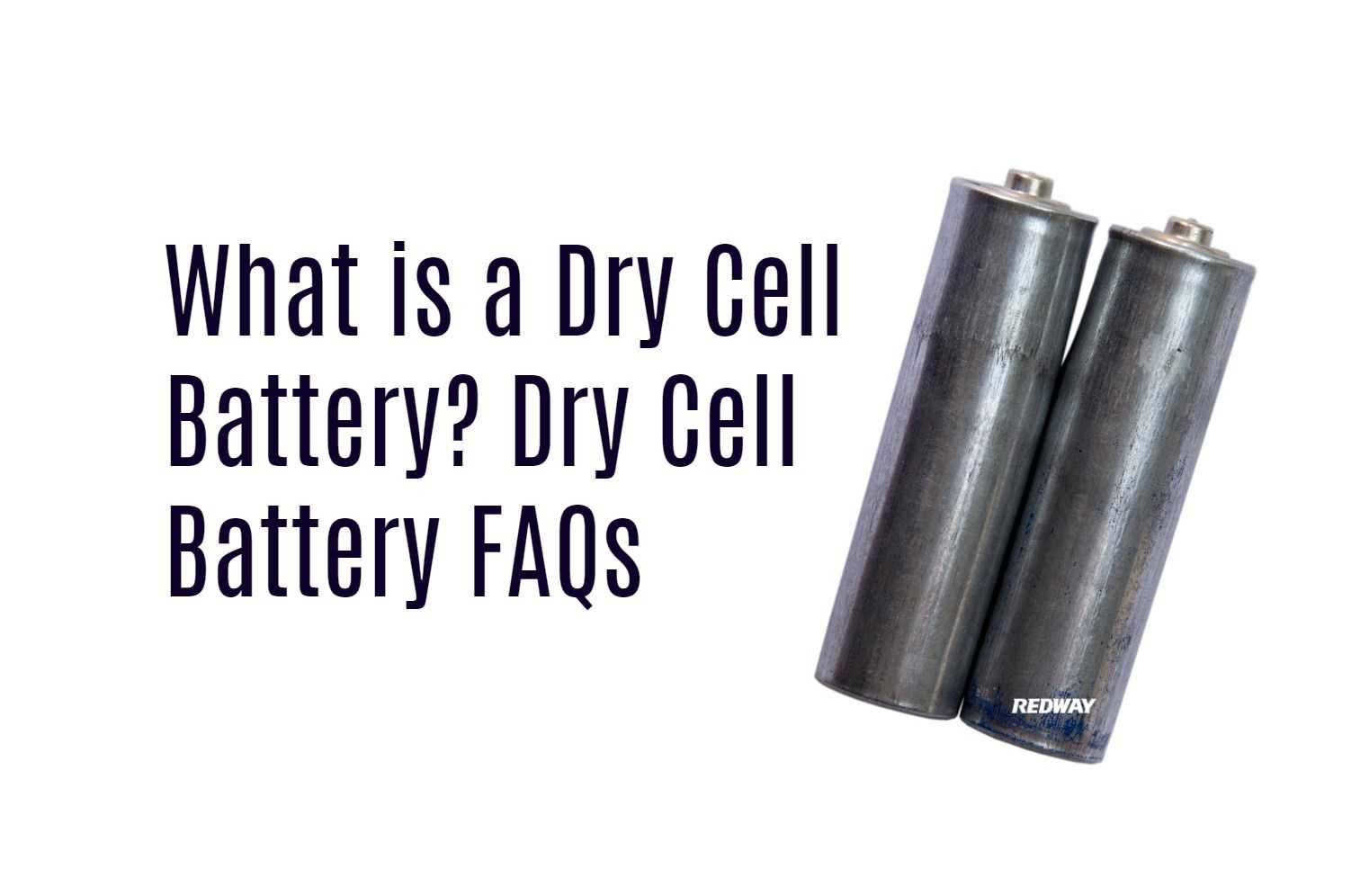
Learn what a dry-cell battery is, how immobilized electrolyte differs from flooded cells, common zinc-carbon, alkaline and sealed examples, and safe handling.

Learn what a dry-cell battery is, how immobilized electrolyte differs from flooded cells, common zinc-carbon, alkaline and sealed examples, and safe handling.

1. Can I use a battery isolator with different types of batteries?
Yes, but it’s essential to ensure compatibility. Mixing battery types (e.g., lead-acid with lithium) can lead to performance issues. Always consult manufacturer guidelines.2. How do I know which type of battery isolator to choose?
The choice depends on your specific needs. Diode-based isolators are simpler but less efficient; relay-based models offer better performance but may require more complex installation.3. Will using a battery isolator affect my charging speed?
Yes, especially with diode-based isolators due to voltage drop. Relay-based and smart isolators typically provide better charging efficiency.4. Can I install a battery isolator myself?
Installation is possible for those with basic electrical knowledge, but it’s recommended to consult a professional for optimal performance and safety.5. How do I maintain my battery isolator?
Regularly check connections for corrosion or wear and ensure that all components are functioning correctly. Periodic inspections can help prevent issues.Continue exploring: Use the Lithium Mining, Regulation & Transport guide for the related decision process, evidence, and practical guidance.
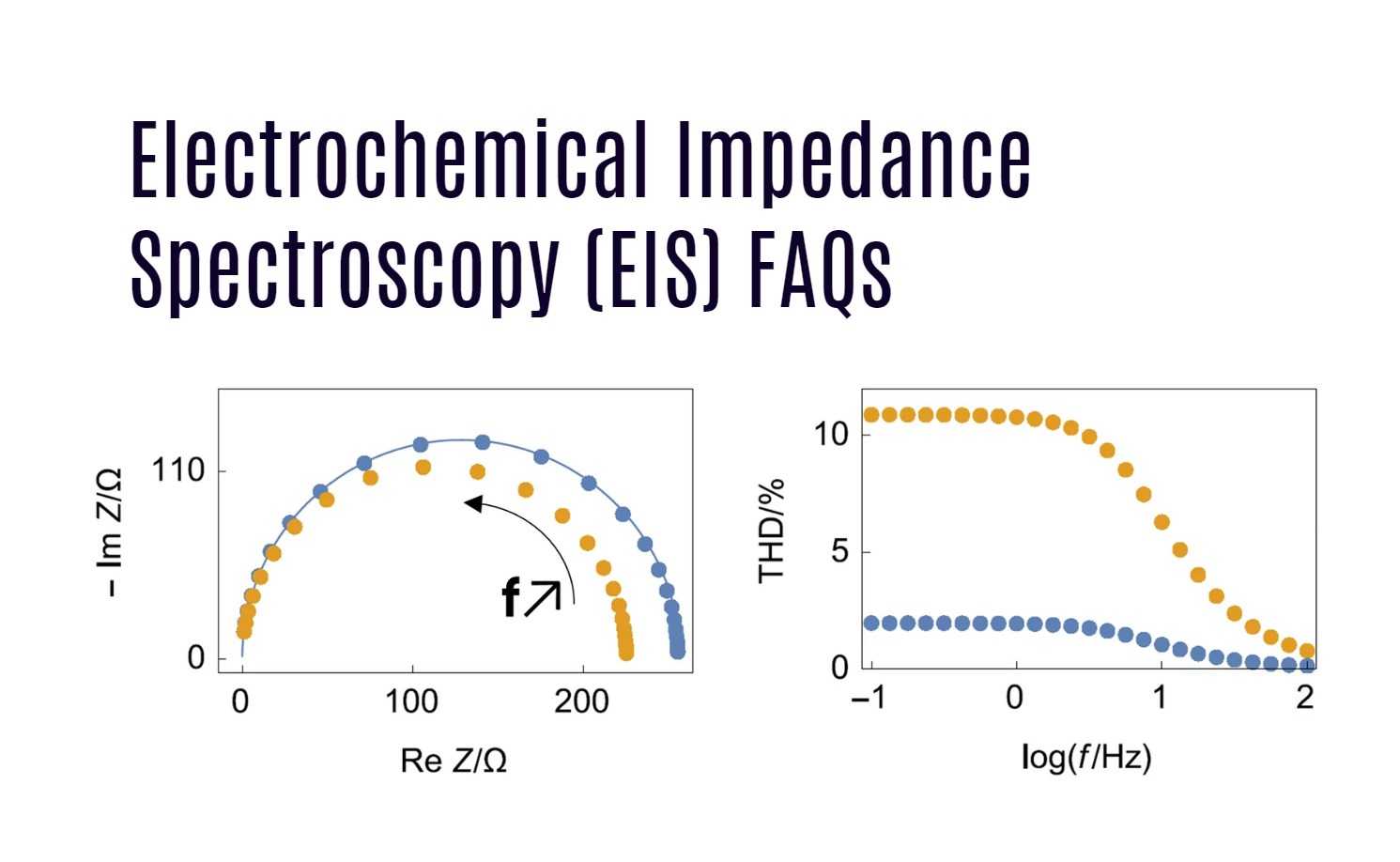
Electrochemical Impedance Spectroscopy (EIS) is a powerful, non-destructive technique used to analyze the internal properties of batteries by applying an AC signal over a wide frequency range and measuring the cell’s response. EIS helps diagnose battery health, aging, and performance by modeling impedance versus frequency, offering critical insights for battery research and management.
EIS is an electrochemical measurement method that applies a small AC voltage over a range of frequencies to a battery or electrochemical cell and measures the resulting current response. It determines a cell’s impedance spectrum, revealing resistive and capacitive elements that correspond to physical and chemical processes inside the battery.
By analyzing impedance at different frequencies, EIS isolates contributions from electrolyte resistance, solid electrolyte interphase (SEI) layers, charge transfer reactions, and diffusion phenomena, enabling precise diagnostics of battery condition.
EIS is widely used in lithium-ion battery research, including at Redway Battery, to facilitate real-time, non-invasive monitoring of battery State of Health (SOH) and performance optimization.
EIS results are typically plotted in Nyquist or Bode plots:
Nyquist plots show the imaginary part of impedance versus the real part, often creating semicircles and lines that correspond to different electrochemical processes.
Bode plots display impedance magnitude and phase angle across frequencies, helping interpret kinetics and resistances.
From these plots, battery parameters like bulk resistance (electrolyte resistance), charge transfer resistance, and double-layer capacitance are extracted by fitting the data to equivalent circuit models that represent physical battery components.
Proper interpretation requires advanced fitting algorithms and domain expertise, frequently integrated into Redway Battery’s quality control to ensure battery reliability.
EIS can measure multiple vital parameters such as:
Bulk resistance (R_b): Resistance of electrode materials, electrolyte, and separator.
Charge transfer resistance (R_ct): Resistance to electrochemical reactions at electrode interfaces.
Solid Electrolyte Interphase (SEI) layer resistance and capacitance: Indicators of surface film quality.
Diffusion coefficients: Reflect lithium-ion transport within electrodes.
State of Health (SOH): Changes in impedance correlate with battery aging and capacity loss.
These measurements provide crucial data for optimizing battery design, diagnosing degradation modes, and improving safety and longevity.
EIS uses very small AC signals that do not significantly alter the battery’s chemical state or cause damage. It can be performed during battery idling or cycling without disassembly, providing insights into internal processes without degrading performance.
This non-invasive nature enables frequent monitoring and real-time assessment, a key advantage leveraged by Redway Battery in their manufacturing and quality assurance processes.
EIS is valuable during all stages but especially:
In research & development for characterizing new battery chemistries and architectures.
During manufacturing and quality control to ensure parameter consistency and detect defects.
Throughout battery cycling to track aging, SOH, and performance degradation.
In predictive maintenance for electric vehicles and energy storage systems to prevent failures.
Redway Battery uses EIS regularly for R&D and production validation to maintain high-quality energy storage solutions.
Temperature influences battery kinetics and impedance elements. Elevated temperatures typically reduce charge transfer resistance and diffusion impedance but can accelerate degradation. Low temperatures increase resistance and slow reactions.
EIS measurements should account for temperature variations to accurately interpret results. Redway Battery’s testing protocols integrate temperature control to ensure unbiased impedance analysis.
While EIS offers detailed diagnostics, traditional single-frequency or slow multi-frequency EIS techniques require significant measurement time. However, new rapid EIS methods using pseudo-random sequences and advanced signal processing are emerging, aiming to integrate EIS into real-time Battery Management Systems (BMS) for continuous SOH monitoring.
Redway Battery continuously explores such innovations, enhancing their battery packs with intelligent monitoring capabilities.
EIS requires potentiostats or impedance analyzers capable of generating AC signals and measuring current response over a frequency range, from mHz to kHz. Data are then processed using specialized software for equivalent circuit fitting and parameter extraction.
Sophisticated EIS tools enable accurate battery modeling and insights, critical to Redway Battery’s development and customization of lithium battery packs.
Yes. By analyzing impedance spectra, EIS can detect:
Increased SEI resistance indicating electrolyte decomposition.
Rising charge transfer resistance due to electrode surface degradation.
Changes in diffusion impedance revealing loss of active material.
Internal short circuits or connection faults shown by abnormal impedance features.
These insights allow targeted interventions and design improvements, extending battery lifespan.
Challenges include:
The need for accurate equivalent circuit models customized to each battery design.
Long measurement times limiting applicability in fast-paced environments.
Complexity in interpreting overlapping impedance features in aged or multi-material batteries.
Sensitivity to measurement conditions such as temperature and state-of-charge.
Research efforts including by Redway Battery aim to overcome these by developing faster EIS techniques and robust analytical models for practical applications.
Comparison Table: Key Electrochemical Impedance Components in Battery Analysis
| Component | Frequency Range | Represents | Typical Impact on Battery |
|---|---|---|---|
| Bulk Resistance (R_b) | High frequencies | Electrolyte and separator | Increased internal resistance |
| SEI Layer Resistance (R_SEI) | Mid frequencies | Solid electrolyte interphase layer | Degradation indication |
| Charge Transfer Resistance (R_ct) | Mid to low frequencies | Electrochemical reaction kinetics | Slower kinetics, aging indicator |
| Diffusion Impedance (Warburg) | Low frequencies | Lithium-ion diffusion | Limited ion transport, capacity loss |
“At Redway Battery, Electrochemical Impedance Spectroscopy is an indispensable tool in our pursuit of high-performance, reliable lithium battery solutions. Leveraging EIS allows us to characterize internal battery phenomena accurately, identify degradation early, and support tailored engineering enhancements. This depth of insight ensures our battery packs meet rigorous safety and longevity standards demanded by electric vehicles, forklifts, and energy storage markets worldwide.” — Redway Battery Engineering Team
Electrochemical Impedance Spectroscopy is a sophisticated and non-destructive analytical technique critical for understanding battery internal processes, health, and aging. By dissecting complex electrochemical phenomena across frequencies, EIS provides invaluable diagnostics used in research, manufacturing, and real-time monitoring. Despite challenges in modeling and measurement speed, advancements continue to improve its practicality. Integrating EIS in battery management, as employed by industry leaders like Redway Battery, enhances performance, reliability, and safety in lithium battery technologies.
Q1: Can EIS be performed on a fully charged battery? A1: Yes, EIS can be performed at different states of charge, but steady-state conditions provide the most accurate data.
Q2: How long does an EIS measurement typically take? A2: Conventional EIS tests can take from minutes to hours depending on frequency range and resolution; faster methods are emerging.
Q3: Does EIS require special battery preparation? A3: Batteries should be in a stable condition, ideally at rest, with controlled temperature for consistent results.
Q4: Is EIS suitable for all battery chemistries? A4: Yes, EIS is widely applicable but equivalent circuit models must be tailored to specific chemistries for best results.
Q5: How does Redway Battery use EIS in product development? A5: Redway employs EIS for quality control, aging studies, and optimizing battery pack design to ensure longevity and safe operation.
Continue exploring: Use the Battery Testing, Health & Internal Resistance guide for the related decision process, evidence, and practical guidance.
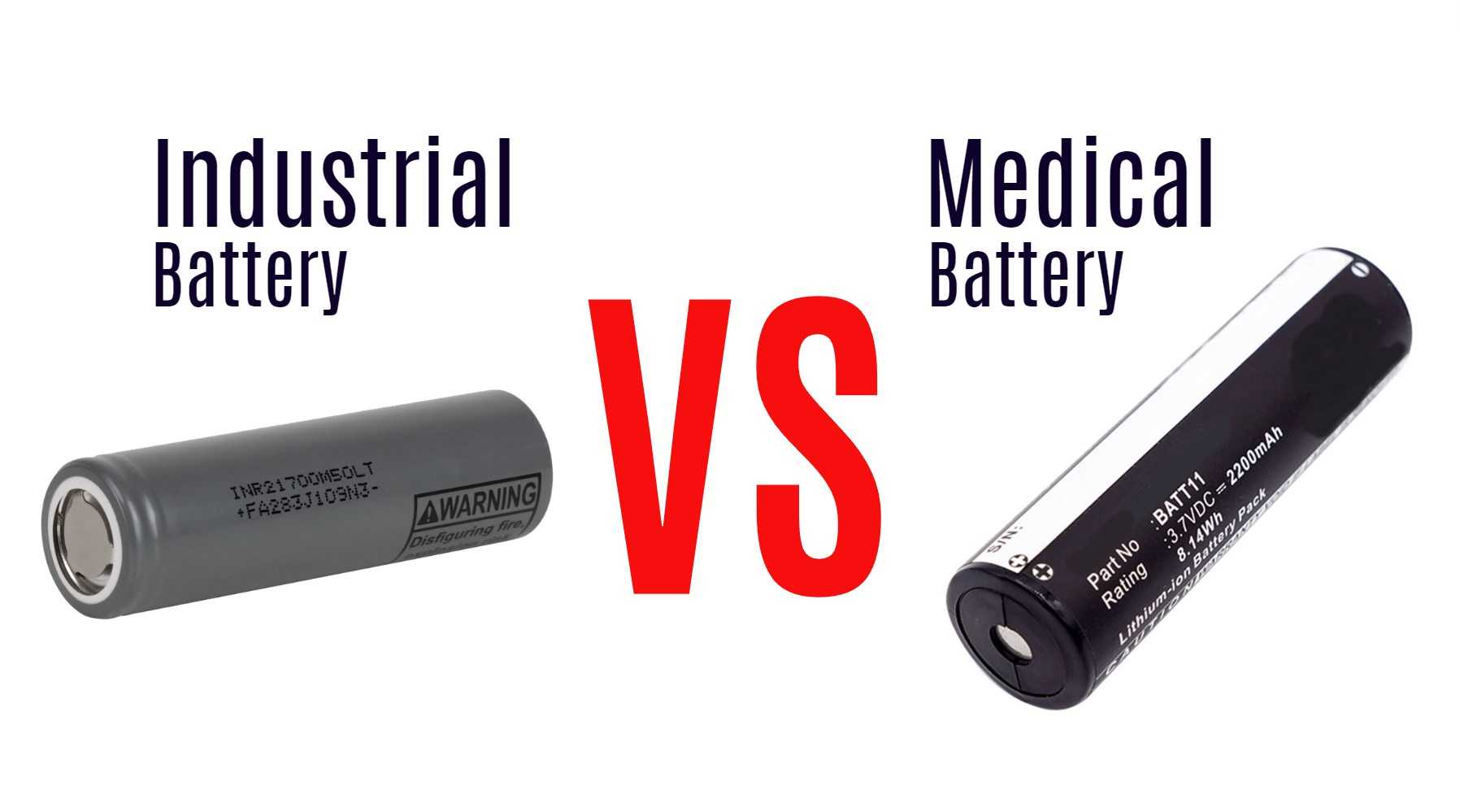
| Feature | Industrial Lithium Batteries | Medical Lithium Batteries |
|---|---|---|
| Application | Heavy-duty equipment, EVs | Portable medical devices |
| Cycle Life | Up to 5000 cycles | Shorter cycle life |
| Energy Density | Higher energy density | Focus on reliability |
| Safety Standards | General industrial standards | Strict FDA/IEC compliance |
| Durability | Rugged construction | Precision engineering |
| Cost | Higher initial cost but lower long-term | Lower initial cost but frequent replacement |
Continue exploring: Use the Battery Types & Chemistry Comparisons guide to review battery fundamentals, chemistry comparisons, performance, lifespan, testing, storage, and recycling guidance.
Continue exploring: Use the Lithium Battery Selection, Sizing, Testing & Life guide for the related decision process, evidence, and practical guidance.
Charging a lithium battery requires careful attention to voltage levels to ensure safe and efficient operation. Here’s a detailed overview based on the search results.
In summary, when charging lithium batteries, aim for a maximum voltage of around 4.2V per cell, with careful monitoring of current and temperature throughout the process. Following these guidelines will help ensure safety and prolong battery life.For specific applications or battery types, always refer to manufacturer specifications for optimal charging practices.

Continue exploring: Use the Commercial & Fleet Battery Charging Operations guide for the related decision process, evidence, and practical guidance.

While it is safe to charge lithium-ion batteries to 100%, doing so regularly may not be ideal for maintaining battery health. For optimal longevity, aim to keep your battery charged between 20% and 80%, and consider fully charging it occasionally for calibration purposes.
Continue exploring: Use the Commercial & Fleet Battery Charging Operations guide for the related decision process, evidence, and practical guidance.

Continue exploring: Use the Battery Charging Temperature, Storage & Care guide for the related decision process, evidence, and practical guidance.
Advantages
Disadvantages
Advantages
Disadvantages
| Feature | Fast Charging | Slow Charging |
|---|---|---|
| Charging Time | Minutes to hours | Several hours |
| Heat Generation | Higher | Lower |
| Battery Life | Potentially shorter | Typically longer |
| Safety | Requires advanced features | Generally safer |
| Convenience | Very convenient | Less convenient |
Continue exploring: Use the Battery Charge Time & Current Calculations guide for the related decision process, evidence, and practical guidance.

Yes, you need a special charger for LiFePO4 (Lithium Iron Phosphate) batteries. Here’s a detailed overview of why this is necessary and what to consider:
In summary, using a special charger designed for LiFePO4 batteries is essential for maintaining their health and efficiency. Always verify that your charger is compatible with the specific voltage and charging profile required by your LiFePO4 battery to ensure optimal performance and safety.