Redway Power · LiFePO4 battery factory for OEM & wholesale, 12V to 100V|Tel +86 189 7608 1534|Get a quick quote
What Is a Toyota Propane Forklift Battery?

What Are the Key Features of Toyota Propane Forklift Batteries?

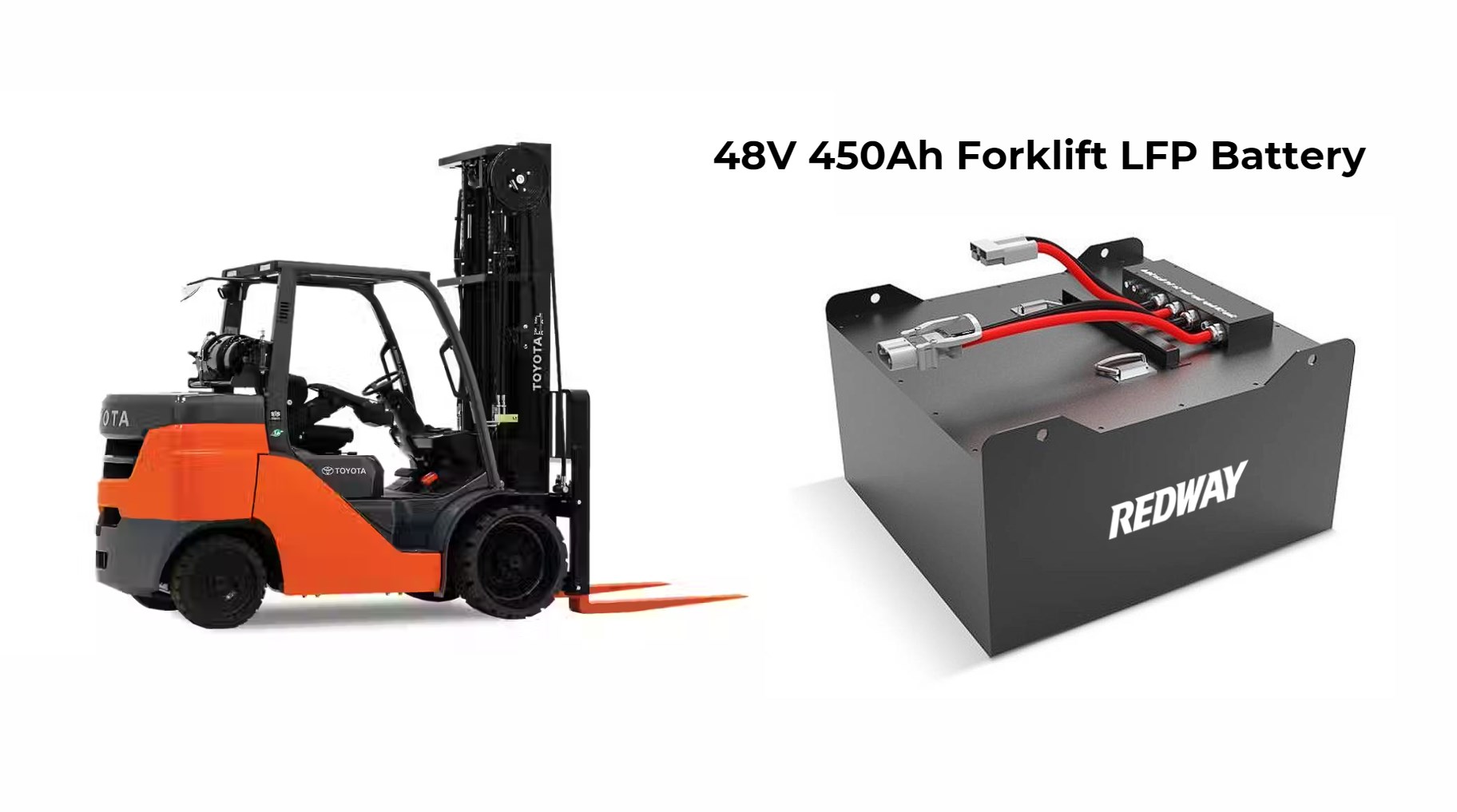
Toyota propane forklift batteries are essential components that provide the necessary power to start the engine and operate the ignition system in propane-powered forklifts. These batteries offer unique advantages that make them suitable for various industrial applications, especially where efficiency and uptime are critical.

What Is a Toyota Propane Forklift Battery?

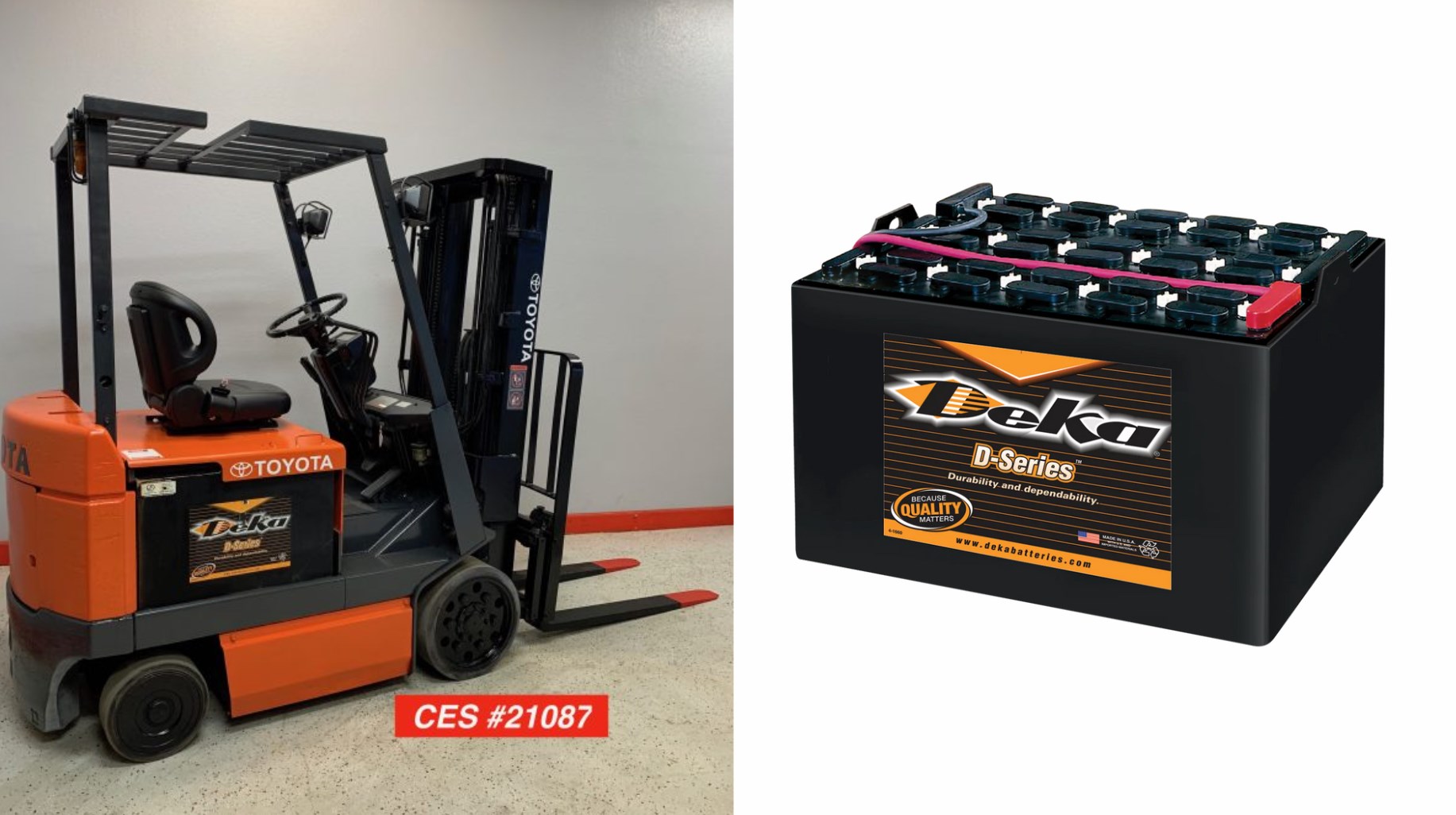
A Toyota propane forklift battery typically refers to the lead-acid starter battery used in propane-powered forklifts. This battery supplies the initial power needed to crank the engine and start operations, functioning differently from electric batteries that power electric forklifts.

How Does a Propane Forklift Battery Work?

The operation of a propane forklift battery involves converting chemical energy into electrical energy through electrochemical reactions within lead-acid cells:
ComponentFunction
Lead PlatesServe as electrodes facilitating chemical reactions
ElectrolyteConducts electricity between plates
SeparatorPrevents short circuits while allowing ion flow
When the ignition key is turned, the battery sends power to the starter motor, initiating engine operation.

What Are the Advantages of Using Propane Forklift Batteries?

Propane forklift batteries offer several advantages:
  • Quick Refueling: Unlike electric batteries that require lengthy charging times, propane tanks can be swapped or refueled rapidly.
  • Reduced Downtime: Continuous operation without the need for extended charging periods increases productivity.
  • Higher Energy Density: Provides more energy per unit volume compared to electric options.

How Do Propane Forklift Batteries Compare to Electric Batteries?

When comparing propane and electric batteries:
FeaturePropane ForkliftsElectric Forklifts
Refueling TimeQuick tank swapsLong charging times (up to 8 hours)
Operating CostsLower fuel costsHigher electricity costs over time
Environmental ImpactLower emissions when using clean propaneZero emissions during operation
Each option has its pros and cons depending on operational needs.

What Maintenance Is Required for Toyota Propane Forklift Batteries?

Maintaining a Toyota propane forklift battery involves:
  1. Regular Inspections: Check terminals and connections for corrosion or wear.
  2. Battery Testing: Periodically test battery voltage and capacity.
  3. Safety Checks: Ensure all safety equipment related to propane handling is in place.
Know More:Where Can You Find Reliable Forklift Batteries in Houston? What Are the Key Features of Raymond Forklift Batteries? What Are the Essential Features of Clark Forklift Batteries? What Are the Key Features of Toyota Propane Forklift Batteries?

Where Can You Purchase Toyota Propane Forklift Batteries?

Toyota propane forklift batteries can be purchased from various suppliers:
  • Authorized Toyota Dealers: Offer genuine parts and warranty services.
  • Industrial Equipment Suppliers: Many local suppliers stock compatible batteries.
  • Online Retailers: Websites specializing in industrial equipment often have these batteries available.

What Safety Considerations Are There for Propane Forklift Batteries?

Safety is paramount when dealing with propane forklift batteries:
  • Proper Ventilation: Ensure work areas are well-ventilated to prevent gas buildup.
  • Handling Protocols: Follow safety guidelines for transporting and storing propane tanks.
  • Emergency Procedures: Have clear protocols in place for leaks or accidents involving propane.

How Long Do Toyota Propane Forklift Batteries Last?

The lifespan of a Toyota propane forklift battery can vary based on usage but generally ranges between 3 to 5 years with proper maintenance:
Usage TypeExpected Lifespan
Light DutyUp to 5 years
Heavy DutyApproximately 3 years
Regular maintenance practices can help extend battery life significantly.

What Types of Propane Forklift Batteries Are Available?

Various types of propane forklift batteries include:
  • Lead-Acid Starter Batteries: Commonly used in most propane forklifts.
  • Deep-Cycle Options: Designed for extended use in specific applications requiring more energy storage.

How Do You Troubleshoot Common Issues with Propane Forklift Batteries?

Common troubleshooting steps include:
  1. Check Connections: Ensure all cables are secure and free from corrosion.
  2. Test Voltage Levels: Use a multimeter to check if the battery delivers adequate voltage.
  3. Inspect Fuel Supply: Ensure that there is sufficient propane in the tank and that there are no leaks.

Expert Views

“Understanding how Toyota propane forklift batteries function is crucial for maximizing efficiency in operations,” states an expert from Redway Tech. “Proper maintenance not only extends battery life but also ensures safety and reliability in material handling.”

Conclusion

In conclusion, Toyota propane forklift batteries play a vital role in powering propane forklifts efficiently while offering distinct advantages over electric alternatives. Understanding their functionality, maintenance needs, and safety considerations can help businesses make informed decisions about their material handling equipment.

FAQ Section

  • What type of battery is used in a Toyota propane forklift? Typically, lead-acid starter batteries are used in these forklifts to power the engine.
  • How long do these batteries last? With proper maintenance, they generally last between 3 to 5 years.
  • What maintenance is required for these batteries? Regular inspections, voltage testing, and adherence to safety protocols are essential for optimal performance.
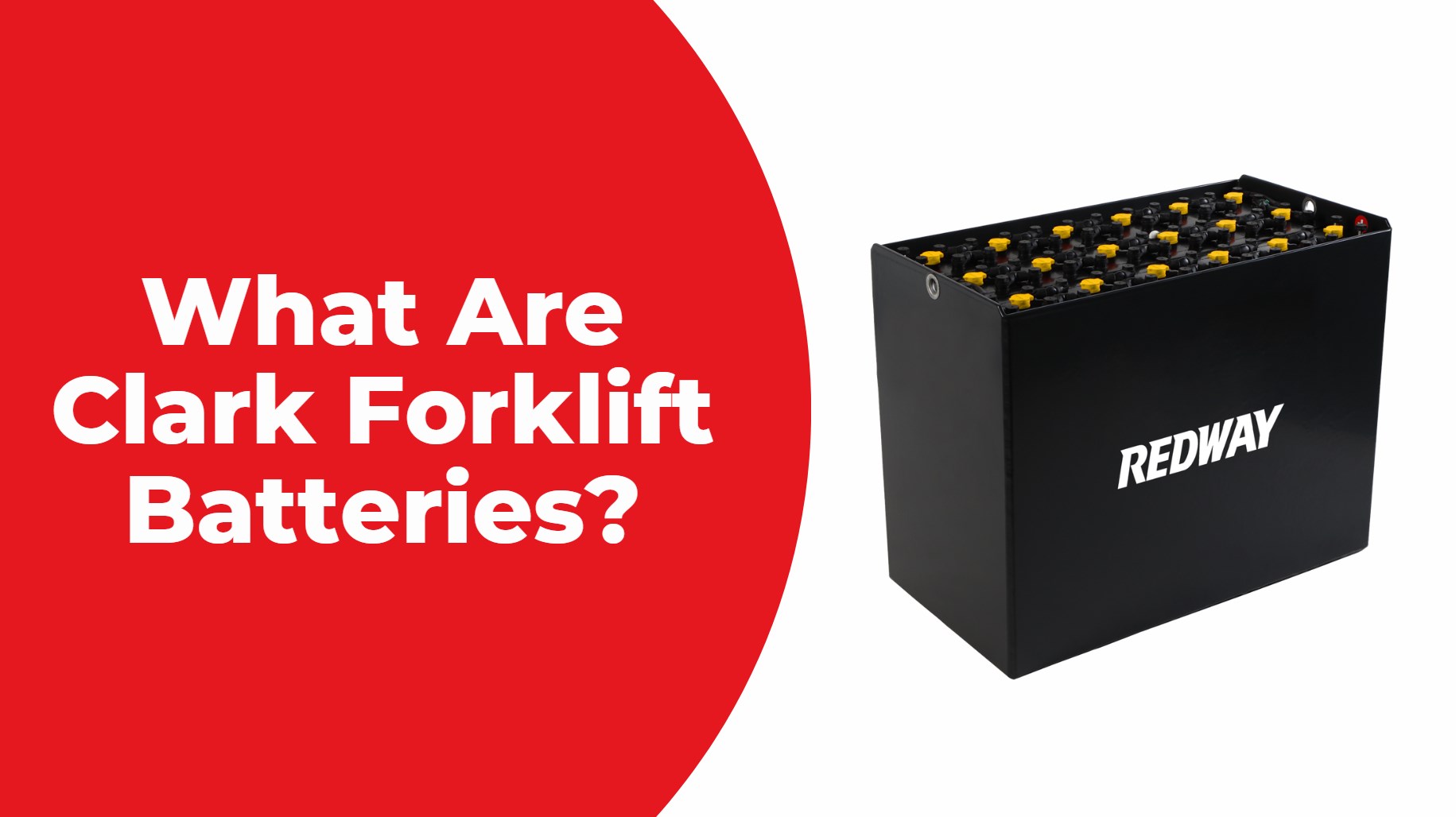
What Are Clark Forklift Batteries?

What Are the Essential Features of Clark Forklift Batteries?

Clark forklift batteries are specialized power sources designed specifically for use in Clark-brand forklifts, available in both lead-acid and lithium-ion configurations to meet various operational needs effectively.

What Are Clark Forklift Batteries?

Clark forklift batteries are high-performance energy sources tailored to power forklifts manufactured by the Clark Equipment Company, a leader in material handling solutions since 1917.Chart Title: Overview of Different Types of Clark Forklift Batteries
TypeDescription
Lead-AcidTraditional battery type requiring regular maintenance but cost-effective upfront
Lithium-IonAdvanced technology offering fast charging and low maintenance requirements

What Types of Clark Forklift Batteries Are Available?

Clark offers two primary types of batteries: lead-acid batteries, which are widely used due to their lower initial costs but require regular maintenance, and lithium-ion batteries that provide higher efficiency with less upkeep.

How Do Different Types of Clark Forklift Batteries Compare?

When comparing lead-acid and lithium-ion batteries, lead-acid models are generally less expensive but require routine maintenance such as watering and equalization charges, while lithium-ion batteries offer longer lifespans and faster charging capabilities.

What Key Features Enhance Performance in Clark Forklift Batteries?

Clark forklift batteries come equipped with features such as high energy density for compact design with powerful output, long cycle life to reduce operating costs, intelligent battery management systems (BMS) that monitor status in real-time, fast charging capabilities to minimize downtime, and environmental adaptability for efficient operation under various conditions.Chart Title: Key Features of Clark Forklift Batteries
FeatureDescription
High Energy DensityCompact size with powerful output
Long Cycle LifeReduces long-term operating costs
Intelligent BMSMonitors battery status in real-time
Fast Charging CapabilityShortens downtime during charging
Environmental AdaptabilityOperates efficiently in various conditions

What Applications Benefit from Using Clark Forklift Batteries?

Clark forklift batteries are versatile and suitable for a range of applications including warehouse operations where efficient movement of goods is essential, manufacturing facilities requiring reliable equipment for continuous operation, and distribution centers where quick loading and unloading is crucial.Know More:Where Can You Find Reliable Forklift Batteries in Houston? What Are the Key Features of Raymond Forklift Batteries? What Are the Essential Features of Clark Forklift Batteries? What Are the Key Features of Toyota Propane Forklift Batteries?

What Benefits Do Clark Forklift Batteries Offer?

The benefits include enhanced performance under heavy loads, improved safety features integrated into battery designs to minimize operational risks, and environmentally friendly options through recyclable lithium-ion technology that reduces carbon footprints.

Why Should You Consider Lithium-Ion Batteries for Your Clark Forklifts?

Lithium-ion batteries should be considered due to their maintenance-free nature—no watering or cleaning is needed—opportunity charging capabilities allowing them to be charged at any time without damage, and longer lifespans which result in lower replacement costs over time.

How Can You Maintain Your Clark Forklift Battery?

Maintaining your battery involves regular inspections to ensure optimal performance, checking water levels (for lead-acid), cleaning terminals to prevent corrosion, and monitoring charge cycles (for lithium-ion) to maximize efficiency.Chart Title: Maintenance Checklist for Your Battery
Maintenance TaskFrequency
Check Water Levels (Lead-Acid)Monthly
Clean TerminalsQuarterly
Monitor Charge Cycles (Lithium-Ion)Per Use

What Common Issues Should You Look Out For with Clark Batteries?

Common issues include sulfation in lead-acid models due to inadequate watering leading to reduced capacity and performance drops if lithium-ion models are not charged properly or maintained according to guidelines.

How Does Temperature Affect the Performance of Clark Forklift Batteries?

Temperature can significantly impact battery performance; extreme cold can reduce capacity while excessive heat may lead to premature failure, making it essential to maintain optimal operating conditions.

What Safety Features Are Integrated into Clark Forklift Batteries?

Safety features include built-in thermal management systems that prevent overheating during operation and advanced monitoring systems that alert users to potential issues before they escalate.

Where Can You Purchase Genuine Clark Forklift Batteries?

Genuine replacement options can be found through authorized dealers or manufacturers like Redway Power which ensures compatibility and high performance tailored specifically for your equipment needs.

Expert Views

“Clark forklift batteries exemplify durability and efficiency tailored for rigorous industrial applications,” states an expert from Redway. “Their commitment to innovation ensures that businesses can rely on these power sources while minimizing downtime through effective maintenance practices.”

Conclusion

In conclusion, understanding the features and benefits of Clarke forklift batteries is crucial for optimizing material handling operations across various industries. By selecting the right type of battery—whether lead-acid or lithium-ion—businesses can enhance productivity while ensuring sustainability through responsible battery management practices.

FAQ Section

  • What types of clark forklift batteries are available? Clark offers both lead-acid batteries that require maintenance and lithium-ion options that provide longer lifespans with less upkeep.
  • How do I maintain my clark forklift battery? Regularly check water levels (for lead-acid), clean terminals, and monitor charge cycles (for lithium-ion) to ensure optimal performance.
  • What should I do if my clark battery leaks? Follow safety protocols by using absorbent materials for cleanup and contacting hazardous waste management services immediately.
What Are Forklift Battery Cells?

What Are Forklift Battery Cells and How Do They Work?

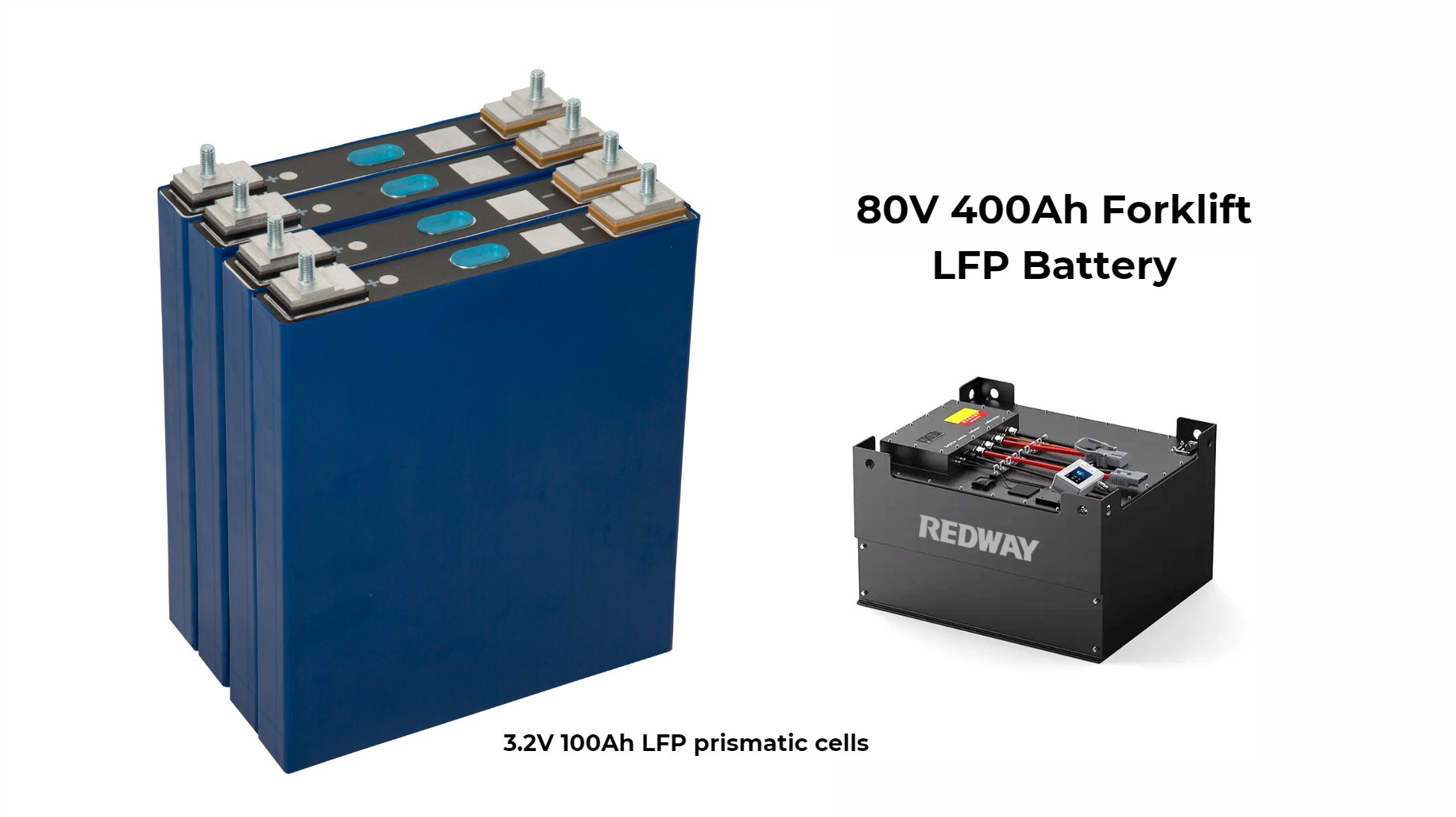
Forklift battery cells are individual electrochemical units that store and release electrical energy through chemical reactions. These cells combine to form a battery pack, powering forklifts by converting stored chemical energy into usable electrical current.

What Are Forklift Battery Cells and Why Are They Important?

Forklift battery cells are the basic units making up a forklift battery, responsible for energy storage and delivery. They are crucial because the performance and lifespan of the entire battery depend on each cell’s health and efficiency.

Each cell contains electrodes and an electrolyte that facilitate chemical reactions generating electric current. In lead-acid batteries, cells are connected in series, usually six cells of approximately 2 volts each, to make a 12V battery. Lithium battery cells, such as LiFePO4 from Redway Battery, work similarly but use lithium-ion chemistry, offering higher energy density, greater cycle life, and faster charging capabilities essential for efficient forklift operations.

How Do Forklift Battery Cells Generate and Provide Power?

Battery cells generate power through electrochemical reactions that move electrons from the anode to the cathode, creating an electric current usable by the forklift.

Inside each cell, chemicals interact causing a flow of electrons externally through terminals. During discharge, oxidation at the anode releases electrons which pass through the forklift’s electrical circuit to the cathode where reduction occurs. Charging reverses these reactions, restoring the chemical potential. The collective output of multiple cells in series or parallel determines the forklift’s voltage and capacity. Redway Battery’s engineering ensures optimized cell design and balancing for consistent power delivery.

Which Types of Forklift Battery Cells Are Most Common?

Lead-acid and lithium-ion (especially LiFePO4) cells are the most common types used in forklift batteries today.

Lead-acid cells have been industry standard due to low cost and reliability. Each lead-acid cell produces about 2 volts. Lithium-ion LiFePO4 cells, pioneered by companies like Redway Battery, are increasingly preferred for their lighter weight, higher efficiency, longer cycle life, and environmental benefits. Lithium cells contain better thermal stability and require less maintenance, making them ideal for modern forklift fleets.

Battery Cell TypeVoltage per CellAdvantagesTypical Use Case
Lead-Acid~2 voltsLow initial costTraditional forklifts
LiFePO4 Lithium~3.2–3.3 voltsLong life, fast chargingHigh-performance forklifts

Why Is Cell Balancing Critical in Forklift Battery Packs?

Cell balancing ensures all cells have equal voltage and charge, preventing premature battery failure and improving overall pack efficiency.

Unbalanced cells cause weaker cells to degrade faster, reducing battery capacity and potentially damaging the pack. Balancing is achieved via passive (bleeding excess charge) or active methods and is often managed by a Battery Management System (BMS). Redway Battery’s LiFePO4 packs integrate advanced BMS with automated cell balancing to maximize safety, longevity, and performance in demanding forklift environments.

How Can I Identify and Troubleshoot Faulty Forklift Battery Cells?

Symptoms of faulty cells include reduced runtime, slow charging, uneven voltage readings, and physical signs such as swelling or corrosion.

Testing involves measuring individual cell voltage, conducting load tests, and checking electrolyte specific gravity (lead-acid only). Cells with significantly lower voltage or capacity often indicate sulfation, internal shorts, or irreversible damage. Early identification allows reconditioning or replacement of the affected cells, improving battery reliability. Redway Battery offers advanced diagnostic tools and after-sales support to assist clients in maintaining cell health.

When Should Forklift Battery Cells Be Replaced or Reconditioned?

Cells should be reconditioned or replaced when their capacity drops below 80%, voltage imbalance persists, or when physical damage is evident.

Reconditioning methods like equalization charging or desulfation can sometimes restore lead-acid cells. Lithium cells typically rely on BMS for health management but damaged cells require replacement. Over-reliance on faulty cells leads to diminished forklift performance and potential safety risks. Redway Battery’s engineered cells facilitate easier maintenance, offering options for cell-level repair or full pack replacement.

Where Does Redway Battery Fit into Forklift Battery Cell Innovation?

Redway Battery pioneers OEM lithium cell manufacturing with custom LiFePO4 packs designed for robust forklift applications, combining industrial-grade reliability with cutting-edge technology.

With over 13 years of experience, Redway integrates automated production, MES systems, and ISO-certified quality controls ensuring consistent cell performance. Their engineering team supports tailored cell configurations and BMS integration to optimize power, safety, and longevity, assisting forklift operators worldwide in minimizing downtime and maintenance overhead.

FeatureRedway LiFePO4 CellsTraditional Lead-Acid Cells
Cycle Life2000+ cycles500-1000 cycles
Charge Time2-3 hours8-12 hours
Maintenance RequirementLowHigh
WeightLightweightHeavy
SafetyHigh thermal/chemical stabilityRisk of acid leaks and sulfation

Does the Chemistry of Forklift Battery Cells Affect Safety and Performance?

Yes, the chemical composition of the cells directly impacts battery safety, energy density, charge cycles, and thermal management.

Lead-acid cells can emit corrosive gases and require frequent maintenance, posing safety risks if mishandled. In contrast, lithium-ion LiFePO4 cells used by Redway Battery are inherently safer due to stable chemistry, minimal gas emission, and robust design against thermal runaway. Proper chemistry choice improves forklift efficiency, decreases downtime, and enhances operator safety.


Redway Expert Views

“Understanding the internals of forklift battery cells is key to unlocking better forklift performance and reliability. At Redway Battery, we focus on engineering lithium battery cells that balance high energy output with safety and long service life. Our OEM experience allows us to customize battery cells to meet specific operational demands of forklift fleets worldwide, ensuring clients benefit from cutting-edge technology and seamless integration. Continuous innovation in cell chemistry and production processes allows Redway to deliver battery packs that power industries efficiently and sustainably.” — Redway Battery Engineering Director


Summary and Key Takeaways

Forklift battery cells are foundational components that convert chemical energy into electrical power, directly affecting battery output, lifespan, and safety. Understanding types—primarily lead-acid and lithium-ion LiFePO4—and their working principles helps operators make informed choices for their forklift energy needs. Cell balancing and health monitoring are essential to avoid premature failures, while early identification of faulty cells ensures continued safe operation. Advanced solutions like Redway Battery’s custom lithium cells offer superior performance, durability, and low maintenance, driving forklift productivity and reducing lifecycle cost.


FAQs

Q1: How many cells make up a typical forklift battery? Typically, lead-acid forklift batteries contain six cells in series; lithium packs vary based on voltage but follow modular designs.

Q2: Can faulty cells cause complete battery failure? Yes, one bad cell can degrade overall battery capacity and may cause safety issues.

Q3: How does Redway Battery’s LiFePO4 cell design improve forklift operation? They provide longer cycle life, enhanced safety, fast charging, and reduced maintenance requirements.

Q4: What is cell balancing and why is it necessary? Cell balancing equalizes charge among cells to optimize pack performance and prevent damage.

Q5: Are lithium battery cells more expensive than lead-acid? Initially yes, but their longer lifespan and efficiency lead to a lower total cost of ownership.

Where to Find Forklift Battery Sales

How Can You Find Reliable Forklift Battery Sales?

Finding reliable forklift battery sales involves understanding the types available, evaluating suppliers, and considering environmental regulations that may affect your choices. By exploring these aspects, businesses can ensure they select high-quality batteries that meet their operational needs.

What Types of Forklift Batteries Are Available?

Forklift batteries primarily come in two types: lead-acid and lithium-ion. Lead-acid batteries are traditional, cost-effective, and widely used, while lithium-ion batteries offer longer lifespans, faster charging times, and reduced maintenance needs.

Chart: Comparison of Lead-Acid and Lithium-Ion Batteries

FeatureLead-AcidLithium-Ion
Lifespan3-5 years5-10 years
Charging Time8 hours1-2 hours
MaintenanceRegular maintenance requiredMinimal maintenance required
CostLower initial costHigher initial cost

How Do You Choose the Right Forklift Battery?

Choosing the right forklift battery involves assessing your specific operational requirements, including lift capacity, runtime, and charging infrastructure. Consider factors such as battery size, compatibility with your equipment, and energy efficiency.

Chart: Factors Influencing Battery Selection

FactorConsiderations
Equipment CompatibilityEnsure proper fit
Runtime RequirementsMatch with operational hours
Charging FacilitiesAvailability of charging stations

Where Can You Buy Quality Forklift Batteries?

Quality forklift batteries can be purchased from various sources including manufacturers, authorized dealers, online retailers, and local suppliers. It’s essential to research suppliers’ reputations and customer reviews before making a purchase.

Know More:

What Are Forklift Battery Cells and How Do They Work?
How Can You Find Reliable Forklift Battery Sales?
Where Can I Find Affordable Options for Forklift Batteries?

How Do You Evaluate Battery Suppliers Effectively?

Evaluating battery suppliers involves checking their certifications, warranty policies, customer service quality, and delivery options. Requesting quotes from multiple suppliers can also help you compare prices and services.

What Factors Affect Pricing for Forklift Batteries?

Pricing for forklift batteries is influenced by several factors including battery type (lead-acid vs lithium-ion), brand reputation, supplier location, and market demand. Understanding these factors can help you negotiate better deals.

How Do Environmental Regulations Impact Battery Sales?

Environmental regulations can significantly impact battery sales by influencing production methods, recycling practices, and disposal protocols. Compliance with these regulations is essential for manufacturers and suppliers.

What Are the Benefits of Lithium-Ion Over Lead-Acid Batteries?

Lithium-ion batteries offer numerous advantages over lead-acid counterparts including longer lifespan, faster charging times, lighter weight, and lower total cost of ownership due to reduced maintenance needs.

How Can Businesses Optimize Their Battery Procurement Process?

Businesses can optimize their battery procurement process by conducting thorough market research, establishing relationships with reliable suppliers, leveraging bulk purchasing discounts, and staying informed about technological advancements in battery solutions.

Conclusion

Finding reliable forklift battery sales requires a strategic approach that encompasses understanding different battery types, evaluating suppliers effectively, and considering environmental factors that may influence your choices. By following these guidelines, businesses can ensure they invest in high-quality batteries that enhance operational efficiency.

Expert Views

“Choosing the right forklift battery is crucial for maximizing productivity in any warehouse or distribution center,” says an expert from Redway. “Understanding your specific needs and exploring various options will lead you to make informed decisions that benefit your operations.”
FAQ Section

  • What is the average lifespan of a forklift battery?
    The average lifespan of a lead-acid forklift battery is typically between 3-5 years, while lithium-ion batteries can last up to 10 years with proper care.
  • Where can I find used forklift batteries?
    Used forklift batteries can often be found through local suppliers, online marketplaces like eBay or Craigslist, or specialized dealers who offer refurbished options.
  • Are lithium-ion batteries worth the investment?
    Yes, lithium-ion batteries are often worth the investment due to their longer lifespan, reduced maintenance requirements, and overall efficiency compared to traditional lead-acid batteries.
What Are Raymond Forklift Batteries?

What Are the Key Features of Raymond Forklift Batteries?

Raymond forklift batteries are specialized power sources designed specifically for use in electric forklifts manufactured by The Raymond Corporation, offering reliability and efficiency essential for optimal performance in demanding industrial environments.

What Are Raymond Forklift Batteries?

Raymond forklift batteries are high-performance energy solutions tailored for use in electric forklifts produced by The Raymond Corporation, a leader in material handling equipment known for innovation and quality.Chart Title: Overview of Different Types of Raymond Forklift Batteries
TypeDescription
Lead-AcidTraditional battery type known for reliability and affordability; requires regular maintenance
Lithium-IonAdvanced battery technology offering faster charging, lighter weight, and longer lifespans

What Types of Batteries Are Available for Raymond Forklifts?

Raymond offers two primary types of batteries: lead-acid batteries, which are affordable but require routine maintenance, and lithium-ion batteries that provide enhanced performance with minimal upkeep.

What Key Features Enhance Performance in Raymond Forklift Batteries?

Key features include high energy density for compact design with powerful output, long cycle life to reduce operating costs, intelligent battery management systems (BMS) that monitor status in real-time, quick charging capabilities to minimize downtime during shifts, and durability designed to withstand harsh industrial environments.Chart Title: Key Features of Raymond Forklift Batteries
FeatureDescription
High Energy DensityCompact size with powerful output
Long Cycle LifeReduces long-term operating costs
Intelligent BMSMonitors battery status in real-time
Quick Charging CapabilityShortens downtime during charging
DurabilityBuilt to withstand impacts and vibrations

What Applications Benefit from Using Raymond Forklift Batteries?

Raymond forklift batteries are versatile and suitable for various applications including warehouses where efficient movement of goods is essential, manufacturing facilities requiring reliable equipment for continuous operation, and distribution centers facilitating the efficient movement of goods.Know More:Where Can You Find Reliable Forklift Batteries in Houston? What Are the Key Features of Raymond Forklift Batteries? What Are the Essential Features of Clark Forklift Batteries? What Are the Key Features of Toyota Propane Forklift Batteries?

What Are the Benefits of Using Raymond Forklift Batteries?

Benefits include enhanced performance under heavy loads, improved safety features integrated into battery designs to minimize operational risks, and environmentally friendly options through recyclable lithium-ion technology that reduces carbon footprints.

How to Maintain Your Raymond Forklift Battery?

Proper maintenance involves regular inspections to ensure optimal performance, checking water levels (for lead-acid), cleaning terminals to prevent corrosion, and monitoring charge cycles (for lithium-ion) to maximize efficiency.Chart Title: Maintenance Checklist for Your Battery
Maintenance TaskFrequency
Check Water Levels (Lead-Acid)Monthly
Clean TerminalsQuarterly
Monitor Charge Cycles (Lithium-Ion)Per Use

What Common Issues Should You Look Out For with Raymond Batteries?

Common issues include sulfation in lead-acid models due to inadequate watering leading to reduced capacity and performance drops if lithium-ion models are not charged properly or maintained according to guidelines.

When Should You Replace Your Battery?

Replacement should be considered when capacity drops below 80% or when significant physical damage occurs.

How Do Lithium-Ion Batteries Compare to Lead-Acid Options?

Lithium-ion batteries offer advantages such as faster charging times, lower maintenance needs, longer lifespans compared to lead-acid counterparts which require more frequent maintenance but have lower initial costs.

How Does Temperature Affect the Performance of Raymond Forklift Batteries?

Temperature can significantly impact battery performance; extreme cold can reduce capacity while excessive heat may lead to premature failure, making it essential to maintain optimal operating conditions.

What Safety Features Are Integrated into Raymond Forklift Batteries?

Safety features include built-in thermal management systems that prevent overheating during operation and advanced monitoring systems that alert users to potential issues before they escalate.

Where Can You Purchase Genuine Raymond Forklift Batteries?

Genuine replacement options can be found through authorized dealers or manufacturers like Redway Power which ensures compatibility and high performance tailored specifically for your equipment needs.

Expert Views

“Raymond forklift batteries exemplify how tailored solutions can significantly enhance operational efficiency within material handling applications,” states an expert from Redway. “Their commitment to innovation ensures that businesses can rely on these power sources while minimizing downtime through effective maintenance practices.”

Conclusion

In conclusion, understanding the features and benefits of Raymon forklift batteries is crucial for optimizing material handling operations across various industries. By selecting the right type of battery—whether lead-acid or lithium-ion—businesses can enhance productivity while ensuring sustainability through responsible battery management practices.

FAQ Section

  • What types of raymond forklift batteries are available? Raymond offers both lead-acid batteries that require maintenance and lithium-ion options that provide longer lifespans with less upkeep.
  • How do I maintain my raymond forklift battery? Regularly check water levels (for lead-acid), clean terminals, and monitor charge cycles (for lithium-ion) to ensure optimal performance.
  • What should I do if my raymond battery leaks? Follow safety protocols by using absorbent materials for cleanup and contacting hazardous waste management services immediately.

Key Features of Raymond Forklift Batteries

What Are Great Lakes Industrial Forklift Batteries?

What Are the Benefits of Using Great Lakes Industrial Forklift Batteries?

Great Lakes Industrial Forklift Batteries are engineered for high performance and reliability in demanding industrial environments, offering a range of options that cater to diverse operational needs while ensuring sustainability and cost-effectiveness.

What Are Great Lakes Industrial Forklift Batteries?

Great Lakes Industrial Forklift Batteries are high-performance batteries designed for material handling equipment. They offer a range of options, including new and refurbished models, to meet various operational needs in warehouses and industrial settings, ensuring reliable power and efficiency.

What Types of Forklift Batteries Are Available from Great Lakes?

Great Lakes offers a variety of forklift batteries, including 24V, 36V, and 48V options. Their inventory includes new batteries, fully rebuilt batteries with a 12-month warranty, and economy batteries for light-duty applications, catering to diverse customer requirements.Great Lakes offers several types of forklift batteries:
TypeDescription
New BatteriesBrand new batteries with full warranties
Refurbished BatteriesRebuilt batteries with a lower price point
Economy OptionsCost-effective solutions for light-duty use
These options ensure that businesses can find a battery that fits their specific needs and budget constraints.

What Are the Key Features of Great Lakes Forklift Batteries?

Key features of Great Lakes forklift batteries include factory-direct pricing, a five-year warranty on new batteries, and thorough testing processes for refurbished models. Their batteries are designed for durability and optimal performance in demanding environments.The key features that set Great Lakes forklift batteries apart include:
  • Durability: Designed to withstand harsh working conditions.
  • High Capacity: Capable of powering heavy-duty operations without frequent recharging.
  • Warranty: Industry-leading warranties provide peace of mind regarding reliability.
Know More:Where Can You Find Forklift Batteries for Sale Near Me? Can Forklift Batteries Be Used for Home Solar? What Are Forklift Batteries in Belgium? What Are the Key Features of Deka Forklift Batteries? What Are the Benefits of Using Great Lakes Industrial Forklift Batteries? Where Can You Find Reliable Forklift Batteries in Houston?

How Do Great Lakes Forklift Batteries Compare to Other Brands?

Great Lakes forklift batteries are competitive in terms of pricing and warranty offerings. They emphasize quality and reliability, often providing longer lifespans and better performance compared to some other brands in the market.When comparing Great Lakes forklift batteries with other brands, several factors come into play:
  • Cost Efficiency: Competitive pricing combined with robust performance.
  • Warranty Coverage: Longer warranty periods compared to many competitors.
  • Performance Consistency: Reliable power output even under heavy loads.

What Advantages Do Great Lakes Forklift Batteries Offer?

Advantages include cost-effective pricing, extensive warranty coverage, and a wide selection of battery types. Their commitment to quality ensures that customers receive reliable power solutions tailored to their specific material handling needs.The advantages of using Great Lakes forklift batteries include:
  1. Cost Savings: Affordable options without compromising quality.
  2. Extended Lifespan: Durable construction leads to longer battery life.
  3. Reduced Downtime: High efficiency minimizes operational interruptions.

How Can You Choose the Right Forklift Battery for Your Needs?

To choose the right forklift battery, consider factors such as voltage requirements (24V, 36V, 48V), amp-hour capacity, application type (heavy vs. light duty), and maintenance needs. Consulting with suppliers can help identify the best fit for your operations.Choosing the right forklift battery involves several considerations:
  1. Voltage Requirements: Match the battery voltage with your forklift specifications.
  2. Usage Patterns: Assess how often and intensely the forklift will be used.
  3. Environmental Conditions: Consider temperature and humidity factors that may affect battery performance.

What Maintenance Is Required for Optimal Performance?

Optimal maintenance includes regularly checking electrolyte levels (for lead-acid), cleaning terminals to prevent corrosion, monitoring charge cycles, and ensuring proper ventilation during charging. Following these practices helps extend battery life and maintain performance.To ensure optimal performance from your Great Lakes forklift batteries:
  • Regular Inspections: Check connections and terminals for corrosion or damage.
  • Proper Charging Practices: Follow recommended charging schedules to extend battery life.
  • Cleaning Procedures: Keep terminals clean to maintain good conductivity.

How Do Great Lakes Forklift Batteries Contribute to Sustainability?

Great Lakes promotes sustainability by offering refurbished batteries that reduce waste and extend battery life cycles. Their commitment to quality also ensures efficient energy use in material handling operations, contributing to eco-friendly practices.Great Lakes forklift batteries contribute to sustainability by:
  • Reducing Waste: Offering refurbished options helps minimize landfill contributions.
  • Promoting Energy Efficiency: High efficiency reduces energy consumption during operations.
  • Supporting Eco-Friendly Practices: By using advanced technology, these batteries align with green initiatives.

How Are Great Lakes Forklift Batteries Manufactured?

Great Lakes forklift batteries are manufactured with a focus on quality control and performance. They employ advanced manufacturing techniques to ensure durability and reliability in their products, meeting industry standards for safety and efficiency.

What Innovations Are Present in Great Lakes Forklift Battery Technology?

Innovations include the use of advanced materials for improved energy density, enhanced battery management systems for efficient charging cycles, and ongoing research into more sustainable manufacturing practices to reduce environmental impact while maximizing performance.

Expert Views

“Great Lakes Industrial Forklift Batteries represent a significant advancement in battery technology for material handling,” states an expert from Redway Tech. “Their focus on durability and efficiency aligns perfectly with the needs of modern industrial operations.”

Conclusion

In summary, Great Lakes Industrial Forklift Batteries offer a reliable, cost-effective solution for businesses seeking high-performance energy sources for their forklifts. With various options available, including new and refurbished batteries, companies can find suitable solutions tailored to their specific operational needs while promoting sustainability.

FAQ Section

  • What types of forklift batteries does Great Lakes offer? They provide new, refurbished, and economy options tailored for different usage needs.
  • How can I determine which forklift battery is right for my operation? Assess your voltage requirements, usage patterns, and environmental conditions before choosing a battery.
  • What maintenance practices are essential for prolonging battery life? Regular inspections, proper charging practices, and terminal cleaning are vital for optimal performance.
What Are Deka Forklift Batteries?

What Are the Key Features of Deka Forklift Batteries?

Deka forklift batteries are renowned for their durability and efficiency in powering electric forklifts across various industries. They are designed to meet high-performance standards while offering reliable energy solutions tailored for material handling applications.

What Are Deka Forklift Batteries?

Deka forklift batteries are high-performance industrial batteries designed for material handling applications. Manufactured by East Penn Manufacturing, they offer a range of models, including lead-acid and lithium-ion options, known for their reliability, durability, and efficiency in powering forklifts and other equipment.Chart Title: Overview of Different Types of Deka Forklift Batteries
TypeDescription
Lead-AcidTraditional battery type requiring regular maintenance like watering
Lithium-IonMaintenance-free option with faster charging times and longer lifespan

How Do Deka Batteries Compare to Other Brands?

Deka batteries stand out due to their rigorous quality control processes, advanced manufacturing techniques, and high energy density. They often provide superior performance and longer lifespans compared to competitors, resulting in lower total cost of ownership and fewer warranty claims.

What Types of Deka Forklift Batteries Are Available?

Deka offers various types of forklift batteries, including lead-acid, lithium-ion, gel cell, and fast-charge models. Their product lines cater to different voltage requirements (24V, 36V, 48V) and applications, ensuring compatibility with a wide range of forklifts and material handling equipment.Know More:Where Can You Find Forklift Batteries for Sale Near Me? Can Forklift Batteries Be Used for Home Solar? What Are Forklift Batteries in Belgium? What Are the Key Features of Deka Forklift Batteries? What Are the Benefits of Using Great Lakes Industrial Forklift Batteries? Where Can You Find Reliable Forklift Batteries in Houston?

Why Choose Deka Forklift Batteries?

Choosing Deka forklift batteries ensures high-quality performance backed by extensive research and development. Their batteries are designed for durability, require less maintenance, and provide reliable power for demanding applications, making them a preferred choice for many businesses.

What Features Make Deka Batteries Stand Out?

Deka batteries feature optimized active material efficiencies, heavy-duty intercell connectors for optimal current transfer, and advanced battery management systems. Their products also include options for fast charging and maintenance-free gel technology for enhanced performance.

How Is the Performance of Deka Batteries Measured?

The performance of Deka batteries is measured through specifications such as amp-hour capacity, discharge rates, cycle life, and efficiency under various operating conditions. These metrics help determine how well the battery will perform in real-world applications.

What Are the Applications of Deka Forklift Batteries?

Deka forklift batteries are used in various applications including warehousing, distribution centers, manufacturing facilities, and logistics operations. They power electric forklifts, pallet jacks, and other material handling equipment requiring reliable energy storage.

How to Maintain Your Deka Forklift Battery?

To maintain your Deka forklift battery, regularly check electrolyte levels (for lead-acid), clean terminals to prevent corrosion, monitor charging cycles, and ensure proper ventilation during charging. Following these practices helps extend battery life and performance.Chart Title: Maintenance Checklist for Maintaining Your Battery
Maintenance TaskFrequency
Check Water Levels (Lead-Acid)Monthly
Clean TerminalsQuarterly
Monitor Charge Cycles (Lithium-Ion)Per Use

What Are Common Issues with Deka Batteries?

Common issues with Deka batteries may include insufficient charging cycles leading to sulfation in lead-acid types or improper maintenance causing reduced lifespan. Monitoring performance regularly can help identify potential problems before they escalate.

When Should You Replace Your Deka Battery?

You should replace your Deka battery if you notice significant capacity loss (e.g., reduced runtime), visible damage or leaks, or if it fails to hold a charge after proper maintenance. Regular performance checks can help determine the right time for replacement.

How Do Deka Forklift Batteries Impact the Environment?

Deka forklift batteries are designed with environmentally friendly practices in mind. Their manufacturing processes emphasize sustainability, and proper recycling programs are available to minimize environmental impact at the end of their lifecycle.

What Recycling Options Are Available for Deka Batteries?

Deka offers recycling options through certified programs that ensure safe disposal of old batteries. Many local suppliers also participate in battery recycling initiatives to promote environmentally responsible practices within the industry.

How Much Do Deka Forklift Batteries Cost?

The cost of Deka forklift batteries varies based on type and specifications but generally ranges from $1,500 to $4,000. Factors such as capacity (amp-hours), technology (lead-acid vs. lithium-ion), and additional features can influence pricing.

What Are the Long-Term Savings with Deka Batteries?

Long-term savings with Deka batteries arise from their durability and lower maintenance needs. Fewer replacements and reduced downtime contribute to overall cost-effectiveness while enhancing productivity in material handling operations.

What Innovations Are Present in Deka Forklift Batteries?

Innovations in Deka forklift batteries include advanced battery management systems that optimize performance and safety, fast-charging capabilities that reduce downtime, and improved materials that enhance energy density and lifespan.

What Safety Precautions Should Be Taken with Deke Batteris?

Safety precautions include wearing protective gear when handling batteries, ensuring proper ventilation during charging to prevent gas buildup, regularly inspecting for leaks or damage, and following manufacturer guidelines for installation and maintenance.

How to Handle Battery Spills or Leaks?

In the event of a battery spill or leak, immediately contain the area using absorbent materials designed for acid spills. Wear appropriate protective gear and follow local regulations for hazardous waste disposal while notifying relevant personnel for further assistance.

Expert Views

“Deka forklift batteries represent a blend of innovation and reliability that businesses can trust,” says an expert from Redway. “Their commitment to quality ensures that users experience minimal downtime while maximizing productivity.”

Conclusion

In conclusion, understanding the features and benefits of Daka forklift batteries is essential for businesses looking to optimize their material handling operations. By choosing reliable power sources like those offered by East Penn Manufacturing, companies can enhance efficiency while ensuring sustainability through responsible battery management practices.

FAQ Section

  • What are the different types of deka forklift batteries? Daka offers lead-acid batteries requiring maintenance as well as lithium-ion options that are maintenance-free.
  • How do I maintain my deka forklift battery? Maintenance involves checking water levels for lead-acid models, cleaning terminals regularly, and monitoring charge cycles for lithium-ion models.
  • What should I do if my deka battery leaks? Follow safety protocols such as using absorbent materials for cleanup and contacting hazardous waste management services immediately.
What Are Forklift Batteries in Belgium?

What Are Forklift Batteries in Belgium?

Forklift batteries are essential power sources for electric forklifts used extensively across Belgium’s logistics and manufacturing sectors. Understanding how these batteries function, their types, maintenance needs, and environmental implications can significantly enhance operational efficiency.

What Are the Different Types of Forklift Batteries Available?

The main types of forklift batteries include lead-acid, lithium-ion, and absorbed glass mat (AGM) batteries. Lead-acid batteries are the most common and cost-effective, while lithium-ion batteries offer faster charging and longer lifespans. AGM batteries provide maintenance-free options with reduced risk of spills.Chart Title: Comparison of Lead-Acid vs Lithium-Ion Batteries
FeatureLead-AcidLithium-Ion
Lifespan3-5 years5-10 years
Charge Time8 hours1-3 hours
MaintenanceHighLow
Initial CostLowerHigher

How Do Lead-Acid and Lithium-Ion Batteries Compare?

When comparing lead-acid and lithium-ion batteries, several factors come into play regarding performance, cost, and weight. Lithium-ion batteries offer superior performance with faster charging times compared to lead-acid batteries. While lead-acid batteries have a lower upfront cost, lithium-ion batteries can be more cost-effective over time due to lower maintenance costs and longer lifespans.

Why Is Proper Maintenance Crucial for Forklift Batteries?

Proper maintenance extends battery life and ensures optimal performance. For lead-acid batteries, this includes regular watering and equalizing charges to prevent sulfation. For lithium-ion batteries, monitoring charge cycles is essential to maintain efficiency.Chart Title: Maintenance Checklist for Forklift Batteries
Maintenance TaskFrequency
Watering (Lead-Acid)Monthly
Equalization Charge (Lead-Acid)Quarterly
Cycle Monitoring (Lithium-Ion)Per Use

How Can You Minimize Environmental Impact When Using Forklift Batteries?

To minimize environmental impact when using forklift batteries, businesses should opt for lithium-ion batteries when possible due to their longer lifespan. Additionally, proper recycling of lead-acid batteries through certified programs is crucial along with implementing energy-efficient charging practices.Know More:Where Can You Find Forklift Batteries for Sale Near Me? Can Forklift Batteries Be Used for Home Solar? What Are Forklift Batteries in Belgium? What Are the Key Features of Deka Forklift Batteries? What Are the Benefits of Using Great Lakes Industrial Forklift Batteries? Where Can You Find Reliable Forklift Batteries in Houston?

What Factors Should You Consider When Choosing a Forklift Battery?

Consider voltage requirements, amp-hour capacity, battery type (lead-acid vs. lithium-ion), maintenance needs, and compatibility with your forklift model. Additionally, evaluate total cost of ownership, including replacement frequency and operational efficiency.

How Do Charging Techniques Affect Battery Life and Performance?

Charging techniques significantly impact battery life; using fast charging can reduce cycle life for lead-acid batteries but is generally safe for lithium-ion. Following manufacturer guidelines for charging cycles ensures optimal performance and longevity by preventing overcharging or deep discharging.

What Safety Guidelines Should Be Followed When Using Forklift Batteries?

Safety guidelines include wearing protective gear when handling batteries, ensuring proper ventilation during charging, regularly inspecting for leaks or damage, and following manufacturer instructions for installation and maintenance to prevent accidents.

How Can Innovations in Battery Technology Benefit Your Business?

Innovations in battery technology can enhance efficiency through faster charging times, longer lifespans, and reduced maintenance needs. Adopting advanced battery systems can lead to lower operational costs, improved productivity, and a smaller environmental footprint.

What Are the Costs Associated with Different Types of Forklift Batteries?

Costs vary by battery type; lead-acid batteries are generally cheaper upfront but may incur higher long-term replacement costs due to shorter lifespans. Lithium-ion batteries have higher initial costs but offer lower maintenance and longer lifespans, making them more cost-effective over time.

How Does Temperature Impact Forklift Battery Efficiency?

Temperature affects forklift battery efficiency; extreme heat can accelerate degradation while cold temperatures can reduce capacity. Maintaining an optimal operating temperature range is essential for maximizing performance and extending the lifespan of forklift batteries.

Expert Views

“Understanding forklift battery technology is essential for businesses aiming to enhance productivity while minimizing costs,” says an expert from Redway. “Investing in modern lithium-ion solutions may seem steep initially but offers significant long-term savings through reduced maintenance needs.”

Conclusion

In conclusion, understanding forklift batteries—especially within the context of Belgium’s industrial landscape—is vital for optimizing operations while ensuring sustainability. By choosing the right type of battery, maintaining it properly, and staying informed about technological advancements, businesses can significantly enhance their efficiency while minimizing environmental impact.

FAQ Section

  • What types of forklift batteries are available? There are primarily two types: lead-acid and lithium-ion batteries.
  • How often should I maintain my forklift battery? Lead-acid batteries require monthly watering and quarterly equalization; lithium-ion monitoring should be done per use.
  • What safety precautions should I take when using forklift batteries? Always wear protective gear, store them properly, and follow manufacturer guidelines.
Can Forklift Batteries Be Used for Home Solar?

Can Forklift Batteries Be Used for Home Solar?

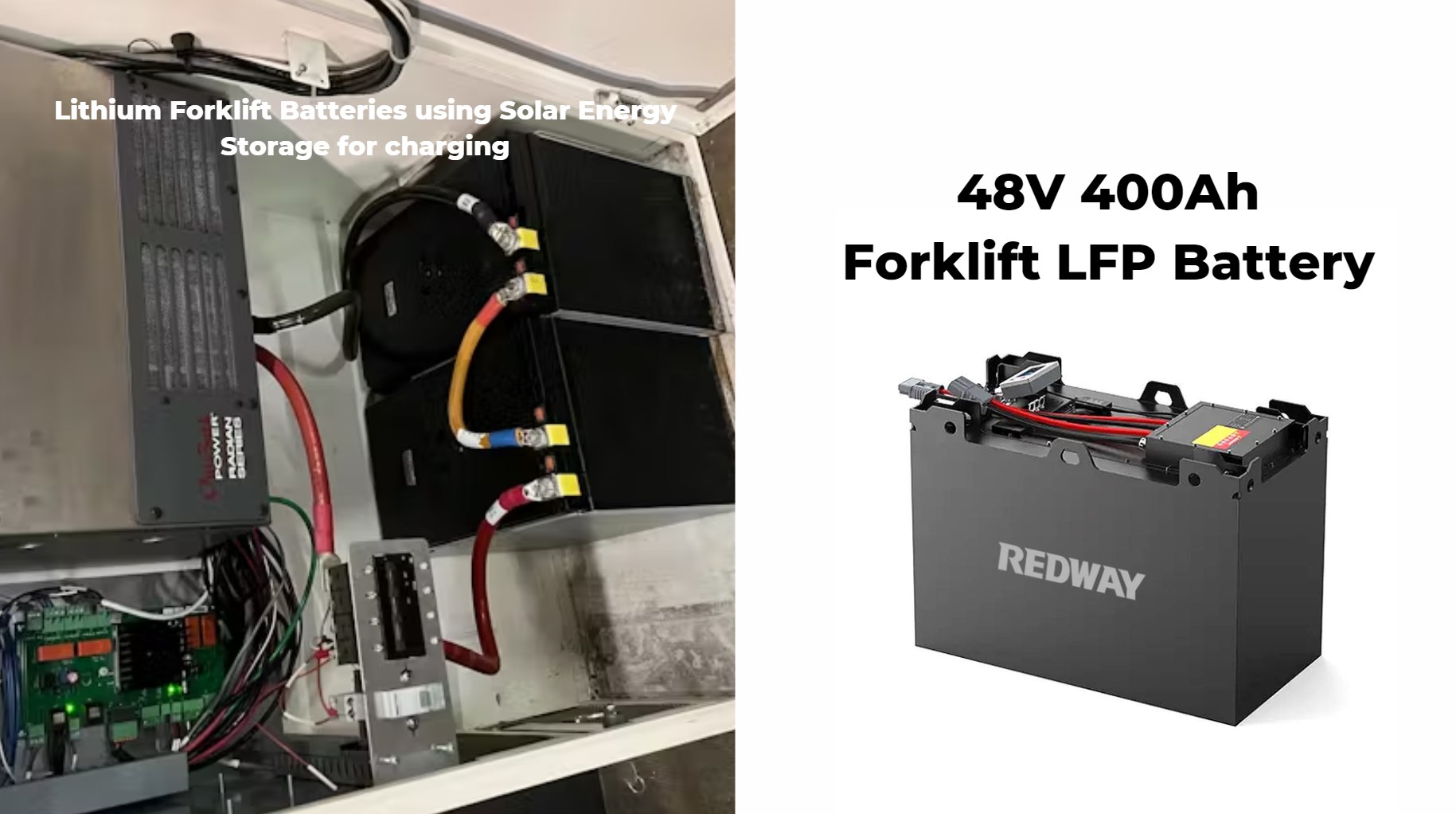
Yes, forklift batteries can be used for home solar systems as they provide reliable energy storage. Their high capacity makes them suitable for storing excess solar energy generated during the day for use at night or during cloudy periods.Using forklift batteries for home solar systems is a viable option if they meet specific voltage and capacity requirements, providing a cost-effective solution for energy storage while promoting sustainability.

Why Can Forklift Batteries Be Used for Home Solar Systems?

Forklift batteries are designed for deep cycling and can handle frequent charge and discharge cycles, making them effective for solar energy storage. Their robust construction allows them to deliver consistent power over extended periods, which is ideal for home solar applications.

What Types of Forklift Batteries Are Available for Solar Applications?

The most common types of forklift batteries suitable for solar applications are lead-acid and lithium-ion. Lead-acid batteries are cost-effective and widely available, while lithium-ion batteries offer longer lifespans and faster charging capabilities, making them increasingly popular in renewable energy setups.Forklift batteries predominantly come in two types: deep-cycle lead-acid and lithium-ion.
TypeCharacteristics
Deep-Cycle Lead-AcidSteady power over long durations
Lithium-IonHigh efficiency, longer cycle life
Deep-cycle lead-acid batteries are known for their reliability in providing consistent power over extended periods, while lithium-ion batteries offer improved efficiency and longevity, making them increasingly popular in solar applications.Know More:Where Can You Find Forklift Batteries for Sale Near Me? Can Forklift Batteries Be Used for Home Solar? What Are Forklift Batteries in Belgium? What Are the Key Features of Deka Forklift Batteries? What Are the Benefits of Using Great Lakes Industrial Forklift Batteries? Where Can You Find Reliable Forklift Batteries in Houston?

What Are the Advantages of Using Forklift Batteries in Solar Systems?

Advantages include high capacity for energy storage, cost-effectiveness compared to specialized solar batteries, and durability. Forklift batteries can provide reliable power during non-sunny periods, ensuring a consistent energy supply for home use.Utilizing forklift batteries presents several benefits:
AdvantageDescription
High Cycle LifeLithium-ion batteries can endure thousands of cycles, ensuring longevity.
EfficiencyThey typically operate at around 95% efficiency, minimizing energy loss.
Fast ChargingCapable of rapid recharging, accommodating fluctuating solar energy availability.
DurabilityDesigned for industrial use, they withstand harsh conditions effectively.
These advantages make forklift batteries a compelling choice for homeowners seeking reliable energy storage solutions.

How Do Forklift Batteries Compare to Traditional Solar Batteries?

Forklift batteries are often more affordable than traditional solar batteries but may not offer the same efficiency or longevity. While they can serve well in solar applications, specialized solar batteries typically provide better performance tailored to renewable energy needs.When comparing forklift batteries with traditional solar batteries, several factors come into play:
  • Cost: Forklift batteries are often more affordable than new solar-specific batteries.
  • Performance: While traditional batteries are optimized for solar applications, forklift batteries may require additional considerations regarding charge/discharge cycles.
  • Lifespan: Both types can offer long lifespans, but maintenance practices can significantly impact longevity.

What Key Considerations Should Homeowners Keep in Mind?

Homeowners should consider battery compatibility with their solar system, safety standards, required modifications for installation, and maintenance needs. Understanding the specific charge and discharge characteristics is also crucial to ensure optimal performance.
  1. Voltage Compatibility: Ensure that the battery voltage matches your inverter requirements (commonly 12V, 24V, or 48V).
  2. Battery Management Systems (BMS): A BMS is essential for monitoring battery health and ensuring safe operation.
  3. Installation Requirements: Modifications may be necessary to fit forklift batteries into existing solar setups.

How Can Homeowners Ensure Safety When Using Forklift Batteries?

To ensure safety, homeowners should follow proper installation guidelines, ensure adequate ventilation during charging, regularly inspect the battery for leaks or damage, and use protective gear when handling batteries. Adhering to safety standards is essential to prevent accidents.
  • Adhere to Safety Standards: Ensure that the battery meets relevant safety standards such as overcharge protection and short circuit protection.
  • Regular Inspections: Conduct periodic checks on connections and overall battery health to prevent safety hazards.
  • Proper Installation: Engage professionals if necessary to ensure safe integration into your solar system.

What Maintenance Practices Are Essential for Longevity?

Essential maintenance practices include regularly checking electrolyte levels (for lead-acid), cleaning terminals to prevent corrosion, monitoring charge cycles, and ensuring proper ventilation during charging. Following these practices helps prolong battery life and performance.To maximize the lifespan of forklift batteries used in solar applications:
  1. Regular Inspections: Monitor connections and terminals for corrosion or wear.
  2. Charging Practices: Avoid deep discharging; follow recommended charging schedules to maintain battery health.
  3. Cleaning: Keep terminals clean to ensure good conductivity.

How Do Costs Compare Between Forklift Batteries and Other Options?

Forklift batteries are generally less expensive upfront than specialized solar batteries. However, homeowners should consider long-term costs related to maintenance and replacement frequency when evaluating overall cost-effectiveness compared to dedicated solar options.
  • Initial Investment: Repurposed forklift batteries can be acquired at a fraction of the cost.
  • Long-term Savings: While maintenance may add costs over time, the initial savings can be substantial if managed properly.

How Do Environmental Factors Impact Performance?

Environmental factors such as temperature and humidity can significantly impact forklift battery performance. Extreme temperatures may reduce efficiency and lifespan; thus, maintaining an optimal operating environment is crucial for maximizing battery functionality.
  • Temperature Sensitivity: Extreme temperatures can impact battery efficiency and lifespan; proper ventilation is crucial during installation.
  • Humidity Effects: High humidity levels can lead to corrosion; ensuring a dry installation environment can enhance durability.

What Are the Long-Term Implications of Using Repurposed Forklift Batteries?

Using repurposed forklift batteries can be cost-effective but may lead to shorter lifespans compared to dedicated solar batteries. Homeowners should evaluate performance over time, considering potential maintenance costs and reliability issues associated with older batteries.While repurposing forklift batteries offers immediate savings, it’s essential to consider long-term implications:
  • Lifecycle Management: Understanding how much life remains in a used battery is critical before integration into a solar system.
  • Potential Replacement Costs: Frequent replacements due to diminished capacity can negate initial savings.

Expert Views

“Using forklift batteries for home solar systems is a practical choice if done correctly,” says an expert from Redway Tech. “Their robust design allows them to handle energy storage effectively, but homeowners must ensure proper compatibility with their systems.”

Conclusion

In conclusion, forklift batteries can indeed serve as effective components in home solar systems when matched correctly with system requirements and safety standards. Their advantages include cost-effectiveness, high capacity, and durability, making them an appealing option for those looking to harness renewable energy efficiently.

FAQ Section

  • Can all types of forklift batteries be used in home solar systems? Yes, but compatibility with voltage requirements is essential.
  • What maintenance do forklift batteries require? Regular inspections, proper charging practices, and terminal cleaning are crucial.
  • Are there safety concerns when using forklift batteries? Yes, adherence to safety standards and regular monitoring are necessary.
Search products
Product has been added to your cart