
Rack Battery Voltage & Capacity
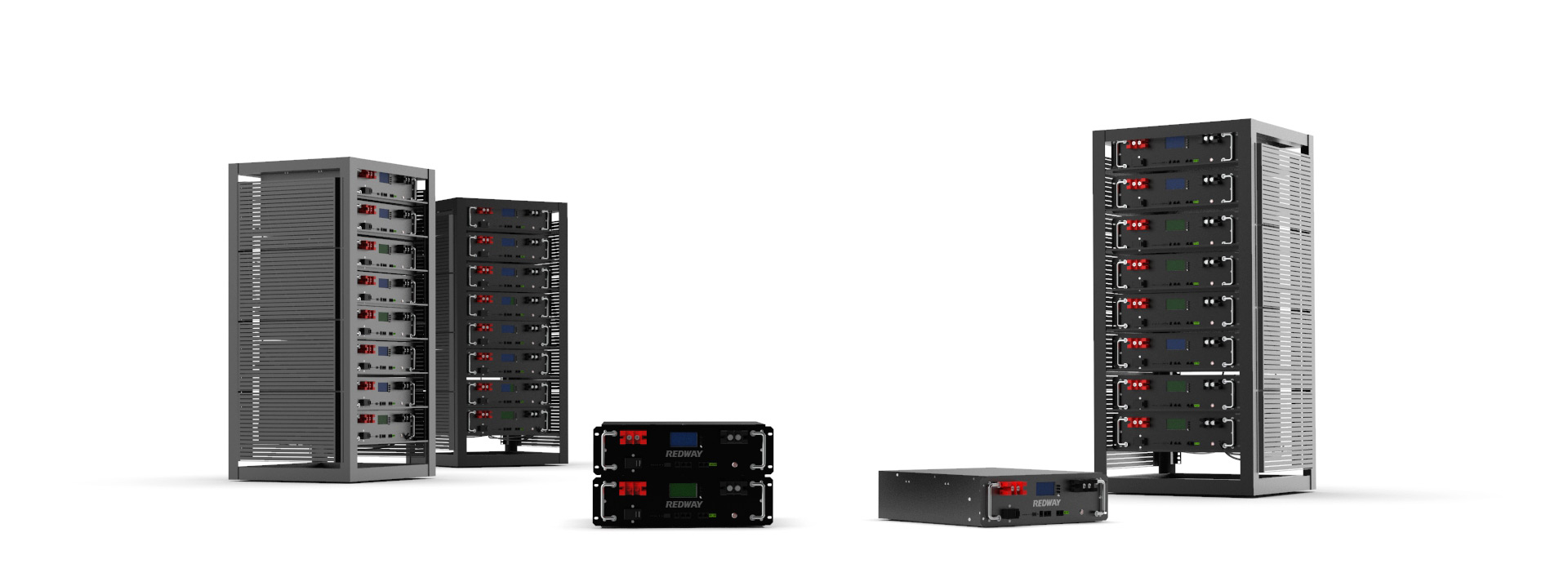
Specify the critical power system before choosing the module. Use watt-hours for autonomy and current for power. Confirm the full charge and discharge window rather than comparing nominal voltage alone, then size parallel modules, busbars, cables and protection for balanced current and planned expansion.
Start with the system limit that cannot fail
This route belongs to the wider Rack Batteries hub. Use watt-hours for autonomy and current for power. Confirm the full charge and discharge window rather than comparing nominal voltage alone, then size parallel modules, busbars, cables and protection for balanced current and planned expansion.
 ARCHITECTURE
Confirm voltage and load
Define the bus, autonomy, surge and redundancy before module selection.
Set the limits →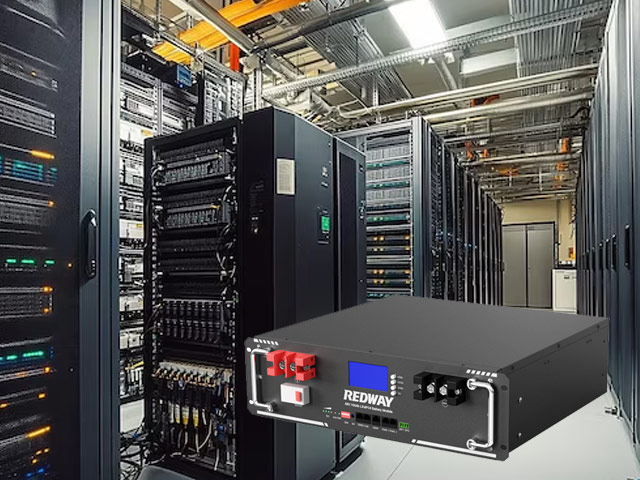 INTEGRATION
Connect power and data
Approve inverter limits, protocols, cabinet fit and protection together.
Plan integration →VALIDATIONTest critical events
Verify transfer, surge, isolation, alarms, current sharing and recovery.
Request an engineering review →Fix the DC architecture before selecting modules
The bus voltage, inverter or UPS window and protection scheme define the compatible module set. Nominal labels such as 48V and 51.2V are not interchangeable without checking charge limits, low-voltage cut-off and communications. Record continuous and surge load, redundancy requirements and permitted outage so capacity and current are sized against the real critical system.
- Voltage and Capacity Specs for OEM Rack Lithium Batteries?
- How to Install 3-Unit Expansion of 51.2V 100Ah Rack Batteries?
- Comprehensive Guide to 48V 100Ah Rack-mounted LiFePO4 Batteries by Redway Battery
- Comprehensive Guide to the Redway PM-LV51100-3U-PRO 51.2V 100Ah Rack-mounted LiFePO4 Battery
- Understanding the 48V 100Ah Rack-mounted Lithium Battery: Redway Battery Insights
Size usable energy and expansion together
Calculate watt-hours from the supported load and autonomy target, then include conversion losses, temperature, ageing and reserve. Expansion plans should state the maximum parallel count, cable balance, busbar rating and firmware rules. A future module cannot simply be added because it fits the rack; voltage, state of charge, impedance and communication compatibility must be controlled.
- Understanding 51.2V 100Ah Rack-mounted LiFePO4 Batteries: A Complete Guide
- How to Integrate Telecom Lithium Batteries with UPS and Backup Power Systems?
- How Can Telecom‑Grade Lithium Batteries from China Improve UPS and Backup Power Integration?
- How Much Can OEM Telecom Lithium Battery Production Capacity and Lead Times Realistically Be Improved in 2026?
- What Are the Best Rack Lithium Batteries for Uninterrupted Power?
Treat communication as a protection interface
CAN, RS485 and dry-contact signals coordinate charge limits, alarms and shutdown with the inverter, UPS or site controller. Confirm the protocol version, pinout, termination and device addressing before commissioning. A battery that supplies power but cannot exchange valid limits may operate outside its intended envelope or create nuisance shutdowns during a critical event.
- Navigating Power Solutions: UPS Battery System vs Inverter
- How to Upgrade Powercom KIM-2200 UPS Batteries Safely?
- How to Optimize Rack Lithium Battery Energy Density?
- Solar Batteries vs. Generators: Which Backup Power Solution Is Right for You?
- How Can Energy Density Optimization Transform Rack Lithium Batteries from Chinese Manufacturers?
Design airflow, clearance and service access
Rack density concentrates heat and fault energy. Keep manufacturer clearances, confirm front-to-back or room airflow, protect terminals and route cables without blocking module removal. Temperature sensors should represent the hottest operating location. The installation must allow one module to be isolated, inspected and replaced without disturbing adjacent live equipment or defeating the redundancy plan.
- What Inverters Are Compatible with 51.2V Rack Batteries?
- What Makes Samsung Rack Mount Batteries a Top Choice for Energy Storage?
- What Are the Key Guidelines for Installing Industrial Energy Storage Racks
- How Can Energy-Efficient Cooling Systems Optimize Server Rack Performance?
- How Do Sustainable Energy Server Rack Battery Recycling Programs Work?
Commission under the real critical load
Test steady load, transfer events, inverter surge, communication loss and charger recovery. Record module current sharing, voltage spread, temperature, alarms and recharge time. Repeat the test after an intentional module isolation when redundancy is required. A written baseline turns later monitoring into useful diagnostics and proves that the complete system—not only each battery—meets the acceptance plan.
- Understanding Redway Battery’s 48V 50Ah Rack-Mounted LiFePO4 Battery: A Complete Guide
- How Are Energy Vault and RackScale Revolutionizing Data Center Energy Storage?
- What Are the Best Server Rack Cooling and Power Management Solutions
- What Are the Best Practices for Installing 48V Lithium-Ion Server Rack Batteries?
- How Do Rack Mount Backup Batteries Ensure Uninterrupted Power Supply?
Keep the acceptance record with the system
Document approved module, firmware, protocol, cable, protection and charger settings. Add commissioning measurements for current sharing, temperature, transfer events and recharge time. This record prevents incompatible expansion and gives service teams a reliable baseline for alarms, capacity loss or communication faults.
Use monitoring to preserve the design intent
Trend module voltage, current, temperature, state of charge, state of health and alarm history rather than waiting for a shutdown. Define thresholds and escalation owners, compare parallel-module current sharing, and investigate drift before it reduces redundancy. Periodic review also confirms that load growth, firmware changes or cabinet modifications have not moved the installation outside its approved limits.
Build storage around the critical load
Energy, current, redundancy, communication, cooling and service procedures must describe one system.
Request a rack battery reviewRack Battery Voltage & Capacity questions
What should be checked first for Rack Battery Voltage & Capacity?
Confirm DC bus voltage, required usable energy, continuous and surge current, rack dimensions, inverter or UPS compatibility, communications and ambient temperature before comparing products.
How many articles are included in this Rack Battery Voltage & Capacity route?
This page links to 25 focused rack, server and telecom battery articles plus its parent hub and engineering route.
Why are 48V and 51.2V common rack battery ratings?
They align with common telecom and inverter architectures, but charger limits, communication protocols and series-cell configuration still require confirmation.
Can rack batteries be expanded later?
Yes only when the manufacturer permits parallel expansion and the added modules match voltage, firmware, communication, state of charge and protection requirements.
What should an OEM send for a quotation?
Send bus voltage, usable energy, peak load, rack units, inverter or UPS model, protocol, temperature, redundancy target, compliance markets and annual volume.
Turn the critical-load data into a battery brief
Send voltage, load, autonomy, rack units, inverter or UPS model, protocol, environment and annual volume.
Contact Redway