Redway Power · LiFePO4 battery factory for OEM & wholesale, 12V to 100V|Tel +86 189 7608 1534|Get a quick quote
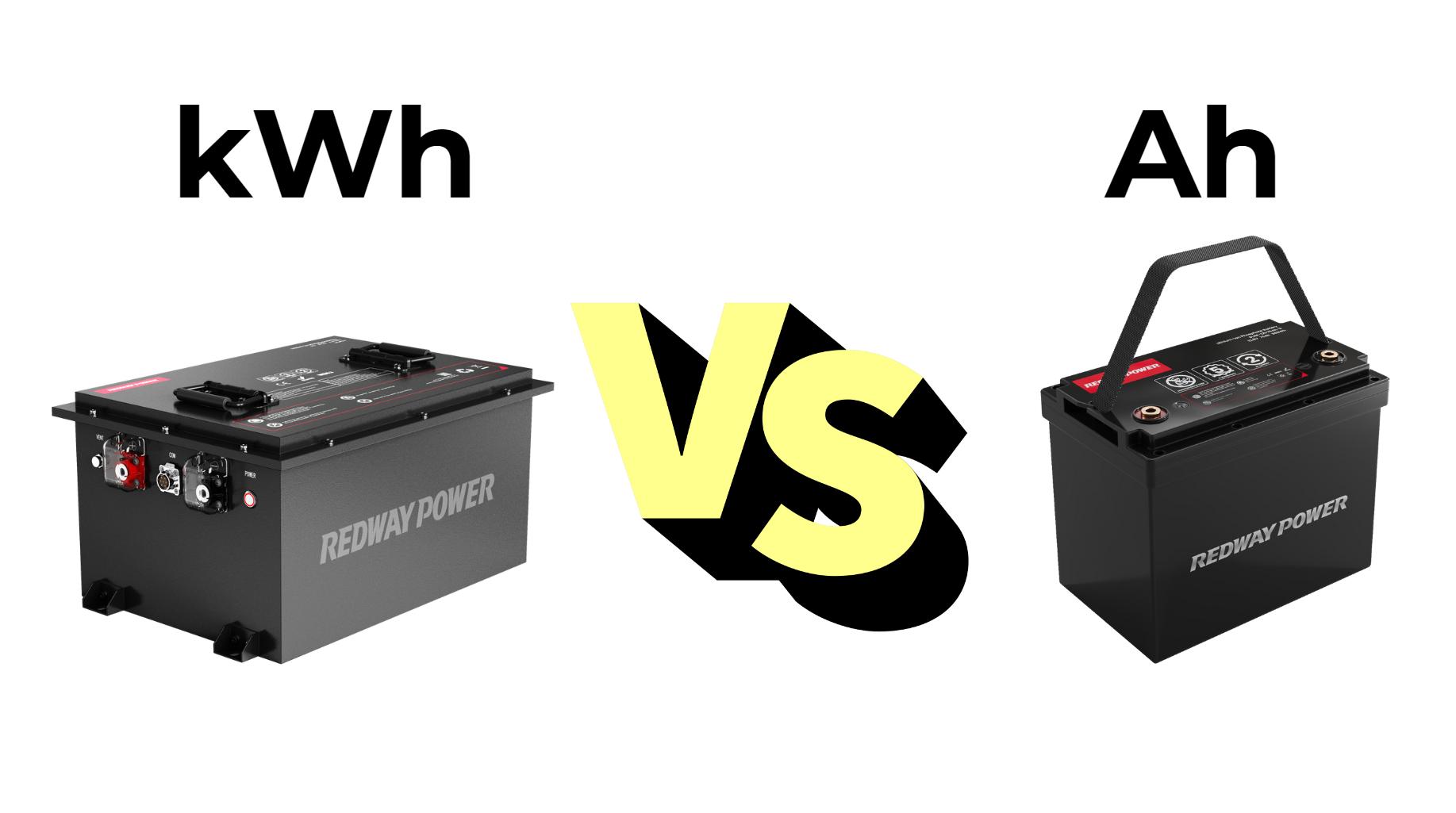
How to Convert kWh to Ah (Formula and Calculator)

How to Convert kWh to Ah (Formula and Calculator)

Converting kilowatt hours (kWh) to amp hours (Ah) is essential for understanding battery capacity and energy consumption. The formula for this conversion is straightforward: Ah = (kWh × 1000) / V, where V represents voltage. For example, if you have a battery rated at 2 kWh and a voltage of 12V, the calculation would yield 166.67 Ah. This conversion is crucial for optimizing energy management in various applications.

Understanding Kilowatt Hours and Amp Hours

Converting kilowatt hours (kWh) to amp hours (Ah) is a straightforward calculation. To convert kWh to Ah, divide the kilowatt hours by the voltage (V). The formula is Ah = kWh / V. For instance, if you have a 10 kWh battery with a voltage of 24V, the calculation would be 10 kWh / 24V = 0.4167 Ah. Use our kilowatt hours to amp hours conversion calculator for easy and accurate conversions at different voltage levels.

kWh to Ah Calculator

Enter the values in the boxes, press ‘Convert’, and see the result. kWh to Ah

Amp-hours (Ah):

1. Definitions

  • Kilowatt Hours (kWh): A unit of energy that measures the total amount of electricity consumed over time. It indicates how much power is used in one hour.
  • Amp Hours (Ah): A unit of electric charge that represents how many amps a battery can deliver over one hour, commonly used to describe battery capacity.

2. The Relationship Between kWh and Ah

The relationship between kilowatt hours and amp hours can be expressed with the formula: Ah=kWh×1000/V. This formula allows users to convert between these two measurements, facilitating better understanding and comparison of battery capacities.

3. Related Calculators

Calculating kWh to Ah

1. Example Calculation

To illustrate how to convert kilowatt hours to amp hours, consider a battery with a capacity of 3 kWh and a voltage of 24V: Ah=3 kWh×1000 / 24 V=125 Ah. This calculation indicates that the battery can provide 125 amp hours of energy.

2. Practical Applications

Understanding how to convert kWh to Ah is crucial for determining how long a battery can power specific devices. For instance, if you have a device that consumes 300 watts, you can estimate its runtime using: Runtime hours =kWh×1000/Power W. Using our previous example: Runtime=3 kWh×1000/300 W=10 hours.

Using a Calculator for Conversion

1. Online Conversion Tools

For quick and accurate conversions between kilowatt hours and amp hours, online calculators are available. These tools allow users to input their specific kWh and voltage values, providing immediate results without manual calculations.

2. Manual Calculation Tips

When calculating manually, ensure that you have the correct voltage value for your specific battery system. Double-check your calculations for accuracy, especially when working with larger numbers.

Comparison of Battery Capacities

When comparing batteries, it’s essential to understand that amp hours alone do not provide a complete picture of energy capacity. For example, two batteries may have the same amp hour rating but different voltages, leading to different kilowatt hour capacities.

Battery TypeVoltage (V)Capacity (Ah)Total Capacity (kWh)
Battery A121001.2
Battery B24501.2
Battery C122002.4

In this comparison, both Battery A and Battery B provide the same total capacity in kilowatt hours but differ in their amp hour ratings due to their voltage differences.

Latest News

Recent advancements in battery technology highlight significant innovations aimed at improving performance and sustainability:

  • Researchers are focusing on new materials that enhance energy density in lithium-ion batteries, leading to higher kilowatt hour ratings without increasing size.
  • Companies are developing smart battery management systems that optimize charging cycles based on real-time usage data.
  • The demand for renewable energy storage solutions continues to rise, driving innovation in battery technologies capable of higher capacities.

Redway Expert Comment

“As experts in lithium LiFePO4 technology at Redway Battery, we understand that converting kilowatt hours to amp hours is crucial for evaluating battery performance. Our LiFePO4 batteries offer superior energy density and longevity, ensuring users get the most out of their power solutions. By focusing on these specifications, we help customers make informed decisions tailored to their specific needs.”

Conclusion: How to Convert kWh to Ah

In summary, converting kilowatt hours to amp hours is essential for understanding battery capacities and performance. By using the formula Ah = (kWh × 1000) / V, users can easily calculate the amp hour rating based on their specific voltage requirements.As technology continues to evolve, we can expect further enhancements in battery performance and efficiency that will improve energy storage solutions across various applications.

FAQs

What are some practical examples of using the kWh to Ah conversion in real-world applications? The kWh to Ah conversion is commonly used in designing electric vehicles (EVs) to assess battery capacity and range. For instance, a 60 kWh battery operating at 400 volts can be converted to Ah to determine how long it can power the vehicle. Similarly, in solar power systems, converting battery capacity helps estimate energy availability for homes.

How does voltage affect the accuracy of the kWh to Ah conversion? Voltage significantly impacts the kWh to Ah conversion because it determines how much current (in Ah) can be drawn from a given energy capacity (in kWh). Higher voltages result in lower Ah for the same kWh, affecting calculations and potentially leading to inaccuracies if the voltage fluctuates during operation.

Are there any online tools or calculators specifically for converting kWh to Ah? Yes, several online calculators facilitate the conversion of kWh to Ah. Websites like Redway Power and iCalculator provide user-friendly tools where you simply input the kWh and voltage to obtain the equivalent Ah, streamlining the calculation process for various applications.

Can the kWh to Ah conversion be applied to all types of batteries? The kWh to Ah conversion can generally be applied to all types of batteries, provided you know the battery’s voltage. However, variations in chemistry and discharge characteristics may affect real-world performance, so it’s essential to consider specific battery behaviors when using this conversion.

What are the common mistakes to avoid when converting kWh to Ah? Common mistakes include neglecting to account for voltage fluctuations, which can lead to inaccurate results. Additionally, assuming constant voltage during discharge can misrepresent actual performance. It’s also crucial not to confuse units; ensure you’re using consistent measurements throughout the calculations.

How does Tesla improve the environment?

How does Tesla improve the environment?

Tesla improves the environment primarily through its commitment to sustainable energy solutions. By producing electric vehicles (EVs) that reduce greenhouse gas emissions, investing in solar energy, and developing energy storage systems, Tesla plays a pivotal role in promoting a cleaner, more sustainable future.

Electric Vehicles: A Game Changer

Tesla’s electric vehicles are at the forefront of reducing carbon emissions. Traditional gasoline-powered cars contribute significantly to air pollution and climate change. By offering a range of electric models, Tesla not only provides consumers with an eco-friendly alternative but also encourages the automotive industry to shift towards sustainable practices.
  1. Zero Emissions: Tesla vehicles produce no tailpipe emissions, significantly lowering urban air pollution levels.
  2. Energy Efficiency: Tesla EVs are designed for maximum efficiency, converting a higher percentage of electrical energy from the grid to power at the wheels compared to traditional vehicles.
  3. Regenerative Braking: This technology allows Tesla cars to recover energy during braking, further enhancing their efficiency and range.

Electric Vehicles: A Game Changer, How does Tesla improve the environment?

Solar Energy Solutions

In addition to electric vehicles, Tesla is heavily invested in solar energy products. The company offers solar panels and solar roof tiles that harness renewable energy from the sun.
  1. Clean Energy Generation: Solar products allow homeowners to generate their own electricity, reducing reliance on fossil fuels.
  2. Energy Storage: Tesla’s Powerwall and Powerpack systems store solar energy for later use, ensuring that homes can utilize renewable energy even when the sun isn’t shining.
  3. Grid Stability: By integrating solar energy with battery storage, Tesla contributes to a more stable and resilient energy grid.

Sustainable Manufacturing Practices

Tesla is committed to sustainability not just in its products but also in its manufacturing processes.
  1. Recycling Initiatives: The company has implemented recycling programs for battery materials, reducing waste and conserving resources.
  2. Sustainable Materials: Tesla strives to use sustainable materials in its manufacturing processes, including recycled aluminum and ethically sourced minerals.
  3. Energy-Intensive Production: The Gigafactories are designed to be powered by renewable energy sources, minimizing their environmental impact.

Latest News

  • Tesla recently announced plans to expand its solar and battery storage offerings, aiming for greater integration with renewable energy sources.
  • The company has set ambitious goals for reducing its carbon footprint across all operations by 2030.
  • New partnerships with renewable energy providers have been established to enhance community access to sustainable energy solutions.

Redway Expert Comment

“In our view at Redway Battery, Tesla’s innovative approach to sustainability sets a benchmark for the automotive and energy sectors. Their focus on electric vehicles and renewable energy not only addresses immediate environmental concerns but also paves the way for a sustainable future. As we continue to develop our Lithium LiFePO4 batteries, we are inspired by Tesla’s commitment to eco-friendly technologies.

Conclusion

Tesla’s multifaceted approach to improving the environment through electric vehicles, solar energy solutions, and sustainable manufacturing practices showcases how innovation can drive positive change. By leading the charge toward a more sustainable future, Tesla not only benefits consumers but also contributes significantly to global efforts in combating climate change.

FAQs

What are the latest advancements in Tesla’s environmental initiatives? Tesla’s recent Impact Report highlights its commitment to reducing supply chain emissions, focusing on transparency and responsible sourcing of materials. The company aims for net-zero emissions across the product lifecycle and is investing in renewable energy, including a lithium refinery that minimizes harmful byproducts.How does Tesla’s use of lithium-ion batteries impact the environment? Lithium-ion batteries contribute significantly to Tesla’s carbon footprint, accounting for 25-30% of greenhouse gas emissions in its supply chain. Mining and refining materials like lithium and nickel have substantial environmental impacts, prompting Tesla to pursue more sustainable sourcing practices and transparency in its supply chain.What specific measures does Tesla take to reduce its carbon footprint? Tesla focuses on reducing greenhouse gas emissions across all operational areas. This includes transitioning to 100% renewable energy for operations, enhancing battery efficiency, and implementing strict supplier emission reduction plans. The company also invests in recycling initiatives to minimize waste and maximize resource recovery.How does Tesla’s battery recycling program work? Tesla’s battery recycling program aims to recover valuable materials from used batteries. The company has developed a reverse logistics system to retrieve batteries from sold vehicles, successfully recovering significant amounts of nickel, cobalt, lithium, and copper for reuse, ensuring none of its batteries end up in landfills.What are the environmental benefits of Tesla’s electric vehicles? Tesla’s electric vehicles significantly reduce greenhouse gas emissions compared to traditional internal combustion engine vehicles. Each Tesla on the road avoids emitting about 51 tons of CO2 equivalent over its lifetime, contributing to a cleaner environment and supporting global climate goals through reduced reliance on fossil fuels.
What is a 2nd Life Battery?

What is a 2nd Life Battery?

A 2nd life battery refers to a battery that has completed its primary use in applications like electric vehicles (EVs) and is repurposed for secondary applications. These batteries still retain a significant portion of their capacity, making them suitable for uses such as energy storage systems in homes or commercial buildings. The transition to 2nd life applications helps reduce waste and promotes sustainability.

Understanding 2nd Life Batteries

The concept of 2nd life batteries is gaining traction as the demand for sustainable energy solutions increases. Typically, batteries, especially Lithium-ion types, degrade over time but can still function effectively for less demanding applications. The repurposing of these batteries not only extends their lifespan but also contributes to environmental conservation by reducing the need for new battery production.

Benefits of 2nd Life Batteries

  1. Cost-Effective Energy Storage: Utilizing 2nd life batteries can significantly lower the cost of energy storage solutions, making renewable energy sources more accessible.
  2. Environmental Impact: By repurposing batteries, we can minimize electronic waste and reduce the carbon footprint associated with battery manufacturing.
  3. Grid Stability: These batteries can provide backup power and help stabilize the grid by storing excess energy generated during peak production times.
  4. Innovation in Recycling: The development of 2nd life battery systems encourages advancements in recycling technologies, promoting a circular economy.

Latest News

  • Recent studies highlight that using 2nd life batteries can contribute to a more sustainable energy ecosystem.
  • Major companies are investing in research to improve the efficiency and lifespan of repurposed batteries.
  • Legislative efforts are underway in various regions to promote the use of second life batteries as part of renewable energy initiatives.

Redway Expert Comment

In our experience at Redway Battery, the potential of 2nd life batteries is immense. As we continue to innovate in Lithium LiFePO4 technology, we see an opportunity not just for cost savings but also for significant environmental benefits. By integrating these solutions into our offerings, we can help customers transition to more sustainable practices while maximizing the value of their existing battery assets.”

Conclusion

The evolution of 2nd life batteries represents a pivotal shift toward sustainable energy practices. By leveraging existing resources effectively, we can drive innovation and contribute positively to our environment. As experts in Lithium LiFePO4 technology, we at Redway Battery are committed to providing tailored solutions that meet the demands of this emerging market.
Why Is Wireless Charging Slower Than Wired?

Why Is Wireless Charging Slower Than Wired?

Wireless charging is generally slower than wired charging due to the inefficiencies in energy transfer. While wired chargers deliver power directly through a cable, wireless chargers rely on electromagnetic fields to transfer energy, which can result in energy loss and longer charging times. Factors like alignment and distance between the charger and device also impact speed.

Understanding Wireless Charging Technology

1. How Wireless Charging Works

Wireless charging uses inductive charging technology, which involves two coils: one in the charger and one in the device. When the charger is powered on, it creates an electromagnetic field that induces a current in the device’s coil, charging its battery. This method, while convenient, introduces several inefficiencies.

2. Energy Loss During Transfer

The energy transfer in wireless charging is not 100% efficient. Typically, around 20-30% of the energy can be lost as heat during the process. In contrast, wired charging can achieve efficiencies of 90% or more, allowing for faster and more effective energy delivery.

Factors Contributing to Slower Charging Speeds

1. Alignment Issues

Proper alignment between the device and the charger is crucial for efficient power transfer. If the coils are misaligned, energy transfer becomes less effective, resulting in slower charging speeds. Users must ensure their devices are placed correctly on the charging pad.

2. Distance Between Coils

The distance between the charging coils also affects charging speed. The greater the distance, the more energy is lost in transmission. Wireless chargers typically work best when devices are placed directly on them, minimizing this distance.

3. Charging Standards

Different devices and chargers may use various standards for wireless charging, such as Qi or PMA. Each standard has its own efficiency levels and power output capabilities, which can impact how quickly a device charges wirelessly.

4. Heat Generation

Wireless charging generates more heat than wired charging due to energy loss during transfer. Excessive heat can lead to throttling, where the charger reduces power output to prevent overheating, further slowing down the charging process.

Comparison of Charging Speeds

Charging MethodTypical Power OutputAverage Charging Time
Wired Charging10W – 100W1 – 2 hours
Wireless Charging5W – 15W2 – 4 hours

Latest News

Recent developments in wireless charging technology are aimed at improving efficiency and speed:
  • Researchers are exploring new materials that enhance inductive coupling, potentially increasing energy transfer efficiency.
  • Companies are developing faster wireless charging standards that could deliver higher wattage without overheating.
  • Innovations in alignment technology are being tested to minimize misalignment issues during wireless charging.

Redway Expert Comment

“As experts in lithium LiFePO4 technology at AAA Battery, we recognize that while wireless charging offers convenience, it often falls short in speed compared to wired solutions. Our focus remains on providing high-efficiency batteries that support both wired and wireless technologies effectively. As advancements continue in wireless technology, we anticipate improvements that will bridge this gap.”

Conclusion: Why Is Wireless Charging Slower Than Wired?

In conclusion, wireless charging is slower than wired due to inefficiencies inherent in energy transfer methods, alignment issues, distance between coils, varying standards, and heat generation. While it offers unmatched convenience for users, those seeking faster charging times may still prefer wired options.As technology evolves, we expect enhancements in wireless charging methods that may reduce these inefficiencies over time. For now, understanding these factors will help users make informed choices about their charging solutions.

FAQs

What are the main differences between wireless and wired charging technologies? Wired charging uses a physical connection between the device and charger, allowing for faster and more efficient energy transfer. In contrast, wireless charging relies on electromagnetic fields to transmit energy, offering convenience but generally slower speeds and lower efficiency.How does the efficiency of wireless charging compare to wired charging? Wireless charging is typically less efficient than wired charging, with efficiency rates around 50% to 80%. This inefficiency arises from energy loss during the conversion process from electrical to magnetic energy and back, while wired charging maintains a direct connection, minimizing energy loss.What are the primary reasons for the slower charging speed of wireless charging? The slower speed of wireless charging is primarily due to its reliance on electromagnetic induction, which is inherently less efficient than direct electrical connections. Additionally, misalignment between the device and charger can further reduce power transfer efficiency.Are there any advancements being made to improve wireless charging speeds? Yes, advancements like Qi2 and MagSafe technologies aim to enhance wireless charging speeds by improving coil alignment and increasing power output. Some devices are now capable of achieving up to 100W wireless charging, significantly reducing charge times compared to earlier models.How do different wireless charging standards impact charging speeds? Different standards, such as Qi and proprietary technologies like MagSafe, affect charging speeds significantly. Qi generally offers lower power outputs (5-15W), while newer standards can support higher outputs (up to 100W), leading to faster charging times when compatible devices are used.
What Makes Up a Good Battery?

What Makes Up a Good Battery?

A good battery is characterized by several key components: high energy density, long lifespan, fast charging capability, and robust safety features. Additionally, a reliable battery should maintain consistent performance across various temperatures and conditions. The choice of materials, such as lithium iron phosphate (LiFePO4), can significantly enhance these attributes, making batteries more efficient and durable.

Key Components of a Good Battery

1. Energy Density

Energy density refers to the amount of energy stored in a given volume or mass. A good battery should have a high energy density to maximize performance while minimizing size and weight. For instance, lithium-ion batteries typically offer higher energy densities compared to traditional lead-acid batteries, making them ideal for applications where space and weight are critical.

2. Lifespan

The lifespan of a battery is crucial for its overall value. A good battery should endure numerous charge and discharge cycles without significant degradation in performance. Lithium iron phosphate (LiFePO4) batteries can last over 4000 cycles, while conventional lead-acid batteries may only last 500 to 1000 cycles. This longevity reduces the frequency of replacements and enhances cost-effectiveness.

3. Charging Speed

Fast charging capability is another important attribute of a good battery. Users benefit from reduced downtime when batteries can be charged quickly. For example, many lithium batteries can achieve a full charge in just a few hours, compared to the longer charging times required for lead-acid options.

4. Safety Features

Safety is paramount when it comes to battery technology. A good battery should include built-in safety features such as:
  • Over-voltage protection
  • Over-current protection
  • Short-circuit protection
  • Temperature monitoring
These mechanisms help prevent accidents and ensure that the battery operates safely under various conditions.

5. Temperature Tolerance

A quality battery should perform efficiently across a wide temperature range. Extreme temperatures can negatively impact performance and lifespan. For instance, lithium batteries generally maintain better performance in both hot and cold conditions compared to lead-acid batteries, which can suffer from reduced capacity in extreme heat or cold.

Comparison of Battery Types

FeatureLithium-IonLead-AcidLiFePO4
Energy DensityHighModerateVery High
Lifespan500 – 1500 cycles500 – 1000 cycles4000+ cycles
Charge TimeFast (2-5 hours)Slow (8-12 hours)Fast (2-5 hours)
Safety FeaturesModerateBasicAdvanced
Temperature ToleranceExcellentModerateExcellent

Latest News

Recent developments in battery technology highlight ongoing innovations aimed at improving performance and sustainability:
  • Researchers are exploring new materials that enhance energy density while reducing costs.
  • Advances in recycling technologies aim to minimize waste and recover valuable materials from used batteries.
  • The demand for high-performance batteries continues to grow with the rise of electric vehicles and renewable energy systems.

Redway Expert Comment

“As experts in lithium LiFePO4 technology at AAA Battery, we understand that the components that make up a good battery are critical for its performance and reliability. Our LiFePO4 batteries exemplify high energy density, long lifespan, and robust safety features, making them an excellent choice for various applications including golf carts and solar energy systems. We remain committed to advancing battery technology to meet our customers’ needs.”

Conclusion: What Makes Up a Good Battery?

In summary, a good battery is defined by its high energy density, long lifespan, fast charging capabilities, robust safety features, and temperature tolerance. Lithium iron phosphate batteries stand out as an optimal choice due to their superior attributes compared to traditional lead-acid options.By understanding these key components, users can make informed decisions when selecting batteries for their specific applications. As advancements in technology continue to emerge, we can expect even greater improvements in battery performance and efficiency.
Can a lithium battery last 15 years?

Can a lithium battery last 15 years?

Yes, lithium batteries, particularly Lithium Iron Phosphate (LiFePO4) batteries, can last up to 15 years or more with proper care and usage. Factors such as depth of discharge, charging habits, and environmental conditions significantly influence their longevity. Users can maximize battery life by following best practices in maintenance and charging.

Understanding Lithium Battery Lifespan

1. Factors Influencing Lifespan

The lifespan of lithium batteries is influenced by several key factors:
  • Depth of Discharge (DoD): Regularly discharging a battery to its full capacity can shorten its lifespan. Maintaining a higher state of charge can help extend its life.
  • Temperature: Extreme temperatures can negatively impact battery performance. Ideally, lithium batteries should be kept in a temperature range of 20°C to 25°C (68°F to 77°F).
  • Charging Practices: Using the correct charger and avoiding overcharging can significantly enhance battery longevity.

2. Types of Lithium Batteries

Different types of lithium batteries have varying lifespans:
  • Lithium-Ion Batteries: Common in consumer electronics, they typically last around 500 to 1500 cycles.
  • Lithium Iron Phosphate (LiFePO4) Batteries: Known for their stability and safety, they can last over 4000 cycles, making them ideal for applications requiring long-term reliability.

Comparison of Lithium Battery Lifespan

Battery TypeTypical Lifespan (Cycles)Expected Years
Lithium-Ion500 – 1500 cycles2 – 5 years
Lithium Iron Phosphate4000+ cycles10+ years

Benefits of Longevity in Lithium Batteries

1. Cost Efficiency

Investing in lithium batteries that last longer reduces the need for frequent replacements, ultimately saving money over time. The initial investment may be higher, but the long-term savings are significant.

2. Reduced Environmental Impact

Longer-lasting batteries contribute to lower waste generation. By reducing the number of batteries disposed of, users help minimize their environmental footprint.

3. Enhanced Reliability

Batteries that last longer provide consistent power for applications such as electric vehicles, solar energy storage systems, and recreational vehicles (RVs). This reliability is crucial for users who depend on uninterrupted power supply.

Best Practices for Extending Battery Life

1. Optimal Charging Habits

To maximize the lifespan of your lithium battery, consider the following charging practices:
  • Use a charger specifically designed for lithium technology.
  • Avoid letting the battery discharge completely before recharging; aim to keep it above 20% charge.

2. Temperature Control

Store and operate your lithium batteries within the recommended temperature range. Avoid exposing them to extreme heat or cold, which can degrade performance over time.

3. Regular Maintenance

Perform regular checks on your battery’s health, including monitoring its voltage and capacity. This proactive approach can help identify issues before they lead to significant degradation.

Latest News

Recent advancements in lithium battery technology continue to enhance their longevity and efficiency:
  • Major manufacturers are investing in research to improve the lifespan of lithium batteries through advanced chemistries and materials.
  • The development of solid-state batteries promises even longer lifespans and improved safety features.
  • Increased focus on recycling methods aims to reduce environmental impact while maintaining the performance of lithium batteries.

Redway Expert Comment

“As experts in lithium LiFePO4 technology at AAA Battery, we recognize that the longevity of lithium batteries is one of their most appealing features. Our LiFePO4 batteries are designed to last over 15 years with proper care and usage. This makes them an excellent investment for anyone looking for reliable power solutions in applications like solar energy storage or electric vehicles.”

Conclusion: Can a Lithium Battery Last 15 Years?

In summary, lithium batteries, particularly those utilizing LiFePO4 technology, have the potential to last up to 15 years or more with proper care and usage. Their longevity makes them a reliable choice for various applications, including electric vehicles, RVs, and renewable energy systems.By adopting best practices in charging and maintenance, users can ensure that their lithium batteries perform optimally throughout their lifespan. As advancements in technology continue to emerge, we can expect even greater improvements in battery longevity and efficiency.
Watt Hours and Amp Hours calculation and comparison?

How to Convert Wh to Ah (Formula and Calculator)

Understanding the difference between watt hours (Wh) and amp hours (Ah) is crucial for anyone dealing with batteries and electrical systems. Watt hours measure energy capacity, while amp hours measure electric charge. To calculate watt hours, multiply the voltage (V) by the amp hours (Ah): Wh = V × Ah. This relationship helps in comparing battery capacities effectively.

Understanding Watt Hours and Amp Hours

Converting watt hours (Wh) to amp hours (Ah) is a simple process. To perform the conversion, divide the watt hours by the voltage (V) using the formula: Ah = Wh / V. For example, if you have a battery rated at 3000 Wh with a voltage of 12V, the calculation would be 3000 Wh / 12V = 250 Ah. For quick and accurate conversions at different voltage levels, you can use our watt hours to amp hours conversion calculator.

Wh to Ah Calculator

Enter the values in the boxes, press ‘Convert’, and see the result.

Amp-hours (Ah):

1. Definitions

  • Watt Hours (Wh): A unit of energy that represents the total amount of work done or energy consumed over time. It indicates how much power a device uses over a specific period.
  • Amp Hours (Ah): A unit of electric charge that represents the amount of current a battery can deliver over one hour. It is commonly used to describe the capacity of batteries.

2. The Relationship Between Wh and Ah

The relationship between watt hours and amp hours is defined by the formula:Wh=V×Ah Where:

  • Wh = watt hours
  • V = voltage
  • Ah = amp hours

This formula allows users to convert between these two measurements, enabling better understanding and comparison of battery capacities.

3. Related Calculators

Calculating Watt Hours

1. Example Calculation

To illustrate how to calculate watt hours, consider a battery with a voltage of 12V and a capacity of 100Ah: Wh=12V×100Ah=1200Wh. This means the battery can provide 1200 watt hours of energy before it needs recharging.

2. Practical Applications

Knowing how to calculate watt hours is essential for determining how long a battery can power devices. For instance, if you have a device that consumes 100 watts, you can estimate its runtime using the formula:Runtime hours =Wh/Power W. Using our previous example: Runtime=1200Wh/100W=12 hours.

Comparing Battery Capacities

Comparison of Watt Hours and Amp Hours

1. Amp Hours vs. Watt Hours

When comparing batteries, it’s essential to understand that amp hours alone do not give a complete picture of energy capacity. For instance, two batteries may have the same amp hour rating but different voltages, leading to different watt hour capacities.

Battery TypeVoltage (V)Capacity (Ah)Total Capacity (Wh)
Battery A121001200
Battery B24501200
Battery C122002400

In this comparison, both Battery A and Battery B provide the same total capacity in watt hours, but they differ in their amp hour ratings due to their voltage differences.

2. Importance in Selection

When selecting batteries for specific applications, consider both watt hours and amp hours. For example, if you need a longer runtime for high-power devices, prioritize higher watt hour ratings.

How to convert Wh to Ah

Latest News

Recent advancements in battery technology focus on enhancing efficiency and performance:

  • Researchers are exploring new chemistries that improve energy density in lithium-ion batteries, leading to higher watt hour ratings without increasing size.
  • Companies are developing smart battery management systems that optimize charging cycles based on real-time usage data.
  • The demand for renewable energy storage solutions continues to rise, driving innovation in battery technologies capable of higher capacities.

Redway Expert Comment

“As experts in lithium LiFePO4 technology at Redway Battery, we understand that both watt hours and amp hours are critical metrics for evaluating battery performance. Our LiFePO4 batteries offer superior energy density and longevity, ensuring users get the most out of their power solutions. By focusing on these specifications, we help customers make informed decisions tailored to their specific needs.”

Conclusion

In conclusion, understanding the calculations and comparisons between watt hours and amp hours is essential for anyone involved with batteries or electrical systems. By applying these principles, users can make informed decisions about which batteries best suit their needs based on both energy capacity and runtime requirements.As technology continues to evolve, we anticipate even more efficient energy storage solutions that will enhance performance across various applications.

To understand how to calculate watt hours of a battery, use the formula: watt-hours (Wh) = volts × amp-hours (Ah). Knowing how to calculate watt hours of a battery helps determine how long your device will run. This is essential for planning energy usage and choosing the right battery.

When converting Wh to hours, divide the total watt-hours by the device’s power consumption in watts. This simple Wh to hours calculation lets users estimate runtime based on battery capacity. Redway Battery, China LiFePO4 Battery Wholesale Supplier, offers reliable lithium solutions with clearly labeled specifications, making energy planning easier and more accurate.

FAQs

How do Watt Hours and Amp Hours differ in their measurement of battery capacity?
Watt Hours (Wh) measure energy capacity, indicating how much power a battery can deliver over time, while Amp Hours (Ah) measure charge capacity, showing the total current a battery can supply for a specific duration. The relationship is defined by the formula: Watt Hours = Amp Hours × Volts.

What factors influence the calculation of Watt Hours in lithium LiFePO4 batteries?
The calculation of Watt Hours in lithium LiFePO4 batteries is influenced by the battery’s voltage and its Amp Hour rating. Variations in temperature, discharge rates, and the efficiency of the battery management system (BMS) can also impact the effective energy output and thus the total Watt Hours available.

How do Amp Hours affect the performance of lithium LiFePO4 batteries in real-world applications?
Amp Hours directly impact the performance of lithium LiFePO4 batteries by determining how long a device can operate on a single charge. Higher Ah ratings allow for longer usage times at a given current draw, making them suitable for applications requiring sustained power, such as electric vehicles and renewable energy systems.

Can you provide a detailed example of calculating Watt Hours for a lithium LiFePO4 battery?
To calculate Watt Hours for a lithium LiFePO4 battery, use the formula: Watt Hours = Amp Hours × Volts. For example, if you have a 12V battery rated at 100 Ah:

WattHours=100 Ah×12 V=1200 Wh 

This means the battery can deliver 1200 Wh of energy.

How do Watt Hours and Amp Hours impact the overall efficiency of lithium LiFePO4 batteries?
Watt Hours and Amp Hours are critical in assessing overall efficiency. A higher Watt Hour rating indicates greater energy capacity, while sufficient Amp Hour ratings ensure that devices can draw power effectively. Together, they help determine how well a battery meets energy demands and its suitability for specific applications.

What is the formula to convert watt-hours (Wh) to amp-hours (Ah)?
To convert watt-hours to amp-hours, use the formula: Ah = Wh / V, where Wh represents watt-hours and V is the voltage in volts. This calculation helps determine how many amp-hours a battery can provide based on its energy capacity. 

How do you calculate amp-hours from watt-hours?
To calculate amp-hours from watt-hours, divide the total watt-hours by the battery voltage. For example, if you have a battery rated at 600 Wh and a voltage of 12 V, the calculation would be 600 Wh / 12 V = 50 Ah. 

Can you convert Ah back to Wh?
Yes, you can convert amp-hours back to watt-hours using the formula: Wh = Ah × V. For instance, if you have a battery with a capacity of 100 Ah at 12 V, it would be 100 Ah × 12 V = 1200 Wh. 

What is the significance of knowing Wh and Ah?
Understanding watt-hours and amp-hours is crucial for determining battery capacity and runtime. Watt-hours indicate total energy storage, while amp-hours reflect how long a battery can supply current at a specific voltage, helping users select appropriate batteries for their devices. 

Where can I find a Wh to Ah conversion calculator?
You can find various online calculators for converting watt-hours to amp-hours by searching for “Wh to Ah calculator.” These tools allow you to input your watt-hour rating and voltage to quickly determine the equivalent amp-hour capacity. 

What applications commonly use Wh and Ah calculations?
Wh and Ah calculations are commonly used in applications involving batteries, such as electric vehicles, solar energy systems, and portable electronics. These measurements help users understand power requirements and ensure they select batteries that meet their energy needs. This concise FAQ provides essential information about converting watt-hours to amp-hours, helping users make informed decisions regarding battery usage and capacity.

Can lithium batteries last 10 years?

Can lithium batteries last 10 years?

Yes, lithium batteries can last up to 10 years or more, depending on various factors such as usage patterns, charging habits, and environmental conditions. Lithium Iron Phosphate (LiFePO4) batteries, in particular, are known for their longevity and can endure thousands of charge cycles, making them a reliable choice for applications like electric vehicles, solar energy storage, and portable electronics.

Understanding Lithium Battery Lifespan

1. Factors Influencing Lifespan

The lifespan of lithium batteries is influenced by several key factors:

  • Depth of Discharge (DoD): Regularly discharging a battery to its full capacity can shorten its lifespan. Maintaining a higher state of charge can help extend its life.
  • Temperature: Extreme temperatures can negatively impact battery performance. Ideally, lithium batteries should be kept in a temperature range of 20°C to 25°C (68°F to 77°F).
  • Charging Practices: Using the correct charger and avoiding overcharging can significantly enhance battery longevity.

2. Types of Lithium Batteries

Different types of lithium batteries have varying lifespans:

  • Lithium-Ion Batteries: Common in consumer electronics, they typically last around 500 to 1500 cycles.
  • Lithium Iron Phosphate (LiFePO4) Batteries: Known for their stability and safety, they can last over 4000 cycles, making them ideal for applications requiring long-term reliability.

Comparison of Lithium Battery Lifespan

Battery TypeTypical Lifespan (Cycles)Expected Years
Lithium-Ion500 – 1500 cycles2 – 5 years
Lithium Iron Phosphate4000+ cycles10+ years

Latest News

Recent advancements in lithium battery technology continue to enhance their longevity and efficiency:

  • Major manufacturers are investing in research to improve the lifespan of lithium batteries through advanced chemistries and materials.
  • The development of solid-state batteries promises even longer lifespans and improved safety features.
  • Increased focus on recycling methods aims to reduce environmental impact while maintaining the performance of lithium batteries.

Redway Expert Comment

“As experts in lithium LiFePO4 technology at AAA Battery, we understand that the longevity of lithium batteries is one of their most appealing features. Our LiFePO4 batteries are designed to last over 10 years with proper care and usage. This makes them an excellent investment for anyone looking for reliable power solutions in applications like solar energy storage or electric vehicles.”

Best Practices for Extending Battery Life

1. Optimal Charging Habits

To maximize the lifespan of your lithium battery, consider the following charging practices:

  • Use a charger specifically designed for lithium technology.
  • Avoid letting the battery discharge completely before recharging; aim to keep it above 20% charge.

2. Temperature Control

Store and operate your lithium batteries within the recommended temperature range. Avoid exposing them to extreme heat or cold, which can degrade performance over time.

3. Regular Maintenance

Perform regular checks on your battery’s health, including monitoring its voltage and capacity. This proactive approach can help identify issues before they lead to significant degradation.

Conclusion: Can Lithium Batteries Last 10 Years?

In summary, lithium batteries, particularly those utilizing LiFePO4 technology, have the potential to last up to 10 years or more with proper care and usage. Their longevity makes them a reliable choice for various applications, including electric vehicles, RVs, and renewable energy systems.By adopting best practices in charging and maintenance, users can ensure that their lithium batteries perform optimally throughout their lifespan. As advancements in technology continue to emerge, we can expect even greater improvements in battery longevity and efficiency.

Understanding Lithium Battery Toxicity: Symptoms, Risks, and Safety Measures

Understanding Lithium Battery Toxicity: Symptoms, Risks, and Safety Measures

Lithium batteries, widely celebrated for their high energy density and longevity, are integral to modern technology and the shift towards sustainable energy solutions. However, with their increasing prevalence comes the need to address the potential health risks associated with lithium battery toxicity. Understanding these risks is crucial for ensuring both safe usage and effective response in the event of exposure.Mild Symptoms of Lithium Battery ToxicityThe initial signs of lithium battery toxicity can be subtle but should not be overlooked. When serum lithium concentration ranges between 1.5 to 2.5 mEq/L, individuals may experience a spectrum of mild symptoms. These include:
  • Nausea and Vomiting: These are often the first indicators of lithium exposure. Persistent nausea and occasional vomiting may signal the onset of toxicity.
  • Lethargy: A feeling of profound tiredness or lack of energy can be a result of elevated lithium levels.
  • Tremor: Fine tremors or shaking, particularly in the hands, are common in early stages of lithium toxicity.
  • Fatigue: Persistent exhaustion that does not improve with rest can also indicate lithium exposure.
Moderate Intoxication SymptomsAs lithium levels rise and reach a serum concentration of 2.5 to 3.5 mEq/L, the symptoms become more pronounced and severe. Moderate intoxication can present with:
  • Confusion and Agitation: Individuals may exhibit signs of mental disorientation, difficulty concentrating, or heightened restlessness.
  • Delirium: A more severe state of confusion characterized by disorganized thinking, hallucinations, and impaired perception.
  • Tachycardia: An increased heart rate, which can lead to palpitations and other cardiovascular symptoms.
  • Hypertonia: Increased muscle tone, leading to rigidity or stiffness, which can affect motor control and movement.
Severe Lithium Toxicity: Critical Symptoms and Emergency ResponseIn cases where serum lithium concentrations exceed 3.5 mEq/L, the symptoms become critical and require immediate medical intervention. Severe lithium toxicity may manifest as:
  • Severe Neurological Symptoms: Including seizures, significant mental confusion, or severe tremors.
  • Renal Failure: Impaired kidney function which can exacerbate the toxicity.
  • Cardiac Complications: Severe arrhythmias or other critical heart conditions.
  • Coma: In extreme cases, loss of consciousness or coma may occur.
Environmental and Health Implications of Lithium Battery ProductionThe production and disposal of lithium batteries pose environmental and health risks beyond immediate toxicity. Responsible management practices are essential for minimizing these risks. Key considerations include:
  • Environmental Impact: The extraction of lithium and other raw materials can lead to habitat destruction and water contamination. Effective waste management and recycling processes are crucial to mitigate these effects.
  • Health Risks to Workers: Individuals involved in the production process may be exposed to hazardous materials and conditions. Implementing stringent safety protocols and protective measures is essential to safeguard workers.
  • Sustainable Technologies: Investing in alternative, less hazardous materials and recycling technologies can help reduce the environmental footprint of lithium battery production.
Best Practices for Safe Handling and DisposalTo mitigate the risks associated with lithium batteries, adherence to best practices in handling and disposal is imperative:
  • Proper Storage: Store lithium batteries in cool, dry environments to prevent overheating and potential leakage.
  • Safe Disposal: Follow local regulations for battery disposal and recycling to prevent environmental contamination.
  • Emergency Preparedness: Equip facilities and individuals with knowledge of emergency procedures for dealing with battery leaks or spills.
Collaborative Efforts for a Greener FutureAddressing the challenges of lithium battery toxicity requires a collaborative approach involving governments, industry leaders, and communities. By working together, we can:
  • Enhance Regulations: Develop and enforce stricter guidelines for the production, handling, and disposal of lithium batteries.
  • Invest in Research: Support ongoing research into safer battery technologies and sustainable practices.
  • Promote Education: Increase awareness about the risks and proper management of lithium batteries to ensure safe usage and response.
ConclusionAs the world continues to embrace lithium batteries as a cornerstone of clean energy, it is crucial to address the health and environmental challenges associated with their use. By understanding the symptoms of lithium toxicity, implementing robust safety measures, and fostering collaboration, we can harness the benefits of lithium batteries while minimizing their risks. This approach not only ensures a safer transition to greener technologies but also protects human health and the environment for future generations.
What is the Best Voltage to Charge a 48V Battery?

What is the Best Voltage to Charge a 48V Battery?

The best voltage to charge a 48V battery typically ranges from 54.6V to 58.4V, depending on the type of battery chemistry used. For Lithium-ion batteries, a charging voltage of 54.6V is ideal, while lead-acid batteries may require up to 58.4V for optimal performance. Proper voltage ensures efficient charging and prolongs battery lifespan.When it comes to maintaining the longevity and performance of a 48V battery, one of the most critical aspects is selecting the correct charging voltage. This article will provide a comprehensive overview of the ideal voltage settings for charging 48V batteries, focusing on the differences between AGM, flooded batteries, and why using an incorrect charger can lead to various complications.

Charging Voltage Recommendations for AGM and Flooded Batteries

For AGM (Absorbent Glass Mat) and flooded lead-acid batteries, the recommended charging voltage is typically between 2.4 to 2.45 volts per cell. Given that a 48V battery comprises 24 cells, this translates to a charging voltage range of 57.6 to 58.8 volts. Adhering to these specifications ensures that the battery is charged efficiently without causing overcharge conditions that could potentially harm the battery or reduce its lifespan.

The Risks of Using a 52V Charger on a 48V Battery

Utilizing a 52V charger on a 48V battery is generally not advisable. Here’s why:
  • Overcharging Risks: A 52V charger applies a higher voltage than what is recommended for a 48V battery. This excess voltage can lead to overcharging, which not only affects the battery’s performance but also risks damaging the internal components of the battery.
  • Battery Damage: Overcharging can cause excessive heat buildup, leading to electrolyte loss and potential thermal runaway. This damage reduces the overall lifespan of the battery and might require premature replacement.
  • Warranty Concerns: Many battery manufacturers stipulate that the use of an incorrect charger voids the warranty. Using a charger not designed for your battery’s voltage can lead to significant financial implications if the battery fails or requires replacement.

Selecting the Correct Charger for Your 48V Battery

To ensure optimal performance and safety, it is crucial to use a charger that is specifically designed for 48V batteries. Here are some key considerations when choosing a charger:
  • Voltage Compatibility: Verify that the charger matches the voltage specifications of your battery, which in the case of a 48V battery, should be within the recommended range of 57.6 to 58.8 volts for AGM or flooded batteries.
  • Charging Profile: Different batteries may have different charging profiles. Ensure that the charger has a suitable charging algorithm for the type of battery you are using. For instance, AGM batteries often require a different charging profile compared to flooded batteries.
  • Quality and Reliability: Opt for chargers from reputable manufacturers known for producing high-quality products. High-quality chargers not only ensure better performance but also offer features such as overcharge protection, which enhances the safety of the charging process.

Benefits of Using a Correctly Matched Charger

  • Enhanced Battery Life: Properly matched chargers help maintain the battery’s health and efficiency, prolonging its operational life.
  • Improved Performance: A charger designed for your battery’s specific voltage and chemistry ensures that the battery performs at its optimal capacity.
  • Safety Assurance: Using the correct charger minimizes the risk of battery overheating, leakage, or other safety hazards, contributing to a safer operating environment.

Why Choose Redway Battery for Specialized Battery Solutions

For those seeking reliable and high-quality battery solutions, Redway Battery is an excellent choice. They offer an array of products specifically designed to meet various battery needs, including:
  • Precision Chargers: Redway Battery provides chargers tailored for different battery types and voltages, ensuring compatibility and optimal performance.
  • Expert Consultation: With a team of experts in battery technology, Redway Battery offers valuable advice and support to help you choose the right products for your specific requirements.
  • Top-Notch Products: Their commitment to quality means that you receive durable and reliable products that enhance the performance and safety of your battery system.

Conclusion

In summary, the best voltage to charge a 48V battery typically falls within the range of 57.6 to 58.8 volts for AGM and flooded batteries. Utilizing a charger designed specifically for these voltage requirements is crucial to avoid overcharging, prevent damage, and ensure the longevity of the battery. Choosing a reputable supplier like Redway Battery for your charging solutions ensures you receive high-quality products and expert support.By adhering to these guidelines, you can maintain your battery’s efficiency and safety, ultimately leading to a more reliable and cost-effective energy storage solution.
Can You Stack Lithium Batteries on Top of Each Other?

Can You Stack Lithium Batteries on Top of Each Other?

Yes, lithium batteries can be stacked to form larger energy storage systems. This design enhances energy capacity and power output while allowing for scalability. However, proper thermal management and safety precautions must be considered to ensure stability and performance during operation.As the demand for efficient energy storage solutions grows, many users are exploring the possibility of stacking lithium batteries to maximize space and enhance power output. However, understanding the implications of stacking lithium batteries is crucial for ensuring safety and performance. In this article, we will explore whether you can stack lithium batteries, the best practices for doing so, and the potential risks involved.

Understanding Lithium Battery Chemistry

Lithium batteries, particularly Lithium Iron Phosphate (LiFePO4) batteries, are known for their high energy density, long cycle life, and safety features. These batteries are widely used in various applications, from electric vehicles to renewable energy systems. However, when considering stacking them, it’s essential to understand their design and thermal characteristics.

Can You Stack Lithium Batteries?

Yes, you can stack lithium batteries on top of each other, but there are several important factors to consider:

1. Battery Design

  • Flat-Top Batteries: Many lithium batteries come with flat tops that allow for easy stacking. Ensure that the batteries you are using are designed for vertical stacking.
  • Ventilation: Adequate ventilation is crucial when stacking batteries. Lithium batteries can generate heat during charging and discharging cycles; thus, proper airflow is necessary to prevent overheating.

2. Weight Distribution

  • Even Weight Distribution: Ensure that the weight of the stacked batteries is evenly distributed. Uneven weight can lead to instability and potential tipping or falling.
  • Secure Mounting: Use a secure mounting system or battery rack designed specifically for stacking batteries to avoid accidents.

Best Practices for Stacking Lithium Batteries

To ensure safe and efficient stacking of lithium batteries, follow these best practices:

1. Use Compatible Batteries

  • Always use batteries of the same type, capacity, and chemistry when stacking. Mixing different brands or types can lead to imbalances in charging and discharging cycles.

2. Monitor Temperature

  • Regularly check the temperature of stacked batteries during operation. If you notice any battery overheating, it may indicate inadequate ventilation or a potential failure.

3. Install a Battery Management System (BMS)

  • A BMS is essential for monitoring the health of each battery in a stacked configuration. It helps balance charging and discharging among cells and provides protection against overvoltage and overheating.

4. Follow Manufacturer Guidelines

  • Always refer to the manufacturer’s guidelines regarding stacking practices. Some manufacturers may have specific recommendations or restrictions based on their battery design.

Potential Risks of Stacking Lithium Batteries

While stacking lithium batteries can save space and increase power capacity, there are also potential risks involved:

1. Overheating

  • Stacked batteries may generate more heat than individual units due to reduced airflow between them. Overheating can lead to reduced battery life or even thermal runaway in extreme cases.

2. Imbalanced Charging

  • If not monitored properly, stacked batteries may charge unevenly. This imbalance can lead to one battery being overcharged while another remains undercharged, which could damage the weaker unit.

3. Physical Damage

  • Stacking increases the risk of physical damage if not secured properly. A fall or impact could compromise the integrity of the battery casing, leading to leaks or failures.

Data Chart: Comparison of Battery Types for Stacking

FeatureLithium Iron Phosphate (LiFePO4)Lead-Acid BatteryNickel-Metal Hydride (NiMH)
StackableYesLimitedLimited
WeightLightweightHeavierModerate
Lifespan3,000 – 5,000 cycles300 – 500 cycles500 – 1,000 cycles
Thermal StabilityExcellentModerateModerate

Latest News

  • Stacking Guidelines: Recent discussions confirm that stacking lithium batteries is possible but must be done with caution, adhering to specific guidelines about architecture and capacity.
  • Safety Considerations: Experts emphasize the importance of using batteries from the same manufacturer and architecture to prevent safety hazards.
  • Innovative Designs: New modular designs are emerging that allow for efficient stacking without compromising safety or performance.

Redway Expert Comment

Stacking lithium batteries can be an effective way to maximize space and increase capacity, provided that strict guidelines are followed. Using batteries of the same architecture and capacity is crucial to ensure safe operation. As an expert in LiFePO4 technology, I recommend careful consideration of thermal management when stacking, as improper configurations can lead to overheating and reduced lifespan.

FAQs About Stacking Lithium Batteries

Can I stack different brands of lithium batteries?

It is not recommended to stack different brands or types of lithium batteries due to differences in chemistry and performance characteristics.

How do I know if my stacked batteries are overheating?

Regularly monitor the temperature of each battery during operation; if any battery feels excessively hot or shows signs of swelling, take immediate action to cool them down.

What should I do if one battery in a stack fails?

If one battery fails in a stacked configuration, it’s essential to remove it immediately from the stack and assess whether other batteries were affected.

Conclusion

In conclusion, while you can stack lithium batteries such as LiFePO4 models safely, it is crucial to adhere to best practices regarding compatibility, ventilation, and monitoring. By following these guidelines and understanding the potential risks involved, you can effectively utilize stacked lithium batteries for enhanced energy storage solutions.For customized lithium solutions tailored specifically to your needs—whether for automotive applications or renewable energy systems—contact Redway Battery today for a quick quote!
Are there any special considerations for storing LiFePO4 golf cart batteries?

Are there any special considerations for storing LiFePO4 golf cart batteries?

As the demand for Lithium Iron Phosphate (LiFePO4) batteries grows, particularly for applications like golf carts, understanding the proper storage conditions for these batteries becomes crucial. At Redway Battery, with over 12 years of experience in manufacturing high-quality LiFePO4 batteries, we recognize that the way these batteries are stored can significantly impact their performance, lifespan, and overall safety. This article outlines the essential considerations for storing LiFePO4 golf cart batteries effectively.
When storing LiFePO4 golf cart batteries, keep them in a cool, dry place (ideally 15°C to 25°C). Store at around 50% charge to prevent deep discharge and check periodically on their condition. Avoid moisture to protect against corrosion!

1. Optimal Storage Environment

Temperature Control

The ideal storage temperature for LiFePO4 batteries typically ranges from 32°F to 95°F (0°C to 35°C). Storing them in environments that exceed this temperature range can lead to reduced battery performance and lifespan. Extreme temperatures, especially heat, can accelerate chemical reactions within the battery, potentially causing damage or diminishing capacity.

Avoiding Temperature Extremes

  • Hot Climates: If you are in a region with high temperatures, consider air-conditioned storage or insulated containers to maintain a stable temperature.
  • Cold Climates: While LiFePO4 batteries perform better in cold conditions compared to other lithium batteries, extremely low temperatures can still affect performance. Avoid storing below -4°F (-20°C).

Humidity Levels

High humidity can promote corrosion and other forms of deterioration. Aim for a relative humidity level of around 30% to 50%. Using a dehumidifier in storage areas can help maintain these levels.

2. Battery Charge Levels During Storage

Optimal State of Charge (SoC)

When storing LiFePO4 batteries, it’s essential to maintain an optimal State of Charge (SoC). Ideally, batteries should be stored at about 50% to 70% charged. Storing at this charge level helps in prolonging the lifespan of the battery and minimizes the risk of cell degradation.

Regular Monitoring

Regularly check the charge level, especially if the batteries are stored for extended periods. If the charge drops below 30%, it is advisable to recharge the batteries to prevent deep discharge, which can lead to capacity loss and potential damage.

golf cart lifepo4 Battery Charge Levels During Storage

3. Physical Placement and Safety

Avoiding Damage

When storing LiFePO4 batteries, ensure they are placed on stable, non-conductive surfaces. Avoid stacking batteries, as this can lead to physical damage and short-circuit risks. Ensure that there is sufficient space around each battery for ventilation.

Safety Precautions

Always store batteries away from flammable materials and in a well-ventilated area. This is crucial for preventing any potential hazards associated with battery leaks or failures.

4. Maintenance Considerations

Regular Inspections

Periodically inspect stored batteries for signs of damage, leakage, or corrosion. Look for physical deformities, which could indicate internal issues. Regular maintenance helps identify problems early, ensuring safety and performance.

Cleaning Connections

Keep battery terminals and connections clean. Dust and grime can lead to increased resistance and reduced performance. Use a dry cloth or a mixture of baking soda and water to clean terminals, ensuring they are completely dry before reassembling.

5. Documentation and Tracking

Record-Keeping

Maintaining a record of the storage conditions and charge levels can aid in ensuring optimal performance. Document the dates of charging, inspections, and any maintenance performed. This information is valuable for assessing battery health over time.

Manufacturer Guidelines

Always refer to the manufacturer’s guidelines for specific storage recommendations. At Redway Battery, we provide detailed instructions tailored to our LiFePO4 golf cart batteries, ensuring that users can optimize their performance and lifespan.

6. Seasonal Considerations

Winter Storage

If storing batteries for winter, consider the following:
  • Keep Batteries Charged: Before storing, ensure they are charged to about 50% to 70%.
  • Insulate: For prolonged winter storage, consider wrapping batteries in thermal insulation to mitigate temperature extremes.
  • Location: Store batteries indoors, away from extreme cold, ensuring they are in a stable environment.

Summer Storage

During the summer months, the emphasis should be on maintaining cool storage conditions. Use reflective covers or insulated boxes to help control temperature and humidity levels.

7. Conclusion: Best Practices for Storing LiFePO4 Golf Cart Batteries

Storing LiFePO4 golf cart batteries properly is crucial for ensuring their longevity, performance, and safety. By adhering to the optimal storage conditions outlined above—maintaining appropriate temperature and humidity levels, monitoring state of charge, and performing regular inspections—users can significantly enhance the lifespan and reliability of their batteries.At Redway Battery, we pride ourselves on delivering high-quality, customized lithium battery solutions. If you’re looking for expert advice or specific products tailored to your needs, contact us today for a quick quote. Proper storage of LiFePO4 batteries not only safeguards your investment but also contributes to a more sustainable and efficient energy future.

Latest News

  • Storage Guidelines: Recent articles emphasize best practices for storing LiFePO4 golf cart batteries to ensure longevity and optimal performance.
  • Temperature Control: Recommendations include maintaining moderate temperatures and avoiding extreme conditions during storage periods.
  • Battery Maintenance Tips: Regular checks on charge levels are advised to prevent deep discharge scenarios that could damage the battery.

Redway Expert Comment

Proper storage of LiFePO4 golf cart batteries is crucial for maximizing their lifespan and performance. Maintaining moderate temperatures during storage helps prevent degradation, while regular monitoring of charge levels ensures they remain within safe limits. As an expert in lithium technologies, I recommend following these guidelines closely to ensure reliable performance when the batteries are put back into use.

FAQs

What are the best practices for storing LiFePO4 batteries indoors? Store LiFePO4 batteries in a cool, dry place with temperatures between 15°C and 25°C (59°F and 77°F). Ensure low humidity to prevent moisture buildup. Disconnect all loads and store at a charge level between 50% and 80%. Use non-conductive containers to avoid short circuits and periodically check the battery’s condition.How often should I cycle LiFePO4 batteries during long-term storage? It is recommended to cycle LiFePO4 batteries at least once every six months during long-term storage. This helps maintain battery health and ensures that the charge level remains within the optimal range of 50% to 80%, preventing capacity loss.What is the ideal state of charge for storing LiFePO4 batteries? The ideal state of charge for storing LiFePO4 batteries is between 50% and 80%. Storing them fully charged or completely discharged can stress the battery and lead to reduced capacity over time, making it essential to maintain this mid-level charge.How does extreme temperature affect the longevity of LiFePO4 batteries? Extreme temperatures can significantly impact the longevity of LiFePO4 batteries. High temperatures accelerate chemical reactions, leading to faster degradation, while very low temperatures can cause electrolyte freezing, damaging internal structures. Ideally, store batteries within the recommended temperature range to maximize lifespan.What precautions should I take to prevent battery damage during storage? To prevent battery damage during storage, ensure that the batteries are clean and dry before storing. Disconnect all loads, keep them in a stable temperature environment, and avoid areas with high humidity or extreme temperatures. Regularly check for signs of damage, such as swelling or leaks, and maintain an optimal charge level.
Search products
Product has been added to your cart