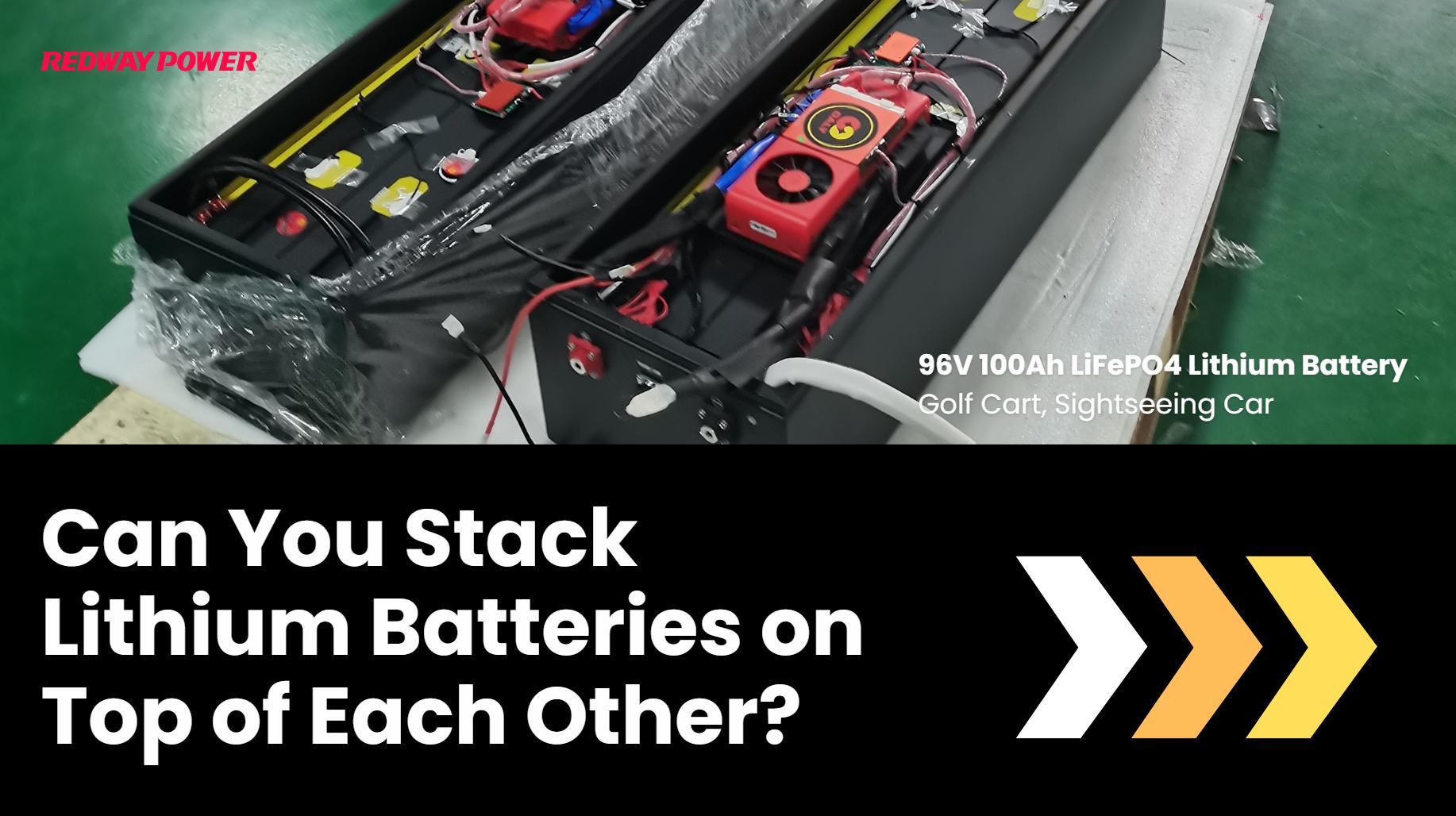
Can You Stack Lithium Batteries on Top of Each Other?

Can You Stack Lithium Batteries on Top of Each Other?

Yes, lithium batteries can be stacked to form larger energy storage systems. This design enhances energy capacity and power output while allowing for scalability. However, proper thermal management and safety precautions must be considered to ensure stability and performance during operation.

As the demand for efficient energy storage solutions grows, many users are exploring the possibility of stacking lithium batteries to maximize space and enhance power output. However, understanding the implications of stacking lithium batteries is crucial for ensuring safety and performance. In this article, we will explore whether you can stack lithium batteries, the best practices for doing so, and the potential risks involved.

Understanding Lithium Battery Chemistry

Lithium batteries, particularly Lithium Iron Phosphate (LiFePO4) batteries, are known for their high energy density, long cycle life, and safety features. These batteries are widely used in various applications, from electric vehicles to renewable energy systems. However, when considering stacking them, it’s essential to understand their design and thermal characteristics.

Can You Stack Lithium Batteries?

Yes, you can stack lithium batteries on top of each other, but there are several important factors to consider:

1. Battery Design

  • Flat-Top Batteries: Many lithium batteries come with flat tops that allow for easy stacking. Ensure that the batteries you are using are designed for vertical stacking.
  • Ventilation: Adequate ventilation is crucial when stacking batteries. Lithium batteries can generate heat during charging and discharging cycles; thus, proper airflow is necessary to prevent overheating.

2. Weight Distribution

  • Even Weight Distribution: Ensure that the weight of the stacked batteries is evenly distributed. Uneven weight can lead to instability and potential tipping or falling.
  • Secure Mounting: Use a secure mounting system or battery rack designed specifically for stacking batteries to avoid accidents.

Best Practices for Stacking Lithium Batteries

To ensure safe and efficient stacking of lithium batteries, follow these best practices:

1. Use Compatible Batteries

  • Always use batteries of the same type, capacity, and chemistry when stacking. Mixing different brands or types can lead to imbalances in charging and discharging cycles.

2. Monitor Temperature

  • Regularly check the temperature of stacked batteries during operation. If you notice any battery overheating, it may indicate inadequate ventilation or a potential failure.

3. Install a Battery Management System (BMS)

  • A BMS is essential for monitoring the health of each battery in a stacked configuration. It helps balance charging and discharging among cells and provides protection against overvoltage and overheating.

4. Follow Manufacturer Guidelines

  • Always refer to the manufacturer’s guidelines regarding stacking practices. Some manufacturers may have specific recommendations or restrictions based on their battery design.

Potential Risks of Stacking Lithium Batteries

While stacking lithium batteries can save space and increase power capacity, there are also potential risks involved:

1. Overheating

  • Stacked batteries may generate more heat than individual units due to reduced airflow between them. Overheating can lead to reduced battery life or even thermal runaway in extreme cases.

2. Imbalanced Charging

  • If not monitored properly, stacked batteries may charge unevenly. This imbalance can lead to one battery being overcharged while another remains undercharged, which could damage the weaker unit.

3. Physical Damage

  • Stacking increases the risk of physical damage if not secured properly. A fall or impact could compromise the integrity of the battery casing, leading to leaks or failures.

Data Chart: Comparison of Battery Types for Stacking

Feature Lithium Iron Phosphate (LiFePO4) Lead-Acid Battery Nickel-Metal Hydride (NiMH)
Stackable Yes Limited Limited
Weight Lightweight Heavier Moderate
Lifespan 3,000 – 5,000 cycles 300 – 500 cycles 500 – 1,000 cycles
Thermal Stability Excellent Moderate Moderate

Latest News

  • Stacking Guidelines: Recent discussions confirm that stacking lithium batteries is possible but must be done with caution, adhering to specific guidelines about architecture and capacity.
  • Safety Considerations: Experts emphasize the importance of using batteries from the same manufacturer and architecture to prevent safety hazards.
  • Innovative Designs: New modular designs are emerging that allow for efficient stacking without compromising safety or performance.

Redway Expert Comment

Stacking lithium batteries can be an effective way to maximize space and increase capacity, provided that strict guidelines are followed. Using batteries of the same architecture and capacity is crucial to ensure safe operation. As an expert in LiFePO4 technology, I recommend careful consideration of thermal management when stacking, as improper configurations can lead to overheating and reduced lifespan.

FAQs About Stacking Lithium Batteries

Can I stack different brands of lithium batteries?

It is not recommended to stack different brands or types of lithium batteries due to differences in chemistry and performance characteristics.

How do I know if my stacked batteries are overheating?

Regularly monitor the temperature of each battery during operation; if any battery feels excessively hot or shows signs of swelling, take immediate action to cool them down.

What should I do if one battery in a stack fails?

If one battery fails in a stacked configuration, it’s essential to remove it immediately from the stack and assess whether other batteries were affected.

Conclusion

In conclusion, while you can stack lithium batteries such as LiFePO4 models safely, it is crucial to adhere to best practices regarding compatibility, ventilation, and monitoring. By following these guidelines and understanding the potential risks involved, you can effectively utilize stacked lithium batteries for enhanced energy storage solutions.For customized lithium solutions tailored specifically to your needs—whether for automotive applications or renewable energy systems—contact Redway Battery today for a quick quote!
Are there any special considerations for storing LiFePO4 golf cart batteries?

Are there any special considerations for storing LiFePO4 golf cart batteries?

As the demand for Lithium Iron Phosphate (LiFePO4) batteries grows, particularly for applications like golf carts, understanding the proper storage conditions for these batteries becomes crucial. At Redway Battery, with over 12 years of experience in manufacturing high-quality LiFePO4 batteries, we recognize that the way these batteries are stored can significantly impact their performance, lifespan, and overall safety. This article outlines the essential considerations for storing LiFePO4 golf cart batteries effectively.

When storing LiFePO4 golf cart batteries, keep them in a cool, dry place (ideally 15°C to 25°C). Store at around 50% charge to prevent deep discharge and check periodically on their condition. Avoid moisture to protect against corrosion!

1. Optimal Storage Environment

Temperature Control

The ideal storage temperature for LiFePO4 batteries typically ranges from 32°F to 95°F (0°C to 35°C). Storing them in environments that exceed this temperature range can lead to reduced battery performance and lifespan. Extreme temperatures, especially heat, can accelerate chemical reactions within the battery, potentially causing damage or diminishing capacity.

Avoiding Temperature Extremes

  • Hot Climates: If you are in a region with high temperatures, consider air-conditioned storage or insulated containers to maintain a stable temperature.
  • Cold Climates: While LiFePO4 batteries perform better in cold conditions compared to other lithium batteries, extremely low temperatures can still affect performance. Avoid storing below -4°F (-20°C).

Humidity Levels

High humidity can promote corrosion and other forms of deterioration. Aim for a relative humidity level of around 30% to 50%. Using a dehumidifier in storage areas can help maintain these levels.

2. Battery Charge Levels During Storage

Optimal State of Charge (SoC)

When storing LiFePO4 batteries, it’s essential to maintain an optimal State of Charge (SoC). Ideally, batteries should be stored at about 50% to 70% charged. Storing at this charge level helps in prolonging the lifespan of the battery and minimizes the risk of cell degradation.

Regular Monitoring

Regularly check the charge level, especially if the batteries are stored for extended periods. If the charge drops below 30%, it is advisable to recharge the batteries to prevent deep discharge, which can lead to capacity loss and potential damage.

golf cart lifepo4 Battery Charge Levels During Storage

3. Physical Placement and Safety

Avoiding Damage

When storing LiFePO4 batteries, ensure they are placed on stable, non-conductive surfaces. Avoid stacking batteries, as this can lead to physical damage and short-circuit risks. Ensure that there is sufficient space around each battery for ventilation.

Safety Precautions

Always store batteries away from flammable materials and in a well-ventilated area. This is crucial for preventing any potential hazards associated with battery leaks or failures.

4. Maintenance Considerations

Regular Inspections

Periodically inspect stored batteries for signs of damage, leakage, or corrosion. Look for physical deformities, which could indicate internal issues. Regular maintenance helps identify problems early, ensuring safety and performance.

Cleaning Connections

Keep battery terminals and connections clean. Dust and grime can lead to increased resistance and reduced performance. Use a dry cloth or a mixture of baking soda and water to clean terminals, ensuring they are completely dry before reassembling.

5. Documentation and Tracking

Record-Keeping

Maintaining a record of the storage conditions and charge levels can aid in ensuring optimal performance. Document the dates of charging, inspections, and any maintenance performed. This information is valuable for assessing battery health over time.

Manufacturer Guidelines

Always refer to the manufacturer’s guidelines for specific storage recommendations. At Redway Battery, we provide detailed instructions tailored to our LiFePO4 golf cart batteries, ensuring that users can optimize their performance and lifespan.

6. Seasonal Considerations

Winter Storage

If storing batteries for winter, consider the following:

  • Keep Batteries Charged: Before storing, ensure they are charged to about 50% to 70%.
  • Insulate: For prolonged winter storage, consider wrapping batteries in thermal insulation to mitigate temperature extremes.
  • Location: Store batteries indoors, away from extreme cold, ensuring they are in a stable environment.

Summer Storage

During the summer months, the emphasis should be on maintaining cool storage conditions. Use reflective covers or insulated boxes to help control temperature and humidity levels.

7. Conclusion: Best Practices for Storing LiFePO4 Golf Cart Batteries

Storing LiFePO4 golf cart batteries properly is crucial for ensuring their longevity, performance, and safety. By adhering to the optimal storage conditions outlined above—maintaining appropriate temperature and humidity levels, monitoring state of charge, and performing regular inspections—users can significantly enhance the lifespan and reliability of their batteries.

At Redway Battery, we pride ourselves on delivering high-quality, customized lithium battery solutions. If you’re looking for expert advice or specific products tailored to your needs, contact us today for a quick quote. Proper storage of LiFePO4 batteries not only safeguards your investment but also contributes to a more sustainable and efficient energy future.

Latest News

  • Storage Guidelines: Recent articles emphasize best practices for storing LiFePO4 golf cart batteries to ensure longevity and optimal performance.
  • Temperature Control: Recommendations include maintaining moderate temperatures and avoiding extreme conditions during storage periods.
  • Battery Maintenance Tips: Regular checks on charge levels are advised to prevent deep discharge scenarios that could damage the battery.

Redway Expert Comment

Proper storage of LiFePO4 golf cart batteries is crucial for maximizing their lifespan and performance. Maintaining moderate temperatures during storage helps prevent degradation, while regular monitoring of charge levels ensures they remain within safe limits. As an expert in lithium technologies, I recommend following these guidelines closely to ensure reliable performance when the batteries are put back into use.

FAQs

What are the best practices for storing LiFePO4 batteries indoors?
Store LiFePO4 batteries in a cool, dry place with temperatures between 15°C and 25°C (59°F and 77°F). Ensure low humidity to prevent moisture buildup. Disconnect all loads and store at a charge level between 50% and 80%. Use non-conductive containers to avoid short circuits and periodically check the battery’s condition.How often should I cycle LiFePO4 batteries during long-term storage?
It is recommended to cycle LiFePO4 batteries at least once every six months during long-term storage. This helps maintain battery health and ensures that the charge level remains within the optimal range of 50% to 80%, preventing capacity loss.What is the ideal state of charge for storing LiFePO4 batteries?
The ideal state of charge for storing LiFePO4 batteries is between 50% and 80%. Storing them fully charged or completely discharged can stress the battery and lead to reduced capacity over time, making it essential to maintain this mid-level charge.How does extreme temperature affect the longevity of LiFePO4 batteries?
Extreme temperatures can significantly impact the longevity of LiFePO4 batteries. High temperatures accelerate chemical reactions, leading to faster degradation, while very low temperatures can cause electrolyte freezing, damaging internal structures. Ideally, store batteries within the recommended temperature range to maximize lifespan.What precautions should I take to prevent battery damage during storage?
To prevent battery damage during storage, ensure that the batteries are clean and dry before storing. Disconnect all loads, keep them in a stable temperature environment, and avoid areas with high humidity or extreme temperatures. Regularly check for signs of damage, such as swelling or leaks, and maintain an optimal charge level.

How Do LiFePO4 Batteries Perform in Cold Weather?

How Do LiFePO4 Batteries Perform in Cold Weather?

As the popularity of electric vehicles, including golf carts, continues to rise, understanding the performance of different battery technologies in various environmental conditions becomes essential. Lithium Iron Phosphate (LiFePO4) batteries are a popular choice for many applications, particularly in golf carts, due to their reliability, safety, and longevity. However, their performance in cold weather conditions can vary significantly compared to traditional lead-acid batteries. At Redway Battery, we have specialized in manufacturing LiFePO4 batteries for over 12 years, focusing on delivering quality solutions for golf carts and other applications. This article will explore how LiFePO4 batteries perform in cold weather and what users should consider for optimal performance.

LiFePO4 batteries work better in cold weather than many other types but can still lose capacity at temperatures below -20°C. Charging them in freezing conditions can damage the battery. To ensure optimal performance, avoid charging when it’s too cold and keep them insulated when possible.

1. Overview of LiFePO4 Battery Technology

LiFePO4 batteries are known for their superior thermal stability, long cycle life, and safety features. Unlike traditional lithium-ion batteries, LiFePO4 batteries use iron phosphate as the cathode material, which provides several advantages:

  • Increased Safety: LiFePO4 batteries are less prone to thermal runaway, making them safer for use in various applications.
  • Longer Lifespan: These batteries typically have a cycle life of 2,000 to 5,000 cycles, significantly outlasting conventional lead-acid batteries.

Despite these advantages, cold weather can still impact the performance of LiFePO4 batteries.

2. Impact of Cold Temperatures on Battery Performance

Cold weather can adversely affect battery performance in several ways:

Reduced Capacity

As temperatures drop, the chemical reactions within a LiFePO4 battery slow down, leading to reduced capacity. In frigid conditions, users may experience a significant decrease in the effective capacity of their batteries. For example, at 0°C (32°F), a LiFePO4 battery might deliver only 60-80% of its rated capacity. This means that a 100Ah battery may only provide 60-80Ah of usable power, which can impact the range and functionality of electric golf carts.

Increased Internal Resistance

Low temperatures also increase the internal resistance of LiFePO4 batteries, which can lead to:

  • Lower Voltage Output: As resistance increases, the voltage output of the battery can drop, resulting in decreased power availability for the cart’s motor.
  • Reduced Efficiency: Higher internal resistance leads to more energy loss as heat, further reducing the overall efficiency of the battery system.

Slower Charging Rates

Charging LiFePO4 batteries in cold weather can be problematic. When temperatures drop below 0°C (32°F), the charging process becomes less efficient, and batteries can enter a state of lithium plating. This condition can cause irreversible damage and significantly reduce the battery’s lifespan. To mitigate this, it is essential to:

  • Use Battery Management Systems (BMS): Advanced BMS can monitor temperatures and manage charging rates accordingly to prevent damage during cold conditions.
  • Preheat Batteries: Some users opt to preheat their batteries using external heating solutions before charging, ensuring that they operate within optimal temperature ranges.

3. Strategies for Maintaining LiFePO4 Battery Performance in Cold Weather

To ensure that your LiFePO4 batteries perform optimally in cold weather, we recommend implementing the following strategies:

1. Insulation

Using thermal insulation can help protect the battery from extreme cold. Insulated battery boxes can maintain higher temperatures, thus minimizing the negative impact of low temperatures on performance. Insulation materials such as foam or specialized battery blankets can be effective.

2. Keep Batteries Charged

Maintaining a full charge can help reduce the effects of cold weather. Fully charged LiFePO4 batteries are less susceptible to capacity loss and voltage drops in colder temperatures. It is advisable to charge the batteries regularly, particularly before storage in cold environments.

3. Monitor Temperature

Utilizing temperature monitoring systems allows users to keep an eye on the battery’s operational conditions. This helps in making timely decisions regarding charging and usage, ensuring the battery remains in optimal condition.

4. Avoid Deep Discharges

Deep discharging can further exacerbate the issues associated with cold weather. To preserve battery health, we recommend avoiding discharges below 20% of the total capacity, especially during colder months.

4. Real-World Performance of LiFePO4 Batteries in Cold Weather

Real-world tests have demonstrated that while LiFePO4 batteries experience performance degradation in cold weather, they still outperform traditional lead-acid batteries in many scenarios. For instance:

  • Faster Recovery: When temperatures rise, LiFePO4 batteries tend to recover their capacity much quicker than lead-acid batteries, which can remain impaired for longer periods.
  • Efficiency: In moderate cold conditions (down to about -10°C / 14°F), LiFePO4 batteries still provide sufficient performance for golf carts, making them suitable for various outdoor activities, including winter golf.

5. Conclusion

LiFePO4 batteries offer numerous benefits, including longevity, safety, and efficiency, but they do face challenges in cold weather. By understanding these challenges and implementing strategies to mitigate their effects, users can maximize the performance of their LiFePO4 batteries, even in colder climates. At Redway Battery, we are committed to providing high-quality LiFePO4 batteries and solutions for golf carts, ensuring that our customers can enjoy reliable power year-round. For tailored solutions and quick quotes, contact us today!

Latest News

  • Cold Performance Studies: Recent research indicates that while LiFePO4 batteries perform better than traditional lead-acid options in cold weather, their capacity may still be affected by low temperatures.
  • User Experiences: Users report varied performance levels depending on specific environmental conditions during usage.
  • Industry Recommendations: Experts suggest using thermal insulation or heating elements to mitigate cold weather impacts on battery performance.

Redway Expert Comment

LiFePO4 batteries generally outperform lead-acid counterparts in cold weather; however, they are not immune to capacity loss due to low temperatures. Implementing thermal insulation or heating elements can significantly mitigate these effects, ensuring consistent performance even in challenging conditions. As an expert, I encourage users operating in colder climates to adopt these strategies for optimal battery function.

FAQs

What are the best methods to insulate LiFePO4 batteries in cold weather?
To effectively insulate LiFePO4 batteries in cold weather, consider using thermal blankets or insulation wraps specifically designed for battery protection. Placing the batteries in a heated enclosure or using foam board insulation can also help maintain warmth. Additionally, maintaining a stable ambient temperature and using battery heaters can prevent performance issues.How does cold weather affect the lifespan of LiFePO4 batteries?
Cold weather can reduce the efficiency and usable capacity of LiFePO4 batteries, leading to diminished performance. While they are more resilient than other battery types, prolonged exposure to extreme cold can still negatively impact their lifespan by increasing internal resistance and slowing down chemical reactions.Are there any specific brands of LiFePO4 batteries that perform better in cold conditions?
Brands like RELiON and Battle Born are known for their performance in cold conditions. The RELiON LT Series, for example, can operate and charge at temperatures as low as -4°F (-20°C) without significant performance degradation, making them suitable for colder climates.What are the risks of using LiFePO4 batteries in extremely cold temperatures?
Using LiFePO4 batteries in extremely cold temperatures poses risks such as reduced capacity, increased internal resistance, and potential lithium plating during charging. Charging below freezing can lead to irreversible damage, reduced efficiency, and even safety hazards if not managed properly.How effective are battery heaters in improving LiFePO4 performance in cold weather?
Battery heaters are highly effective in improving LiFePO4 performance in cold weather. They help maintain optimal operating temperatures, enhancing charge acceptance and overall efficiency. By preventing the electrolyte from becoming too viscous, heaters ensure better ion transfer and reduce the risk of damage during charging.

What Are the Weight Differences Between LiFePO4 and Lead-Acid Golf Cart Batteries?

What Are the Weight Differences Between LiFePO4 and Lead-Acid Golf Cart Batteries?

When it comes to enhancing the performance and efficiency of golf carts, understanding the weight differences between LiFePO4 (Lithium Iron Phosphate) batteries and traditional lead-acid batteries is crucial. At Redway Battery, a leading manufacturer specializing in LiFePO4 batteries for golf carts, we delve into the specifics of how these weight differences can impact your golf cart’s speed, handling, and overall performance.

LiFePO4 golf cart batteries are lighter than lead-acid ones; a lead-acid battery typically weighs 60-70 pounds, while a similar LiFePO4 battery weighs around 30-40 pounds. This weight reduction enhances handling and efficiency in your golf cart.

Weight Comparison: LiFePO4 vs. Lead-Acid Batteries

1. Lead-Acid Battery Weights

Traditional lead-acid batteries, which have been the industry standard for many years, are known for their heavy weight. A standard golf cart lead-acid battery typically weighs around 60 to 70 pounds (27 to 32 kg). Depending on the configuration and the specific model, some larger lead-acid batteries can even exceed this weight, especially when considering deep cycle models designed for prolonged use. This significant weight can influence the overall performance of the golf cart, affecting its speed, acceleration, and handling.

2. LiFePO4 Battery Weights

In contrast, LiFePO4 batteries offer a more lightweight alternative. A comparable LiFePO4 golf cart battery generally weighs between 30 to 50 pounds (14 to 23 kg). This remarkable reduction in weight results from the advanced chemistry and design of LiFePO4 technology, which allows for a higher energy density. By using lighter materials, manufacturers can create batteries that deliver equivalent power and capacity without the excessive weight associated with lead-acid batteries.

3. Weight Reduction Impact

The difference in weight can result in a total reduction of up to 40% or more when switching from lead-acid to LiFePO4 batteries in a golf cart. For example, a typical golf cart that operates on six lead-acid batteries (each weighing around 60 pounds) could weigh 360 pounds just in batteries alone. By replacing these with LiFePO4 batteries, the total weight could drop to as little as 180 pounds. This reduction significantly enhances the cart’s agility, making it easier to maneuver and improving the overall driving experience.

Advantages of Lighter Batteries in Golf Carts

1. Improved Acceleration and Speed

The lighter weight of LiFePO4 batteries directly contributes to better acceleration and speed. With less weight to move, golf carts can achieve higher speeds more efficiently. This improvement is especially beneficial in hilly terrains where acceleration can be sluggish with heavier lead-acid batteries. The increased responsiveness provided by a lighter battery can lead to a more enjoyable and dynamic riding experience.

2. Enhanced Handling and Stability

Reducing the weight of the batteries lowers the center of gravity in the golf cart, which enhances stability during turns and maneuvers. Golf carts equipped with LiFePO4 batteries benefit from improved handling, making them safer and easier to drive. This is particularly important for golfers navigating tight spaces or uneven terrains on the course.

3. Extended Range and Battery Life

LiFePO4 batteries not only weigh less, but they also offer higher energy density. This means they can store more energy in a smaller, lighter package, leading to extended range. Golf carts with LiFePO4 batteries can travel longer distances on a single charge compared to those with lead-acid batteries. Additionally, the longevity of LiFePO4 batteries—often exceeding 10 years—provides long-term savings in both performance and maintenance.

Advantages of Lighter Batteries in Golf Carts

Considerations for Golf Cart Owners

1. Initial Cost vs. Long-Term Savings

While LiFePO4 batteries are generally more expensive upfront compared to lead-acid alternatives, their longevity and reduced maintenance requirements can lead to substantial savings over time. Golf cart owners must weigh the initial investment against the potential benefits of improved performance and reduced long-term costs.

2. Compatibility and Charging Requirements

Switching to LiFePO4 batteries may require adjustments to existing golf cart systems, including chargers. Golf carts need to be equipped with appropriate charging solutions designed for LiFePO4 technology to maximize performance and lifespan. Our team at Redway Battery provides expert guidance on compatibility and offers custom lithium battery solutions tailored to your specific golf cart model.

Latest News

  • Weight Comparisons: Recent analyses highlight that LiFePO4 golf cart batteries are substantially lighter than lead-acid alternatives, often weighing up to 70% less.
  • User Preferences: The reduced weight makes handling easier and improves vehicle efficiency.
  • Market Insights: Increased consumer awareness about weight advantages is driving demand for lithium options over traditional lead-acid batteries.

Redway Expert Comment

The significant weight difference between LiFePO4 and lead-acid golf cart batteries cannot be overstated; lighter batteries enhance vehicle handling and overall efficiency. This advantage makes lithium options increasingly attractive for consumers seeking improved performance without sacrificing power. As an expert in this field, I strongly advocate for considering weight as a key factor when selecting battery types for golf carts.

Conclusion

The weight differences between LiFePO4 and lead-acid batteries have significant implications for golf cart performance. The lighter LiFePO4 batteries not only enhance speed and acceleration but also improve handling and stability, making them a superior choice for modern golf carts. At Redway Battery, we specialize in custom lithium golf cart battery solutions that deliver outstanding performance and reliability.

If you are considering upgrading your golf cart’s battery system, contact us for a quick quote and discover how our LiFePO4 batteries can enhance your golfing experience!

FAQs

How does the weight difference between LiFePO4 and lead-acid batteries impact golf cart performance?
LiFePO4 batteries are significantly lighter than lead-acid batteries, often weighing 50-60% less. This weight reduction enhances golf cart performance by improving handling, increasing speed, and allowing for a higher carrying capacity without compromising stability. The lighter load also contributes to better energy efficiency, enabling longer driving ranges.What are the maintenance requirements for LiFePO4 batteries compared to lead-acid batteries?
LiFePO4 batteries require minimal maintenance compared to lead-acid batteries, which need regular checks for water levels and equalization charging. LiFePO4 batteries do not require topping up with distilled water and have built-in safety features that reduce the need for frequent monitoring, making them more user-friendly.How does the charging time of LiFePO4 batteries affect their overall efficiency?
LiFePO4 batteries can be charged fully in 1-2 hours, significantly faster than the 6-8 hours required for lead-acid batteries. This rapid charging capability minimizes downtime and allows for more efficient use of the golf cart, as users can quickly recharge during breaks or short stops.Are LiFePO4 batteries more cost-effective in the long run compared to lead-acid batteries?
Yes, while LiFePO4 batteries have a higher initial cost, their longer lifespan (up to 10 times more cycles than lead-acid) and lower maintenance needs make them more cost-effective over time. Reduced replacement frequency and energy savings contribute to overall lower lifetime costs.What are the environmental benefits of using LiFePO4 batteries over lead-acid batteries?
LiFePO4 batteries are more environmentally friendly as they do not contain toxic materials like lead. They have a longer lifespan, which reduces waste from frequent replacements. Additionally, their efficient charging reduces energy consumption, contributing to a lower overall carbon footprint compared to lead-acid batteries.

Can LiFePO4 Batteries Be Used in All Types of Golf Carts?

Can LiFePO4 Batteries Be Used in All Types of Golf Carts?

The evolution of golf cart technology has opened doors to various enhancements, including the choice of battery systems. Among the most popular options today are Lithium Iron Phosphate (LiFePO4) batteries. At Redway Battery, we specialize in manufacturing high-quality LiFePO4 batteries tailored for golf carts, and we understand the significance of choosing the right battery type. In this article, we will explore whether LiFePO4 batteries can be used in all types of golf carts, highlighting their advantages, compatibility, and considerations for users.

Yes, LiFePO4 batteries can be used in most golf carts; however, compatibility varies by model. Always check your cart’s electrical specifications before upgrading to ensure optimal performance and longevity from your new battery.

1. Understanding LiFePO4 Batteries

LiFePO4 batteries have gained popularity due to their remarkable features. They offer higher energy density, longer lifespan, and lower maintenance requirements compared to traditional lead-acid batteries. This technology provides efficient power management, making it ideal for various applications, including golf carts.

1.1. Key Features of LiFePO4 Batteries

  • Long Cycle Life: LiFePO4 batteries can endure 2,000 to 5,000 cycles, significantly outlasting lead-acid options.
  • Safety: This battery type is less prone to thermal runaway, enhancing safety during operation.
  • Lightweight: LiFePO4 batteries are generally lighter, contributing to improved performance and efficiency.

2. Compatibility with Golf Cart Types

LiFePO4 batteries can be used in many types of golf carts, but their compatibility often depends on specific factors. Golf carts generally fall into two categories: electric and gas-powered.

golf cart lifepo4 battery Compatibility with Golf Cart Types

2.1. Electric Golf Carts

Electric golf carts are the most suitable candidates for LiFePO4 batteries. These carts typically rely on battery power for propulsion, making the transition to lithium batteries both practical and beneficial.

Advantages of Using LiFePO4 in Electric Golf Carts:

  • Enhanced Performance: LiFePO4 batteries provide consistent power output, improving acceleration and overall performance.
  • Extended Range: With a higher energy density, these batteries allow for longer travel distances between charges.
  • Reduced Weight: The lightweight nature of LiFePO4 batteries contributes to better handling and maneuverability on the golf course.

2.2. Gas-Powered Golf Carts

While LiFePO4 batteries are primarily designed for electric carts, gas-powered golf carts may also benefit from this technology, albeit indirectly. Gas-powered carts can utilize LiFePO4 batteries for auxiliary systems, such as lights, sound systems, and GPS devices.

Considerations for Gas-Powered Carts:

  • Power Requirements: Gas carts require a different approach for main propulsion; thus, LiFePO4 batteries may not serve as the primary power source.
  • Integration Complexity: Retrofitting a gas-powered golf cart with LiFePO4 batteries can involve additional complexity, requiring custom modifications.

3. Customization and Installation

At Redway Battery, we understand that each golf cart may have unique requirements. We offer custom lithium battery solutions tailored to specific models, ensuring seamless integration and optimal performance.

3.1. Sizing and Configuration

Choosing the correct size and configuration for your LiFePO4 battery is crucial. Factors to consider include:

  • Voltage Compatibility: Ensure the LiFePO4 battery’s voltage matches the cart’s electrical system.
  • Capacity Requirements: Determine the amp-hour (Ah) capacity needed for your golf cart based on its usage patterns.

3.2. Professional Installation

We recommend seeking professional installation for LiFePO4 batteries, especially when retrofitting existing systems. Experts can ensure proper connections, safety measures, and integration with the cart’s electronics.

4. Benefits of Switching to LiFePO4 Batteries

Switching to LiFePO4 batteries offers numerous benefits for golf cart owners. Understanding these advantages can help users make informed decisions.

4.1. Cost-Effectiveness

Although the initial investment for LiFePO4 batteries may be higher than lead-acid counterparts, the long-term savings are significant. Users benefit from reduced maintenance costs, fewer replacements, and improved energy efficiency.

4.2. Environmental Considerations

LiFePO4 batteries are environmentally friendly. They are recyclable and do not contain harmful heavy metals like lead or cadmium, making them a safer option for both users and the environment.

5. Performance and User Experiences

Many golf cart users who have switched to LiFePO4 batteries report substantial improvements in performance and reliability. Enhanced acceleration, longer range, and minimal maintenance have led to increased satisfaction among customers.

5.1. Testimonials from Customers

At Redway Battery, we have received positive feedback from various golf cart operators who have embraced LiFePO4 technology. Customers often express satisfaction with the extended lifespan and performance consistency of their lithium batteries, leading to a more enjoyable golfing experience.

6. Conclusion

In conclusion, LiFePO4 batteries can indeed be used in various types of golf carts, primarily in electric models where they shine in terms of performance, longevity, and efficiency. While gas-powered golf carts may not utilize LiFePO4 as the main power source, they can still benefit from this technology for auxiliary applications.

At Redway Battery, we offer custom lithium golf cart battery solutions designed to meet your specific needs. With over 12 years of experience in manufacturing high-quality LiFePO4 batteries, we are well-equipped to support golf cart owners in making the transition to this innovative technology. For a quick quote and to learn more about how our batteries can enhance your golf cart experience, contact us today!

Latest News

  • Compatibility Studies: Recent evaluations confirm that most golf carts can utilize LiFePO4 batteries effectively, provided they meet specific voltage requirements.
  • User Experiences Shared: Many users report successful upgrades from lead-acid to lithium without issues when proper configurations are followed.
  • Market Growth Indicators: The popularity of lithium options among golf cart owners is increasing due to their advantages over traditional batteries.

Redway Expert Comment

LiFePO4 batteries can indeed be used across various types of golf carts as long as voltage specifications align correctly. Their advantages—such as longer lifespan and reduced weight—make them highly desirable replacements for lead-acid options. As an expert in this field, I recommend ensuring compatibility before upgrading while emphasizing the long-term benefits associated with lithium technology.

FAQs

Which golf cart brands are most compatible with LiFePO4 batteries?
Brands like E-Z-GO, Yamaha, and Club Car are highly compatible with LiFePO4 batteries. Many of their models, such as the E-Z-GO TXT and RXV, can be retrofitted with lithium batteries, particularly with options like RELiON’s InSight 48V battery designed for seamless integration.How do LiFePO4 batteries impact the overall range of a golf cart?
LiFePO4 batteries enhance the overall range of a golf cart due to their higher energy density and consistent voltage output. This allows for longer driving distances without significant performance drops, enabling users to cover more ground on the course or in recreational areas.What are the installation challenges when replacing lead-acid batteries with LiFePO4?
Installation challenges include ensuring compatibility with existing systems, as some golf carts may require retrofit kits or modifications to accommodate lithium batteries. Additionally, proper wiring and connections must be established to handle the different charging requirements and safety features of LiFePO4 batteries.How does the lifespan of LiFePO4 batteries compare to lead-acid batteries in golf carts?
LiFePO4 batteries have a significantly longer lifespan, lasting up to 10 times longer than lead-acid batteries. While lead-acid batteries typically last around 3-5 years, LiFePO4 options can provide reliable performance for 10 years or more, making them a more durable choice for golf carts.Are there any specific maintenance tips for LiFePO4 batteries in golf carts?
LiFePO4 batteries require minimal maintenance compared to lead-acid options. Key tips include regularly checking connections for corrosion, ensuring proper charging practices, keeping them in a temperature-controlled environment, and avoiding deep discharges below 20% to maximize battery life.

How do you properly charge LiFePO4 golf cart batteries?

How do you properly charge LiFePO4 golf cart batteries?

As golf carts become increasingly popular for both recreational and utility purposes, understanding how to properly charge Lithium Iron Phosphate (LiFePO4) golf cart batteries is essential for maximizing performance and lifespan. At Redway Battery, we specialize in providing high-quality LiFePO4 batteries tailored specifically for golf carts. With over 12 years of experience, we are dedicated to ensuring that our customers are well-informed about best practices for charging these advanced battery systems. This article will outline the key steps and considerations for charging LiFePO4 golf cart batteries effectively.
To charge your LiFePO4 golf cart batteries, use a charger designed for them and monitor charging time (usually 1 to 3 hours). Avoid overcharging by disconnecting once fully charged, and charge in temperatures between 32°F and 104°F for optimal performance!

1. Understanding LiFePO4 Battery Characteristics

1.1. Advantages of LiFePO4 Batteries

LiFePO4 batteries offer numerous benefits compared to traditional lead-acid batteries, including:

  • Higher energy density: This allows for more energy storage in a smaller footprint, making them ideal for compact golf cart designs.
  • Longer cycle life: LiFePO4 batteries can withstand more charge and discharge cycles, typically lasting over 2000 cycles compared to just 500-800 cycles for lead-acid batteries.
  • Enhanced safety features: With a stable chemical composition, LiFePO4 batteries are less prone to overheating and thermal runaway.

1.2. Voltage and Capacity

Understanding the voltage and capacity of your specific LiFePO4 battery is crucial. Most golf cart LiFePO4 batteries operate at a nominal voltage of 12V, 24V, or 48V, depending on the cart’s design. Be sure to consult your battery specifications for precise information on voltage and capacity.

2. Selecting the Right Charger

2.1. Charger Compatibility

Using the correct charger is essential for the safe and efficient charging of LiFePO4 batteries. We recommend selecting a charger specifically designed for LiFePO4 batteries, which will help avoid issues such as overcharging or undercharging. Ensure the charger’s voltage rating matches your battery’s nominal voltage (e.g., 12V, 24V, or 48V).

2.2. Smart Charging Technology

Opt for a charger equipped with smart charging technology. These chargers automatically adjust the charge rate based on the battery’s state of charge, ensuring that your LiFePO4 battery is charged quickly and safely. Features to look for include:

  • Temperature monitoring: Prevents overheating during the charging process.
  • Multi-stage charging: Allows for bulk, absorption, and float charging stages, enhancing battery health and longevity.

3. Charging Procedure for LiFePO4 Batteries

3.1. Preparing for Charging

Before connecting your charger, ensure that:

  • The golf cart is parked in a dry, well-ventilated area.
  • The battery terminals are clean and free from corrosion.
  • The battery is not already fully charged; it’s best to charge when the state of charge is below 20% to prolong battery life.

3.2. Connecting the Charger

  1. Connect the charger to the battery:
    • Attach the positive (+) lead of the charger to the positive terminal of the battery.
    • Connect the negative (-) lead to the negative terminal.
  2. Power on the charger:
    • Once securely connected, plug in the charger and turn it on.

3.3. Monitoring the Charging Process

  • Observe the charger indicators: Most smart chargers will have LED lights or display screens that indicate the charging status. Ensure the charger is functioning correctly and that the battery is charging.
  • Check for excessive heat: While some warmth is normal, excessive heat can indicate a problem. If the battery becomes too hot, disconnect the charger immediately and investigate.

Charging Procedure for golf cart LiFePO4 Batteries

4. Charging Times and Recommendations

4.1. Charge Duration

The duration of charging depends on the battery’s capacity and the charger’s output current. On average:

  • A 20Ah battery will take about 1-2 hours to charge with a 10A charger.
  • A 100Ah battery may require 5-10 hours with a 10A charger.

4.2. Regular Charging Practices

To maintain battery health:

  • Charge after each use: Consistent charging after use prevents deep discharges, extending the battery’s lifespan.
  • Avoid frequent deep discharges: LiFePO4 batteries thrive on partial discharges; discharging them to below 20% can shorten their cycle life.

5. Maintenance Tips for LiFePO4 Batteries

5.1. Routine Inspections

Regularly inspect your battery for:

  • Physical damage: Cracks, swelling, or leakage can indicate a compromised battery.
  • Terminal corrosion: Clean terminals with a mixture of baking soda and water to prevent connectivity issues.

5.2. Optimal Storage Conditions

If your golf cart will not be used for an extended period, store the battery in a cool, dry place and maintain a charge level of around 50% to prevent damage from deep discharge.

6. Troubleshooting Common Charging Issues

6.1. Charger Not Working

If the charger does not appear to be working:

  • Check connections: Ensure all connections are secure.
  • Inspect the charger: Look for visible damage or wear on the charger.

6.2. Slow Charging or Failure to Charge

If the battery charges slowly or not at all, it may indicate:

  • A faulty charger: Test with a different charger to see if the problem persists.
  • Battery issues: The battery may need professional assessment or replacement if it consistently fails to charge.

7. Conclusion

Properly charging LiFePO4 golf cart batteries is crucial for ensuring optimal performance and longevity. By selecting the right charger, following a systematic charging procedure, and adhering to maintenance practices, we can maximize the efficiency and lifespan of our batteries. At Redway Battery, we are committed to providing high-quality LiFePO4 batteries and expert advice to enhance your golf cart experience. For custom lithium golf cart battery solutions, contact us today for a quick quote and ensure your golf cart is powered by the best.

Latest News

  • Charging Best Practices Published: New guidelines emphasize using chargers specifically designed for LiFePO4 chemistry to ensure safety and efficiency during charging cycles.
  • User Education Efforts Increasing: There’s a growing focus on educating consumers about optimal charging techniques tailored specifically for lithium technologies.
  • Safety Alerts Issued: Warnings have been issued against using standard lead-acid chargers due to potential damage risks associated with improper charging methods.

Redway Expert Comment

Properly charging LiFePO4 golf cart batteries is essential for maximizing their lifespan and ensuring safe operation. Always use chargers designed explicitly for lithium chemistry; this prevents potential damage caused by incorrect voltage levels associated with lead-acid chargers. As an expert in this domain, I stress the importance of adhering strictly to manufacturer guidelines when charging these advanced battery systems.

What warranty options are typically available for LiFePO4 golf cart batteries?

What warranty options are typically available for LiFePO4 golf cart batteries?

LiFePO4 golf cart batteries offer reliable energy storage with warranties designed to protect your investment. Redway Battery provides a range of options, typically spanning 3 to 10 years, including full replacement, prorated coverage, and cycle-life guarantees. These warranties ensure long-term performance, capacity retention, and peace of mind for both recreational and commercial users.

How Long Are Standard Warranties for LiFePO4 Golf Cart Batteries?

Most LiFePO4 golf cart batteries come with a standard manufacturer warranty of 3 to 5 years, depending on the brand and model. Redway Battery provides warranties within this range, reflecting the high quality and durability of its lithium battery products. Standard coverage ensures protection against manufacturing defects, premature failure, and loss of capacity beyond guaranteed thresholds.

What Extended Warranty Options Do Manufacturers Offer?

Many users prefer extended warranties for additional security. Redway Battery offers options that add 1 to 3 years beyond the standard coverage. Extended warranties provide long-term reliability and cost-effective protection against unexpected replacement expenses, especially for frequent users. Choosing an extended plan can maximize your investment in high-performance LiFePO4 batteries.

How Are Performance-Based Warranties Structured?

Performance-based warranties focus on cycle-life guarantees, ensuring batteries deliver optimal performance over thousands of charge/discharge cycles. Some warranties promise up to 5,000 cycles. Pro-rated agreements are common, where replacement or refund value decreases as the battery ages. This approach provides financial security while maintaining high operational standards for the battery’s lifespan.

Warranty Type Typical Coverage Cycle Guarantee
Standard 3–5 years ~2000 cycles
Extended +1–3 years ~3000–5000 cycles
Pro-rated Variable Up to 5000 cycles

What Conditions Affect Warranty Validity?

To maintain warranty coverage, proper usage is critical. Guidelines include:

  • Charging Practices: Use manufacturer-recommended chargers.

  • Temperature Control: Keep batteries within the recommended range to prevent damage.

Exclusions often include physical damage from accidents, misuse, or operating the battery outside its intended applications. Following manufacturer guidelines ensures full warranty protection.

How Does Redway Battery Support Warranty Assurance?

Redway Battery offers comprehensive solutions for LiFePO4 golf cart batteries, including:

  • Standard 3–5 Year Warranty: Covers defects and performance issues.

  • Extended Warranties: Provide extra years of protection.

  • Cycle-Based Performance Guarantees: Ensure long-term reliability.

By focusing on quality, Redway Battery delivers durable, high-performance batteries engineered to meet demanding golf cart usage, giving customers confidence in their investment.

What Are the Typical Warranty Structures and Lengths?

LiFePO4 golf cart batteries generally have warranties ranging from 5 to 10 years. Common structures include:

  • 5-Year Warranty: Full coverage during the entire period.

  • 8-Year Tiered Warranty: Full replacement for 3 years, prorated for 5 years.

  • 10-Year Limited Warranty: Extended coverage with some performance clauses.

Years Coverage Type Notes
5 Full Standard protection
8 Tiered 3 years full, 5 years prorated
10 Limited Competitive extended coverage

These warranties often include performance metrics like capacity retention and defined claim processes for efficient support.

What Should Consumers Look for in a Warranty?

Key considerations include:

  • Coverage Period: Longer periods (8–10 years) offer competitive protection.

  • Type of Coverage: Understand full replacement, prorated, or hybrid models.

  • Performance Terms: Confirm capacity retention guarantees.

  • Claim Process: Ensure a straightforward, well-defined procedure.

  • Exclusions: Check for limitations such as improper installation or misuse.

  • Support: Evaluate manufacturer responsiveness for warranty claims.

Where Can Redway Expert Views Provide Insight?

“LiFePO4 battery warranties are a crucial factor in purchasing decisions, reflecting product durability and manufacturer confidence. Consumers should assess coverage periods, cycle guarantees, and claim processes to ensure their investment is protected. At Redway Battery, we prioritize long-term reliability and offer tailored warranties that balance performance, safety, and customer peace of mind.”

Conclusion

Selecting the right warranty for your LiFePO4 golf cart battery ensures longevity, reliability, and financial protection. Redway Battery provides a spectrum of options, from standard warranties to extended and performance-based guarantees, emphasizing quality and customer satisfaction. By following usage guidelines and choosing the appropriate coverage, battery owners can enjoy uninterrupted performance and peace of mind.

FAQs

1. How long do LiFePO4 golf cart battery warranties usually last?
Typically, 3–10 years, depending on standard, extended, or performance-based options.

2. What does a prorated warranty mean?
It provides partial reimbursement for a battery replacement based on the time already used.

3. Are physical damages covered under warranty?
No, most warranties exclude damage from accidents, misuse, or unauthorized modifications.

4. Can I extend the warranty after purchase?
Yes, Redway Battery and other manufacturers offer extended warranties for additional years of coverage.

5. Does warranty coverage include performance guarantees?
Yes, many warranties ensure the battery retains a specific percentage of capacity over its lifespan.

The Environmental Benefits of Choosing Lithium Iron Phosphate Batteries

In recent years, Lithium Iron Phosphate (LiFePO4) batteries have gained significant traction as a sustainable energy solution. As we strive for a greener future, understanding the environmental benefits of these batteries is crucial. This article explores how LiFePO4 batteries contribute to a more sustainable energy landscape.

LiFePO4 batteries are environmentally friendly because they use non-toxic materials and have a long lifespan, resulting in fewer replacements. They are also recyclable, reducing waste and conserving resources. Choosing LiFePO4 helps lower your carbon footprint and supports sustainable energy practices.

1. Reduced Toxicity and Environmental Impact

Non-Toxic Materials

LiFePO4 batteries are made from non-toxic materials compared to traditional lithium-ion batteries that often contain harmful heavy metals such as cobalt and nickel. This means:

  • Safer Disposal: At the end of their life cycle, LiFePO4 batteries pose less risk to the environment during disposal and recycling.
  • Less Harmful Mining Practices: The extraction of materials for LiFePO4 batteries typically involves less environmental disruption compared to cobalt and nickel mining.

Lower Carbon Footprint

The production of LiFePO4 batteries generates a lower carbon footprint:

  • Efficient Manufacturing: The production process for LiFePO4 batteries is generally less energy-intensive, resulting in reduced greenhouse gas emissions.
  • Longer Lifespan: With a longer cycle life (up to 5000 cycles), LiFePO4 batteries require fewer replacements over time, further decreasing their overall environmental impact.

2. Enhanced Energy Efficiency

High Energy Density

LiFePO4 batteries offer high energy density, allowing them to store more energy in a compact form. This efficiency leads to:

  • Reduced Resource Use: Higher energy density means less material is required to produce the same amount of energy compared to lead-acid or traditional lithium-ion batteries.
  • Optimized Transportation: The lightweight nature of LiFePO4 batteries leads to lower transportation emissions, benefiting logistics and supply chain operations.

3. Renewable Energy Integration

Support for Solar Energy Systems

LiFePO4 batteries are particularly suited for renewable energy applications, especially solar energy systems:

  • Reliable Storage: They efficiently store energy generated from solar panels, enabling users to utilize renewable energy even when the sun isn’t shining.
  • Grid Independence: By integrating LiFePO4 batteries with solar systems, users can achieve greater energy independence, reducing reliance on fossil fuels and grid electricity.

4. Reduced Need for Frequent Replacement

Long Cycle Life

One of the standout features of LiFePO4 batteries is their impressive cycle life:

  • Extended Durability: With a lifespan of over 10 years or more, these batteries need fewer replacements, which means reduced waste generation.
  • Lower Resource Consumption: Fewer replacements lead to less demand for raw materials and resources, thus minimizing environmental degradation associated with mining and manufacturing.

5. Efficient Recycling Options

Recyclability

LiFePO4 batteries are recyclable, which contributes to a circular economy:

  • Closed-Loop Systems: Many components of LiFePO4 batteries can be recovered and reused, reducing the need for new raw materials.
  • Emerging Recycling Technologies: Advances in recycling technologies make it easier to extract valuable materials from spent LiFePO4 batteries, further enhancing their sustainability profile.

6. Conclusion

Choosing Lithium Iron Phosphate batteries offers significant environmental benefits, from reduced toxicity and lower carbon footprints to enhanced energy efficiency and recyclability. As we move towards a more sustainable future, the adoption of LiFePO4 batteries plays a crucial role in promoting cleaner energy solutions. By selecting these batteries, individuals and businesses can contribute to a greener planet while enjoying the benefits of reliable and long-lasting energy storage. For high-quality LiFePO4 battery solutions tailored to your needs, contact Redway Battery today.

Latest News

  • Environmental Impact Studies Released: New research highlights how Lithium Iron Phosphate (LiFePO4) batteries contribute less waste compared with traditional lead-acid counterparts throughout their lifecycle including production processes involved therein too!
  • Sustainability Focus Gaining Momentum: More industries recognize environmental benefits associated specifically with adopting such advanced energy storage solutions within operations!

Redway Expert Comment

Choosing Lithium Iron Phosphate (LiFePO4) over traditional lead-acid options provides substantial environmental benefits throughout its lifecycle—from production through disposal phases! This shift not only minimizes waste but also aligns perfectly with growing sustainability initiatives across various sectors today! As an expert advocating responsible energy solutions—I encourage organizations seeking greener alternatives consider investing into these innovative technologies!

Are LiFePO4 Golf Cart Batteries Worth the Investment?

Are LiFePO4 Golf Cart Batteries Worth the Investment?

In recent years, Lithium Iron Phosphate (LiFePO4) batteries have emerged as a compelling alternative to traditional lead-acid batteries for golf carts. With a growing emphasis on sustainability and efficiency, many golf cart owners and operators are evaluating whether the switch to LiFePO4 batteries is worth the investment. At Redway Battery, we have dedicated over 12 years to specializing in the production of LiFePO4 batteries, particularly for golf carts, and we believe that the benefits significantly outweigh the costs. This article delves into the various aspects of LiFePO4 golf cart batteries and why they represent a valuable investment.

Yes, LiFePO4 golf cart batteries are worth the investment! They last longer than lead-acid batteries—up to 10 years—saving you money on replacements. Plus, they offer better performance with faster charging and more efficient energy use, making them an excellent choice for your golf cart.

1. Understanding LiFePO4 Technology

LiFePO4 batteries utilize lithium iron phosphate as their cathode material, offering several advantages over traditional lead-acid batteries. This technology results in batteries that are not only lighter and more efficient but also safer and longer-lasting.

Advantages of LiFePO4 Batteries

  • Higher Energy Density: LiFePO4 batteries provide greater energy density, meaning they can store more energy in a smaller size and weight. This translates to a longer driving range for your golf cart.
  • Longer Lifespan: These batteries can last significantly longer than lead-acid batteries, often providing 2,000 to 5,000 charge cycles compared to the 500 to 1,000 cycles typical of lead-acid batteries.
  • Lower Maintenance: LiFePO4 batteries require minimal maintenance, making them easier to manage compared to lead-acid options, which often need regular water refills and monitoring.

2. Cost-Effectiveness Over Time

While the upfront cost of LiFePO4 batteries is typically higher than that of lead-acid batteries, the long-term savings can make them a more cost-effective choice.

Lower Replacement Frequency

Due to their extended lifespan, LiFePO4 batteries reduce the frequency of replacements. A higher initial investment can be offset by the fact that you won’t need to purchase new batteries every few years, as you would with lead-acid batteries.

Reduced Operating Costs

LiFePO4 batteries also offer higher efficiency in energy usage, meaning more of the energy stored is usable. This efficiency leads to lower overall operating costs since users spend less on charging.

Energy Efficiency

The higher efficiency of LiFePO4 batteries allows for quicker charging times and longer use between charges, resulting in reduced energy bills over time. This advantage is particularly beneficial for golf courses that operate multiple carts and require efficient battery management.

3. Enhanced Performance and Reliability

One of the standout features of LiFePO4 golf cart batteries is their performance.

golf cart lifepo4 battery Enhanced Performance and Reliability

Consistent Power Output

LiFePO4 batteries maintain a consistent voltage output throughout their discharge cycle, ensuring that the golf cart performs optimally even as the battery depletes. In contrast, lead-acid batteries tend to lose power more dramatically as they discharge, leading to decreased performance and efficiency.

Resistance to Extreme Temperatures

LiFePO4 batteries are more resilient to temperature fluctuations, which is critical for golf carts that may be exposed to varying environmental conditions. They perform well in both hot and cold weather, making them suitable for year-round use.

Safety Features

Safety is paramount, and LiFePO4 batteries are inherently safer than traditional lead-acid options. They are less prone to overheating and thermal runaway, and their robust design includes built-in protection mechanisms that enhance user safety.

4. Environmental Impact

As sustainability becomes increasingly important, many consumers are looking for eco-friendly alternatives to traditional products.

Reduced Environmental Footprint

LiFePO4 batteries have a lower environmental impact than lead-acid batteries. They do not contain toxic heavy metals such as lead, making them safer for the environment during production, use, and disposal.

Recyclability

Furthermore, LiFePO4 batteries are easier to recycle than lead-acid batteries, contributing to a circular economy. By choosing LiFePO4 batteries, users can take pride in making an environmentally responsible choice that minimizes their carbon footprint.

5. Custom Solutions for Specific Needs

At Redway Battery, we understand that different customers have different needs. Our custom lithium golf cart battery solutions can be tailored to meet specific requirements, whether for personal use or commercial applications.

Capacity and Design Flexibility

Our LiFePO4 batteries can be customized in terms of capacity and design, ensuring that every user gets a solution that perfectly fits their golf cart and operational requirements. Whether you need a high-capacity battery for extended use or a lightweight option for maneuverability, we have the right product for you.

Quick Turnaround Time

With our extensive manufacturing capabilities, we can provide quick quotes and fast delivery for our custom solutions, ensuring you have the power you need when you need it.

6. Conclusion: The Value Proposition of LiFePO4 Batteries

Investing in LiFePO4 golf cart batteries is not merely about switching battery types; it’s about enhancing performance, reducing long-term costs, and making environmentally friendly choices. While the initial investment may be higher, the long-term benefits, including lower maintenance, extended lifespan, and improved safety, make them a worthwhile investment for both individual users and commercial operators.

At Redway Battery, we are committed to providing high-quality, customized LiFePO4 battery solutions that cater to the unique needs of our customers. If you’re considering upgrading your golf cart battery system, contact us today for a quick quote and discover the advantages of switching to LiFePO4 technology.

Latest News

  • Cost-Benefit Analyses Conducted Recently Indicate That While Initial Investment Costs For Lithium Options May Be Higher—Long-Term Savings On Maintenance And Replacement Costs Make Them A Viable Choice Over Time!
  • Users Report Significant Improvements In Performance And Longevity Compared To Traditional Lead-Acid Systems After Transitioning To Lithium Technologies!
  • Market Trends Show Increasing Demand For These Advanced Battery Solutions Among Golf Cart Owners Seeking Reliable Power Sources!

Redway Expert Comment

Investing In Lithium Iron Phosphate (LiFEpo₄) Golf Cart Batteries Is Worthwhile—Despite Higher Initial Costs—Due To Their Extended Lifespan And Reduced Maintenance Requirements Compared To Conventional Lead-Acid Options! Users Experience Notable Improvements In Performance And Reliability After Transitioning To Lithium Technologies! As An Expert In This Field—I Advocate For Considering Long-Term Benefits When Evaluating Investment Decisions Regarding Energy Storage Solutions!

Future Trends in Lithium Battery Technology for Recreational Vehicles

As the demand for sustainable and efficient energy solutions increases, lithium battery technology is rapidly evolving, particularly in the realm of recreational vehicles (RVs). With their lightweight design, long cycle life, and superior performance, lithium batteries, especially LiFePO4 (Lithium Iron Phosphate) batteries, are becoming the preferred choice for RV owners. This article explores the future trends in lithium battery technology that promise to enhance the RV experience.

Future trends in lithium battery technology for recreational vehicles include lighter batteries with higher energy density and faster charging times. Improved safety features will also enhance user experience by preventing overheating. These advancements will make recreational vehicles more efficient and enjoyable to use.

1. Increased Energy Density

One of the most significant trends in lithium battery technology is the continual improvement in energy density. Higher energy density means that batteries can store more energy in a smaller space. This trend is crucial for RV applications, where space and weight are limited. Innovations in battery chemistry and design are leading to the development of lighter batteries that provide longer ranges and greater power for various onboard systems.

2. Enhanced Safety Features

Safety remains a top priority in lithium battery technology. Future developments will likely include advanced safety mechanisms such as:

  • Smart Battery Management Systems (BMS): These systems will monitor battery performance in real-time, preventing issues such as overcharging, overheating, and short circuits.
  • Thermal Management Solutions: Improved thermal management systems will regulate battery temperature, reducing the risk of thermal runaway and ensuring optimal performance across various temperatures.

3. Integration with Renewable Energy Sources

As RV owners increasingly seek sustainable energy solutions, the integration of lithium batteries with renewable energy sources such as solar power is gaining traction. Future trends may include:

  • Seamless Solar Integration: Advanced systems will allow for easier integration of solar panels with lithium battery systems, enabling RV users to harness solar energy for charging batteries efficiently.
  • Smart Energy Management Systems: These systems will optimize energy usage from solar panels and batteries, ensuring that power is utilized effectively throughout the RV.

4. Longer Lifespan and Better Cycle Performance

The longevity of lithium batteries is a critical factor for RV owners. Future lithium battery technologies will focus on enhancing cycle life and performance. Key developments include:

  • Improved Materials: Research into new materials, such as silicon-based anodes, aims to significantly extend battery lifespan and reduce degradation over time.
  • Advanced Charging Technologies: Innovations in fast-charging technology will allow lithium batteries to recharge more quickly and efficiently, further enhancing their usability in RV applications.

5. Cost Reduction

As lithium battery technology matures, the cost of production is expected to decrease. This trend will make lithium batteries more accessible to RV owners. Future developments may include:

  • Economies of Scale: As demand increases, manufacturers will produce batteries in larger quantities, driving down costs.
  • Recycling Innovations: Enhanced recycling technologies will allow for the recovery of valuable materials from used batteries, reducing the overall cost of new battery production.

6. Modular Battery Systems

The trend toward modular battery systems will offer RV owners greater flexibility and scalability. This innovation allows users to customize their battery systems based on their specific needs:

  • Easily Expandable: Modular designs enable users to add or remove battery modules as needed, accommodating changes in power requirements for different trips or setups.
  • Simplified Maintenance: Modular systems can simplify the maintenance process, allowing for easier replacement of individual battery units without replacing the entire system.

7. Enhanced Connectivity and Smart Features

The future of lithium batteries in RVs will include greater connectivity and smart features that enhance user experience. These advancements may encompass:

  • App Integration: Users will be able to monitor and manage battery performance through smartphone applications, providing real-time data on charge levels, usage, and health.
  • IoT Connectivity: The integration of Internet of Things (IoT) technology will allow batteries to communicate with other RV systems, optimizing power distribution and enhancing overall efficiency.

8. Conclusion: Embracing the Future of RV Power

As technology advances, the future of lithium battery technology for recreational vehicles looks promising. From increased energy density and enhanced safety features to integration with renewable energy sources and modular designs, these trends will significantly improve the RV experience. For those looking to upgrade their power systems, investing in the latest LiFePO4 battery technology from reputable manufacturers like Redway Battery ensures optimal performance and longevity. Contact us today for customized lithium battery solutions tailored to your RV needs!

Latest News

  • Industry Reports Highlight Emerging Trends Such As Increased Energy Density And Faster Charging Capabilities In Next Generation Lithium Battery Technologies Tailored Specifically For Recreational Vehicles!
  • Innovations Include Enhanced Thermal Management Systems Designed To Improve Safety And Efficiency During Use!
  • Consumer Demand Is Shifting Towards Eco-Friendly Solutions Leading Manufacturers To Focus On Sustainable Practices Throughout Production Processes!

Redway Expert Comment

Future trends In Lithium Battery Technology Will Revolutionize Recreational Vehicles By Offering Greater Energy Density Alongside Faster Charging Times! Enhanced Thermal Management Systems Will Ensure Safe Operation While Addressing User Concerns About Efficiency During Use! As An Expert—I Encourage Stakeholders To Stay Abreast Of These Developments That Promise To Transform Energy Storage Solutions Within The RV Market Moving Forward!

What Is the Average Cost of LiFePO4 Batteries for Golf Carts?

What Is the Average Cost of LiFePO4 Batteries for Golf Carts?

As electric golf carts gain popularity for both recreational and commercial use, the demand for high-quality batteries has surged. Among the various battery types, Lithium Iron Phosphate (LiFePO4) batteries stand out due to their impressive performance, longevity, and safety features. At Redway Battery, we have dedicated over 12 years to specializing in the production of LiFePO4 batteries, particularly for golf carts. Understanding the average cost of these batteries is crucial for consumers looking to invest in a reliable power source for their carts. This article will provide an in-depth analysis of the costs associated with LiFePO4 batteries for golf carts, exploring various factors that influence pricing.

LiFePO4 batteries for golf carts usually cost between $800 and $2,000. Prices depend on capacity and brand features like battery management systems. Although they may have a higher initial cost than lead-acid batteries, their long lifespan makes them a worthwhile investment over time.

Understanding LiFePO4 Battery Pricing

The average cost of LiFePO4 batteries for golf carts can range significantly based on several factors, including battery capacity, manufacturer, and additional features. Generally, the price for a single LiFePO4 battery suitable for golf carts can vary from $600 to $2,000 or more. Below, we delve into the key factors that determine the pricing of these batteries.

1. Battery Capacity and Specifications

One of the primary factors affecting the cost of LiFePO4 batteries is their capacity, measured in amp-hours (Ah). Higher capacity batteries typically provide longer runtimes and can handle larger loads, leading to increased costs. For instance:

  • 100Ah Battery: Approximately $600 to $900
  • 200Ah Battery: Ranges from $1,000 to $1,500
  • 300Ah Battery: Can exceed $1,500, depending on the manufacturer and additional features.

The choice of capacity directly influences how long the golf cart can operate on a single charge, making it a critical consideration for potential buyers.

2. Brand and Manufacturer Reputation

The brand and reputation of the manufacturer also play a significant role in determining the cost of LiFePO4 batteries. Established brands like Redway Battery often charge a premium for their products due to their commitment to quality, reliability, and customer service. Factors contributing to brand pricing include:

  • Research and Development: Renowned manufacturers invest heavily in R&D to enhance battery technology, which can elevate prices.
  • Quality Assurance: Trusted brands typically adhere to stringent quality control measures, ensuring their batteries meet high safety and performance standards.

3. Features and Technology

LiFePO4 batteries come with various features that can affect their price. Some of these include:

  • Built-in Battery Management System (BMS): A BMS is essential for monitoring battery health, temperature, and charge levels. Batteries equipped with advanced BMS technology may cost more but offer better performance and safety.
  • Fast Charging Capabilities: Batteries designed to support faster charging can also command higher prices due to the advanced technology involved.
  • RS485 / Bluetooth APP

Investing in features that enhance performance and safety can lead to a higher initial cost but may save money in the long run by improving efficiency and lifespan.

golf cart lifepo4 battery Features and Technology

4. Quantity and Wholesale Pricing

For businesses or individuals looking to purchase multiple batteries, wholesale pricing can significantly reduce overall costs. Many manufacturers, including Redway Battery, offer discounts for bulk orders. The average price per battery may decrease as the order quantity increases, making it more economical for fleet operators or commercial users.

5. Market Trends and Supply Chain Factors

Market trends, including supply chain dynamics and raw material availability, can impact the pricing of LiFePO4 batteries. Recent fluctuations in lithium prices and other essential components have affected the battery market. For example:

  • Supply Chain Disruptions: Events that disrupt the supply chain can lead to increased costs due to scarcity of materials.
  • Demand Fluctuations: Seasonal changes in demand, such as increased purchases during the summer months for golf carts, can also affect pricing.

Staying informed about market trends can help buyers make more strategic purchasing decisions.

6. Warranty and Support

When evaluating the cost of LiFePO4 batteries, it’s essential to consider the warranty and customer support provided by the manufacturer. A longer warranty period can indicate confidence in the product’s longevity and performance. Typically, warranties for LiFePO4 batteries range from 2 to 10 years. Higher-quality batteries with extensive warranties may come at a premium but provide peace of mind regarding the investment.

Average Pricing Examples

To give a clearer picture, here are some example prices for commonly purchased LiFePO4 batteries for golf carts:

  • Redway Battery 100Ah LiFePO4 Battery: Approximately $750 with a 5-year warranty.
  • Redway Battery 200Ah LiFePO4 Battery: Priced around $1,250 with advanced BMS and fast charging capabilities.
  • Third-Party Brand 300Ah Battery: Available for $1,800 but without a comprehensive warranty.

Conclusion

The average cost of LiFePO4 batteries for golf carts varies based on capacity, manufacturer reputation, features, and market trends. As electric golf carts become increasingly popular, investing in high-quality LiFePO4 batteries is essential for optimal performance and longevity. At Redway Battery, we are dedicated to providing custom lithium golf cart battery solutions that meet the unique needs of our customers. For a quick quote or to learn more about our offerings, contact us today!

Latest News

  • Pricing Trends: Recent reports indicate that the average cost of LiFePO4 batteries for golf carts ranges from $800 to $2,000, depending on capacity and brand.
  • Market Growth: The demand for these batteries is increasing as more consumers recognize their long-term financial benefits despite higher upfront costs.
  • Consumer Insights: Users are increasingly willing to invest in LiFePO4 due to their longevity and low maintenance needs compared to traditional lead-acid batteries.

Redway Expert Comment

“The average cost of LiFePO4 batteries for golf carts reflects their superior technology and performance. While they may require a higher initial investment, the long-term savings on maintenance and replacement make them a wise choice. With lifespans that can exceed 10 years, these batteries offer excellent value over time. As an expert in lithium technologies, I encourage consumers to consider total cost of ownership when evaluating battery options.”

Safety First: Key Features to Look for in an RV Lithium Battery

Safety First: Key Features to Look for in an RV Lithium Battery

When selecting a lithium battery for your RV, safety should be your top priority. Lithium batteries, particularly Lithium Iron Phosphate (LiFePO4) batteries, are gaining popularity due to their efficiency and longevity. However, it is crucial to understand the key safety features that distinguish a reliable battery from a potentially hazardous one. This guide outlines the essential safety features to consider when choosing an RV lithium battery.

When choosing an RV lithium battery, look for a reliable Battery Management System (BMS) that prevents overcharging. Ensure it has enough capacity for your needs and is lightweight. Check its temperature tolerance and cycle life to ensure long-lasting performance. These features help keep your RV safe and powered efficiently.

1. Integrated Battery Management System (BMS)

One of the most important features to look for is a built-in Battery Management System (BMS). A robust BMS regulates voltage, current, and temperature, preventing overcharging, deep discharging, and overheating. Key functions of a BMS include:

  • Cell Balancing: Ensures that all cells within the battery are charged equally, extending battery life and maintaining performance.
  • Overvoltage Protection: Prevents the battery from exceeding safe voltage levels during charging.
  • Undervoltage Protection: Shuts down the battery if it reaches a critically low voltage to prevent damage.
  • Overcurrent Protection: Protects the battery from excessive current draw that can lead to overheating or failure.

2. Thermal Management System

Lithium batteries are sensitive to temperature extremes. A good thermal management system is essential to ensure safe operation. This may include:

  • Cooling Mechanisms: Active cooling systems can help maintain optimal temperature during charging and discharging.
  • Heat Shields: Insulation and heat shields can protect the battery from external heat sources, minimizing the risk of overheating.

3. High-Quality Construction Materials

The construction of the battery casing significantly impacts its durability and safety. Look for batteries made from:

  • Fire-Resistant Materials: Casing materials that can withstand high temperatures and are resistant to combustion.
  • Robust Design: A well-designed battery that can withstand vibrations and shocks commonly experienced in RV travel.

4. Short-Circuit Protection

A reliable lithium battery should have built-in short-circuit protection. This feature disconnects the battery from the load in the event of a short circuit, preventing damage to both the battery and connected devices.

5. Overcharge and Over-discharge Protection

To enhance safety, lithium batteries should include features to prevent overcharging and over-discharging:

  • Overcharge Protection: Automatically disconnects the charger once the battery reaches full capacity, preventing potential swelling or leakage.
  • Over-discharge Protection: Prevents the battery from discharging beyond a safe level, which can lead to cell damage and reduced lifespan.

6. Safety Certifications

Always check for safety certifications from recognized standards organizations, such as:

7. Warranty and Support

A strong warranty can be a good indicator of a manufacturer’s confidence in their product. Look for batteries that offer:

  • Extended Warranty: Coverage that lasts several years, reflecting the durability and reliability of the battery.
  • Customer Support: Access to technical support and service should any issues arise.

8. Reviews and Recommendations

Before making a purchase, it is wise to read customer reviews and recommendations. Look for:

  • User Experiences: Insights from fellow RV owners regarding the battery’s performance and reliability.
  • Expert Reviews: Articles or videos from reputable sources that evaluate the safety features and overall quality of the battery.

Conclusion

Choosing the right lithium battery for your RV involves careful consideration of safety features. By focusing on batteries with a robust Battery Management System, effective thermal management, high-quality construction, and proper safety certifications, you can ensure a safe and efficient power solution for your travels. Always prioritize safety to enjoy peace of mind on the road.

Latest News

Redway Expert Comment

When selecting an RV lithium battery, safety should be a top priority. Look for features like a reliable Battery Management System (BMS) that protects against overcharging, short circuits, and thermal runaway. Additionally, check for safety certifications that ensure compliance with industry standards. As an expert in Lithium LiFePO4 technology, I cannot stress enough the importance of investing in batteries that prioritize safety alongside performance.”

Search products

Need a Quick Quote on Wholesale Prices? Contact Redway Battery Now.

X
Product has been added to your cart


Shenzhen Redway Power, Inc

Tel: +86 189 7608 1534
Tel: +86 (755) 2801 0506
E-mail: contact@redwaybattery.com
Website: www.redway-tech.com
Youtube: @RedwayPower
TikTok: @redwaybattery

Get a Quick Quote

Hot OEM

Forklift Lithium Battery
Golf Cart Lithium Battery
RV Lithium Battery
Rack-mounted Lithium Battery

Hot Batteries

24V 150Ah Forklift Lithium Battery
24V 200Ah Forklift Lithium Battery
48V 400Ah Forklift Lithium Battery
48V 600Ah Forklift Lithium Battery
80V 400Ah Forklift Lithium Battery
36V 100Ah Golf Cart Lithium Battery
48V 100Ah Golf Cart Lithium Battery
51.2V 50Ah 3U Rack-mounted Lithium Battery
51.2V 100Ah 3U Rack-mounted Lithium Battery
12V 100Ah RV LiFePO4 Lithium Battery (Self-heating)

Hot Blog

Golf Carts
Server Rack Battery
Knowledge