What is the Weight of a Group 24 Battery?
A Group 24 battery is a type of lead-acid battery commonly used in marine, RV, and automotive applications. These batteries are known for their reliability and capacity to provide substantial power, making them ideal for various energy needs. The average weight of a Group 24 battery typically ranges from 38 to 60 pounds, depending on the specific design and materials used.
This capacity rating indicates how much energy the battery can store, affecting how long it can power devices before needing a recharge.
This comparison highlights that while Group 24 batteries are relatively lightweight, they still offer substantial power capacity.
Definition and Characteristics
Group 24 batteries are categorized by their size, which measures approximately 10.25 inches long, 6.81 inches wide, and 9 inches high. They are designed to deliver a consistent voltage output, usually around 12 volts, making them suitable for a wide range of applications.Common Uses for Group 24 Batteries
These batteries are frequently employed in:- Marine vessels for starting engines and powering onboard electronics.
- Recreational vehicles (RVs) to support appliances and lighting.
- Automotive applications as starting batteries or auxiliary power sources.
Specifications of Group 24 Batteries
Dimensions and Capacity Ratings
Group 24 batteries typically have the following specifications:| Specification | Details |
|---|---|
| Length | ~10.25 inches |
| Width | ~6.81 inches |
| Height | ~9 inches |
| Voltage | 12 volts |
| Capacity | Typically between 70Ah to 85Ah |
Voltage and Performance Metrics
The nominal voltage of a Group 24 battery is generally around 12 volts, which is standard for most automotive and marine applications. Performance metrics can vary based on the specific battery design (e.g., deep cycle vs. starting battery).Weight of Group 24 Batteries
Average Weight Range
The weight of a typical Group 24 battery falls between 38 to 60 pounds (approximately 17 to 27 kg). This variation often depends on the battery’s construction type—whether it is a standard lead-acid battery or a more advanced AGM (Absorbent Glass Mat) or gel type.| Battery Type | Average Weight (lbs) |
|---|---|
| Standard Lead-Acid | ~38 to 50 |
| AGM | ~50 to 60 |
Comparison with Other Battery Groups
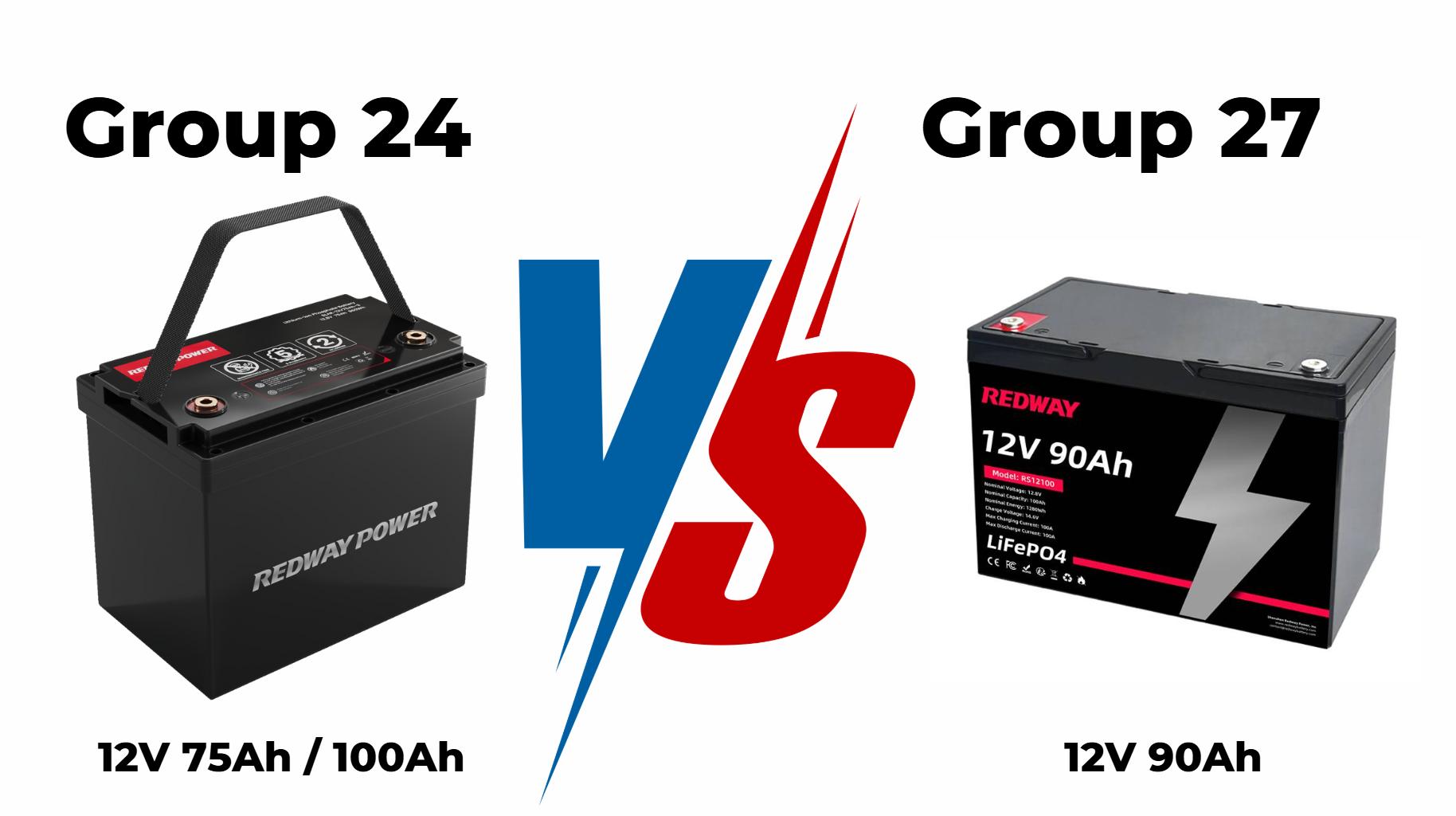
When comparing with other battery groups, such as Group 27 or Group 31 batteries, the weight can differ significantly:| Battery Group | Average Weight (lbs) |
|---|---|
| Group 24 | ~38 to 60 |
| Group 27 | ~50 to 70 |
| Group 31 | ~70 to 90 |
Factors Influencing Battery Weight
Materials Used in Construction
The weight of a battery can be influenced by the materials used in its construction:- Lead-acid batteries contain lead plates, which contribute significantly to their weight.
- Advanced designs like AGM batteries use fiberglass mats that can alter weight while maintaining performance.
Design Variations Across Brands
Different manufacturers may use varying designs or materials that affect the overall weight:- Some brands may focus on lightweight materials for portability.
- Others may prioritize durability, resulting in heavier batteries.
Applications and Uses of Group 24 Batteries
Marine Applications
In marine settings, Group 24 batteries are commonly used for starting engines, powering navigation systems, and running lights. Their ability to provide reliable power over extended periods makes them essential for boaters.RV, motorhome and Automotive Uses
In RVs, these batteries supply energy for appliances like refrigerators, lights, and water pumps when not connected to shore power. In automotive applications, they serve as starting batteries or auxiliary power sources.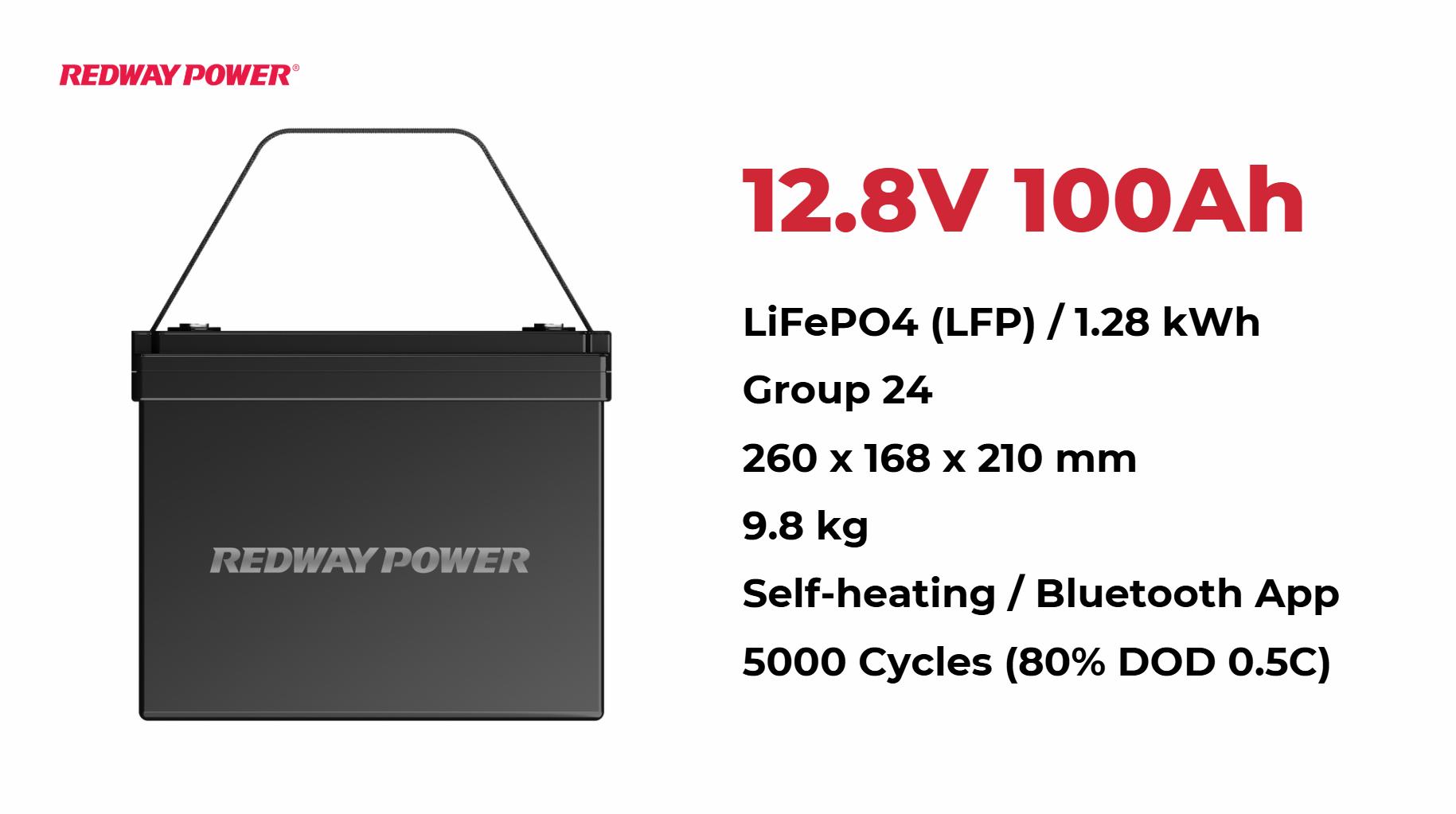
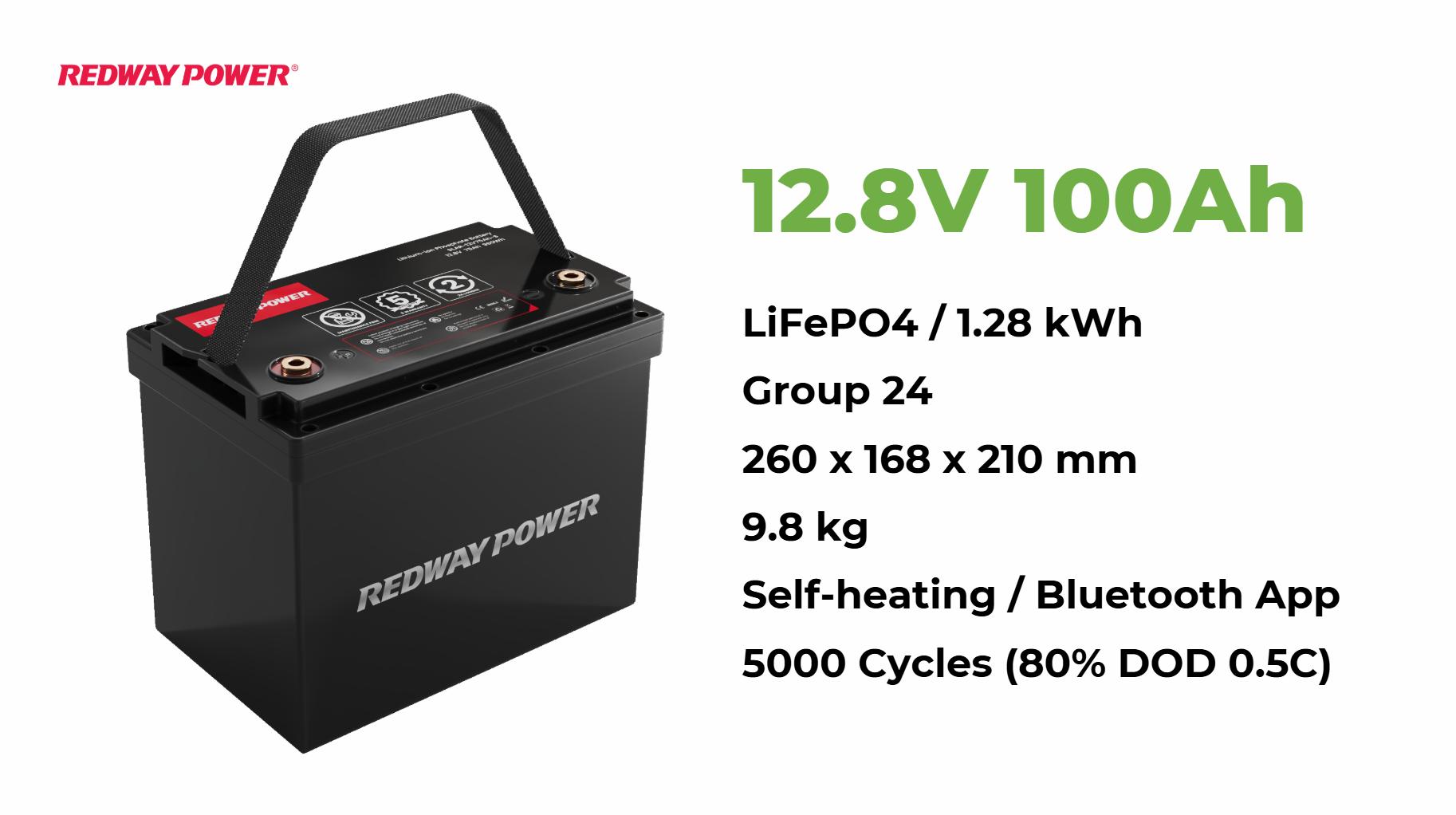
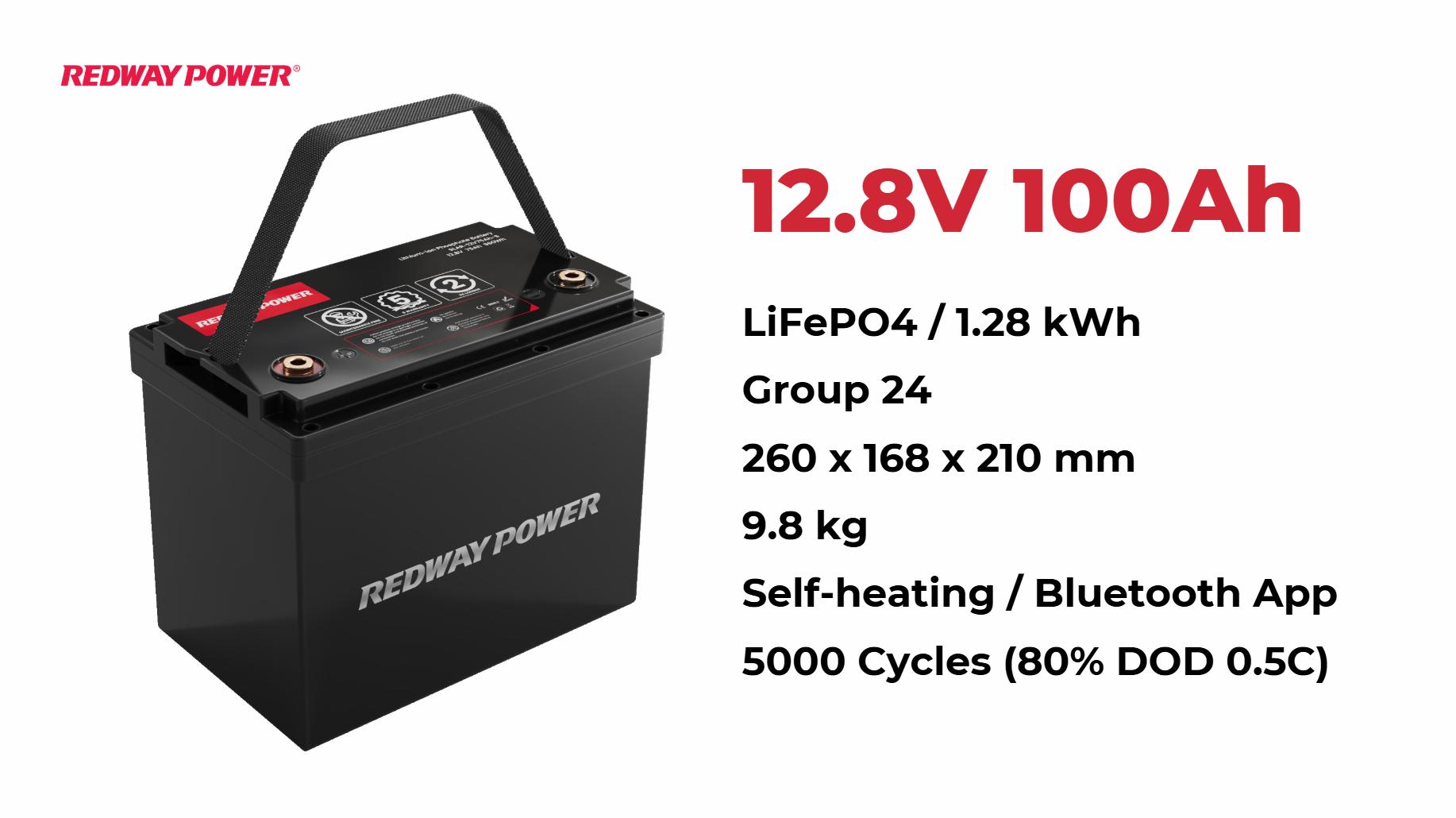
12v 100ah lifepo4 lithium rv battery factory oem
Maintenance Tips for Group 24 Batteries
To ensure longevity and optimal performance:- Regularly check fluid levels in flooded lead-acid batteries.
- Keep terminals clean and free from corrosion.
- Store batteries in a cool, dry place when not in use.
Latest News in Battery Technology
Recent advancements in battery technology focus on improving energy density and reducing weight across various types of batteries. Innovations such as lithium-ion alternatives are gaining traction due to their lighter weight and higher capacity compared to traditional lead-acid designs.Redway Expert Comment
“Understanding the specifications and weight considerations of different battery groups is crucial for selecting the right battery for your needs,” states an expert at Redway Tech. “Group 24 batteries offer a great balance between weight and power capacity, making them ideal for many applications.”FAQs About Group 24 Batteries
Q: How much does a typical Group 24 battery weigh? A: A typical Group 24 battery weighs between 38 to 60 pounds, depending on its construction type.Q: What are the common uses for a Group 24 battery? A: Common uses include marine applications, RVs, and automotive starting systems.Q: How can I maintain my Group 24 battery? A: Regularly check fluid levels (for flooded types), keep terminals clean, and store it properly when not in use.Know more:group 24 battery weight group 24 vs 27 battery group 24 vs 27Continue exploring: Use the Battery Glossary & Fundamentals guide for the related decision process, evidence, and practical guidance.