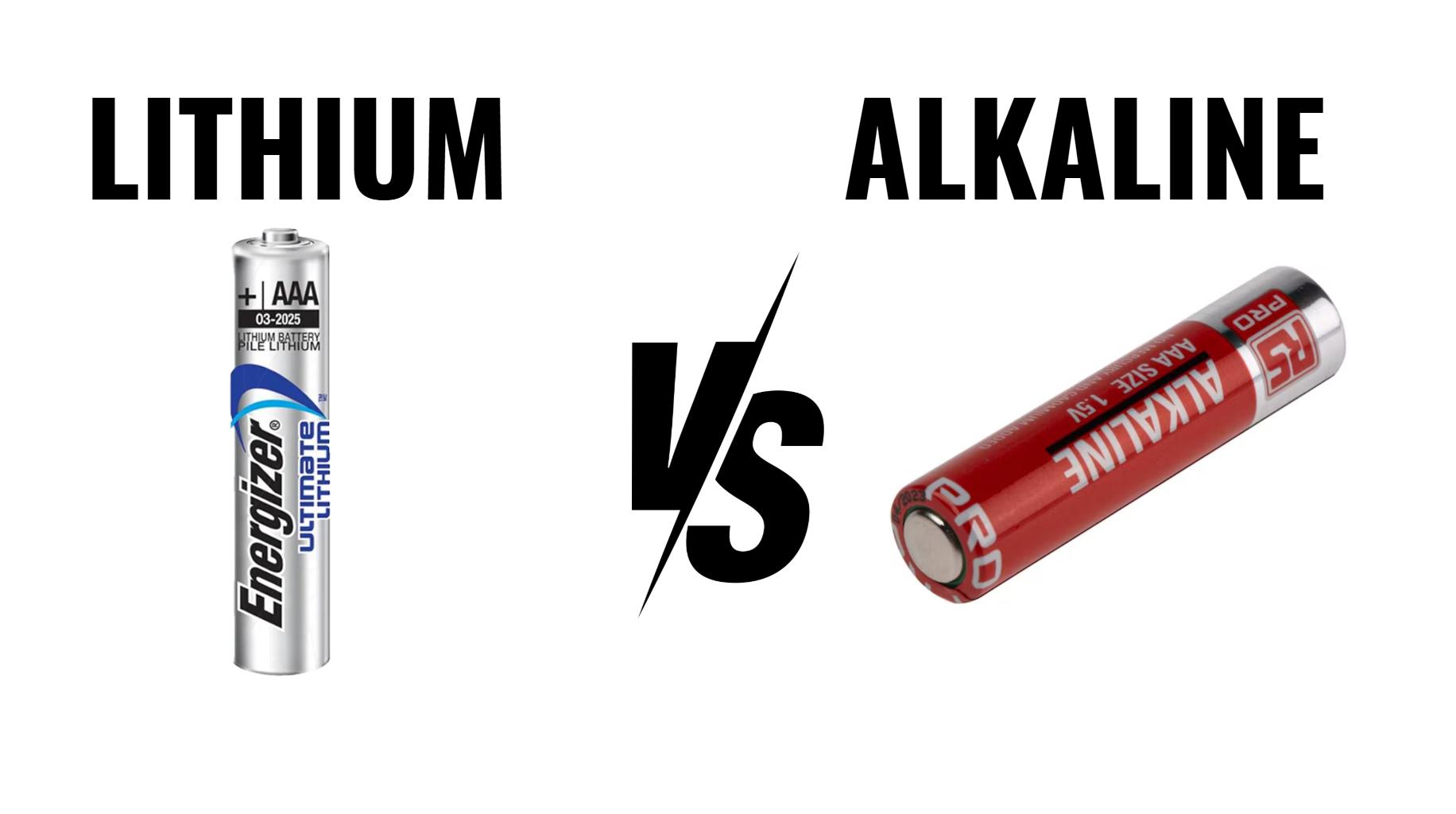
Lithium batteries typically last significantly longer than alkaline batteries, making them a preferred choice for high-drain devices. While lithium batteries can last anywhere from 4 to 10 years, alkaline batteries generally have a lifespan of about 0.5 to 1 year in low-drain applications. Understanding these differences is crucial for selecting the right battery for your needs.
Lithium batteries outperform alkaline batteries in terms of active lifespan when used in high-demand applications. Lithium batteries generally have a higher energy density than alkaline batteries:
This means lithium batteries can store more energy relative to their weight, making them ideal for portable electronics. Lithium batteries are often rechargeable (like lithium-ion), providing significant savings over time despite their higher initial cost. Alkaline batteries are primarily disposable, with limited rechargeable options available.
This difference highlights the efficiency of lithium technology for frequent-use applications.

Overview of Lithium and Alkaline Chemistry
Lithium batteries utilize lithium compounds as their anode material, which allows for higher energy density and longer life cycles. In contrast, alkaline batteries use zinc and manganese dioxide, providing stable voltage but less overall capacity.Common Applications for Each Type
Lithium batteries are commonly found in devices that require high energy output, such as smartphones, laptops, and electric vehicles, while alkaline batteries are often used in low-drain devices like remote controls, flashlights, and toys.Lifespan Comparison
Typical Lifespans for Each Battery Type
| Battery Type | Typical Lifespan | Shelf Life |
|---|---|---|
| Lithium | 4 to 10 years | Up to 10 years |
| Alkaline | 0.5 to 1 year | 5 to 10 years |
Factors Affecting Battery Life
Several factors influence battery longevity:- Usage Patterns: Frequent use can shorten battery life.
- Temperature: Extreme temperatures can degrade performance.
- Device Compatibility: Using the correct battery type for a device ensures optimal performance.
Energy Density and Performance
Energy Density Metrics

| Battery Type | Energy Density (Wh/kg) |
|---|---|
| Lithium | 200+ |
| Alkaline | 80–100 |
Discharge Rates and Efficiency
Lithium batteries support higher discharge rates, allowing devices to draw power quickly without significant voltage drops. In contrast, alkaline batteries may struggle under high-drain conditions, leading to reduced performance.Rechargeability and Cycle Life
Rechargeable vs. Disposable Options

Cycle Life of Lithium vs. Alkaline Batteries
Lithium-ion batteries can endure between 300 to 500 charge cycles, while rechargeable alkaline batteries typically last only about 50 to 100 cycles.| Battery Type | Charge Cycles |
|---|---|
| Lithium-ion | 300–500 |
| Rechargeable Alkaline | 50–100 |
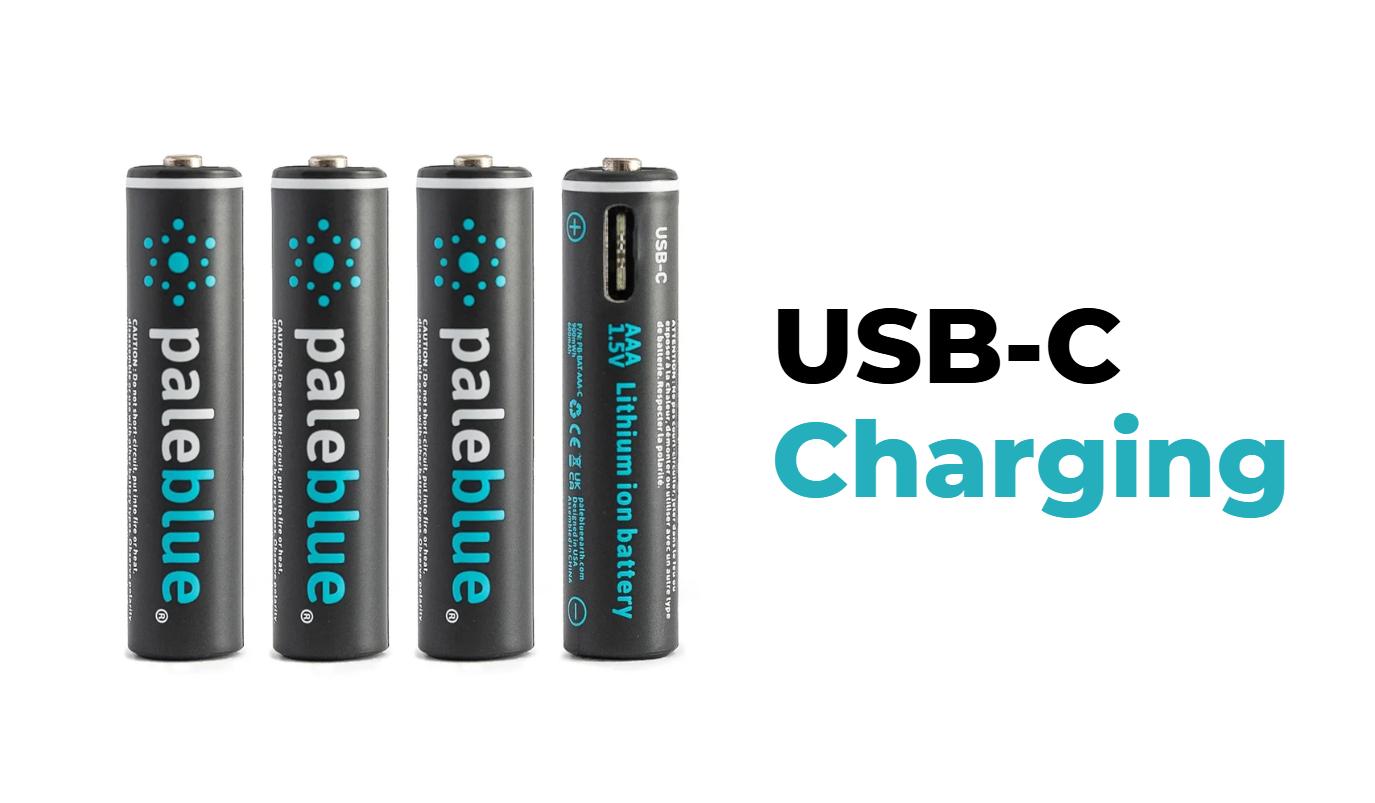
USB-C Charge
Cost Considerations
Initial Costs vs. Long-Term Value
While lithium batteries can be more expensive upfront (typically $5–$10 per cell), their longevity often makes them more cost-effective over time compared to alkaline batteries, which usually cost $0.50–$1 each but need frequent replacement.Cost per Use Analysis
When considering total cost over time:- A lithium battery may cost $5 but last several years.
- An alkaline battery costing $1 might need replacement every few months.
Environmental Impact
Sustainability of Each Battery Type
Lithium batteries are generally viewed as more environmentally friendly due to their rechargeability and lower waste generation over time. However, they do require careful disposal due to hazardous materials.Alkaline batteries are single-use and can contribute to landfill waste but are recyclable in many areas.Latest News in Battery Technology
Recent advancements in battery technology focus on improving the efficiency and sustainability of lithium-ion cells while reducing costs associated with production. Innovations in recycling processes aim to minimize environmental impacts further, making lithium technology increasingly attractive for consumers.Redway Expert Comment
“Lithium batteries have become the go-to choice for modern electronics due to their superior lifespan and performance,” states an expert at Redway Tech. “While they may have a higher upfront cost, their longevity makes them a more sustainable option compared to traditional alkaline batteries.”FAQs About Lithium and Alkaline Batteries
Q: How long do lithium batteries last compared to alkaline? A: Lithium batteries typically last between 4 to 10 years, while alkaline batteries last about 0.5 to 1 year.Q: Are lithium batteries rechargeable? A: Yes, most lithium batteries are rechargeable, allowing for multiple uses over their lifetime.Q: Why do alkaline batteries have a shorter lifespan? A: Alkaline batteries have a lower energy density and are not designed for high-drain applications, leading to quicker depletion.Know more:lithium vs alkaline batteries life lithium aa batteries vs alkaline lithium ion battery vs alkalineContinue exploring: Use the Lithium vs Alkaline, AGM & Lead-Acid Batteries guide for the related decision process, evidence, and practical guidance.