Do LiFePO4 Batteries Require Maintenance?
LiFePO4 (Lithium Iron Phosphate) batteries are widely acclaimed for their low maintenance needs compared to traditional battery technologies. Despite their reputation for minimal upkeep, a few essential practices are recommended to ensure optimal performance and longevity. This article outlines the maintenance requirements for LiFePO4 batteries, emphasizing key practices to maximize their lifespan and efficiency.LiFePO4 batteries are generally maintenance-free due to their sealed design. However, periodic inspections of connections and terminals are recommended to ensure optimal performance and longevity.
Minimal Maintenance Requirements
LiFePO4 batteries are designed with several features that reduce maintenance compared to other battery types:- No Electrolyte Top-Up: Unlike lead-acid batteries, which require regular checks and top-ups of the electrolyte levels, LiFePO4 batteries do not have this requirement. This eliminates a common maintenance task and simplifies battery care.
- Battery Management System (BMS): Most LiFePO4 batteries are equipped with an integrated Battery Management System. The BMS plays a crucial role in monitoring and managing the battery’s health, protecting it from overcharging, overheating, and deep discharging. This system ensures that the battery operates within safe parameters, reducing the need for manual intervention.
Recommended Maintenance Practices
While LiFePO4 batteries require less maintenance, following certain best practices can help maintain their optimal performance and extend their lifespan:- Charging: It is essential to use a charger specifically designed for LiFePO4 batteries. Avoid overcharging or undercharging the battery, as these practices can damage the cells. It is advisable to recharge the battery before it drops below 20% capacity to prevent deep discharging, which can adversely affect battery health.
- Temperature Control: Temperature plays a significant role in the performance and longevity of LiFePO4 batteries. They should be stored and used within a moderate temperature range, ideally between 15°C and 30°C. Exposure to extreme temperatures can degrade the battery’s performance and shorten its lifespan.
- Regular Inspections: Although LiFePO4 batteries are low-maintenance, periodic inspections are recommended. Checking the battery’s voltage and capacity regularly can help detect potential issues early. Monitoring these parameters ensures that the battery continues to function correctly and provides early warnings of any potential problems.
- Cleaning: Keeping the battery and its terminals clean is crucial for maintaining good electrical connections. Dust and corrosion can impede performance. A simple wipe with a dry cloth can help remove any debris and ensure optimal electrical conductivity.
- Storage: When storing a LiFePO4 battery for an extended period, it should be kept at approximately 50-70% charge and in a cool, dry place. Regularly checking the state of charge during storage can help ensure the battery remains in good condition and ready for use when needed.
Conclusion
LiFePO4 batteries stand out for their low maintenance requirements and robust performance. By adhering to simple maintenance practices, such as using the appropriate charger, controlling temperature, performing regular inspections, and keeping the battery clean, users can ensure that their LiFePO4 batteries remain in optimal condition.While these batteries are designed to be hassle-free, attention to these basic care guidelines will help maximize their lifespan and maintain their efficiency. Proper handling and periodic checks are key to benefiting from the advanced technology and reliability that LiFePO4 batteries offer.FAQsWhat Safety Measures Should Be Taken When Using LiFePO4 Forklift Batteries? Do LiFePO4 Batteries Require Maintenance? What is the Typical Cost of a LiFePO4 Forklift Battery? Comparing Maintenance Costs: LiFePO4 Batteries vs. Lead-Acid Batteries Exploring Real-World Applications of LiFePO4 Batteries in Forklifts Industries Benefiting from LiFePO4 Forklift Batteries What is LiFePO4 Technology? The Evolving Market for Forklift Batteries What Are the Latest Advancements in LiFePO4 Battery Technology? How Does Fast Charging Impact Battery Life? Types of Chargers for LiFePO4 Forklift Batteries Common Voltage and Capacity Options for LiFePO4 Forklift Batteries Comparing LiFePO4 and Lead-Acid Batteries: A Comprehensive AnalysisContinue exploring: Use the Forklift Battery Life, Cycles & Replacement guide for the related decision process, evidence, and practical guidance.
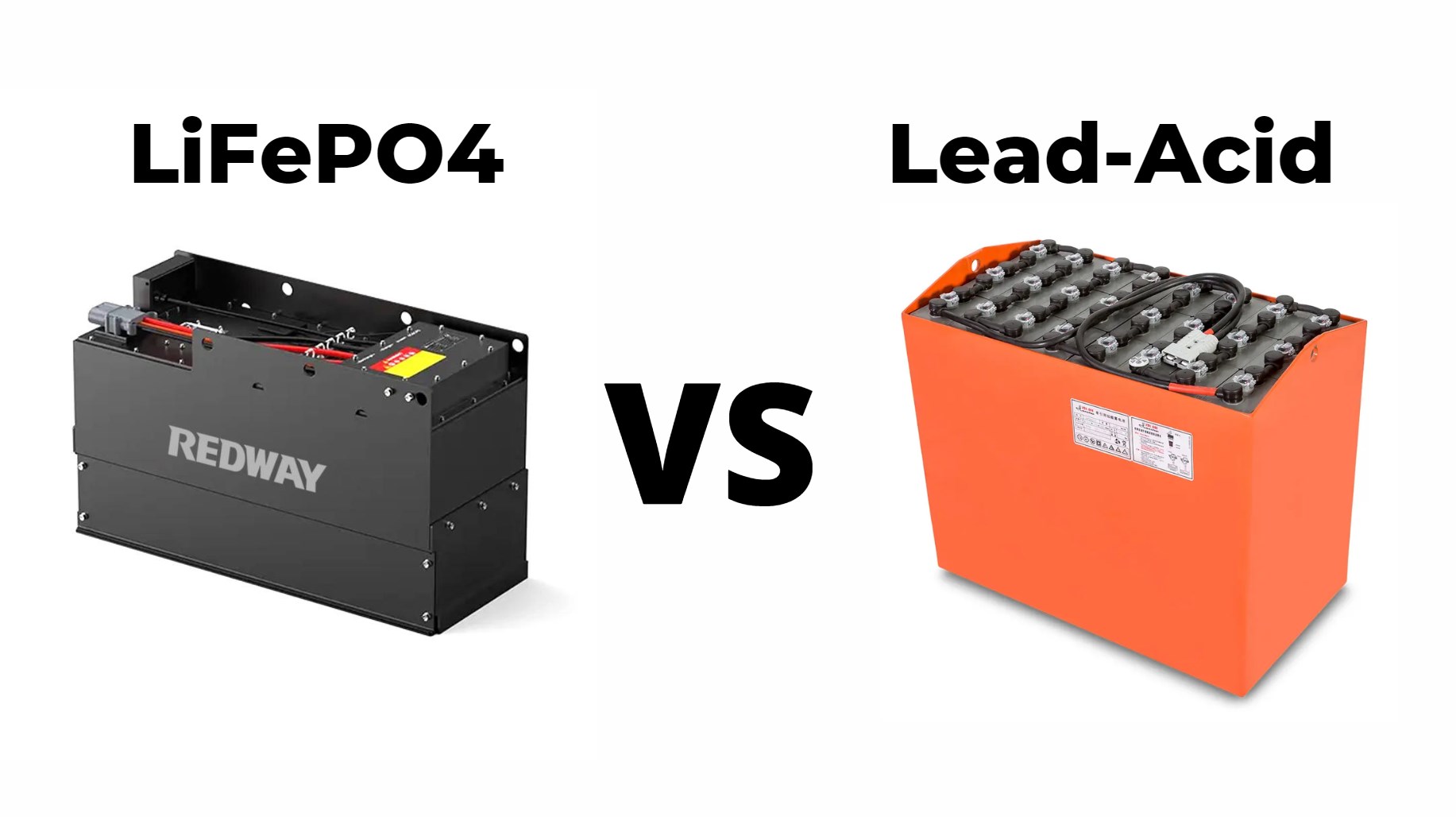
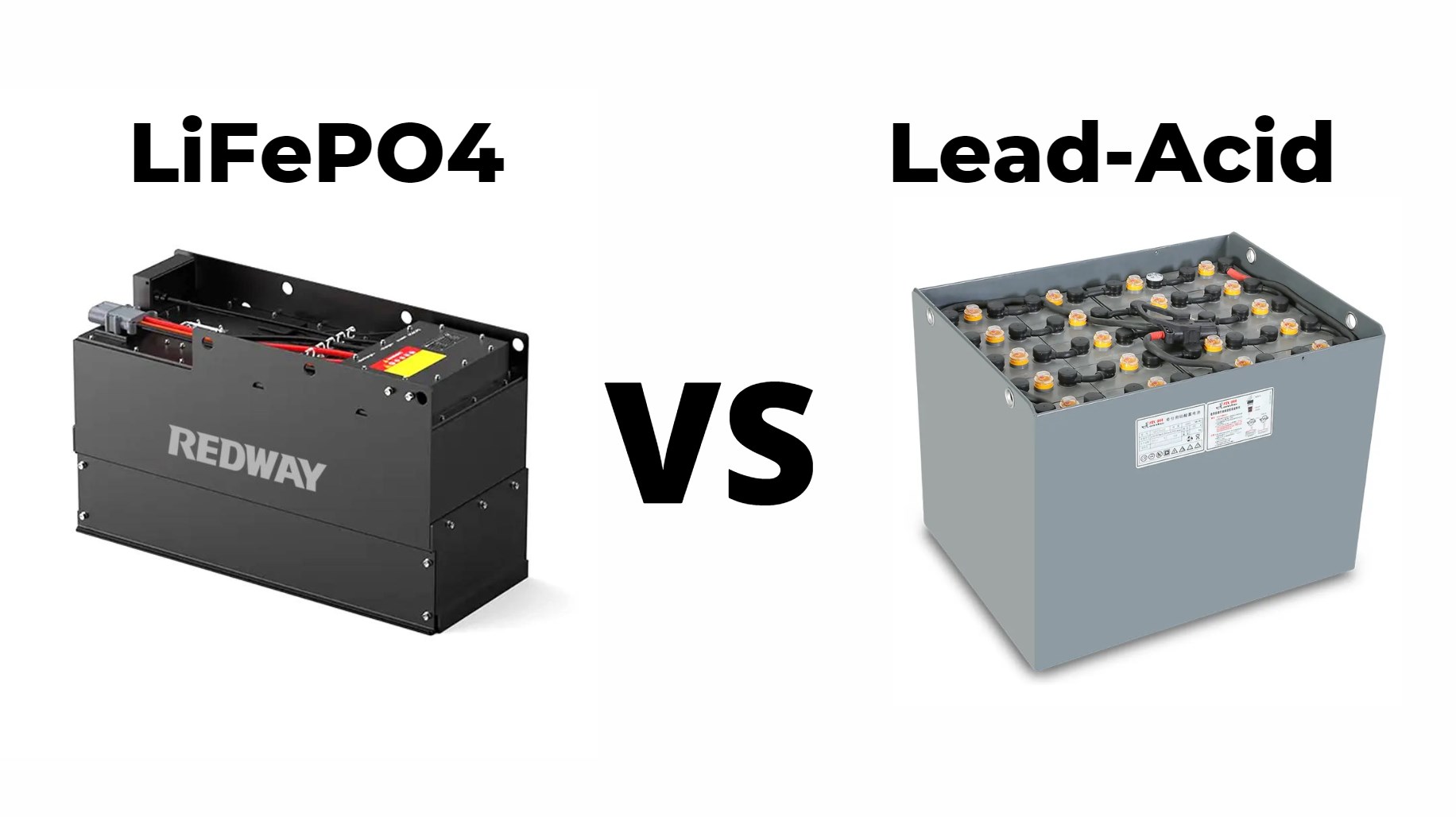
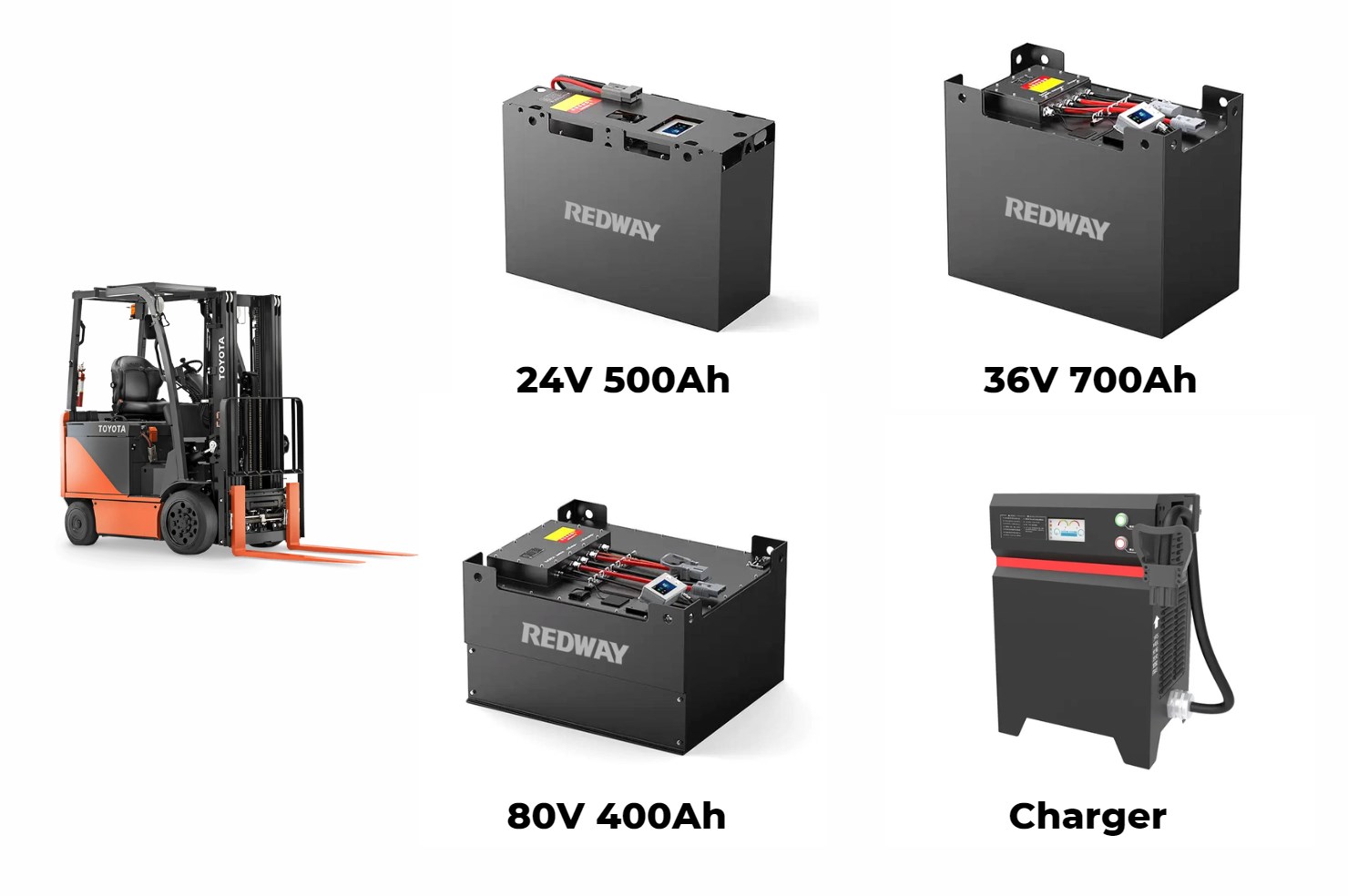 4. Total Cost of OwnershipWhen assessing the total cost of ownership, which encompasses initial purchase costs, maintenance expenses, and replacement costs, LiFePO4 batteries often emerge as the more cost-effective option despite their higher upfront price. The reduced need for maintenance, coupled with their longer lifespan, results in lower overall costs compared to lead-acid batteries. Lead-acid batteries, while cheaper initially, can incur higher ongoing expenses due to frequent maintenance and replacement needs.ConclusionIn summary, LiFePO4 batteries offer significant advantages over lead-acid batteries in terms of maintenance costs. Their minimal maintenance requirements, extended lifespan, and reduced replacement frequency make them a more economical choice in the long term. While lead-acid batteries may have a lower initial cost, the higher maintenance and replacement expenses can accumulate, making LiFePO4 batteries a more cost-effective solution for reliable and continuous power.FAQs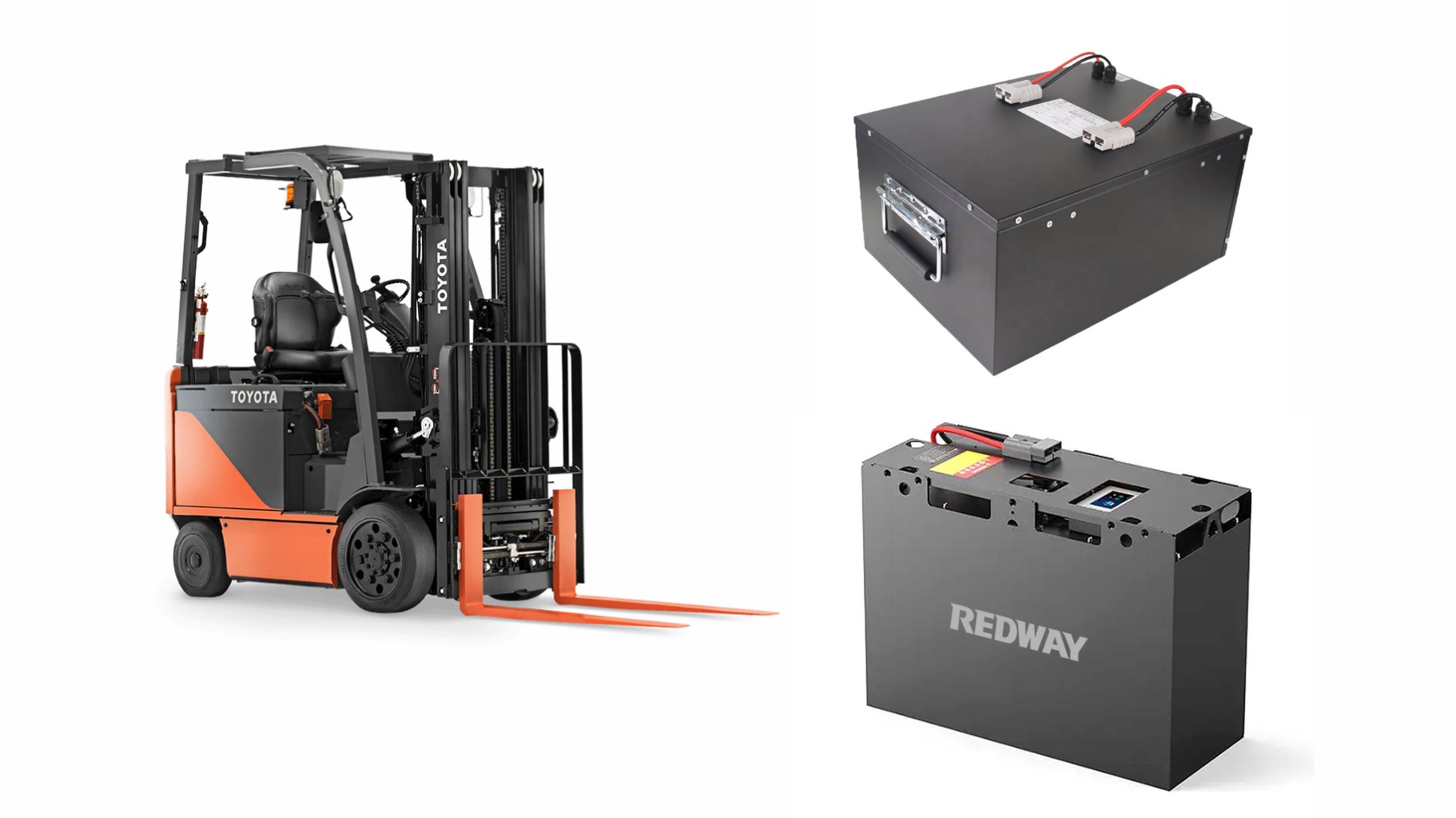
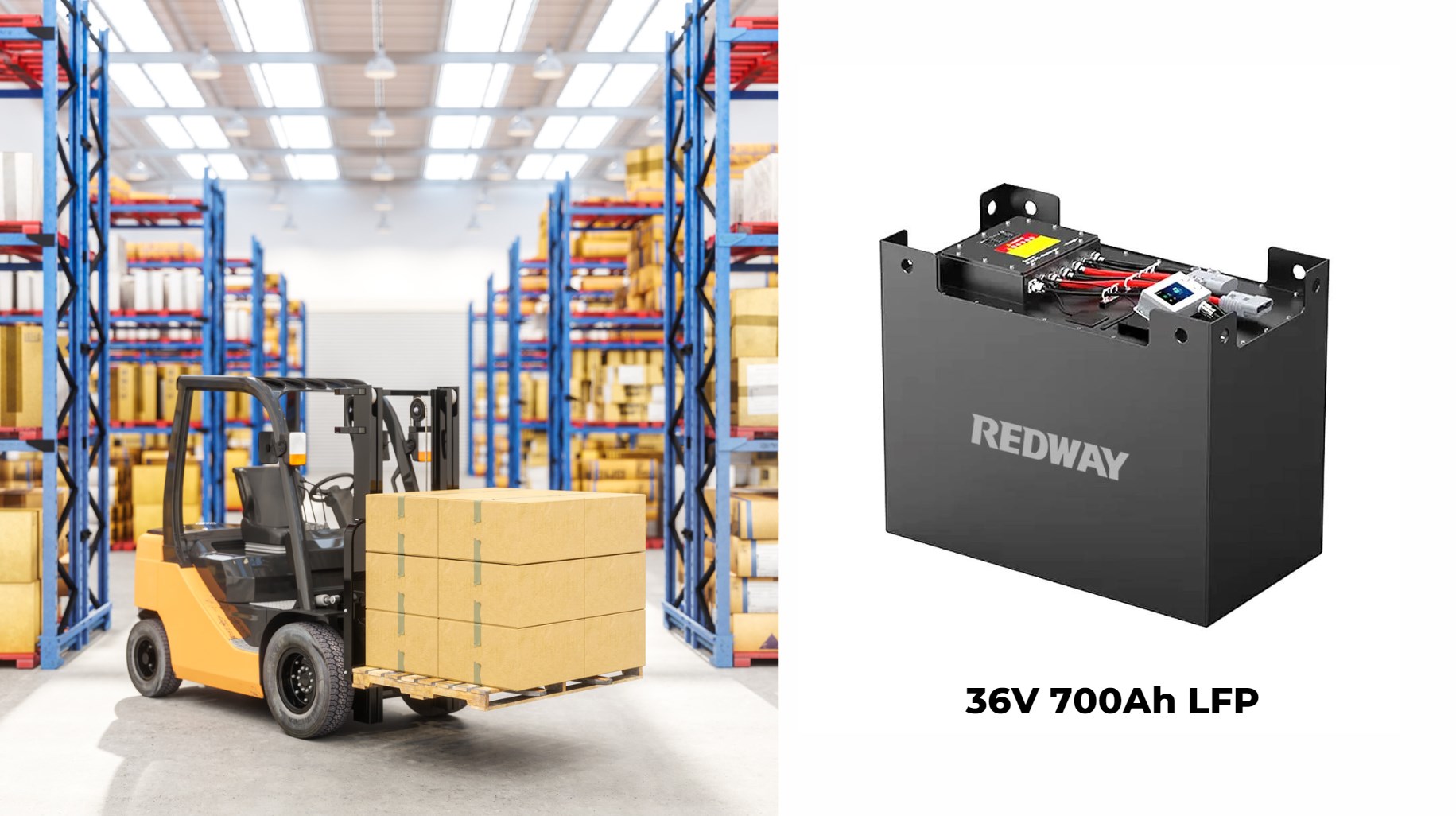
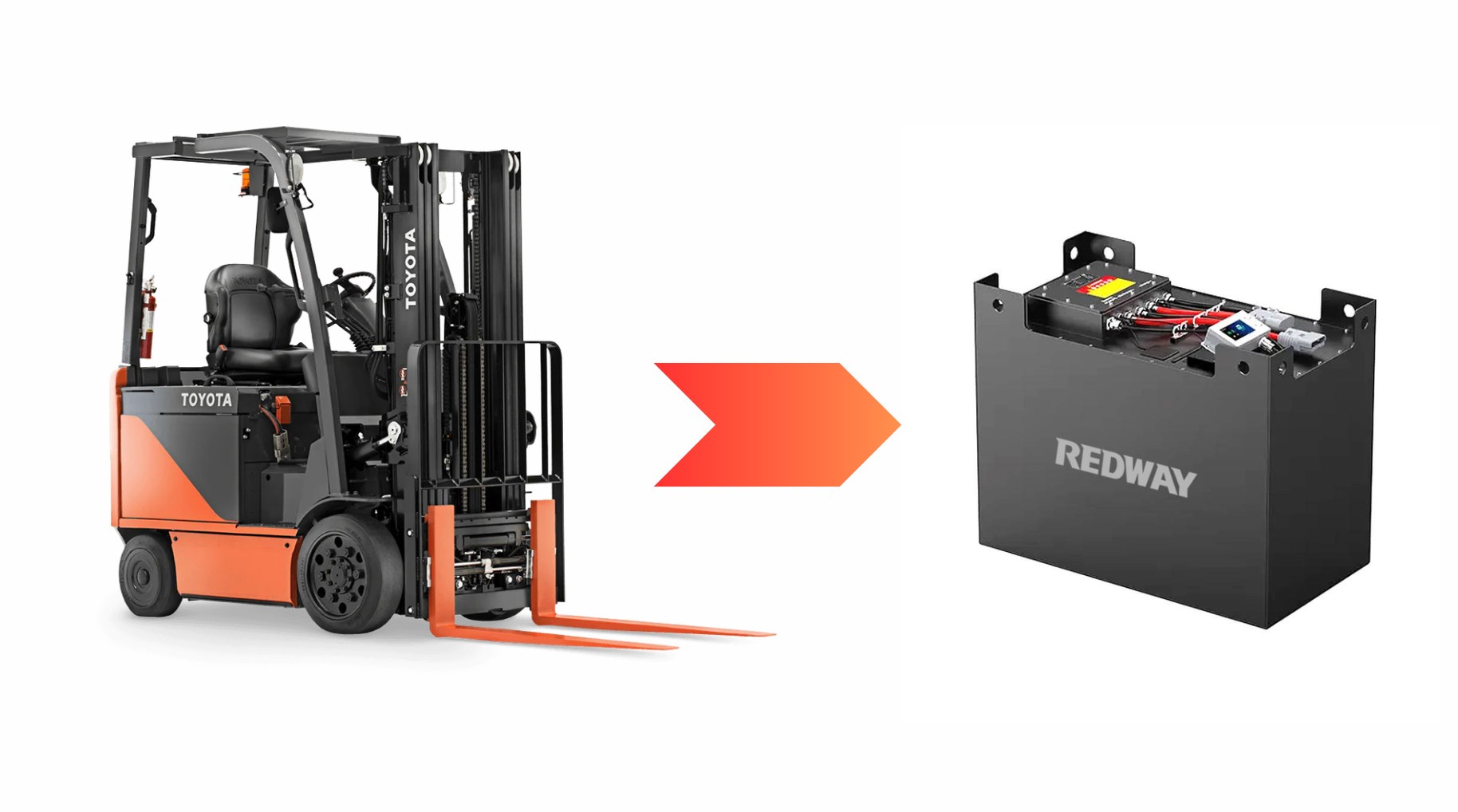
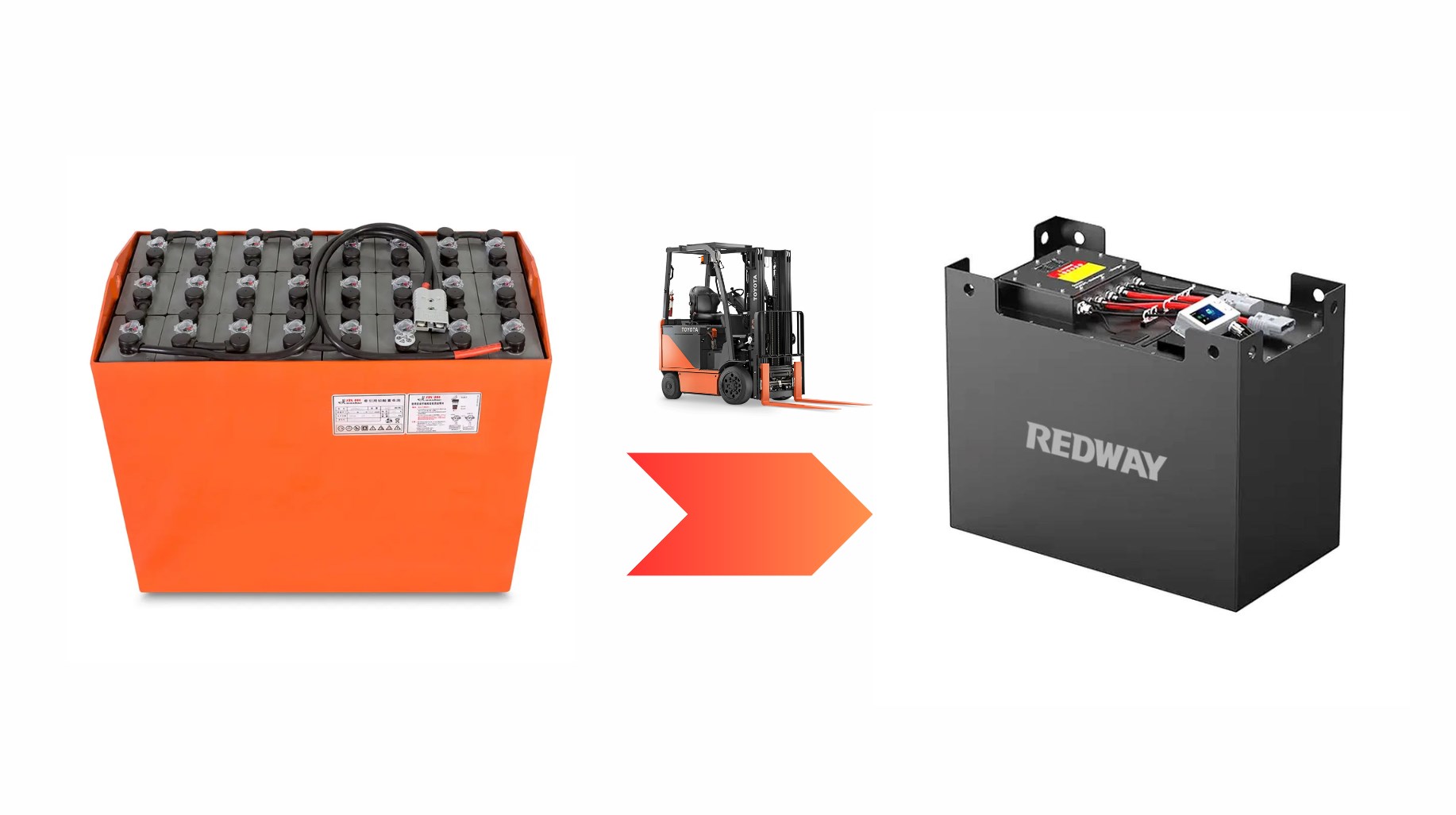
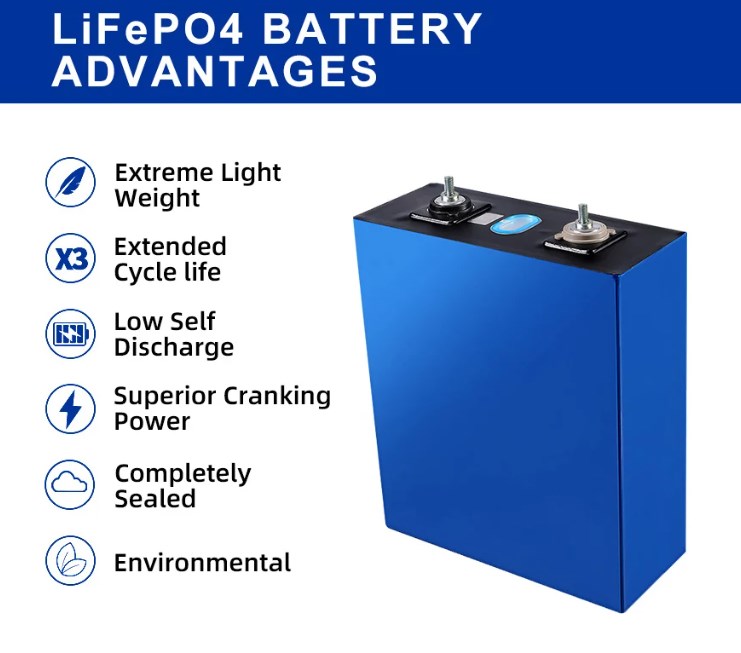 Key Features of LiFePO4 BatteriesSafety: LiFePO4 batteries are renowned for their thermal and chemical stability, drastically minimizing the risk of thermal runaway—a common problem associated with other lithium-ion batteries. This stability stems from the robust P–O bonds within the phosphate group, which release oxygen more gradually under stress compared to cobalt-based batteries.Long Lifespan: One of the most notable advantages of LiFePO4 batteries is their impressive cycle life, ranging from 2,000 to over 10,000 cycles based on usage conditions. This extended lifespan makes them highly desirable for applications demanding long-term energy storage.Environmental Impact: LiFePO4 batteries are more environmentally friendly compared to their counterparts as they lack toxic materials like cobalt. Their composition includes more abundant and less harmful materials such as iron and phosphate, reducing their overall environmental footprint.Performance: These batteries offer high power density and the ability to deliver substantial currents, making them ideal for applications requiring quick bursts of power. They maintain a consistent power output throughout their discharge cycle, enhancing their reliability and efficiency.Compatibility with Renewable Energy: LiFePO4 batteries excel in compatibility with renewable energy systems, particularly solar energy solutions. Their low self-discharge rate and high energy density make them effective for off-grid solutions and backup power systems.Applications of LiFePO4 TechnologyLiFePO4 technology is utilized in a wide range of applications due to its numerous advantages:Electric Vehicles (EVs): The safety and longevity of LiFePO4 batteries make them increasingly popular in electric vehicles. Leading companies like Tesla and BYD have incorporated LiFePO4 technology into their designs, benefiting from its stable performance and long cycle life.Energy Storage Systems: The durability and stability of LiFePO4 batteries make them ideal for stationary energy storage solutions. These batteries are extensively used in solar energy storage and backup power systems, providing reliable energy storage with minimal maintenance.Consumer Electronics: LiFePO4 batteries are also prevalent in portable electronics. Their high power density and long life cycle make them a dependable power source for devices that require consistent and reliable energy.Redway Power and