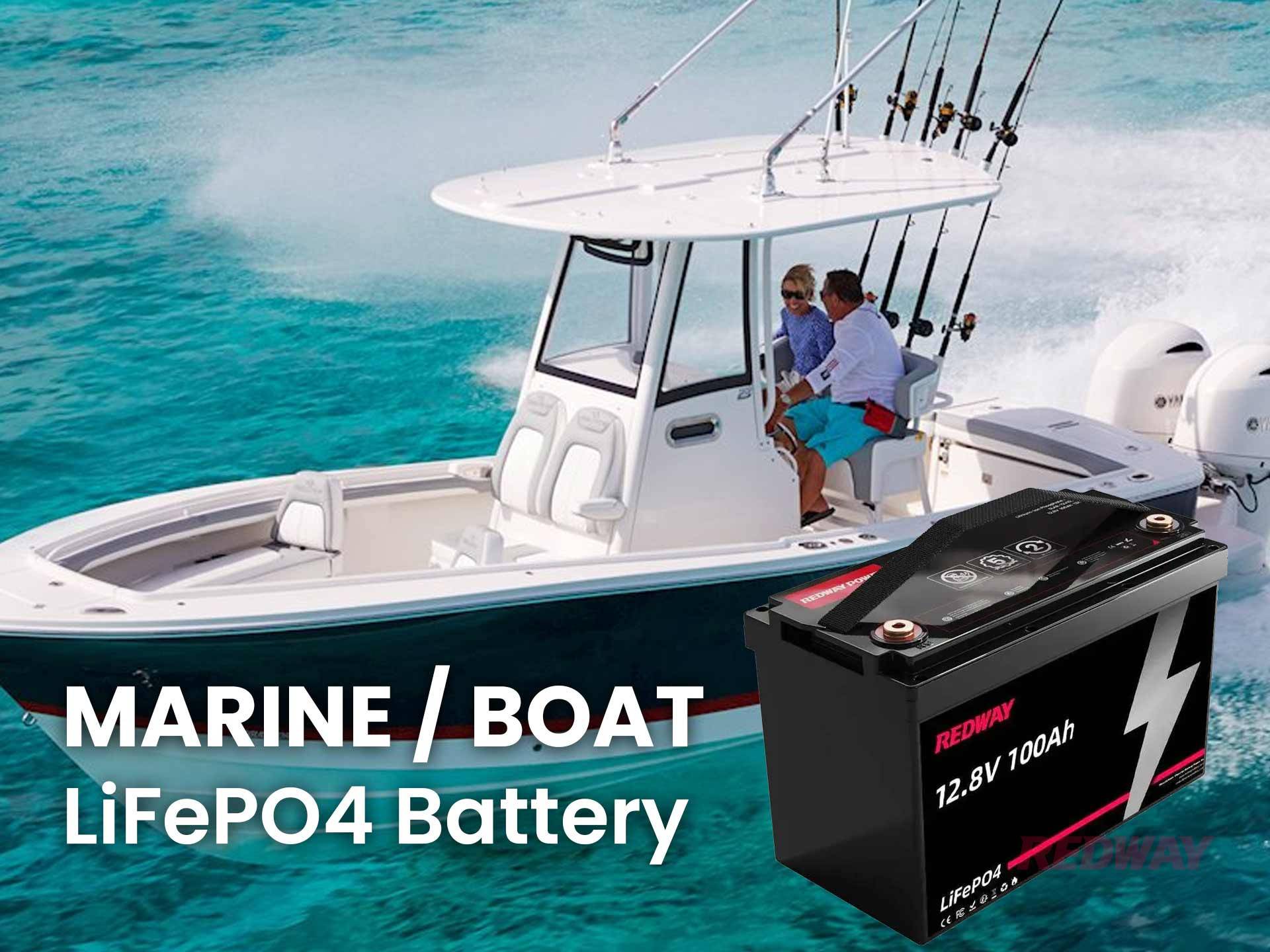
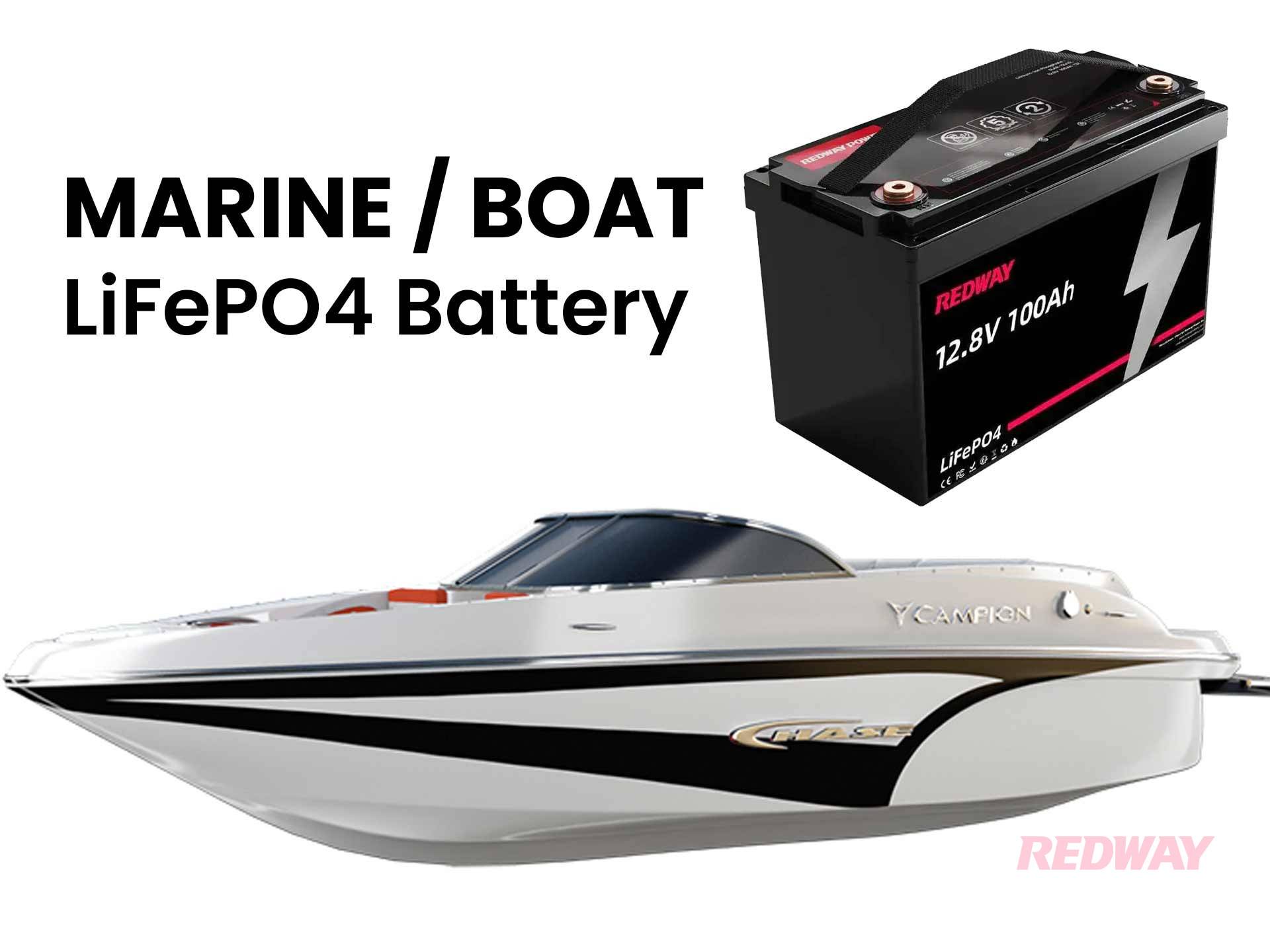
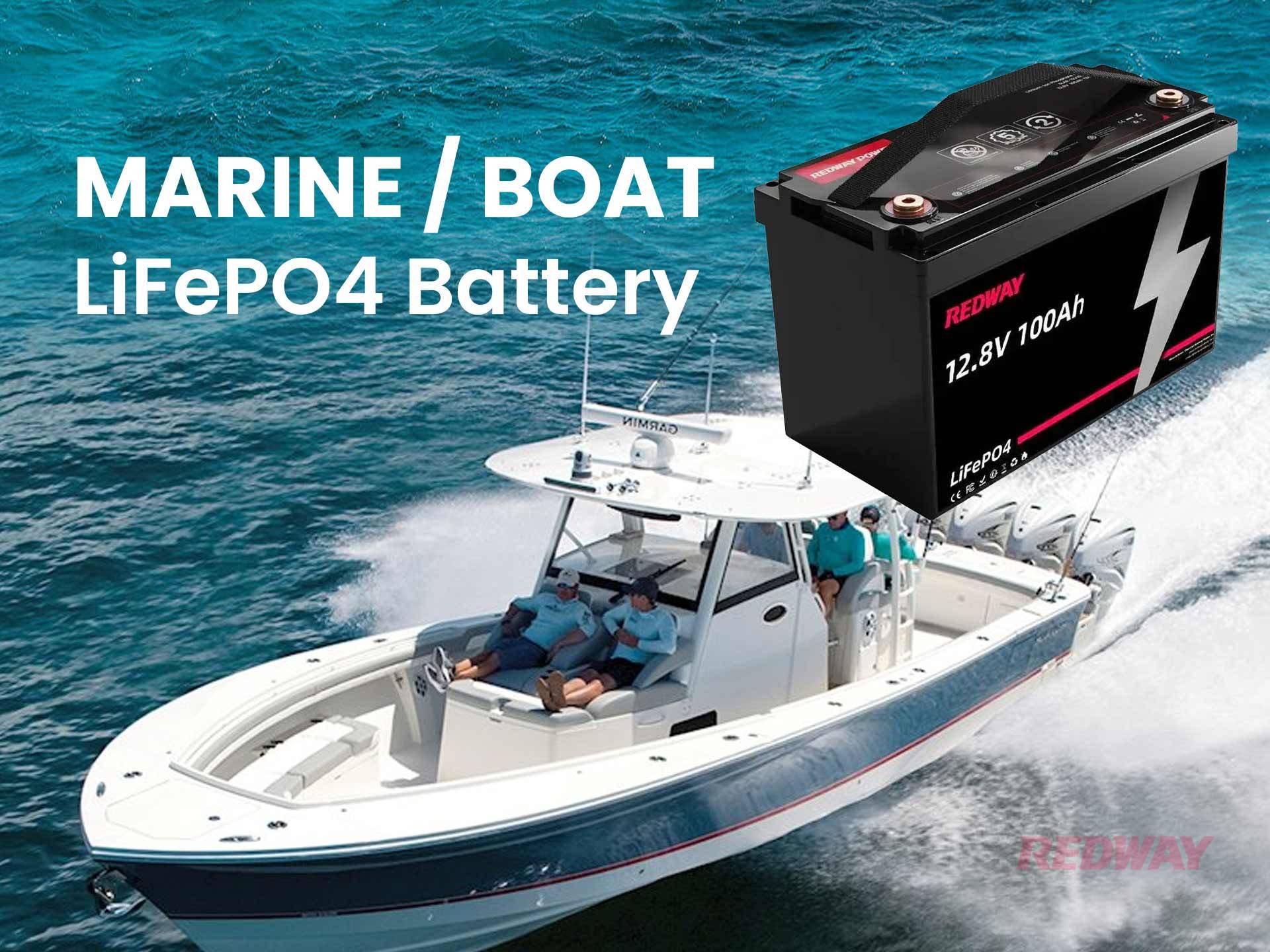
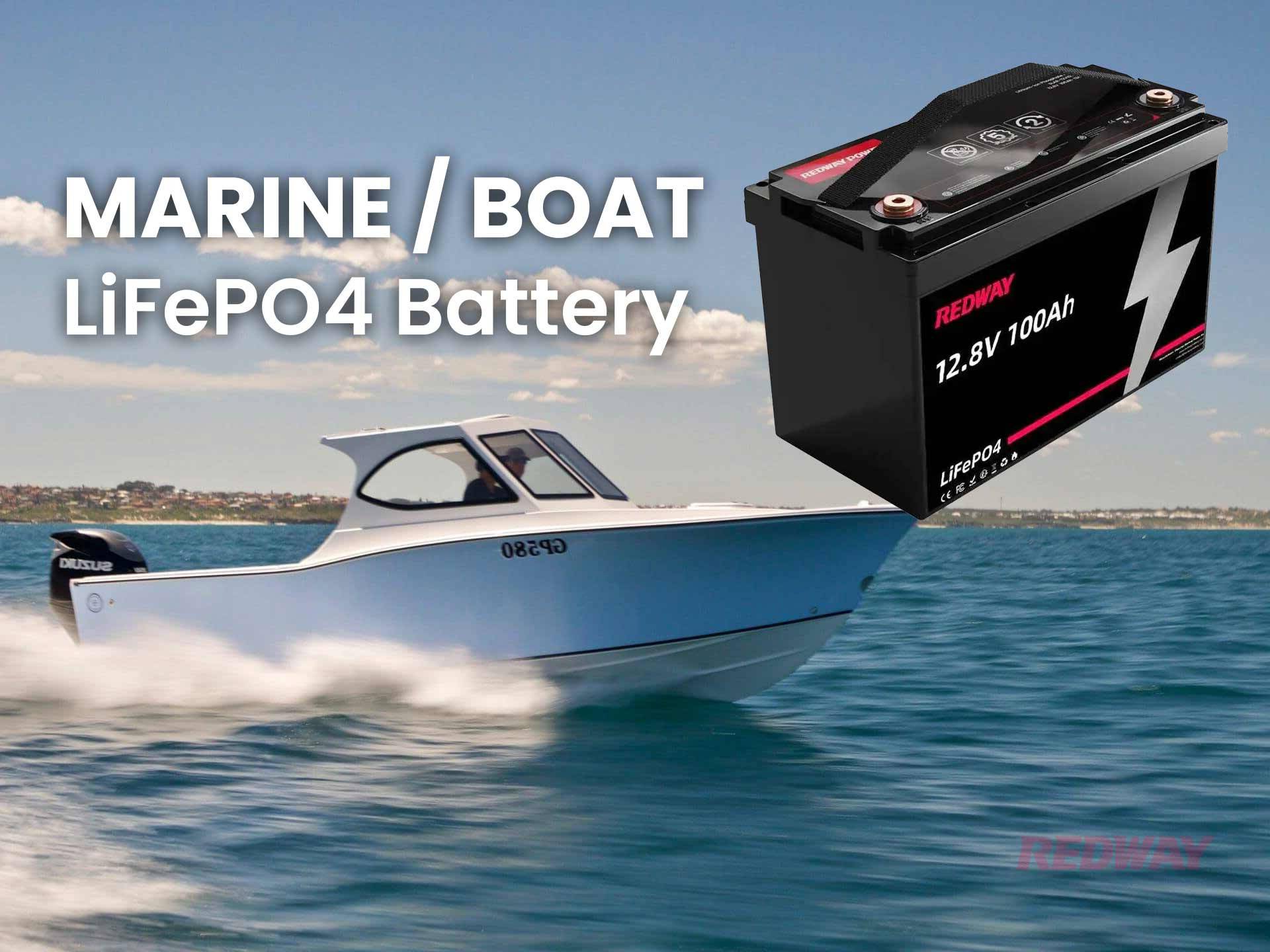
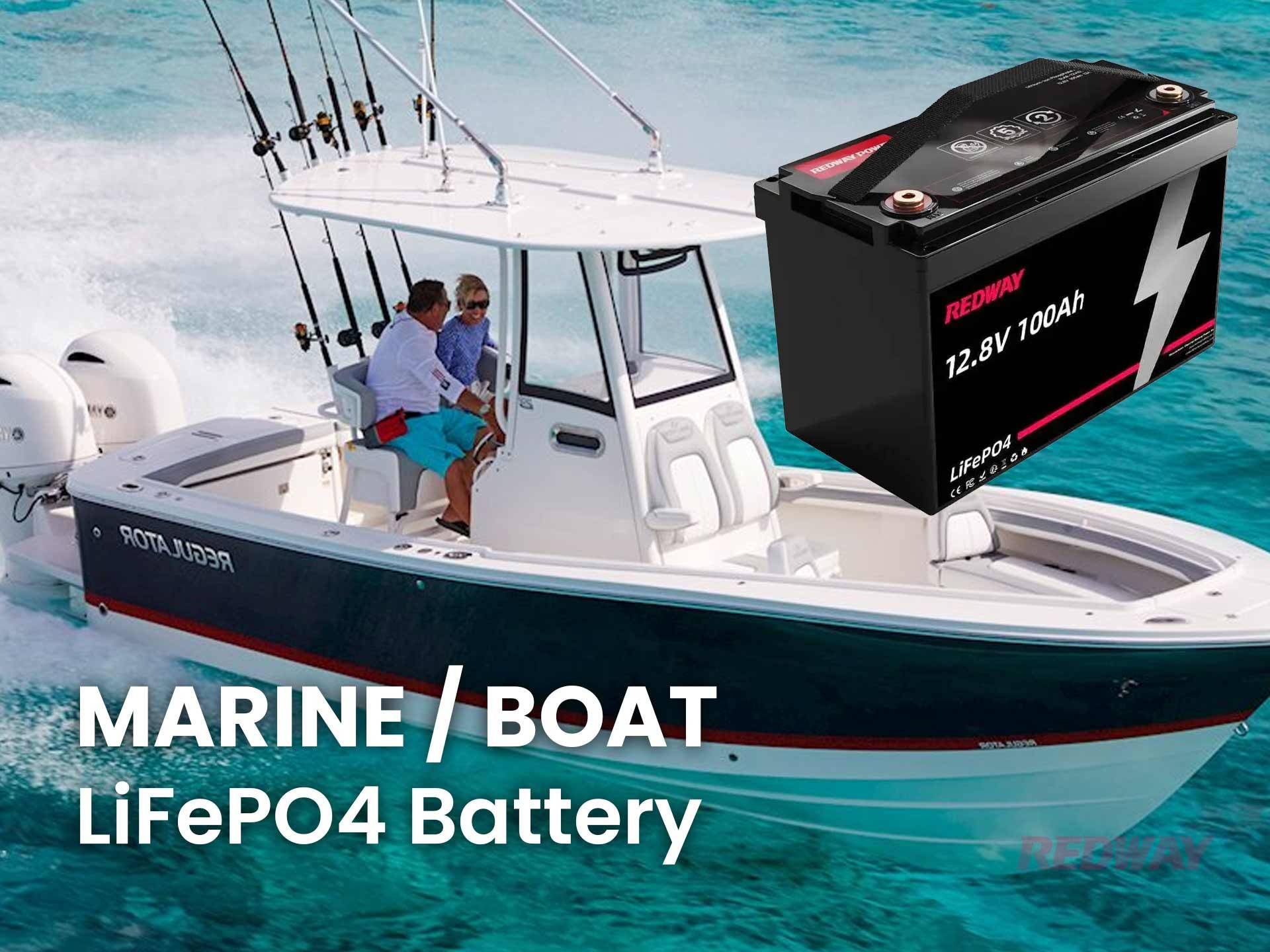
Can I Overcharge LiFePO4 Marine Batteries?

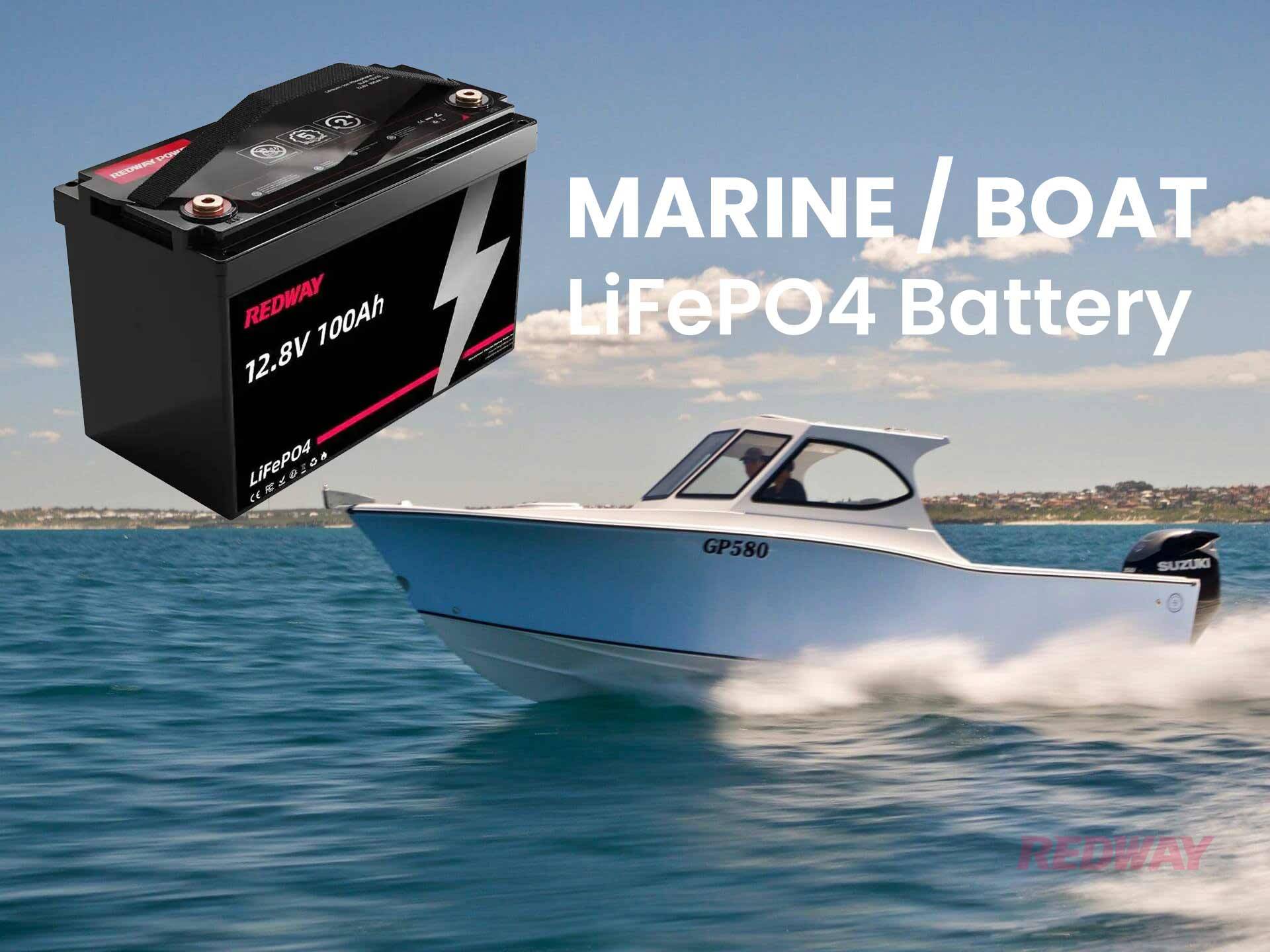
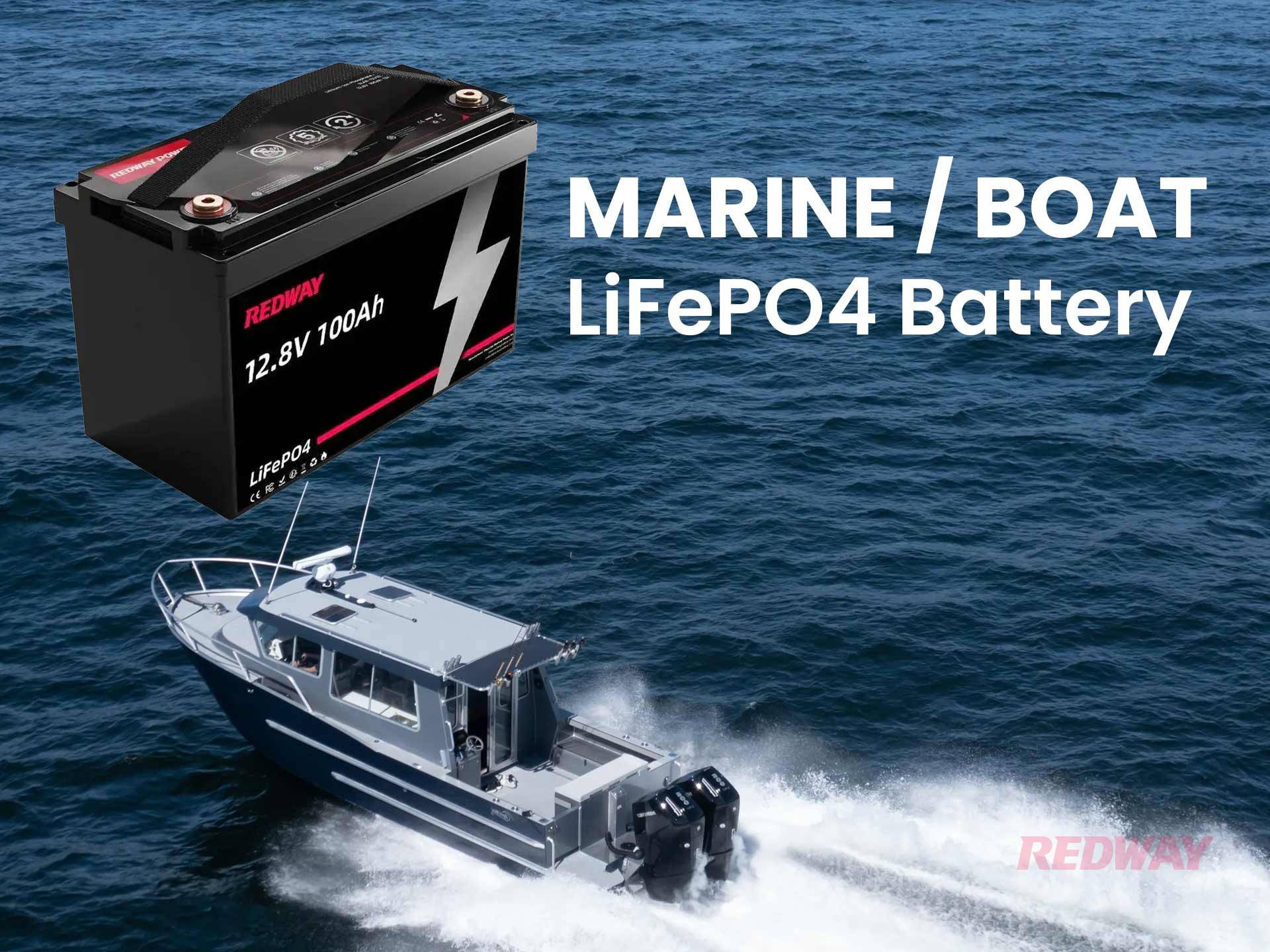
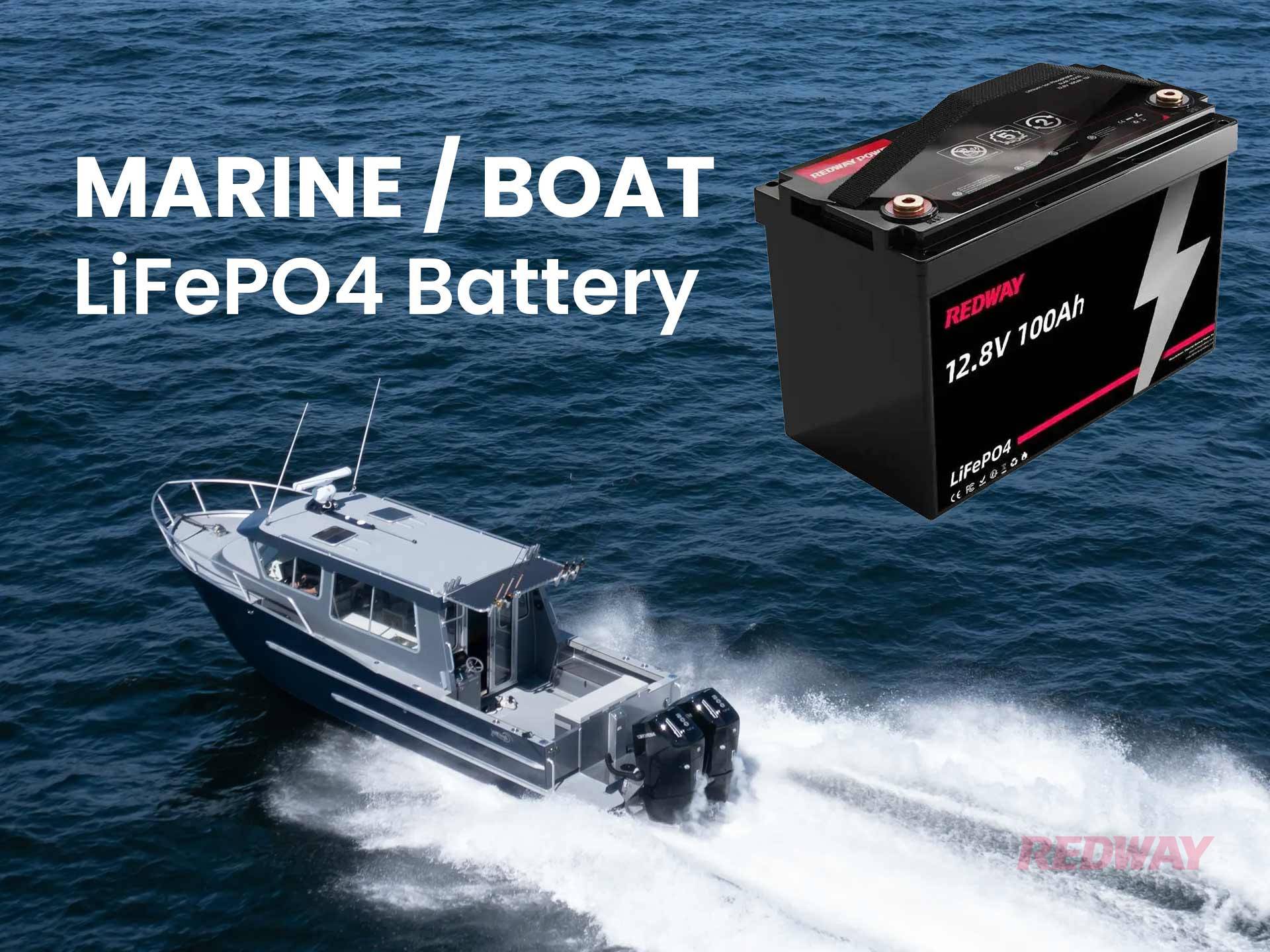
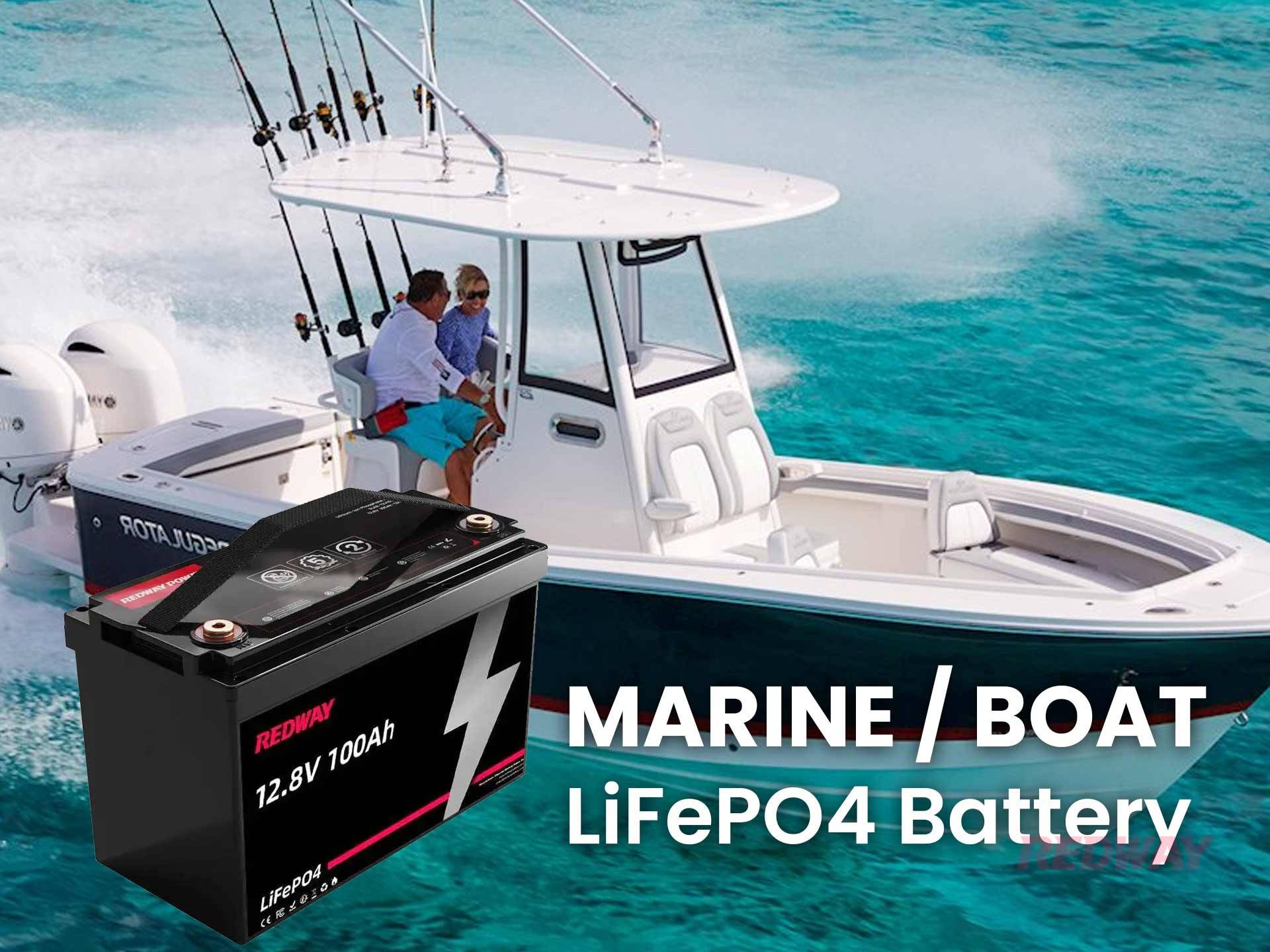
LiFePO4 marine batteries, known for their durability, efficiency, and safety, have become increasingly popular among boat owners. However, like all batteries, they require careful handling to maintain their longevity and performance. One critical aspect to consider is overcharging, which can significantly impact the battery’s lifespan and safety. In this article, we will explore the risks associated with overcharging LiFePO4 marine batteries and provide comprehensive guidelines on how to prevent it.

Understanding LiFePO4 Marine Batteries

Lithium Iron Phosphate (LiFePO4) batteries are a type of lithium-ion battery that offers several advantages over traditional lead-acid batteries, including higher energy density, longer cycle life, and enhanced safety features. These batteries are particularly suitable for marine applications due to their resistance to extreme temperatures, vibrations, and moisture.

The Dangers of Overcharging

Overcharging occurs when a battery is charged beyond its maximum voltage limit, leading to excessive heat generation and potential damage. For LiFePO4 batteries, the maximum voltage per cell is typically around 3.65 volts. Exceeding this limit can result in:
  1. Thermal Runaway: Overcharging can cause the battery to overheat, leading to thermal runaway—a condition where the battery’s temperature rapidly increases, potentially causing it to catch fire or explode.
  2. Capacity Loss: Continuous overcharging can degrade the battery’s capacity, reducing its overall performance and lifespan.
  3. Swelling and Leakage: Excessive charging can cause the battery cells to swell, leading to potential leakage of electrolytes and structural damage.

Role of the Battery Management System (BMS)

A Battery Management System (BMS) is crucial for the safe operation of LiFePO4 marine batteries. The BMS monitors and manages the battery’s voltage, temperature, and state of charge, ensuring it operates within safe limits. Key functions of a BMS include:
  • Voltage Regulation: The BMS ensures that each cell within the battery pack does not exceed its maximum voltage, preventing overcharging.
  • Temperature Monitoring: It tracks the battery’s temperature, triggering protective measures if overheating occurs.
  • State of Charge Management: The BMS calculates the battery’s remaining capacity, ensuring it is not overcharged or deeply discharged.

Using a Compatible Charger

To prevent overcharging, it is essential to use a charger compatible with LiFePO4 batteries. Unlike lead-acid chargers, LiFePO4 chargers are designed to provide the appropriate voltage and current levels, ensuring safe and efficient charging. When selecting a charger, consider the following:
  • Voltage and Current Specifications: Ensure the charger matches the voltage and current requirements of your LiFePO4 battery.
  • Automatic Shutoff: Choose a charger with an automatic shutoff feature to stop charging once the battery is fully charged.
  • Temperature Compensation: Some advanced chargers can adjust the charging parameters based on the battery’s temperature, enhancing safety and efficiency.

Following Manufacturer’s Guidelines

Adhering to the manufacturer’s guidelines is crucial for the safe operation of LiFePO4 marine batteries. These guidelines provide specific instructions on charging procedures, voltage limits, and safety precautions. Key recommendations typically include:
  • Charging Voltage: Maintain the charging voltage within the recommended range (usually up to 14.6 volts for a 12V LiFePO4 battery).
  • Charging Current: Avoid charging the battery at currents higher than specified, as this can cause excessive heat buildup.
  • Charge Termination: Disconnect the charger once the battery is fully charged to prevent overcharging.

Avoid Unauthorized Modifications

Modifying your LiFePO4 battery or its charging system without proper knowledge and expertise can lead to serious risks, including overcharging. Unauthorized modifications can bypass safety mechanisms, increasing the likelihood of overcharging and subsequent damage. Always consult the manufacturer or a qualified technician before making any changes.

Monitoring Temperature

Temperature plays a critical role in the performance and safety of LiFePO4 marine batteries. High temperatures can accelerate chemical reactions within the battery, increasing the risk of overcharging. To monitor and manage temperature:
  • Regular Checks: Periodically check the battery’s temperature during charging and discharging.
  • Adequate Ventilation: Ensure the battery compartment is well-ventilated to dissipate heat effectively.
  • Avoid High Ambient Temperatures: Store and operate the battery in environments with moderate temperatures to prevent overheating.

Refraining from Prolonged Charging

Leaving a LiFePO4 battery connected to a charger for an extended period can lead to overcharging, even if the charger has an automatic shutoff feature. To prevent this:
  • Set Timers: Use timers to limit the charging duration based on the battery’s capacity and charger specifications.
  • Regular Monitoring: Periodically check the charging status and disconnect the charger once the battery is fully charged.

Conclusion

Overcharging LiFePO4 marine batteries can have detrimental effects on their performance, safety, and longevity. By utilizing a Battery Management System (BMS), using compatible chargers, following manufacturer guidelines, avoiding unauthorized modifications, monitoring temperature, and refraining from prolonged charging, you can ensure the optimal performance and safety of your LiFePO4 marine batteries. Proper care and maintenance are essential to enjoy the full benefits of these advanced batteries and extend their lifespan.Can I Overcharge LiFePO4 Marine Batteries? 

How to Charge a Lithium Marine Battery: A Comprehensive Guide

Charging a lithium marine battery requires a methodical approach to ensure safety and optimal performance. Lithium batteries are favored for their superior energy density, lightweight, and long lifespan compared to traditional lead-acid batteries. However, to fully capitalize on these benefits, it is crucial to follow specific procedures. This guide provides a step-by-step process to charge your lithium marine battery effectively.

1. Use a Compatible Charger

The first and most crucial step in charging a lithium marine battery is to use a charger specifically designed for lithium batteries. Unlike lead-acid batteries, lithium batteries require a charger that can handle their unique charging profiles. Lithium-specific chargers are programmed to charge the battery efficiently and safely, taking into account the voltage requirements and charging curves of lithium batteries.When selecting a charger, ensure it matches the voltage rating of your battery. For instance, if you have a 12V lithium battery, the charger must be compatible with 12V lithium batteries. Using an incompatible charger can lead to overcharging or battery damage.

2. Check Battery Specifications

Before initiating the charging process, review the battery specifications provided by the manufacturer. This includes the recommended charging voltage, current limits, and temperature ranges. Understanding these specifications helps prevent overcharging and ensures the battery is charged within its safe operational limits.Battery specifications also include information about the Battery Management System (BMS), which plays a critical role in managing the battery’s health and safety. The BMS regulates the charging process and protects the battery from overcharging, over-discharging, and temperature extremes.

3. Ensure a Battery Management System (BMS)

A Battery Management System (BMS) is an integral component of lithium marine batteries. The BMS monitors and manages various aspects of battery operation, including voltage levels, current flow, and temperature control. It ensures that the battery operates within safe parameters, thereby enhancing performance and longevity.Before charging, verify that your lithium battery includes a BMS. If it does not, consider using an external BMS to protect the battery from potential issues during charging.

4. Connect the Charger Correctly

Properly connecting the charger to the battery is essential for safe charging. Follow these steps:
  1. Turn off the charger before making connections.
  2. Connect the positive (+) lead of the charger to the positive terminal of the battery.
  3. Connect the negative (-) lead of the charger to the negative terminal of the battery.
  4. Ensure the connections are secure and free from corrosion.
Incorrect connections can lead to short circuits, sparks, or battery damage. Always double-check the connections before powering on the charger.

5. Monitor the Charging Process

During the charging process, regularly monitor the battery’s status. Most lithium chargers come with indicators or displays that show the charging progress, voltage levels, and current flow. Keeping an eye on these indicators helps ensure that the battery is charging correctly and that no issues arise.If the charger shows any abnormal readings or if the battery becomes excessively hot, immediately disconnect the charger and investigate the cause. Overheating can indicate problems with the battery or the charging process.

6. Avoid Overcharging

Overcharging is a common issue that can significantly shorten the lifespan of a lithium marine battery. To prevent overcharging:
  1. Use a charger with an automatic shut-off feature that stops charging once the battery reaches its full capacity.
  2. Set the charger to the correct voltage and current settings as per the battery’s specifications.
  3. Avoid charging the battery beyond its maximum voltage rating.
By adhering to these precautions, you can safeguard your battery from damage and ensure its longevity.

7. Consider Temperature Conditions

Temperature plays a vital role in the charging process of lithium batteries. Extreme temperatures, both high and low, can affect the battery’s performance and safety. Follow these guidelines:
  1. Charge the battery in a temperature-controlled environment. The ideal charging temperature for most lithium batteries is between 32°F (0°C) and 113°F (45°C).
  2. Avoid charging the battery in direct sunlight or in environments with high humidity.
Charging in the recommended temperature range ensures optimal charging efficiency and battery health.

8. Charge in a Well-Ventilated Area

Charging a lithium battery in a well-ventilated area is essential for safety. Lithium batteries can emit gases during charging, and adequate ventilation helps disperse these gases, reducing the risk of accumulation and potential hazards.Ensure that the area where you charge the battery has sufficient airflow and is free from flammable materials. This practice minimizes the risk of overheating and explosions.

9. Follow Manufacturer Guidelines

Always adhere to the manufacturer’s guidelines for charging your lithium marine battery. The manufacturer provides specific instructions based on the battery’s design and intended use. Following these guidelines ensures that you are using the battery in accordance with its optimal performance parameters and safety standards.

10. Unplug When Charged

Once the battery is fully charged, disconnect the charger promptly. Leaving the charger connected after the battery reaches full charge can lead to overcharging and potential damage. Most modern chargers have an automatic shut-off feature, but it’s good practice to manually unplug the charger to ensure the battery is not overcharged.

11. Perform Regular Maintenance

Regular maintenance is key to ensuring the reliable performance and longevity of your lithium marine battery. This includes:
  1. Inspecting connections for signs of wear or corrosion.
  2. Cleaning terminals and connectors to prevent buildup.
  3. Checking the battery’s charge level periodically to avoid deep discharges.
By incorporating these maintenance practices, you can maximize the efficiency and durability of your lithium marine battery.How to Charge a Lithium Marine Battery: A Comprehensive Guide

What is the difference between SOC and voltage in LiFePO4 batteries?

State of Charge (SOC) and voltage are two distinct but interconnected parameters when it comes to LiFePO4 (Lithium Iron Phosphate) batteries. They provide valuable information about the battery’s current status, but they represent different aspects of its performance.

#post_seo_title

State of Charge (SOC):

Definition: SOC refers to the actual amount of energy remaining in the battery compared to its full capacity. It is often expressed as a percentage.Indicator: SOC provides a comprehensive measure of how much energy is available for use.Measurement: Determining SOC typically involves sophisticated algorithms and monitoring the battery’s discharge and charge cycles.

Voltage:

Definition: Voltage is the electrical potential difference between the positive and negative terminals of the battery. In LiFePO4 batteries, the voltage is closely related to the SOC.Indicator: Voltage serves as an indirect indicator of the battery’s charge level.Measurement: The voltage of a LiFePO4 battery can be measured directly using appropriate tools like a voltmeter.

Relationship between SOC and Voltage:

Direct Correlation: There is a direct correlation between SOC and voltage in LiFePO4 batteries. As the battery discharges, the voltage decreases, and as it charges, the voltage increases.Voltage Ranges: LiFePO4 batteries typically operate within a specific voltage range. For example, a fully charged LiFePO4 battery might have a voltage around 3.2 to 3.3 volts per cell, while a fully discharged battery might have a voltage around 2.8 to 2.9 volts per cell.

Practical Considerations:

Monitoring: SOC is often monitored and managed by the Battery Management System (BMS) integrated into LiFePO4 batteries.Voltage as a Proxy: While measuring SOC directly can be complex, monitoring voltage provides a practical and accessible means of assessing the battery’s charge level.

Precision and Accuracy:

SOC Accuracy: Achieving precise SOC measurements requires advanced monitoring techniques and may involve factors like temperature compensation.Voltage Accuracy: Voltage measurements are more straightforward, but they might not provide the same level of accuracy as advanced SOC algorithms.

Usage in Applications:

SOC for Precision: Applications requiring precise control over energy levels (e.g., electric vehicles) benefit from accurate SOC information.Voltage for Basic Monitoring: In simpler applications, monitoring voltage may be sufficient for basic assessment of the battery’s charge status.Understanding both SOC and voltage is crucial for effectively managing LiFePO4 batteries. While SOC offers a more comprehensive view of the battery’s energy state, voltage remains a practical and widely used indicator in various applications.

What is the maximum discharge rate of a LiFePO4 battery?

The maximum discharge rate of a LiFePO4 (Lithium Iron Phosphate) battery can vary based on the specific design and manufacturer specifications. However, LiFePO4 batteries are known for their ability to deliver high discharge currents. Here are some general characteristics:

#post_seo_title

High Discharge Rates:Advantage: LiFePO4 batteries are capable of providing high discharge currents, making them suitable for applications that require quick bursts of power.Typical Range: The maximum discharge rate is often specified in terms of the “C” rate, where “C” is the capacity of the battery. Common LiFePO4 batteries can handle discharge rates ranging from 1C to 3C or even higher.

Example:

Calculation: If a LiFePO4 battery has a capacity of 100 ampere-hours (Ah) and a maximum discharge rate of 3C, it means the battery can discharge at a rate of 300 amperes (3 times its capacity) for a certain period.

Application Considerations:

Advantage: High discharge rates make LiFePO4 batteries suitable for applications like electric vehicles, power tools, and other devices that require rapid energy release.Limitation: Continuous operation at the maximum discharge rate may affect the overall cycle life of the battery.

BMS (Battery Management System):

Advantage: LiFePO4 batteries often include a Battery Management System (BMS) that helps control and monitor the discharge currents, providing additional protection.Limitation: Exceeding the specified discharge rate without proper consideration can lead to overheating and may compromise the safety and performance of the battery.

Manufacturer Guidelines:

Importance: Always refer to the manufacturer‘s specifications and guidelines for the specific LiFePO4 battery in use.Limitation: Deviating from the recommended discharge rates may result in reduced battery life and potential safety risks.It’s crucial to match the discharge requirements of the application with the capabilities of the LiFePO4 battery. Understanding the manufacturer’s specifications and adhering to recommended usage guidelines will help optimize the performance and longevity of the battery.

Can LiFePO4 battery Get Wet?

LiFePO4 (Lithium Iron Phosphate) batteries are generally more resilient to environmental conditions compared to some other types of batteries, but they are not completely immune to water exposure. While they are more water-resistant than traditional lead-acid batteries, it’s essential to consider some factors:

#post_seo_title

  1. Water Resistance:

    • Advantage: LiFePO4 batteries are more water-resistant than many other battery types. The casing and design often provide a level of protection against moisture.
    • Limitation: While they can handle some exposure to moisture, it’s crucial to avoid direct immersion or prolonged exposure to water.
  2. Sealed Design:

    • Advantage: Many LiFePO4 batteries have a sealed design that helps protect internal components from external elements, including moisture.
    • Limitation: Sealed does not mean waterproof. Sealed designs offer protection against incidental splashes or rain, but they are not designed for submersion.
  3. BMS (Battery Management System) Consideration:

    • Advantage: LiFePO4 batteries often include a BMS that provides additional protection against overcharging, over-discharging, and short circuits.
    • Limitation: While the BMS enhances safety, it doesn’t make the battery fully waterproof. Water exposure can still lead to damage, particularly if it reaches sensitive internal components.
  4. Enclosure and Installation:

    • Advantage: Proper enclosure and installation can contribute to protecting LiFePO4 batteries from moisture.
    • Limitation: In challenging marine or outdoor environments, it’s crucial to choose enclosures and installation locations that minimize direct exposure to water.
  5. Manufacturer Guidelines:

    • Importance: Always follow the manufacturer’s guidelines regarding the specific water resistance capabilities of the LiFePO4 battery in use.
    • Limitation: Deviating from the manufacturer’s recommendations may void warranties and increase the risk of damage.
In summary, while LiFePO4 batteries are more tolerant of moisture than some other batteries, it’s essential to exercise caution and prevent direct water exposure. Regular maintenance and adherence to manufacturer guidelines contribute to the safe and effective use of LiFePO4 batteries in various applications, including marine and outdoor settings.

What is the recommended depth of discharge for LiFePO4 battery?

The recommended depth of discharge (DoD) for LiFePO4 (Lithium Iron Phosphate) batteries is typically higher than that of traditional lead-acid batteries. LiFePO4 batteries can be safely and effectively discharged to around 80% of their capacity without significant negative effects on their lifespan or performance.

#post_seo_title

Here’s a breakdown of the recommended depth of discharge for LiFePO4 batteries:
  1. Optimal Range: 20% to 80% DoD

    • Usage: For routine cycling and daily use, it’s advisable to keep the depth of discharge within the range of 20% to 80%. This means the battery is not fully drained (20%) or charged to its maximum capacity (100%).
  2. Maximum Limit: Up to 100% DoD

    • Usage: LiFePO4 batteries can tolerate occasional full discharges, up to 100% depth of discharge, without significant damage. However, frequent deep discharges to 100% can reduce the overall lifespan of the battery.
  3. Avoiding Regular Full Discharges:

    • Impact: While LiFePO4 batteries can handle full discharges occasionally, it’s generally recommended to avoid regular full discharges for optimal battery health. Frequent full discharges may contribute to a faster capacity fade over time.
  4. Balancing Charge and Discharge:

    • Strategy: Balancing the charge and discharge cycles within the 20% to 80% range helps maintain a healthy and long-lasting LiFePO4 battery. This strategy maximizes the number of charge-discharge cycles the battery can undergo over its lifespan.
  5. Monitoring BMS (Battery Management System):

    • Importance: LiFePO4 batteries often come with an integrated Battery Management System (BMS) that helps monitor and manage charging and discharging processes. Regularly monitoring the BMS parameters ensures the battery operates within safe limits.
Following these guidelines helps boat owners, solar power system users, and other LiFePO4 battery applications optimize performance and prolong the overall lifespan of the battery. It’s crucial to refer to the specific manufacturer‘s recommendations and guidelines for the LiFePO4 batteries in use, as variations may exist based on the battery model and design.

What is the problem with lithium batteries in boats?

While lithium batteries offer numerous advantages, there are some challenges and potential issues associated with their use in boats. It’s essential to be aware of these concerns to make informed decisions when considering lithium batteries for marine applications.

#post_seo_title

1. Cost:

  • Issue: Lithium batteries are generally more expensive upfront compared to traditional lead-acid batteries.
  • Impact: The initial investment cost might be a barrier for boat owners on a tight budget.

2. Overcharging Risk:

  • Issue: Lithium batteries can be damaged if overcharged.
  • Impact: Without proper charging systems or safeguards, overcharging can reduce the lifespan and safety of lithium batteries.

3. Compatibility with Existing Systems:

  • Issue: Boats often have existing charging and electrical systems designed for traditional batteries.
  • Impact: Adapting these systems to accommodate lithium batteries might require additional equipment and expertise, adding to the overall cost.

4. Temperature Sensitivity:

  • Issue: Lithium batteries can be sensitive to temperature extremes.
  • Impact: Performance may be affected in extremely high or low temperatures, requiring additional measures for temperature control.

5. Safety Concerns:

  • Issue: While lithium batteries are generally safe, there have been rare incidents of thermal runaway or fire.
  • Impact: Proper installation, monitoring, and use of safety features are crucial to mitigate these risks.

6. Disposal and Recycling:

  • Issue: Proper disposal and recycling processes for lithium batteries are essential to prevent environmental impact.
  • Impact: Without responsible disposal practices, lithium batteries can contribute to environmental pollution.

7. Complex Management Systems:

  • Issue: Lithium batteries often require sophisticated Battery Management Systems (BMS) to optimize performance.
  • Impact: The complexity of these systems may require specialized knowledge for installation and maintenance.

8. Limited Availability of Expertise:

  • Issue: Finding experienced technicians or marine electricians familiar with lithium batteries might be challenging in some regions.
  • Impact: Limited expertise can result in improper installations or troubleshooting, leading to performance issues.

9. Capacity Fade Over Time:

  • Issue: Lithium batteries experience a gradual decrease in capacity over their lifespan.
  • Impact: While still offering longer life compared to traditional batteries, boat owners should be prepared for eventual capacity reduction.

10. Cell Balancing:

  • Issue: Cell imbalances within a lithium battery can occur over time.
  • Impact: Without proper monitoring and balancing, uneven cell voltages may lead to reduced performance and safety risks.
It’s important for boat owners to thoroughly research and consider these factors, seeking professional advice when transitioning to lithium batteries. Proper installation, maintenance, and adherence to safety guidelines can help mitigate these challenges, allowing boat enthusiasts to enjoy the benefits of lithium technology on the water.

A Comprehensive Guide to Choosing the Right Marine Battery for Your Boat

Selecting the right marine battery for your boat is crucial for ensuring optimal performance and reliability on the water. The marine battery you choose directly impacts your boat’s operational efficiency, safety, and enjoyment. This guide will delve into the different types of marine batteries, their characteristics, and how to match them with your boat’s specific needs.

Understanding Marine Battery Types

Marine batteries come in several types, each offering unique benefits and limitations. Understanding these types will help you make an informed decision.

Wet Cell Batteries

Wet cell batteries, also known as flooded lead-acid batteries, are the most common type used in marine applications. They are known for their affordability and reliable performance. These batteries use a liquid electrolyte solution, which is why they are sometimes referred to as liquid electrolyte batteries.Advantages:
  • Cost-Effective: Wet cell batteries are generally more affordable compared to other types.
  • Proven Technology: They have a long history of reliable use in marine environments.
Disadvantages:
  • Maintenance: They require regular maintenance, including checking and topping off the electrolyte levels.
  • Ventilation: These batteries emit gases during charging and must be installed in a well-ventilated area.

Gel Cell Batteries

Gel cell batteries use a gelled electrolyte that is more stable than the liquid in wet cell batteries. This design minimizes the risk of spillage and is ideal for boats with limited space.Advantages:
  • Maintenance-Free: Gel cell batteries do not require regular maintenance and are sealed to prevent spills.
  • Safety: Their sealed design reduces the risk of hazardous gas emissions.
Disadvantages:
  • Cost: Gel cell batteries are generally more expensive than wet cell batteries.
  • Charging Sensitivity: They require a specific charging profile, and improper charging can reduce their lifespan.

Absorbed Glass Mat (AGM) Batteries

Absorbed Glass Mat (AGM) batteries utilize a fiberglass mat soaked in electrolyte. They offer a combination of the advantages of both wet cell and gel cell batteries.Advantages:
  • Maintenance-Free: AGM batteries are sealed and do not require regular maintenance.
  • Durability: They are resistant to vibration and shock, making them ideal for marine environments.
  • Fast Charging: AGM batteries generally offer faster charging times compared to gel cell batteries.
Disadvantages:
  • Higher Cost: AGM batteries are more expensive than wet cell batteries.
  • Temperature Sensitivity: They may experience reduced performance in extreme temperatures.

Lithium Marine Batteries

Lithium marine batteries are the newest technology in the marine battery market, offering superior performance and longevity.Advantages:
  • High Energy Density: Lithium batteries provide more power in a lighter and more compact package.
  • Long Lifespan: They have a significantly longer lifespan compared to traditional batteries.
  • Rapid Charging: Lithium batteries charge faster and more efficiently.
Disadvantages:
  • Cost: They are the most expensive type of marine battery.
  • Special Charging Requirements: Lithium batteries require specific charging profiles and battery management systems.

Factors to Consider When Choosing a Marine Battery

1. Battery Capacity

Battery capacity, measured in ampere-hours (Ah), indicates how much energy the battery can store and deliver. For marine applications, choosing the right capacity is essential to ensure that your battery can meet the power demands of your boat’s systems.Tips:
  • Assess Power Requirements: Calculate the total power consumption of your boat’s electrical systems to determine the required capacity.
  • Consider Reserve Capacity: Opt for a battery with sufficient reserve capacity to handle unexpected power needs.

2. Maintenance Requirements

The maintenance needs of a marine battery can vary significantly based on its type.Maintenance-Free Options:
  • Gel Cell and AGM Batteries: These options are ideal if you prefer a hassle-free experience with minimal upkeep.
Regular Maintenance:
  • Wet Cell Batteries: Be prepared to check and maintain electrolyte levels regularly.

3. Compatibility with Boat’s Electrical System

Ensure that the marine battery you choose is compatible with your boat’s electrical system.Key Considerations:
  • Voltage Matching: Verify that the battery voltage matches your boat’s system voltage (typically 12V or 24V).
  • Size and Fit: Ensure the battery fits properly within the designated battery compartment on your boat.

4. Budget Constraints

Your budget will play a significant role in determining which marine battery is best for you. While more advanced batteries offer superior performance, they come at a higher cost.Budget-Friendly Options:
  • Wet Cell Batteries: These are often the most economical choice.
Higher Investment:
  • Lithium Batteries: If budget allows, investing in lithium batteries can offer long-term benefits and superior performance.

Installation and Usage Tips

1. Proper Installation

Correct installation is crucial for the safe and efficient operation of your marine battery.Guidelines:
  • Secure Mounting: Ensure the battery is securely mounted to prevent movement and potential damage.
  • Ventilation: Provide adequate ventilation to prevent gas buildup, especially for wet cell batteries.

2. Regular Monitoring

Even with maintenance-free options, regular monitoring of your battery’s performance is recommended.Monitoring Tips:
  • Check Voltage: Regularly check the battery voltage to ensure it remains within the optimal range.
  • Inspect Connections: Periodically inspect battery connections for corrosion or damage.

Conclusion

Selecting the right marine battery involves understanding the different types available, assessing your boat’s specific needs, and considering factors such as capacity, maintenance, and budget. By carefully evaluating these aspects, you can choose a battery that will enhance your boating experience, ensuring reliable performance and peace of mind on the water.A Comprehensive Guide to Choosing the Right Marine Battery for Your Boat

Are lithium batteries suitable for marine use?

Sailing enthusiasts have increasingly turned to lithium batteries for sailboats, drawn by their higher energy capacity, lighter weight, and extended lifespan compared to traditional counterparts like lead-acid batteries.

Are lithium batteries suitable for marine use?

Key Benefits of Lithium Batteries for Sailboats:

1. Higher Energy Capacity:

  • Lithium batteries, especially those using LiFePO4 (Lithium Iron Phosphate) chemistry, boast a high energy density, providing ample power for sailboats, power boats, yachts, and more.

2. Lighter Weight:

  • Lithium batteries are significantly lighter than lead-acid batteries, reducing overall vessel weight and contributing to enhanced performance.

3. Longer Lifespan:

  • With a longer cycle life, lithium batteries outlast traditional counterparts, making them a durable and cost-effective choice for marine applications.

Understanding Battery Types: Lead Acid vs. Lithium-Ion

The comparison between lead-acid and lithium batteries takes center stage, emphasizing the benefits of LiFePO4 chemistry for sailboat applications. LiFePO4 batteries are renowned for their high discharge rates, long cycle life, and superior energy density, aligning seamlessly with the demands of marine use.

Ensuring Safe and Efficient Operation:

1. Battery Management Systems (BMS):

  • Proper BMS is crucial for preventing overcharging and ensuring the safety of lithium batteries in marine environments.

2. Charging Methods:

  • The significance of correct charging methods is underscored, emphasizing the need for a well-programmed charging system suitable for lithium batteries.

3. Cable Sizing and Fusing:

  • To prevent electrical fires, proper cable sizing and fusing are highlighted as essential components of a reliable lithium battery system.

Installation Considerations: DIY vs. Professional Installation

The debate between DIY and professional installations is addressed, shedding light on the cost savings associated with DIY endeavors and the importance of understanding electrical systems and safety protocols. The role of technical specialists in guiding DIY installations is emphasized, ensuring a balance between affordability and expertise.

Maintaining and Enhancing Battery Performance:

1. Electrical Maintenance:

  • Key insights into electrical maintenance practices are provided, offering tips on increasing battery lifespan and utilizing solar panels effectively.

2. ABYC E-13 Compliance:

  • The importance of adhering to ABYC E-13 standards for safety and reliability in a sailboat’s electrical system is discussed, providing a comprehensive framework for compliance.

Conclusion: Navigating the Seas of Lithium Battery Adoption

This comprehensive guide serves as a valuable resource for sailboat owners contemplating the switch to lithium batteries. From understanding battery types to ensuring safe installations and complying with industry standards, the guide empowers marine enthusiasts to harness the full potential of lithium technology. Whether DIY or professional, the transition promises to be a game-changer for powering life on the water.

Battery Maintenance FAQs for Marine Use

Q1: Can I use different battery chemistries on my boat? A: It’s recommended to stick with one battery chemistry, such as AGM, for all batteries onboard. Each battery type has specific charging requirements, and mixing types can lead to under- or over-charging, affecting overall performance.

#post_seo_title

Q2: Is it advisable to mix old and new batteries in the same bank? A: No, it’s not recommended. Old batteries have the potential to pull down new ones to their deteriorated level, compromising the performance of the entire battery bank.Q3: How should I maintain wet cell batteries on my boat? A: For wet cell batteries, regularly check water levels and top off with distilled water as needed. It’s crucial to fill up after charging, as water levels can change during the charging process.Q4: Should I disconnect the battery when not in use? A: Yes, disconnecting the battery when not in use helps prevent unnecessary discharge, ensuring that the battery retains its charge for when it’s needed.Q5: What should I do at the beginning and end of the boating season? A: At the beginning of the season, charge and check batteries for connection and corrosion. At the end of the season, remove batteries for storage, clean top surfaces, grease terminal bolts, and store them in a dry, cool area.Q6: Can I use renewable energy to charge my batteries? A: Yes, if possible, consider using solar, wind, or water power to trickle charge your batteries. Exploring renewable energy options can contribute to sustainable and eco-friendly battery maintenance practices.These FAQs provide essential guidelines for maintaining marine batteries, ensuring optimal performance, and prolonging their lifespan.

Tesla’s Transition to LiFePO4 Batteries for Standard Range Vehicles

In a significant announcement accompanying its latest quarterly financial results, Tesla revealed a pivotal shift in its power battery technology for the standard range version of electric cars. The company is opting for lithium iron phosphate (LiFePO4) electrodes, a move designed to bolster the profit margin of its electric vehicle lineup. Notably, this strategic transition is specific to the standard range variants, while the long-range versions will continue using nickel-cobalt-aluminum (NCA) lithium batteries.

#post_seo_title

Advantages of LiFePO4 Batteries

This move aligns with Tesla’s commitment to innovation and cost-efficiency. LiFePO4 batteries offer distinct advantages, including cost-effectiveness, enhanced safety features, and a more stable performance profile. Significantly, these batteries eliminate the use of nickel or cobalt, contributing to both cost savings and improved safety in electric vehicles.

Global Implementation and Preceding Indicators

Tesla’s adoption of LiFePO4 batteries is not entirely new, as its electric vehicle factory in Shanghai, China, has been incorporating this technology. The Chinese market, along with the Asia-Pacific region and Europe, has already witnessed the successful implementation of LiFePO4 batteries in Tesla’s electric vehicles. Industry reports suggest that approximately 95% of the world’s LiFePO4 batteries are manufactured in China.The shift to LiFePO4 batteries had been foreshadowed in September when Tesla sought feedback from U.S. customers who had ordered a Model 3 electric car. The company inquired about the customers’ comfort level with a Model 3 powered by LiFePO4 batteries. This move is particularly noteworthy as Tesla has predominantly used conventional nickel-cobalt-aluminum lithium batteries for its North American Model 3 electric vehicles.

Industry Insights and Collaborations

Industry experts, such as Sam Abuelsamid from Guidehouse Insights, acknowledge the strategic nature of Tesla’s decision. While LiFePO4 batteries may have a lower energy density compared to other alternatives, their cost advantages and increased safety make them an intelligent choice for maintaining profit margins without necessitating a rise in sales prices.Taylor Ogan, CEO of Snow Bull Capital, emphasizes the notable benefits of LiFePO4 batteries. Ogan highlights their cost-effectiveness, safety features, and extended recharge capabilities, addressing concerns related to performance degradation over time. Additionally, LiFePO4 batteries contribute positively to waste recycling, mitigating ethical concerns associated with raw material mining for other lithium battery technologies.

Collaboration with CATL and Future Implications

Reports indicate that Tesla has entered into an agreement with CATL, a prominent Chinese LiFePO4 battery manufacturer, for the procurement of lithium batteries. This collaboration underscores the growing significance of LiFePO4 technology in the electric vehicle market.In conclusion, Tesla’s strategic move towards LiFePO4 batteries for standard range vehicles marks a significant decision balancing innovation, cost-effectiveness, and sustainability. As the electric vehicle industry continues its evolution, such transitions play a pivotal role in shaping the future landscape of energy storage and automotive technology.

What Are the Key Differences Between LiFePO4 and AGM Batteries?

LiFePO4 batteries offer longer lifespan, lighter weight, deeper discharge capability, and enhanced safety compared to AGM batteries, making them a superior choice for modern energy applications. AGM batteries remain popular for lower upfront cost and simpler charging but lag behind in performance and durability.

What Are LiFePO4 and AGM Batteries?

LiFePO4 (Lithium Iron Phosphate) batteries are a type of lithium-ion battery, known for safe chemistry and long-life cycles. AGM (Absorbent Glass Mat) batteries are a subtype of sealed lead-acid batteries that use a fiberglass mat to hold electrolyte.

LiFePO4 batteries excel in high-energy density, stability, and recharge speed, making them increasingly preferred in electric vehicles, RVs, and renewable energy storage. AGM batteries boast maintenance-free operation and robust construction, offering an effective upgrade from traditional flooded lead-acid batteries. Redway Battery specializes in manufacturing advanced LiFePO4 packs that leverage these benefits to deliver consistent, durable power solutions.

How Do Lifespan and Cycle Life Compare Between LiFePO4 and AGM?

LiFePO4 batteries typically last 3-5 times longer, offering 2000–5000 cycles versus AGM’s 300–700 cycles.

This substantial lifespan difference results from LiFePO4’s chemically stable cathode and superior ability to withstand deep discharge without degradation. AGM batteries degrade faster under deep cycling and high-load conditions, increasing replacement frequency and cost over time. Redway Battery’s LiFePO4 solutions maximize lifecycle value by ensuring sustained capacity and performance through optimized cell chemistry and manufacturing technology.

Which Battery Type Offers Better Safety and Thermal Stability?

LiFePO4 batteries provide superior thermal stability with virtually no risk of thermal runaway, while AGM batteries can vent gases under extreme stress but remain safer than flooded lead-acid types.

The phosphate-based lithium chemistry in LiFePO4 resists overheating and combustion, critical for mobile or indoor use. AGM batteries use sealed designs to trap gases but can release hydrogen and oxygen under failure modes, posing safety concerns. Redway Battery incorporates advanced Battery Management Systems (BMS) in LiFePO4 packs to monitor and mitigate thermal and electrical anomalies, ensuring enhanced operational safety.

How Does Weight and Size Affect Application Suitability?

LiFePO4 batteries weigh 40–60% less than AGM batteries of equivalent capacity and typically offer smaller or comparable footprints.

Reduced weight benefits applications like RVs, golf carts, and forklifts where portability and energy density impact vehicle performance. AGM batteries require thicker plates and denser materials, adding bulk and weight. Redway Battery’s compact, high-density LiFePO4 cells allow OEM customers to optimize space utilization without compromising capacity or safety.

FeatureLiFePO4 BatteryAGM Battery
Weight (for 100Ah)~25-30 lbs~60 lbs
SizeCompact, energy-denseLarger, heavier
MaintenanceMaintenance-freeMaintenance-free
Thermal RiskVery lowModerate (venting risk)

Why Are LiFePO4 Batteries More Cost-Effective in the Long Run?

Although LiFePO4 batteries have higher upfront costs, their longevity, efficiency, and low maintenance reduce total cost of ownership significantly.

Fewer replacements, higher usable capacity per cycle, and better charge acceptance reduce expenses over battery lifecycle. AGM batteries require frequent replacement and have less capacity usable without damage. Redway Battery’s scalable OEM solutions also allow clients to customize battery packs for cost-efficiency aligned precisely to operational demands.

How Does Charging and Discharge Performance Differ?

LiFePO4 batteries accept faster recharge rates and tolerate deeper discharges without damage, whereas AGM batteries charge slower and can be damaged by deep discharge.

LiFePO4 chemistries allow up to 80–90% depth of discharge routinely, with rapid charge cycles and minimal voltage sag. AGM batteries are typically recommended to be discharged only to 50% to maintain longevity, limiting usable capacity. Redway Battery integrates advanced electronics and adaptable BMS technology in LiFePO4 packs to optimize charging performance safely.

Can AGM Batteries Be Replaced Directly with LiFePO4 Batteries?

Yes, in many cases, LiFePO4 batteries can directly replace AGM batteries if voltage compatibility and battery management considerations are accounted for.

Physical dimensions and terminal types need checking, but in applications such as solar storage or RV power, LiFePO4 provides immediate performance advantages. Charging systems may require recalibration or upgrade to accommodate LiFePO4’s unique charging profile. Redway Battery offers OEM customization services ensuring seamless retrofitting.

Where Is LiFePO4 Best Used Compared to AGM?

LiFePO4 excels in high-demand, high-cycle applications such as electric vehicles, solar energy storage, and mobile power systems, while AGM suits budget-limited or low-demand setups.

Environments requiring frequent deep discharge, lightweight power sources, and longevity benefit most from LiFePO4 technology. AGM remains prevalent in backup power, starter batteries, and applications valuing simplicity and lower initial investment. Redway Battery delivers optimized LiFePO4 packs for diverse industries, bridging performance with safety.

How Does Redway Battery Enhance LiFePO4 Technology?

Redway Battery applies over 13 years of lithium battery expertise combined with quality control and OEM customization to produce reliable, durable LiFePO4 batteries.

Through advanced production automation and MES systems, Redway optimizes battery performance including capacity, cycle life, and thermal management. Their engineering team works closely with clients to tailor batteries for specific applications, ensuring integration of comprehensive Battery Management Systems for enhanced durability and safety in demanding environments.


Redway Expert Views

“Choosing the right battery technology transforms energy management strategies. LiFePO4’s superior cycle life, safety, and efficiency align perfectly with modern power demands. At Redway Battery, we prioritize a holistic approach—combining cutting-edge chemistry, advanced manufacturing, and OEM customization—which empowers clients in forklift, RV, telecom, and solar markets to unlock long-term value and sustainability beyond traditional AGM options.” – Chief Technical Officer, Redway Battery


Conclusion

Decoding LiFePO4 versus AGM batteries reveals distinct advantages in longevity, safety, weight, and recharge capabilities that position LiFePO4 as the future-proof option for most demanding uses. While AGM still holds appeal for cost-sensitive or legacy applications, embracing LiFePO4 technology through trusted providers like Redway Battery delivers superior performance, reliability, and lifecycle cost benefits.


FAQs

Q1: Are LiFePO4 batteries compatible with existing AGM chargers? Usually not; LiFePO4 batteries require chargers with proper voltage and current profiles.

Q2: Can LiFePO4 batteries be safely used indoors? Yes, they produce no toxic gases and have low thermal risk.

Q3: What is the typical weight difference between LiFePO4 and AGM? LiFePO4 batteries generally weigh 40–60% less than AGM counterparts.

Q4: Do AGM batteries require maintenance? No, AGM batteries are sealed and maintenance-free but can degrade faster.

Q5: Does Redway Battery provide customized battery pack solutions? Yes, Redway Battery excels in OEM/ODM customization for tailored energy solutions.

Search products
Product has been added to your cart


Shenzhen Redway Power, Inc

Tel: +86 189 7608 1534
Tel: +86 (755) 2801 0506
E-mail: [email protected]
Website: www.redway-tech.com
Youtube: @RedwayPower
TikTok: @redwaybattery

Get a Quick Quote

Hot OEM

Forklift Lithium Battery
Golf Cart Lithium Battery
RV Lithium Battery
Rack-mounted Lithium Battery

Hot Batteries

24V 150Ah Forklift Lithium Battery
24V 200Ah Forklift Lithium Battery
48V 400Ah Forklift Lithium Battery
48V 600Ah Forklift Lithium Battery
80V 400Ah Forklift Lithium Battery
36V 100Ah Golf Cart Lithium Battery
48V 100Ah Golf Cart Lithium Battery
51.2V 50Ah 3U Rack-mounted Lithium Battery
51.2V 100Ah 3U Rack-mounted Lithium Battery
12V 100Ah RV LiFePO4 Lithium Battery (Self-heating)

Hot Blog

Golf Carts
Server Rack Battery
Knowledge