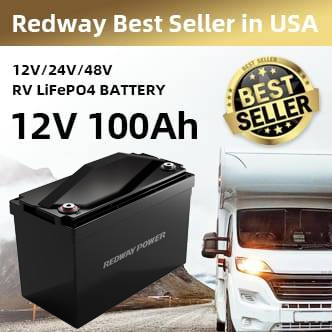
The DC24-AGM Marine RV Battery is a 12V deep-cycle Absorbent Glass Mat (AGM) battery optimized for marine and recreational vehicles. Designed for durability, it offers 80–100Ah capacity and withstands deep discharges (up to 50% DoD), with spill-proof construction and vibration resistance. Ideal for powering trolling motors, RV appliances, and off-grid setups, it charges via 3-stage (14.4–14.8V) protocols to prevent sulfation.
What Makes Duracell Marine Batteries a Top Choice for Boaters?What defines the DC24-AGM battery’s design?
This AGM battery combines dual-purpose starting/deep-cycle capabilities with spill-proof VRLA (Valve-Regulated Lead-Acid) construction. Its fiberglass mat separators absorb electrolyte, enabling stable operation at 30°–45° tilt angles—crucial for boats navigating rough waters. Pro Tip: Regularly check terminal voltage (12.6V+ indicates full charge) using a digital multimeter to avoid underperformance.
Unlike flooded batteries, the DC24-AGM eliminates electrolyte refilling and reduces gassing. Its lead-calcium grids minimize corrosion, achieving 500–800 cycles at 50% DoD. For example, a 100Ah DC24-AGM can power a 50W RV refrigerator for ~24 hours. But what about extreme temperatures? Built-in AGM technology performs reliably from -15°C to 50°C, unlike lithium-ion, which struggles below freezing. A key trade-off: AGMs weigh 25–35% more than lithium but cost 60% less upfront.

| Feature | DC24-AGM | Flooded Lead-Acid | Gel Battery |
|---|---|---|---|
| Maintenance | None | High (refill water) | None |
| Cycle Life | 500–800 | 300–500 | 600–900 |
| Cost per Ah | $1.50 | $1.00 | $2.00 |
How does DC24-AGM compare to lithium-ion for marine/RV use?
The DC24-AGM trades lower energy density for cost efficiency and safety, making it ideal for budget-conscious users. While lithium batteries offer 2,000+ cycles, AGMs avoid thermal runaway risks—a critical factor in enclosed RV compartments.
Lithium-ion excels in weight (∼50% lighter) and depth of discharge (80%+ DoD), but AGMs handle overcharging better. For instance, a 100Ah lithium battery can discharge to 20% SOC (State of Charge) without damage, whereas AGMs degrade below 50% SOC. Pro Tip: Use temperature-compensated chargers for AGMs in variable climates. While lithium thrives in solar setups, AGMs are better suited for alternator charging systems common in boats and RVs.

| Aspect | DC24-AGM | Lithium-Ion |
|---|---|---|
| Cost per Cycle | $0.03 | $0.02 |
| Weight (100Ah) | 64 lbs | 28 lbs |
| Operating Temp | -15°C to 50°C | 0°C to 45°C |
Redway Battery Expert Insight
FAQs
Yes—AGMs are direct drop-ins but require voltage-regulated chargers. Flooded systems often use higher absorption voltages (14.8V+), which can dry out AGM cells over time.
How Long Will an EZGO Golf Cart Last?How long does a DC24-AGM last on a single charge?Depends on load: A 100Ah model running a 10A trolling motor lasts ∼5 hours at 50% DoD. Always size batteries to 1.5x your estimated energy needs.
Is the DC24-AGM safe for indoor RV use?Absolutely—AGM batteries emit minimal hydrogen, eliminating explosion risks. However, ensure proper ventilation and avoid mounting near heat sources.
Continue exploring: Use the Marine & RV Battery Models and Specifications guide for the related decision process, evidence, and practical guidance.