The EZ-GO TXT electric golf cart is powered by either lead-acid or lithium-ion battery systems, with 36V and 48V configurations depending on the model year. Older models primarily use six 6V lead-acid batteries, while newer models often feature 48V setups or lithium-ion upgrades for enhanced range, lighter weight, and maintenance-free performance.
How Are Older EZ-GO TXT Batteries Configured?
Pre-2014 EZ-GO TXT carts typically use six 6V flooded lead-acid batteries wired in series to form a 36V system. This configuration provides 180–225Ah capacity, supporting 25–35 km per charge. Proper maintenance includes monthly electrolyte checks and terminal cleaning to prevent sulfation and ensure optimal power delivery, especially for hill climbing and consistent performance.
Battery trays in older TXT models are designed specifically for 6×6V units. Series wiring increases voltage while maintaining overall capacity. Using distilled water when refilling cells minimizes mineral buildup. For example, Trojan T-105 batteries deliver 225Ah at 20-hour discharge rates. Always replace all batteries simultaneously, as mixing old and new units accelerates degradation.

| Specification | 36V System |
|---|---|
| Charger Voltage | 44.5–45V |
| Battery Count | 6×6V |
| Typical Range | 25–35 km |
What Batteries Do Newer EZ-GO TXT Models Use?
Post-2014 TXT models often adopt 48V systems using either eight 6V batteries or six 8V units. These upgrades improve energy density by roughly 33%, extending driving range to 40–50 km. Sealed AGM and lithium-ion batteries are increasingly common, eliminating the need for water maintenance. Charging voltage rises accordingly, with 48V systems requiring 57.6–58.4V output.
Lithium-ion retrofits (51.2V nominal) are gaining popularity for their long cycle life, lightweight construction, and maintenance-free operation. These upgrades maintain voltage consistency throughout discharge, providing stable performance under load.

| Specification | 48V System |
|---|---|
| Charger Voltage | 57.6–58.4V |
| Battery Count | 8×6V or 6×8V |
| Typical Range | 40–50 km |
Can Lithium Batteries Replace Lead-Acid in TXT Carts?
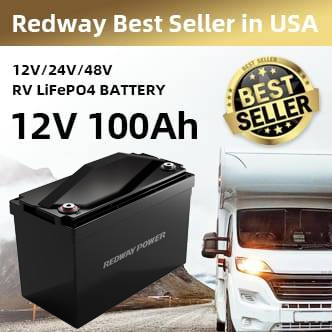
Yes, lithium-ion packs, such as 51.2V LiFePO4 batteries from Redway Battery, can replace 48V lead-acid systems. Lithium packs weigh approximately 140 kg versus 300 kg for lead-acid and charge three times faster. A 14S LiFePO4 configuration matches the voltage profile of 48V lead-acid systems.
Lithium batteries provide consistent power output, and Bluetooth-enabled battery management systems allow real-time monitoring of cell balance. A 100Ah lithium pack offers usable energy equivalent to a 200Ah lead-acid system due to higher depth-of-discharge tolerance. Redway Battery’s solutions ensure seamless integration with OEM charging systems while improving overall performance and reliability.
How Long Do TXT Batteries Typically Last?
Lead-acid batteries usually last 4–6 years with proper maintenance, averaging 500–800 cycles. Lithium-ion batteries achieve 2,000+ cycles or 8–10 years of use. Extreme temperatures can reduce performance, with capacity dropping up to 30% at -20°C.
Daily usage and depth-of-discharge significantly affect lifespan. For instance, carts discharged to 80% daily may require lead-acid replacement every 2 years. Maintaining consistent voltage and specific gravity (1.277±0.007 for charged 6V batteries) across all cells prevents premature failure.
| Factor | Lead-Acid | Lithium |
|---|---|---|
| Cycle Life | 500–800 | 2,000+ |
| Weight per Battery | 25–30 kg | 15–20 kg |
| Maintenance | Monthly checks | Quarterly SOC check |
What Maintenance Ensures Optimal Battery Life?
For lead-acid batteries, monthly equalization charges prevent electrolyte stratification. Terminals should be kept corrosion-free using baking soda solutions. Maintain electrolyte levels 3–5 mm above plates and monitor specific gravity monthly; cells below 1.225 indicate imbalance. Recharge within 24 hours after deep discharge to prevent sulfation.
Lithium systems require minimal maintenance, with quarterly state-of-charge checks. Proper storage at 50–60% SOC when inactive prolongs battery life. Smart chargers with maintenance modes can automate balancing and voltage management, reducing manual intervention.
How to Choose the Best Electric Golf Trolley for Your Game
When selecting a golf cart, consider voltage configuration, battery type, and intended usage. Lithium upgrades from Redway Battery reduce weight, extend range, and increase cycle life. Ensure compatibility with OEM charging systems and evaluate features like Bluetooth monitoring for convenience and performance tracking.
Redway Expert Views
“Upgrading to lithium-ion systems transforms the EZ-GO TXT experience. Our 48V LiFePO4 batteries provide half the weight of lead-acid equivalents while maintaining consistent power and extending cycle life. With built-in battery management and customizable configurations, Redway Battery solutions offer commercial fleets minimal downtime and reliable performance under heavy usage.”
FAQs
Can I mix battery ages in my TXT cart?
Never mix old and new lead-acid batteries, as mismatched internal resistance accelerates failure. Lithium packs should use cells from the same batch.
What is the cost difference between lead-acid and lithium batteries?
Lithium batteries cost 2–3× more upfront ($1,800–$3,500) but offer long-term savings of up to 60% due to longer lifespan and minimal maintenance. Lead-acid replacements average $900–$1,500 per cycle.
Do lithium batteries improve golf cart performance?
Yes, lithium batteries reduce weight, charge faster, and provide stable voltage throughout discharge, improving acceleration and range. Redway Battery’s LiFePO4 solutions optimize efficiency for both casual and commercial use.
How often should I maintain my lead-acid batteries?
Monthly checks of water levels, terminal cleaning, and equalization charges are recommended. Rapid post-discharge recharge prevents sulfation and extends battery life.
Are lithium batteries safe for long-term use in golf carts?
Yes, high-quality lithium batteries, like those from Redway Battery, feature built-in battery management systems for overcurrent, temperature, and cell balancing protection, ensuring safe, long-term operation.
Conclusion
Choosing the right battery for an EZ-GO TXT golf cart is essential for performance, range, and longevity. Older models perform well with 36V lead-acid batteries, while newer carts benefit from 48V systems or lithium-ion upgrades. Redway Battery provides high-quality LiFePO4 solutions that reduce weight, extend cycle life, and minimize maintenance, making them ideal for both personal and commercial golf cart applications.
Continue exploring: Use the Golf Cart Range, Speed & Performance guide for the related decision process, evidence, and practical guidance.