
RV Battery Voltage & Capacity
Voltage defines compatibility; usable watt-hours define how long the RV can operate. Size the bank from measured daily loads, surge demand, reserve and recharge time.
Define the travel and power problem first
This route belongs to the wider RV Batteries hub. Use watt-hours to compare systems across 12V, 24V and 48V architectures. Add the realistic run time of refrigeration, lighting, fans, pumps, electronics and inverter-powered appliances, then include conversion losses and reserve. Amp-hours without voltage are incomplete, and nameplate capacity without permitted depth of discharge overstates usable energy. Series and parallel banks also require matched batteries, balanced cabling and coordinated protection.
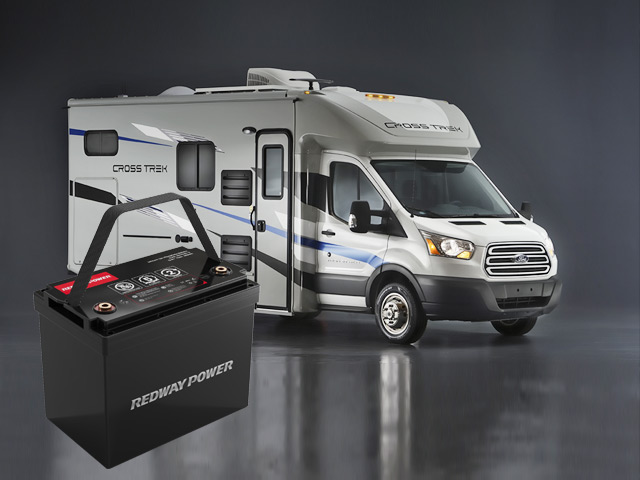 VEHICLE
Start with the installed system
Confirm voltage, compartment, loads and every available charging source.
Define compatibility →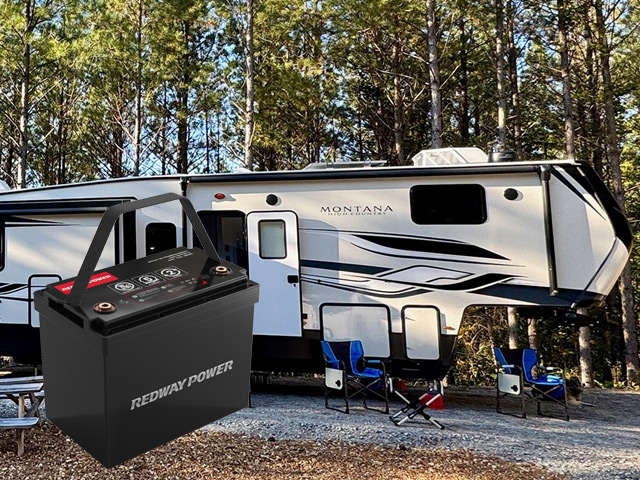 ENERGY
Size the hardest day
Use real appliance schedules, surge current, reserve and recharge time.
Build the energy budget →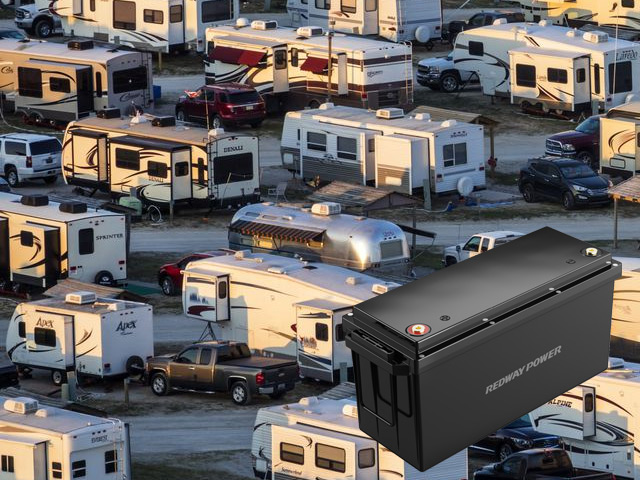 VALIDATION
Approve installed performance
Test load, charging, temperature, mounting and protection together.
Request an engineering review →Separate energy from peak power
Daily watt-hours decide endurance, while air conditioners, microwaves, pumps and motor loads decide surge capability. Calculate both. A bank can contain enough energy for overnight use and still trip its BMS when a large inverter starts. Confirm continuous and surge current, inverter efficiency, cable voltage drop and protection at the same time as amp-hours.
Design charging around the travel pattern
Shore power, alternator, solar and generator charging rarely operate under the same conditions. Specify each source, its available time and its safe current. A lithium bank may accept energy faster, but the alternator, converter and wiring must tolerate that demand. The useful charging plan restores the normal day of use inside the real driving or campsite window.
- How can self-heating LiFePO4 RV batteries solve cold-climate power problems?
- How can a custom voltage RV lithium battery design service solve real off‑grid and mobile power problems?
- How Is a China‑Based LiFePO4 RV Battery Production Base Reshaping the Global RV Power Market?
- How Can Scalable LiFePO4 Battery Solutions Transform RV Fleet Operations?
- How High‑Efficiency LiFePO4 RV Batteries Are Transforming Off‑Grid Energy Storage?
Protect performance across temperature and storage
Battery output, charging acceptance and self-discharge change with temperature. Low-temperature lithium charging needs explicit protection, while lead-acid storage needs full-charge and maintenance controls. Locate the battery away from avoidable heat, confirm enclosure ventilation where required, and document the storage state of charge and parasitic loads before the RV sits unused.
- How Can Custom Capacity RV Lithium Battery Manufacturing Transform Your Mobile Power Strategy?
- Are High‑Energy‑Density LiFePO4 RV Battery Packs the Future of Off‑Grid Power?
- How Modular LiFePO4 Battery Systems Are Changing RV Power Forever
- What Are LiFePO4 Batteries for an RV: All Things You Need to Know?
- RV Adventures: A Deep Dive into Lithium and LiFePO4 Battery
Validate the complete installed system
Commission the RV under simultaneous realistic loads, not one appliance at a time. Record battery voltage, BMS current, inverter behaviour, cable temperature and state-of-charge change. Then test every charging source and its transition. A written result gives installers, operators and warranty teams the same baseline and catches integration defects before travel.
- Unleashing the Power of 12V RV Lithium Batteries
- What Are the Best Models of LiFePO4 RV Batteries Available in 2025?
- Why the best RV battery you can purchase is the LiFePO4 battery?
- Can LiFePO4 RV Batteries be fully discharged and then disposed of in the regular garbage?
- Powering RV Adventures: A Deep Dive into LiFePO4 Batteries
Compare ownership cost using the same boundary
Include the battery, charger or converter changes, DC-DC equipment, monitoring, installation labour, usable energy, maintenance and replacement intervals. Lithium often wins where weight, cycling and charging time matter; an existing lead-acid system can remain rational for light seasonal use. The decision should follow operating cost and risk, not chemistry marketing.
- How long will a 100Ah lithium battery last in RV?
- How Advanced LiFePO4 Cell Technology Is Transforming RV Battery Performance
- How Can Custom Branded LiFePO4 RV Batteries Help Distributors Win in the Growing Energy Market?
- Where Can I Recycle My LiFePO4 RV Batteries?
- How Can High Capacity RV Lithium Battery Wholesale Supply Transform the Mobile Energy Market?
Leave a service record inside the RV
Record the approved battery model, BMS limits, charger settings, protection devices, cable sizes and isolation steps. Include commissioning measurements for surge current, voltage drop, temperature and recharge time. This makes replacement and troubleshooting safer, prevents incompatible charger changes, and gives future owners or technicians a reliable baseline instead of guesswork.
Use measured data to refine the next trip
Review the monitor after representative travel instead of treating commissioning as the final answer. Compare predicted and actual daily energy, peak current, minimum state of charge and recharge time. Adjust operating reserves or charger settings only from recorded evidence, and keep the approved baseline with the vehicle service information.
Build the bank around loads and charging access
Voltage, usable energy, surge current, charging, mounting and protection must describe one RV system.
Request an RV battery reviewRV Battery Voltage & Capacity questions
What should be checked first for RV Battery Voltage & Capacity?
Start with the RV electrical architecture, daily energy use and charging sources. Confirm voltage, continuous and surge current, battery space, temperature and travel pattern before comparing products.
How many articles are included in this RV Battery Voltage & Capacity route?
This page connects 25 focused RV battery articles plus its parent hub and engineering route, keeping the page inside the approved internal-link budget.
Can an RV change from lead-acid to LiFePO4?
Yes, when the converter or charger, alternator path, solar controller, BMS current, low-temperature charging protection, cables and mounting are reviewed together.
How should RV battery capacity be calculated?
Add daily watt-hours for appliances and DC loads, include inverter losses and a practical reserve, then divide by system voltage and the usable depth of discharge.
What should an OEM send for a quotation?
Send vehicle type, voltage, daily energy, peak loads, compartment dimensions, charging sources, temperature range, compliance markets and annual volume.
Turn the travel pattern into a battery brief
Send the RV type, voltage, daily loads, surge demand, dimensions, charging sources and annual volume.
Contact Redway