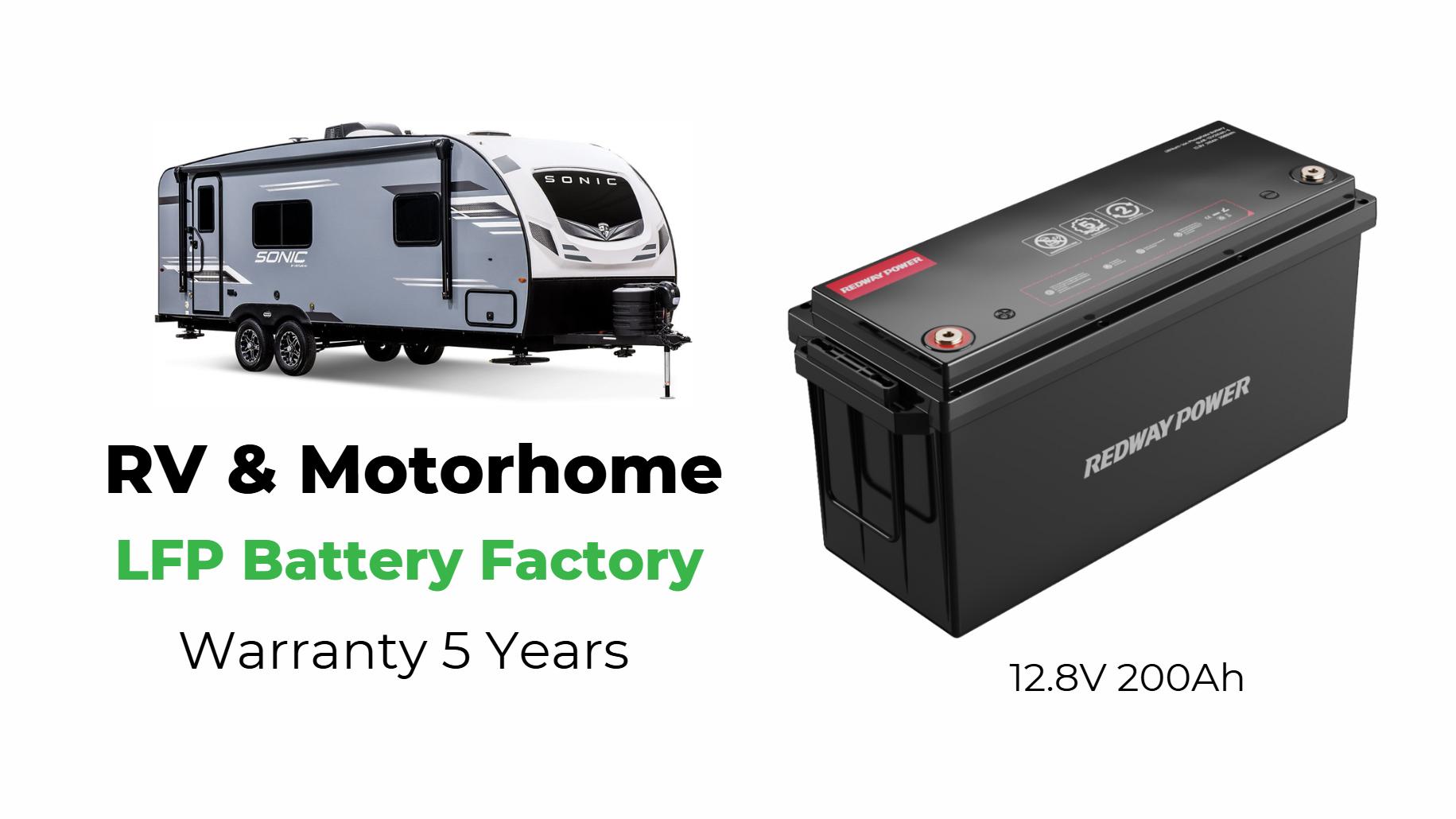
Lithium Iron Phosphate (LiFePO4) batteries are renowned for their efficiency, longevity, and safety, making them an ideal choice for various applications, including RVs, renewable energy systems, and more. However, to maximize their performance and lifespan, it is crucial to follow essential maintenance tips. This article provides comprehensive guidelines to help you maintain your LiFePO4 battery system effectively.For essential maintenance of your LiFePO4 battery system:

- Inspect connections regularly for wear or corrosion.
- Use recommended chargers; avoid overcharging.
- Store batteries in a cool place away from extreme temperatures.
- Clean terminals to ensure good conductivity and performance.
- Check for Physical Damage: Look for any signs of swelling, cracks, or leaks. Address any issues immediately to prevent further damage.
- Examine Terminals and Connections: Ensure that all terminal connections are clean and tight. Corroded or loose connections can lead to voltage drops and inefficient performance.
- Voltage Monitoring: Regularly check the individual cell voltages to ensure they are within the recommended range. A significant deviation can indicate a potential issue.
- Temperature Checks: Keep an eye on the battery temperature during operation and charging. Excessive heat can reduce battery lifespan.
- Smart Chargers: Use chargers specifically designed for LiFePO4 batteries. These chargers often feature smart technology that adjusts charging parameters automatically.
- Avoid Overcharging: Ensure that the charger is equipped with a BMS to prevent overvoltage conditions, which can lead to overheating.
- Charging Voltage: Charge your LiFePO4 batteries within the voltage range of 14.2V to 14.6V. Charging outside this range can harm the cells.
- Charging Current: Aim for a charging current of 0.5C to 1C to avoid generating excessive heat during the charging process.
- Recommended Depth of Discharge (DoD): Keep discharges between 20% and 80% of capacity. Regularly discharging below 20% can significantly shorten battery life.
- C-Rate Guidelines: Follow the recommended discharge rate, typically around 1C. Excessive discharge rates can lead to overheating and potential damage.
- Temperature Control: Store batteries in a cool, dry environment. The ideal storage temperature is between 0°C and 30°C.
- Humidity Management: Keep batteries in low-humidity conditions to prevent corrosion and other moisture-related issues.
- Regular Cleaning: Wipe down the battery terminals and surrounding areas to remove dust and debris. This helps prevent corrosion and ensures optimal connectivity.
- Use Appropriate Cleaners: When cleaning, use a soft cloth and mild cleaners. Avoid abrasive materials that can damage battery surfaces.
- Expert Assessment: Regular professional inspections can identify potential issues early, preventing costly repairs or replacements.
- Comprehensive Testing: Professionals can perform in-depth tests to assess battery health and recommend necessary actions to maintain performance.
Latest News
- Recent articles emphasize the importance of regular maintenance for LiFePO4 battery systems to ensure longevity and optimal performance.
- Key maintenance tips include monitoring charge levels, maintaining proper temperature ranges, and avoiding deep discharges.
- Experts recommend using compatible chargers specifically designed for LiFePO4 batteries to prevent damage.
Redway Expert Comment
“Regular maintenance is crucial for maximizing the lifespan and performance of your LiFePO4 battery system. Monitoring charge levels and ensuring the battery operates within its optimal temperature range can prevent irreversible damage. Additionally, using compatible chargers designed for LiFePO4 technology is essential to maintain battery health. As an expert in lithium technologies, I strongly advise users to adhere to these practices for a reliable and efficient battery experience.”Continue exploring: Use the RV Off-Grid Runtime & Appliances guide for the related decision process, evidence, and practical guidance.