
Choosing Marine Batteries
Choose from the boat and electrical duty, not from a battery label. Starting, deep-cycle and dual-purpose batteries solve different problems, so the load profile and charging sources come first.
Make the operating decision before selecting a model
This sub-hub covers one stage of the wider Marine Batteries decision. Follow the sequence, then open the article that matches the vessel and electrical duty.
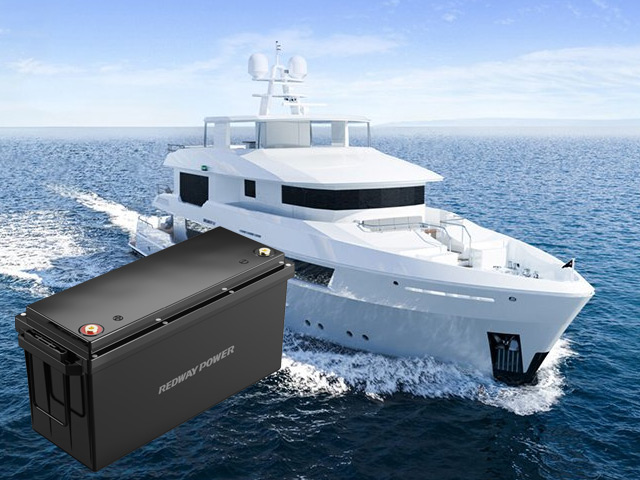 VESSEL
Start with the electrical duty
Separate starting, house, trolling and emergency loads before comparing batteries.
Define the application →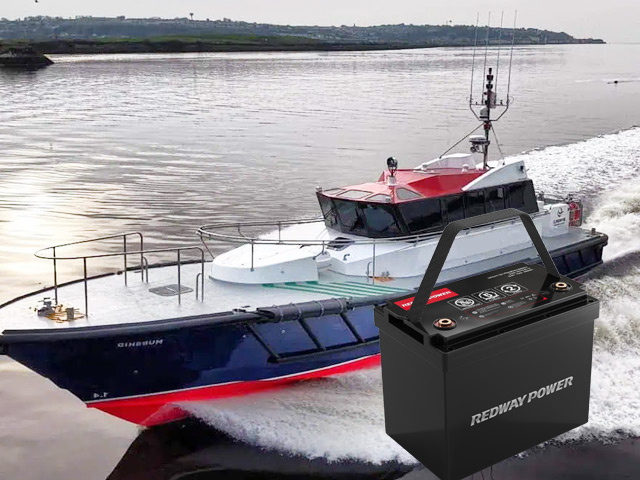 ENERGY
Size for the hardest day
Use measured current, runtime, reserve and charging access to determine usable energy.
Build the energy budget →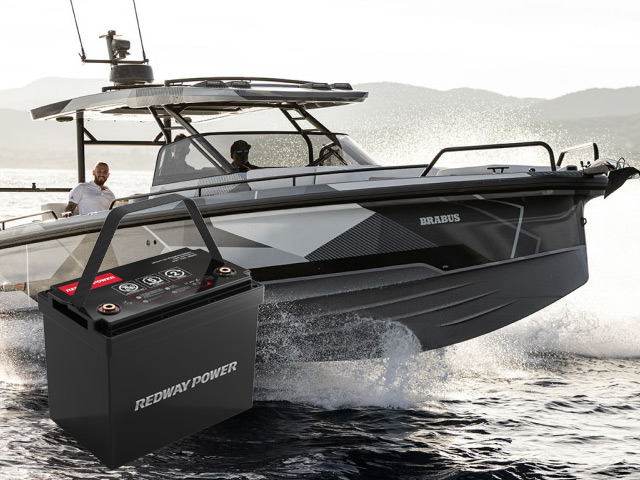 VALIDATION
Test the installed system
Approve current, charge, temperature, mounting and protection under real operating conditions.
Request an engineering review →Separate starting duty from house energy
Starting engines demands a short, high-current burst; electronics, pumps, lighting and refrigeration demand sustained energy. Treating both duties as one number produces either weak cranking or an oversized house bank. List each circuit, decide which must remain isolated, and choose starting, deep-cycle or dual-purpose construction only after the current profile is visible. Emergency combining can be useful, but it should not replace correct bank separation and protection.
- How to Choose the Best Dual Purpose Battery Marine Manufacturer Wholesale Supplier
- How to Choose the Best Marine Battery Tray for Group 24 Batteries?
- What is the Difference Between a Group 24 and Group 27 Marine Battery?
- How Does the Walmart Group 27 Marine Battery Compare to Competitors?
- How to Choose the Best Marine Battery Supplier
Match the battery to the vessel and compartment
Measure the tray, hold-down, cable reach and ventilation before choosing a familiar group size. A battery that fits the nominal footprint can still conflict with terminal orientation, lid clearance, service access or weight limits. Salt spray and vibration make enclosure strength and restraint important. For lithium conversions, check whether removed lead-acid weight changes trim or whether the installation needs a revised mounting and ballast plan.
Use chemistry to change maintenance—not compatibility
LiFePO4 can deliver more usable energy, lower weight and faster charging, while flooded, AGM and gel batteries fit different budgets and service routines. Chemistry does not override system voltage, cranking current, charger profile or temperature limits. Choose the chemistry whose operating rules the vessel can support, then validate the charger, alternator path, BMS limits and low-temperature protection before ordering.
Compare suppliers through evidence and service
A marine battery supplier should document cell traceability, BMS limits, enclosure protection, vibration testing, production inspection and warranty handling. A low quote without drawings, test reports or a clear failure process transfers risk to the installer. For OEM programs, freeze dimensions, connectors, communications and acceptance tests before negotiating volume price so every supplier is quoting the same deliverable.
- How to Identify the Best Lithium Marine Battery Manufacturer
- How to Choose the Best Solar Charger for Your Marine Battery
- What Makes Duracell Marine Battery Group 27 Ideal for Boating?
- How to Choose the Best Onboard Marine Battery Charger for Your Boat?
- What Makes the Group 24 Marine Starting Battery Essential for Boaters?
Approve the complete charging and protection plan
The battery choice is incomplete until shore charger, alternator, solar controller and emergency charging paths are compatible. Confirm fuse locations, cable ampacity, disconnects, isolation and monitoring. Test the hardest simultaneous load, the longest normal day and the shortest realistic recharge window. That evidence is more useful than a headline capacity because it describes whether the installed system will actually work.
- What Marine Batteries Does Walmart Offer and How to Choose the Best
- What Are the Best Marine Batteries Near Me and How to Choose Them?
- How to Find and Choose the Best Marine Batteries Near You?
- How to Choose the Best Marine Battery from Walmart?
- How Does Group 31 AGM Marine Battery Enhance Cold Cranking Performance
Document the installed system for future service
Record the approved battery, charger settings, protection devices, cable sizes and isolation procedure in one place. Add commissioning measurements for voltage, peak current, temperature and recharge time, then note any BMS or monitor settings. This record makes later troubleshooting safer, prevents an incompatible replacement from being installed, and gives operators a clear baseline when range, cranking or charging behaviour changes.
Build the bank around the vessel and charging sources
Voltage, usable energy, peak current, mounting, protection and charging must describe the same operating system.
Request a marine battery reviewChoosing Marine Batteries questions
What should be checked first for Choosing Marine Batteries?
Start with the boat, load profile and electrical system. Confirm nominal voltage, starting or cycling duty, maximum current, installation space, charging sources and exposure to moisture before comparing brands.
How many articles are included in this Choosing Marine Batteries route?
This page links to 25 focused marine battery articles plus its parent hub and an engineering contact route. The page stays below the approved link budget.
Is a deep-cycle battery the same as a starting battery?
No. Starting batteries deliver short high-current bursts, while deep-cycle batteries are designed for repeated energy discharge. Dual-purpose designs are a compromise and must be checked against both duties.
Can LiFePO4 replace lead-acid on a boat?
Yes when the charger, alternator or DC-DC path, BMS current, cable protection, mounting, temperature limits and state-of-charge monitoring are reviewed as one system.
What information should be sent for a marine battery quotation?
Send vessel type, system voltage, starting and house loads, daily energy use, peak current, compartment dimensions, charging sources, temperature range, compliance market and annual volume.
Turn the vessel data into a battery brief
Send the vessel, voltage, starting and house loads, daily energy, dimensions, charging sources and annual volume.
Contact Redway