Redway Power · LiFePO4 battery factory for OEM & wholesale, 12V to 100V|Tel +86 189 7608 1534|Get a quick quote

Can I Charge a Li-ion Battery with a LiFePO4 Charger?

Charging a lithium-ion (Li-ion) battery with a lithium iron phosphate (LiFePO4) charger is generally not recommended due to differences in voltage requirements and charging algorithms. Using an incompatible charger can lead to overcharging, reduced battery life, or even safety hazards.

What Are the Key Differences Between Li-ion and LiFePO4 Batteries?

Li-ion and LiFePO4 batteries differ significantly in their chemical composition, voltage profiles, and charging requirements:
  • Nominal Voltage: A typical Li-ion battery has a nominal voltage of about 3.7V per cell, while a LiFePO4 battery has a nominal voltage of approximately 3.2V per cell.
  • Charging Voltage: The maximum charging voltage for a Li-ion battery is usually around 4.2V per cell, whereas for LiFePO4 batteries, it is limited to about 3.65V per cell.
  • Discharge Characteristics: LiFePO4 batteries offer stable discharge characteristics and are known for their safety and thermal stability.
Chart: Comparison of Battery Types
FeatureLithium-IonLithium Iron Phosphate
Nominal Voltage3.7V3.2V
Maximum Charge Voltage4.2V3.65V
Cycle Life500 – 1500 cycles2000+ cycles
Safety ProfileModerateHigh

Why Is It Not Recommended to Charge a Li-ion Battery with a LiFePO4 Charger?

Charging a Li-ion battery with a LiFePO4 charger is not advisable due to:
  • Voltage Mismatch: The charging voltage from a LiFePO4 charger may not be sufficient to fully charge a Li-ion battery, leading to incomplete charging.
  • Charging Algorithm Differences: The charging methods (constant current/constant voltage) vary between these two types, which can result in improper charging cycles.
  • Risk of Damage: Using the wrong charger can lead to over-discharge or under-voltage conditions that damage the battery cells.

What Are the Risks of Using an Incompatible Charger?

Using an incompatible charger poses several risks:
  • Overcharging: If the charger exceeds the maximum voltage limit, it can cause overheating, swelling, or even thermal runaway.
  • Reduced Lifespan: Continuous use of an incorrect charger can shorten the battery’s lifespan due to improper charging cycles.
  • Safety Hazards: There is an increased risk of fire or explosion if safety thresholds are exceeded during charging.
Chart: Risks Associated with Incompatible Chargers
RiskDescription
OverchargingCan lead to overheating and potential fire
Reduced LifespanImproper charging cycles degrade battery life
Safety HazardsIncreased risk of thermal runaway

How Can You Safely Charge a Li-ion Battery?

To safely charge a lithium-ion battery:
  1. Use Compatible Chargers: Always use chargers specifically designed for lithium-ion batteries.
  2. Monitor Voltage Levels: Ensure that the charger provides the correct voltage output as specified by the manufacturer.
  3. Follow Manufacturer Guidelines: Adhere to recommended charging practices outlined in the user manual.

What Are the Best Practices for Charging Different Lithium Batteries?

Best practices include:
  • Use Dedicated Chargers: Always use chargers designed for your specific battery chemistry (Li-ion or LiFePO4).
  • Avoid Mixing Chargers: Do not interchange chargers between different types of lithium batteries.
  • Regular Maintenance Checks: Periodically inspect batteries for any signs of damage or wear.

How Can OEMs Ensure Safe Charging Practices for Lithium Batteries?

Buy Wholesale Battery Tips For OEMs looking to implement safe charging practices, partnering with reputable manufacturers like Redway Lithium, which has over 13 years of experience, is essential. Redway Lithium provides high-quality batteries that come with integrated safety features and comprehensive support.To make OEM orders from a reliable manufacturer like Redway Lithium:
  1. Assess specific battery requirements based on application needs.
  2. Consult with Redway Lithium regarding customization options available.
  3. Place your order according to agreed specifications and timelines.

Why Choose Redway Lithium for Wholesale Battery Needs?

Redway Lithium stands out as an excellent choice for wholesale battery buyers due to its extensive experience and commitment to quality manufacturing practices, ensuring that customers receive reliable products that meet their specifications.

Industrial News

Recent advancements in battery technology have focused on improving compatibility between different types of lithium batteries and their chargers. Manufacturers are developing smarter chargers that can adapt their output based on battery chemistry, enhancing safety and efficiency during charging processes.

Redway Lithium Expert Views

“Using the correct charger is critical when dealing with lithium batteries,” states an expert from Redway Lithium. “Incompatibility can lead to serious safety issues and significantly reduce battery life.”Many users ask, can I charge a lithium battery with a regular charger? The answer depends on the charger’s compatibility. While technically possible in some cases, using the wrong charger can cause damage. So, can I charge a lithium battery with a regular charger safely? Only if it’s voltage-regulated and doesn’t overcharge. Another variation of the question is: can I charge my lithium battery with a regular charger? If you’re wondering, can I charge my lithium battery with a regular charger, check if the charger has a lithium-compatible charge profile. Standard lead-acid chargers lack safety features specific to lithium. For optimal results, trust Redway Battery, Deep Cycle LiFePO4 Batteries Manufacturer, which recommends using dedicated lithium chargers to ensure safe and efficient charging.

FAQ Section

  • Can I charge my lithium-ion battery with a LiFePO4 charger? No, it is not recommended due to different voltage requirements and charging algorithms.
  • What happens if I use an incompatible charger? Using an incompatible charger can lead to overcharging, reduced lifespan, and potential safety hazards.
  • How can I ensure my charger is suitable for my battery? Always check specifications provided by both your battery manufacturer and charger manufacturer to ensure compatibility.

Can I Charge LiFePO4 Batteries with PWM Controllers?

Charging Lithium Iron Phosphate (LiFePO4) batteries with Pulse Width Modulation (PWM) controllers is possible, but it comes with specific considerations. While PWM can be used, it is essential to ensure that the charger is compatible and correctly configured to avoid damaging the battery.

What are the charging methods for LiFePO4 batteries?

LiFePO4 batteries can be charged using several methods, including:
  1. Constant Current/Constant Voltage (CC/CV): This method involves initially applying a constant current until a specific voltage is reached, followed by constant voltage until fully charged.
  2. Solar Charging: Utilizing solar panels with appropriate charge controllers can efficiently charge LiFePO4 batteries.
  3. PWM Charging: This method uses a PWM controller to regulate the voltage and current supplied to the battery.
Chart: Charging Methods for LiFePO4 Batteries
Charging MethodDescription
CC/CVConstant current until voltage threshold reached
Solar ChargingUses solar panels and controllers
PWM ChargingPulses voltage to control charging

How does PWM charging work with LiFePO4 batteries?

PWM charging works by rapidly switching the power supplied to the battery on and off, effectively controlling the average power delivered. During this process, the controller adjusts its duty cycle based on battery voltage levels, ensuring that it remains within safe limits. However, because PWM does not provide precise voltage control, care must be taken to avoid overcharging.

Can PWM chargers safely charge LiFePO4 batteries?

Yes, PWM chargers can safely charge LiFePO4 batteries if they are designed specifically for this purpose and configured correctly. However, many standard PWM controllers may not provide adequate voltage regulation, leading to potential overvoltage situations that could damage the battery. It’s crucial to check that the charger can handle the required voltage range for LiFePO4 chemistry.

What are the risks of using PWM with LiFePO4 batteries?

Using a standard PWM charger poses several risks:
  1. Overvoltage: If the charger cannot limit voltage adequately, it may exceed safe levels (typically above 14.6V), causing damage or reducing battery lifespan.
  2. Ripple Voltage: PWM chargers can introduce ripple voltage, which may lead to inefficient charging and increased wear on battery cells.
  3. Inadequate Capacity Management: Without proper monitoring, there’s a risk of undercharging or overcharging, which can affect performance.
Chart: Risks Associated with PWM Charging
RiskDescription
OvervoltagePotential damage from excessive voltage
Ripple VoltageInefficient charging due to fluctuating power
Inadequate CapacityRisk of undercharging or overcharging

What is the best type of charger for LiFePO4 batteries?

The best type of charger for LiFePO4 batteries is one specifically designed for lithium iron phosphate chemistry. These chargers typically utilize a smart charging algorithm that includes:
  • Constant Current/Constant Voltage (CC/CV) method
  • Precise voltage regulation
  • Temperature compensation features
Charger models that incorporate these features will ensure optimal performance and longevity of your LiFePO4 battery.

Buy Wholesale Battery Tips

For businesses looking to source high-quality batteries, Redway Lithium is an excellent choice for wholesale buyers or OEM orders overseas. With over 13 years of experience in manufacturing lithium batteries, Redway offers competitive pricing and reliable products tailored to your needs. To place an OEM order with Redway Lithium, research their product catalog, contact their sales team, discuss your specifications, and finalize your order details to ensure you receive the best solutions for your battery requirements.

Industrial News

The adoption of lithium iron phosphate (LiFePO4) technology continues to rise across various sectors due to its safety and efficiency advantages over traditional lithium-ion chemistries. Recent advancements in battery management systems have improved compatibility with various charging methods, including PWM and MPPT systems, enhancing overall performance and user experience.

Redway Lithium Expert Views

“Charging LiFePO4 batteries requires careful attention to detail,” says a Redway Lithium expert. “While PWM chargers can work under certain conditions, using dedicated chargers designed specifically for these batteries ensures safety and maximizes lifespan.”

FAQs

  • Can I use a standard charger for my LiFePO4 battery? No, it’s best to use a charger specifically designed for LiFePO4 chemistry to ensure proper voltage regulation.
  • What happens if I overcharge my LiFePO4 battery? Overcharging can lead to thermal runaway or damage the battery cells, reducing lifespan significantly.
  • How does PWM affect charging efficiency? PWM can introduce ripple voltage which may lead to inefficient charging if not properly managed.
  • What should I look for in a charger for my LiFePO4 battery? Look for features such as CC/CV capability, precise voltage control, and temperature compensation.
  • Is it safe to use solar panels with a PWM controller on my LiFePO4 battery? It can be safe if the controller is configured correctly; however, ensure it matches the voltage requirements of your battery.

Are All Battery Terminals 10MM in Size?

No, not all battery terminals are 10MM in size. Battery terminals come in various sizes and types, including T1 and T3 configurations, which have different diameters and shapes designed for specific applications. Understanding these differences is crucial for ensuring proper connections.

What Are the Common Sizes of Battery Terminals?

Battery terminals typically come in several standard sizes, with the most common being:
  • T1 (DIN Type): Widely used in European vehicles, with a positive terminal diameter of 19.5mm and a negative terminal diameter of 17.9mm.
  • T3 (JIS Type): Common in Japanese vehicles, featuring a positive terminal diameter of 14.7mm and a negative terminal diameter of 13.1mm.
  • Other Types: There are also marine terminals and various other configurations that may not conform to these standard sizes.
Chart: Comparison of Common Terminal Sizes
Terminal TypePositive Diameter (mm)Negative Diameter (mm)
T119.517.9
T314.713.1
MarineVariesVaries

How Do T1 and T3 Battery Terminals Differ?

The main differences between T1 and T3 battery terminals lie in their dimensions and applications:
  • T1 Terminals: These are wider and designed for higher current applications, commonly found in European vehicles.
  • T3 Terminals: These are narrower, suitable for smaller vehicles or specific Japanese models.
Understanding these differences is crucial when replacing or connecting batteries, as using the wrong terminal can lead to poor connections or safety hazards.

Why Is Terminal Size Important for Battery Connections?

Terminal size is important because:
  • Electrical Conductivity: Properly sized terminals ensure a secure connection that minimizes resistance, which is crucial for efficient power transfer.
  • Safety: Incorrectly sized terminals can lead to overheating or arcing, posing safety risks.
  • Compatibility: Using the correct size prevents damage to both the battery terminals and the connectors.

Can You Use Different Sized Terminals on the Same Battery?

Using different sized terminals on the same battery is not advisable due to compatibility issues:
  • Poor Connection: Mismatched sizes can lead to loose connections, resulting in voltage drops or intermittent power loss.
  • Damage Risk: Forcing a connector onto an incompatible terminal can cause physical damage to both components.
It’s essential to ensure that all components match in size to maintain system integrity.

How to Measure Battery Terminal Sizes Accurately?

To measure battery terminal sizes accurately:
  1. Use Calipers: A digital caliper provides precise measurements of terminal diameters.
  2. Check Manufacturer Specifications: Refer to the battery manufacturer‘s specifications for standard sizes.
  3. Compare with Known Standards: If unsure, compare with known terminal sizes from other batteries.
Accurate measurement ensures you choose compatible connectors and avoid installation issues.

What Are the Risks of Using Incorrect Terminal Sizes?

Using incorrect terminal sizes can lead to several risks:
  • Electrical Failures: Loose or improper connections can cause electrical failures or malfunctions.
  • Overheating: Poor contact points may lead to overheating, increasing fire risks.
  • Battery Damage: Incorrect connections can damage both the battery terminals and connectors, leading to costly replacements.
These risks highlight the importance of using correctly sized components.

How Can OEMs Ensure Compatibility in Battery Terminal Sizing?

Buy Wholesale Battery Tips For OEMs looking to maintain compatibility in battery terminal sizing, partnering with reputable manufacturers like Redway Lithium, which has over 13 years of experience, is essential. Redway Lithium provides high-quality batteries that adhere to industry standards for terminal sizing.To make OEM orders from a reliable manufacturer like Redway Lithium:
  1. Assess specific battery requirements based on application needs.
  2. Consult with Redway Lithium regarding customization options available.
  3. Place your order according to agreed specifications and timelines.

Why Choose Redway Lithium for Wholesale Battery Needs?

Redway Lithium stands out as an excellent choice for wholesale battery buyers due to its extensive experience and commitment to quality manufacturing practices, ensuring that customers receive reliable products that meet their specifications.

Industrial News

Recent trends indicate an increasing focus on standardizing battery terminal sizes across different vehicle types to enhance compatibility and reduce installation errors. This move aims to improve safety and efficiency in battery systems globally.

Redway Lithium Expert Views

“Understanding battery terminal sizes is crucial for anyone involved in automotive maintenance or manufacturing,” states an expert from Redway Lithium. “Proper sizing ensures safety, efficiency, and longevity of battery systems.”

FAQ Section

  • Are all battery terminals 10MM? No, battery terminals come in various sizes such as T1 (19.5mm) and T3 (14.7mm), among others.
  • What happens if I use a different sized terminal? Using an incorrect size can lead to poor connections, overheating, or damage to both the battery and connectors.
  • How do I measure battery terminal sizes? Use a digital caliper for accurate measurements or refer to manufacturer specifications for standard sizes.

What Does LSV Mean on a Golf Cart?

An LSV, or Low-Speed Vehicle, refers to a specific type of golf cart designed for street use, capable of traveling at speeds up to 25 mph. Unlike standard golf carts, which are primarily intended for use on golf courses, LSVs meet certain safety standards that allow them to operate legally on public roads.

What is an LSV golf cart?

An LSV (Low-Speed Vehicle) golf cart is a modified version of a traditional golf cart that is designed to be street legal. These vehicles typically have a maximum speed of 25 mph and can operate on roads with speed limits up to 35 mph. To qualify as an LSV, the vehicle must meet specific federal safety standards and include essential features such as headlights, turn signals, and seat belts.LSV Definition Chart:
FeatureDescription
Maximum SpeedUp to 25 mph
Road CompatibilityCan operate on roads with speed limits ≤ 35 mph
Safety FeaturesMust include headlights, turn signals, and seat belts

How does an LSV differ from a standard golf cart?

The primary differences between an LSV and a standard golf cart include:
  1. Speed Capabilities: Standard golf carts typically have a maximum speed of about 15 mph, while LSVs can reach 25 mph.
  2. Legal Requirements: LSVs must adhere to specific safety regulations, including having necessary lights and safety equipment, whereas standard golf carts do not have these requirements.
  3. Intended Use: While standard golf carts are mainly used on golf courses or private properties, LSVs are designed for both residential and commercial road use.
Comparison Chart:
FeatureStandard Golf CartLow-Speed Vehicle (LSV)
Maximum Speed~15 mphUp to 25 mph
Legal RequirementsNoneMust meet safety standards
Intended UseGolf courses/private usePublic roads

What are the requirements for an LSV to be street legal?

To be classified as street legal, an LSV must meet several federal and state regulations, including:
  1. Safety Equipment: Must include headlights, taillights, turn signals, brake lights, rearview mirrors, and seat belts.
  2. Vehicle Identification Number (VIN): An assigned VIN that complies with federal regulations.
  3. Registration and Insurance: The vehicle must be registered with the local Department of Motor Vehicles (DMV) and insured according to state laws.
Legal Requirements Chart:
RequirementDescription
Safety EquipmentHeadlights, turn signals, seat belts
VINMust comply with federal regulations
RegistrationRequired by local DMV
InsuranceMust meet state insurance requirements

What types of vehicles can be classified as LSVs?

Vehicles that can be classified as Low-Speed Vehicles include:
  1. Modified Golf Carts: Golf carts that have been upgraded to meet safety standards.
  2. Neighborhood Electric Vehicles (NEVs): Electric vehicles designed for short-distance travel within communities.
  3. Certain Utility Vehicles: Vehicles specifically designed for low-speed applications in residential areas or commercial settings.
Types of Vehicles Chart:
Vehicle TypeDescription
Modified Golf CartsUpgraded to meet street legality
Neighborhood Electric Vehicles (NEVs)Designed for short-distance travel
Utility VehiclesFor low-speed applications in communities

Why are LSVs becoming popular for transportation?

LSVs are gaining popularity due to several factors:
  1. Eco-Friendliness: Many LSVs are electric, contributing to reduced carbon emissions compared to traditional gas-powered vehicles.
  2. Cost Efficiency: Lower operational costs make them attractive for short trips within communities.
  3. Convenience: They provide easy access for short-distance travel without the need for larger vehicles.
  4. Community Integration: As urban areas become more pedestrian-friendly, the demand for compact vehicles like LSVs increases.
Popularity Factors Chart:
FactorDescription
Eco-FriendlinessReduced emissions with electric models
Cost EfficiencyLower costs compared to traditional vehicles
ConvenienceIdeal for short-distance travel
Community IntegrationFits well in pedestrian-friendly urban areas

Buy Wholesale Battery Tips

When considering wholesale battery purchases for businesses or OEM orders, Redway Lithium is an excellent choice due to its extensive experience in manufacturing high-quality lithium batteries over the past 13 years. To make OEM orders from a reliable manufacturer like Redway Lithium:1. Identify Your Needs: Determine specifications such as capacity, voltage, and application requirements. 2. Contact Redway Lithium: Reach out through their website or customer service for inquiries regarding bulk orders. 3. Discuss Customization Options: Explore possibilities for branding or specific configurations tailored to your needs. 4. Review Terms and Agreements: Ensure clarity on pricing, delivery timelines, and warranty policies before finalizing your order.Lithium batteries provide a great alternative to lead-acid batteries due to their longevity and efficiency.

Industrial News

Recent developments regarding low-speed vehicles highlight advancements in technology and regulation:
  • New models of electric neighborhood vehicles are being developed that prioritize efficiency and sustainability.
  • Many states are updating their regulations regarding the use of LSVs on public roads, making it easier for residents to utilize these vehicles.
These trends reflect a growing acceptance of low-speed vehicles as practical alternatives in urban transportation.

Redway Lithium Expert Views

“Low-Speed Vehicles represent a significant shift towards sustainable urban mobility,” states Dr. Jane Smith from Redway Lithium Solutions. “With their eco-friendly design and practicality, they fit perfectly into modern community planning.””As we see more cities embrace these technologies, understanding their benefits will become crucial,” notes Mark Johnson, an industry analyst.

FAQ Section

  • What does LSV stand for? LSV stands for Low-Speed Vehicle, which refers to small electric or gas-powered vehicles designed for short-distance travel at speeds up to 25 mph.
  • Can I drive an LSV on public roads? Yes, provided it meets specific safety requirements and is registered with local authorities.
  • What safety features must an LSV have? An LSV must have headlights, turn signals, brake lights, rearview mirrors, seat belts, and other safety equipment as mandated by law.
  • How fast can an LSV go? An LSV can reach speeds up to 25 mph and is typically allowed on roads with speed limits of 35 mph or less.
  • Are there any restrictions on where I can drive my LSV? Yes, you cannot drive your LSV on highways where the speed limit exceeds 35 mph unless specified otherwise by local laws.

Are Golf Carts Allowed in Gatlinburg and Pigeon Forge?

Golf carts are not universally allowed on public roads in Gatlinburg unless they meet specific local regulations. To operate legally, modifications may be necessary, and understanding local laws is crucial for safe and compliant use.

What are the regulations for using golf carts in Gatlinburg?

In Gatlinburg, traditional golf carts are not permitted on public roads unless they have been modified to meet low-speed vehicle (LSV) standards. These standards include specific safety features and registration requirements. Golf carts designed solely for use on golf courses cannot be used on public streets without proper modifications.Chart: Golf Cart Regulations Overview
RegulationRequirement
Vehicle TypeTraditional golf carts must be modified
Speed LimitMust not exceed 20 mph to qualify as LSV
Safety FeaturesRequired safety equipment includes lights, mirrors, etc.
RegistrationMust be registered as an LSV if modified

How do local laws affect golf cart usage in Gatlinburg?

Local laws dictate that only modified golf carts that meet LSV criteria can operate on public roads. This means that standard golf carts must undergo specific upgrades, such as the addition of headlights, turn signals, and seat belts, to ensure compliance with safety regulations.

What modifications are needed for street legality in Gatlinburg?

To make a traditional golf cart street legal in Gatlinburg, it must be modified to include:
  • Headlights and taillights
  • Turn signals
  • A rearview mirror
  • A windshield (not made of plexiglass)
  • Seat belts for all passengers
  • A parking brake
Once these modifications are made, the cart must be registered as an LSV with the local authorities.Chart: Required Modifications for Street Legality
ModificationDescription
HeadlightsMust have functioning headlights
TaillightsRequired for visibility at night
Turn SignalsNecessary for indicating turns
Rearview MirrorEssential for safety during operation
WindshieldMust meet federal standards
Seat BeltsRequired for all passengers

Are there designated areas for golf cart operation in Gatlinburg?

While traditional golf carts cannot operate on public roads without modifications, some areas may allow their use within private properties or designated zones. Always check local signage and regulations before operating a golf cart to avoid fines or penalties.

Can you rent street-legal golf carts in Gatlinburg?

Yes, several rental companies in Gatlinburg offer street-legal golf carts. These rentals typically come equipped with all necessary safety features and comply with local regulations, allowing visitors to explore the area safely and conveniently.

Buy Wholesale Battery Tips

For businesses looking to source high-quality batteries, Redway Lithium is an excellent choice for wholesale buyers or OEM orders overseas. With over 13 years of experience in manufacturing lithium batteries, Redway offers competitive pricing and reliable products tailored to your needs. To place an OEM order with Redway Lithium, research their product catalog, contact their sales team, discuss your specifications, and finalize your order details to ensure you receive the best solutions for your battery requirements.

Industrial News

The popularity of electric vehicles, including modified golf carts, is rising as more people seek eco-friendly transportation options. Recent developments emphasize the importance of adhering to local regulations while promoting safety features that enhance usability across various terrains, including urban areas like Gatlinburg.

Redway Lithium Expert Views

“Understanding local regulations is crucial when considering using a golf cart in places like Gatlinburg,” says a Redway Lithium expert. “With proper modifications and adherence to safety standards, these vehicles can provide a fun and efficient way to navigate tourist areas.”

FAQs

  • Are traditional golf carts allowed on public roads in Gatlinburg? No, traditional golf carts must be modified to meet low-speed vehicle standards to operate legally on public roads.
  • What modifications are necessary for a golf cart to be street legal? Modifications include adding headlights, taillights, turn signals, a rearview mirror, seat belts, and a windshield.
  • Can I rent a street-legal golf cart in Gatlinburg? Yes, several rental companies offer street-legal golf carts that comply with local regulations.
  • What should I check before operating a golf cart? Always check local laws regarding operation areas, required modifications, and any applicable fees or registrations.
  • Where can I find more information about local vehicle laws? Consult local government websites or contact city officials for detailed information regarding vehicle regulations and requirements.

What Are the Rules for Golf Carts in Tennessee?

In Tennessee, golf carts have specific legal requirements that dictate their use on public roads. Generally, traditional golf carts cannot be driven on public streets unless modified to meet low-speed vehicle (LSV) standards, which include safety features and registration requirements.

What are the legal requirements for driving a golf cart in Tennessee?

To legally operate a golf cart on public roads in Tennessee, certain conditions must be met:
  1. Age Requirement: Drivers must typically be at least 16 years old. In some cities, such as Knoxville, the minimum age is 18.
  2. Safety Modifications: Golf carts must be equipped with specific safety features, including reflectors, headlights, and turn signals if they are to be driven on public streets.
  3. Permit and Insurance: Some cities require drivers to obtain a permit and provide proof of insurance before operating their golf carts on public roads.
Legal Requirements Chart:
RequirementDescription
AgeMinimum age of 16 or 18 in some cities
Safety ModificationsRequired safety features for road use
Permit and InsuranceMay require local permits and insurance proof

How do LSVs differ from standard golf carts in Tennessee?

Low-Speed Vehicles (LSVs) are distinct from standard golf carts primarily due to their design and operational capabilities:
  1. Speed Limitations: LSVs can travel at speeds between 20 mph and 25 mph, while standard golf carts typically max out at around 15 mph.
  2. Registration Requirements: Unlike standard golf carts, LSVs must be registered with the DMV and display a valid license plate.
  3. Safety Equipment: LSVs are required to have additional safety features such as seat belts, turn signals, and windshields.
Comparison Chart:
FeatureStandard Golf CartLow-Speed Vehicle (LSV)
Maximum Speed~15 mph20 – 25 mph
RegistrationNot requiredRequired
Safety FeaturesBasicEnhanced (seat belts, etc.)

What modifications are needed for a golf cart to be street legal?

To convert a standard golf cart into a street-legal vehicle, several modifications must be made:
  1. Safety Equipment Installation: Add headlights, taillights, turn signals, reflectors, mirrors, and seat belts.
  2. VIN Assignment: Obtain a Vehicle Identification Number (VIN) through local authorities.
  3. Inspection: Have the modified vehicle inspected by local officials to ensure compliance with state regulations.
Modification Requirements Chart:
ModificationDescription
Safety EquipmentInstall necessary lights and signals
VIN AssignmentObtain through local DMV
InspectionRequired to verify compliance

What safety equipment is required for LSVs in Tennessee?

For an LSV to operate legally on public roads in Tennessee, it must include specific safety equipment:
  1. Headlights and Taillights: For visibility during low-light conditions.
  2. Turn Signals: To indicate direction changes.
  3. Reflectors: To enhance visibility from all angles.
  4. Seat Belts: Required for all designated seating positions.
  5. Windshield: Provides protection against debris and weather.
Safety Equipment Chart:
EquipmentPurpose
HeadlightsEnsure visibility at night
TaillightsIndicate when stopping or turning
Turn SignalsCommunicate direction changes
ReflectorsIncrease visibility from other vehicles
Seat BeltsEnhance passenger safety

What happens if someone drives a non-compliant golf cart on public roads?

Driving a non-compliant golf cart on public roads can lead to several consequences:
  1. Fines and Penalties: Law enforcement may issue citations or fines for operating an unregistered or improperly equipped vehicle.
  2. Liability Issues: If an accident occurs while driving illegally, the driver may face increased liability issues regarding insurance coverage.
  3. Vehicle Confiscation: Authorities may impound non-compliant vehicles until proper modifications or registrations are completed.
Consequences Overview Chart:
ConsequenceDescription
Fines and PenaltiesCitations issued by law enforcement
Liability IssuesIncreased liability if involved in an accident
Vehicle ConfiscationImpoundment until compliance is achieved

Buy Wholesale Battery Tips

When considering wholesale battery purchases for businesses or OEM orders, Redway Lithium is an excellent choice due to its extensive experience in manufacturing high-quality lithium batteries over the past 13 years. To make OEM orders from a reliable manufacturer like Redway Lithium:1. Identify Your Needs: Determine specifications such as capacity, voltage, and application requirements. 2. Contact Redway Lithium: Reach out through their website or customer service for inquiries regarding bulk orders. 3. Discuss Customization Options: Explore possibilities for branding or specific configurations tailored to your needs. 4. Review Terms and Agreements: Ensure clarity on pricing, delivery timelines, and warranty policies before finalizing your order.Lithium batteries provide a great alternative to lead-acid batteries due to their longevity and efficiency.

Industrial News

Recent developments related to golfing vehicles highlight advancements in regulations and technology:
  • Many municipalities are updating their laws regarding the use of LSVs and modified golf carts to enhance safety measures.
  • Electric vehicle technology is being integrated into newer models of low-speed vehicles, improving efficiency and sustainability.
These trends reflect ongoing efforts within the industry to create safer and more efficient transportation options.

Redway Lithium Expert Views

“The regulations surrounding golf carts and low-speed vehicles are essential for ensuring safe operation on public roads,” states Dr. Jane Smith from Redway Lithium Solutions. “As more people adopt these vehicles for everyday use, understanding these rules will help promote responsible driving.””Investing in proper modifications can significantly enhance both safety and usability,” notes Mark Johnson, an industry analyst.

FAQ Section

  • Are traditional golf carts street legal in Tennessee? No, traditional golf carts cannot operate on public roads unless they meet specific modification requirements to become low-speed vehicles.
  • What modifications do I need to make my golf cart street legal? You need to install safety equipment such as headlights, turn signals, seat belts, obtain a VIN, and pass an inspection.
  • What is the minimum age requirement to drive a golf cart in Tennessee? Drivers must typically be at least 16 years old; however, some areas may require drivers to be 18.
  • Can I drive my LSV at any time? While there may not be specific time restrictions generally applied statewide, local regulations should always be checked before operating an LSV.
  • What happens if I get caught driving an unregistered golf cart? You may face fines or penalties from law enforcement if caught operating an unregistered or improperly equipped vehicle on public roads.

Why Are LiFePO4 Batteries Considered Better Than Other Types?

Lithium Iron Phosphate (LiFePO4) batteries are increasingly recognized as superior energy storage solutions due to their safety, longevity, environmental friendliness, and efficiency. These features make them a preferred choice for various applications, including electric vehicles and renewable energy systems.

What are the safety benefits of LiFePO4 batteries?

LiFePO4 batteries are renowned for their exceptional safety profile. Unlike other lithium-ion chemistries, they exhibit remarkable thermal stability and a significantly reduced risk of thermal runaway. This means that even under extreme conditions or when damaged, LiFePO4 batteries are less likely to catch fire or explode, making them ideal for applications where safety is paramount.Chart: Safety Comparison of Battery Types
Battery TypeRisk of Thermal RunawaySafety Features
Lithium Cobalt OxideHighRequires extensive safety measures
Lithium Manganese OxideModerateModerate safety features
Lithium Iron PhosphateLowExcellent thermal stability

How long do LiFePO4 batteries last compared to others?

LiFePO4 batteries boast an impressive lifespan, often exceeding 3,000 to 5,000 charge-discharge cycles at a depth of discharge (DoD) of 80%. This longevity surpasses that of traditional lead-acid batteries and many other lithium-ion types, which typically last only 500 to 1,500 cycles. This extended lifespan makes LiFePO4 a cost-effective option in the long run.Chart: Cycle Life Comparison
Battery TypeAverage Cycle Life
Lead-Acid500 – 1,500 cycles
Lithium-ion1,000 – 2,000 cycles
Lithium Iron Phosphate3,000 – 5,000 cycles

Why are LiFePO4 batteries considered eco-friendly?

LiFePO4 batteries are composed of non-toxic materials and do not contain heavy metals like cobalt or nickel found in some other lithium-ion chemistries. Their recyclability and long lifespan contribute to reduced waste and environmental impact. By choosing LiFePO4 technology, consumers support sustainable practices and minimize their carbon footprint.

What is the efficiency of LiFePO4 batteries in energy use?

LiFePO4 batteries offer high energy efficiency, typically exceeding 95% during charge and discharge cycles. This efficiency translates into more usable energy and lower operational costs over time. They also exhibit consistent performance across a wide range of temperatures and conditions, making them versatile for various applications.Chart: Energy Efficiency Comparison
Battery TypeCharge/Discharge Efficiency
Lead-Acid70% – 85%
Lithium-ion90% – 95%
Lithium Iron PhosphateOver 95%

How does thermal stability enhance battery performance?

The thermal stability of LiFePO4 allows these batteries to operate safely in extreme temperatures without significant degradation in performance. This characteristic not only enhances safety but also ensures that the battery can deliver consistent power output even under challenging environmental conditions.

Buy Wholesale Battery Tips

For businesses looking to source high-quality batteries, Redway Lithium is an excellent choice for wholesale buyers or OEM orders overseas. With over 13 years of experience in manufacturing lithium batteries, Redway offers competitive pricing and reliable products tailored to your needs. To place an OEM order with Redway Lithium, research their product catalog, contact their sales team, discuss your specifications, and finalize your order details to ensure you receive the best solutions for your battery requirements.

Industrial News

The demand for lithium iron phosphate (LiFePO4) technology continues to grow as industries seek safer and more efficient energy storage solutions. Recent innovations focus on enhancing battery performance through improved materials and designs that maximize lifespan while minimizing environmental impact. These advancements position LiFePO4 as a leading choice in various sectors.

Redway Lithium Expert Views

“LiFePO4 technology is revolutionizing energy storage with its unique combination of safety, longevity, and eco-friendliness,” says a Redway Lithium expert. “As we continue to innovate in this space, we expect to see even broader adoption across industries looking for reliable power solutions.”

FAQs

  • What advantages do LiFePO4 batteries have over traditional lead-acid batteries? LiFePO4 batteries have a longer lifespan (3,000-5,000 cycles), higher efficiency (over 95%), and improved safety features compared to lead-acid options.
  • Are LiFePO4 batteries environmentally friendly? Yes, they are made from non-toxic materials and have a lower environmental impact due to their recyclability and long life.
  • How does temperature affect the performance of LiFePO4 batteries? LiFePO4 batteries maintain stable performance across a wide temperature range without significant degradation.
  • What is the typical cycle life of a LiFePO4 battery? Typically between 3,000 to 5,000 cycles at an 80% depth of discharge.
  • Why is thermal stability important for battery safety? Thermal stability reduces the risk of overheating and thermal runaway, making LiFePO4 safer than many other lithium-ion chemistries.

What Types of Batteries Can Last 10 Years or More?

Batteries that can last 10 years or more include lithium thionyl chloride (LiSOCl2) batteries, certain lithium-ion batteries, and high-quality alkaline batteries. These batteries are designed for longevity, making them ideal for applications where frequent replacements are impractical.

What Defines a Long-lasting Battery?

A long-lasting battery is characterized by its ability to maintain performance over an extended period, typically exceeding the average lifespan of standard batteries. This includes:
  • Cycle Life: The number of charge and discharge cycles a battery can undergo before its capacity significantly diminishes.
  • Shelf Life: The duration a battery can be stored without losing its charge.
  • Reliability: Consistent performance under various conditions.
Chart: Characteristics of Long-lasting Batteries
FeatureDefinition
Cycle LifeNumber of full charge cycles before failure
Shelf LifeDuration stored without significant loss
ReliabilityConsistent performance over time

Which Types of Batteries Typically Last 10 Years or More?

Several types of batteries are known for their longevity:
  • Lithium Thionyl Chloride (LiSOCl2): Commonly used in applications like remote sensors and medical devices, these batteries can last up to 40 years due to their low self-discharge rate.
  • High-quality Lithium-ion Batteries: When properly managed, they can last between 8 to 10 years, especially in applications like electric vehicles and renewable energy storage.
  • Alkaline Batteries: While not all alkaline batteries last this long, some high-performance brands can last up to 10 years in storage.

What Are the Advantages of Long Life Batteries?

Long life batteries offer several benefits:
  • Cost-effectiveness: Fewer replacements reduce long-term costs.
  • Reduced Waste: Longer lifespans contribute to less environmental waste.
  • Reliability: Consistent performance over extended periods ensures reliability in critical applications.
These advantages make long-life batteries an attractive choice for both consumers and industries.

How Do Different Battery Chemistries Affect Lifespan?

Battery chemistry plays a significant role in determining lifespan:
  • Lithium-based batteries (like Li-ion and LiFePO4) generally offer longer lifespans due to their high energy density and lower self-discharge rates.
  • Nickel-based batteries (such as NiMH) tend to have shorter lifespans due to higher self-discharge rates and sensitivity to overcharging.
  • Lead-acid batteries typically have shorter cycle lives but can be effective in specific applications when maintained properly.

What Factors Influence the Lifespan of a Battery?

Several factors influence battery lifespan:
  1. Temperature: Extreme temperatures can accelerate degradation.
  2. Charging Practices: Overcharging or deep discharging can shorten battery life.
  3. Storage Conditions: Proper storage can significantly affect shelf life.
  4. Usage Patterns: Frequent cycling or heavy loads can impact longevity.
Understanding these factors is crucial for maximizing battery life.

How Can You Extend the Life of Your Batteries?

To extend battery life:
  • Use Proper Chargers: Always use chargers designed for your specific battery type.
  • Avoid Extreme Temperatures: Store and operate batteries within recommended temperature ranges.
  • Regular Maintenance: Check connections and clean terminals to ensure good conductivity.
Chart: Tips for Extending Battery Life
TipDescription
Use Proper ChargersEnsure compatibility with your battery type
Avoid Extreme TemperaturesStore within recommended ranges
Regular MaintenanceClean terminals and check connections

What Are the Best Practices for Storing Long-lasting Batteries?

Best practices include:
  1. Store in a Cool, Dry Place: Avoid humidity and heat exposure.
  2. Charge Before Storage: Store at around 50% charge for optimal longevity.
  3. Check Periodically: Monitor battery condition every few months.
These practices help ensure that your long-lasting batteries remain effective when needed.

Why Choose Redway Lithium for Wholesale Battery Needs?

Buy Wholesale Battery Tips For OEMs looking to source long-lasting batteries, partnering with reputable manufacturers like Redway Lithium, which has over 13 years of experience, is essential. Redway Lithium provides high-quality lithium batteries that meet industry standards for longevity and reliability.To make OEM orders from a reliable manufacturer like Redway Lithium:
  1. Assess specific battery requirements based on application needs.
  2. Consult with Redway Lithium regarding customization options available.
  3. Place your order according to agreed specifications and timelines.

Industrial News

Recent advancements in battery technology focus on enhancing the lifespan and performance of lithium-based batteries across various applications. Innovations include improved charging algorithms and better materials that enhance energy density while reducing degradation rates over time.

Redway Lithium Expert Views

“Choosing the right battery type is crucial for ensuring longevity,” states an expert from Redway Lithium. “Investing in high-quality lithium thionyl chloride or lithium-ion batteries can significantly reduce replacement frequency and overall costs.”

FAQ Section

  • What type of battery lasts the longest? Lithium thionyl chloride (LiSOCl2) batteries are known for their longevity, lasting up to 40 years in some applications.
  • How long do lithium-ion batteries typically last? Lithium-ion batteries generally last between 8 to 10 years when properly managed.
  • What factors affect battery lifespan? Temperature, charging practices, storage conditions, and usage patterns all influence how long a battery lasts.

Which AA Lithium Batteries Last the Longest?

When it comes to longevity, Energizer Ultimate Lithium AA batteries are recognized as some of the longest-lasting options available. These batteries can hold power for up to 25 years in storage and perform exceptionally well in extreme temperatures, making them ideal for various high-tech devices and everyday applications.

What are the top AA lithium batteries known for longevity?

The top AA lithium batteries known for their longevity include:
  1. Energizer Ultimate Lithium: Known for being the longest-lasting AA battery, with a shelf life of up to 25 years and excellent performance in extreme temperatures.
  2. Duracell Ultra Lithium: Offers a long shelf life and reliable performance, although not as long-lasting as Energizer.
  3. Tenergy Premium Lithium: A good option for those seeking a balance between cost and performance, lasting longer than standard alkaline options.

Chart: Comparison of Top AA Lithium Batteries

**Battery BrandShelf LifePerformance Temperature Range**
Energizer UltimateUp to 25 years-40°F to 140°F
Duracell UltraUp to 10 years-4°F to 129°F
Tenergy PremiumUp to 10 years-4°F to 140°F

How do Energizer Ultimate Lithium batteries compare to other brands?

Energizer Ultimate Lithium batteries outperform many competitors by providing a longer shelf life and better performance in extreme conditions. They maintain power even in harsh environments, making them suitable for devices like cameras, flashlights, and smoke detectors. In contrast, other brands like Duracell may offer shorter shelf lives and less impressive temperature tolerance.

What factors contribute to the longevity of AA lithium batteries?

Several factors contribute to the longevity of AA lithium batteries:
  1. Chemical Composition: Lithium technology allows for higher energy density and lower self-discharge rates than alkaline counterparts.
  2. Temperature Tolerance: Many lithium batteries can operate effectively across a wide temperature range, maintaining performance without significant degradation.
  3. Storage Conditions: Proper storage away from heat and humidity can extend battery life significantly.

Chart: Factors Affecting Battery Longevity

**FactorImpact on Longevity**
Chemical CompositionHigher energy density increases lifespan
Temperature ToleranceWider operational range reduces wear
Storage ConditionsCool, dry environments enhance lifespan

How does temperature affect the lifespan of lithium batteries?

Temperature plays a crucial role in determining battery lifespan. While lithium batteries perform well in both hot and cold environments, extreme temperatures can still impact their longevity:
  • At very low temperatures (below -20°F), battery capacity may decrease significantly.
  • High temperatures (above 140°F) can accelerate chemical reactions that degrade the battery over time.
In general, maintaining a moderate temperature helps preserve battery life.

What are the advantages of using lithium batteries over alkaline?

Lithium batteries offer several advantages compared to alkaline:
  1. Longer Shelf Life: Lithium batteries can last up to 25 years compared to 5-10 years for alkaline.
  2. Higher Energy Density: They provide more power per unit weight, making them lighter and more efficient.
  3. Better Performance in Extreme Conditions: Lithium technology allows operation in a wider range of temperatures without losing capacity.

Buy Wholesale Battery Tips

For OEM buyers looking for reliable battery solutions, Redway Lithium stands out as an excellent choice due to its extensive experience in lithium battery manufacturing over 13 years. To place OEM orders, buyers should contact Redway Lithium directly, providing specifications and quantity requirements. This ensures that they receive high-quality products tailored to their needs while benefiting from competitive pricing.

Industrial News

Recent advancements in battery technology have led to increased interest in efficient energy storage solutions capable of operating under extreme conditions. Companies are focusing on developing specialized battery chemistries that enhance performance and safety across various applications, including electric vehicles and renewable energy systems.

Redway Lithium Expert Views

“Choosing the right type of battery is essential for maximizing device performance,” says an expert at Redway Lithium. “Lithium AA batteries provide superior longevity and reliability compared to traditional alkaline options.”

FAQ Section

  • Which AA lithium battery lasts the longest? Energizer Ultimate Lithium AA batteries are recognized as the longest-lasting option with a shelf life of up to 25 years.
  • How do lithium batteries perform in extreme temperatures? Lithium batteries maintain performance across a wide temperature range, typically from -40°F to 140°F.
  • What factors influence the lifespan of AA lithium batteries? Factors include chemical composition, temperature tolerance, and storage conditions.
  • Why choose lithium over alkaline batteries? Lithium offers longer shelf life, higher energy density, and better performance in extreme conditions compared to alkaline batteries.

Can AA Batteries Replace 18650 Batteries?

Using AA batteries instead of 18650 batteries is generally not recommended due to significant differences in size, voltage, and capacity. While both types are cylindrical batteries, the 18650 battery offers higher energy density and is designed for high-drain applications. Understanding these differences is crucial for optimal device performance.

What are the main differences between AA and 18650 batteries?

The primary differences between AA and 18650 batteries include:
  1. Size: The 18650 battery measures approximately 18mm in diameter and 65mm in length, while a standard AA battery is about 14.5mm in diameter and 50.5mm in length.
  2. Voltage: A typical lithium-ion 18650 battery has a nominal voltage of around 3.7V, compared to the 1.5V provided by an alkaline AA battery.
  3. Capacity: The capacity of an 18650 battery typically ranges from 1800mAh to over 3500mAh, while AA batteries usually range from 600mAh to about 2700mAh.
These differences affect compatibility and performance in devices.Chart: Key Differences Between AA and 18650 Batteries
FeatureAA Battery18650 Battery
Diameter~14.5 mm~18 mm
Length~50.5 mm~65 mm
Nominal Voltage1.5V3.7V
Capacity600mAh – 2700mAh1800mAh – 3500mAh

How do the sizes of AA and 18650 batteries compare?

The size difference between AA and 18650 batteries is significant:
  • AA Battery: Typically measures 14.5mm in diameter and 50.5mm in length.
  • 18650 Battery: Measures 18mm in diameter and 65mm in length.
This size difference means that devices designed for one type cannot accommodate the other without an adapter, which may not always be effective or safe.Chart: Size Comparison
Battery TypeDiameter (mm)Length (mm)
AA14.550.5
186501865

What are the voltage and capacity differences between these batteries?

The voltage and capacity differences are critical when considering battery substitution:
  1. Voltage: An alkaline AA battery provides about 1.5V, while an average lithium-ion 18650 provides around 3.7V. This difference means that devices designed for lithium-ion will not function correctly with lower-voltage AA batteries.
  2. Capacity: The capacity of a standard AA battery ranges from 600mAh to about 2700mAh, whereas an 18650 can hold anywhere from 1800mAh to over 3500mAh, allowing for longer usage times in high-drain applications.
These specifications highlight why substituting one type for another can lead to performance issues.Chart: Voltage and Capacity Comparison
Battery TypeVoltage (V)Capacity (mAh)
Alkaline AA~1.5~600 – ~2700
Lithium-ion 18650~3.7~1800 – ~3500

Why might using AA batteries instead of 18650 batteries be problematic?

Using AA batteries instead of lithium-ion 18650 batteries can lead to several problems:
  1. Incompatibility: Devices designed for lithium-ion may not operate correctly with the lower voltage supplied by AA batteries.
  2. Reduced Performance: The lower capacity of AA batteries can result in shorter runtimes, leading to frequent replacements.
  3. Potential Damage: In some cases, using incompatible battery types can cause damage to the device or create safety hazards.
These factors make it essential to use the correct battery type as specified by the manufacturer.

When is it appropriate to use AA batteries over 18650 batteries?

AA batteries may be appropriate in certain situations:
  1. Low-Power Devices: For devices that require minimal power, such as remote controls or wall clocks, alkaline or rechargeable AA batteries are often sufficient.
  2. Availability: In emergencies where lithium-ion options are unavailable, standard AA batteries can serve as a temporary solution.
  3. Cost Considerations: For devices that do not require high energy density or long runtimes, using more readily available and often cheaper AA batteries may be practical.
However, for high-drain applications, lithium-ion options like the 18650 remain superior.

Buy Wholesale Battery Tips

For buyers looking to purchase wholesale batteries or place OEM orders, partnering with a reputable manufacturer like Redway Lithium is advisable. With over 13 years of experience in lithium battery production, Redway offers high-quality products tailored to customer specifications. To make OEM orders:
  1. Identify your specific requirements (capacity, size).
  2. Contact Redway’s sales team with your specifications.
  3. Review samples before placing bulk orders. This process ensures you receive reliable products that meet your needs.

Industrial News

The market for rechargeable lithium-ion batteries continues to expand as consumer electronics evolve and demand increases for efficient energy storage solutions. Recent innovations focus on enhancing battery technology, improving energy density, and reducing costs while ensuring compatibility across various applications, including electric vehicles and portable electronics.

Redway Lithium Expert Views

“Understanding the distinctions between different battery types is crucial for consumers looking to maximize performance,” states an expert from Redway Lithium. “By choosing the right battery for specific applications, users can enhance efficiency while ensuring safety.”

FAQ Section

  • Can I use AA batteries instead of an 18650? Generally, no; they differ significantly in size, voltage, and capacity.
  • What is the voltage difference between an AA battery and an 18650? An alkaline AA battery typically provides around 1.5V, while a lithium-ion 18650 provides approximately 3.7V.
  • What applications are best suited for each type? AA batteries are suitable for low-power devices; lithium-ion is ideal for high-drain applications like laptops or power tools.
  • Are there rechargeable options available for both types? Yes, both types have rechargeable versions; however, their capacities may vary significantly.
  • What should I consider when choosing a battery type? Consider factors such as device power requirements, size constraints, availability, and cost when selecting a battery type.
Which Is Better: Lithium-Ion AA or NiMH Batteries?

Which Is Better: Lithium-Ion AA or NiMH Batteries?

When comparing lithium-ion AA batteries to nickel-metal hydride (NiMH) batteries, several factors come into play, including energy density, cycle life, self-discharge rates, charging times, temperature performance, environmental impacts, and safety features. Understanding these differences will help you choose the best battery type for your needs.

What Are the Key Differences Between Lithium-Ion AA and NiMH Batteries?

Lithium-ion AA batteries typically offer higher energy density, longer cycle life, and lower self-discharge rates compared to NiMH batteries. While lithium-ion batteries can last over 1000 charge cycles, NiMH batteries generally last between 500 to 1000 cycles depending on usage conditions.Chart Title: Key Differences Summary
FeatureLithium-Ion AANiMH
Energy DensityHigherLower
Cycle Life>1000 cycles500 – 1000 cycles
Self-Discharge RateLowerHigher
Charging TimeFasterSlower

How Does Energy Density Affect Performance in Lithium-Ion and NiMH Batteries?

Energy density is crucial as it determines how much energy a battery can store relative to its size and weight. Higher energy density in lithium-ion batteries means they can power devices longer without increasing size or weight, making them ideal for portable electronics.Chart Title: Energy Density Comparison
Battery TypeEnergy Density (Wh/kg)
Lithium-Ion150 – 250
NiMH60 – 120

What Is the Cycle Life Comparison Between Lithium-Ion and NiMH Batteries?

Cycle life refers to the number of complete charge-discharge cycles a battery can undergo before its capacity significantly diminishes. Generally, lithium-ion batteries outperform NiMH batteries in this aspect due to their advanced chemistry.Chart Title: Cycle Life Overview
Battery TypeAverage Cycle Life
Lithium-Ion>1000 cycles
NiMH500 – 1000 cycles

How Do Self-Discharge Rates Compare for These Two Battery Types?

Self-discharge rate indicates how quickly a battery loses charge when not in use. Lithium-ion batteries have a significantly lower self-discharge rate (about 2% per month) compared to NiMH batteries (about 20% per month), making them more reliable for infrequent use.Chart Title: Self-Discharge Rates
Battery TypeSelf-Discharge Rate (%)
Lithium-Ion~2% per month
NiMH~20% per month

What Are the Charging Time Differences Between Lithium-Ion and NiMH Batteries?

Lithium-ion batteries can typically be charged faster than their NiMH counterparts; they often reach full charge within one to three hours compared to the five to twelve hours required for most NiMH batteries.Chart Title: Charging Time Comparison
Battery TypeCharging Time
Lithium-Ion1 – 3 hours
NiMH5 – 12 hours

How Do Temperature Extremes Affect Performance in Both Battery Types?

Both battery types have different temperature tolerances; lithium-ion batteries generally perform better at low temperatures while being sensitive to high heat conditions that can lead to safety risks like thermal runaway. In contrast, while NiMH batteries handle high temperatures better, they may struggle in extreme cold.

What Are the Environmental Impacts of Using Lithium-Ion vs. NiMH Batteries?

The environmental impact varies; lithium-ion production involves mining for cobalt and lithium which can be damaging, while recycling processes are improving but still pose challenges for both types. However, both battery types are rechargeable, which reduces waste compared to single-use alkaline options.

How Do Safety Features Compare Between Lithium-Ion and NiMH Batteries?

Lithium-ion batteries require more stringent safety measures due to risks associated with overheating and potential fires if damaged or improperly charged. Conversely, while safer overall, NiMH batteries can still pose risks but are generally easier to handle.

Expert Views

“Choosing between lithium-ion AA and NiMH batteries depends on your specific needs,” states an industry expert. “If you require long-lasting power with minimal maintenance, lithium-ion may be preferable; however, for applications where safety is paramount or cost is a concern, high-quality NiMH options are excellent.”

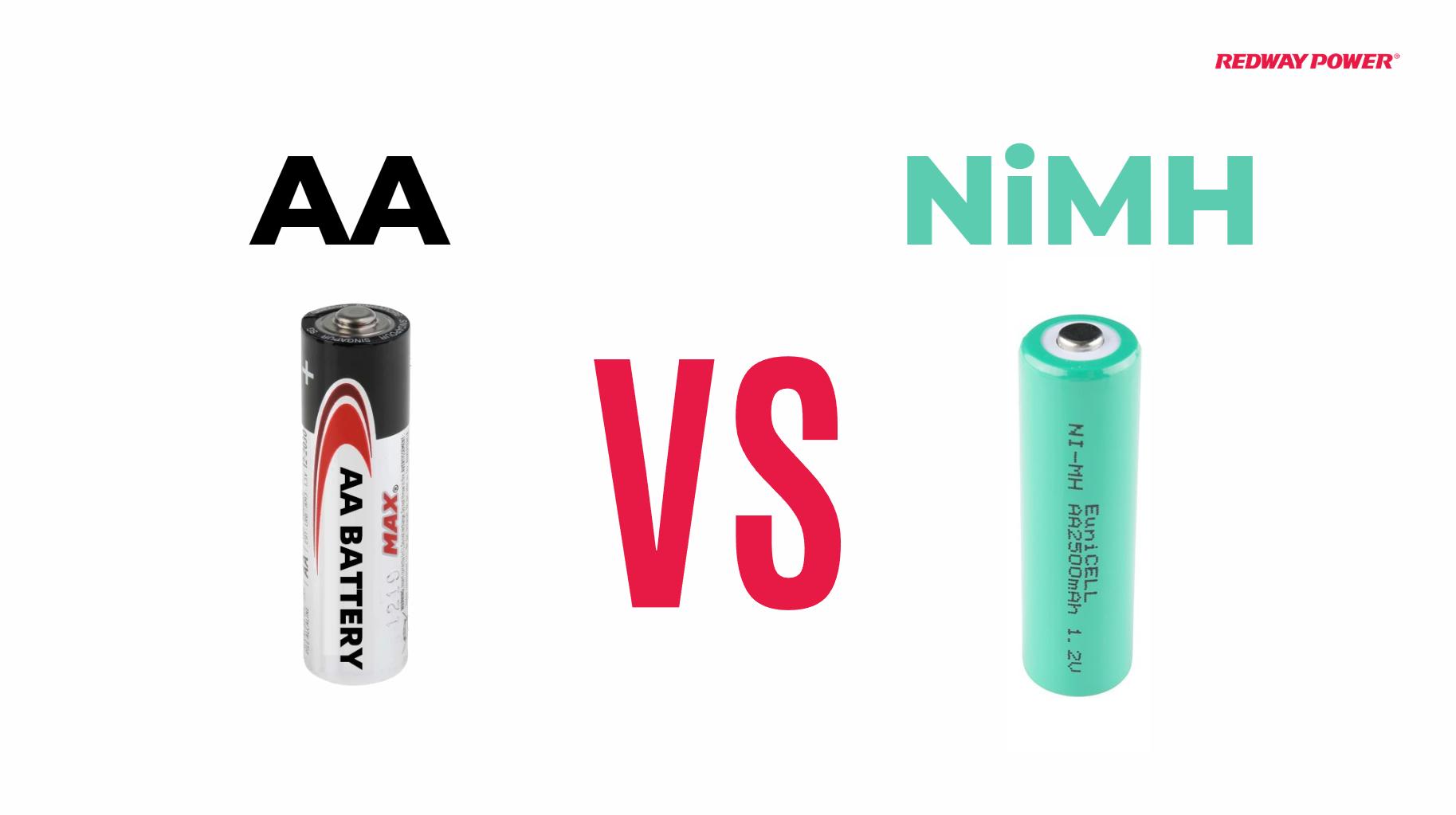
Lithium VS Ni-MH AA Batteries

FAQ Section

  • Which battery type lasts longer? Lithium-ion AA batteries generally last longer than NIHM due to their higher cycle life.
  • Are lithium-ion AA batteries worth the higher cost? Yes, their longer lifespan and lower self-discharge rates often make them more cost-effective over time despite higher upfront costs.
  • Can I use lithium-ion AA batteries in any device that takes AA? While many devices are compatible with both types, always check manufacturer recommendations as some devices may not support lithium-ion technology effectively.
Search products
Product has been added to your cart