Redway Power · LiFePO4 battery factory for OEM & wholesale, 12V to 100V|Tel +86 189 7608 1534|Get a quick quote

What Are Dual Purpose Marine Batteries?

Dual purpose marine batteries are designed to serve two functions: starting the engine and providing a steady power supply for onboard electronics. These batteries combine the features of both starting batteries and deep cycle batteries, making them ideal for smaller boats where space and weight are concerns. Their versatility allows boaters to enjoy reliable performance without needing multiple battery types.

Understanding Dual Purpose Marine Batteries

Key Features

  1. Starting Power: Dual purpose batteries deliver the high burst of energy required to start marine engines, similar to traditional starting batteries.
  2. Deep Cycle Capability: They can also provide sustained power for running accessories like lights, radios, and trolling motors, akin to deep cycle batteries.
  3. Space Efficiency: By combining two functionalities into one battery, dual purpose batteries save space on boats where every inch counts.
  4. Maintenance-Free Options: Many dual purpose batteries are available in maintenance-free designs, such as AGM (Absorbent Glass Mat) or gel types, reducing upkeep for boat owners.
  5. Versatility: Suitable for a variety of applications beyond marine use, including RVs and off-grid systems.
FeatureDescription
Starting PowerDelivers high bursts of energy
Deep Cycle CapabilityProvides sustained power for accessories
Space EfficiencyCombines two functions in one battery
Maintenance-FreeAvailable in sealed designs
VersatilitySuitable for marine, RV, and off-grid use

Applications of Dual Purpose Marine Batteries

  1. Boating: Ideal for powering both the engine and onboard electronics like GPS systems, fish finders, and lighting.
  2. Recreational Vehicles (RVs): Can be used to start the RV engine while also powering appliances and accessories.
  3. Camping: Provides reliable power for lights and devices during camping trips without needing separate batteries.
  4. Off-Grid Systems: Useful in renewable energy setups where both starting power and deep cycle capabilities are needed.

Advantages of Using Dual Purpose Marine Batteries

  1. Cost-Effective: Purchasing one dual purpose battery can be more economical than buying separate starting and deep cycle batteries.
  2. Convenience: Simplifies battery management by reducing the number of batteries needed on board.
  3. Improved Performance: Offers reliable performance for both starting engines and powering devices, ensuring that boaters can enjoy their time on the water without interruptions.
  4. Weight Reduction: By eliminating the need for multiple batteries, dual purpose options can help reduce overall weight on a vessel.
  5. Enhanced Lifespan: Many dual purpose batteries are designed to withstand the rigors of marine environments, leading to longer service life compared to standard batteries.

Latest News

  • Innovations in Battery Technology: Recent advancements in battery technology are enhancing the efficiency and lifespan of dual purpose marine batteries, making them more appealing for boat owners.
  • Growing Demand for Versatile Energy Solutions: As consumers look for multifunctional energy solutions, dual purpose batteries are becoming increasingly popular in both marine and recreational applications.
  • Government Initiatives Supporting Renewable Energy: Many governments are promoting the use of efficient battery systems in renewable energy applications, encouraging consumers to adopt versatile solutions like dual purpose marine batteries.

Redway Expert Comment

As experts in lithium LiFePO4 batteries at Redway Battery, we recognize the significant advantages that dual purpose marine batteries offer to boaters and RV enthusiasts alike. Their ability to efficiently handle both starting and deep cycle tasks makes them an invaluable asset on the water or during outdoor adventures. Our commitment is to provide high-quality battery solutions that enhance performance and reliability.”

A dual purpose marine battery is designed to handle both starting and deep cycle functions, making it ideal for boats with limited space. Many boaters prefer dual purpose marine batteries for their versatility and reliability during fishing trips or long cruises. A quality marine dual purpose battery ensures strong cranking power and steady energy for accessories.

The marine battery dual purpose type is especially valuable for mid-sized vessels requiring balanced performance. An AGM dual purpose marine battery offers spill-proof construction and low maintenance, making it a top choice. Redway Battery, China LiFePO4 Battery Wholesale Supplier, provides advanced lithium alternatives to traditional dual purpose marine batteries, delivering longer life and higher efficiency.

Best Alternatives for Dual Purpose Marine Batteries

When considering alternatives or competitors in the market for dual purpose marine batteries suitable for various applications, several brands stand out for their quality and reliability. Below is a chart showcasing five notable competitors, including Redway Power.
BrandBattery TypeKey FeaturesBest Use Case
Redway PowerLiFePO4High capacity with long lifespanSolar energy systems
TrojanFlooded Lead AcidDurable and affordableRVs and marine applications
LifelineAGMMaintenance-freeOff-grid living
Battle BornLithium IonFast chargingTrolling motors
UniversalGelDeep cycle capabilityBackup power

Conclusion

In conclusion, dual purpose marine batteries provide an excellent solution for boaters looking for efficiency and versatility. By combining the functions of starting and deep cycle batteries into one unit, they offer significant advantages in terms of cost-effectiveness, convenience, and performance. As technology continues to advance, investing in high-quality dual purpose batteries will ensure reliable power sources for a variety of applications.

What is the Best Way to Store Lithium Batteries Long Term?

The best way to store lithium batteries long term is to keep them in a cool, dry place at around 40-60% charge. This helps prevent degradation and extends their lifespan. Avoid extreme temperatures and humidity, and store them in a protective case to prevent physical damage.

Key Factors for Long-Term Storage of Lithium Batteries

1. Charge Level

Storing lithium batteries at the right charge level is crucial for maintaining their health. The ideal state of charge for long-term storage is between 40% and 60%. This range helps minimize stress on the battery cells.
Charge LevelEffects on Battery Health
Below 20%Risk of deep discharge damage
40-60%Optimal for longevity
Above 80%Increased stress and heat generation

2. Temperature Control

Temperature plays a significant role in battery performance and lifespan. Lithium batteries should be stored in a temperature-controlled environment.
  • Ideal Temperature: 15°C to 25°C (59°F to 77°F)
  • Avoid: Extreme cold (below 0°C) or heat (above 30°C).
Temperature RangeImpact on Battery
Below 0°CRisk of freezing and damage
15°C – 25°COptimal for storage
Above 30°CAccelerated degradation

3. Humidity Levels

High humidity can lead to corrosion and other issues. Store batteries in a dry environment, ideally with humidity levels below 50%.

4. Physical Protection

To prevent physical damage, store lithium batteries in protective cases or padded containers. This is especially important if they are being transported or stored in areas where they might be knocked around.

5. Regular Maintenance Checks

Even when stored, it’s important to check the batteries periodically for any signs of swelling, leakage, or corrosion. This helps catch any potential issues early.

Best Practices for Storing Lithium Batteries

1. Use Original Packaging

If possible, keep the batteries in their original packaging until you are ready to use them. This provides additional protection against physical damage and environmental factors.

2. Avoid Mixing Battery Types

Do not mix different types or brands of lithium batteries during storage, as this can lead to uneven discharge rates and potential hazards.

3. Keep Away from Metal Objects

Store batteries away from metal objects that could create a short circuit if they come into contact with the terminals.

Latest News

  • Recent advancements in lithium battery technology have improved their efficiency and lifespan, making proper storage techniques even more critical.
  • Manufacturers are increasingly focusing on developing smart battery management systems that monitor health and optimize storage conditions.
  • New regulations are promoting sustainable practices in battery recycling and production within the renewable energy sector.
  • Research indicates that proper maintenance and storage can significantly enhance the reliability of lithium batteries over time.

Redway Expert Comment

At Redway Battery, we emphasize the importance of proper storage techniques for lithium batteries to maximize their lifespan and performance. Storing at the right charge level and temperature is crucial for maintaining battery health. Our lithium LiFePO4 solutions are designed for longevity, but following best practices during storage is essential for all battery types.”

Top Competitors in Lithium Battery Solutions

Here are five leading alternatives or competitors in the market for lithium batteries suitable for long-term storage:
Company NameBattery Options
Redway PowerYes
TeslaYes
LG ChemYes
PanasonicYes
A123 SystemsYes
These companies offer various solutions tailored to meet diverse operational needs while ensuring safety and efficiency in their products.

Do I Need Dual Battery?

Whether you need a dual battery system depends on your specific power requirements and usage scenarios. Dual batteries are beneficial for applications like RVs, boats, and off-grid solar systems, providing reliable power for starting engines and running appliances simultaneously. They enhance energy management and ensure that you have enough capacity for all your needs.

Understanding Dual Battery Systems

A dual battery system consists of two batteries connected in a way that allows for efficient power distribution and management. This setup is particularly useful in situations where power demands exceed what a single battery can provide.

1. Benefits of Dual Battery Systems

There are several advantages to using a dual battery setup:
  • Increased Capacity: Having two batteries allows for greater energy storage, which is essential for powering multiple devices or systems.
  • Redundancy: If one battery fails, the other can still provide power, enhancing reliability.
  • Separation of Loads: You can dedicate one battery to starting the engine and the other to powering accessories, preventing accessory use from draining the starting battery.
BenefitDescription
Increased CapacityMore energy storage
RedundancyBackup power available
Separation of LoadsDedicated batteries for different uses

2. Applications of Dual Battery Systems

Dual battery systems are commonly used in various applications:
  • Recreational Vehicles (RVs): To power appliances, lights, and other accessories without draining the starting battery.
  • Marine Applications: Ensures that the boat’s engine can start even after extensive use of onboard electronics.
  • Off-Grid Solar Systems: Provides sufficient energy storage to run household appliances during periods without sunlight.
ApplicationFunction
RVsPowers accessories
MarineStarts engine and powers electronics
Off-Grid SolarStores energy for later use

3. Choosing the Right Batteries

When considering a dual battery setup, selecting the right type of batteries is crucial:
  • Lead-Acid Batteries: Cost-effective but heavier and have a shorter lifespan compared to lithium options.
  • Lithium Batteries: Lightweight, longer lifespan, and faster charging capabilities make them an excellent choice for dual systems.
Battery TypeAdvantagesDisadvantages
Lead-AcidCost-effectiveHeavier, shorter lifespan
LithiumLightweight, long-lastingHigher initial cost

Latest News

Recent advancements in battery technology highlight the growing importance of dual battery systems:
  • Innovative Battery Designs: New lithium-ion batteries are being developed with enhanced energy density and faster charging capabilities.
  • Smart Battery Management Systems (BMS): These systems optimize charging and discharging cycles, improving overall efficiency.
  • Increased Adoption in Renewable Energy: The demand for dual battery setups is rising as more consumers invest in solar energy solutions.

Redway Expert Comment

“As experts at Redway Battery, we understand that dual battery systems can significantly enhance energy management for various applications. Our lithium LiFePO4 batteries are designed to provide superior performance and longevity, making them ideal for dual setups in RVs, boats, and solar systems. By investing in quality solutions, users can ensure reliable power delivery tailored to their needs.”

Top Competitors in Dual Battery Solutions

When considering alternatives for dual battery solutions, evaluating various manufacturers based on their offerings is essential. Below is a comparison chart of the best competitors:
Company NameBattery TypeCapacity (Ah)Rechargeable Option
Redway BatteryLithium LiFePO4CustomizableYes
Optima BatteriesAGM55 – 75Yes
Trojan BatteryFlooded Lead Acid75 – 200Yes
VMAXTANKSAGM100 – 200Yes
Interstate BatteriesFlooded Lead Acid75 – 150Yes

Conclusion

In conclusion, whether you need a dual battery system depends on your specific energy requirements and usage scenarios. For applications like RVs, marine vehicles, and off-grid solar setups, dual batteries provide increased capacity, redundancy, and efficient load management. By choosing high-quality options like those offered by Redway Battery, users can ensure reliable performance tailored to their needs.
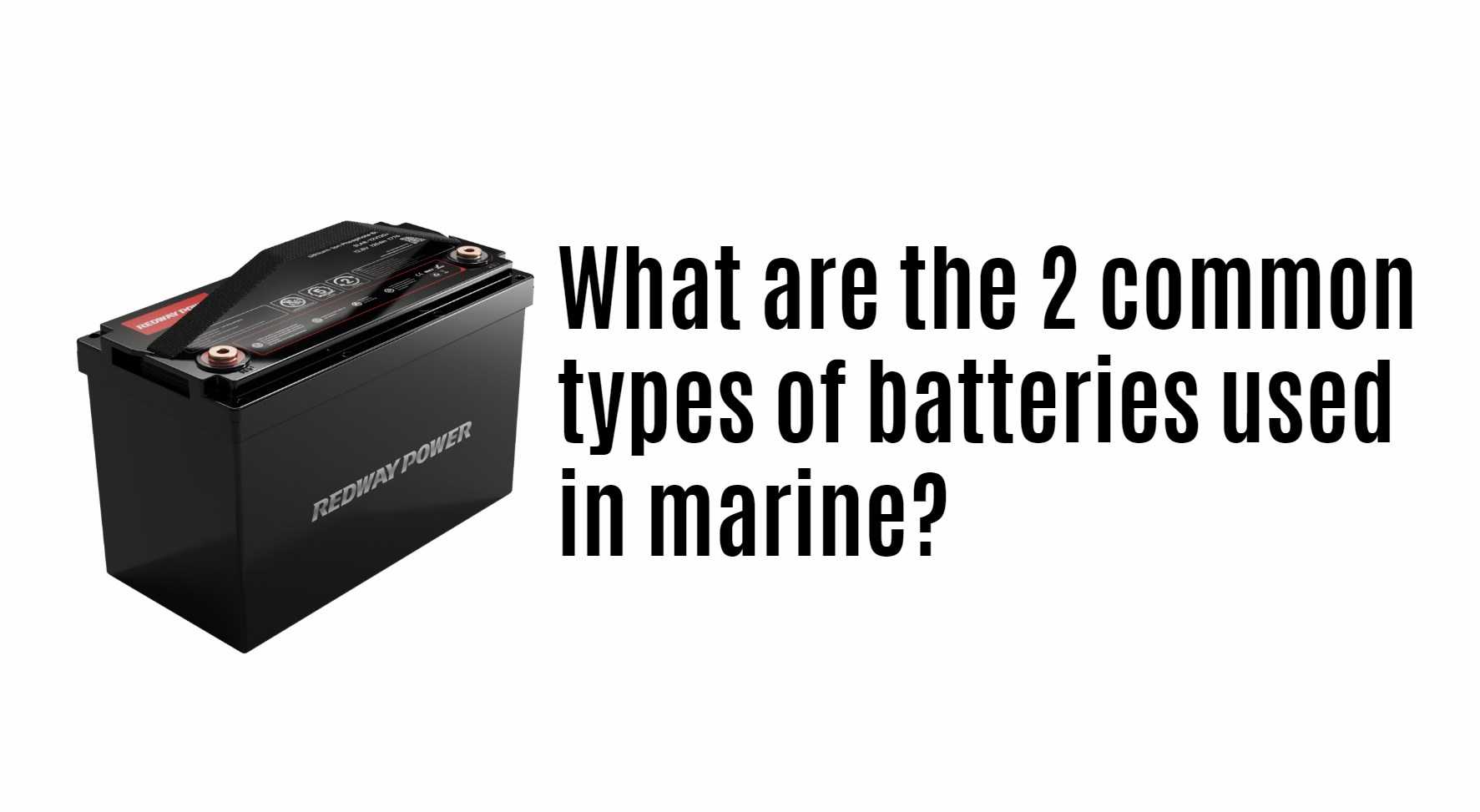
What are the 2 common types of batteries used in marine?

What Are the 2 Common Types of Batteries Used in Marine?

The two common types of batteries used in marine applications are lead-acid batteries and lithium-ion batteries. Lead-acid batteries, including flooded and AGM types, are traditional choices due to their affordability and reliability. Lithium-ion batteries, particularly lithium iron phosphate (LiFePO4), are gaining popularity for their lightweight design and longer lifespan.

Understanding Marine Battery Types

Marine batteries are essential for powering various onboard systems, including navigation, lighting, and communication equipment. Choosing the right battery type is crucial for ensuring reliable performance and safety while at sea.

1. Lead-Acid Batteries

Lead-acid batteries have been the standard choice for marine applications for many years. They come in two primary forms:
  • Flooded Lead-Acid Batteries: These require regular maintenance, including checking electrolyte levels. They are robust and cost-effective but can be sensitive to deep discharges.
  • AGM (Absorbent Glass Mat) Batteries: Sealed and maintenance-free, AGM batteries are designed to withstand vibrations and can be mounted in any orientation. They offer better performance than flooded batteries but at a higher cost.
TypeCharacteristicsAdvantagesDisadvantages
Flooded Lead-AcidRequires maintenanceCost-effectiveShorter lifespan
AGMSealed, maintenance-freeVibration-resistantMore expensive than flooded lead-acid

2. Lithium-Ion Batteries

Lithium-ion batteries, particularly lithium iron phosphate (LiFePO4), are becoming increasingly popular in marine applications due to their numerous advantages:
  • Lightweight: Lithium batteries are significantly lighter than lead-acid options, making them ideal for weight-sensitive applications.
  • Longer Lifespan: They typically last longer than lead-acid batteries, often exceeding 2,000 cycles at 80% depth of discharge.
  • Higher Efficiency: Lithium batteries can be discharged more deeply without damage, providing more usable energy.
TypeCharacteristicsAdvantagesDisadvantages
Lithium-Ion (LiFePO4)Lightweight, high energy densityLong lifespan, deep discharge capabilityHigher initial cost

Performance Comparison

When comparing lead-acid and lithium-ion batteries for marine use, several performance metrics should be considered:
  1. Lifespan: Lithium-ion batteries generally have a lifespan of 10 years or more, while lead-acid batteries typically last between 3 to 5 years.
  2. Energy Density: Lithium-ion batteries have a higher energy density, meaning they can store more energy in a smaller space compared to lead-acid batteries.
  3. Depth of Discharge (DoD): Lithium-ion batteries can safely discharge up to 80-90%, while lead-acid batteries should not be discharged below 50% to avoid damage.
Performance MetricLead-AcidLithium-Ion
Lifespan3 – 5 years10+ years
Energy DensityLowerHigher
Depth of Discharge50%80 – 90%

Best Practices for Marine Battery Use

To ensure optimal performance and longevity of marine batteries, consider these best practices:
  1. Regular Maintenance: For flooded lead-acid batteries, check electrolyte levels regularly and clean terminals to prevent corrosion.
  2. Monitor Voltage Levels: Regularly check voltage levels to ensure they remain within safe operating limits.
  3. Use Quality Chargers: Always use chargers designed specifically for your battery type to ensure proper charging cycles.
  4. Store Properly: If not in use for extended periods, store the battery in a cool, dry place.
Best PracticeDescription
Regular MaintenanceCheck levels and maintain
Monitor Voltage LevelsEnsure safe operating limits
Use Quality ChargersEnsures proper charging
Store ProperlyProtects against deterioration

Latest News

Recent advancements in marine battery technology have highlighted key trends relevant to battery use on boats:
  • The adoption of lithium-ion technology is increasing as boaters seek lighter and more efficient power solutions.
  • Innovations in battery management systems (BMS) are enhancing safety features and performance monitoring capabilities.
  • Regulatory changes are encouraging manufacturers to produce more sustainable and environmentally friendly battery options.

Redway Expert Comment

At Redway Battery, we recognize that selecting the right battery type is essential for optimal performance in marine applications. Our lithium LiFePO4 solutions provide superior longevity and efficiency compared to traditional lead-acid options. We are committed to delivering high-quality products tailored to meet diverse energy needs on the water.”

Top Competitors in Battery Market

Here is a comparative chart showcasing five leading manufacturers of marine batteries:
BrandBattery Type OptionsPrice Range
Redway PowerLithium LiFePO4$200 – $800
Trojan BatteryFlooded Lead-Acid$200 – $600
Optima BatteriesAGM & Lead-Acid$250 – $400
Interstate BatteriesLead-Acid$150 – $350
VMAXTANKSAGM & Lithium$250 – $500

Conclusion

In conclusion, both lead-acid and lithium-ion batteries have their advantages in marine applications. While lead-acid batteries offer affordability and reliability, lithium-ion options provide superior performance and longevity. By understanding the characteristics of each type and following best practices, users can make informed decisions that enhance their boating experience.

Which Is Better? CCA or MCA in Battery?

When comparing Cold Cranking Amps (CCA) and Marine Cranking Amps (MCA), it’s essential to consider your specific needs. CCA measures a battery’s ability to start an engine in cold temperatures, while MCA is more relevant for marine applications and indicates performance in warmer conditions. For automotive use, CCA is generally the better metric.

Understanding CCA and MCA

To make an informed choice between CCA and MCA, it’s important to understand what each term means and how they apply to battery performance:
  1. Cold Cranking Amps (CCA):
    • CCA refers to the amount of current a battery can deliver at 0°F (-18°C) for 30 seconds while maintaining a voltage of at least 7.2 volts. This measurement is crucial for vehicles operating in cold climates, as it indicates the battery’s ability to start an engine in low temperatures.
  2. Marine Cranking Amps (MCA):
    • MCA measures the current a battery can provide at 32°F (0°C) for 30 seconds while maintaining a voltage of at least 7.2 volts. This rating is particularly useful for marine batteries, which may experience varying temperatures and need reliable power for starting engines and running accessories.
  3. Application Differences:
    • CCA is typically more relevant for traditional vehicles that require reliable starting power in cold weather. In contrast, MCA is better suited for boats and marine applications where temperature fluctuations are common.
  4. Performance Under Load:
    • Higher CCA ratings generally indicate better performance in cold conditions, while higher MCA ratings suggest reliability in warmer environments. It’s important to choose the rating that aligns with your specific usage scenario.
MeasurementCold Cranking Amps (CCA)Marine Cranking Amps (MCA)
Temperature0°F (-18°C)32°F (0°C)
Duration30 seconds30 seconds
Best UseAutomotive applicationsMarine applications

Benefits of Choosing the Right Rating

Selecting the appropriate rating for your battery can lead to several advantages:
  1. Reliable Starts:
    • A battery with a high CCA rating ensures that your vehicle starts reliably even in frigid conditions, reducing the risk of being stranded due to a dead battery.
  2. Versatile Applications:
    • Batteries with high MCA ratings provide dependable power for marine applications, supporting both engine starts and accessory operation without failure.
  3. Longevity:
    • Choosing the right battery based on your specific needs can extend its lifespan by preventing over-discharge or excessive strain on the battery.
  4. Cost Efficiency:
    • Investing in a battery that meets your requirements can save money in the long run by reducing maintenance costs and the frequency of replacements.
  5. Enhanced Performance:
    • Properly rated batteries perform optimally under load conditions, ensuring that your vehicle or boat operates smoothly without interruptions.

Latest News

Recent developments in battery technology have highlighted advances in both CCA and MCA ratings, focusing on improving performance under extreme conditions. Manufacturers are now producing batteries that not only meet higher CCA and MCA standards but also integrate smart technology for monitoring health and performance. This innovation helps users maintain optimal battery function and extend lifespan, particularly in automotive and marine applications.

Redway Expert Comment

“As experts in Lithium LiFePO4 technology, we understand the importance of selecting the right battery based on specific needs like CCA or MCA ratings. Our batteries are designed to deliver exceptional performance across various applications, ensuring reliability whether you’re on the road or at sea. We encourage users to consider their environmental conditions when choosing a battery.”

Top Competitors in Battery Solutions

When evaluating alternatives for batteries with optimal CCA or MCA ratings, consider brands that offer reliable performance tailored for various applications. Below is a chart highlighting five top competitors in the market:
BrandBattery TypeCompatibilityPrice RangeNotes
Redway PowerLiFePO4General useCompetitiveHigh cycle life and safety features
Brand ASealed Lead-AcidElectronicsModerateMaintenance-free design
Brand BAGM BatteryAutomotiveVariesExcellent deep cycle capability
Brand CGel BatteryMarine applicationsPremiumGood performance in humid conditions
Brand DLithium IonPower toolsHighFast charging capabilities

Conclusion

In conclusion, choosing between Cold Cranking Amps (CCA) and Marine Cranking Amps (MCA) depends largely on your specific application needs. Understanding these ratings will help you select a battery that offers reliable performance, ensuring you have the power you need when it counts most.

Are Marine Dual-Purpose Batteries Good?

Yes, marine dual-purpose batteries are an excellent choice for boaters who need a reliable power source for both starting engines and running onboard electronics. These batteries combine the features of starting and deep-cycle batteries, making them versatile and efficient for various marine applications. Their ability to handle both tasks effectively makes them a popular option among boat owners.

What Are Marine Dual-Purpose Batteries?

Marine dual-purpose batteries are specifically designed to deliver the high burst of energy required to start an engine while also providing a steady power supply for electronics and accessories. This dual functionality is particularly beneficial for smaller boats where space and weight are concerns.

Key Features

  1. Starting Power: They deliver the high current necessary to start marine engines, similar to traditional starting batteries.
  2. Deep Cycle Capability: These batteries can also provide sustained power for running accessories like lights, radios, and fish finders.
  3. Maintenance-Free Options: Many dual-purpose batteries come in maintenance-free designs, such as AGM (Absorbent Glass Mat) or gel types, reducing upkeep for boat owners.
  4. Versatility: Suitable for various applications beyond marine use, including RVs and off-grid systems.
FeatureDescription
Starting PowerDelivers high bursts of energy
Deep Cycle CapabilityProvides sustained power for accessories
Maintenance-FreeAvailable in sealed designs
VersatilitySuitable for marine, RV, and off-grid use

Advantages of Using Marine Dual-Purpose Batteries

  1. Cost-Effective: Purchasing one dual-purpose battery can be more economical than buying separate starting and deep-cycle batteries.
  2. Convenience: Simplifies battery management by reducing the number of batteries needed on board.
  3. Improved Performance: Offers reliable performance for both starting engines and powering devices, ensuring that boaters can enjoy their time on the water without interruptions.
  4. Weight Reduction: By eliminating the need for multiple batteries, dual-purpose options can help reduce overall weight on a vessel.
  5. Enhanced Lifespan: Many dual-purpose batteries are designed to withstand the rigors of marine environments, leading to longer service life compared to standard batteries.

Applications of Marine Dual-Purpose Batteries

  1. Boating: Ideal for powering both the engine and onboard electronics like GPS systems, fish finders, and lighting.
  2. Recreational Vehicles (RVs): Can be used to start the RV engine while also powering appliances and accessories.
  3. Camping: Provides reliable power for lights and devices during camping trips without needing separate batteries.
  4. Off-Grid Systems: Useful in renewable energy setups where both starting power and deep cycle capabilities are needed.

Latest News

  • Innovations in Battery Technology: Recent advancements are enhancing the efficiency and lifespan of dual-purpose marine batteries, making them more appealing for boat owners.
  • Growing Demand for Versatile Energy Solutions: As consumers look for multifunctional energy solutions, dual-purpose batteries are becoming increasingly popular in both marine and recreational applications.
  • Government Initiatives Supporting Renewable Energy: Many governments are promoting the use of efficient battery systems in renewable energy applications, encouraging consumers to adopt versatile solutions like dual-purpose marine batteries.

Redway Expert Comment

As experts in lithium LiFePO4 batteries at Redway Battery, we understand the significant advantages that marine dual-purpose batteries offer to boaters and RV enthusiasts alike. Their ability to efficiently handle both starting and deep cycle tasks makes them an invaluable asset on the water or during outdoor adventures. Our commitment is to provide high-quality battery solutions that enhance performance and reliability.”

Best Alternatives for Marine Dual-Purpose Batteries

When considering alternatives or competitors in the market for marine dual-purpose batteries suitable for various applications, several brands stand out for their quality and reliability. Below is a chart showcasing five notable competitors, including Redway Power.
BrandBattery TypeKey FeaturesBest Use Case
Redway PowerLiFePO4High capacity with long lifespanSolar energy systems
TrojanFlooded Lead AcidDurable and affordableRVs and marine applications
LifelineAGMMaintenance-freeOff-grid living
Battle BornLithium IonFast chargingTrolling motors
UniversalGelDeep cycle capabilityBackup power

Conclusion

In conclusion, marine dual-purpose batteries provide an excellent solution for boaters looking for efficiency and versatility. By combining the functions of starting and deep-cycle batteries into one unit, they offer significant advantages in terms of cost-effectiveness, convenience, and performance. As technology continues to advance, investing in high-quality dual-purpose batteries will ensure reliable power sources for a variety of applications.

Are AGM Batteries Better for Marine?

Yes, AGM (Absorbent Glass Mat) batteries are often considered better for marine applications compared to traditional lead-acid batteries. They offer superior performance, reduced maintenance, and enhanced safety features. AGM batteries are resistant to vibration and can be mounted in various positions, making them ideal for the harsh marine environment.

Understanding AGM Batteries in Marine Applications

AGM batteries have gained popularity in the marine industry due to their unique characteristics that cater specifically to the demands of boating and marine environments.

1. Advantages of AGM Batteries for Marine Use

AGM batteries provide several benefits that make them suitable for marine applications:
  • Vibration Resistance: AGM batteries are designed to withstand the constant vibrations experienced on boats, reducing the risk of internal damage.
  • Maintenance-Free: Unlike flooded lead-acid batteries, AGM batteries do not require regular maintenance, such as adding water.
  • Safety Features: They are sealed and spill-proof, minimizing the risk of acid leaks and making them safer to use in confined spaces.
AdvantageDescription
Vibration ResistanceDurable against movement
Maintenance-FreeNo need for regular upkeep
Safety FeaturesSealed design prevents leaks

2. Performance Characteristics

AGM batteries excel in performance metrics that are crucial for marine applications:
  • Deep Cycle Capability: They can be discharged deeply without significant damage, providing reliable power for longer periods.
  • Fast Charging: AGM batteries charge more quickly than traditional lead-acid batteries, allowing for efficient energy replenishment during short dock stops.
  • High Discharge Rates: They can deliver high bursts of power, which is essential for starting engines and powering onboard electronics.
Performance MetricAGM BatteriesTraditional Lead-Acid
Deep Cycle CapabilityExcellentModerate
Charging SpeedFastSlower
Discharge RateHighLower

3. Comparison with Other Battery Types

When evaluating battery options for marine use, it’s essential to compare AGM batteries with other types such as flooded lead-acid and gel batteries:
  • Flooded Lead-Acid Batteries: While cost-effective, they require maintenance and are more prone to damage from vibrations.
  • Gel Batteries: Similar to AGM in terms of maintenance-free operation but generally have lower discharge rates and may be less durable.
Battery TypeAdvantagesDisadvantages
AGMMaintenance-free, vibration-resistantHigher initial cost
Flooded Lead-AcidCost-effectiveRequires maintenance
GelLow self-dischargeLower discharge rates

4. Applications in Marine Settings

AGM batteries are versatile and can be used in various marine applications:
  • Starting Batteries: Ideal for starting engines due to their high discharge capabilities.
  • House Batteries: Perfect for powering lights, pumps, and electronics when the engine is off.
  • Trolling Motors: Provide reliable power for electric trolling motors during fishing trips.
ApplicationFunction
Starting BatteriesPowers engine start
House BatteriesRuns onboard electronics
Trolling MotorsSupplies energy for motors

Latest News

Recent developments in battery technology highlight advancements that enhance performance and sustainability:
  • Innovative Battery Designs: New AGM formulations are improving energy density and lifespan in marine applications.
  • Smart Battery Management Systems (BMS): Technologies are emerging that allow users to monitor battery health effectively.
  • Increased Adoption of Renewable Energy: The demand for efficient energy solutions is rising as more boaters invest in solar-powered systems.

Redway Expert Comment

As experts at Redway Battery, we believe that AGM batteries offer exceptional advantages for marine applications. Their durability, maintenance-free operation, and safety features make them an ideal choice for boaters seeking reliable power solutions. Our lithium LiFePO4 options also provide enhanced performance and longevity, ensuring that users can enjoy their time on the water without worry.”

Top Competitors in Marine Battery Solutions

When considering alternatives for marine battery solutions, evaluating various manufacturers based on their offerings is essential. Below is a comparison chart of the best competitors:
Company NameBattery TypeCapacity (Ah)Rechargeable Option
Redway BatteryLithium LiFePO4CustomizableYes
Optima BatteriesAGM55 – 75Yes
Trojan BatteryFlooded Lead Acid75 – 200Yes
VMAXTANKSAGM100 – 200Yes
Lifeline BatteriesGel5 – 15Yes

Conclusion

In conclusion, AGM batteries are an excellent choice for marine applications due to their durability, maintenance-free operation, and safety features. Their ability to handle deep discharges and fast charging makes them ideal for powering boats effectively. By investing in high-quality options like those offered by Redway Battery, users can ensure reliable performance tailored to their specific needs on the water.

What is a Dual Purpose Battery?

A dual purpose battery is designed to provide both starting power and deep cycling capabilities. This type of battery is ideal for applications like recreational vehicles (RVs), boats, and golf carts, where the battery must start an engine and also power accessories over extended periods. Dual purpose batteries combine features of both starting and deep cycle batteries.

Understanding Dual Purpose Batteries

1. Key Features of Dual Purpose Batteries

Dual purpose batteries are engineered to handle two distinct functions effectively:
  • Starting Power: They deliver high bursts of energy needed to start engines.
  • Deep Cycling: They can also be discharged repeatedly without significant damage, making them suitable for powering devices over longer periods.
FeatureDescription
Starting PowerHigh cranking amps for engine ignition
Deep Cycle CapabilityCan be discharged and recharged multiple times
VersatilitySuitable for various applications (RVs, boats)

2. Types of Dual Purpose Batteries

There are primarily two types of dual purpose batteries:

Lead-Acid Batteries

  • Flooded Lead-Acid: These are traditional batteries that require maintenance but are cost-effective.
  • AGM (Absorbent Glass Mat): These are sealed, maintenance-free, and offer better performance than flooded types.
Battery TypeLifespan (Cycles)Maintenance LevelCost Level
Flooded Lead-Acid3-5 yearsHighLow
AGM4-7 yearsLowModerate

Lithium-Ion Batteries

  • Lithium Iron Phosphate (LiFePO4): These batteries provide superior performance and longevity with less weight.
Battery TypeLifespan (Cycles)Maintenance LevelCost Level
LiFePO4Up to 10 yearsVery LowHigh

3. Applications of Dual Purpose Batteries

Dual purpose batteries are versatile and can be used in various settings:
  • Recreational Vehicles (RVs): Powering lights, appliances, and starting the engine.
  • Boats: Starting the engine while also powering navigation and entertainment systems.
  • Golf Carts: Providing energy for driving and running accessories like lights and GPS.
Application TypeVoltage Requirement (V)Benefits
RVs12VHigh power output
Boats12VReliable performance
Golf Carts12VEfficient energy use

Benefits of Using a Dual Purpose Battery

1. Cost-Effectiveness

Investing in a dual purpose battery can be more economical than purchasing separate starting and deep cycle batteries, especially for applications where space is limited.

2. Space Saving

Since dual purpose batteries serve two functions, they reduce the need for multiple battery systems, freeing up space in vehicles or equipment.

3. Enhanced Performance

These batteries are designed to handle the demands of both starting engines and powering accessories efficiently, providing reliable performance across various applications.

Latest News

  • Recent advancements in battery technology have led to more efficient dual purpose batteries that enhance performance for recreational vehicles and marine applications.
  • Manufacturers are increasingly focusing on developing smart battery management systems that optimize charging cycles for dual purpose batteries.
  • New regulations are promoting sustainable practices in battery recycling and production within the renewable energy sector.
  • Research indicates that integrating high-capacity lithium-ion batteries into dual purpose systems can significantly enhance energy storage capabilities.

Redway Expert Comment

“At Redway Battery, we recognize the importance of dual purpose batteries in enhancing the efficiency of recreational vehicles and marine applications. Our lithium LiFePO4 solutions offer exceptional reliability and performance, making them ideal for users who need both starting power and deep cycling capabilities. We are committed to providing high-quality products tailored to meet diverse customer needs.”

Top Competitors in Dual Purpose Battery Solutions

Here are five leading alternatives or competitors in the market for dual purpose batteries:
Company NameBattery Options
Redway PowerYes
Trojan BatteryYes
Lifeline BatteriesYes
Battle Born BatteriesYes
RenogyYes
These companies offer various solutions tailored to meet diverse operational needs while ensuring safety and efficiency in their products.

Which Marine Batteries Last the Longest?

The marine batteries that typically last the longest are lithium-ion batteries, particularly lithium iron phosphate (LiFePO4) batteries. These batteries can provide up to 10,000 cycles and have a lifespan of 10 years or more when properly maintained. In comparison, traditional lead-acid batteries usually last between 3 to 5 years.

Understanding Marine Battery Lifespan

When selecting a marine battery, understanding the factors that contribute to longevity is crucial. Battery type, maintenance practices, and usage conditions all play significant roles in determining how long a battery will last.

1. Types of Marine Batteries

Marine batteries come in several types, each with different lifespans:
  • Lithium-Ion Batteries: Known for their long lifespan and efficiency, lithium-ion batteries are increasingly popular in marine applications. They can withstand deep discharges and have minimal maintenance needs.
  • Lead-Acid Batteries: This traditional battery type includes flooded and AGM (Absorbent Glass Mat) variants. While they are cost-effective, they generally have shorter lifespans compared to lithium options.
  • Gel Batteries: A subtype of lead-acid batteries, gel batteries use a gelled electrolyte and offer better performance in terms of resistance to vibration and spillage.
Battery TypeLifespan (Cycles)Characteristics
Lithium-IonUp to 10,000 cyclesLong-lasting, lightweight
Lead-Acid (Flooded)500 – 1,200 cyclesCost-effective but requires maintenance
AGM1,000 – 2,000 cyclesMaintenance-free, good performance
Gel1,000 – 1,500 cyclesVibration-resistant

2. Factors Influencing Battery Lifespan

Several factors can affect how long a marine battery will last:
  • Depth of Discharge (DoD): Lithium batteries can be discharged more deeply without damage (up to 80-90%), while lead-acid batteries should not be discharged below 50%.
  • Temperature Conditions: Extreme temperatures can negatively impact battery performance and lifespan. Lithium batteries typically perform better in varying temperatures compared to lead-acid options.
  • Maintenance Practices: Regular checks on water levels (for flooded lead-acid), terminal cleanliness, and overall battery health can extend lifespan.
FactorImpact on Lifespan
Depth of DischargeDeeper discharges reduce lifespan for lead-acid
Temperature ConditionsExtreme temps affect performance
Maintenance PracticesRegular checks enhance longevity

Performance Comparison: Lifespan and Efficiency

When comparing different marine battery types based on lifespan and efficiency, consider the following metrics:
  1. Cycle Life: Lithium-ion batteries generally offer a significantly higher cycle life than lead-acid options.
  2. Energy Density: Lithium-ion batteries have a higher energy density, allowing them to store more energy in less space.
  3. Weight: Lithium batteries are lighter than lead-acid counterparts, which is beneficial for weight-sensitive applications like boating.
Performance MetricLead-AcidLithium-Ion
Cycle Life500 – 1,200 cyclesUp to 10,000 cycles
Energy DensityLowerHigher
WeightHeavierLighter

Best Practices for Maximizing Battery Lifespan

To ensure the longevity of your marine batteries, follow these best practices:
  1. Choose Quality Batteries: Invest in high-quality lithium-ion or AGM batteries that meet your specific needs.
  2. Regular Maintenance: For lead-acid batteries, check electrolyte levels regularly and clean terminals to prevent corrosion.
  3. Monitor Charging Conditions: Use chargers designed for your battery type to avoid overcharging or undercharging.
  4. Store Properly: If not in use for extended periods, store the battery in a cool, dry place to prevent deterioration.
Best PracticeDescription
Choose Quality BatteriesInvest in reputable brands
Regular MaintenanceCheck levels and maintain
Monitor Charging ConditionsUse appropriate chargers
Store ProperlyProtect against deterioration

Latest News

Recent advancements in marine battery technology have highlighted key trends relevant to longevity:
  • The demand for lithium-ion technology is increasing as boaters seek lighter and more efficient power solutions.
  • Innovations in battery management systems (BMS) are enhancing safety features and performance monitoring capabilities.
  • Regulatory changes are encouraging manufacturers to produce more sustainable and environmentally friendly battery options.

Redway Expert Comment

At Redway Battery, we emphasize that choosing the right marine battery type is essential for optimal performance and longevity. Our lithium LiFePO4 solutions provide superior lifespan and efficiency compared to traditional lead-acid options. We are dedicated to delivering high-quality products tailored to meet diverse energy needs on the water.”

Top Competitors in Marine Battery Market

Here is a comparative chart showcasing five leading manufacturers of marine batteries:
BrandBattery Type OptionsPrice Range
Redway PowerLithium LiFePO4$200 – $800
Trojan BatteryFlooded Lead-Acid$200 – $600
Optima BatteriesAGM & Lead-Acid$250 – $400
Interstate BatteriesLead-Acid$150 – $350
VMAXTANKSAGM & Lithium$250 – $500

Conclusion

In conclusion, lithium-ion batteries generally last longer than traditional lead-acid options in marine applications. By understanding the characteristics of each type and following best practices for maintenance and usage, users can optimize their energy systems effectively while ensuring reliable power supply during their maritime adventures.

What is a Good CCA for a Marine Battery?

A good Cold Cranking Amps (CCA) rating for a marine battery typically ranges from 600 to 800 CCA. This rating indicates the battery’s ability to start an engine in cold temperatures. Higher CCA values are essential for reliable starting, especially in colder climates or for larger engines that require more power to start.

Understanding Cold Cranking Amps (CCA)

Cold Cranking Amps (CCA) measures a battery’s ability to start an engine in cold temperatures, specifically at 0°F (-18°C). The higher the CCA rating, the better the battery can perform under challenging conditions. This is particularly important for marine batteries, which must provide reliable starting power in various weather conditions.

Why CCA Matters for Marine Batteries

  1. Engine Size: Larger engines typically require more power to start, necessitating a higher CCA rating.
  2. Temperature Conditions: In colder climates, batteries lose some of their capacity, making a higher CCA essential for reliable starts.
  3. Usage Patterns: Boats that frequently start and stop engines may benefit from batteries with higher CCA ratings to ensure quick starts every time.
  4. Battery Type: Different types of marine batteries (lead-acid, AGM, lithium) may have varying CCA ratings, impacting their suitability for specific applications.
FactorDescription
Engine SizeLarger engines need higher CCA ratings
Temperature ConditionsCold weather requires more starting power
Usage PatternsFrequent starts benefit from high CCA
Battery TypeDifferent chemistries have varying ratings

Recommended CCA Ratings by Engine Size

  • Small Outboard Engines (up to 50 HP): A minimum of 600 CCA is generally sufficient.
  • Medium Outboard Engines (50-150 HP): Look for batteries with at least 700-800 CCA.
  • Large Inboard Engines (150 HP and above): Consider batteries with 800 CCA or more for reliable starts.
Engine SizeRecommended CCA
Small Outboard (up to 50 HP)600 CCA
Medium Outboard (50-150 HP)700-800 CCA
Large Inboard (150 HP and above)800+ CCA

Latest News

  • Advancements in Battery Technology: Recent innovations in marine battery technology are improving performance and efficiency, leading to higher CCA ratings across various battery types.
  • Increased Demand for Reliable Marine Power Sources: As boating activities grow in popularity, the need for dependable marine batteries with high CCA ratings is on the rise.
  • Government Incentives for Renewable Energy Solutions: Many governments are encouraging the adoption of advanced battery technologies, including those used in marine applications.

Redway Expert Comment

“As experts in lithium LiFePO4 batteries at Redway Battery, we understand the critical role that Cold Cranking Amps play in marine applications. A high CCA rating ensures reliable starting power, especially in challenging conditions. Our lithium solutions offer excellent performance and longevity, making them ideal for modern marine needs. We are committed to providing top-quality battery solutions tailored to our customers’ requirements.”

Best Alternatives for Marine Batteries

When considering alternatives or competitors in the market for marine batteries suitable for various applications, several brands stand out for their quality and reliability. Below is a chart showcasing five notable competitors, including Redway Power.
BrandBattery TypeKey FeaturesBest Use Case
Redway PowerLiFePO4High capacity with long lifespanSolar energy systems
TrojanFlooded Lead AcidDurable and affordableRVs and marine applications
LifelineAGMMaintenance-freeOff-grid living
Battle BornLithium IonFast chargingTrolling motors
UniversalGelDeep cycle capabilityBackup power

Conclusion

In conclusion, a good Cold Cranking Amps (CCA) rating for a marine battery typically falls between 600 and 800 CCA, depending on engine size and environmental conditions. Understanding these ratings helps boaters select the right battery for reliable performance on the water. As technology continues to advance, investing in high-quality marine batteries will ensure dependable power sources across various applications.

What is the Difference Between a Deep Cycle and a Dual Purpose Marine Battery?

The main difference between a deep cycle battery and a dual purpose marine battery lies in their design and intended use. A deep cycle battery is optimized for sustained power over long periods, making it ideal for powering devices like lights and pumps. In contrast, a dual purpose battery combines features of both starting and deep cycle batteries, providing high bursts of power for engine starting while also supporting deep cycling applications.

Understanding Battery Types

1. Deep Cycle Batteries

Deep cycle batteries are specifically designed to be discharged and recharged repeatedly. They provide a steady amount of current over a prolonged period, making them suitable for applications that require consistent power.
  • Applications: Ideal for powering accessories in boats, RVs, and solar systems.
  • Construction: Built with thicker plates to withstand deep discharges without damage.
FeatureDeep Cycle Battery
Voltage12V
Capacity100Ah – 200Ah
Lifespan3-5 years
Discharge DepthUp to 80%

2. Dual Purpose Marine Batteries

Dual purpose batteries are versatile options that can handle both starting and deep cycling tasks. They are particularly useful in marine applications where space is limited, and the need for both functions is essential.
  • Applications: Used in boats to start engines and power electronics.
  • Construction: Designed to provide high cranking power while also allowing for deep cycling.
FeatureDual Purpose Battery
Voltage12V
Capacity100Ah – 200Ah
Lifespan4-7 years
Discharge DepthUp to 50%

Key Differences Between Deep Cycle and Dual Purpose Batteries

1. Power Delivery

Deep cycle batteries deliver consistent power over longer durations, making them ideal for running devices that require sustained energy. In contrast, dual purpose batteries can provide short bursts of high energy needed to start engines while also supporting moderate cycling.

2. Design and Durability

Deep cycle batteries have thicker plates that allow them to withstand repeated deep discharges without degrading. Dual purpose batteries are designed with a balance between the two functions but may not last as long under heavy cycling conditions compared to dedicated deep cycle batteries.

3. Usage Scenarios

  • Deep Cycle Batteries: Best suited for applications where devices need to run for extended periods without recharging, such as trolling motors or cabin lights on boats.
  • Dual Purpose Batteries: Ideal for marine environments where both starting an engine and running accessories are necessary, such as navigation systems and lights.

Choosing the Right Battery for Your Needs

1. Assess Your Power Requirements

Determine how much power you need and how long you need it for. If your primary requirement is starting an engine with occasional accessory use, a dual purpose battery may suffice. If you need sustained power for devices over long periods, opt for a deep cycle battery.

2. Consider Lifespan and Maintenance

Evaluate how often you plan to use the battery and how much maintenance you are willing to perform. Deep cycle batteries may require more maintenance than dual purpose options, especially flooded lead-acid types.

3. Evaluate Space Constraints

In smaller boats or RVs where space is limited, dual purpose batteries can provide a compact solution that meets multiple needs without requiring additional space for separate batteries.

Latest News

  • Recent advancements in battery technology have led to the development of more efficient deep cycle and dual purpose marine batteries, improving performance in harsh conditions.
  • Manufacturers are increasingly focusing on creating hybrid battery systems that combine the benefits of both battery types.
  • New regulations are promoting sustainable practices in battery production, encouraging the use of eco-friendly materials.
  • Research indicates that proper maintenance can significantly extend the lifespan of both deep cycle and dual purpose batteries.

Redway Expert Comment

“At Redway Battery, we understand the unique needs of marine applications when it comes to battery selection. Our lithium LiFePO4 solutions offer superior performance compared to traditional lead-acid options, providing both longevity and efficiency. Whether you choose a deep cycle or dual purpose battery, we are committed to delivering high-quality products tailored to meet diverse customer needs.”

Top Competitors in Marine Battery Solutions

Here are five leading alternatives or competitors in the market for marine batteries:
Company NameBattery Options
Redway PowerYes
Trojan BatteryYes
Lifeline BatteriesYes
Battle Born BatteriesYes
RenogyYes
These companies offer various solutions tailored to meet diverse operational needs while ensuring safety and efficiency in their products.

What Is the Purpose of a Dual Post Battery?

A dual post battery features both top and side terminals, allowing for versatile connections in various applications. This design facilitates easier installation and compatibility with different wiring configurations, making it ideal for vehicles and equipment that require multiple connection points. It enhances flexibility in battery usage, especially in tight spaces.

Understanding Dual Post Batteries

Dual post batteries are designed to provide flexibility and convenience in various applications. Here’s an in-depth look at their purpose and benefits:
  1. Versatile Connection Options:
    • The primary purpose of a dual post battery is to offer multiple connection points. With both top and side terminals, users can easily connect cables without needing additional adapters or modifications.
  2. Ease of Installation:
    • In many vehicles, especially those with limited space, having both terminal types simplifies the installation process. Users can choose the most accessible connection point based on their setup.
  3. Compatibility with Various Applications:
    • Dual post batteries are compatible with a wide range of vehicles and equipment, including cars, trucks, RVs, boats, and industrial machinery. This versatility makes them a popular choice among consumers.
  4. Enhanced Performance:
    • By allowing for better cable management and reducing the risk of loose connections, dual post batteries can improve overall performance and reliability in electrical systems.
  5. Space Efficiency:
    • In tight engine compartments or battery boxes, the ability to connect wires from different angles can save space and reduce clutter.
FeatureDescription
Connection OptionsTop and side terminals for flexibility
Ease of InstallationSimplifies setup in confined spaces
CompatibilitySuitable for various vehicles and equipment
Enhanced PerformanceReduces risk of loose connections
Space EfficiencySaves space in tight areas

Applications of Dual Post Batteries

Dual post batteries serve various applications across multiple industries. Here are some common uses:
  1. Automotive Use:
    • Many modern vehicles utilize dual post batteries to accommodate different wiring configurations, enhancing compatibility with various electrical systems.
  2. Recreational Vehicles (RVs):
    • RVs often require flexible battery connections due to their diverse electrical needs, making dual post batteries a preferred choice.
  3. Marine Applications:
    • Boats benefit from dual post batteries as they allow easy access to terminals for connecting various devices like lights, pumps, and electronics.
  4. Industrial Equipment:
    • Heavy machinery often requires reliable power sources with multiple connection points for operational efficiency, making dual post batteries ideal.
  5. Power Sports Vehicles:
    • ATVs and motorcycles frequently use dual post batteries to ensure compatibility with different accessories while maintaining compact designs.

Latest News

Recent advancements in battery technology have highlighted the increasing popularity of dual post batteries due to their versatility and ease of installation. Manufacturers are focusing on creating batteries that not only meet high-performance standards but also incorporate features that enhance user convenience. This trend reflects a broader movement towards optimizing energy solutions for diverse applications across industries.

Redway Expert Comment

“As experts in Lithium LiFePO4 technology, we recognize the essential role that dual post batteries play in enhancing versatility and performance across various applications. Our high-quality battery solutions are designed to meet the demands of modern vehicles and equipment while ensuring reliability and ease of use. We encourage users to consider dual post options for their energy needs.”

Top Competitors in Battery Solutions

When considering alternatives for high-quality dual post batteries suitable for various applications, evaluate brands based on performance and compatibility with different setups. Below is a chart highlighting five top competitors in the market:
BrandBattery TypeCompatibilityPrice RangeNotes
Redway PowerLiFePO4General useCompetitiveHigh cycle life and safety features
Brand ASealed Lead-AcidElectronicsModerateMaintenance-free design
Brand BAGM BatteryAutomotiveVariesExcellent deep cycle capability
Brand CGel BatteryMarine applicationsPremiumGood performance in humid conditions
Brand DLithium IonPower toolsHighFast charging capabilities

Conclusion

In conclusion, the purpose of a dual post battery is to provide flexible connection options that enhance installation ease and compatibility across various applications. By understanding the benefits and applications of these batteries, users can make informed decisions that optimize performance and reliability in their energy systems.
Search products
Product has been added to your cart