Will a 100Ah Battery Run a 2000W Inverter?
A 100Ah battery can run a 2000W inverter briefly. Calculate runtime, current draw, usable capacity, BMS limits, cabling and fuse requirements.

A 100Ah battery can run a 2000W inverter briefly. Calculate runtime, current draw, usable capacity, BMS limits, cabling and fuse requirements.
Continue exploring: Use the Solar Battery Installation & System Design guide for the related decision process, evidence, and practical guidance.
Performance Issues
| Temperature Range | Effect on Lithium Batteries |
|---|---|
| Below 32°F (0°C) | Reduced capacity and performance |
| 32°F – 113°F (0°C – 45°C) | Optimal performance |
| Above 113°F (45°C) | Risk of thermal runaway and damage |
Cost Comparison
| Battery Type | Average Cost per kWh |
|---|---|
| Lead Acid | $100 – $200 |
| Lithium-ion | $300 – $700 |
Charger Compatibility
Recycling Challenges
| Environmental Aspect | Lithium Batteries | Lead Acid Batteries |
|---|---|---|
| Recycling Process | Less developed | More established |
| Toxic Materials | Present but manageable | Contains lead and acid |
Cycle Life Impacted by Depth of Discharge
Electric Vehicles (EVs)
Renewable Energy Systems
Continue exploring: Use the LiFePO4 Safety, Fire, Water & Ventilation guide for the related decision process, evidence, and practical guidance.
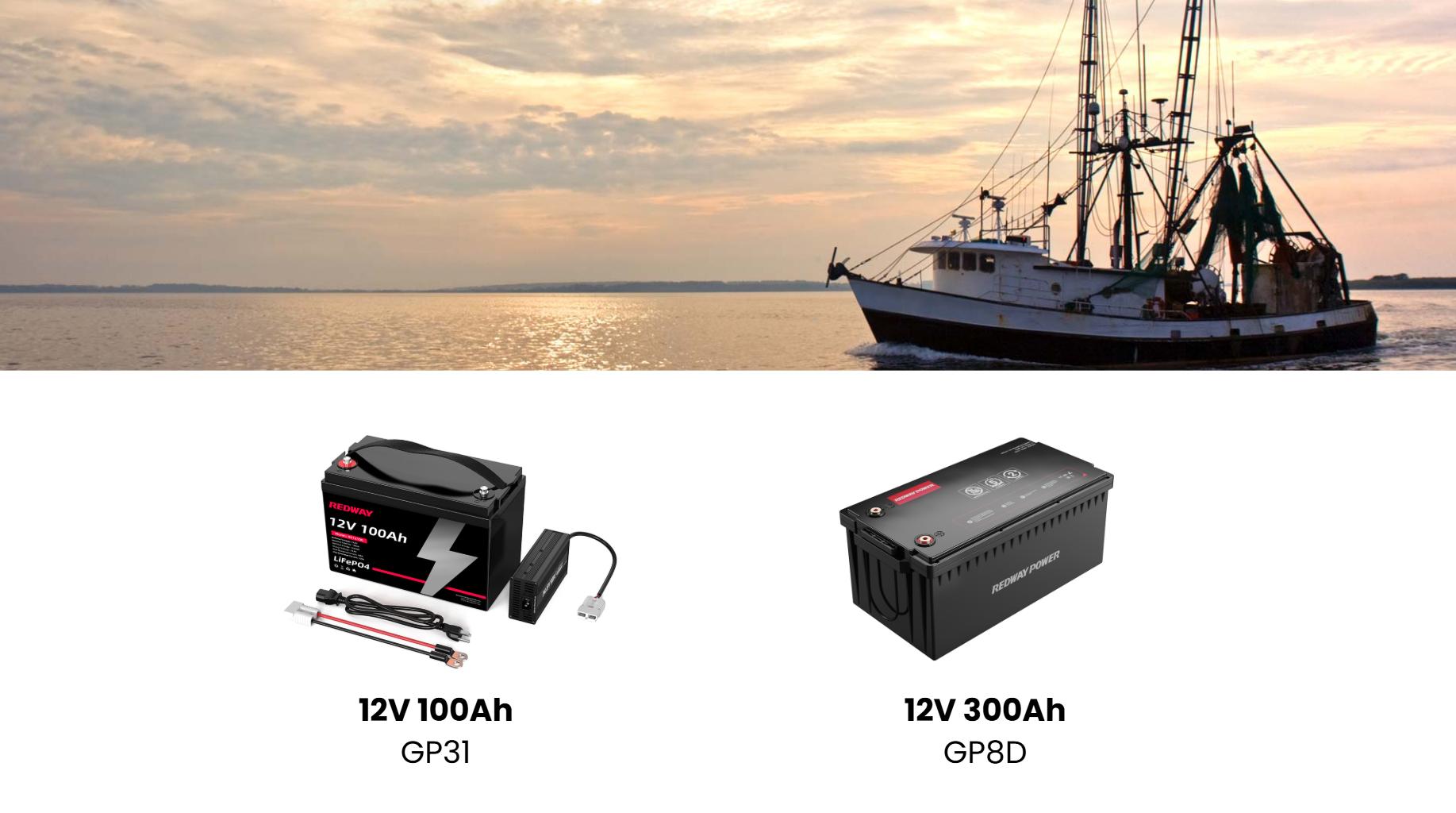
1. Advantages of Lithium Marine Batteries
Lithium marine batteries provide numerous benefits that make them an attractive option:2. Disadvantages of Lithium Marine Batteries
Despite their advantages, lithium marine batteries also have some drawbacks:3. Comparing Lithium Marine Batteries with Lead-Acid Batteries
When evaluating battery options for marine applications, it’s helpful to compare lithium and lead-acid technologies directly:| Feature | Lithium Marine Batteries | Lead-Acid Batteries |
|---|---|---|
| Lifespan | 2,000 – 5,000 cycles | 500 – 1,000 cycles |
| Weight | Lighter (up to 50% less) | Heavier |
| Charging Speed | Fast (hours) | Slower (several hours) |
| Depth of Discharge (DoD) | 80-90% | 50% |
| Initial Cost | Higher | Lower |
| Temperature Range | Wider range | Limited |
4. Applications for Lithium Marine Batteries
Lithium marine batteries are suitable for various applications within the boating industry:Continue exploring: Use the Marine & RV Battery Models and Specifications guide for the related decision process, evidence, and practical guidance.
Advantages
Disadvantages
Advantages
Disadvantages
| Battery Type | Lifespan (Cycles) | Efficiency (%) | Weight | Cost |
|---|---|---|---|---|
| LiFePO4 | 3000 – 5000 | 90% | Lightweight | Higher |
| Lead-Acid | 500 – 1000 | 70 – 80% | Heavier | Lower |
Continue exploring: Use the Solar Battery Cost, Selection & ROI guide for the related decision process, evidence, and practical guidance.
| Battery Type | Lifespan (Cycles) | Weight | Cost | Charging Speed |
|---|---|---|---|---|
| Lithium-Ion | 2000-5000 | Light | Higher initial cost | Fast |
| LiFePO4 | 2000-5000 | Light | Higher initial cost | Fast |
| Lead-Acid | 500-1000 | Heavy | Lower initial cost | Slower |
Continue exploring: Use the Battery Glossary & Fundamentals guide for the related decision process, evidence, and practical guidance.
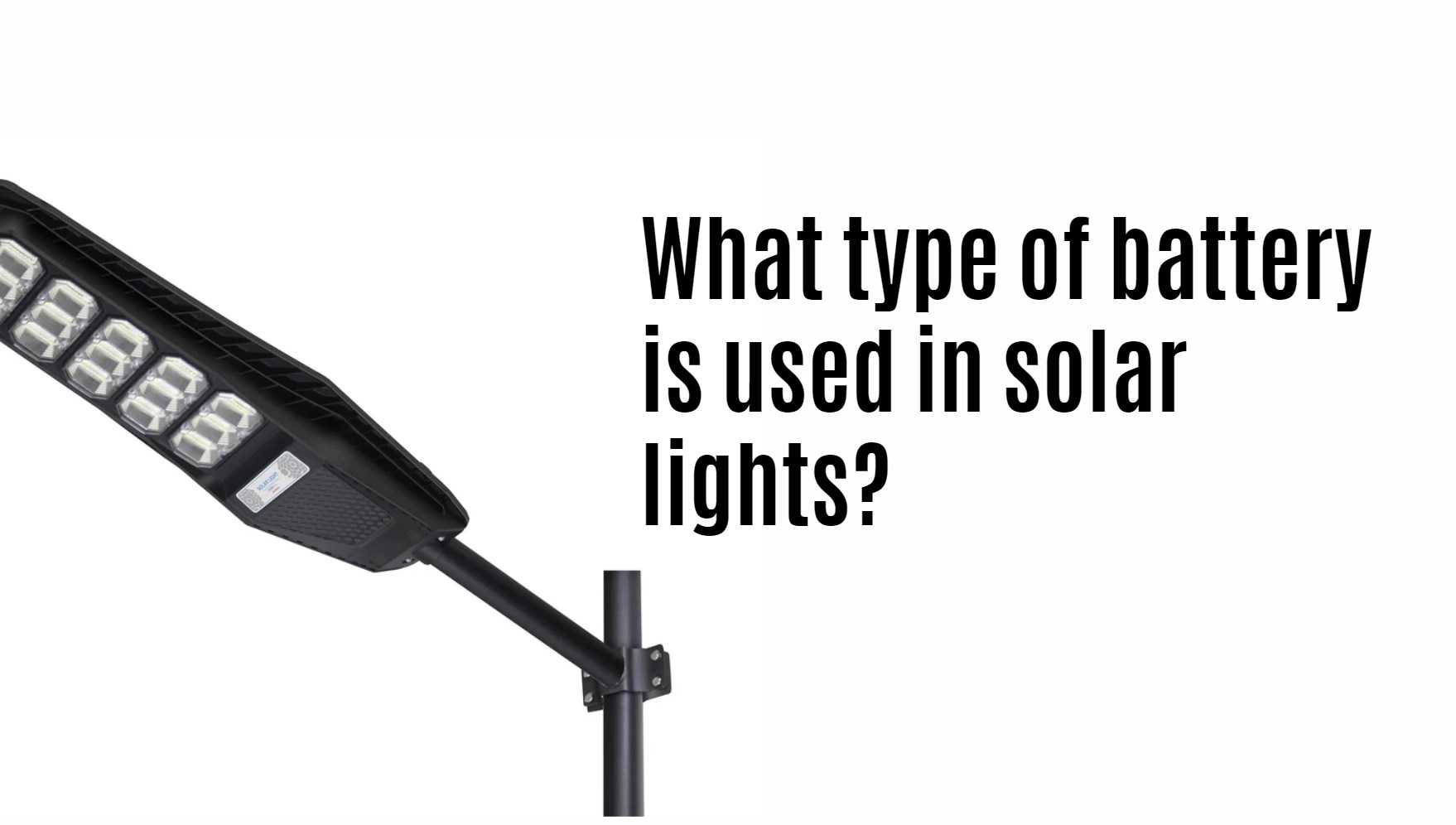
Solar lights typically use rechargeable nickel-metal hydride (NiMH) or lithium-ion batteries, with lithium iron phosphate (LiFePO4) increasingly preferred for their durability and safety. These batteries store solar energy collected during the day to power lights overnight efficiently and reliably.
Solar lights most commonly use NiMH, sealed lead-acid (SLA), and lithium-ion batteries. NiMH has been popular due to its rechargeability and environmental safety. Recently, lithium-based batteries—especially lithium iron phosphate (LiFePO4)—have gained traction for longer life cycles, higher efficiency, and improved safety.
NiMH batteries balance cost with performance, offering decent lifespan and capacity. SLA batteries, though affordable, are heavier and less efficient, making them common only in larger or older installations. Lithium-ion batteries, including LiFePO4, offer higher energy density, longer cycle life, and better thermal stability. Redway Battery specializes in LiFePO4 batteries for solar applications, ensuring optimized performance and safety critical for renewable energy systems.
Battery chemistry affects capacity, charge cycles, energy density, temperature tolerance, and safety. Lithium iron phosphate (LiFePO4) batteries provide superior cycle life (2000+ cycles), stable voltage output, and enhanced thermal safety compared to NiMH or SLA batteries.
LiFePO4 chemistry offers stable operating voltage and minimal capacity loss after extensive cycling, resulting in maintained brightness and reliability over time. NiMH batteries degrade faster, leading to dimmer lights and more frequent replacements, while SLA batteries can suffer from sulfation without proper maintenance. Redway Battery’s LiFePO4 packs feature battery management systems (BMS) that protect against overcharge, over-discharge, and temperature extremes common in outdoor solar environments.
Lithium batteries like LiFePO4 combine high energy density, long lifespan, lightweight design, and enhanced safety, reducing maintenance and replacement frequency in solar lighting.
They reduce installation effort with their lighter weight, meet longer nighttime illumination needs with higher capacity, and improve safety with advanced protection features. Lithium batteries also have better charge acceptance rates for efficient energy storage during limited sun exposure. Redway Battery offers lithium battery packs tailored for solar lights, backed by ISO 9001:2015 quality and extensive customization options to meet diverse client needs.
Battery performance is affected by temperature fluctuations, humidity, and exposure to rain or dust. Lithium iron phosphate batteries excel in harsh outdoor conditions due to their thermal stability and resistance to corrosion.
NiMH and SLA batteries can lose capacity and degrade physically under extreme cold or heat, while LiFePO4 batteries remain stable from -20°C to 60°C, ideal for varied climates. Proper enclosures protect batteries from moisture and dust. Redway Battery emphasizes rugged packaging and integrated BMS to maintain reliable performance in all weather conditions.
Battery capacity should match the light’s power consumption and required operating hours. Small path lights typically use batteries from 600 to 1200 mAh, while larger area lights often require 3000 mAh or more to power through the night.
Higher capacity batteries provide longer illumination but increase cost and size. For example, garden solar lights with ~0.5W LED bulbs perform best with 1000–1500 mAh batteries for 8+ hours of lighting, while security or street solar lights with higher wattage LEDs (5W or more) need larger batteries, often 10,000 mAh. Redway Battery supports manufacturers by customizing battery packs optimized for various solar light applications.
LiFePO4 batteries offer enhanced safety, longer cycle life, and better thermal stability than lithium cobalt oxide (LiCoO2) or lithium manganese oxide (LiMn2O4), making them well-suited for outdoor solar lighting.
Their stable cathode structure resists overheating and thermal runaway, which is critical for outdoor use. These batteries deliver more than 2000 full charge-discharge cycles with minimal capacity loss, outperforming other lithium-ion types that usually last 500–1000 cycles. This longevity translates to fewer replacements and lower maintenance costs. Redway Battery’s LiFePO4 technology combines optimized cell design and protective electronics for sustainable solar energy solutions.
Battery Management Systems (BMS) monitor voltage, current, temperature, and state of charge to protect batteries from damage and extend their lifespan in solar lights.
A good BMS prevents overcharging and deep discharge, balances cell voltages for uniform performance, and prevents thermal events. Redway Battery’s LiFePO4 packs include advanced BMS features tailored for solar applications that ensure efficient operation under changing solar charging conditions, maintaining reliability in long-term outdoor solar lighting.
Batteries should be replaced when capacity falls below 70-80% of the original value, usually after 2-5 years depending on battery type and usage.
NiMH and SLA batteries generally require replacement every 2 to 3 years due to faster capacity loss and environmental stress. LiFePO4 batteries typically last 4–6 years or longer with proper care. Signs of replacement include reduced light duration, slower charging, or physical swelling. Redway Battery recommends regular capacity checks and visual inspections; their batteries’ longevity reduces how often replacements are needed, saving costs for solar lighting users.
“Selecting the proper battery chemistry for solar lighting is essential for stable and long-lasting illumination. Lithium iron phosphate batteries offer a combination of safety, energy efficiency, and durability that meets the demands of outdoor environments exposed to varying weather conditions. At Redway Battery, our engineering expertise and quality control deliver LiFePO4 battery packs designed to maximize solar light performance and reliability worldwide.” — Redway Battery Engineering Team
Selecting the right battery type for solar lights is crucial to ensure efficiency, safety, and longevity. While NiMH and SLA batteries have been common, LiFePO4 lithium batteries are becoming the preferred choice for their superior durability, thermal stability, and safety. Proper battery capacity selection and integrated battery management systems further improve solar light performance. With Redway Battery’s advanced LiFePO4 solutions, solar light manufacturers and users benefit from dependable, long-lasting, and maintenance-friendly energy storage tailored to all solar lighting applications.
Q1: Can I use regular AA batteries in solar lights? No, solar lights require rechargeable batteries like NiMH or lithium variants designed to handle frequent charging cycles and outdoor use.
Q2: How does temperature affect solar light battery life? Extreme heat or cold reduces battery capacity and lifespan; lithium iron phosphate batteries have higher tolerance to such conditions.
Q3: Are lithium batteries safe for outdoor solar lights? Yes, especially LiFePO4 types, which offer high thermal stability and built-in safety protections against overheating.
Q4: How often should I charge a solar light battery? Solar lights recharge automatically from solar panels daily and do not require manual charging.
Q5: Does battery capacity affect solar light brightness? Not directly; higher capacity extends runtime, allowing lights to maintain brightness all night.
Continue exploring: Use the Solar Battery Sizing, Autonomy & Runtime guide for the related decision process, evidence, and practical guidance.
Lead-Acid Batteries
Lithium-Ion Batteries
1. Temperature
| Temperature Range | Effect on Lead-Acid Batteries | Effect on Lithium-Ion Batteries |
|---|---|---|
| Below 32°F (0°C) | Reduced capacity | Reduced efficiency |
| 32°F – 113°F (0°C – 45°C) | Optimal performance | Optimal performance |
| Above 113°F (45°C) | Risk of thermal runaway | Increased degradation risk |
2. Depth of Discharge (DoD)
3. Maintenance Practices
1. Choose the Right Battery Type
2. Monitor Temperature Conditions
3. Implement Smart Charging Systems
Urban Areas
Rural Locations
Continue exploring: Use the Solar Battery Maintenance, Safety & Reliability guide for the related decision process, evidence, and practical guidance.
| Battery Type | Voltage | Capacity Range | Lifespan | Depth of Discharge |
|---|---|---|---|---|
| LiFePO4 | 12V/24V | Up to 300Ah | 2000 – 5000 cycles | 80-90% |
| Lead-Acid | 12V/24V | Up to 200Ah | 500 – 1000 cycles | 50% |
Continue exploring: Use the Solar Battery Sizing, Autonomy & Runtime guide for the related decision process, evidence, and practical guidance.
Reduced Brightness
If your solar lights are dimmer than usual or only stay lit for a short period after sunset, it may indicate that the batteries are losing their ability to hold a charge.Frequent On/Off Cycling
If the lights turn on and off rapidly or fail to turn on at all, this could also be a sign that the batteries need to be replaced.Physical Damage
Inspecting the batteries for any signs of corrosion, leakage, or physical damage is crucial. Damaged batteries can pose safety risks and should be replaced immediately.Nickel-Cadmium (NiCd)
Nickel-Metal Hydride (NiMH)
Lithium-ion (Li-ion)
Cost-Effectiveness
Replacing batteries is generally much cheaper than purchasing new solar lights. A simple battery replacement can extend the life of your existing fixtures significantly.Environmental Impact
By replacing batteries instead of discarding entire solar light units, you contribute to reducing waste and promoting sustainability.Improved Performance
New batteries can restore the original brightness and functionality of your solar lights, enhancing their effectiveness in illuminating outdoor spaces.| Battery Type | Lifespan (Cycles) | Capacity (mAh) | Cost | Environmental Impact |
|---|---|---|---|---|
| Nickel-Cadmium | 500 – 1000 | 600 – 1200 | Low | Moderate |
| Nickel-Metal Hydride | 1000 – 2000 | 1000 – 2500 | Moderate | Low |
| Lithium-ion | 2000 – 5000 | 1500 – 3000 | High | Low |
Continue exploring: Use the Commercial & Utility-Scale Energy Storage guide for the related decision process, evidence, and practical guidance.
| Feature | Solar Light Batteries | Regular Batteries |
|---|---|---|
| Design | Optimized for solar charging | General-purpose design |
| Chemistry | Lithium-ion, LiFePO4, NiMH | Alkaline, lead-acid, lithium-ion |
| Charging Method | Solar-powered charging | Typically charged via electrical outlets |
| Durability | Weather-resistant | Varies; often less durable |
| Application | Specifically for solar lights | Used in various everyday devices |
Continue exploring: Use the Solar Battery Maintenance, Safety & Reliability guide for the related decision process, evidence, and practical guidance.
| Feature | Lithium Battery | Lead-Acid Battery |
|---|---|---|
| Energy Density | 150-250 Wh/kg | 30-50 Wh/kg |
| Lifespan (Cycles) | 2,000 – 5,000 cycles | 300 – 1,000 cycles |
| Charging Time | 1-3 hours | 6-12 hours |
| Self-Discharge Rate | 3-5% per month | 20% per month |
| Weight | Light | Heavy |
Continue exploring: Use the Solar Battery Maintenance, Safety & Reliability guide for the related decision process, evidence, and practical guidance.