Redway Power · LiFePO4 battery factory for OEM & wholesale, 12V to 100V|Tel +86 189 7608 1534|Get a quick quote

How Long to Charge GreenWorks Pro 60V Battery?

Charging a GreenWorks Pro 60V battery typically takes about 30 to 90 minutes, depending on the charger used and the battery’s current state of charge. Using the standard charger, a fully depleted battery may take closer to 90 minutes, while a partially charged battery can be replenished in approximately 30 minutes.Charging Your GreenWorks Pro 60V Battery: A Comprehensive GuideUnderstanding how long it takes to charge your GreenWorks Pro 60V battery is essential for maximizing the efficiency of your outdoor power equipment. These batteries are designed for high performance and quick charging, making them ideal for various applications, from lawn mowers to leaf blowers. In this article, we will explore the charging times, factors affecting charging efficiency, and best practices for maintaining your battery.

Charging Times Explained

  1. Standard Charging Time
    • The standard charging time for a GreenWorks Pro 60V battery is generally between 30 to 90 minutes.
    • If the battery is completely drained, expect it to take around 90 minutes to reach a full charge using the standard charger provided by GreenWorks.
  2. Partial Charging
    • For batteries that are only partially depleted, charging can be significantly quicker. You might find that it takes as little as 30 minutes to recharge a battery that still has some charge left.

Factors Influencing Charging Time

  1. Charger Type
    • GreenWorks offers different types of chargers, including fast chargers that can significantly reduce charging time.
    • Using a fast charger can cut down the charging time by nearly half compared to standard chargers.
  2. Battery Condition
    • The overall health of the battery affects charging time. Older batteries or those that have been improperly maintained may take longer to charge.
    • Regular maintenance and proper storage can help ensure optimal charging performance.
  3. Temperature Conditions
    • Extreme temperatures can impact charging efficiency. Batteries perform best when charged at moderate temperatures (ideally between 32°F and 113°F or 0°C and 45°C).
    • Charging in very cold or hot conditions can lead to longer charging times or reduced capacity.

Best Practices for Charging GreenWorks Pro 60V Batteries

  1. Use the Recommended Charger
    • Always use the charger specified by GreenWorks for your 60V battery model. This ensures compatibility and optimal charging efficiency.
    • Avoid using third-party chargers unless they are explicitly recommended by the manufacturer.
  2. Monitor Battery Health
    • Regularly check the condition of your battery. Look for any signs of swelling, leakage, or damage, which could indicate a need for replacement.
    • Keeping your battery clean and free from debris can also help maintain its performance.
  3. Charge After Use
    • To prolong battery life, charge the battery after each use rather than letting it fully discharge.
    • This practice helps maintain optimal cell balance and prevents deep discharges that can shorten lifespan.
  4. Store Properly
    • When not in use, store your GreenWorks Pro 60V battery in a cool, dry place away from direct sunlight.
    • Ideally, keep it at around 50% charge if you plan not to use it for an extended period.

Applications of GreenWorks Pro 60V Batteries

The versatility of the GreenWorks Pro 60V battery makes it suitable for various outdoor power equipment:
  • Lawn Mowers: Provides sufficient power for efficient grass cutting without the hassle of cords or gas.
  • Leaf Blowers: Offers strong airflow with minimal noise compared to gas-powered models.
  • String Trimmers: Ideal for maintaining garden edges and trimming weeds effectively.
  • Chainsaws: Delivers reliable power for cutting through branches without emissions.

Latest News

  • Recent advancements in lithium-ion technology have led to improved energy density in batteries like the GreenWorks Pro 60V, allowing for longer runtimes and faster charging capabilities.
  • New regulations are being introduced concerning battery recycling practices, emphasizing sustainability within the industry and encouraging manufacturers to adopt eco-friendly methods.
  • Research into smart battery management systems is gaining traction, allowing users to monitor their batteries’ health and optimize their usage patterns effectively.
Redway Expert Comment“As experts at Redway Battery, we understand that knowing how long it takes to charge a GreenWorks Pro 60V battery is crucial for efficient outdoor operations. By following best practices such as using the recommended charger and monitoring battery health, users can maximize their equipment’s performance and longevity. Our commitment to producing high-quality lithium LiFePO4 batteries ensures reliable energy solutions tailored to meet our customers’ needs.

Conclusion

In conclusion, charging a GreenWorks Pro 60V battery typically takes between 30 to 90 minutes, depending on various factors such as charger type and battery condition. By adhering to best practices for maintenance and usage, users can ensure optimal performance from their batteries while enjoying the convenience of cordless power tools in their outdoor activities.

How Many Amps is a 4Ah Battery?

A 4Ah (Amp-hour) battery can deliver 4 amps of current for 1 hour or 1 amp for 4 hours before it is fully discharged. The amp-hour rating indicates the battery’s capacity to store and provide energy, making it essential for determining how long a battery can power a device.Understanding Amp-Hour Ratings: The Case of a 4Ah BatteryWhen selecting batteries for various applications, understanding the concept of amp-hours (Ah) is crucial. A 4Ah battery provides specific performance characteristics that are important for users to consider. This article explores what amp-hours mean, how they relate to current, and practical applications for a 4Ah battery.

What is an Amp-Hour (Ah)?

  1. Definition:
    • An amp-hour is a unit of measure that quantifies the amount of electric charge a battery can deliver over time. It is calculated by multiplying the current (in amps) by the time (in hours).
  2. Significance:
    • The amp-hour rating helps users determine how long a battery will last under a given load. For instance, a 4Ah battery can supply 4 amps for one hour or 2 amps for two hours.

Calculating Current from Amp-Hours

  1. Basic Calculation:
    • To find out how many amps a 4Ah battery can provide, you can use the formula:
      Current Amps =Capacity Ah Time Hours 
    • For example, if you want to know how many amps a 4Ah battery can provide over 2 hours:
      Current=4Ah2h=2A
  2. Application in Real-World Scenarios:
    • If you connect a device that draws 1 amp, the 4Ah battery would last approximately 4 hours before needing a recharge.

Applications of a 4Ah Battery

  1. Portable Electronics:
    • Commonly used in devices such as portable speakers, small fans, and LED lights where moderate power consumption is required.
  2. Electric Tools:
    • Suitable for lightweight power tools that do not require high wattage, providing sufficient runtime for tasks like drilling or sanding.
  3. Electric Bicycles and Scooters:
    • Often found in e-bikes and scooters where weight and size are critical factors, offering an optimal balance between power and portability.

Comparative Analysis: Amp-Hour Ratings

Battery CapacityTypical ApplicationsEstimated Runtime (for moderate load)
2AhSmall electronics, remote controlsUp to 2 hours
4AhPortable tools, e-bikesUp to 4 hours
8AhLarger power tools, electric vehiclesUp to 8 hours
12AhHeavy-duty applicationsUp to 12 hours

Best Practices for Using a 4Ah Battery

  1. Monitor Load Levels:
    • Keep track of the total wattage of connected devices to ensure you do not exceed the battery’s capacity.
  2. Charge Regularly:
    • Ensure that the battery is charged according to manufacturer guidelines to maintain its health and longevity.
  3. Store Properly:
    • When not in use, store batteries in a cool, dry place and avoid deep discharges to prolong their lifespan.

Latest News

  • Recent developments in lithium-ion technology are leading to batteries with higher amp-hour ratings without increasing size or weight.
  • Manufacturers are focusing on smart batteries that can communicate their status and health via mobile apps.
  • The demand for portable power solutions continues to rise as more consumers adopt electric vehicles and renewable energy systems.
  • New regulations are being implemented globally to improve safety standards in battery manufacturing and usage.

Redway Expert Comment

As experts at Redway Battery, we understand that knowing the amp-hour rating is crucial for maximizing performance in various applications. A 4Ah battery provides significant advantages in terms of runtime and efficiency for devices requiring moderate power levels. Our commitment is to deliver high-quality lithium solutions tailored to meet diverse energy needs.”

Conclusion

In conclusion, a 4Ah battery can deliver up to 4 amps of current for one hour or longer durations at lower currents. Understanding amp-hour ratings allows users to select appropriate batteries for their specific needs, ensuring optimal performance across various applications. By following best practices in usage and maintenance, users can maximize the efficiency and lifespan of their batteries.
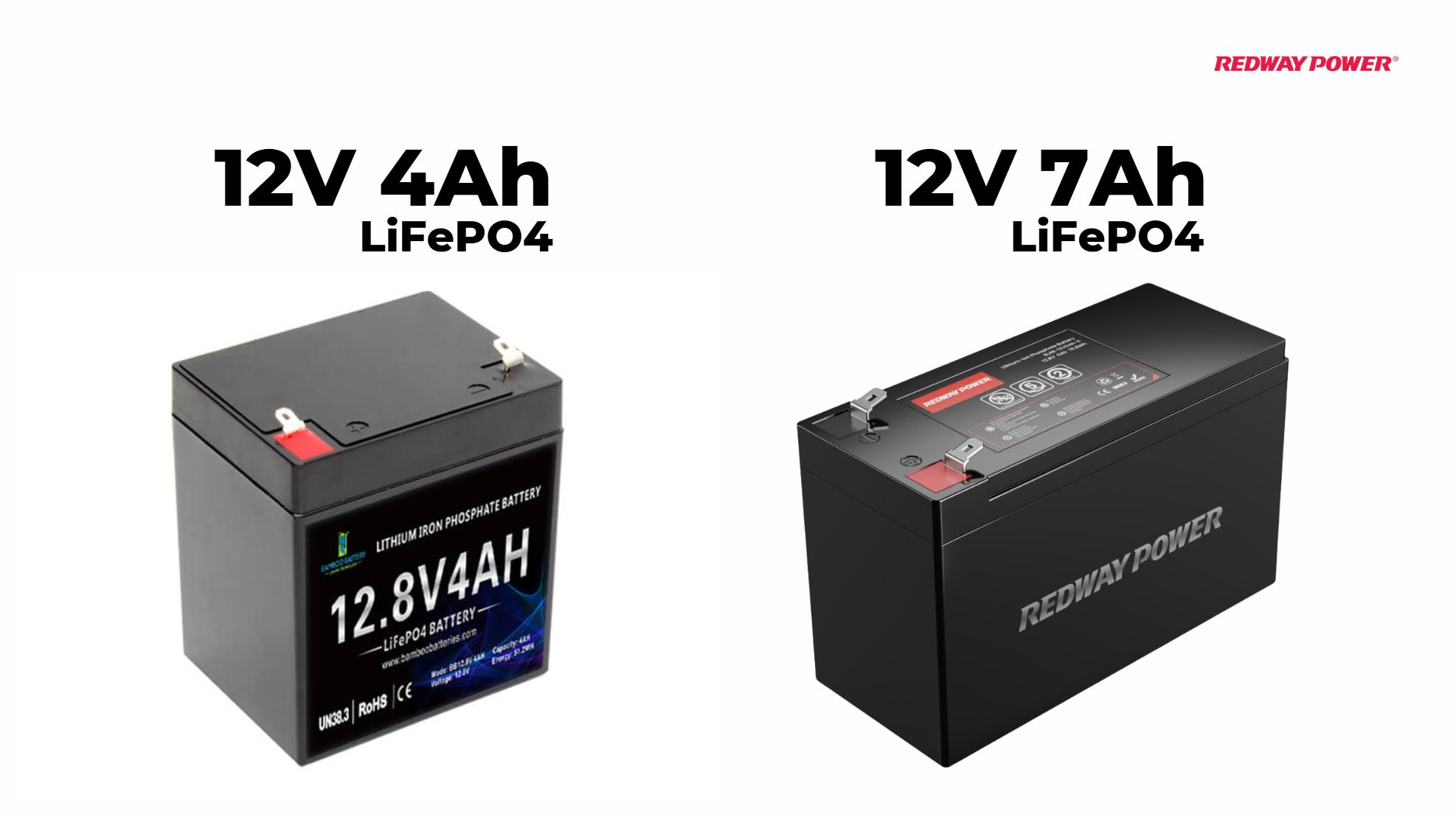
Can I Replace a 12V 4Ah Battery with a 12V 7Ah Battery?

Can I Replace a 12V 4Ah Battery with a 12V 7Ah Battery?

Replacing a 12V 4Ah battery with a 12V 7Ah battery is generally feasible and can enhance device performance by extending runtime. However, ensuring compatibility in size, weight, and terminal types is crucial for safe and effective operation.

How does battery compatibility affect replacement decisions?

Battery compatibility is essential when considering replacements, as using a battery that does not meet the necessary specifications can lead to device malfunction or damage. In this case, both the 12V 4Ah and the 12V 7Ah batteries share the same voltage rating, making them interchangeable in devices designed for such specifications.Chart: Compatibility Overview
Battery TypeVoltage (V)Amp-Hours (Ah)Typical Use
12V 4Ah124Small electronics
12V 7Ah127Larger electronics

What is the significance of matching voltage when replacing batteries?

Matching the voltage is critical because devices are designed to operate within specific voltage ranges. A mismatch can cause operational failures or even damage components within the device, leading to costly repairs or replacements.

How does the amp-hour rating influence runtime and performance?

The amp-hour (Ah) rating indicates how much energy a battery can deliver over time. A higher Ah rating means longer runtimes; thus, replacing a 12V 4Ah battery with a 12V 7Ah battery effectively increases operational time between charges. For instance, while a 4Ah battery might power a device for four hours at one amp, a 7Ah battery can sustain that same load for seven hours.Chart: Runtime Comparison
Battery TypeCapacity (Ah)Runtime at Constant Load (hours)
12V 4Ah4Depends on load
12V 7Ah7Depends on load

What considerations should be made regarding physical size and weight?

Physical dimensions and weight are critical factors when replacing batteries. The new 12V 7Ah battery may be larger and heavier than its 4Ah counterpart, so ensure that your device’s compartment can accommodate these changes without compromising structural integrity or functionality.

How important are terminal types when replacing batteries?

Terminal compatibility is vital for ensuring proper connections between the battery and device. Different batteries may have various terminal configurations (e.g., F1, F2), so it’s essential to verify that the new battery’s terminals match those of the old one to avoid installation issues.

What device specifications should be reviewed before replacing batteries?

Before making any replacements, consult your device’s manual or manufacturer guidelines to understand any limitations regarding maximum amp-hour ratings or specific charging requirements. Some devices may have restrictions on how much capacity they can handle safely.

What are the advantages of using lithium-ion batteries over lead-acid?

Lithium-ion batteries offer several benefits compared to traditional lead-acid options, including higher energy density, lighter weight, longer lifespan, and faster charging times. If space allows, considering an upgrade to lithium-ion could significantly enhance performance.

How does temperature affect battery performance?

Temperature plays a significant role in battery efficiency and lifespan. Extreme cold can reduce capacity and increase internal resistance, while high temperatures may accelerate degradation processes within lead-acid batteries. Maintaining optimal operating conditions is crucial for longevity.

What maintenance practices can extend battery life?

To maximize your new battery’s lifespan:
  • Regularly check charge levels.
  • Avoid deep discharges.
  • Store in controlled environments.
  • Use appropriate chargers designed for your specific type of battery.

Expert Views

“Upgrading from a 12V 4Ah to a 12V 7Ah battery can significantly enhance device performance by extending runtimes and reducing recharge frequency. However, careful consideration of compatibility factors is essential to ensure safe operation.”

NEWS

1. Battery Capacity Upgrades: New Guidelines for Replacing 12V Batteries in Consumer Electronics
In 2025, industry experts have released new guidelines for replacing smaller 12V batteries, such as 4Ah models, with higher capacity 12V batteries like the 7Ah. The research emphasizes the importance of considering power consumption, charging rates, and overall battery health to prevent potential issues like overcharging or overheating.

2. Advancements in Smart Battery Systems: Seamless Integration of 12V Battery Upgrades
A leading battery manufacturer introduced new smart 12V battery systems in 2025 that allow users to easily upgrade from a 4Ah to a 7Ah battery while maintaining system compatibility. These batteries come with advanced BMS (Battery Management Systems) to optimize charging cycles, ensuring no damage occurs during the transition.

3. New Energy Standards: Compatibility Between 12V 4Ah and 12V 7Ah Batteries in Electric Mobility Devices
2025 saw the introduction of revised energy standards for electric mobility devices, such as e-bikes and mobility scooters. These new standards ensure that users can safely replace their 12V 4Ah battery with a 12V 7Ah battery, enhancing performance without compromising the device’s functionality or warranty.

FAQ Section

  • Can I use any type of charger with my new battery? Ensure that your charger is compatible with the new battery’s specifications to avoid overcharging or damaging it.
  • Will my device perform better with a higher capacity battery? Yes, using a higher capacity battery typically results in longer operational times before needing to recharge.
  • What should I do if my new battery doesn’t fit? If size issues arise, consider looking for alternative models that fit within your device’s specifications or consult with manufacturers about compatible options.
A 12V 7Ah LiFePO4 Battery

Conclusion

Replacing a 12V 4Ah battery with a 12V 7Ah battery is generally feasible and can provide longer runtimes for your devices. By ensuring compatibility in voltage, size, weight, and terminals, users can make informed decisions when upgrading their power sources. As advancements continue in battery technology, understanding these factors will be essential for optimizing performance and reliability.

How Many Hours Will a 12V 7AH Battery Last?

A 12V 7AH battery typically lasts 7 hours under a 1-amp load or 1 hour at 7 amps. Actual runtime depends on factors like power draw, temperature, and battery health. For example, powering a 10W device (0.83A) could last ~8.4 hours, while a 50W load (4.17A) reduces it to ~1.68 hours. Always calculate runtime using (Battery Capacity ÷ Load Current) for estimates.Can a 200W Solar Panel Run a Refrigerator?

What Determines the Runtime of a 12V 7AH Battery?

Runtime hinges on three factors: load current, temperature, and battery age. Higher loads drain batteries faster—a 7AH battery powering a 2A device lasts ~3.5 hours. Cold temperatures (below 50°F) reduce capacity by 20-30%, while aging batteries lose 20-50% efficiency after 300-500 cycles. Peukert’s Law explains how higher currents disproportionately reduce effective capacity.Peukert’s Law becomes particularly relevant when comparing low-drain vs high-drain devices. For example, a 12V 7AH battery powering a 0.5A GPS tracker might achieve 12 hours (7 ÷ 0.5), but in reality lasts closer to 10 hours due to voltage drop and internal resistance. Conversely, a 7A car vacuum cleaner that theoretically should run for 1 hour might only operate for 45 minutes. This nonlinear discharge curve means users should add 20-25% buffer to calculated times for critical applications. Battery chemistry also plays a role—AGM batteries typically maintain 95% capacity through 80% discharge cycles, while flooded lead-acid types drop to 85% efficiency after just 50% discharge.

How Do You Calculate the Lifespan of a 12V 7AH Battery?

Use the formula: Runtime (hours) = 7AH ÷ Load Current (A). For a 0.5A device: 7 ÷ 0.5 = 14 hours. Factor in inefficiencies by multiplying load current by 1.2. Example: A 3A load becomes 3.6A, yielding ~1.94 hours. Convert watts to amps with Amps = Watts ÷ Volts. A 36W device draws 3A (36 ÷ 12), giving ~2.33 hours before inefficiencies.Amp Hours to Watt Hours Calculator

Which Devices Commonly Use 12V 7AH Batteries?

These batteries power UPS systems (30-90 minutes), security cameras (6-12 hours), LED lighting (10-20 hours), and medical devices like portable oxygen concentrators (2-4 hours). They’re also used in scooters (5-7 miles per charge) and fishfinders (8-12 hours). Their compact size suits low-to-moderate energy applications requiring reliable, maintenance-free power.
DevicePower ConsumptionEstimated Runtime
Home Security System0.8A8.75 hours
LED Camping Lights0.3A23 hours
Portable Cooler4.2A1.6 hours

How Can You Extend the Life of a 12V 7AH Battery?

Keep charge levels between 50-80%—full discharges reduce cycle count by 30%. Use smart chargers with temperature compensation. Avoid currents exceeding 2.1A (0.3C rate). Store at 40-60% charge in 50-70°F environments. For seasonal use, recharge every 3 months. Equalize flooded lead-acid types every 10 cycles. These practices can extend lifespan from 3 to 5 years.Implementing a proper charging regimen is crucial. Lithium batteries require different care than lead-acid variants—for instance, they shouldn’t be stored at full charge for extended periods. Using a quality charger with desulfation mode can recover up to 15% lost capacity in aging lead-acid batteries. For users in extreme climates, installing battery heaters or coolers maintains optimal operating temperatures. A battery maintainer that provides 13.6V trickle charge during storage prevents voltage drop without overcharging. Cycling the battery monthly (discharging to 50% then recharging) helps prevent “memory effect” in NiMH versions.

News

Advancements in Battery Efficiency: In 2025, there is a focus on improving the efficiency of 12V batteries through better materials and designs. This includes advancements in battery chemistry that enhance performance and extend lifespan, particularly under varying environmental conditions.

Innovative Recycling Methods: The battery industry is adopting more sustainable practices, including advanced recycling methods for lead-acid batteries like the 12V 7AH type. These methods aim to reduce waste and recover valuable materials, contributing to a more environmentally friendly battery lifecycle.

Integration of Smart Technologies: There is an increasing trend towards integrating smart technologies with batteries, including 12V 7AH types. This involves using sensors and IoT devices to monitor battery health, optimize charging, and predict maintenance needs, enhancing overall performance and longevity.

FAQs

Can I Use a 12V 7AH Battery for Solar Panels?
Yes, but AGM or lithium types are better suited for cyclic use. A 7AH battery can store 84Wh (12V×7AH), enough for small systems powering LED lights or routers for 4-6 hours daily.
Does Overcharging Damage These Batteries?
Absolutely. Continuous charging above 14.4V causes thermal runaway. Use chargers with automatic float-stage switching (13.6-13.8V) to prevent electrolyte loss and plate corrosion.
How Do I Test Remaining Capacity?
Measure open-circuit voltage: 12.7V=100%, 12.1V=50%, 11.8V=0%. For accurate readings under load, use a 0.4C discharge test (2.8A for 7AH) and track time to 10.5V cutoff.
“Most users underestimate load currents—a ‘7AH’ label assumes 20-hour discharge. At 1-hour rates, actual capacity drops to ~5.5AH. Always oversize by 30% for critical systems. For solar applications, we recommend lithium despite higher costs—their 95% depth of discharge versus 50% for lead-acid effectively doubles usable capacity.” — Redway Power Solutions Engineer

What Is the Difference Between 4Ah and 5Ah Batteries?

4Ah and 5Ah indicate a battery’s ampere-hour capacity, meaning 5Ah batteries store more energy and last longer under the same conditions. The key difference lies in their capacity to deliver power over time, affecting runtime, size, weight, and cost. Choosing between them depends on your device’s power demands and usage patterns.

What Does 4Ah and 5Ah Mean in Battery Capacity?

4Ah and 5Ah refer to the batteries’ ampere-hour (Ah) rating, which measures how much charge the battery can hold.

In simple terms, 4Ah means the battery can deliver 4 amps for one hour, whereas 5Ah can deliver 5 amps for one hour under ideal conditions. This rating helps consumers understand battery runtime and energy storage capabilities. The higher the Ah, the longer you can expect your device to operate before needing a recharge.

How Does Battery Capacity Affect Device Performance?

Battery capacity directly influences how long a device can run between charges.

A 5Ah battery can power devices longer than a 4Ah battery, making it more suitable for high-drain tools or longer usage periods. However, larger capacity batteries can be heavier and slightly bigger, impacting the device’s weight and portability. Manufacturers like Redway Battery optimize cell arrangement and materials to balance capacity, size, and weight effectively.

Which Applications Benefit More from 5Ah Over 4Ah Batteries?

Devices requiring extended runtime and high power output benefit most from 5Ah batteries.

Examples include power tools used for intensive tasks, electric golf carts, or solar energy storage where longer sustainability is key. For lighter applications or occasional use, a 4Ah battery may suffice, offering a lighter and potentially more affordable option without compromising necessary performance.

Why Is Battery Weight Different Between 4Ah and 5Ah Packs?

Higher capacity batteries contain more active material and cells, increasing overall weight.

A 5Ah battery generally weighs more than a 4Ah because it stores more lithium-ion cells or larger electrodes, which adds mass. This weight difference impacts handheld tool ergonomics or mobility in electric vehicles. Redway Battery’s expertise ensures weight optimization without sacrificing safety or durability.

How Do Cost Differences Between 4Ah and 5Ah Batteries Affect Your Choice?

Greater capacity usually comes with a higher price tag.

5Ah batteries cost more to produce due to additional materials and manufacturing complexity. This increase passes to consumers. When deciding, consider the balance between upfront cost and the value of longer runtime and fewer recharges needed. Redway Battery provides competitive pricing while maintaining premium quality.

What Are the Safety Considerations When Choosing Between 4Ah and 5Ah Batteries?

Safety depends more on battery chemistry and construction than capacity alone.

Both 4Ah and 5Ah lithium-ion batteries require proper management systems to prevent overheating, short circuits, and overcharging. Larger capacity batteries may generate more heat under heavy load, so manufacturers like Redway Battery integrate advanced protection circuits and thermal management to ensure safe operation in all conditions.

When Should You Upgrade From a 4Ah to a 5Ah Battery?

Upgrade when your device usage demands longer runtime or higher power delivery.

If your work or device usage grows more intensive, or you find yourself charging frequently, switching to 5Ah gives more freedom and efficiency. Redway Battery’s customizable OEM solutions allow clients to scale capacity based on specific operational needs.

Can 4Ah and 5Ah Batteries Be Interchanged in the Same Device?

Interchangeability depends on the exact device specifications and battery dimensions.

While some devices accept both sizes due to similar form factors, others are designed for a specific size, weight, or voltage configuration. Check manufacturer guidelines. Redway Battery often offers tailor-made battery packs ensuring perfect fit and performance compatibility.

Has Advancing Technology Narrowed the Performance Gap Between 4Ah and 5Ah?

Yes, improvements in materials and battery management systems narrow efficiency differences.

Modern 4Ah batteries may deliver nearly the same effective runtime as older 5Ah models, thanks to higher energy density and smarter discharge profiles. This makes the choice more nuanced, emphasizing quality and technology benefits alongside pure capacity ratings.

Redway Expert Views

“Selecting the right battery isn’t just about capacity; it’s about matching your power source to operational demands and ensuring reliable performance. At Redway Battery, we focus on delivering tailored lithium-ion solutions that optimize energy output, safety, lifespan, and cost-efficiency. Our advanced LiFePO4 batteries empower industries from forklifts to renewable energy with consistent, durable power — making every amp-hour count.” — Redway Battery Engineering Team

Battery Capacity Table: 4Ah vs. 5Ah Comparison

Feature4Ah Battery5Ah Battery
Capacity4 ampere-hours5 ampere-hours
Approximate RuntimeShorter under same loadLonger under same load
WeightLighterHeavier
SizeSlightly smallerSlightly larger
CostLowerHigher
Common ApplicationsLight to moderate usage toolsHeavy-duty tools, longer use
Heat GenerationLessMore (requires better cooling)
Typical Use CasePortable devices, casual useIndustrial, intensive use

Summary

Choosing between 4Ah and 5Ah batteries hinges on runtime needs, device requirements, weight considerations, and budget. A 5Ah battery delivers longer power endurance at a slightly higher weight and cost, ideal for heavy or prolonged applications. Conversely, 4Ah batteries offer sufficient capacity for lighter tasks and better portability. Redway Battery’s expertise and customizable solutions provide optimized energy storage tailored to diverse industrial and consumer needs.

FAQs

Q1: Can I use a 5Ah battery in a tool designed for 4Ah? It depends on the device’s size, voltage, and warranty conditions. Always verify compatibility to avoid damage.

Q2: Does higher Ah mean better battery life? Higher Ah means longer runtime per charge but not necessarily longer total battery lifespan.

Q3: How often should I charge 4Ah vs. 5Ah batteries? Charging frequency depends on usage; 5Ah batteries usually require less frequent charging due to larger capacity.

Q4: Are 5Ah batteries heavier than 4Ah by a lot? Generally, yes, but weight differences are usually manageable and well-optimized by manufacturers.

Q5: Is a higher capacity battery always safer? Safety depends on battery design and protection features, not just capacity. Choose reputable brands like Redway Battery for reliable safety standards.

Can I Use an 80V Battery in a 40V Tool?

No, you cannot use an 80V battery in a 40V tool. The voltage mismatch can cause damage to the tool, leading to potential safety hazards and malfunction. Always use a battery that matches the voltage specifications of your tools to ensure optimal performance and safety.

Understanding Voltage Compatibility in Power Tools

When it comes to power tools, using the correct battery voltage is crucial for safe and efficient operation. An 80V battery is designed for high-demand applications, while a 40V tool is optimized for lower power requirements. This article will delve into the implications of using mismatched voltages and provide insights into best practices for battery usage.

1. Voltage Mismatch Risks

Using an 80V battery in a 40V tool poses several risks:
  • Electrical Damage: The higher voltage can overwhelm the internal components of the tool, leading to permanent damage or failure.
  • Safety Hazards: Overvoltage can cause overheating, fires, or explosions in extreme cases, posing a significant safety risk to users.
  • Warranty Voidance: Using incompatible batteries may void the warranty on your tools, leaving you responsible for repair costs.

2. Battery Specifications and Compatibility

Batteries are designed with specific voltage ratings that correspond to their intended applications:
  • 40V Batteries: Commonly used in residential power tools such as lawn mowers, trimmers, and blowers. They provide sufficient power for typical home tasks without excessive weight.
  • 80V Batteries: Generally found in commercial-grade tools designed for heavy-duty applications. These batteries offer higher power output for more demanding tasks but are not suitable for lower-voltage equipment.

3. Performance Implications

Using an 80V battery in a 40V tool can lead to performance issues:
  • Ineffective Operation: The tool may not function correctly or could operate erratically due to the excess voltage.
  • Shortened Lifespan: Continuous use of an incompatible battery can significantly shorten the lifespan of the tool.

4. Best Practices for Battery Usage

To ensure optimal performance and safety when using power tools, follow these best practices:
  • Always Match Voltage: Use batteries that match the voltage specifications of your tools. Check the user manual or labeling on both the tool and battery.
  • Use Manufacturer-Approved Batteries: Whenever possible, use batteries recommended by the manufacturer to ensure compatibility and reliability.
  • Regular Maintenance: Keep your tools well-maintained to prevent any issues related to electrical components.

Comparative Overview of Battery Voltages

VoltageTypical ApplicationsAdvantagesDisadvantages
40VResidential power toolsLightweight, efficientLimited power output
80VCommercial-grade toolsHigher efficiency, longer runtimesHeavier, more expensive

Latest News

  • Recent advancements in battery technology have led to improved efficiency and performance in both 40V and 80V systems, enhancing user experience across various applications.
  • The demand for versatile battery systems is increasing as consumers seek solutions that offer compatibility across multiple tools and devices.
  • Manufacturers are focusing on developing smarter batteries that optimize energy usage based on real-time needs, improving overall performance.

Redway Expert Comment

In our extensive experience at Redway Battery, we emphasize the importance of using batteries that match your tool’s specifications. An 80V battery should never be used in a 40V tool due to safety risks and potential damage. By adhering to manufacturer guidelines, users can ensure optimal performance and longevity of their equipment.”

Conclusion

Using an 80V battery in a 40V tool is not advisable due to significant risks including electrical damage and safety hazards. Always ensure that you are using compatible batteries to maintain optimal performance and safety standards. Understanding these distinctions will help users make informed decisions about their power tools and battery usage, ultimately leading to better efficiency and reliability in their operations.

Do 60V Flexvolt Batteries Last Longer on 20V Power Tools?

Yes, 60V Flexvolt batteries can last longer on 20V power tools due to their higher capacity and advanced technology. These batteries automatically adjust their voltage output to match the tool’s requirements, providing optimal performance and extended runtime. This versatility makes them a great choice for both 20V and 60V applications.

Understanding Flexvolt Battery Technology

Flexvolt batteries represent a significant advancement in battery technology, particularly for power tools. Designed by manufacturers like DeWalt, these batteries can switch between different voltages, making them versatile for various applications.

1. Voltage Versatility

  • Multi-Voltage Capability: A 60V Flexvolt battery can operate on both 20V and 60V power tools. When used in a 20V tool, it delivers the necessary power while optimizing runtime.
  • Automatic Voltage Adjustment: The battery automatically adjusts its voltage output based on the tool it is connected to. This feature ensures that the tool receives the right amount of power for optimal performance.

2. Capacity and Runtime

Flexvolt batteries are designed with higher amp-hour (Ah) ratings compared to standard batteries. This increased capacity translates to longer runtimes:
  • Higher Capacity: A typical 60V Flexvolt battery may have a capacity of 3Ah to 12Ah, allowing for extended use before needing a recharge.
  • Extended Runtime in 20V Tools: When used in 20V tools, the higher capacity allows users to work longer without interruptions.

3. Performance Benefits

Using a 60V Flexvolt battery in a 20V tool provides several performance benefits:
  • Consistent Power Delivery: The battery maintains consistent power output, ensuring that the tool operates efficiently throughout its runtime.
  • Reduced Load on Tools: The higher capacity reduces the strain on the tool’s motor, potentially extending its lifespan.

Comparative Analysis of Battery Types

Battery TypeVoltageCapacity (Ah)Typical Runtime (Hours)Best Use Case
Standard 20V Battery20V2Ah – 6Ah1 – 3Basic power tools
60V Flexvolt Battery60V/20V3Ah – 12Ah2 – 6High-demand power tools

Latest News

  1. Recent advancements in battery technology have led to the development of multi-voltage systems, enhancing the versatility of power tools.
  2. Manufacturers are focusing on improving battery efficiency and runtime to meet the growing demands of professional users.
  3. The trend towards cordless tools continues to rise, driving innovation in high-capacity battery designs.

Redway Expert Comment

As experts at Redway Battery, we recognize that using a 60V Flexvolt battery in a 20V power tool offers significant advantages in terms of runtime and performance. The ability to adapt voltage levels ensures that users can maximize efficiency while benefiting from extended usage times. Our commitment to high-quality lithium solutions supports these advancements, providing reliable energy for various applications.”

Conclusion

In conclusion, using a 60V Flexvolt battery with a 20V power tool not only enhances runtime but also optimizes performance through its advanced technology. With its ability to adjust voltage automatically and provide higher capacity, this battery type is an excellent choice for professionals seeking reliability and efficiency in their tools.

Can I Use a 7Ah Battery Instead of 5Ah?

Yes, you can use a 7Ah battery instead of a 5Ah battery as long as the voltage ratings are the same. The higher capacity of the 7Ah battery means it can provide power for a longer duration, making it suitable for applications where extended usage is needed. However, ensure that the device can accommodate the larger size and weight.Exploring the Use of 7Ah Batteries in Place of 5Ah BatteriesWhen it comes to powering devices with batteries, understanding the differences in amp-hour (Ah) ratings is essential. This article will explore whether using a 7Ah battery instead of a 5Ah battery is advisable, examining the implications for performance, compatibility, and practical applications.

What Does Amp-Hour (Ah) Mean?

  1. Definition:
    • Amp-hour (Ah) is a unit that measures the battery’s capacity to store and deliver energy. It indicates how much current a battery can provide over a specific period.
  2. Capacity Implications:
    • A 5Ah battery can deliver 5 amps for one hour or 1 amp for five hours, while a 7Ah battery can deliver 7 amps for one hour or 1 amp for seven hours. This means that the 7Ah battery has a greater energy storage capacity.

Advantages of Using a 7Ah Battery

  1. Extended Runtime:
    • The primary advantage of using a 7Ah battery is its ability to provide power for longer periods. This is particularly beneficial for devices that require sustained energy, such as electric scooters, power tools, or backup systems.
  2. Reduced Frequency of Charging:
    • With a higher capacity, users will find they need to recharge less frequently, which can be more convenient and improve overall efficiency.
  3. Potential for Higher Performance:
    • In applications where peak performance is essential, such as in high-drain devices, a 7Ah battery may provide better results by maintaining voltage levels longer under load.

Considerations When Switching from 5Ah to 7Ah

  1. Physical Size and Weight:
    • A 7Ah battery may be larger and heavier than a 5Ah battery. Ensure that your device can accommodate the additional size and weight without compromising functionality.
  2. Voltage Compatibility:
    • It is critical that both batteries have the same voltage rating. Using a higher capacity battery with a different voltage can damage your device.
  3. Device Specifications:
    • Check if your device has any specific requirements regarding battery type or capacity. Some devices may have limitations on the maximum allowable amp-hour rating.

Applications Where You Can Use a 7Ah Battery

  1. Electric Scooters and Bikes:
    • Many electric scooters and bikes benefit from higher-capacity batteries to extend travel distance on a single charge.
  2. Power Tools:
    • Cordless power tools often perform better with higher-capacity batteries, allowing for longer usage times on job sites.
  3. Backup Power Systems:
    • In uninterruptible power supplies (UPS) and other backup systems, using a larger capacity battery can enhance reliability during outages.

Comparative Analysis: 5Ah vs. 7Ah Batteries

Battery CapacityTypical ApplicationsEstimated Runtime (for moderate load)
5AhSmall electronics, remote controlsUp to 5 hours
7AhElectric scooters, power toolsUp to 7 hours

Latest News

  • Recent advancements in lithium-ion technology are enabling batteries with higher amp-hour ratings without increasing size or weight.
  • Manufacturers are focusing on developing batteries with improved energy density to enhance performance in portable devices.
  • The demand for electric vehicles continues to drive innovations in battery technology, emphasizing efficiency and longevity.
  • New regulations are being implemented globally to improve safety standards in battery manufacturing and usage.

Redway Expert Comment

As experts at Redway Battery, we understand the importance of selecting the right battery capacity for optimal performance. Using a 7Ah battery instead of a 5Ah battery can enhance runtime and efficiency in many applications. However, it is essential to ensure compatibility with your device’s specifications to avoid any operational issues.”

Conclusion

In conclusion, using a 7Ah battery instead of a 5Ah battery is generally advisable when both have the same voltage rating and the device can accommodate the larger size. The increased capacity provides advantages such as extended runtime and reduced charging frequency, making it suitable for various applications from electric vehicles to power tools. By considering these factors, users can make informed decisions that enhance their energy solutions.

Can I Use 12Ah Instead of 7Ah?

Yes, you can use a 12Ah battery instead of a 7Ah battery, provided the voltage ratings are the same. The 12Ah battery offers more capacity, allowing for longer runtimes and better performance under higher loads. However, ensure that the device can handle the increased current without damage.Exploring the Compatibility of 12Ah and 7Ah BatteriesWhen it comes to battery selection for various applications, understanding the differences in amp-hour (Ah) ratings is crucial. A 12Ah battery and a 7Ah battery may have the same voltage but differ significantly in capacity and performance. This article will delve into the implications of using a 12Ah battery instead of a 7Ah battery, including benefits, potential risks, and best practices for usage.

Understanding Amp-Hour Ratings

  1. What Are Amp-Hours (Ah)?
    • Amp-hours measure a battery’s capacity to deliver current over time. A higher Ah rating indicates that a battery can provide more energy before needing to be recharged.
    • For example, a 7Ah battery can theoretically supply 7 amps for one hour, while a 12Ah battery can deliver 12 amps for one hour or proportionately less at higher loads.
  2. Implications of Capacity
    • The additional amp-hour in the 12Ah battery means it can run devices longer or power devices with higher energy demands without depleting as quickly as the 7Ah battery.

Performance Comparison

Specification7Ah Battery12Ah Battery
VoltageSameSame
Capacity7Ah12Ah
Approximate Runtime (1A load)7 hours12 hours
WeightTypically lighterSlightly heavier

Benefits of Using a 12Ah Battery

  1. Extended Runtime
    • The primary advantage of using a 12Ah battery is its longer runtime. This is particularly beneficial in applications where downtime for recharging is not feasible.
  2. Higher Power Output
    • A higher capacity allows for better performance in high-drain devices, providing consistent power without significant voltage drops.
  3. Flexibility in Usage
    • The extra capacity allows users to connect additional devices or operate at higher loads without worrying about quickly draining the battery.

Potential Risks of Substituting Batteries

  1. Overloading Devices
    • If the device is not designed to handle higher currents, using a larger capacity battery could lead to overheating or failure.
  2. Warranty Issues
    • Substituting batteries may void warranties if manufacturers specify particular models or capacities.

Charging Considerations

  1. Charging Time
    • Both batteries typically require similar charging times; however, the charging time may vary slightly based on the charger used and current state of charge.
    • A fully depleted 7Ah battery may take approximately 6-8 hours to charge fully, while a 12Ah battery may take about the same time due to its larger capacity.
  2. Charger Compatibility
    • Always use chargers designed for your specific battery type and voltage to ensure safe and efficient charging.

Applications of Each Battery Type

  1. 7Ah Battery
    • Commonly used in applications where space is limited and weight is a concern.
    • Suitable for smaller devices such as:
      • Alarm systems
      • Emergency lighting
      • Small electric scooters
  2. 12Ah Battery
    • Ideal for applications requiring slightly more power or longer runtimes.
    • Common uses include:
      • Electric bikes
      • Larger alarm systems
      • Portable power tools

Best Practices for Battery Usage

  1. Monitor Performance
    • Keep track of both batteries’ performance and health regularly to ensure they are functioning optimally.
  2. Regular Maintenance
    • Check terminals regularly for corrosion and ensure connections are secure.
  3. Store Properly
    • When not in use, store batteries in a cool, dry place to prolong their lifespan.
  4. Avoid Deep Discharges
    • Regularly recharge batteries before they reach very low levels (ideally above 20% capacity) to prolong their lifespan.

Latest News

  • Recent advancements in lithium-ion technology have led to improved performance metrics for batteries like the 12Ah and 7Ah options, enhancing their suitability for various applications.
  • New regulations regarding battery recycling are being implemented globally, emphasizing sustainability within the industry and encouraging manufacturers to adopt eco-friendly methods.
  • Research continues into smart battery management systems that optimize charging cycles and enhance overall performance through advanced monitoring capabilities.
Redway Expert Comment“As experts at Redway Battery, we emphasize that understanding the differences between a 12Ah and a 7Ah battery is crucial for selecting the right power solution for your needs. The additional capacity of the 12Ah battery provides longer runtimes without compromising performance. Our commitment to high-quality lithium LiFePO4 batteries ensures that we meet our customers’ diverse energy needs effectively.

Conclusion

In conclusion, using a 12Ah battery instead of a 7Ah battery can be beneficial as long as voltage ratings are compatible and device specifications allow it. By following best practices and ensuring compatibility among connected batteries, users can enhance their energy storage systems effectively while enjoying the convenience of extended runtimes in their applications.

Can a 12V 7Ah Battery Power a TV?

Yes, a 12V 7Ah battery can power a TV, but its runtime depends on the TV’s wattage. For example, if the TV consumes 50 watts, the battery can last approximately 1.4 hours (calculated by dividing the battery capacity in watt-hours by the TV’s wattage). Always check the TV’s specifications for accurate calculations.

Understanding Battery Capacity and TV Power Requirements

When considering using a 12V 7Ah battery to power a television, it’s essential to understand both the battery’s capacity and the power requirements of the TV. This knowledge will help you determine whether the battery can provide sufficient power for your intended use. This article will explore how to calculate whether a 12V 7Ah battery is suitable for powering a TV and what factors to consider.

1. Calculating Battery Capacity in Watt-Hours

To determine how long a 12V 7Ah battery can power a TV, we first need to convert amp-hours (Ah) into watt-hours (Wh):
  • Formula:
    • Watt-Hours (Wh) = Voltage (V) × Amp-Hours (Ah)
    • For a 12V 7Ah battery:
    • Wh = 12V × 7Ah = 84Wh
This means that the battery can deliver 84 watt-hours of energy before it needs recharging.

2. Understanding TV Power Consumption

Different TVs consume varying amounts of power, typically measured in watts (W). Here are some average power consumption figures for common television types:
TV TypeAverage Power Consumption (W)
LED TV (32 inches)30-60W
LED TV (50 inches)70-100W
OLED TV100-200W
To calculate how long your battery will last when powering a specific TV, you can use the following formula:Runtime (hours) = Battery Capacity (Wh) / Power Consumption (W)

3. Example Calculations

Here are some examples of how long a 12V 7Ah battery would last with different types of TVs:
  • For a 50W LED TV:
    • Runtime = 84Wh / 50W = 1.68 hours
  • For a 100W OLED TV:
    • Runtime = 84Wh / 100W = 0.84 hours or approximately 50 minutes

4. Considerations When Using a Battery to Power a TV

When using a battery to power electronic devices like TVs, consider the following:
  • Inverter Requirement: Most TVs operate on AC power, while batteries provide DC power. You will need an inverter to convert DC to AC, which may affect overall efficiency and runtime.
  • Battery Discharge Rate: Deep discharging can shorten the lifespan of lead-acid batteries. It’s advisable to use only up to 50% of the battery’s capacity for longer life.
  • Cooling and Ventilation: Ensure that your setup allows for proper ventilation, as inverters can generate heat during operation.

5. Benefits of Using a Battery-Powered Setup

Using a battery-powered setup for your TV has several advantages:
  • Portability: Ideal for camping or outdoor events where access to mains electricity is limited.
  • Backup Power: Provides an alternative power source during outages, ensuring entertainment continuity.
  • Energy Efficiency: Depending on your setup, it can be more energy-efficient than traditional setups, especially with solar charging options.

Latest News

  • Recent advancements in battery technology have led to lighter and more efficient batteries that can support higher wattage devices for longer durations.
  • The demand for portable energy solutions is increasing as more consumers seek off-grid living options and sustainable energy sources.
  • Innovations in inverter technology are improving efficiency rates, allowing users to maximize their energy usage from batteries when powering devices like TVs.

Redway Expert Comment

In our extensive experience at Redway Battery, we recognize that using a 12V 7Ah battery to power a television is feasible with careful consideration of power requirements and runtime. By understanding how much energy your specific TV consumes, you can effectively utilize portable power solutions without compromising performance. As technology advances, we look forward to more efficient energy solutions that enhance user experiences.”

Conclusion

A 12V 7Ah battery can indeed power a television, but its effectiveness depends on the specific wattage of the TV being used. By calculating watt-hours and understanding the consumption rates of various TVs, users can make informed decisions about their portable power needs. As technology continues to evolve, utilizing batteries for entertainment purposes will become increasingly practical and efficient.
Search products
Product has been added to your cart