The primary hazard associated with lithium batteries is thermal runaway, which can lead to fires or explosions if batteries are damaged or improperly charged.In the contemporary landscape of energy storage, lithium-ion batteries have become a pivotal technology. They are integral to a wide array of devices, from everyday electronics to advanced electric vehicles. However, despite their widespread adoption, lithium batteries present significant hazards when not handled with care. This article delves into the primary risks associated with these batteries, the reasons behind these dangers, and how innovative solutions like LifePO4 batteries are setting new standards in safety.
Understanding Lithium Battery Hazards
Overheating and Thermal Runaway
One of the most critical hazards associated with lithium batteries is overheating, which can lead to a dangerous condition known as thermal runaway. This phenomenon occurs when a battery cell’s temperature increases uncontrollably, causing a rapid rise in heat and pressure. The reaction can escalate quickly, resulting in an explosive fire that is both aggressive and challenging to manage.Thermal runaway is typically triggered by several factors, including:
Physical damage to the battery, which can compromise its internal structure.
Manufacturing defects, such as impurities in the materials or errors in assembly.
Improper charging practices, which can cause excessive current flow or overcharge conditions.
Fire Risks and Safety Concerns
Lithium-ion battery fires are notoriously dangerous. When these batteries catch fire, they can produce intense heat and toxic fumes. The fire can spread rapidly, and the high temperatures make it extremely difficult to extinguish using conventional methods. In addition, lithium-ion batteries can reignite even after seemingly being put out, adding another layer of risk to their handling.Common scenarios that lead to battery fires include:
Overcharging, which occurs when batteries are charged beyond their capacity.
Short circuits, which can happen due to damaged or exposed wiring.
Exposure to extreme temperatures, either hot or cold, which can affect the battery’s chemical stability.
Innovative Solutions: LifePO4 Batteries
What Sets LifePO4 Batteries Apart
In response to the hazards associated with conventional lithium-ion batteries, LifePO4 (Lithium Iron Phosphate) batteries have emerged as a safer alternative. These batteries are renowned for their enhanced safety, longer lifespan, and reliability. They are designed to mitigate many of the risks associated with traditional lithium-ion batteries.Key advantages of LifePO4 batteries include:
Thermal stability: LifePO4 batteries have a more stable thermal profile, reducing the risk of thermal runaway.
Longer cycle life: These batteries can endure more charge and discharge cycles compared to their counterparts.
Robust construction: They are less prone to internal short circuits, which minimizes the risk of fires.
Rigorous Testing Protocols at Redway Battery
At Redway Battery, we understand the importance of ensuring the highest standards of safety and performance for LifePO4 batteries. Our comprehensive testing protocols are designed to not only verify the performance of our batteries but also to set a new industry benchmark.Our testing procedures include:
Thermal testing: Evaluating battery performance under extreme temperatures to ensure stability.
Cycle life testing: Measuring how well batteries withstand repeated charging and discharging.
Safety impact testing: Simulating conditions such as physical damage to assess battery resilience.
By adhering to these stringent tests, we ensure that our LifePO4 batteries provide a safe and reliable energy storage solution, mitigating the risks commonly associated with other types of lithium batteries.
Best Practices for Handling Lithium Batteries
Proper Charging and Storage
To minimize the hazards of lithium batteries, it is crucial to follow best practices for charging and storage.Charging guidelines include:
Use the correct charger: Ensure that the charger is compatible with the battery’s specifications.
Avoid overcharging: Stop charging once the battery is full to prevent overheating.
Charge in a safe environment: Keep the battery in a well-ventilated area away from flammable materials.
Storage recommendations involve:
Keep batteries in a cool, dry place: Extreme temperatures can affect battery performance and safety.
Avoid physical damage: Handle batteries carefully to prevent punctures or dents.
Proper disposal: Follow local regulations for disposing of batteries to avoid environmental contamination.
Emergency Response
In the event of a battery fire, immediate and effective response is crucial.Steps to take include:
Evacuate the area: Ensure that everyone is safely away from the fire.
Use appropriate extinguishing agents: For lithium battery fires, specialized extinguishing agents like Class D fire extinguishers are recommended.
Contact emergency services: Firefighters trained in dealing with lithium battery fires should be called.
Conclusion
The hazards associated with lithium batteries, particularly the risks of overheating and fire, highlight the need for advanced safety solutions. LifePO4 batteries offer a promising alternative with enhanced safety features and robust performance. At Redway Battery, our commitment to rigorous testing and adherence to high standards ensures that our LifePO4 batteries set a new benchmark in safety and reliability. By following best practices for handling and responding to battery incidents, users can further mitigate the risks associated with lithium batteries.For those seeking a safer and more reliable energy storage solution, LifePO4 batteries represent a significant advancement, addressing many of the concerns inherent in traditional lithium-ion technology. As the industry evolves, continued innovation and adherence to safety standards will be key in harnessing the full potential of battery technology while minimizing associated risks.
Continue exploring: Use the Choosing Battery Management Systems guide to review BMS selection, protection, balancing, thermal safety, monitoring, maintenance, and troubleshooting guidance.
Hidden risks of batteries include chemical leaks, environmental pollution from improper disposal, and health hazards from exposure to toxic materials used in battery production.In the realm of energy storage and power sources, batteries play an indispensable role. From powering everyday devices to sustaining critical systems, the demand for efficient and reliable batteries is ever-growing. However, as with any technology, batteriescome with their own set of risks. Among these, button batteries present a particularly alarming threat due to their potential for causing severe harm. Understanding these risks and how to mitigate them is crucial for ensuring safety and preventing devastating consequences.
The Hidden Dangers of Button Batteries
Button batteries, small and seemingly harmless, pose a significant danger if ingested or improperly handled. These batteries are commonly found in devices such as hearing aids, key fobs, and small electronics. When ingested, their compact size allows them to become lodged in the esophagus or digestive tract, where they can quickly lead to serious health issues.Electric Current and pH LevelsOne of the most concerning risks associated with button batteries is their ability to produce an electric current when in contact with bodily fluids. This electric current can result in the production of hydroxide ions, which significantly increase the pH levels in the body. The elevated pH levels can lead to chemical burns and damage to the surrounding tissues. In severe cases, this damage can be irreversible and potentially fatal.The corrosive effects of the battery’s electrolyte, combined with the electric current, can cause tissue necrosis and perforation of the digestive tract. This makes prompt medical attention critical in cases of button battery ingestion.
Safety Measures and Prevention
To mitigate the risks associated with button batteries, it’s essential to adopt proactive safety measures. Here are some critical steps:
Secure Battery Compartments: Ensure that devices containing button batteries have secure, tamper-proof compartments to prevent easy access by children or pets.
Educate and Inform: Raise awareness about the dangers of button batteries among parents, caregivers, and healthcare providers. Proper education can help in recognizing symptoms and seeking immediate medical assistance if necessary.
Proper Disposal: Dispose of used button batteries properly by following local regulations for hazardous waste. Incorrect disposal can lead to environmental contamination and pose additional risks.
The Emergence of LifePO4 Batteries
In the quest for safer and more reliable energy storage solutions, LifePO4 (Lithium Iron Phosphate) batteries have emerged as a leading technology. These batteries are renowned for their exceptional safety, long lifespan, and high performance. Unlike other lithium-ion batteries, LifePO4 batteries have a stable chemistry that minimizes the risk of thermal runaway and fire.
Ensuring Reliability and Durability in LifePO4 Batteries
While LifePO4 batteries offer significant advantages, not all of them are created equal. To ensure that these batteries meet the highest standards of reliability and durability, rigorous testing procedures are essential. At Redway Battery, we have developed a comprehensive testing protocol that sets a new benchmark in the industry. Our approach includes:
Performance Testing: We rigorously test the performance of our LifePO4 batteries under various conditions to ensure they meet or exceed industry standards. This includes testing for capacity, efficiency, and discharge rates.
Safety Evaluations: Safety is paramount. Our testing protocols include assessments for thermal stability, short-circuit conditions, and overcharge scenarios to ensure the batteries perform safely under all circumstances.
Longevity Testing: We simulate extended use to evaluate the long-term durability of our batteries. This helps in identifying potential degradation factors and ensuring the battery maintains its performance over its entire lifespan.
Redway Battery’s Commitment to Excellence
At Redway Battery, we are committed to leading the industry in both innovation and quality assurance. Our testing procedures not only adhere to but often exceed industry standards, setting a new benchmark for LifePO4 battery performance and safety. By investing in state-of-the-art testing equipment and continuously improving our protocols, we ensure that our batteries deliver unmatched reliability and longevity.Our dedication extends beyond just product testing. We are actively involved in research and development to push the boundaries of battery technology. Our goal is to offer products that not only meet the current demands but also anticipate future needs in energy storage.
The Future of Battery Technology
As we advance into an era of rapid technological innovation, the development of safer and more efficient battery technologies will continue to be a critical focus. LifePO4 batteries represent a significant step forward in this journey, offering a blend of safety, performance, and durability that is essential for modern applications.However, the hidden risks associated with batteries, especially button batteries, remind us of the importance of vigilance and safety. By staying informed and adopting best practices, we can minimize these risks and ensure that battery technology continues to enhance our lives without compromising safety.
Conclusion
Understanding the hidden risks of batteries, particularly button batteries, is crucial for safeguarding health and well-being. The advancements in battery technology, exemplified by LifePO4 batteries, highlight the progress being made in improving safety and performance. At Redway Battery, our commitment to rigorous testing and quality assurance ensures that we provide products that meet the highest standards, setting a new benchmark in the industry.As battery technology continues to evolve, staying informed and proactive will be key to harnessing its benefits while mitigating potential risks. By adhering to safety guidelines and supporting innovation in battery technology, we can look forward to a future where energy storage solutions are both effective and secure.
Risks associated with lithium batteries include fire hazards from overheating, chemical exposure during production or disposal, and environmental impacts from mining lithium resources.In the modern world, lithium batteries have become indispensable, powering everything from smartphones to electric vehicles. Despite their widespread use and remarkable performance, lithium batteries pose several risks that must be carefully managed to ensure safety. This article explores the potential dangers associated with lithium batteries, the reasons behind these risks, and how to mitigate them effectively.
Understanding Lithium Battery Risks
Lithium batteries are favored for their high energy density, long lifespan, and efficiency. However, their inherent characteristics can also lead to hazardous situations if not handled correctly. The primary risks include fire hazards, explosions, chemical leakage, and environmental damage.
1. Fire Hazards
One of the most significant risks associated with lithium batteries is their potential to catch fire. This risk is amplified when the batteries are overcharged, short-circuited, or exposed to physical damage. When a lithium battery is damaged or improperly charged, it can cause a thermal runaway reaction. This reaction leads to a rapid increase in temperature and pressure, which may result in a fire or explosion.Overcharging occurs when a battery is charged beyond its maximum capacity. Modern battery management systems are designed to prevent this, but failures in these systems can lead to overheating. Short-circuiting happens when the battery terminals are accidentally connected directly, bypassing the normal resistance and causing a large current to flow. Both situations can cause significant heat build-up and potentially ignite the battery.
2. Chemical Leakage
Lithium batteries contain reactive chemicals that can be harmful if released. In the event of physical damage or extreme heat, these chemicals can leak, posing risks to both health and the environment. Lithium cobalt oxide and other materials used in these batteries are corrosive and can cause chemical burns if they come into contact with skin. Furthermore, if these chemicals enter the water supply, they can lead to environmental contamination.
3. Explosions
In rare cases, lithium batteries can explode due to extreme conditions. An explosion may occur due to a thermal runaway reaction, which causes the battery to burst violently. Such incidents are often caused by manufacturing defects, improper use, or extreme physical damage. These explosions are not only dangerous but can also cause significant property damage and pose risks to human safety.
Handling and Disposal of Lithium Batteries
Proper handling and disposal are crucial to mitigating the risks associated with lithium batteries. Improper disposal can exacerbate environmental issues and lead to unsafe conditions.
1. Safe Handling
To prevent incidents, it is essential to handle lithium batteries with care. Follow these safety guidelines:
Avoid physical damage: Do not puncture, crush, or drop lithium batteries. Handle them gently to avoid compromising their integrity.
Use appropriate chargers: Always use chargers specifically designed for lithium batteries. Avoid overcharging by following manufacturer recommendations.
Store safely: Keep batteries in a cool, dry place, away from extreme temperatures and direct sunlight. Store them in their original packaging or in a non-conductive material to prevent short-circuiting.
2. Proper Disposal
Disposing of lithium batteries requires careful consideration to avoid environmental damage and safety risks:
Recycling programs: Many regions have specialized recycling programs for lithium batteries. Utilize these programs to ensure safe disposal and recycling.
Avoid general waste: Never dispose of lithium batteries in general household waste or mixed recyclable materials. Doing so can lead to fires in waste management facilities and environmental hazards.
Use designated bins: Place used batteries in designated recycling bins or drop-off locations provided by local waste management authorities.
Advancements in Lithium Battery Safety
The industry is continually evolving to improve the safety and reliability of lithium batteries. LifePO4 (Lithium Iron Phosphate) batteries are an advanced type of lithium battery that offers enhanced safety features and performance.
1. Advantages of LifePO4 Batteries
LifePO4 batteries are known for their superior safety, longer lifespan, and stable chemistry. Unlike other lithium batteries, LifePO4 batteries have a more stable chemical composition, reducing the risk of thermal runaway and making them less likely to catch fire or explode. Their performance and safety profile make them an ideal choice for a wide range of applications, including renewable energy systems and electric vehicles.
2. Rigorous Testing Protocols
At Redway Battery, we adhere to stringent testing protocols to ensure that our LifePO4 batteries meet the highest standards of safety and performance. Our comprehensive testing includes:
Performance testing: Evaluating battery performance under various conditions to ensure reliability and efficiency.
Safety testing: Conducting tests to simulate extreme conditions and verify that the batteries can withstand them without failure.
Quality control: Implementing strict quality control measures throughout the manufacturing process to identify and rectify any potential issues.
Conclusion
Lithium batteries are a cornerstone of modern technology, offering unparalleled performance and energy density. However, understanding and managing the risks associated with these batteries is crucial for ensuring safety and environmental protection. By following proper handling and disposal practices, and utilizing advanced battery technologies like LifePO4, we can mitigate these risks and harness the benefits of lithium batteries responsibly.As the demand for advanced energy storage solutions continues to grow, it is essential to stay informed about the potential hazards and advancements in battery technology. By prioritizing safety and adopting best practices, we can contribute to a safer and more sustainable future.
Redway LifePO4 batteries are tested for durability through rigorous cycling tests that assess performance under various conditions. Their reliability is evaluated based on longevity and consistent power output.In today’s rapidly evolving energy storage landscape, the demand for reliable and durable batteries has never been higher. LifePO4 (Lithium Iron Phosphate) batteries have emerged as a leading choice due to their exceptional safety, longevity, and performance. However, not all LifePO4 batteries are created equal. Ensuring their reliability and durability requires rigorous testing procedures that adhere to the highest industry standards. At Redway Battery, we have developed a comprehensive testing protocol that not only verifies the performance of our LifePO4 batteries but also sets a new benchmark in the industry. Check details.
The Importance of Rigorous Testing for LifePO4 Batteries
LifePO4 batteries are used in a wide range of applications, from renewable energy storage systems to electric vehicles and backup power supplies. Given their critical roles, it is essential that these batteries perform reliably under various conditions. Our testing process is designed to evaluate every aspect of battery performance, from handling extreme temperatures to enduring physical impacts. By subjecting our batteries to these stringent tests, we ensure that they meet and exceed the expectations of our customers, providing them with peace of mind and a superior product.
1. Extreme Temperature Performance: Low and High Temperature Test
Purpose
The ability of LifePO4 batteries to operate effectively in different temperature conditions is crucial, particularly in applications where they may be exposed to extreme environments. This test is designed to evaluate the performance of our batteries at both low and high temperatures, ensuring they can deliver consistent power in any climate.
Procedure
Low Temperature Testing: Batteries are placed in a controlled environment with sub-zero temperatures to simulate cold-weather conditions.
High Temperature Testing: Batteries are exposed to elevated temperatures to assess their performance in hot environments.
Performance Monitoring: Throughout the testing, key performance metrics such as capacity, discharge rates, and voltage stability are closely monitored.
Results
Batteries that pass this test demonstrate resilience and reliability across a broad temperature spectrum, making them suitable for use in regions with significant climatic variations.
2. High Current Performance: High Current Charge and Discharge Test
Purpose
This test assesses the battery’s ability to handle high current situations without compromising its lifespan or performance. High current conditions are common in many applications, such as electric vehicles and power tools, where batteries must deliver peak power quickly and efficiently.
Procedure
Charge Test: Batteries are charged at high currents to their maximum capacity, simulating rapid charging scenarios.
Discharge Test: After charging, the batteries are discharged at high current rates to test their ability to sustain performance under load.
Cycle Repetition: This process is repeated multiple times to evaluate the battery’s durability under sustained high current usage.
Results
The successful completion of this test confirms the battery’s capability to maintain optimal power output even under demanding conditions, ensuring dependable performance in critical applications.
3. Longevity Verification: Cycle Life Test
Purpose
The cycle life of a battery is a key indicator of its overall durability and longevity. This test simulates real-world usage by subjecting the batteries to thousands of charge and discharge cycles, reflecting typical usage patterns over time.
Procedure
Repeated Cycles: Batteries undergo extensive cycling, with each cycle involving a full charge followed by a complete discharge.
Performance Monitoring: Throughout the test, the battery’s capacity, efficiency, and internal resistance are measured to detect any signs of degradation.
Results
Batteries that pass this test without significant performance loss are validated for long-term reliability, making them ideal for applications that require consistent, sustained use over several years.
4. Structural Integrity: Drop Test
Purpose
Accidental drops are a common risk in many battery applications, from portable devices to large-scale energy storage systems. This test evaluates the battery’s ability to withstand physical shocks and impacts, ensuring it remains functional even after being dropped.
Procedure
Height Specification: Batteries are dropped from a predetermined height onto a hard surface, simulating typical accidental drops.
Impact Analysis: Post-drop, the batteries are thoroughly inspected for any signs of structural damage or performance degradation.
Results
Batteries that successfully endure this test demonstrate robust construction, capable of withstanding everyday handling mishaps without compromising safety or functionality.
5. Collision Resistance: Heavy Impact Test
Purpose
Beyond simple drops, batteries may be exposed to severe collision forces in certain environments, such as during transportation or in industrial settings. This test assesses the battery’s ability to endure such impacts without losing structural or functional integrity.
Procedure
Impact Simulation: Batteries are subjected to heavy impacts that simulate severe collisions.
Damage Assessment: Following the impact, batteries are examined for structural damage and tested for any performance issues.
Results
Successful completion of this test indicates that the batteries are highly durable and can withstand harsh conditions, making them suitable for use in demanding industrial and commercial environments.
6. Thermal Stability: Thermal Shock Test
Purpose
Rapid temperature changes can occur in various scenarios, such as transitioning from a hot environment to a cold one or during sudden weather changes. The thermal shock test evaluates the battery’s resilience to such abrupt temperature variations.
Procedure
Rapid Temperature Change: Batteries are exposed to sudden and extreme shifts in temperature, alternating between hot and cold conditions.
Performance Monitoring: The impact on battery performance, including capacity and safety, is closely monitored throughout the test.
Results
Batteries that pass this test are proven to withstand rapid temperature fluctuations, ensuring reliable performance in environments where temperature changes are common.
7. Vibration Resistance: Vibration Test
Purpose
In many applications, such as in vehicles and machinery, batteries are exposed to constant vibrations. This test evaluates the battery’s ability to maintain performance and structural integrity under prolonged vibration.
Procedure
Vibration Exposure: Batteries are subjected to continuous vibrations that simulate real-world conditions in various applications.
Integrity Check: Throughout and after the test, the batteries are checked for any signs of structural weakness or performance degradation.
Results
The ability to withstand continuous vibrations without performance loss ensures that our batteries are reliable for use in applications where vibration is a regular occurrence.
8. Safety Assurance: Short Circuit Test
Purpose
Safety is a paramount concern in battery design. The short circuit test assesses how the battery responds to a short circuit, which could otherwise lead to dangerous conditions such as overheating or even fires.
Procedure
Intentional Short Circuit: A short circuit is induced within the battery to simulate a potential fault condition.
Safety Monitoring: The battery’s reaction, including heat generation, internal pressure, and any containment measures, is carefully monitored.
Results
Batteries that pass this test demonstrate robust safety features, ensuring they can handle fault conditions without posing risks to users or equipment.
Conclusion
Through our exhaustive testing protocols, we ensure that every LiFePO4 battery meets the highest standards of reliability, durability, and safety. Our rigorous approach guarantees that our batteries perform optimally across a wide range of conditions, providing our customers with products they can rely on for the long haul. By adhering to these stringent testing procedures, we not only meet industry standards but also set a new benchmark for excellence in the energy storage sector.
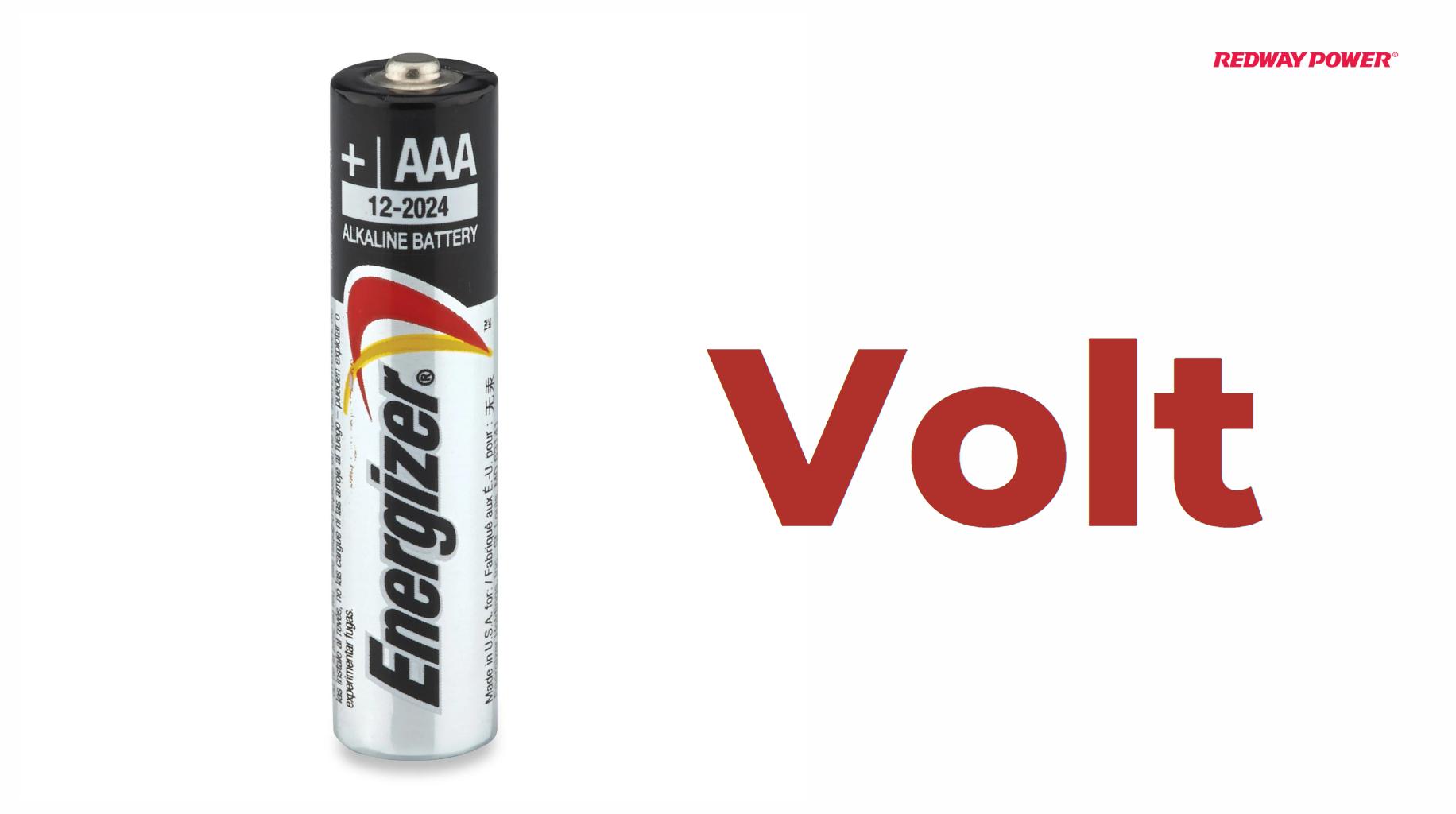
AAA batteries typically have a nominal voltage of 1.5 volts for alkaline types. Lithium AAA batteries may have slightly higher voltages but are designed for specific applications requiring longer life or higher energy density.When it comes to AAA batteries, understanding their voltage and performance characteristics is crucial for both everyday use and specialized applications. This article provides an in-depth analysis of AAA battery voltage, offering insights into why a fully charged AAA battery should measure between 1.5 and 1.7 volts. We will explore the various types of AAA batteries, how their voltage can be influenced, and practical tips for maximizing battery life and performance.
What Is the Ideal Voltage Range for a Fully Charged AAA Battery?
A fully charged AAA battery typically measures between 1.5 and 1.7 volts when tested with a digital voltmeter. This voltage range is crucial for ensuring that your devices operate efficiently. Here’s a breakdown of the key factors that influence this voltage range:
Alkaline Batteries: These are the most common type of AAA batteries. They are designed to provide a voltage close to 1.5 volts when new. However, as they discharge, their voltage gradually decreases. A fully charged alkaline AAA battery will start at around 1.6 to 1.7 volts and drop to 1.0 volts or lower as it nears depletion.
Rechargeable NiMH Batteries: Nickel-Metal Hydride (NiMH) batteries typically offer a voltage range from 1.2 to 1.3 volts when fully charged. Though lower than alkaline batteries, they maintain a more consistent voltage throughout their discharge cycle.
Lithium Batteries: These can provide a voltage of up to 1.7 volts and have a longer shelf life and higher energy density compared to alkaline and NiMH batteries.
Factors Influencing AAA Battery Voltage
Several factors can affect the voltage of AAA batteries:
Battery Chemistry
The type of chemistry used in the battery greatly impacts its voltage. For instance, alkaline batteries start with a voltage of about 1.6 to 1.7 volts, while NiMH rechargeable batteries provide a lower voltage of 1.2 volts. Lithium AAA batteries offer a higher voltage of around 1.7 volts and can perform better in extreme temperatures.
Age of the Battery
As batteries age, their ability to hold a charge diminishes. This results in a drop in voltage. An older battery will generally measure lower than its original voltage, which can affect device performance. Regularly replacing batteries or opting for high-quality ones can help maintain optimal voltage levels.
Corrosion and leakage are common issues that can affect battery voltage. If a battery measures significantly below 1.5 volts, it may be damaged or have corroded terminals. Proper storage and handling can help prevent such issues. If a battery consistently shows low voltage, it is advisable to replace it.
Selecting the Right AAA Battery for Your Needs
Choosing the right AAA battery can make a significant difference in the performance and longevity of your devices. Here’s a guide to help you make informed choices:
Alkaline Batteries
Alkaline AAA batteries are known for their high energy density and long shelf life. They are ideal for devices with moderate power consumption, such as remote controls and wall clocks. However, their voltage drops as they discharge, and they are not rechargeable.
NiMH Rechargeable Batteries
Nickel-Metal Hydride (NiMH) batteries are a great option for high-drain devices like digital cameras and portable gaming consoles. They maintain a more stable voltage throughout their discharge cycle and can be recharged multiple times, making them a cost-effective and environmentally friendly choice.
Lithium Batteries
Lithium AAA batteries offer the highest voltage and longest lifespan among AAA battery types. They are particularly useful for devices that require a stable voltage and operate in extreme temperatures. Their higher cost is offset by their superior performance and longevity.
Maximizing Battery Performance and Longevity
To get the most out of your AAA batteries, consider the following tips:
Proper Storage
Store batteries in a cool, dry place to prevent leakage and corrosion. Extreme temperatures can adversely affect battery performance, so avoid leaving batteries in direct sunlight or near heat sources.
Regular Replacement
Replacing batteries before they are completely depleted can help maintain device performance. Monitor battery levels and replace them as needed to avoid sudden drops in voltage.
Using the Right Battery for the Right Device
Ensure you use the appropriate type of battery for your device. High-drain devices benefit from the consistent performance of NiMH or lithium batteries, while low-drain devices can efficiently use alkaline batteries.
Recycling Batteries
Proper disposal and recycling of batteries help reduce environmental impact. Many types of batteries, including alkaline and NiMH, can be recycled. Check local regulations for battery recycling programs to ensure responsible disposal.
News
1. “Breakthrough in AAA Battery Voltage Stability for Consumer Electronics” In 2025, a new technology has been developed to stabilize AAA battery voltage over longer periods, improving the performance and lifespan of batteries in consumer electronics. This innovation addresses issues of rapid voltage drop during use, providing more consistent power.
2. “AAA Lithium Batteries Reach Higher Voltage for Improved Efficiency” Battery manufacturers have introduced new lithium-based AAA batteries in 2025 that provide a higher voltage output compared to traditional alkaline batteries. These advancements result in longer-lasting power for devices, especially high-drain ones like cameras and flashlights.
3. “New Standards for AAA Battery Voltage Regulation Announced” In 2025, industry regulators have set new standards for voltage regulation in AAA batteries to ensure compatibility across various devices. These guidelines aim to reduce the risk of battery leakage and improve user safety by promoting more reliable voltage outputs.
Redway Power: Your Solution for High-Quality AAA Batteries
At Redway Power, we specialize in providing high-quality LiFePO4 batteries and have extensive experience in supplying AAA batteries for various applications. Our commitment to excellence ensures that you receive products tailored to your specific needs. Whether you are looking for custom LiFePO4 battery solutions or high-performance AAA batteries, Redway Power is here to assist you. Contact us for a quick quote and experience our exceptional service.
How To Test AA, AAA Battery
Conclusion
Understanding the voltage range of AAA batteries and the factors that influence it is essential for optimal device performance and battery life. By selecting the right type of battery for your needs and following best practices for storage and usage, you can enhance both performance and sustainability. For high-quality batteries and customized solutions, trust Redway Power to deliver excellence in every product.
FAQ
What is the nominal voltage of a AAA battery?
The nominal voltage of a AAA battery is 1.5 volts.How does the voltage of an alkaline AAA battery compare to other types?
An alkaline AAA battery has a nominal voltage of 1.5 volts, which is higher than rechargeable NiMH batteries (1.2V) but comparable to some lithium AAA batteries (1.5V).What is the voltage range of a fully charged AAA battery?
The voltage range of a fully charged AAA battery is typically between 1.4 to 1.6 volts for alkaline batteries and 1.2 to 1.3 volts for NiMH rechargeable batteries.How do rechargeable NiMH batteries differ in voltage from alkaline batteries?
Rechargeable NiMH AAA batteries have a nominal voltage of 1.2 volts, slightly lower than the 1.5 volts of alkaline batteries. However, NiMH batteries can be recharged and have a consistent discharge rate.What factors influence the voltage of AAA batteries?
Factors influencing the voltage of AAA batteries include the battery’s chemistry (alkaline, NiMH, lithium), discharge rate, age, and overall condition.How can I test the voltage of a AAA battery using a voltmeter?
To test the voltage with a voltmeter, set the voltmeter to DC voltage measurement, connect the red probe to the positive terminal and the black probe to the negative terminal of the battery, and read the displayed voltage.What types of devices are best suited for alkaline AAA batteries?
Alkaline AAA batteries are best suited for devices with moderate to high power consumption, such as remote controls, digital cameras, flashlights, and various small electronics.What are the advantages of using lithium AAA batteries?
Lithium AAA batteries offer higher energy density, longer shelf life, better performance in extreme temperatures, and lower weight compared to alkaline batteries.How does battery age affect its voltage and performance?
As a battery ages, its voltage typically decreases and its performance may decline. This can result in reduced capacity, shorter device runtime, and increased likelihood of leakage or failure.What should I do if my AAA battery voltage is low?
If a AAA battery’s voltage is low, you should replace it with a fresh one. For rechargeable batteries, ensure they are properly charged. Dispose of depleted batteries responsibly.Know more:aaa batteries voltagevoltage of aaa battery
aaa battery voltage
how many volts are aaa batteries
triple a battery voltageWhat is the voltage of an AAA battery?
The nominal voltage of an AAA battery is 1.5 volts for alkaline and lithium types. Rechargeable NiMH AAA batteries typically have a lower nominal voltage of 1.2 volts. This voltage can vary slightly based on the battery’s charge state, with alkaline batteries dropping to about 0.9 volts when nearly depleted.Are there different types of AAA batteries with varying voltages?
Yes, AAA batteries come in various chemistries, including alkaline, lithium, and NiMH. Alkaline and lithium AAA batteries have a nominal voltage of 1.5 volts, while NiMH rechargeable batteries have a nominal voltage of 1.2 volts. Each type has different discharge characteristics and applications, affecting their performance in devices.How can I check the voltage of my AAA battery?
To check the voltage of your AAA battery, use a multimeter set to measure DC voltage. Connect the positive probe to the battery’s positive terminal and the negative probe to the negative terminal. A reading close to 1.5 volts indicates a good alkaline or lithium battery, while a lower reading suggests it may need replacement.What happens to the voltage of an AAA battery as it discharges?
As an AAA battery discharges, its voltage gradually decreases. Alkaline batteries start at about 1.5 volts and can drop to around 0.9 volts when depleted, affecting device performance. Rechargeable NiMH batteries maintain a nominal voltage of 1.2 volts, but their output also declines as they discharge.Why is it important to know the voltage of an AAA battery?
Knowing the voltage of an AAA battery is essential for ensuring optimal device performance. Devices are designed to operate within specific voltage ranges; using batteries with insufficient voltage can lead to malfunction or reduced efficiency. Regularly checking battery voltage helps prevent unexpected failures in devices like remotes and toys.
Yes, standard AAA batteries are rated at 1.5 volts when fully charged. This voltage applies to both alkaline and lithium variants under normal operating conditions.When it comes to powering a multitude of household and electronic devices, the AAA battery stands out as a widely used component. One of the most fundamental aspects of a AAA battery is its voltage, which is crucial for ensuring that devices operate efficiently and safely. In this article, we will delve into the specifics of 1.5-volt batteries, exploring their historical context, current usage, and variations in battery types to help you make informed decisions about battery selection for various applications.The Standard Voltage of AAA BatteriesA AAA battery is typically designed to provide a nominal voltage of 1.5 volts. This standard voltage has been the cornerstone of many household and handheld devices for decades. The initial introduction of the zinc-carbon dry cell, which naturally produced 1.5 volts, set a precedent for the industry. This voltage has remained largely consistent, making it a reliable choice for powering everything from remote controls to small electronic gadgets.Historical Context of 1.5V BatteriesThe zinc-carbon battery, first introduced in the early 20th century, was the pioneer in the 1.5V battery realm. Its simplicity and effectiveness established 1.5 volts as a reliable standard for small battery-operated devices. This historical benchmark was soon adopted across various battery types, including alkaline, lithium, and nickel-metal hydride (NiMH) batteries, each offering different benefits while adhering to the 1.5-volt standard.Types of 1.5V BatteriesUnderstanding the nuances between different types of 1.5V batteries is essential for optimizing performance and extending the life of your devices. Here are the primary types:
Alkaline Batteries
Composition and Performance: Alkaline batteries are the most common type of 1.5V batteries, known for their long shelf life and relatively high energy density. They are suitable for a wide range of applications and provide reliable performance for devices with moderate to high power consumption.
Usage: Ideal for everyday electronics like remote controls, clocks, and toys.
Advantages: Lithium batteries offer superior performance in extreme temperatures and have a longer shelf life compared to alkaline batteries. They are lighter and provide a higher energy density, making them ideal for high-drain devices.
Usage: Best for devices that require consistent power over extended periods, such as digital cameras and high-tech gadgets.
Nickel-Metal Hydride (NiMH) Batteries
Rechargeability: NiMH batteries are rechargeable and environmentally friendly, offering an excellent alternative to single-use batteries. They generally provide the same nominal voltage of 1.5 volts but with the added benefit of multiple charging cycles.
Usage: Suitable for high-drain devices like gaming controllers and digital tools where frequent battery replacement is impractical.
Factors Influencing Battery VoltageSeveral factors can influence the effective voltage and performance of a AAA battery. These include:
Chemistry: The chemical composition of the battery affects its voltage stability and overall performance. For instance, while alkaline batteries maintain a nominal 1.5V throughout their life, other types like NiMH may start at slightly lower voltages but maintain more consistent power output during use.
Age: As batteries age, their voltage can gradually decline. Older batteries may not deliver the full 1.5 volts, which can affect the performance of devices relying on optimal voltage levels.
Usage: The rate at which a battery discharges energy can impact its effective voltage. Devices with high power demands may drain batteries more quickly, causing a drop in voltage over time.
Choosing the Right Battery for Your DeviceSelecting the appropriate battery type for your device is crucial for ensuring optimal performance and longevity. Here are some tips for making the best choice:
Assess Device Requirements: Determine the power requirements of your device. High-drain devices may benefit more from lithium batteries or rechargeable NiMH batteries due to their higher energy density and longer-lasting power.
Consider Usage Patterns: If you frequently use a device, rechargeable batteries might be a more cost-effective and environmentally friendly choice. For occasional use, standard alkaline batteries may suffice.
Evaluate Environmental Impact: Consider the environmental impact of your battery choices. Rechargeable batteries reduce waste and are a more sustainable option compared to single-use alkaline batteries.
Innovations and Future TrendsThe battery industry continues to evolve with advancements in technology and chemistry. Future trends include:
Enhanced Lithium Technologies: New developments in lithium battery technology aim to improve energy density, charging speed, and safety.
Improved Rechargeable Options: Advances in NiMH and other rechargeable battery technologies promise longer life spans and better performance.
Sustainability Focus: Increasing emphasis on environmental sustainability is driving innovation towards more eco-friendly battery options and recycling programs.
ConclusionThe 1.5-volt AAA battery remains a staple in powering a vast array of devices due to its historical significance and consistent performance. By understanding the different types of 1.5V batteries and their unique characteristics, users can make informed decisions that enhance device functionality, optimize battery life, and contribute to environmental sustainability. Whether choosing between alkaline, lithium, or NiMH batteries, aligning your choice with the specific needs of your devices will ensure the best outcomes in both performance and longevity.For those seeking custom battery solutions, including lithium iron phosphate (LiFePO4) batteries, Redway Power offers tailored solutions for B2B and OEM clients worldwide. Contact Redway Battery for a quick quote and explore how their expertise can meet your specific battery needs.faqWhat is the nominal voltage of a AAA battery?
The nominal voltage of a AAA battery is 1.5 volts.What types of batteries are available in the 1.5V standard?
Types of 1.5V batteries include alkaline, zinc-carbon, and some lithium batteries.How do alkaline and rechargeable AAA batteries differ?
Alkaline batteries have a nominal voltage of 1.5V and a higher capacity, suitable for high-drain devices. Rechargeable AAA batteries, often nickel-metal hydride (NiMH), have a nominal voltage of 1.2V and can be recharged multiple times but typically have a lower capacity than alkaline batteries.What are the physical dimensions of a AAA battery?
The physical dimensions of a AAA battery are approximately 44.5 mm (1.75 inches) in length and 10.5 mm (0.41 inches) in diameter.What applications commonly use AAA batteries?
Common applications for AAA batteries include remote controls, wireless keyboards and mice, digital cameras, flashlights, and various small electronic devices.How does battery chemistry affect performance and capacity?
Battery chemistry affects performance and capacity by influencing voltage stability, energy density, rechargeability, and discharge rates. For example, alkaline batteries generally provide higher capacity but are non-rechargeable, while NiMH batteries are rechargeable with a lower initial voltage.Can lithium batteries be used as AAA batteries?
Yes, lithium batteries can be used as AAA batteries. They offer a higher energy density, longer shelf life, and better performance in extreme temperatures compared to alkaline batteries.What is the difference between a 1.5V and a 1.2V battery?
A 1.5V battery, such as an alkaline battery, typically has a higher initial voltage and capacity compared to a 1.2V battery, such as a nickel-metal hydride (NiMH) rechargeable battery. The lower voltage of the 1.2V battery can result in shorter device runtime but allows for recharging.
To check if your AAA battery is still good, use a multimeter to measure its voltage; it should read close to 1.5 volts. Alternatively, you can use a battery tester or check for physical signs of corrosion or leakage.When it comes to managing and maintaining your electronic devices, understanding the condition of your AAA batteries is crucial. Whether for a remote control, smoke detector, or any other battery-operated gadget, knowing how to assess your AAA batteries’ health can help you avoid unexpected malfunctions and ensure optimal performance. This comprehensive guide will explore the nuances of AAA battery voltage and provide you with actionable insights to determine if your batteries are still in good condition.Understanding AAA Battery VoltageAAA batteries, like all batteries, operate within a specific voltage range. Their performance and usability are directly related to their voltage levels. Here’s a breakdown of what you can expect from your AAA batteries throughout their life cycle:
Freshly Charged AAA Batteries: When a AAA battery is fully charged, particularly for Nickel-Metal Hydride (NiMH) types, it will typically show a voltage of 1.4 to 1.45 volts. This indicates that the battery is in optimal condition and capable of providing reliable power to your devices.
Normal Operating Range: During regular use, the voltage of a AAA battery usually stabilizes around 1.25 volts. This voltage is sufficient to power most devices without noticeable performance issues. If your battery is operating within this range, it’s functioning as expected.
Battery Nearing Depletion: As a AAA battery nears the end of its charge cycle, its voltage will drop to 0.8 to 1.0 volts. At this point, the battery is considered “flat” and may no longer deliver sufficient power for optimal device performance.
Measuring Battery Voltage with a MultimeterTo accurately assess your AAA battery’s condition, you will need a multimeter, a device that measures voltage, current, and resistance. Follow these steps to measure the voltage of your AAA battery:
Set Up the Multimeter: Turn on your multimeter and set it to measure DC voltage. For AAA batteries, this setting should typically be within the 1.5V range.
Connect the Probes: Place the red probe on the positive terminal of the battery and the black probe on the negative terminal.
Read the Measurement: Observe the voltage reading displayed on the multimeter. Compare this reading with the expected voltage ranges mentioned above to determine the battery’s condition.
Factors Affecting AAA Battery PerformanceSeveral factors can influence the performance and lifespan of AAA batteries. Understanding these can help you make more informed decisions:
Battery Chemistry: Different battery types have different voltage characteristics. Alkaline batteries, for instance, start at around 1.5 volts but can drop significantly as they discharge. NiMH rechargeable batteries begin at a higher voltage but gradually decrease. Lithium batteries maintain a more stable voltage throughout their lifespan.
Battery Age: Older batteries tend to lose their charge capacity and overall effectiveness. Even if a battery has not been heavily used, its performance can deteriorate over time due to chemical degradation.
Usage Patterns: Frequent usage or exposure to high-drain devices can lead to faster battery depletion. Devices that demand more power will cause the battery’s voltage to drop more rapidly.
Storage Conditions: Batteries stored in extreme temperatures or high humidity can experience accelerated degradation. For optimal longevity, batteries should be stored in a cool, dry place.
Choosing the Right AAA Battery for Your NeedsSelecting the appropriate AAA battery for your devices involves considering factors beyond just voltage:
Alkaline Batteries: These are the most commonly used AAA batteries due to their affordability and long shelf life. They are ideal for low-drain devices but may not be the best choice for high-drain applications.
NiMH Rechargeable Batteries: These batteries are suitable for devices with higher energy demands and frequent use. They are more environmentally friendly and cost-effective in the long run, though they have a slightly lower voltage than alkaline batteries when fresh.
Lithium Batteries: Known for their superior performance in extreme conditions, lithium AAA batteries provide consistent voltage and longer life. They are ideal for high-drain devices and can perform well in extreme temperatures.
Extending Battery Life and Environmental Considerations
Proper Usage: Ensure that your devices are turned off when not in use and avoid leaving batteries in devices for extended periods, especially if they are not being used.
Recycling: Dispose of old batteries properly to minimize environmental impact. Many communities offer recycling programs for used batteries, helping to reduce landfill waste and environmental contamination.
Battery Maintenance: Regularly check and clean battery contacts to ensure optimal performance. Corrosion or dirt on the contacts can lead to poor battery performance and reduced efficiency.
Redway Power: Custom Battery SolutionsAt Redway Power, we understand the importance of reliable battery performance. As a leading LFP (Lithium Iron Phosphate) battery factory wholesaler, we provide high-quality custom battery solutions to meet diverse needs. Whether you’re looking for batteries for consumer electronics, industrial applications, or OEM projects, our expertise and quick turnaround ensure you get the best possible products and service.For more information or to receive a quote, contact Redway Power today. We are committed to delivering superior battery solutions that enhance performance and support sustainability.ConclusionBy understanding and monitoring the voltage levels of your AAA batteries, you can ensure that your devices operate efficiently and reliably. Make informed decisions about battery types and storage to maximize performance and longevity. For those seeking top-notch battery solutions, Redway Power offers expert services and customized products to meet your specific needs.FAQHow can I check if my AAA battery is still good?
You can check if a AAA battery is still good by testing its voltage with a multimeter, observing any physical signs of leakage or corrosion, or using a battery tester.What is the best method to test a AAA battery?
The best method to test a AAA battery is by using a multimeter to measure its voltage or a dedicated battery tester designed for AAA batteries.How do I use a multimeter to test a battery?
To use a multimeter, set it to measure DC voltage, connect the red probe to the positive terminal and the black probe to the negative terminal of the battery, and read the voltage displayed.What voltage should a good AAA battery have?
A good AAA battery should have a voltage of about 1.5 volts. If the voltage is significantly lower, the battery may be depleted or defective.Can I determine battery life by dropping it?
No, dropping a battery is not a reliable method to determine its life. It can cause damage or alter the battery’s condition without providing accurate information about its charge.What does the bounce test indicate about a battery’s health?
The bounce test involves dropping a battery from a small height. If it bounces significantly, it may be depleted or faulty. This test is not very accurate and should be used with caution.How can I perform an under load test on a battery?
To perform an under load test, connect the battery to a device that draws a significant amount of current (like a flashlight). Measure the voltage while the battery is under load. A significant drop in voltage indicates the battery may be weak.What should I do with depleted batteries?
Depleted batteries should be recycled properly. Many batteries contain hazardous materials and should not be thrown away with regular trash. Check local recycling programs or drop-off locations for proper disposal.Are there any signs that a AAA battery is dead?
Signs of a dead AAA battery include a low or no voltage reading, leakage, corrosion around the terminals, or inability to power devices effectively.How do I properly dispose of old batteries?
Proper disposal of old batteries involves recycling them at designated recycling centers or drop-off locations. Many retailers and local waste management services offer battery recycling programs.
A AAA battery is considered too low when its voltage drops below 1.2 volts for rechargeable types or below 1.3 volts for non-rechargeable types. At this point, performance may significantly decline.In the realm of everyday electronics, AAA batteries are ubiquitous, powering devices from remote controls to smoke detectors. Despite their small size, the performance and longevity of these batteries can significantly impact the functionality of your devices. To ensure optimal performance and longevity, it’s crucial to understand the nuances of AAA battery voltage and how it affects battery life.What Voltage Indicates a Dead AAA Battery?The voltage of a AAA battery can be a critical indicator of its usability. Typically, AAA batteries start with a voltage of 1.5 volts when fully charged. However, this voltage decreases as the battery discharges. Knowing when a battery is considered “dead” involves understanding these voltage levels in detail:
Fully Charged State: Fresh AAA batteries, particularly alkaline batteries, measure about 1.5 volts. Rechargeable Nickel-Metal Hydride (NiMH) batteries typically start at 1.2 volts when fully charged.
Critical Low Voltage: Batteries are generally considered dead or unusable when their voltage drops below 1.2 volts. At this level, many devices may experience reduced performance or fail to operate altogether.
Voltage and Performance: A battery can measure 1.5 volts but still be ineffective if it’s unable to deliver the necessary current or if its internal chemistry has degraded. This discrepancy can occur due to battery age, usage patterns, or device power requirements.
Factors Influencing Battery VoltageSeveral factors influence the voltage and performance of AAA batteries, including:
Battery Chemistry: The chemistry of the battery—whether it is alkaline, lithium, or NiMH—affects how voltage correlates with remaining charge. For example, lithium AAA batteries often maintain a higher voltage longer compared to alkaline ones.
Battery Age: Over time, the internal chemistry of a battery deteriorates, leading to reduced voltage and performance. Older batteries may show normal voltage levels but underperform.
Usage Patterns: Devices that draw more current can deplete batteries faster. High-drain devices might cause batteries to reach a critical low voltage quicker than expected.
Choosing the Right AAA Battery for Your NeedsTo maximize the performance and lifespan of your devices, choosing the appropriate AAA battery type is essential:
Alkaline Batteries: These are the most common and are suitable for general use. However, their performance drops significantly as they approach 1.2 volts.
Lithium Batteries: Lithium AAA batteries offer a higher energy density and maintain a stable voltage longer. They are ideal for devices that require consistent power and are less prone to performance degradation with age.
Nickel-Metal Hydride (NiMH) Rechargeable Batteries: These are environmentally friendly and can be recharged multiple times. They start at a lower voltage (1.2 volts) but are suitable for high-drain devices due to their stable discharge characteristics.
Tips for Maximizing Battery Life and PerformanceTo get the most out of your AAA batteries, consider the following strategies:
Regular Battery Replacement: Regularly replace batteries in devices that are critical to ensure they operate reliably. Even if a battery reads above 1.2 volts, it might not perform adequately if it’s near the end of its usable life.
Proper Storage: Store batteries in a cool, dry place to prevent degradation. Extreme temperatures and humidity can affect battery performance and lifespan.
Device Maintenance: Ensure that devices are in good working condition. Faulty devices can cause batteries to deplete faster than usual.
Environmental ConsiderationsSelecting the right type of AAA battery also has environmental implications:
Recyclability: Alkaline batteries can be disposed of with household trash in many areas, but recycling is recommended to reduce environmental impact. NiMH batteries are often recyclable, and many places offer recycling programs.
Battery Disposal: Proper disposal of batteries is crucial. Many types, particularly lithium batteries, should be taken to designated recycling facilities to prevent environmental harm.
Redway Power’s Expertise in AAA BatteriesAt Redway Power, we are committed to providing high-quality AAA batteries and custom battery solutions for various applications. Our extensive experience in battery manufacturing, including LiFePO4 batteries and other advanced chemistries, ensures that we deliver products that meet stringent performance and safety standards.Our products are designed to meet the needs of both B2B and OEM clients worldwide. We offer customized solutions to address specific requirements and provide rapid, reliable service. If you’re looking for top-tier batteries that deliver exceptional performance and reliability, contact us for a quick quote today.ConclusionUnderstanding the voltage levels at which AAA batteries become ineffective is essential for maintaining the performance of your electronic devices. By considering factors such as battery chemistry, age, and usage patterns, you can make informed choices about which batteries to use and when to replace them. With the right approach, you can enhance device performance, extend battery life, and make more environmentally responsible decisions.For high-quality battery solutions and expert advice, look no further than Redway Power.FAQ
How can I measure the voltage of an AAA battery accurately?
To measure the voltage of an AAA battery accurately, use a digital multimeter set to the DC voltage measurement mode. Place the red (positive) probe on the battery’s positive terminal and the black (negative) probe on the negative terminal. Read the voltage displayed on the multimeter.
What are the signs that an AAA battery’s voltage is too low?
Signs that an AAA battery’s voltage is too low include dimming or malfunctioning of electronic devices, erratic performance, and frequent low-battery warnings. Devices may also fail to operate or turn off unexpectedly when the battery voltage drops below a critical threshold.
How does temperature affect the voltage of an AAA battery?
Temperature affects AAA battery voltage by influencing its chemical reactions. Cold temperatures can cause a temporary drop in voltage and capacity, while high temperatures can accelerate self-discharge and degrade battery life. Batteries perform best at moderate temperatures and should be stored accordingly.
What devices are most affected by low AAA battery voltage?
Devices most affected by low AAA battery voltage include remote controls, flashlights, digital cameras, and portable electronics. These devices rely on stable voltage for proper operation, and low battery voltage can lead to malfunction or decreased performance.
Are there any tips to prolong the voltage life of AAA batteries?
To prolong the voltage life of AAA batteries, store them in a cool, dry place, avoid extreme temperatures, and use them in devices with low power consumption. Remove batteries from devices when not in use for extended periods and ensure proper battery maintenance.
In Michigan, operating a 49cc scooter requires a valid driver’s license (usually a regular Class C license) and registration with the Secretary of State. Helmets are mandatory for riders under 21, and insurance requirements vary. Understanding these regulations ensures legal compliance and safety on the road.
What Is a 49cc Scooter According to Michigan Law?
A 49cc scooter in Michigan is classified as a motor-driven cycle or motorized bicycle with an engine displacement of 50cc or less.
This classification includes scooters, mopeds, and small motorcycles with engine sizes that do not exceed 50cc. Michigan statutes often group these vehicles separately from larger motorcycles, offering distinct licensing and registration rules. Knowing this helps riders identify whether their scooter fits specific regulatory categories, which dictate the type of license needed and operational restrictions.
How Do Licensing Requirements Differ for 49cc Scooters?
Most 49cc scooter riders need a valid Michigan driver’s license or a motorcycle endorsement, depending on vehicle speed and classification.
If the scooter is classified as a motorized bicycle (under 50cc and top speed not exceeding 25 mph), a standard driver’s license usually suffices. For scooters exceeding that speed or classified differently, a motorcycle license or endorsement on a driver’s license is mandatory. Riders under 18 often face stricter rules and minimum age requirements. Confirming licensing details before riding prevents legal penalties.
What Are the Registration and Title Requirements for 49cc Scooters?
Scooters with engines under 50cc driven at speeds below 25 mph may be exempt from registration requirements.
However, if the scooter can exceed 25 mph, it generally requires title registration with Michigan’s Secretary of State. Registration involves submitting vehicle information, proof of ownership, and paying applicable fees. Temporary permits may be available for new owners. This registration helps law enforcement track and identify vehicles, ensuring compliance with safety and insurance laws.
Why Is Insurance Important for 49cc Scooters in Michigan?
Though not universally mandated for all 49cc scooters, insurance can protect riders from liabilities in accidents or damages.
Michigan has minimum insurance requirements for motor vehicles, but some scooters may be exempt depending on class and speed. Even when not required by law, insurance is highly recommended to cover personal injury, property damage, and liability. Insurance providers sometimes classify scooter policies differently, with some offering specialized coverage for electric or gas-powered scooters, including those using high-performance lithium batteries such as Redway Battery’s OEM solutions.
Who Is Eligible to Ride a 49cc Scooter in Michigan?
Riders must meet minimum age and licensing requirements; typically, this means being at least 14 to operate motorized bicycles and holding a valid driver’s license.
Age restrictions prevent very young riders from safely managing motorized vehicles. Additionally, younger riders may require parental consent or special permits. Michigan law sets clear minimums for operating motorized bicycles and scooters, and compliance with these ensures both legal operation and rider safety.
How Do Helmet Laws Apply to 49cc Scooter Riders?
In Michigan, all riders under 21 years old are required by law to wear a DOT-approved motorcycle helmet when operating 49cc scooters.
Riders 21 and older are not required by law to wear helmets but are strongly encouraged to do so for safety. Helmets reduce the risk of serious injury in accidents and are often mandatory in urban areas with higher traffic. Redway Battery encourages safe riding practices, including the use of protective gear, as part of responsible scooter ownership.
When Are Special Permits or Endorsements Required for 49cc Scooters?
Depending on speed capabilities and engine size, state law may require a motorcycle endorsement or special permit beyond a regular driver’s license.
For scooters capable of speeds over 25 mph or with engines larger than 50cc, a motorcycle license or endorsement is mandated. Obtaining these requires passing written and practical driving tests. Redway Battery’s LiFePO4 battery-powered scooters often fall within the low-displacement, low-speed category, making the standard license sufficient, but riders should confirm their specific model’s classification.
Which Safety Regulations Should 49cc Scooter Riders Follow?
Besides licensing and helmet requirements, riders must obey traffic laws, display proper lighting, and maintain vehicle safety standards.
Scooters must have functioning brake lights, turn signals, and mirrors as required. Riding on sidewalks or restricted roadways is often prohibited. Maintaining batteries, such as those provided by Redway Battery with specialized OEM designs, ensures reliable and safe scooter operation. Understanding local ordinances complements state laws and enhances rider safety.
Table: Summary of 49cc Scooter Licensing and Registration in Michigan
Requirement
Description
Notes
Minimum Age
Typically 14 years or older
May vary with local ordinances
License Type
Regular driver’s license or motorcycle endorsement
Depends on scooter speed and power
Registration
Required if speed > 25 mph
Some scooters under 25 mph exempt
Helmet
Required for riders under 21
DOT-approved helmets recommended
Insurance
Recommended, sometimes legally required
Check specific scooter classification
Redway Expert Views
“Motorized scooters powered by advanced lithium battery technology, like those equipped with Redway Battery’s LiFePO4 packs, are transforming urban mobility in Michigan. Our batteries provide consistent, safe energy essential for reliable scooter operation while complying with evolving safety and licensing standards. We support riders in navigating regulatory frameworks safely and efficiently, ensuring a smooth, powerful ride every time.”
— Redway Battery Urban Mobility Specialist
Conclusion
Navigating Michigan’s licensing requirements for 49cc scooters involves understanding classifications, minimum age, licensing, registration, and safety laws. While many scooters qualify for operation with a standard driver’s license, speed and engine capacity can necessitate motorcycle endorsements or registration. Helmets are mandatory for younger riders, and insurance remains an integral safety measure. Leveraging high-quality battery technologies, like those from Redway Battery, enhances scooter reliability within these legal frameworks. Staying informed and compliant ensures legal, safe, and enjoyable scooter use across Michigan.
Frequently Asked Questions (FAQs)
Q1: Do I need a special license to ride a 49cc scooter in Michigan?
Usually, a regular driver’s license suffices unless the scooter exceeds 25 mph or 50cc.
Q2: Is helmet use mandatory for all scooter riders in Michigan?
Only riders under 21 must wear helmets by law; others are encouraged to wear protection.
Q3: Are 49cc scooters required to be insured in Michigan?
Insurance requirements vary; it’s recommended even if not legally mandatory for some low-speed scooters.
Q4: Can I register my 49cc scooter online in Michigan?
Registration often requires in-person verification but varies; check with the Michigan Secretary of State.
Q5: Does using a lithium battery-powered scooter affect licensing?
Battery type does not affect licensing, but high-performance batteries like Redway Battery’s improve operation reliability.
Continue exploring: Use the Mobility Equipment Battery Selection guide to review automotive, e-bike, scooter, motorcycle, mobility equipment, and specialty vehicle battery guidance.
ATVs are generally not street legal in Michigan unless they are specifically modified and registered for road use. They must comply with safety equipment requirements and can only be operated on designated roads.
Navigating the intricate web of vehicle regulations can be challenging, especially when it comes to understanding the legal status of all-terrain vehicles (ATVs) on public roads in Michigan. In this detailed guide, we will explore the nuances of ATV legality, focusing on how off-road vehicles (ORVs) can transition to street-legal status and the specific requirements and exceptions that apply in Michigan.
Understanding Michigan’s ATV Regulations
In Michigan, the rules governing the use of ATVs on public roads are multifaceted. Generally, ATVs are designed for off-road use and are not street-legal by default. However, there are provisions under which ATVs can be made street-legal. This typically involves a process that aligns with Michigan’s broader vehicle regulations and safety standards.
Transitioning ATVs to Street Legal Status
1. Assembled Vehicles and Title Requirements
Michigan law allows for certain types of assembled vehicles to be registered for on-road use. This category includes vehicles like dune buggies and ATVs that have been specially modified to meet road safety standards. To qualify for street-legal status, an ATV must be assembled and titled as an assembled vehicle.
2. Modifications for Road Use
To ensure that an ATV meets road safety requirements, significant modifications are typically required. These modifications often include:
Lighting: ATVs must be equipped with headlights, taillights, brake lights, and turn signals.
Mirrors: Side mirrors are required for visibility.
Horn: A functioning horn must be installed.
Safety Equipment: Adequate seat belts and other safety features must be in place.
Tires: Roadworthy tires must replace off-road tires.
3. Registration and Insurance
Once an ATV has been modified to meet the road safety requirements, it must be registered with the Michigan Secretary of State. Additionally, it must be insured with a policy that meets the state’s minimum liability coverage requirements. This ensures that the vehicle is covered for any potential damage or liability while operating on public roads.
Local Ordinances and Restrictions
1. Local Regulations
Even if an ATV is registered and modified to be street-legal, local municipalities in Michigan may have additional regulations. These can include restrictions on where ATVs can be driven and specific hours of operation. It’s essential for ATV owners to check with local authorities to ensure compliance with these regulations.
2. Restricted Zones
Certain areas may have restrictions or prohibitions on the use of ATVs. This can include urban areas, residential zones, and other locations where ATVs may not be deemed appropriate for use. Understanding these local rules helps avoid fines and legal complications.
Golf Carts and Low-Speed Vehicles (LSVs) in Michigan
1. Legal Status of Golf Carts
Golf carts are generally not street-legal in Michigan unless they are modified and registered as assembled vehicles. Like ATVs, golf carts need specific modifications to be compliant with state road safety standards. These modifications include:
Headlights and Taillights
Turn Signals
Reflectors
Safety Belts
2. Low-Speed Vehicles (LSVs)
Low-speed vehicles are subject to different regulations. In Michigan, LSVs are designed for travel at speeds between 20 and 25 mph and can be operated on roads with speed limits of 35 mph or lower. LSVs must meet certain safety standards and must be registered and insured.
Enhanced Performance and Reliability with Quality Batteries
For operators of golf carts and LSVs, the quality of the battery can significantly impact performance and reliability. Investing in high-quality battery solutions ensures that your vehicle operates efficiently and consistently. Redway Battery offers a range of advanced battery options tailored to the needs of golf carts and LSVs. For further information or to obtain a custom quote for your battery needs, we recommend contacting Redway Battery directly.
Conclusion
Navigating the regulations for making ATVs street-legal in Michigan involves understanding both state and local laws. By ensuring that your ATV is properly modified, registered, and insured, you can enjoy the versatility of your off-road vehicle on public roads. Similarly, understanding the specific regulations for golf carts and low-speed vehicles helps ensure compliance and enhances safety. For those seeking reliable battery solutions, Redway Battery provides top-notch products to enhance the performance of golf carts and LSVs.
By adhering to these guidelines and investing in high-quality components, vehicle owners can ensure a smooth and compliant driving experience on Michigan’s roads.
Low-Speed Vehicles (LSVs) in Michigan must meet specific criteria, including a top speed of 20 to 25 mph. LSVs require registration, insurance, and a valid driver’s license for operation on public roads.A Low Speed Vehicle (LSV) is a specific type of street-legal golf cart designed for urban and suburban travel. Defined by its operational speed, an LSV typically operates between 20 and 25 mph. This speed range allows it to be driven on roads with posted speed limits of 35 mph or less, making it a versatile option for short-distance travel in many communities.
Key Features of LSVs
Speed and Performance
One of the defining characteristics of an LSV is its speed capability. Unlike traditional golf carts, which are often limited to lower speeds, LSVs are engineered to reach speeds between 20 and 25 mph. This speed range ensures that LSVs can navigate most residential streets and certain public roads where the speed limit does not exceed 35 mph.
Safety Requirements
LSVs are subject to strict safety regulations to ensure their roadworthiness. These vehicles must be equipped with:
Headlights and tail lights
Turn signals
Brake lights
Windshield
Rearview mirrors
Additionally, LSVs must have seat belts for all passengers. These features are crucial for compliance with safety standards and to ensure a secure driving experience.
Legal Regulations for LSVs
Federal and State Regulations
The operation of LSVs is governed by both federal and state laws. Federally, LSVs are classified as low-speed vehicles under the National Highway Traffic Safety Administration (NHTSA) guidelines. States have additional regulations that vary, including specific rules for registration, insurance, and permissible driving areas.
Local Ordinances
Local laws can further dictate where LSVs can operate. For instance, some municipalities may have more restrictive rules about where these vehicles can be driven or parked. It’s essential for LSV owners to familiarize themselves with their local ordinances to avoid fines or other legal issues.
Navigating Regulations in Michigan
Speed Limits and Road Usage
In Michigan, LSVs can operate on roads with speed limits of 35 mph or less. However, local jurisdictions may impose additional restrictions or regulations. It’s advisable for Michigan LSV owners to check both state and local guidelines to ensure compliance.
Registration and Compliance
Michigan requires LSVs to be registered with the Secretary of State. Owners must provide proof of insurance, comply with safety equipment requirements, and pay any applicable registration fees. Adhering to these regulations helps in maintaining the vehicle’s legal status and operational readiness.
Enhancing LSV Performance
Battery Solutions
A critical component of any LSV is its battery system. Investing in high-quality batteries can significantly impact the performance and reliability of your LSV. Redway Battery offers an extensive range of premium batteries designed to meet the unique needs of golf carts and LSVs. Superior batteries provide longer life, better performance, and reduced maintenance.
Maintenance Tips
Regular maintenance is crucial for optimal LSV performance. Here are some key tips:
Check Battery Health: Regularly inspect and maintain your battery to ensure it’s in good condition.
Inspect Tires: Ensure that tires are properly inflated and in good condition.
Regular Servicing: Schedule routine servicing to check and maintain all critical components of the vehicle.
Customizing Your LSV
Performance Upgrades
For those looking to enhance the performance of their LSV, various upgrades can be considered:
High-Performance Batteries: Upgrading to a high-capacity battery can improve range and efficiency.
Enhanced Suspension Systems: Better suspension can lead to a smoother ride and improved handling.
Aesthetic Customizations
Customization isn’t limited to performance. Many owners choose to personalize their LSVs with:
Custom Paint Jobs
Upgraded Seating
Enhanced Lighting
These upgrades not only improve the vehicle’s appearance but can also add to its functionality and comfort.
Environmental and Economic Benefits
Eco-Friendly Transportation
LSVs offer a greener alternative to traditional gasoline-powered vehicles. By running on electric power, LSVs contribute to reducing emissions and promoting environmentally friendly transportation.
Cost Efficiency
In addition to being eco-friendly, LSVs can be cost-effective. Lower operating costs, reduced fuel consumption, and minimal maintenance requirements contribute to overall savings. This makes LSVs a practical choice for short-distance travel and community transportation.
Choosing the Right LSV
Factors to Consider
When selecting an LSV, consider the following factors:
Intended Use: Determine if the LSV will be used primarily for leisure, commuting, or local errands.
Budget: Evaluate the total cost, including the vehicle price, insurance, registration, and maintenance.
Features: Ensure the LSV meets all safety and performance requirements for your area.
Consulting with Experts
For personalized advice and to explore the best options for your needs, consulting with industry experts is highly recommended. Redway Battery, for example, provides expert recommendations on the best battery solutions for your LSV, ensuring optimal performance and longevity.
Conclusion
Low Speed Vehicles (LSVs) represent a versatile and eco-friendly mode of transportation. Understanding their features, legal requirements, and maintenance needs is crucial for a safe and enjoyable driving experience. By staying informed and investing in high-quality components, such as those offered by Redway Battery, LSV owners can maximize the benefits of their vehicles and enjoy reliable, efficient travel.For more information or to get a custom quote for your LSV battery needs, please contact Redway Battery. Their extensive range of products and services is designed to support all your LSV requirements, ensuring peak performance and satisfaction.
In Michigan, light bars on cars are subject to specific legal restrictions that mainly govern their placement, color, brightness, and usage on public roads. Generally, light bars must be mounted below 42 inches in height and comply with brightness standards to be street legal. Use of flashing, oscillating, or rotating lights in colors associated with emergency vehicles is prohibited except for authorized vehicles.
What Are Michigan’s General Laws Regarding Light Bars on Vehicles?
Michigan law restricts aftermarket vehicle lighting to ensure road safety and prevent driver distraction. Light bars or any auxiliary lights must not:
Emit colors reserved for emergency vehicles (blue, red, or flashing amber, except in certain authorized cases).
Be installed in a manner that causes glare or impairs the vision of other drivers.
Be mounted higher than 42 inches from the ground.
Create flashing, rotating, or oscillating light effects when the vehicle is in motion.
These rules stem from Michigan Vehicle Code, particularly Section 257.698, aimed at regulating vehicle lighting for public safety.
How Does Michigan Regulate Light Bar Colors and Flashing Lights?
Michigan strictly prohibits the use or possession of flashing, oscillating, or rotating lights of any color on private vehicles on public roads, except for authorized emergency or service vehicles. The allowed aftermarket colors for front lights are white or amber, and for rear lights, red or amber.
Light bars emitting blue or red colors are associated legally with law enforcement or emergency vehicles and are illegal for civilian use. White or amber light bars are generally considered permissible, provided they meet mounting and brightness criteria.
Which Light Bar Mounting Positions and Height Are Legal in Michigan?
Light bars must be mounted below 42 inches from the ground to be legal for on-road use in Michigan. This height restriction reduces glare for oncoming traffic and aligns with headlight standards.
Mounting light bars above this height or in locations that interfere with the vehicle’s required lighting (headlamps, turn signals) can result in fines or citations. The goal is safe illumination without distracting or blinding other drivers.
When Can Light Bars Be Used Legally on Michigan Roads?
Light bars can be legally used on Michigan public roads when:
They are white or amber in color, positioned below the 42-inch height limit.
They are not flashing or oscillating.
They comply with brightness limits and are directed properly to avoid glare.
Used as auxiliary or off-road lights supplementing, not replacing, legally required vehicle lighting.
Many drivers resort to using light bars only off-road or on private property where Michigan lighting laws are less restrictive.
Are There Penalties for Illegal Use of Light Bars in Michigan?
Violations of Michigan’s vehicle lighting laws, including improper use of light bars, can lead to penalties such as:
Traffic citations or fines.
Orders to remove or disable non-compliant lights.
Potential vehicle inspection failures.
Severe violations involving impersonating emergency vehicles via color or flashing features could result in criminal charges, including arrest for false representation.
How Does Michigan’s Vehicle Code Address Emergency and Service Vehicle Lighting?
Emergency vehicles, construction equipment, and authorized service vehicles in Michigan are permitted to use amber, red, blue, or flashing lights as specified in Sections 257.697, 257.698, and related statutes. These vehicles have exemptions reflecting their roles in public safety, maintenance, and emergency response.
Private citizens may not install or activate these colors or flashing patterns on their vehicles, ensuring clear distinction between emergency personnel and civilians.
Could Using Illegal Light Bars Affect Insurance or Vehicle Inspections?
Yes, using illegal light bars on your car can affect:
Insurance coverage, as modifications violating state law may lead to denied claims.
Vehicle safety inspections, particularly if auxiliary lighting is deemed non-compliant.
Liability in accidents where illegal lighting contributed to visibility issues.
It’s critical to adhere to Michigan regulations to avoid such complications.
What Are the Best Practices for Compliance When Installing Light Bars in Michigan?
To comply with Michigan laws when installing light bars:
Choose white or amber light bars designed for on-road use.
Mount the light bar below 42 inches from the ground.
Ensure the light bar does not flash, rotate, or oscillate.
Use high-quality lighting that meets brightness and beam pattern specifications.
Avoid interfering with factory-installed headlights, turn signals, or brake lights.
Consult local authorities or vehicle inspectors for state-specific guidance.
How Does Redway Battery Support Safe and Legal Use of Auxiliary Vehicle Lighting?
Redway Battery, known for high-performance lithium battery solutions, provides reliable power sources for vehicle accessories, including light bars, ensuring consistent and safe operation within legal parameters.
With their engineering expertise and OEM customization, Redway Batteries can support auxiliary light systems that comply with state regulations, enhancing vehicle lighting efficiency without compromising safety or legality.
How Are Light Bars Regulated Differently for Off-Road vs On-Road Use in Michigan?
Off-road use of light bars in Michigan is less restrictive, allowing higher brightness and varied colors as long as the vehicle stays off public roads.
For on-road use, strict rules apply to mounting height, color, and flash patterns. Many enthusiasts install multipurpose light bars with covers or switches to adhere to on-road restrictions while enjoying enhanced lighting off-road or on private property.
Redway Expert Views
“Auxiliary lighting like light bars enhances visibility but must be carefully regulated to prevent safety hazards,” states a senior engineer at Redway Battery. “By providing high-quality, customizable power solutions, we help vehicle owners operate compliant lighting systems that optimize function and durability. Understanding and adhering to Michigan’s specific lighting laws is essential for responsible vehicle modification and safer roads.”
Summary of Key Takeaways and Actionable Advice
Michigan allows light bars on vehicles if mounted below 42 inches and emitting white or amber light without flashing.
Flashing or rotating lights and colors reserved for emergency vehicles (red, blue) are prohibited for private vehicles.
Proper mounting, brightness control, and beam direction prevent glare and comply with safety regulations.
Illegal use can lead to fines, vehicle inspection failures, and insurance issues.
Light bars are generally permitted off-road or on private property with fewer restrictions.
Redway Battery supports compliant auxiliary systems by offering dependable, customized battery solutions.
Always check local regulations and consult experts when installing automotive lighting to ensure legal compliance.
Frequently Asked Questions (FAQs)
Q1: Can I use a blue or red light bar on my car in Michigan?
No, blue and red lights are restricted to emergency vehicles and their use by civilians is illegal on public roads.
Q2: Is it legal to have flashing or rotating light bars on my vehicle in Michigan?
No, flashing, rotating, or oscillating lights are prohibited on private vehicles while driving on public roads.
Q3: Can I use a light bar for off-road driving in Michigan?
Yes, off-road use allows greater flexibility in mounting, color, and brightness as long as the vehicle remains off public highways.
Q4: What is the maximum height to mount a light bar on a Michigan vehicle?
Light bars must be mounted below 42 inches from the ground to comply with on-road laws.
Q5: How can Redway Battery help with lighting systems on vehicles?
Redway Battery supplies reliable, high-performance lithium battery packs customized for powering auxiliary lighting systems safely and efficiently.