Redway Power · LiFePO4 battery factory for OEM & wholesale, 12V to 100V|Tel +86 189 7608 1534|Get a quick quote
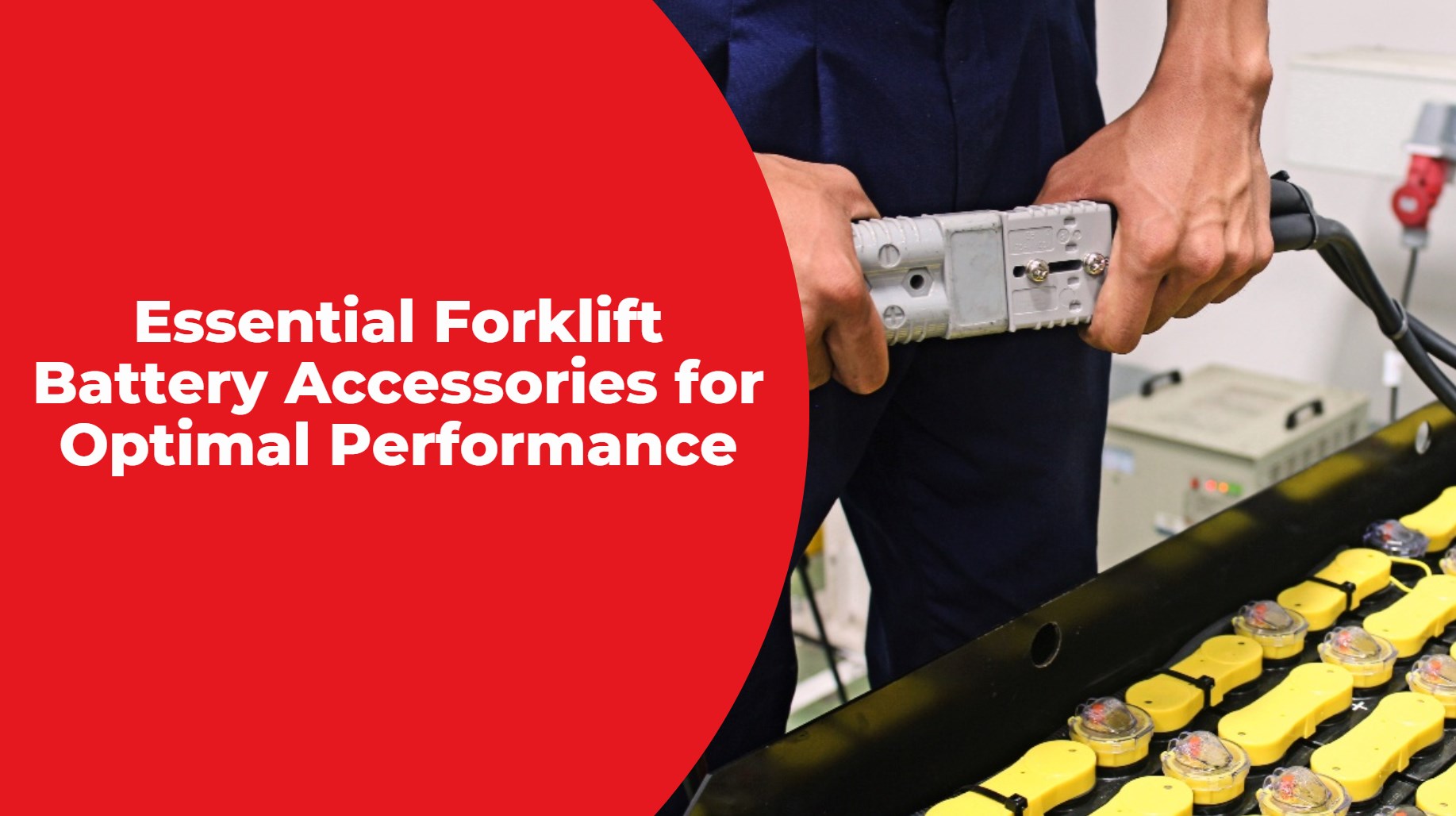
Essential Forklift Battery Accessories for Optimal Performance

Essential Forklift Battery Accessories for Optimal Performance

When it comes to maintaining forklift efficiency, the right accessories for your forklift batteries play a crucial role. From enhancing performance to ensuring safety, understanding these accessories can significantly improve your operational productivity. This article delves into the essential forklift battery accessories that every warehouse or industrial operation should consider.Essential forklift battery accessories include battery watering systems, terminal protectors, and smart chargers. These tools help maintain optimal performance by ensuring proper hydration, preventing corrosion, and providing efficient charging cycles tailored to the battery’s chemistry.

Types of Forklift Battery Accessories

The market offers a variety of accessories designed specifically for forklift batteries. Here’s a detailed look at the most common types:

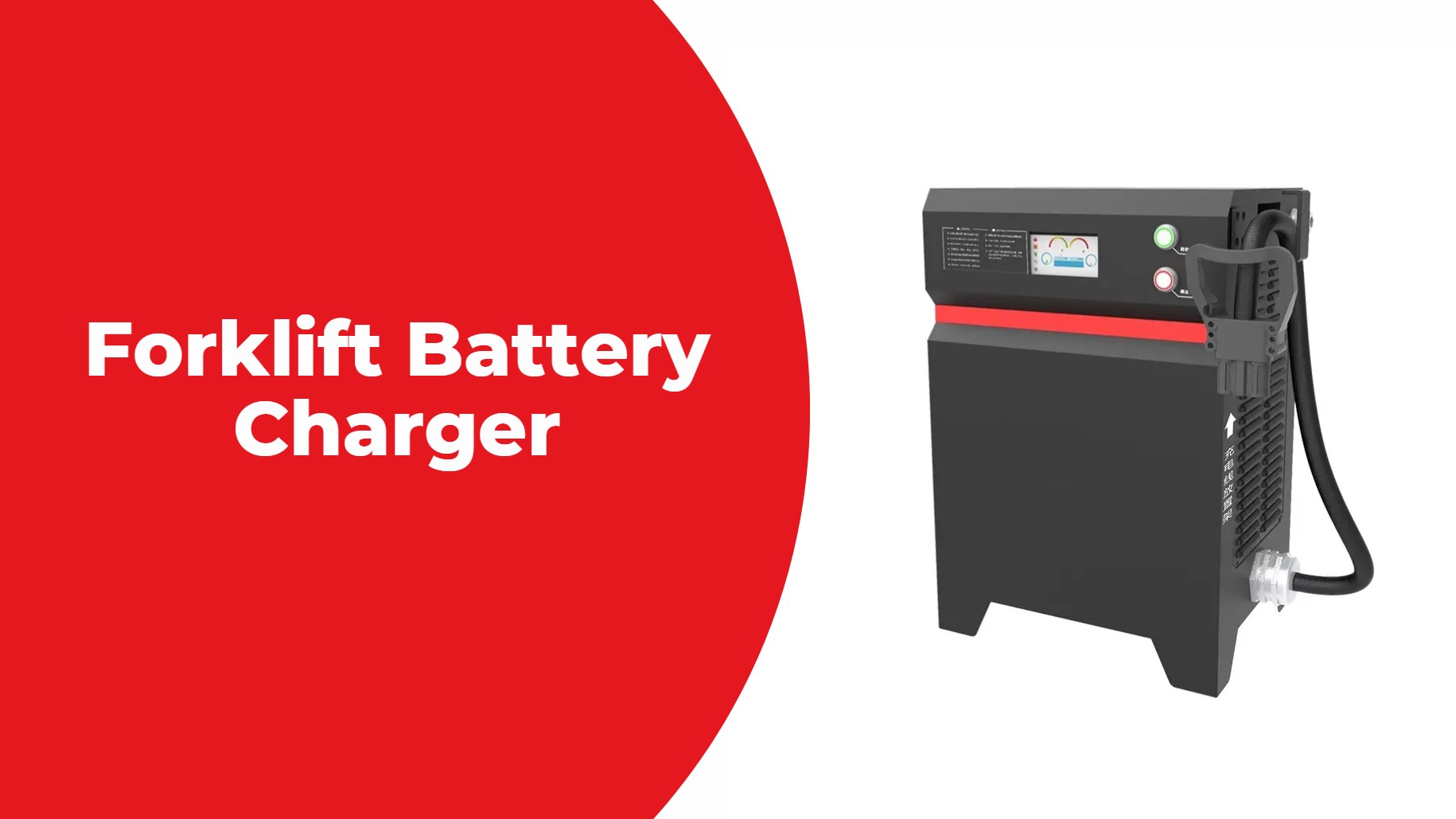
1. Battery Chargers

Battery chargers are vital for maintaining battery health. They come in various forms:
  • High-Frequency Chargers: Efficient and suitable for various battery types, providing faster charging times and better battery care.
  • Conventional Chargers: Standard chargers that are reliable for lead-acid batteries, though they take longer to charge.
Choosing the right charger can ensure your battery is always ready for operation.

2. Battery Watering Systems

Maintaining proper electrolyte levels is essential for flooded lead-acid batteries. Automated battery watering systems simplify this process, allowing for consistent maintenance without the need for manual checks.

3. Intercell Connectors

Intercell connectors link individual cells within a battery pack. They are crucial for ensuring that all cells charge evenly, preventing performance discrepancies and extending battery life.

4. Take-Off Leads

Take-off leads facilitate the easy disconnection of batteries from the forklift. They improve safety and efficiency during battery changes, making it easier for operators to switch batteries when necessary.

5. Battery Monitoring Systems

These advanced systems track various metrics, such as battery health, charge levels, and performance data. By providing real-time information, these devices help operators optimize battery usage and maintenance schedules.

6. Traction Battery Trays

Designed to securely hold forklift batteries, traction battery trays ensure stability during operation. Properly designed trays prevent movement and potential damage to the batteries.

Importance of Quality Accessories

Investing in high-quality forklift battery accessories is essential for several reasons:
  • Safety: Quality accessories reduce the risk of accidents, including short circuits or acid spills. For instance, robust chargers minimize overheating risks, while proper trays prevent battery dislodgment.
  • Performance: Efficient chargers and monitoring systems ensure that batteries are charged and maintained properly, extending their lifespan and enhancing overall performance.
  • Reliability: High-quality components are less prone to failure, which minimizes downtime and associated maintenance costs. This reliability translates into consistent operation and productivity.

Choosing the Right Charger

Selecting the appropriate charger for your forklift battery is critical. Here are some factors to consider:
  • Battery Type: Ensure the charger is compatible with your specific battery type, whether it’s lead-acid, lithium-ion, or another variant.
  • Voltage and Capacity: Match the charger’s voltage output with that of your battery system (e.g., 24V, 36V, or 48V) and verify that it can accommodate the amp-hour capacity of your batteries.
  • Charging Speed: Determine if your operational needs call for a fast charger or a standard charger, balancing speed and battery health.
  • Features: Look for advanced features such as automatic shut-off, temperature compensation, and monitoring capabilities that enhance usability and safety.

Essential Maintenance Accessories

Proper maintenance is key to ensuring battery longevity. Consider the following accessories:
  • Battery Watering Systems: These systems simplify the process of checking and filling electrolyte levels in flooded lead-acid batteries.
  • Hydrometers: These tools measure specific gravity, providing an accurate assessment of battery charge levels.
  • Cleaning Kits: Cleaning supplies for terminals and connectors help prevent corrosion, ensuring reliable electrical connections.
  • Safety Equipment: Personal protective gear such as gloves, goggles, and aprons is essential for safe handling during maintenance tasks.

Where to Purchase Forklift Battery Accessories

You can find forklift battery accessories from various sources, including:

Conclusion: Enhancing Forklift Operations with Quality Accessories

Understanding the various types of forklift battery accessories and their importance is vital for any business operating forklifts. Investing in quality components enhances performance and safety while reducing downtime. By equipping your operations with the right accessories, you ensure that your forklift batteries perform optimally, maximizing efficiency and extending battery life.At Redway Battery, we provide custom LiFePO4 battery solutions designed specifically for forklifts. Our advanced battery technologies offer longer cycles, better performance, and minimal maintenance. For businesses looking to improve their forklift operations, Redway Battery is your trusted partner for high-quality battery solutions.

FAQS

What are the best brands for forklift battery chargers? Top brands for forklift battery chargers include Enersys, Crown, Hawker, Fronius, and Delta-Q. These brands are known for their reliability, efficiency, and advanced charging technologies, ensuring optimal performance for various forklift battery types.How do I choose the right battery watering system for my forklift? When choosing a battery watering system, consider compatibility with your battery, ease of installation, and automatic shut-off features. Ensure the system provides accurate water levels and prevents overfilling to reduce maintenance and improve battery health.What are the key features to look for in a high-frequency forklift battery charger? Look for efficiency, fast charging times, programmable charging profiles, and temperature compensation in high-frequency chargers. Other key features include lightweight designs, automatic voltage detection, and overcharge protection for extended battery life.How often should I replace the intercell connectors in my forklift batteries? Intercell connectors should be inspected regularly and replaced every 3-5 years, or sooner if there are signs of corrosion, cracking, or poor conductivity. Regular maintenance ensures optimal battery performance and prevents sudden failures.What are the benefits of using a battery monitoring system for forklifts? A battery monitoring system provides real-time data on battery health, charge levels, and usage patterns. It helps prevent overcharging, deep discharging, and extends battery life through proactive maintenance, reducing downtime and operational costs.
 
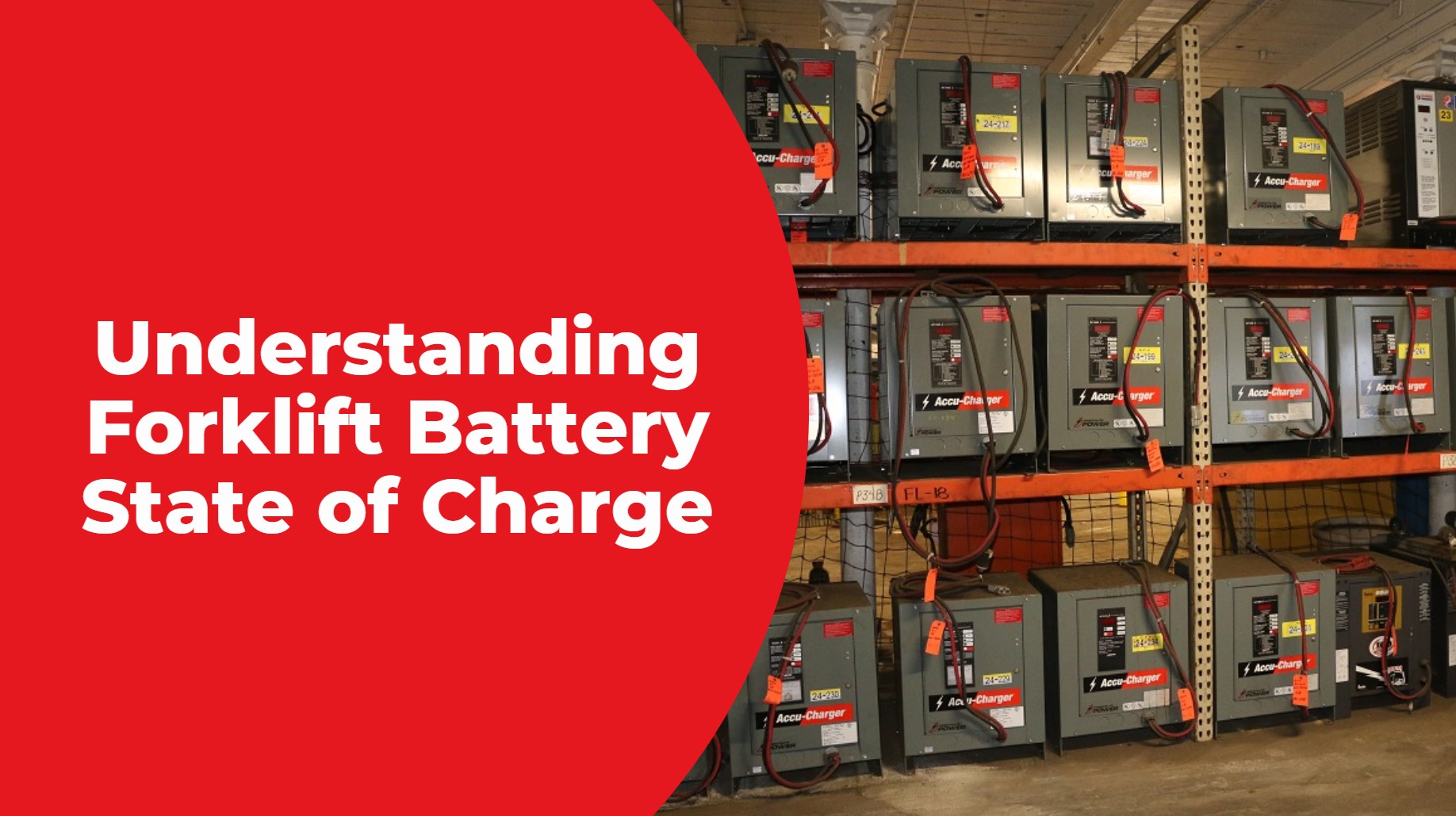
Understanding Forklift Battery State of Charge: A Complete Guide

How to Understand Forklift Battery State of Charge: A Complete Guide

Understanding the State of Charge (SOC) for forklift batteries is crucial for optimizing performance and extending battery life. The SOC indicates how much energy is left in the battery, guiding operators on when to recharge to prevent damage and ensure efficient operation.

What Is the State of Charge (SOC) for Forklift Batteries?

The State of Charge (SOC) indicates the current energy level of a forklift battery, expressed as a percentage of its total capacity. An SOC of 100% means the battery is fully charged, while an SOC below 20% signals that it needs recharging to avoid performance issues and potential damage.Understanding SOC Levels
SOC Level (%)Description
100%Fully charged
80%Recommended recharge point
20%Critical low; recharge immediately

How to Measure the State of Charge?

To measure SOC, use tools such as a voltmeter to check voltage levels, which correlate with charge percentages. A hydrometer can assess specific gravity in lead-acid batteries, while smart Battery Management Systems (BMS) provide real-time monitoring of voltage and temperature for accurate SOC readings.To accurately determine a forklift battery’s SOC, operators can use various tools:
  1. Voltmeter: Measures voltage across terminals; specific voltage levels correlate with charge percentages.
  2. Hydrometer: Assesses specific gravity in lead-acid batteries; higher specific gravity indicates higher charge levels.
  3. Smart Battery Management Systems (BMS): Provide real-time monitoring through integrated sensors that track voltage and temperature.
Measurement Tools Overview
ToolFunctionality
VoltmeterMeasures voltage levels
HydrometerChecks specific gravity
Smart BMSMonitors charge levels continuously

When Should You Charge a Forklift Battery?

Charge a forklift battery when its SOC drops between 20% and 30%. Operating below this threshold can lead to deep discharging, which may cause irreversible damage and significantly reduce battery lifespan. Regular monitoring helps ensure timely recharging and optimal performance.

What Are the Different Charging Methods for Forklift Batteries?

Common charging methods for forklift batteries include Conventional Charging, ideal for overnight use; Opportunity Charging, which utilizes breaks for quick recharges; and Fast Charging, suitable for continuous operations but potentially stressful on battery health. Each method has distinct advantages based on operational needs.Several charging methods are employed in forklift operations:
  1. Conventional Charging: Involves charging overnight or during extended downtimes; best for single-shift operations.
  2. Opportunity Charging: Utilizes breaks or idle times for quick recharges; ideal for multi-shift operations.
  3. Fast Charging: Provides rapid recharges in short periods; suitable for continuous-use scenarios but may stress the battery.
Charging Methods Comparison
MethodBest ForAdvantagesDisadvantages
ConventionalSingle-shift operationsSimple and effectiveRequires additional batteries
OpportunityMulti-shift operationsMaximizes uptimeMay not fully recharge
FastContinuous-use scenariosReduces downtimeCan shorten battery lifespan

What Are the Advantages of Monitoring SOC?

Monitoring SOC helps maximize battery life by preventing deep discharges, which can cause wear. It also minimizes unexpected downtime due to depleted power and ensures forklifts operate efficiently throughout their shifts, leading to better productivity and cost savings.Monitoring SOC offers several benefits:
  1. Maximizing Battery Life: Keeping batteries above 20% discharge reduces wear and tear.
  2. Preventing Downtime: Regular checks help avoid unexpected shutdowns due to depleted power.
  3. Efficiency: Maintaining optimal charge levels ensures forklifts operate at peak performance throughout their shifts.

What Are the Risks of Deep Discharging Forklift Batteries?

Deep discharging forklift batteries can lead to irreversible damage, reduced capacity, and shorter lifespan. It may also cause overheating and swelling in lead-acid batteries, increasing safety risks. Regularly monitoring SOC helps prevent deep discharges and maintain battery health.Deep discharging poses significant risks:
  1. Accelerated Wear: Regularly allowing batteries to drop below 20% can shorten their lifespan.
  2. Overheating Risks: Low charge levels can cause electrical components to overheat.
  3. Reduced Capacity: Prolonged deep discharges diminish overall capacity over time.

How Does Temperature Affect Forklift Battery Performance?

Temperature significantly impacts forklift battery performance; extreme heat can accelerate degradation, while cold temperatures reduce capacity and efficiency. Ideally, maintain batteries within a temperature range of 32°F to 80°F (0°C to 27°C) for optimal operation and longevity.Temperature significantly impacts battery efficiency:
  1. High Temperatures: Can lead to overheating and reduced lifespan; ideal operating temperatures are between 60°F and 80°F.
  2. Low Temperatures: Can decrease performance and capacity; batteries may not deliver full power in cold conditions.

What Maintenance Practices Help Extend Battery Life?

To extend forklift battery life, follow these maintenance practices: regularly inspect fluid levels in lead-acid batteries, keep terminals clean to prevent corrosion, avoid overcharging, and follow proper charging techniques. Additionally, ensure batteries are stored in optimal temperature conditions.Regular maintenance is vital for prolonging battery life:
  1. Routine Inspections: Check water levels in lead-acid batteries regularly.
  2. Avoid Overcharging: Monitor charging cycles to prevent damage from excessive voltage.
  3. Use Correct Charging Techniques: Follow manufacturer guidelines for optimal charging practices.

How Do Different Battery Types Affect SOC Measurement?

Different battery types affect SOC measurement methods; lead-acid batteries have a linear discharge curve allowing voltage measurements for accurate SOC estimation. In contrast, lithium-ion batteries have a flatter discharge curve, requiring more sophisticated methods like coulomb counting for precise SOC tracking.Different types of forklift batteries—such as lead-acid versus lithium-ion—require varying approaches to measure SOC effectively:
  • Lead-acid batteries typically use voltage readings or hydrometers.
  • Lithium-ion batteries often rely on built-in BMS technology that provides real-time data on charge status without manual measurement.

What Is the Impact of Charging Frequency on Battery Health?

Charging frequency impacts battery health significantly; frequent charging can help maintain optimal SOC levels but may lead to increased wear if done excessively. Striking a balance between regular charging and allowing sufficient discharge cycles is essential for prolonging battery lifespan.Charging frequency directly affects battery health:
  1. Frequent Partial Charges: Can help maintain optimal SOC but may lead to sulfation if not managed correctly.
  2. Full Charges After Deep Discharge: Important for balancing cell voltages but should be done cautiously to avoid stress on the battery.

How Can Technology Improve SOC Monitoring in Forklifts?

Technology enhances SOC monitoring through smart Battery Management Systems (BMS) that provide real-time data on charge levels, voltage, and temperature. Advanced algorithms can predict battery health and optimize charging schedules, ensuring efficient operation and reducing downtime in forklift applications.Advancements in technology enhance SOC monitoring through:
  1. Smart BMS Systems: Offer real-time data analytics on charge levels, temperature, and overall health.
  2. Mobile Applications: Allow operators to track multiple forklifts’ SOC remotely, improving fleet management efficiency.
  3. Predictive Maintenance Tools: Use historical data to forecast when maintenance or recharging will be needed based on usage patterns.
Expert Views“Understanding forklift battery state of charge is critical not only for operational efficiency but also for maximizing investment returns,” states Dr. Michael Johnson, an expert in material handling solutions. “With proper monitoring and maintenance practices, businesses can significantly enhance their productivity while extending battery life.”

News

Advancements in Smart Battery Management Systems

Modern forklift batteries are increasingly equipped with advanced Battery Management Systems (BMS) that monitor critical parameters such as temperature, voltage, and state of charge. These systems prevent issues like overcharging or deep discharging, thereby extending battery life and ensuring safe operation.

Integration of Multi-CAN Communication in BMS

The integration of Controller Area Network (CAN) communication protocols in BMS allows for real-time data exchange between the battery and the forklift’s control systems. This ensures synchronized operations and accurate SOC monitoring, enhancing overall efficiency and safety.

Emergence of Solid-State Battery Technologies

Innovations in solid-state lithium-ion batteries are on the rise, aiming to reduce charging times, enhance energy density, and improve sustainability. These advancements contribute to more accurate SOC assessments and better performance in forklift operations.

Proper Guide to Charging and Watering a Forklift Battery

FAQ Section

  • What is the state of charge (SOC) for forklift batteries? The state of charge indicates how much energy is left in a forklift battery, expressed as a percentage from 0% (empty) to 100% (full).
  • When should I charge my forklift battery? It is recommended to recharge your forklift battery when it reaches an SOC between 20% and 30% to prevent damage and maintain performance.
  • How do I measure the state of charge? You can measure SOC using tools like voltmeters or hydrometers that assess voltage levels or specific gravity in lead-acid batteries.
  • What are common charging methods for forklift batteries? Common methods include conventional charging, opportunity charging, and fast charging, each suited for different operational needs.
  • What maintenance practices help extend forklift battery life? Regular inspections, avoiding overcharging, maintaining proper water levels, and following correct charging techniques are essential maintenance practices that extend battery life.
  • What is considered a low state of charge for forklift batteries? A low state of charge is typically around 20-30%, signaling that it’s time to recharge.
  • How often should I check my forklift battery’s state of charge? It’s advisable to check your forklift battery’s state of charge daily or before each use.
  • Can I use my forklift if the battery is below a certain charge? Using a forklift with a low battery can lead to performance issues and potential damage; it’s best to recharge before use.
  • What are signs that my forklift battery needs charging? Signs include dim lights on electric forklifts or slow lifting operations indicating insufficient power.
  • Is it safe to fast-charge my forklift battery? Fast-charging can be safe if done correctly but may reduce overall lifespan; always follow manufacturer guidelines for your specific battery type.
  • What is the voltage of a fully charged 150Ah forklift battery? A fully charged 150Ah forklift battery typically has a nominal voltage of 12V or 24V, depending on its configuration. This voltage ensures compatibility with most electric forklift models, providing effective power for operation.
  • How much voltage does a forklift battery have when fully charged? When fully charged, a forklift battery usually maintains a voltage of 12V or 24V. The exact voltage depends on the battery type and configuration, which is essential for optimal performance in electric forklifts.
  • Where can I find a forklift battery voltage chart for reference? You can find forklift battery voltage charts in the user manual of your forklift or from battery manufacturers’ websites. These charts provide detailed information on various battery types and their corresponding voltages for accurate reference.
  • What is the typical cell voltage for a forklift battery? The typical cell voltage for a forklift battery is around 2V per cell. For example, a standard 6-cell battery would have a total nominal voltage of 12V, while a 12-cell configuration would yield 24V.
Know More:Where Can I Find Reliable Sources and Sales for Forklift Batteries? Where Can You Buy Forklift Batteries Near Me? Where Can You Find Forklift Batteries for Sale Near Me? Where Can I Purchase a Reliable Forklift Battery? Where Can I Find Affordable Options for Forklift Batteries? How Can Forklift Batteries Be Used in Solar Systems?
Forklift Battery Changer: Maximizing Efficiency in Battery Management

Forklift Battery Changer: Maximizing Efficiency in Battery Management

The growing reliance on electric-powered forklifts in industrial settings has led to the increasing importance of efficient battery management. A forklift battery changer plays a critical role in ensuring that batteries are safely and swiftly replaced, maximizing operational uptime. At Redway Power, we specialize in providing high-performance LiFePO4 batteries, including custom solutions for golf carts and industrial vehicles. With over 12 years of experience, we understand how essential battery management is to maintaining peak operational efficiency.A forklift battery changer maximizes efficiency by enabling quick battery swaps, reducing downtime during operations. It allows for seamless transitions between charged and depleted batteries, ensuring that forklifts remain operational. This system also promotes better battery maintenance by facilitating regular inspections.In this article, we delve into the essential role of forklift battery changers, their types, benefits, and key considerations to help you select the right solution for your operation.

What Is a Forklift Battery Changer?

A forklift battery changer is a specialized piece of equipment designed to assist in the removal and installation of forklift batteries. Due to the size and weight of industrial forklift batteries, manual handling is often impractical and dangerous. A battery changer provides a mechanical means of safely removing and replacing batteries, ensuring minimal downtime and maximum safety.Commonly used in high-traffic warehouses and distribution centers, battery changers are available in various configurations to suit different operational needs. They streamline the process of battery swapping, allowing forklift operators to quickly replace depleted batteries and get back to work.

Key Benefits of Forklift Battery Changers

The adoption of a battery changer in your facility can significantly improve safety, reduce downtime, and enhance overall productivity. Here are the key benefits:

1. Enhanced Workplace Safety

Forklift batteries can weigh hundreds of pounds, making manual handling extremely hazardous. A battery changer minimizes the risk of workplace injuries caused by lifting or improper handling of heavy batteries. By automating the battery swap process, the equipment ensures that workers are not exposed to physical strain or the risk of dropping the battery, which could result in costly damage or injury.

2. Reduced Downtime

With a forklift battery changer, battery swaps are completed quickly and efficiently. Operators no longer need to wait for assistance or struggle with cumbersome manual battery changes. The streamlined process ensures that forklifts spend less time offline, maximizing productivity and ensuring that your fleet remains operational during peak hours.

3. Improved Battery Handling

Proper handling is crucial to maintaining the lifespan of your forklift batteries. Battery changers reduce the likelihood of accidental drops, impacts, or improper positioning that could damage the battery or charger. These devices ensure that batteries are handled gently and with precision, which helps to extend their usable life.

4. Increased Operational Efficiency

Automating the battery change process allows workers to focus on more critical tasks. A battery changer eliminates the need for multiple employees to assist with battery swaps, freeing up labor for other duties. This enhances overall workflow and ensures that your team can operate more efficiently.

Types of Forklift Battery Changers

Several types of forklift battery changers are available, each designed for different operational settings and fleet sizes. Choosing the right type depends on factors like the number of forklifts in operation, available space, and budget considerations.

Types of Forklift Battery Changers

1. Gantry Battery Changers

Gantry battery changers are commonly used in large-scale operations where multiple forklifts are in constant use. These changers feature a large frame that supports the movement of the battery changer arm, allowing it to move batteries between the forklift and the charging station. Gantry systems can be semi-automated or fully automated, making them ideal for facilities with high traffic.

2. Walkie Battery Changers

For smaller operations, walkie battery changers offer a more compact and flexible solution. These changers are similar to pallet jacks and can be easily maneuvered around the facility. Operators can manually position the changer next to the forklift, making it an efficient option for facilities where space is limited. Walkie changers are a cost-effective choice for businesses with fewer forklifts or budget constraints.

3. Automated Battery Changing Systems

Automated battery changers are fully mechanized solutions that can swap out forklift batteries without any manual intervention. These systems use conveyors, robotics, and sensors to automatically transport and replace batteries. Automated systems are the best option for high-volume facilities where efficiency and speed are paramount. Although these systems require a significant initial investment, the long-term gains in productivity often outweigh the costs.

4. Manual Battery Changers

In some cases, a manual battery changer may be sufficient. These changers allow an operator to guide the changer into position, often using a powered lift to remove and replace the battery. While not as efficient as automated systems, manual changers are still much safer and more practical than attempting battery swaps by hand.

Key Considerations for Selecting a Forklift Battery Changer

Choosing the right battery changer for your operation is a crucial decision that can impact productivity, safety, and long-term costs. Here are the most important factors to consider:

1. Fleet Size and Usage

Evaluate the size of your forklift fleet and how frequently battery changes are needed. High-traffic facilities with a large number of electric forklifts may benefit from a gantry or automated system, while smaller operations might only require a walkie or manual battery changer.

2. Available Space

Consider the layout of your charging area. If space is limited, a compact walkie changer or manual system might be the best fit. Larger facilities with dedicated battery rooms can accommodate gantry or automated systems, which require more space but provide faster battery swaps.

3. Budget Constraints

While automated systems provide the highest efficiency, they come with a significant upfront investment. Assess your budget and choose a solution that balances cost with the long-term benefits of improved productivity and safety. For smaller businesses, manual or walkie changers offer a more affordable alternative without sacrificing much in terms of functionality.

4. Maintenance and Durability

Investing in a reliable, durable battery changer will reduce long-term maintenance costs and downtime. Look for changers made from high-quality materials that can withstand daily use in industrial environments. Regular maintenance should also be factored into your decision, as some systems require more upkeep than others.

Conclusion: Maximizing Efficiency with the Right Forklift Battery Changer

A well-chosen forklift battery changer can have a profound impact on your operation’s productivity, safety, and overall efficiency. Whether you’re running a large warehouse or a smaller distribution center, the right equipment can streamline battery management, reduce downtime, and protect your workforce from potential injuries.At Redway Power, we understand the importance of having reliable battery solutions that complement efficient charging and swapping systems. As a leading manufacturer of LiFePO4 batteries from 12V to 72V, we provide custom solutions tailored to meet the needs of your B2B or OEM operations. Reach out to us today to learn more about how our advanced battery technologies can enhance your forklift fleet’s performance.

FAQ

What are the best practices for maintaining forklift batteries? Best practices include regular cleaning of terminals, ensuring proper water levels (for lead-acid batteries), charging only when needed to prevent overcharging, and conducting equalization charges periodically. Maintaining a consistent charging schedule and performing routine inspections helps maximize performance and lifespan.How often should I charge a forklift battery? A forklift battery should be charged when it reaches 20-30% capacity. Frequent partial charges can reduce battery life, so it’s essential to let the battery discharge properly before recharging. Avoid opportunity charging unless using a lithium-ion battery, which can handle partial charges better.What safety precautions should I take when handling forklift batteries? Always wear protective gear, including gloves and goggles. Ensure proper ventilation to prevent gas buildup during charging, avoid sparks or open flames near the battery, and use insulated tools. Always follow the manufacturer’s guidelines and maintain a safe distance when lifting or transporting heavy batteries.How can I extend the lifespan of a forklift battery? To extend battery lifespan, avoid overcharging or deep discharging, ensure proper water levels, and regularly perform equalization charges. Maintain a clean battery, store it in a cool, dry environment, and follow a consistent charging schedule. Also, check for corrosion and address any signs of damage immediately.What are the signs that a forklift battery needs maintenance? Signs include slower charging, reduced runtime, or difficulty holding a charge. Corrosion on terminals, leaking electrolyte, or warped casing are other indicators that maintenance is needed. Frequent low water levels or battery cells overheating during charging also signal the need for attention.
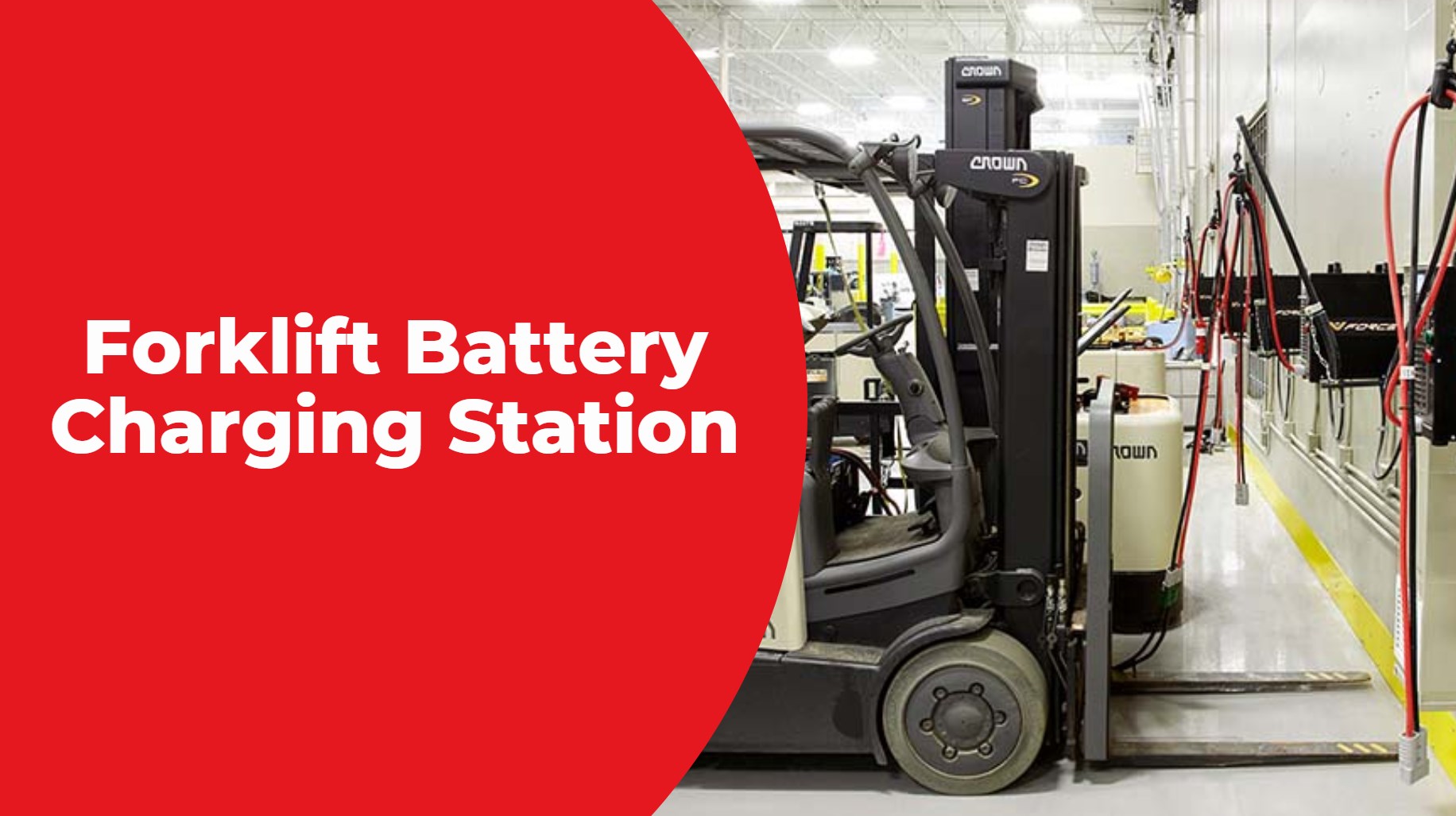
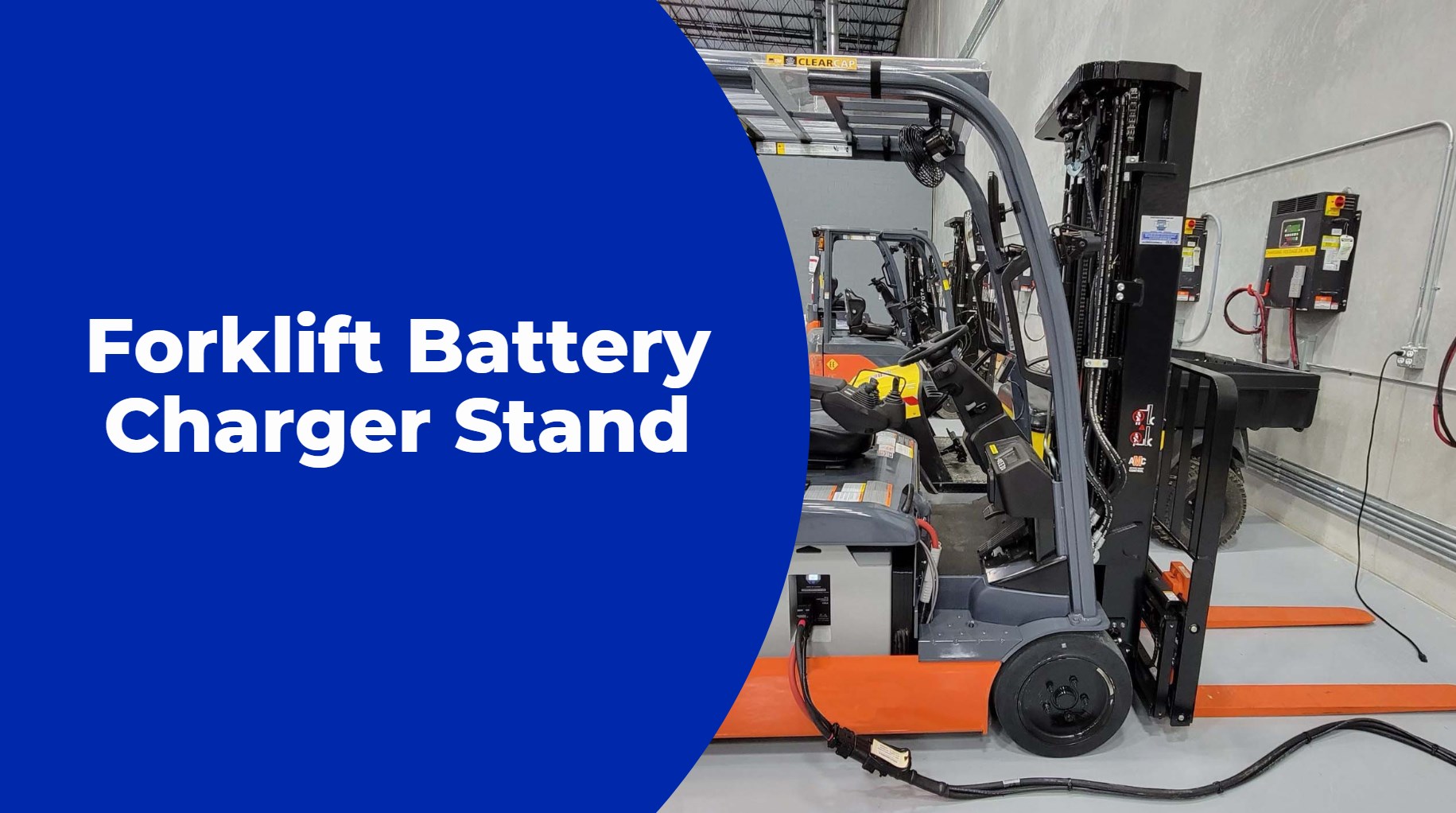
Forklift Battery Charger Stand: Ensuring Safety and Efficiency in Your Charging Area

Forklift Battery Charger Stand: Ensuring Safety and Efficiency in Your Charging Area

As electric-powered equipment becomes more integral to daily operations, managing forklift batteries and their chargers has never been more crucial. A forklift battery charger stand is designed to enhance the organization, safety, and efficiency of battery charging areas. At Redway Power, we specialize in providing custom LiFePO4 batteries, and we understand the importance of optimizing charging environments for maximum productivity. Over the past 12 years, our experience in the battery industry has enabled us to supply advanced, durable, and customizable solutions, especially for golf carts and industrial applications.A forklift battery charger stand ensures safety and efficiency by providing a stable platform for charging batteries. It should be equipped with proper ventilation to dissipate heat and prevent gas accumulation. Additionally, having designated areas for charging minimizes hazards and streamlines the charging process.In this article, we’ll explore forklift battery charger stands, detailing their key features, benefits, and types, and providing insights on how to choose the right one for your operational needs.

What Is a Forklift Battery Charger Stand?

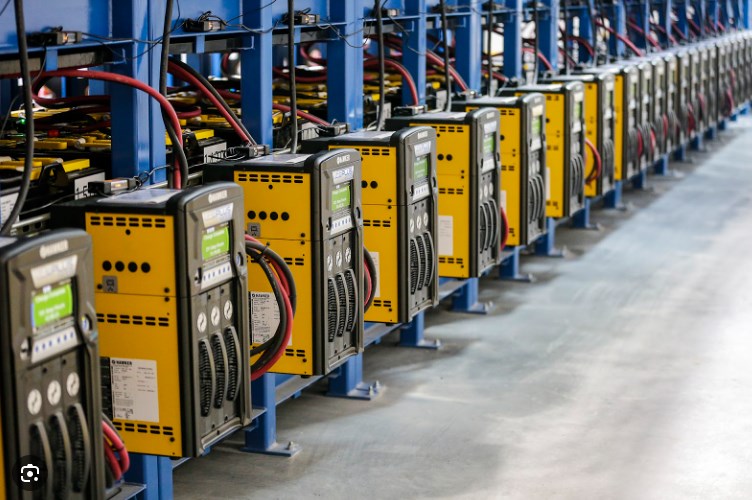
A forklift battery charger stand is a durable, heavy-duty steel structure built to store and protect forklift battery chargers. In high-demand environments where forklifts operate around the clock, charger stands provide organized, accessible storage solutions that safeguard chargers from potential damage caused by floor contact, acid spills, and impacts.The design typically includes features like:
  • Elevated shelves to keep chargers off the ground, avoiding floor damage and acid exposure.
  • Cable management options such as pre-drilled holes or anchoring slots for easy charger installation and cord organization.
  • Heavy-duty construction, often reinforced with powder coating, ensuring resistance to scratches, corrosion, and impacts.
These stands are essential in battery charging rooms or stations where multiple chargers must be safely stored and quickly accessed for routine maintenance or repairs.

Benefits of Using Forklift Battery Charger Stands

The advantages of implementing charger stands in your operations are multifaceted. These include:

1. Enhanced Organization

Forklift battery chargers and their cables can take up significant space in a charging area. Without proper storage, these chargers can lead to clutter and potential safety hazards. A charger stand consolidates the space, allowing for a cleaner, more organized charging environment. This not only improves workplace safety but also makes it easier for workers to access the chargers when needed.

2. Protection for Chargers

Chargers left on the floor are exposed to potential damage from impacts, foot traffic, and exposure to chemicals, such as acid spills. A charger stand elevates the equipment, keeping it protected from everyday wear and tear. The powder-coated steel frames used in these stands resist minor impacts, scratches, and acid exposure, prolonging the lifespan of the equipment.

3. Improved Accessibility

With 360-degree access for maintenance, a charger stand allows technicians to easily service and inspect equipment without obstruction. This can significantly reduce downtime during repairs or routine checks, ensuring that chargers are operating at full capacity.

4. Efficient Cable Management

Pre-drilled holes and cable retractors make it easier to manage the often tangled and cumbersome charging cables. Cable management features not only improve organization but also reduce trip hazards, increasing the overall safety of the workspace.

5. Versatility in Charger Mounting

Charger stands are equipped with pre-cut anchoring slots, allowing for easy installation of chargers. These slots ensure that chargers are securely mounted, reducing the risk of accidental dislodgement or tipping.

Types of Forklift Battery Charger Stands

When choosing a forklift battery charger stand, it’s important to consider the type that best fits your facility’s layout and charger requirements. Here are the most common types:

1. Shelved Charger Stands

This is the most common type of charger stand, offering multiple shelves for storing chargers. Shelved stands come in various sizes to accommodate different models of forklift battery chargers. They are ideal for dedicated charging rooms or areas with ample space, allowing for easy organization and charger access.

2. Vertical Charger Stands

Designed for more compact environments, vertical charger stands are capable of holding up to three chargers in a stacked configuration. This design maximizes floor space, making it perfect for “park and charge” setups where forklifts are directly connected to the charger during downtime.

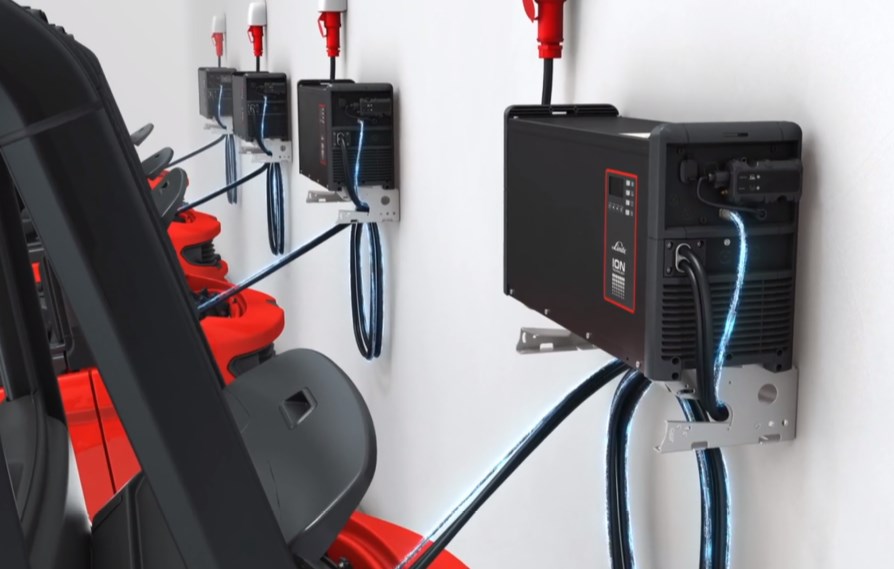
3. Wall-Mount Charger Stand Kits

For facilities where floor space is at a premium, wall-mount charger stands provide an efficient solution. These kits typically include dual or quad stands that anchor securely to the wall, keeping chargers elevated and readily accessible. Wall-mounted stands offer flexibility in placement, but they require secure wall anchoring to ensure stability.

Key Considerations When Choosing a Forklift Battery Charger Stand

Selecting the right forklift battery charger stand involves more than just considering size. Here are some factors to take into account:Key Considerations When Choosing a Forklift Battery Charger Stand

1. Stand Size Compatibility

Ensure that the stand can accommodate your specific charger models. Some stands are designed to fit particular dimensions, so it’s crucial to check that your chargers will fit securely on the stand’s shelves or brackets.

2. Floor Space Availability

Consider the layout of your charging area. If space is limited, vertical or wall-mounted stands can help you make the most of your available area. For larger charging rooms, shelved stands might be more suitable.

3. Durability and Construction

Look for stands made from heavy-duty steel with a powder-coated finish to resist impacts, scratches, and corrosion. Sturdy construction ensures longevity and protects your chargers in the long term.

4. Cable Management Features

Proper cable management is critical to maintaining a safe and organized charging station. Make sure the stand includes features like pre-drilled holes or slots for retractors, which can help keep charging cables neatly arranged and easy to handle.

Conclusion: The Importance of Forklift Battery Charger Stands

Investing in the right forklift battery charger stand can significantly improve the safety, organization, and efficiency of your charging area. Whether you need a shelved, vertical, or wall-mounted stand, selecting a durable and properly sized unit will help safeguard your chargers from damage, ensure easy maintenance access, and enhance the overall productivity of your forklift fleet.At Redway Power, we recognize the importance of maintaining a well-organized and functional charging environment. With over a decade of experience in providing LiFePO4 battery solutions, we offer custom solutions to meet the specific needs of our B2B and OEM clients. Contact us today for a quick quote on our innovative battery solutions.

FAQs

What are the key features to look for in a forklift battery charger stand? Key features include durability, adjustable shelves to accommodate various charger sizes, cable management systems, and ventilation to prevent overheating. Safety features like protective guards and grounding connections are also crucial to ensure safe operation during charging.How does the design of a forklift battery charger stand improve safety? The design improves safety by incorporating non-slip surfaces, secure locking mechanisms, and cable management to reduce tripping hazards. Proper ventilation minimizes overheating risks, while reinforced construction ensures stability during operation, protecting both workers and equipment.Are there specific charger stands for different types of forklift batteries? Yes, charger stands are often designed to accommodate different types of batteries, such as lead-acid or lithium-ion. These stands may feature adjustable shelving or specific charging ports to match the unique requirements of each battery type, ensuring efficient and safe charging.What materials are typically used in the construction of forklift battery charger stands? Forklift battery charger stands are typically made from heavy-duty steel for durability, with powder-coated finishes to resist corrosion. Some models may use reinforced plastic for certain components, while rubberized feet or anti-slip pads enhance stability and safety during use.How do vertical charger stands compare to shelved charger stands? Vertical charger stands save space, making them ideal for areas with limited floor space, while shelved stands offer better organization by providing dedicated shelves for each charger. Shelved stands are generally preferred for easier access and better ventilation, but vertical stands are more compact.
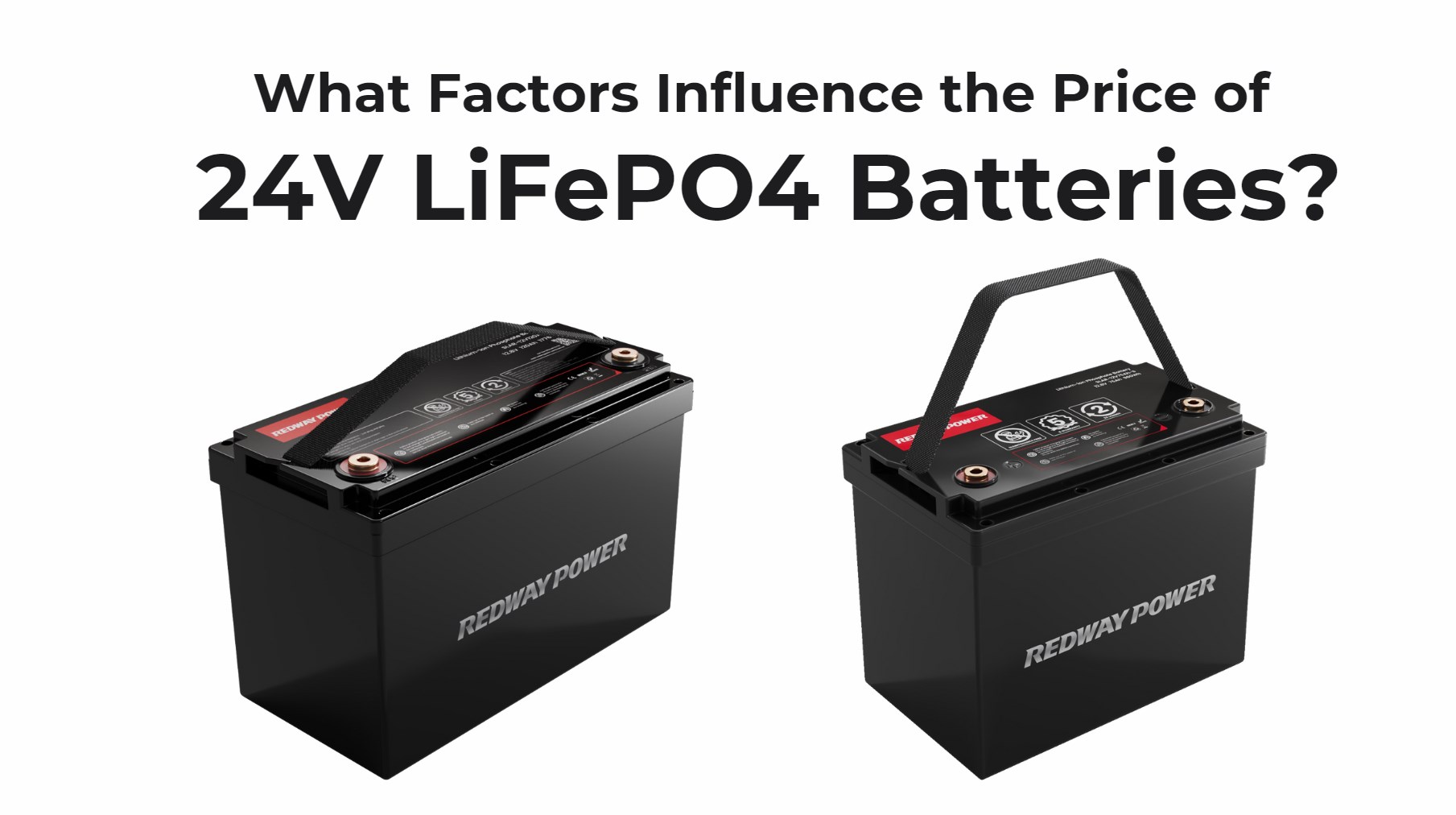
What Factors Influence the Price of 24V LiFePO4 Batteries?

What Factors Influence the Price of 24V LiFePO4 Batteries?

When considering the purchase of 24V LiFePO4 batteries, understanding the factors that influence their price is crucial for making an informed decision. Several elements play a significant role in determining the cost of these advanced energy storage solutions. Here’s a detailed exploration of the key factors affecting the price of 24V LiFePO4 batteries.The price of 24V LiFePO4 batteries is influenced by factors such as battery capacity, manufacturing costs, supply and demand dynamics, and the complexity of the Battery Management System (BMS). Additionally, brand reputation and market competition can also affect pricing, with established brands often commanding higher prices due to their reliability and performance.

1. Battery Capacity

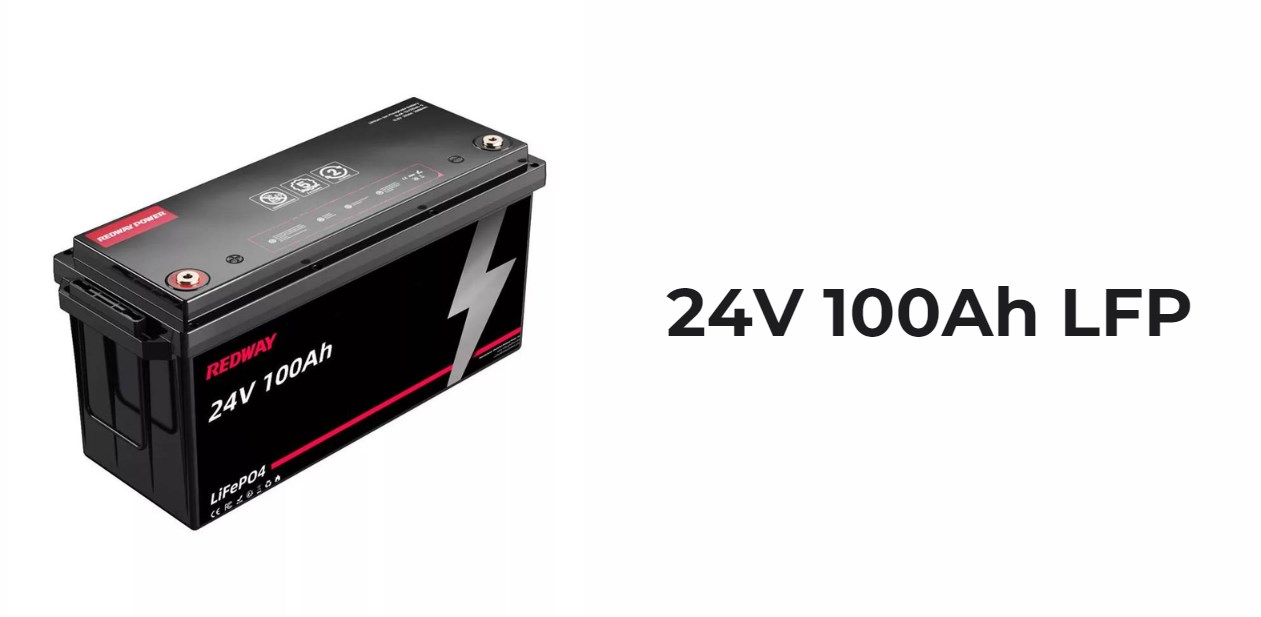
Battery capacity, measured in amp-hours (Ah), is one of the primary determinants of a battery’s price. Higher capacity batteries can store more energy and are therefore more expensive. For example, a 100Ah 24V LiFePO4 battery will typically cost more than a 50Ah 24V LiFePO4 battery due to its ability to provide extended energy storage and longer runtimes. The capacity required is often driven by the specific energy needs of the application, whether for solar power systems, RV use, or golf carts.

2. Manufacturing Costs

The manufacturing costs of LiFePO4 batteries are influenced by several factors:
  • Raw Materials: LiFePO4 batteries use specialized materials such as lithium iron phosphate, which can be expensive. The price of these materials fluctuates based on market conditions and availability.
  • Labor: Skilled labor is required to assemble LiFePO4 batteries, which adds to the cost. Advanced manufacturing techniques and quality control measures also contribute to higher production expenses.
  • Overhead: Facilities that produce LiFePO4 batteries must meet rigorous safety and quality standards, which can increase operational costs.
The combination of these factors makes the manufacturing process of LiFePO4 batteries more costly compared to traditional battery types like lead-acid batteries.

3. Supply and Demand

Supply and demand dynamics in the battery market significantly affect pricing. As demand for LiFePO4 batteries grows, particularly with the rise of renewable energy systems and electric vehicles, prices may increase. However, as manufacturers scale production and achieve economies of scale, the per-unit cost may decrease over time. Market trends, such as the push for greener technologies and increased adoption of electric vehicles, also play a role in shaping demand and influencing prices.

4. Battery Management System (BMS)

A Battery Management System (BMS) is crucial for the operation and longevity of LiFePO4 batteries. Batteries with an integrated BMS provide protection against overcharging, overheating, and deep discharges. This added functionality enhances the battery’s performance and safety but also increases the cost. The complexity and quality of the BMS can vary, with more advanced systems commanding higher prices.

5. Brand Reputation

Brand reputation is another significant factor influencing battery price. Batteries from well-established brands with a proven track record of quality and reliability often come with a higher price tag. These brands invest in research and development, ensuring their products meet stringent performance standards and customer expectations. In contrast, lesser-known brands may offer lower prices but potentially at the expense of reliability and performance.

6. Warranty

The warranty period offered with LiFePO4 batteries reflects the manufacturer’s confidence in the product’s durability and performance. Batteries with longer warranties, typically ranging from 5 to 10 years, are priced higher due to the assurance of long-term reliability. A comprehensive warranty often includes coverage for defects and performance issues, providing added value to the consumer.

7. Application and Features

Batteries designed for specific applications or equipped with additional features can be more expensive. For instance:
  • Advanced BMS Features: Some batteries come with enhanced BMS functionalities, such as Bluetooth connectivity for real-time monitoring and diagnostics.
  • Specialized Designs: Batteries tailored for particular uses, like marine applications or high-performance electric vehicles, may incorporate specialized designs and components, increasing the overall cost.
The inclusion of such features enhances the battery’s versatility and functionality, contributing to a higher price point.

Conclusion

The price of 24V LiFePO4 batteries is influenced by a range of factors, including battery capacity, manufacturing costs, supply and demand, BMS features, brand reputation, warranty, and application-specific features. Understanding these elements can help you make a well-informed decision, ensuring that you select a battery that meets your needs while offering the best value for your investment. Redway Battery, with over 12 years of expertise in LiFePO4 battery production, provides high-quality solutions for various applications. For customized battery solutions and a quick quote, contact Redway Battery today.What Factors Influence the Price of 24V LiFePO4 Batteries?

Financing Options for Purchasing 24V LiFePO4 Battery Systems

Investing in a 24V LiFePO4 battery system is a significant decision, and exploring financing options can make this investment more accessible. As a leading provider of LiFePO4 battery solutions, Redway Battery understands the importance of flexible payment solutions. This guide outlines various financing avenues to help you acquire a high-quality battery system without financial strain.Financing options for purchasing 24V LiFePO4 battery systems include personal loans, credit financing through retailers, and leasing agreements. Some manufacturers offer financing plans that allow customers to pay in installments. Additionally, government incentives for renewable energy may provide grants or tax credits to offset costs.1. Manufacturer Financing ProgramsInstallment PlansMany LiFePO4 battery manufacturers offer installment plans that allow customers to pay for their battery systems in monthly installments over an extended period. These programs often come with benefits such as:
  • Flexible Payment Terms: Choose from various repayment durations to suit your budget.
  • Direct Application: Apply for financing directly through the manufacturer’s website or customer service.
Promotional OffersSeasonal promotions or special offers may be available, including:
  • Zero-Interest Financing: Temporarily available during promotional periods, allowing you to finance your purchase without paying interest.
  • Discounts: Limited-time discounts on battery systems when purchasing through manufacturer financing programs.
2. Retailer FinancingCredit OptionsRetailers frequently collaborate with financial institutions to offer credit lines or store credit cards with promotional interest rates. Key benefits include:
  • Convenient Payment Methods: Manage your payments through a retailer-specific credit card or line of credit.
  • Promotional Rates: Enjoy lower interest rates or deferred payments for a certain period.
Buy Now, Pay Later (BNPL)Many retailers provide BNPL services, allowing you to purchase your battery system and pay for it in installments, often with:
  • Interest-Free Periods: Pay off the balance within a specified timeframe to avoid interest charges.
  • Flexible Payment Plans: Choose a payment plan that fits your financial situation.
3. Personal LoansBank and Credit Union LoansFor those seeking external financing, personal loans from banks or credit unions are viable options. Consider the following:
  • Interest Rates: Compare rates from different lenders to find the most favorable terms.
  • Loan Terms: Review the repayment terms and conditions to ensure they align with your financial capacity.
4. Home Improvement LoansHome Equity Loans and Lines of Credit (HELOC)If the 24V LiFePO4 battery system is part of a broader home improvement project, such as integrating it with a solar energy system, explore:
  • Home Equity Loans: Borrow against your home’s equity, typically offering lower interest rates compared to personal loans.
  • HELOC: Utilize a line of credit based on home equity for flexible borrowing and repayment.
5. Government Incentives and RebatesTax CreditsIn some regions, government programs provide tax credits for investments in renewable energy systems, including LiFePO4 battery systems. Benefits include:
  • Cost Offsets: Reduce the upfront cost of your battery system through tax credits.
  • Eligibility Check: Ensure you meet the criteria for available credits by consulting local regulations.
Rebate ProgramsLocal governments or utilities may offer rebates for energy storage systems. These programs can:
  • Significantly Reduce Costs: Lower the initial investment required for purchasing a battery system.
  • Application Process: Follow the application procedures to receive rebates and reduce costs.
6. Crowdfunding or Community FundingCommunity Solar ProgramsFor larger-scale projects, consider community solar programs that may include funding for energy storage solutions. Benefits include:
  • Local Support: Leverage community initiatives to support your renewable energy investments.
  • Program Availability: Check with local solar programs for specific funding opportunities.
Crowdfunding PlatformsUtilize crowdfunding platforms like GoFundMe or Kickstarter for raising funds for your battery system. This option can:
  • Engage Supporters: Attract donations from friends, family, or supporters interested in renewable energy projects.
  • Project Visibility: Increase visibility and funding for your specific project needs.
ConclusionWhen exploring financing options for a 24V LiFePO4 battery system, evaluate various avenues such as manufacturer and retailer financing, personal and home improvement loans, government incentives, and community funding. Each option offers unique advantages tailored to different financial situations. By selecting the most suitable financing solution, you can acquire a high-quality battery system from Redway Battery with manageable financial commitments.

Calculating ROI When Switching to 24V LiFePO4 Batteries

Switching to 24V LiFePO4 batteries can be a strategic investment, offering significant advantages over traditional battery technologies. To assess whether this switch is financially beneficial, it’s crucial to calculate the Return on Investment (ROI). This article provides a detailed method for calculating ROI, ensuring a comprehensive understanding of the cost-effectiveness of adopting 24V LiFePO4 batteries.To calculate ROI for switching to 24V LiFePO4 batteries, determine initial costs, estimate lifespan and cycle life, calculate energy savings, and factor in maintenance costs. Use the formula:ROI=(Total Savings−Total Initial Costs)/Total Initial Costs×100  This helps assess the financial viability of the investment.

1. Identify Costs

Initial Costs
  • Purchase Price: Determine the cost of the 24V LiFePO4 batteries you plan to acquire. For instance, if a 24V 100Ah LiFePO4 battery costs $800, this amount represents your initial investment.
  • Installation Costs: Include any expenses related to installing the new battery system. This may encompass labor costs and additional equipment such as chargers or battery management systems.
Maintenance Costs
  • Ongoing Maintenance: Although LiFePO4 batteries require less maintenance compared to lead-acid batteries, it’s prudent to estimate any periodic maintenance or service costs associated with the new system.

2. Estimate Savings

Energy Savings
  • Efficiency Gains: Compare the energy efficiency of LiFePO4 batteries to your previous battery technology. LiFePO4 batteries generally offer around 95% efficiency, while lead-acid batteries operate at about 80% efficiency.
For example, if your previous system consumed 1,000 kWh annually with lead-acid batteries, switching to LiFePO4 could yield the following savings:Energy Savings=Total Consumption×(1−Efficiency of LiFePO4Efficiency of Lead Acid)\text{Energy Savings} = \text{Total Consumption} \times \left(1 – \frac{\text{Efficiency of LiFePO4}}{\text{Efficiency of Lead Acid}}\right) Energy Savings=1,000×(1−0.950.80)\text{Energy Savings} = 1,000 \times \left(1 – \frac{0.95}{0.80}\right) Energy Savings=1,000×(1−1.1875)\text{Energy Savings} = 1,000 \times \left(1 – 1.1875\right) Energy Savings=1,000×(−0.1875)\text{Energy Savings} = 1,000 \times \left(-0.1875\right) Energy Savings=−187.5 kWh\text{Energy Savings} = -187.5 \text{ kWh}This calculation indicates a net gain in efficiency.Replacement Costs
  • Longer Lifespan: LiFePO4 batteries typically last over 2,000 cycles, whereas lead-acid batteries last between 300 and 1,000 cycles. If lead-acid batteries need replacing every three years at a cost of $600 each, and you expect the LiFePO4 battery to last 10 years without replacement, your savings would be:
Savings from Replacement=(103×600)−800\text{Savings from Replacement} = \left(\frac{10}{3} \times 600\right) – 800 Savings from Replacement=2,000−800\text{Savings from Replacement} = 2,000 – 800 Savings from Replacement=1,200\text{Savings from Replacement} = 1,200Operational Savings
  • Reduced Downtime: Consider the operational savings from decreased downtime and the increased reliability of LiFePO4 batteries. Enhanced reliability means fewer interruptions and potential cost savings from avoided downtime.

3. Calculate ROI

Use the following formula to calculate ROI:ROI=Total Savings−Total CostsTotal Costs×100\text{ROI} = \frac{\text{Total Savings} – \text{Total Costs}}{\text{Total Costs}} \times 100Where:
  • Total Savings includes energy savings and savings from reduced replacements.
  • Total Costs covers the initial purchase price, installation costs, and ongoing maintenance.
For example:If your total savings over ten years amount to $2,000, and your total costs include $800 for purchase and $200 for installation, totaling $1,000:ROI=2,000−1,0001,000×100\text{ROI} = \frac{2,000 – 1,000}{1,000} \times 100 ROI=1,0001,000×100\text{ROI} = \frac{1,000}{1,000} \times 100 ROI=100%\text{ROI} = 100\%

Conclusion

Calculating the ROI when switching to 24V LiFePO4 batteries involves assessing both the costs and the potential savings. By evaluating the initial and ongoing expenses against the long-term savings from improved efficiency, extended lifespan, and reduced operational costs, you can determine the financial benefits of this advanced battery technology. For custom LiFePO4 battery solutions tailored to your needs, Redway Battery offers expertise and quick solutions to B2B and OEM clients worldwide. Contact us for a quick quote and explore how our products can enhance your energy storage systems.

How Does Total Ownership Cost Compare to Lead-Acid Batteries?

When evaluating the total ownership cost of 24V LiFePO4 (Lithium Iron Phosphate) batteries versus lead-acid batteries, it is crucial to consider several key factors. These include the initial purchase price, lifespan, maintenance costs, and overall efficiency. This comprehensive analysis will provide clarity on how these two battery technologies compare in terms of long-term value and cost-effectiveness.Total ownership cost for 24V LiFePO4 batteries is typically lower than for lead-acid batteries due to their longer lifespan, reduced maintenance needs, and higher efficiency. While initial costs are higher, the longevity and lower replacement frequency result in significant savings over time.Initial Purchase PriceLead-Acid Batteries: Lead-acid batteries typically have a lower initial purchase price. A standard 12V lead-acid battery generally costs between $90 and $150, while more advanced configurations like AGM (Absorbent Glass Mat) batteries can be more expensive but still less costly than LiFePO4 alternatives. For larger capacities and advanced features, lead-acid batteries can reach higher price points but usually remain cheaper than LiFePO4 options.LiFePO4 Batteries: The initial cost of LiFePO4 batteries is higher, often ranging from $190 to $600 for comparable capacities. Despite the higher upfront cost, the long-term benefits of LiFePO4 batteries often justify the investment due to their extended lifespan and reduced maintenance requirements.Lifespan and Cycle LifeLead-Acid Batteries: Lead-acid batteries typically last between 300 and 500 cycles. Their relatively shorter lifespan necessitates more frequent replacements, which can increase the overall ownership costs over time.LiFePO4 Batteries: LiFePO4 batteries can exceed 2000 cycles, significantly outlasting their lead-acid counterparts. This extended lifespan translates to fewer replacements and lower long-term costs, enhancing the overall value of LiFePO4 batteries.Maintenance CostsLead-Acid Batteries: Regular maintenance is required for lead-acid batteries, including checking electrolyte levels and cleaning terminals. These maintenance activities can accumulate to $50-$100 annually, adding to the total cost of ownership.LiFePO4 Batteries: In contrast, LiFePO4 batteries require minimal maintenance, with annual costs around $10-$20. This reduction in maintenance needs contributes to significant savings over the battery’s lifespan, further justifying the initial investment in LiFePO4 technology.Efficiency and PerformanceLead-Acid Batteries: Lead-acid batteries generally exhibit lower efficiency and may lose capacity over time due to issues such as sulfation. This inefficiency can lead to higher energy costs during charging and discharging processes.LiFePO4 Batteries: LiFePO4 batteries offer higher energy efficiency and maintain a stable voltage output throughout their discharge cycle. They also support faster charging, which reduces downtime and enhances operational efficiency. This superior performance contributes to lower operational costs and increased value.Total Cost of Ownership (TCO)To accurately assess the total cost of ownership, it is essential to factor in the following elements:
  • Initial Costs: Higher for LiFePO4 batteries but offset by their longevity.
  • Replacement Frequency: More frequent for lead-acid batteries, increasing long-term costs.
  • Maintenance Needs: Lower for LiFePO4 batteries, reducing annual expenses.
  • Efficiency Gains: Higher efficiency in LiFePO4 batteries leads to lower operational costs.
Example CalculationFor a practical comparison, consider the following scenario:
  • A lead-acid battery costing $600 might last 500 cycles, resulting in a cost of $1.20 per cycle.
  • A LiFePO4 battery costing $1200 could last 2000 cycles, leading to a cost of $0.60 per cycle.
This example illustrates that while LiFePO4 batteries have higher initial costs, their lower cycle costs and extended lifespan provide better overall value over time.ConclusionIn conclusion, although lead-acid batteries may present a lower initial cost, the total ownership cost of 24V LiFePO4 batteries is often more favorable. The extended lifespan, reduced maintenance requirements, and greater efficiency of LiFePO4 batteries contribute to lower overall costs and superior value. Over time, these factors make LiFePO4 batteries a more economical choice for various applications, highlighting their benefits beyond the initial investment.Redway Battery, with over 12 years of expertise in manufacturing high-quality LiFePO4 batteries, including those for golf carts, offers customized lithium battery solutions to B2B and OEM clients globally. For a quick quote and to explore our comprehensive range of battery options, contact us today.

Cost Implications of Using 24V LiFePO4 Batteries

24V LiFePO4 batteries offer significant advantages in terms of performance and longevity compared to traditional battery types. However, their cost implications are an important consideration for businesses and individuals. In this article, we delve into the financial aspects of adopting 24V LiFePO4 batteries, examining both initial investments and long-term savings.Using 24V LiFePO4 batteries involves higher upfront costs compared to lead-acid options. However, their long cycle life, low maintenance requirements, and efficiency lead to lower total ownership costs. Over time, these factors can result in substantial savings on energy and replacement expenses.

Higher Initial Cost

24V LiFePO4 batteries generally present a higher upfront cost compared to conventional lead-acid batteries or even two 12V LiFePO4 batteries connected in series. This increased cost is attributed to several factors:
  • Specialized Manufacturing: The production of LiFePO4 batteries involves advanced technology and high-quality materials, contributing to their higher price.
  • Economies of Scale: As production volumes increase and technology evolves, the cost of these batteries is expected to decrease, but the current market still reflects a premium price.
For instance, a 24V LiFePO4 battery with a capacity of around 200Ah typically ranges between $600 and $900. In contrast, two 12V LiFePO4 batteries with similar capacity, connected in series, would cost approximately $1,200 (2 x $600).

Lower Lifetime Cost

Despite their higher initial cost, 24V LiFePO4 batteries offer substantial savings over their lifecycle. Key factors include:
  • Extended Lifespan: LiFePO4 batteries often exceed 2,000 charge-discharge cycles, far surpassing the 500-1,000 cycles of traditional lead-acid batteries. This longevity translates to fewer replacements and lower overall costs.
  • Durability: These batteries are less susceptible to damage from overcharging and deep discharges, contributing to their extended lifespan and reduced maintenance costs.

Cost Comparison

When evaluating the cost of 24V LiFePO4 batteries against alternatives, it’s essential to consider both upfront and long-term expenses:
  • 24V LiFePO4 Battery: Approximately $600 to $900 for a 200Ah capacity.
  • Two 12V LiFePO4 Batteries in Series: Around $1,200.
  • Lead-Acid Battery: Lower initial cost but higher lifetime cost due to shorter lifespan and reduced efficiency.
The higher efficiency and longer life of 24V LiFePO4 batteries can significantly offset their initial cost, making them a cost-effective solution over time.

Potential Cost Savings

The superior performance of 24V LiFePO4 batteries can lead to additional savings:
  • Reduced Battery Bank Size: Their higher energy density means fewer batteries are required to store the same amount of energy, saving space and reducing the need for additional equipment.
  • Lower Installation Costs: With fewer batteries to install, there are savings in cabling, labor, and installation time.
  • Higher Efficiency: LiFePO4 batteries operate at around 95% efficiency, minimizing energy losses and potentially lowering electricity costs.

Future Cost Trends

The cost of 24V LiFePO4 batteries is expected to decrease significantly as the technology matures and manufacturing processes become more efficient. Forecasts suggest a potential reduction of 30-50% in battery costs over the next 5-10 years. This trend will make these batteries increasingly accessible and cost-effective for a variety of applications, including:
  • Renewable Energy Storage: As the cost decreases, more individuals and businesses will adopt LiFePO4 batteries for solar and wind energy storage.
  • Electric Vehicles: Lower costs will drive adoption in electric bicycles, scooters, and other electric vehicles.
  • Industrial Applications: Cost reductions will make LiFePO4 batteries more viable for backup power systems and material handling equipment.

Conclusion

While 24V LiFePO4 batteries involve a higher initial investment, their extended lifespan, high efficiency, and potential for future cost reductions make them a cost-effective choice in the long term. Their advantages become particularly apparent in applications requiring reliable, high-performance energy storage solutions. For those interested in leveraging the benefits of LiFePO4 technology, Redway Battery offers expertise in manufacturing custom 12V to 72V LiFePO4 batteries, especially for golf cart applications. Contact us for a quick quote and discover how our solutions can enhance your energy storage systems.

How to Troubleshoot Installation Issues with a 24V LiFePO4 Battery

Proper installation and operation of a 24V LiFePO4 battery system are crucial for ensuring reliable performance and longevity. Despite meticulous installation, issues can arise that impact the functionality of the system. This guide provides detailed troubleshooting steps to help diagnose and resolve common installation problems with your LiFePO4 battery system.To troubleshoot installation issues with a 24V LiFePO4 battery, check connections for tightness and correct polarity. Ensure compatibility with existing systems and verify that the charger is suitable for lithium technology. If problems persist, consult the manufacturer’s guidelines or seek professional assistance.1. Check ConnectionsSecure ConnectionsEnsuring that all connections are tight and secure is fundamental:
  • Connection Integrity: Loose or corroded connections can lead to voltage drops or intermittent power issues. Regularly inspect and tighten all connections to maintain a stable power supply.
  • Correct Wiring: Confirm that the wiring conforms to the manufacturer’s specifications. Incorrect wiring can result in malfunctions or potential damage to the battery and connected devices. Follow the wiring diagram provided by the manufacturer to ensure accuracy.
2. Inspect the ChargerCharger CompatibilityUsing a charger specifically designed for LiFePO4 batteries is essential:
  • Voltage Output: The charger should output approximately 28.8V (with a permissible range of 28.0V to 29.2V) to match the needs of a 24V LiFePO4 battery. An incompatible charger can lead to ineffective charging or battery damage.
  • Condition of Charger: Check the charger for any visible signs of damage. Ensure that it is insulated and capable of delivering the correct voltage and current required for charging your battery.
3. Monitor Battery VoltageLow Voltage IssuesA multimeter is crucial for monitoring battery voltage:
  • Under Voltage: If the battery voltage drops significantly below 20V, it may indicate over-discharge or a malfunctioning Battery Management System (BMS). Address this issue promptly to avoid further complications.
  • Internal Resistance: High internal resistance can cause the battery to heat up during charging. This issue might be due to prolonged storage without use. To resolve it, recharge the battery at a lower rate initially to restore its performance.
4. Battery Management System (BMS) ChecksBMS FunctionalityThe BMS is vital for regulating the battery’s operation:
  • Operational Status: Ensure the BMS is functioning correctly. A faulty BMS may prevent charging or cause the system to shut down prematurely. Regular checks and firmware updates can help maintain BMS performance.
  • Cell Imbalance: Cell imbalance can affect the battery’s performance. Use a balanced charging system or specialized chargers to equalize cell levels and improve overall efficiency.
5. Temperature ManagementOperating TemperatureMaintaining the proper temperature range is crucial:
  • Temperature Limits: The battery should operate within its recommended temperature range, typically between 0°C and 45°C. Extreme temperatures can affect performance and safety. Ensure that your installation site is within this range to maintain optimal battery function.
  • Ventilation: Adequate ventilation is necessary to prevent overheating. Ensure that there is sufficient airflow around the battery to dissipate heat generated during operation.
6. Charging IssuesInability to ChargeIf the battery does not charge, investigate the following:
  • Charger and BMS Check: Test the charger and inspect the BMS for potential faults. Start with a low-voltage charger if the battery fails to charge with the original one.
  • Overcharging Protection: Ensure that the charger includes over-voltage protection. Overcharging can lead to swelling or damage to LiFePO4 batteries. A charger with built-in safeguards helps prevent such issues.
7. Capacity LossTesting CapacityIf you experience rapid discharge, perform a capacity test:
  • Capacity Testing: Fully charge the battery and then discharge it under controlled conditions to measure its energy output. This test helps identify if the battery is losing capacity and determines whether it needs replacement or repair.
ConclusionTroubleshooting installation issues with a 24V LiFePO4 battery involves a systematic approach to diagnosing and resolving common problems. By following these guidelines, you can effectively address issues related to connections, chargers, voltage, BMS functionality, temperature management, and capacity. Regular maintenance and monitoring will ensure that your battery system remains reliable and performs optimally over its lifespan. For further assistance or custom solutions, contact Redway Battery, a leading provider of LiFePO4 battery solutions with extensive experience in manufacturing and supplying high-quality batteries.

What Safety Features Should I Seek in a 24V LiFePO4 Battery?

When choosing a 24V LiFePO4 battery, safety is a paramount concern. These batteries are known for their reliability and durability, but selecting the right one involves looking beyond basic specifications. This article provides a comprehensive overview of essential safety features to ensure your 24V LiFePO4 battery offers optimal performance and protection.When selecting a 24V LiFePO4 battery, look for safety features such as over-voltage protection, under-voltage protection, thermal management systems, and short-circuit protection. A robust Battery Management System (BMS) is essential for monitoring performance and ensuring safe operation.1. Thermal StabilityThermal stability is a critical safety feature of LiFePO4 batteries. Unlike other lithium-ion batteries, LiFePO4 batteries are known for their excellent thermal stability. This property significantly reduces the risk of overheating, thermal runaway, and combustion. The stable chemical structure of LiFePO4 allows it to operate safely under high temperatures and minimizes the risk of fire or explosion. When selecting a 24V LiFePO4 battery, verify that it maintains its thermal stability across a broad range of operating conditions.2. Built-In Battery Management System (BMS)A Battery Management System (BMS) is an indispensable feature in a 24V LiFePO4 battery. The BMS manages and monitors the battery’s internal parameters such as voltage, current, and temperature. It ensures these parameters remain within safe limits, preventing potential hazards like overcharging, over-discharging, and short circuits. The BMS can disconnect the battery from the load or charger if it detects any anomalies, thereby protecting the battery from damage and enhancing overall safety.3. Overcharge ProtectionOvercharge protection is essential to prevent battery failure and safety issues. Overcharging can lead to excessive heat generation, which poses significant risks. LiFePO4 batteries are designed with integrated circuits that prevent overcharging by disconnecting the battery once it reaches its maximum charge level. This protection extends the lifespan of the battery and ensures safe operation by avoiding dangerous overcharge conditions.4. Short Circuit ProtectionShort circuit protection is crucial for avoiding rapid discharge and potential overheating. A short circuit can occur due to accidental connections or faults within the battery system, leading to dangerous conditions. Batteries equipped with short circuit protection mechanisms can detect such faults and interrupt the current flow to prevent damage. This safety feature is vital for maintaining reliable operation and preventing accidents.5. Safe Operating Temperature RangeLiFePO4 batteries operate efficiently within a specified temperature range, typically between -20°C and 60°C. Ensuring that the battery functions within these temperatures is crucial for maintaining its performance and safety. Extreme temperatures can affect the battery’s chemistry and increase the risk of thermal issues. Choose a 24V LiFePO4 battery designed to perform reliably within the recommended temperature range to avoid safety concerns.6. Compliance with Safety StandardsAlways verify that the 24V LiFePO4 battery complies with recognized safety standards. Look for certifications such as UL (Underwriters Laboratories) or CE (Conformité Européenne), which indicate that the battery has undergone rigorous testing for safety and performance. These certifications provide assurance that the battery meets industry safety standards and is suitable for various applications.7. Physical Protection FeaturesPhysical protection features are important for safeguarding the battery against environmental factors and physical impacts. Opt for batteries with durable casings that offer protection against water, dust, and physical damage. Features such as waterproofing and dust resistance enhance the battery’s durability and safety, especially in outdoor or rugged environments.ConclusionIn summary, when selecting a 24V LiFePO4 battery, it is crucial to prioritize models with robust thermal stability, an effective Battery Management System (BMS), overcharge and short circuit protection, adherence to safety standards, and strong physical protection features. These safety attributes collectively contribute to the battery’s reliability and longevity, ensuring safe operation in diverse applications.Redway Battery, with over 12 years of experience in manufacturing high-quality LiFePO4 batteries, including those for golf carts, is a leading supplier in the industry. Redway Battery offers customized lithium LiFePO4 solutions to B2B and OEM clients globally. For a quick quote and to explore our range of battery options, contact us today.
Search products
Product has been added to your cart