Redway Power · LiFePO4 battery factory for OEM & wholesale, 12V to 100V|Tel +86 189 7608 1534|Get a quick quote
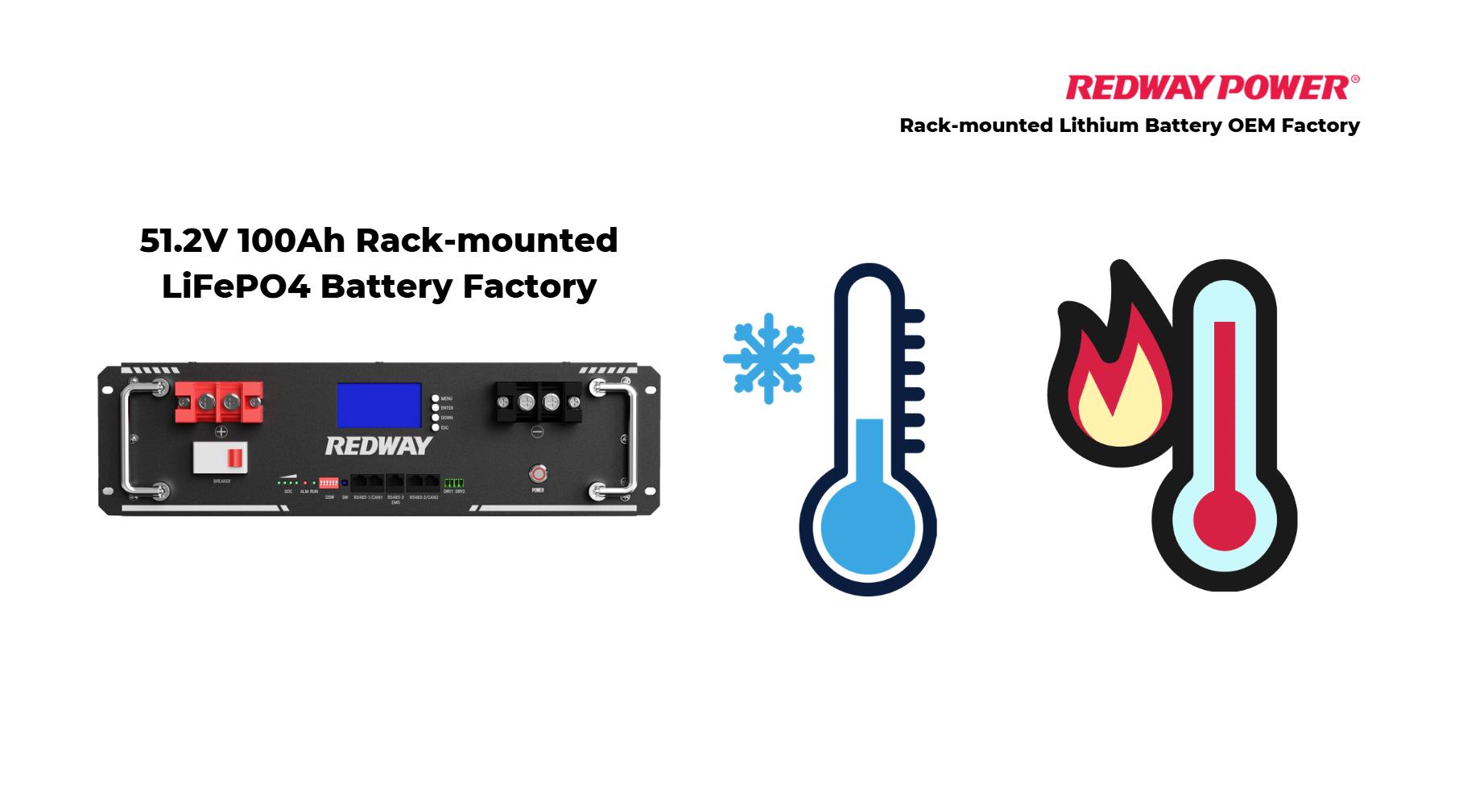
How can users mitigate risks associated with battery failure or overheating?

How Can Users Mitigate Risks Associated with Battery Failure or Overheating?

Mitigating risks associated with battery failure or overheating is essential for ensuring the safety and longevity of lithium-ion batteries such as LiFePO4. Users can adopt several preventive measures, including proper charging techniques, implementing battery management systems (BMS), ensuring adequate ventilation, and conducting regular monitoring.

What Are the Key Preventive Measures Against Battery Failure?

To prevent battery failure, users should implement a combination of strategies that include maintaining optimal operating conditions, adhering to manufacturer guidelines, and conducting regular inspections.Preventive Measures Chart:
MeasureDescription
Proper Charging TechniquesFollow recommended charging profiles
Routine MaintenanceConduct visual inspections and capacity tests
Use Quality ComponentsUtilize manufacturer-recommended chargers

How Can Proper Charging Techniques Enhance Safety?

Proper charging techniques are critical in preventing overheating and potential battery failure. Users should avoid overcharging by using chargers specifically designed for their battery type and adhering to recommended charging times.Charging Guidelines Chart:
GuidelineRecommendation
Charge RateUse appropriate charge rates as per specifications
Charging DurationAvoid overnight charging; monitor charge completion

What Role Does a Battery Management System (BMS) Play?

A BMS is essential for monitoring battery health, managing charge cycles, and ensuring safe operation by preventing overcharging, deep discharging, and thermal runaway.BMS Functions Chart:
FunctionDescription
Voltage MonitoringEnsures cells remain within safe voltage limits
Temperature ControlMonitors heat levels to prevent overheating

How Important Is Adequate Ventilation for Battery Safety?

Adequate ventilation is crucial for dissipating heat generated during charging and discharging processes. Users should install batteries in well-ventilated areas to minimize the risk of overheating.Ventilation Impact Chart:
Ventilation TypeEffect on Temperature
Poor VentilationIncreased risk of overheating
Good VentilationMaintains optimal operating temperatures

What Are Effective Cooling Strategies for High-Performance Applications?

For applications that demand high performance, incorporating active cooling systems such as fans or liquid cooling can significantly reduce the risk of thermal issues.Cooling Strategies Chart:
StrategyDescription
Active CoolingUse fans or liquid cooling systems
Heat SinksInstall heat sinks to dissipate excess heat

How Can Regular Monitoring Help Prevent Overheating?

Regular monitoring involves checking temperature levels, charge status, and overall battery health through sensors or manual checks. This proactive approach allows users to identify potential issues before they escalate.Monitoring Techniques Chart:
TechniqueDescription
Temperature SensorsInstall sensors linked to a BMS
Manual ChecksPeriodically inspect batteries for signs of wear

What Are the Best Practices for Long-Term Battery Storage?

When storing batteries long-term, it is essential to keep them in a cool, dry place away from direct sunlight or extreme temperatures to prevent degradation.Storage Guidelines Chart:
PracticeRecommendation
Ideal TemperatureStore between 0°C (32°F) and 25°C (77°F)
Charge LevelStore at around 50% charge

How Do Environmental Factors Affect Battery Safety?

Environmental factors such as temperature extremes, humidity, and exposure to corrosive substances can significantly impact battery performance and safety. Users should be mindful of these factors when installing or storing batteries.Environmental Impact Chart:
FactorEffect on Battery
High TemperaturesIncreases risk of thermal runaway
HumidityCan lead to corrosion

Conclusion

Mitigating risks associated with battery failure or overheating requires a multi-faceted approach that includes proper charging techniques, effective monitoring systems, adequate ventilation, and adherence to best practices for storage. By implementing these strategies, users can enhance the safety and longevity of their lithium-ion batteries.

Expert Views

“Understanding how to mitigate risks associated with battery failure is crucial in today’s energy-dependent world,” states an expert from Redway Tech. “By adopting proactive measures such as using a BMS and ensuring proper ventilation, users can significantly reduce the likelihood of overheating incidents.”

FAQ Section

  • What are some key preventive measures against battery failure? Key measures include following proper charging techniques, utilizing a BMS, ensuring good ventilation, and conducting regular maintenance checks.
  • How does temperature affect battery safety? Extreme temperatures can increase the risk of thermal runaway; maintaining an optimal temperature range is essential for safe operation.
  • What should I do if my battery overheats? Immediately disconnect it from power sources, allow it to cool in a well-ventilated area, and inspect it for damage before further use.

Why Is It Important to Have a Reliable Battery Management System (BMS) in Place?

Having a reliable Battery Management System (BMS) is essential for ensuring the safety, efficiency, and longevity of lithium-ion batteries used in various applications such as electric vehicles and renewable energy systems. A robust BMS monitors battery health, optimizes performance, and prevents hazardous situations like overheating or overcharging.

What Are the Key Functions of a Battery Management System (BMS)?

A BMS performs several critical functions that are vital for maintaining battery health and safety:
  • Monitoring: Continuously tracks voltage, temperature, and current to ensure safe operation.
  • Protection: Prevents overcharging, deep discharging, and short circuits.
  • Balancing: Ensures all cells within the battery pack are charged evenly to optimize performance.
Functions Overview Chart:
FunctionDescription
MonitoringTracks key parameters continuously
ProtectionPrevents unsafe operating conditions
BalancingEqualizes charge levels among cells

How Does a BMS Enhance Safety for Lithium-Ion Batteries?

Safety is one of the primary reasons for implementing a reliable BMS. It actively monitors battery conditions and can shut down operations if unsafe parameters are detected, thus preventing thermal runaway or other hazardous situations.Safety Features Chart:
Safety FeatureDescription
Overcharge ProtectionDisconnects charging when voltage exceeds limits
Temperature MonitoringShuts down system if temperatures rise too high

What Role Does a BMS Play in Extending Battery Life?

By managing charge cycles effectively and preventing conditions that lead to premature aging, such as overcharging or excessive heat, a BMS significantly extends the lifespan of lithium-ion batteries.Battery Life Extension Chart:
MechanismImpact on Lifespan
Controlled ChargingReduces stress on battery cells
Thermal RegulationMaintains optimal operating temperatures

How Does a BMS Optimize Performance?

A well-designed BMS ensures that batteries operate at peak efficiency by balancing cell voltages during charging and discharging cycles. This optimization leads to improved energy utilization and longer runtimes.Performance Optimization Chart:

What Are the Cost Benefits of Implementing a BMS?

Implementing a reliable BMS can lead to significant cost savings by reducing maintenance needs, extending battery life, and maximizing energy utilization. This efficiency translates into lower operational costs over time.Cost Benefits Chart:
BenefitDescription
Reduced Maintenance CostsFewer repairs needed due to effective monitoring
Increased Energy EfficiencyMore usable energy from each charge

How Does a BMS Contribute to Environmental Sustainability?

By optimizing battery usage and extending their lifespan, a BMS contributes to environmental sustainability by reducing waste associated with battery disposal and minimizing resource consumption during production.

What Are the Risks of Not Using a BMS?

Without a reliable BMS, batteries are at risk of overheating, overcharging, or becoming unbalanced, leading to potential failures or even catastrophic incidents like fires or explosions.

How Can Users Choose the Right BMS for Their Needs?

When selecting a BMS, users should consider factors such as compatibility with their battery type, required features (like temperature monitoring), scalability for future needs, and overall reliability based on manufacturer reputation.

Conclusion

A reliable Battery Management System (BMS) is indispensable for ensuring the safety, longevity, and performance optimization of lithium-ion batteries across various applications. By understanding its functions and benefits, users can make informed decisions that enhance their energy storage solutions.

Expert Views

“A robust Battery Management System is not just an accessory; it is an essential component that ensures safe operation while maximizing battery performance,” states an expert from Redway Tech. Investing in quality management systems pays off through enhanced safety and extended battery life.

FAQ Section

  • What are the main functions of a Battery Management System? A BMS monitors battery parameters, provides protection against unsafe conditions, balances cell voltages, and optimizes performance.
  • How does a BMS enhance safety? It continuously monitors conditions like temperature and voltage, shutting down operations if unsafe levels are detected.
  • What risks are associated with not using a BMS? Without it, batteries may overheat or become unbalanced, leading to potential failures or hazardous situations.
What is the cycle life of typical LiFePO4 rack-mounted batteries?

What Is the Cycle Life of Typical LiFePO4 Rack-Mounted Batteries?

The cycle life of typical LiFePO4 rack-mounted batteries generally ranges from 2000 to over 7000 cycles, depending on various factors such as usage patterns, charging practices, and environmental conditions. Understanding these elements is crucial for maximizing battery longevity and ensuring reliable energy storage solutions.

What Is the Typical Cycle Life of LiFePO4 Rack-Mounted Batteries?

LiFePO4 rack-mounted batteries typically offer a cycle life exceeding 6000 cycles under optimal conditions, with some models reaching up to 7000 cycles or more. This longevity significantly surpasses that of traditional lead-acid batteries, which usually have a cycle life of only 300 to 500 cycles.Chart: Typical Cycle Life Comparison
Battery TypeAverage Cycle Life (Cycles)
LiFePO46000–7000
Lead-Acid300–500

How Do Charging and Discharging Practices Affect Cycle Life?

Charging and discharging practices play a critical role in determining the cycle life of LiFePO4 batteries. Slow charging is preferable as it generates less heat and minimizes stress on battery cells. Additionally, avoiding deep discharges can significantly extend battery lifespan; maintaining a depth of discharge (DoD) around 80% is advisable.Chart: Impact of Charging Methods on Cycle Life
Charging MethodEffect on Cycle Life
Slow ChargingExtends lifespan
Fast ChargingReduces lifespan
OverchargingSignificantly shortens lifespan

What Role Does Depth of Discharge Play in Battery Longevity?

Depth of discharge is a key factor affecting battery longevity; lower DoD generally leads to longer cycle life. For instance, maintaining a DoD at or below 80% can help achieve maximum cycle counts, while deeper discharges can lead to quicker degradation.Chart: Depth of Discharge vs. Cycle Life
Depth of Discharge (%)Average Cycles
80%Up to 7000
100%Approximately 2000

How Do Temperature Conditions Influence Cycle Life?

Temperature conditions significantly impact the performance and cycle life of LiFePO4 batteries. Optimal operating temperatures are typically between 20°C and 30°C (68°F to 86°F). Extreme heat can accelerate degradation, while very low temperatures can reduce efficiency.Chart: Temperature Effects on Battery Performance
Temperature Range (°C)Effect on Performance
20–30Optimal performance
Above 45Accelerated degradation
Below 0Reduced efficiency

What Are the Best Practices for Extending the Cycle Life?

To maximize cycle life, implement best practices such as maintaining optimal charging rates, avoiding deep discharges, ensuring proper thermal management, and utilizing a quality battery management system (BMS). Regular maintenance checks also contribute to longevity.Chart: Best Practices for Extending Cycle Life
PracticeDescription
Optimal ChargingUse slow charging rates
Avoid Deep DischargesKeep DoD below 80%
Thermal ManagementMaintain ideal temperature

How Does Battery Management System (BMS) Impact Cycle Life?

A robust battery management system (BMS) enhances cycle life by monitoring individual cell voltages, managing charge levels, and providing thermal protection. A well-designed BMS can prevent overcharging and overheating, both critical factors in prolonging battery lifespan.Chart: BMS Features Impacting Longevity
BMS FeatureBenefit
Cell Voltage MonitoringPrevents over-voltage issues
Temperature ControlMaintains optimal operating conditions

What Are the Environmental Benefits of Using LiFePO4 Batteries?

LiFePO4 batteries are considered environmentally friendly due to their non-toxic materials and lower risk profile compared to other lithium-ion chemistries. They do not contain cobalt or lead, which are associated with significant environmental concerns.Chart: Environmental Impact Comparison
MaterialEnvironmental Concerns
Lead-AcidToxicity
Lithium CobaltMining impacts
LiFePO4Low toxicity

How Do Different Brands Compare in Terms of Cycle Life?

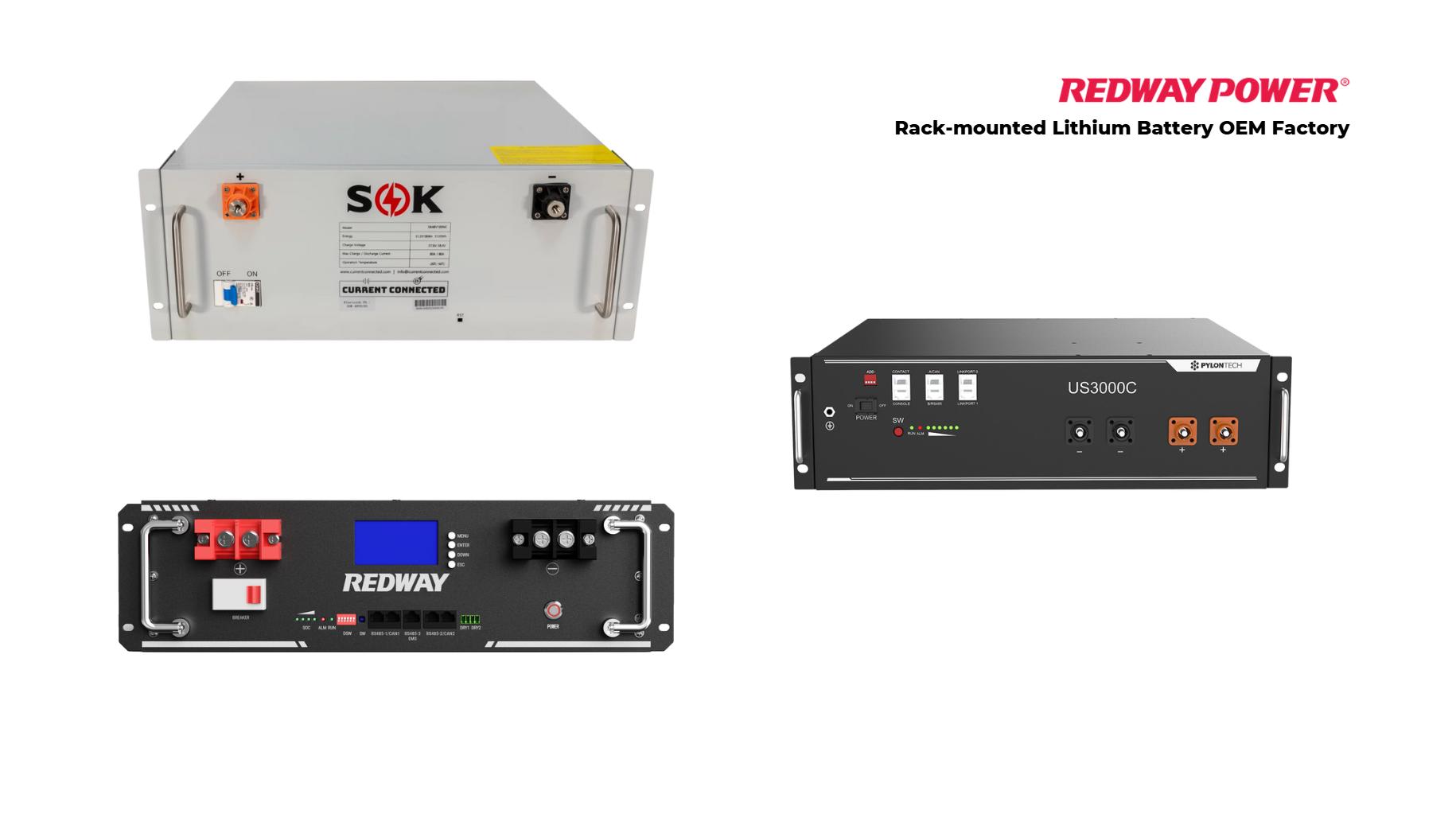
Various brands offer different specifications regarding cycle life for their LiFePO4 batteries. For example, SOK batteries often claim up to 7000 cycles, while Pylontech typically offers around 6000 cycles depending on usage patterns.Chart: Brand Comparison on Cycle Life
BrandAverage Cycle Life
SOKUp to 7000
PylontechApproximately 6000

Conclusion

The cycle life of typical LiFePO4 rack-mounted batteries ranges from approximately 2000 to over 7000 cycles depending on various factors including charging practices, depth of discharge, temperature conditions, and proper management systems. By understanding these elements and implementing best practices, users can maximize their battery’s longevity and efficiency.

Expert Views

“LiFePO4 technology offers remarkable advantages in terms of cycle life compared to traditional battery technologies,” states an expert from Redway. “By adhering to optimal usage practices and leveraging advanced battery management systems, users can significantly extend their investment’s lifespan.”

FAQ Section

  • What is the average cycle life for LiFePO4 batteries? The average cycle life typically ranges from 2000 to over 7000 cycles based on usage patterns.
  • How does depth of discharge affect battery lifespan? Maintaining a lower depth of discharge generally leads to longer cycle life; keeping it below 80% is ideal.
  • What temperature range is best for operating LiFePO4 batteries? The optimal temperature range is between 20°C and 30°C (68°F to 86°F) for maximum performance.
How Do LiFePO4 Batteries Perform Under Various Load Conditions?

How Do LiFePO4 Batteries Perform Under Various Load Conditions?

LiFePO4 batteries demonstrate unique performance characteristics under various load conditions, making them suitable for a range of applications from electric vehicles to renewable energy systems. Their ability to handle high discharge rates, coupled with their thermal stability, allows them to maintain efficiency even under demanding circumstances.

What Is the Impact of Load Conditions on LiFePO4 Battery Performance?

LiFePO4 batteries are designed to perform efficiently across a variety of load conditions, but their performance can vary significantly based on the nature and intensity of the load applied. Under normal operating conditions, they can deliver stable power output, but as load increases, potential issues such as voltage drop and heat generation may arise.Performance Metrics Chart:
Load ConditionVoltage DropCycle Life Impact
Light LoadMinimalLong-lasting
Moderate LoadModerateModerate
High LoadSignificantReduced

How Do High Discharge Rates Affect Cycle Life?

High discharge rates can lead to accelerated wear and tear on LiFePO4 batteries, resulting in a shortened cycle life. While these batteries can handle high C-rates (the rate at which a battery is charged or discharged), consistently operating at or near maximum capacity may reduce their lifespan significantly.Cycle Life vs Discharge Rate Chart:
Discharge Rate (C-rate)Expected Cycle Life
0.5C2000+ cycles
1C800 cycles
2C300 cycles

What Role Does Temperature Play in Battery Efficiency?

Temperature has a profound impact on the efficiency and performance of LiFePO4 batteries. They operate best within a temperature range of 20°C to 45°C (68°F to 113°F). Outside this range, performance can degrade, leading to reduced capacity and increased internal resistance.Temperature Impact Chart:
Temperature RangePerformance Effect
Below 0°CReduced capacity
20°C to 45°COptimal performance
Above 45°CRisk of thermal runaway

How Do Different Load Profiles Affect Battery Life?

Different load profiles—ranging from steady-state loads to intermittent high bursts—can affect battery health differently. Consistent high loads may lead to faster degradation compared to variable loads that allow for periods of rest and recovery.Know More:How Do LiFePO4 Batteries Perform Under Various Load Conditions? What Is the Cycle Life of Typical LiFePO4 Rack-Mounted Batteries? How Does Temperature Affect the Performance of LiFePO4 Batteries?

What Are the Safety Considerations for High Load Applications?

When operating under high load conditions, safety becomes paramount. Overheating can lead to thermal runaway; thus, incorporating thermal management systems is essential to ensure safe operation during peak demand periods.

How Can You Optimize Charging Strategies for Varying Loads?

Optimizing charging strategies involves adjusting charge currents based on load conditions and usage patterns. Keeping charge levels between 20% and 80% can prolong battery life while also ensuring availability during peak demand times.

What Are the Self-Discharge Rates of LiFePO4 Batteries?

LiFePO4 batteries typically have a low self-discharge rate, usually below 3% per month, which makes them ideal for applications where they may not be used frequently.

Conclusion

Understanding how LiFePO4 batteries perform under various load conditions is crucial for optimizing their use in practical applications. By recognizing the effects of discharge rates, temperature, load profiles, safety considerations, and self-discharge rates, users can maximize battery efficiency and lifespan.

Expert Views

“LiFePO4 batteries are incredibly versatile but require careful management under varying loads,” states an expert from Redway Tech. “By understanding their performance characteristics and implementing optimal charging strategies, users can significantly enhance both safety and longevity.”

FAQ Section

  • How do load conditions affect LiFePO4 battery performance? Load conditions directly impact voltage stability and cycle life; higher loads may lead to voltage drops and reduced lifespan.
  • What happens if I frequently use high discharge rates? Frequent use at high discharge rates can significantly shorten the cycle life of a LiFePO4 battery.
  • What temperature range is optimal for LiFePO4 batteries? LiFePO4 batteries perform best within a temperature range of 20°C to 45°C (68°F to 113°F).
How Does Temperature Affect the Performance of LiFePO4 Batteries?

How Does Temperature Affect the Performance of LiFePO4 Batteries?

Temperature significantly affects the performance of LiFePO4 batteries, with optimal operating conditions typically between 20°C and 30°C (68°F to 86°F). Deviations from this range can lead to reduced capacity, efficiency losses, and potential safety risks. Understanding these impacts is crucial for maximizing battery longevity and reliability.

What Is the Optimal Temperature Range for LiFePO4 Batteries?

LiFePO4 batteries perform best within an optimal temperature range of 20°C to 30°C (68°F to 86°F). Within this range, they can deliver their full rated capacity with minimal degradation over time. Operating outside this range can lead to diminished performance and increased wear.Chart: Optimal Operating Temperatures
ConditionRecommended Range (°C)
Optimal Operation20°C to 30°C
Charging5°C to 45°C
Discharging-20°C to 60°C

How Do Low Temperatures Affect Performance?

At low temperatures, particularly below 0°C (32°F), LiFePO4 batteries experience reduced capacity and increased internal resistance. For instance, at -20°C (-4°F), a battery may only achieve about 60% of its rated capacity, resulting in slower discharge rates and diminished efficiency.Chart: Capacity Reduction at Low Temperatures
Temperature (°C)Capacity (% of Rated)
25100%
0~80%
-20~60%

How Do High Temperatures Impact LiFePO4 Batteries?

Conversely, high temperatures can lead to increased self-discharge rates and potential safety hazards such as thermal runaway. While LiFePO4 batteries can operate up to 60°C (140°F), prolonged exposure above this threshold can significantly reduce cycle life and overall performance.Chart: Effects of High Temperatures

What Are the Best Practices for Thermal Management?

To ensure optimal performance, it is essential to implement thermal management strategies such as proper ventilation, insulation during extreme weather conditions, and using battery heaters or coolers when necessary. Regular monitoring of battery temperature can also help prevent issues.Chart: Thermal Management Strategies
StrategyDescription
VentilationEnsure adequate airflow
InsulationProtect against extreme cold
Heating/Cooling SystemsUse heaters or coolers as needed

How Does Temperature Influence Battery Longevity?

Temperature directly impacts battery longevity; consistent operation within optimal ranges can extend cycle life significantly. Conversely, frequent exposure to extreme temperatures can accelerate degradation, reducing overall lifespan.Chart: Impact of Temperature on Cycle Life
Average Operating Temp (°C)Estimated Cycle Life (Cycles)
25~6000
Above 40~3000
Below 0~2000

How Do Different Brands Address Temperature Sensitivity?

Different brands may utilize various materials and designs to mitigate temperature sensitivity in their LiFePO4 batteries. Some manufacturers incorporate advanced thermal management systems that enhance performance across a broader temperature range.Chart: Brand Comparison on Thermal Management
BrandThermal Management Features
Brand AAdvanced BMS with cooling
Brand BInsulation and heating options

What Are the Safety Risks Associated with Extreme Temperatures?

Operating LiFePO4 batteries outside their recommended temperature ranges poses safety risks such as reduced capacity, increased self-discharge rates, and potential thermal runaway at high temperatures. Proper monitoring and adherence to guidelines are essential for safety.Chart: Safety Risks by Temperature
ConditionRisk Level
High (>60°C)High risk of thermal runaway
Low (<0°C)Reduced capacity

How Can Users Monitor Battery Temperature Effectively?

Users can monitor battery temperature using built-in sensors integrated into modern battery management systems (BMS). Additionally, external temperature monitoring devices can provide real-time data, allowing users to take preventive measures when necessary.Chart: Monitoring Methods
MethodDescription
Built-in BMSReal-time temperature alerts
External SensorsAdditional monitoring options

Conclusion

Temperature plays a critical role in determining the performance and longevity of LiFePO4 batteries. By understanding how both low and high temperatures affect battery behavior, users can implement effective strategies for thermal management that enhance battery life and ensure reliable operation across various applications.

Expert Views

“Temperature management is vital when using LiFePO4 batteries,” states an expert from Redway. “By adhering to recommended operating conditions and utilizing effective monitoring systems, users can significantly enhance both performance and safety.”

FAQ Section

  • What is the optimal operating temperature for LiFePO4 batteries? The optimal operating temperature range is between 20°C and 30°C (68°F to 86°F).
  • How do low temperatures affect battery capacity? At low temperatures, especially below freezing, capacity can drop significantly—down to about 60% at -20°C (-4°F).
  • What should I do if my battery is exposed to extreme temperatures? Implement thermal management strategies such as insulation or cooling systems and regularly monitor battery temperature.
How Do Different Brands (e.g., SOK, Pylontech) Compare in Terms of Performance and Price?

How Do SOK and Pylontech Batteries Compare in Performance and Price?

When comparing rack-mounted batteries from different brands like SOK and Pylontech, it’s essential to evaluate performance metrics, pricing structures, features, and customer experiences. This article provides a comprehensive analysis to help you make an informed decision about which battery best suits your needs.

How Do Pylontech Batteries Perform Compared to SOK?

Pylontech batteries generally offer a longer cycle life and higher depth of discharge (DoD) compared to SOK batteries. Pylontech models, such as the US5000, provide around 8,000 cycles at 95% DoD, while SOK batteries typically have a lower cycle life. However, SOK batteries are often more affordable, making them a cost-effective option for many users.
FeaturePylontechSOK
Cycle Life~6000 cyclesUp to 7000 cycles
Depth of Discharge95%80%
Usable Capacity2.16 kWh (US2000C)5.12 kWh (48V model)

What Are the Key Features of Pylontech Batteries?

Pylontech batteries feature advanced battery management systems (BMS) for safety, offering protection against overcharge, over-discharge, and temperature extremes. They support modular stacking for scalability, have a long cycle life of up to 8,000 cycles at 95% DoD, and are compatible with various inverters for easy integration into existing systems.

What Are the Key Features of SOK Batteries?

SOK batteries are known for their affordability and solid performance. They typically offer a good balance of capacity and power rating, with a focus on high discharge rates. SOK batteries also feature built-in BMS for safety and reliability, making them suitable for various applications including off-grid systems.
FeatureDescription
Smart BMSIncludes multiple safety features
UL9540 CertificationEnsures safety standards
Low Self-Discharge RateIdeal for long-term storage

How Do Pricing Structures Compare Between Brands?

Pricing structures vary significantly; Pylontech batteries tend to be more expensive due to their advanced features and longer cycle life, often priced around $2,500 to $3,300 per unit. In contrast, SOK batteries are generally more budget-friendly, with prices ranging from $1,500 to $2,200 depending on specifications.
BrandPrice per kWh
Pylontech~$480
SOK~$500-$600

What Are the Customer Reviews and Experiences with Each Brand?

Customer reviews indicate that Pylontech users appreciate the longevity and reliability of their batteries but note the higher price. SOK users often highlight the cost-effectiveness and decent performance but may mention shorter cycle life compared to Pylontech. Overall satisfaction varies based on individual needs and expectations.
BrandPositive FeedbackNegative Feedback
PylontechReliabilitySupply chain issues
SOKCustomer serviceFewer advanced features

How Does Warranty Coverage Differ Between Brands?

Pylontech typically offers robust warranty coverage of up to 10 years, reflecting confidence in their product’s durability. SOK batteries usually come with a shorter warranty period of around 5 years. Warranty terms can influence purchasing decisions based on perceived reliability and long-term value.
BrandWarranty Duration
PylontechUp to 10 years
SOKUp to 20 years

What Are the Installation Requirements for Each Brand?

Both Pylontech and SOK batteries require compatible mounting systems and proper ventilation for optimal performance. Pylontech batteries are designed for easy integration into standard server racks, while SOK batteries may require additional mounting hardware depending on the setup. Always follow manufacturer guidelines during installation.
BrandInstallation Complexity
PylontechModerate
SOKEasy

How Do Environmental Ratings Impact Battery Selection?

Environmental ratings impact battery selection by indicating how well a battery can perform under specific conditions such as temperature and humidity. Batteries with higher ratings are better suited for extreme environments. Choosing a battery that matches your local climate ensures reliable operation and longevity in your application.
BrandEnvironmental Rating
PylontechIP20 (indoor use only)
SOKIP65 (suitable for harsher conditions)

Conclusion

When comparing rack-mounted battery brands like SOK and Pylontech, it’s crucial to consider factors such as performance metrics, pricing structures, features, customer experiences, warranty coverage, installation requirements, and environmental ratings. By evaluating these aspects thoroughly, consumers can make informed decisions tailored to their energy storage needs.

Expert Views

“Understanding the nuances between different battery brands is essential for making an informed choice,” states an expert from Redway. “Both SOK and Pylontech offer unique advantages that cater to varying consumer needs.”

FAQ Section

  • Which brand offers better longevity? Generally, SOK batteries have a longer lifespan potential compared to Pylontech due to their design specifications.
  • Are there significant price differences between SOK and Pylontech? Yes, while both brands are competitively priced, Pylontech typically offers lower costs per kWh compared to SOK.
  • What should I consider when choosing between these two brands? Consider your specific energy needs, budget constraints, installation environment, and desired warranty coverage when making your choice.
What factors should be considered when selecting a rack-mounted battery?

What Factors Should You Consider When Selecting a Rack-Mounted Battery?

Selecting a rack-mounted battery involves careful consideration of several critical factors to ensure optimal performance and reliability. When selecting a rack-mounted battery, consider factors such as battery chemistry, capacity, power rating, physical size, thermal management, cycle life, warranty terms, scalability for future needs, environmental conditions, and inverter efficiency. Evaluating these aspects ensures you choose a battery that meets your energy requirements and operational goals.

What Is the Importance of Battery Chemistry in Selection?

Battery chemistry is crucial as it affects performance characteristics, safety, and longevity. For instance, LiFePO4 batteries offer excellent thermal stability and cycle life. Understanding the chemistry helps ensure compatibility with your application and minimizes risks associated with overheating or degradation.Chart: Comparison of Battery Chemistries
Chemistry TypeSafetyLifespan (Cycles)Energy Density
LiFePO4HighUp to 10,000Moderate
Lead AcidModerate300-500Low
Nickel-basedVariable500-1,000High

How Do Capacity and Power Rating Influence Your Choice?

Capacity (measured in ampere-hours or kilowatt-hours) indicates how much energy a battery can store, while power rating (in kilowatts) reflects its ability to deliver energy. Choosing a battery with appropriate capacity and power rating ensures it can handle your load requirements effectively during operation.Chart: Capacity vs. Power Rating

Why Is Physical Size and Form Factor Critical?

Physical size and form factor are critical to ensure the battery fits within your rack system. It’s essential to match standard rack dimensions for seamless integration while considering weight limits to avoid structural issues. Proper sizing also facilitates maintenance and airflow around the batteries.
Rack SizeWidth (inches)
Standard 19-inch rack19
Custom sizesVaries

How Does Thermal Management Affect Battery Performance?

Thermal management significantly impacts battery performance by regulating temperature during operation. Effective cooling prevents overheating, which can lead to reduced efficiency and lifespan. Ensuring batteries operate within optimal temperature ranges enhances reliability and safety during use.
Cooling MethodDescription
Active CoolingFans or cooling systems
Passive CoolingNatural airflow without additional systems

What Role Do Cycle Life and Warranty Play in Decision Making?

Cycle life indicates how many charge-discharge cycles a battery can endure before significant capacity loss occurs. A longer cycle life reduces replacement frequency and costs. Warranty terms reflect manufacturer confidence; a robust warranty often indicates quality and reliability in the product.
Cycle LifeWarranty Duration
3,000 cycles5 years
10,000 cycles10 years

How Can Scalability Impact Future Needs?

Scalability allows you to expand your energy storage capacity as your needs grow. Choosing a modular battery system enables easy addition of more units without significant redesigns. This flexibility ensures that your energy solution remains effective over time as demands change.
Scalability TypeDescription
Modular SystemsAdd or remove modules as needed
Fixed SystemsLimited expansion capabilities

What Are the Environmental Considerations for Rack-Mounted Batteries?

Environmental considerations include temperature range, humidity levels, and exposure to elements. Choose batteries designed for specific climate conditions to ensure optimal performance. Additionally, consider recycling options and the environmental impact of materials used in the battery’s construction.
ConditionEffect
High TemperaturesAccelerated degradation
High HumidityRisk of corrosion

How Does Inverter Efficiency Affect Overall Performance?

Inverter efficiency affects overall performance by determining how effectively stored energy is converted for use. Higher efficiency means less energy loss during conversion, maximizing the usable power from your batteries. Selecting an efficient inverter optimizes system performance and enhances overall energy savings.
Efficiency RatingEffective Capacity Loss
85%15% loss
95%5% loss

Conclusion

When selecting a rack-mounted battery, it is essential to consider various factors including battery chemistry, capacity, physical size, thermal management, cycle life, scalability, environmental conditions, and inverter efficiency. By carefully evaluating these aspects, users can ensure they choose a reliable energy storage solution tailored to their specific needs.

Expert Views

“Selecting the right rack-mounted battery requires thorough consideration of multiple factors,” states an expert from Redway. “Understanding how each element affects performance will empower users to make informed choices that enhance system reliability.”

FAQ Section

  • What types of batteries are best for rack-mounted applications? LiFePO4 batteries are often preferred due to their safety features, long cycle life, and thermal stability compared to traditional lead-acid batteries.
  • How do I determine the capacity needed for my application? Calculate the total wattage of all devices connected to determine the required capacity while considering future growth.
  • What maintenance is required for rack-mounted batteries? Regular inspections, cleaning terminals, monitoring charge levels, and ensuring proper ventilation are essential maintenance practices.
Choosing the Right LiFePO4 Rack Mounted Battery

How Can You Choose the Right LiFePO4 Rack Mounted Battery?

Choosing the right LiFePO4 rack mounted battery is essential for ensuring reliable energy storage tailored to your specific needs. To choose the right LiFePO4 rack-mounted battery, consider factors like capacity, safety, and compatibility with your system’s voltage. Evaluate the physical size to ensure it fits your rack and assess scalability for future needs. Additionally, check for monitoring capabilities and the manufacturer’s reputation for reliability.

What Is the Importance of Battery Chemistry in Selection?

Battery chemistry is crucial because it determines safety, cycle life, and performance characteristics. LiFePO4 chemistry offers enhanced thermal stability and longevity compared to other lithium-ion types. Understanding chemistry helps ensure you select a battery that meets your specific application needs while minimizing risks.

Battery Chemistry Comparison Chart:

Chemistry TypeSafetyLifespanEnergy Density
LiFePO4High2000-10,000 cyclesModerate
Lithium-ionModerate500-2000 cyclesHigh
Lead-acidLow300-500 cyclesLow

How Do Capacity and Power Rating Influence Your Choice?

Capacity (measured in ampere-hours) indicates how much energy a battery can store, while power rating (in kilowatts) reflects its ability to deliver energy. Choosing a battery with adequate capacity and power rating ensures it can support your load requirements effectively during operation.

Capacity vs Power Rating Chart:

MetricDescription
Capacity (kWh)Total energy storage available
Power Rating (kW)Maximum output power during peak demand

What Physical Size and Form Factor Should You Consider?

Consider the physical size and form factor of the battery to ensure it fits within your rack system. Measure available space and account for ventilation needs. Choose a design that allows for easy installation and maintenance while accommodating future expansion if necessary.

Know More:

How Can You Choose the Right LiFePO4 Rack Mounted Battery?
What Factors Should You Consider When Selecting a Rack-Mounted Battery?
How Do SOK and Pylontech Batteries Compare in Performance and Price?
Best Models of LiFePO4 Rack-Mounted Batteries in 2025

How Does Thermal Management Affect Battery Performance?

Thermal management is vital for maintaining optimal battery performance. Effective cooling prevents overheating, which can lead to reduced efficiency and lifespan. Proper thermal design ensures that the battery operates within safe temperature ranges, enhancing reliability and safety during use.

Why Are Safety Features Critical When Choosing a Battery?

Safety features are critical to prevent hazards like thermal runaway or fire. Look for batteries with built-in protection mechanisms such as overcharge, over-discharge, and short-circuit protection. Prioritizing safety helps ensure reliable operation and minimizes risks associated with battery use.

How Can You Assess Your Energy Needs for Battery Selection?

Assess energy needs by calculating total load requirements based on devices you plan to power. Consider both continuous and peak power demands, as well as duration of use. This evaluation helps determine the appropriate capacity and power rating for your selected LiFePO4 battery.

What Are the Environmental Considerations When Choosing a Battery?

Environmental considerations include not only the physical location where the battery will be installed but also factors such as temperature fluctuations, humidity levels, and exposure to corrosive substances that may affect battery lifespan.

How Do Monitoring Features Impact Battery Performance?

Monitoring features provide real-time data on battery health, charge status, and performance metrics, allowing users to make informed decisions about maintenance and operation. Advanced monitoring systems can enhance overall efficiency by optimizing charging cycles based on usage patterns.

Conclusion

Selecting the right LiFePO4 rack mounted battery involves careful consideration of several factors including chemistry, capacity, physical dimensions, thermal management, safety features, energy needs assessment, environmental conditions, and monitoring capabilities. By understanding these elements, users can ensure they choose a battery that meets their specific requirements while maximizing performance and longevity.

Expert Views

“Choosing the right LiFePO4 rack mounted battery is not just about specifications; it’s about understanding how those specifications align with your operational needs,” states an expert from Redway Tech. “By focusing on safety features and monitoring capabilities alongside capacity requirements, you can significantly enhance your system’s reliability.”

FAQ Section

  • What are the key factors to consider when selecting a LiFePO4 battery?
    Key factors include battery chemistry, capacity and power rating, physical size and form factor, thermal management features, safety considerations, and available monitoring options.
  • How does capacity impact my choice of battery?
    Capacity determines how much energy can be stored; it should align with both current usage patterns and anticipated future demands.
  • Why is thermal management important for battery performance?
    Effective thermal management prevents overheating which can reduce efficiency or lead to failure; it’s crucial for maintaining optimal operating conditions.
Best Models of LiFePO4 Rack-Mounted Batteries Available in 2024

Best Models of LiFePO4 Rack-Mounted Batteries in 2025

In 2025, selecting the best LiFePO4 rack-mounted batteries involves evaluating several top models that cater to various energy storage needs. Leading options include EG4 LifePower4, Redway Power, Aolithium, Powersync, GoKWh, and PKNERGY batteries, each offering unique features tailored for reliability and efficiency.

What Are the Top Lithium LiFePO4 Batteries Available in 2025?

The leading models for rack-mounted applications in 2025 include:
  • EG4 LifePower4
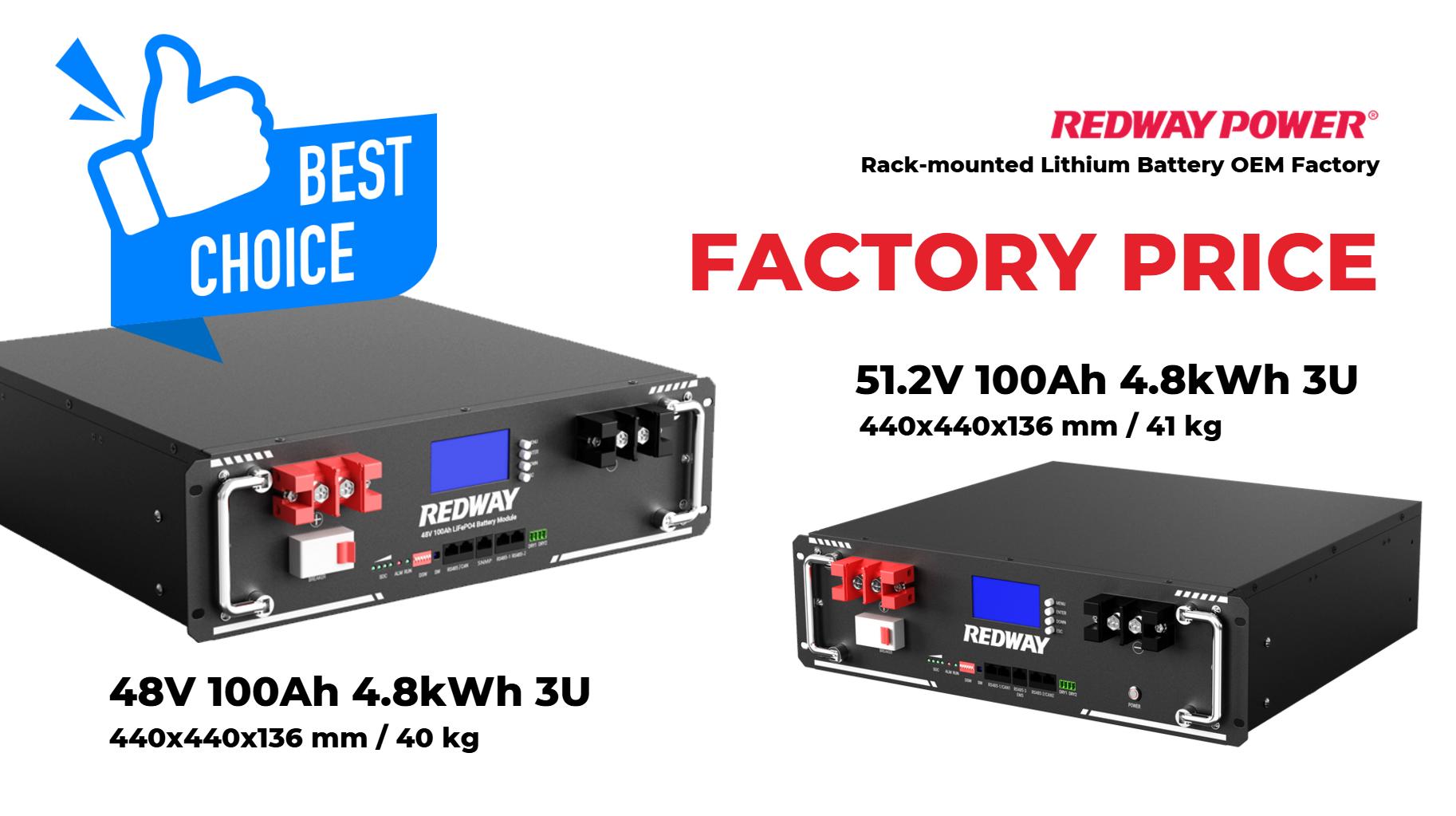
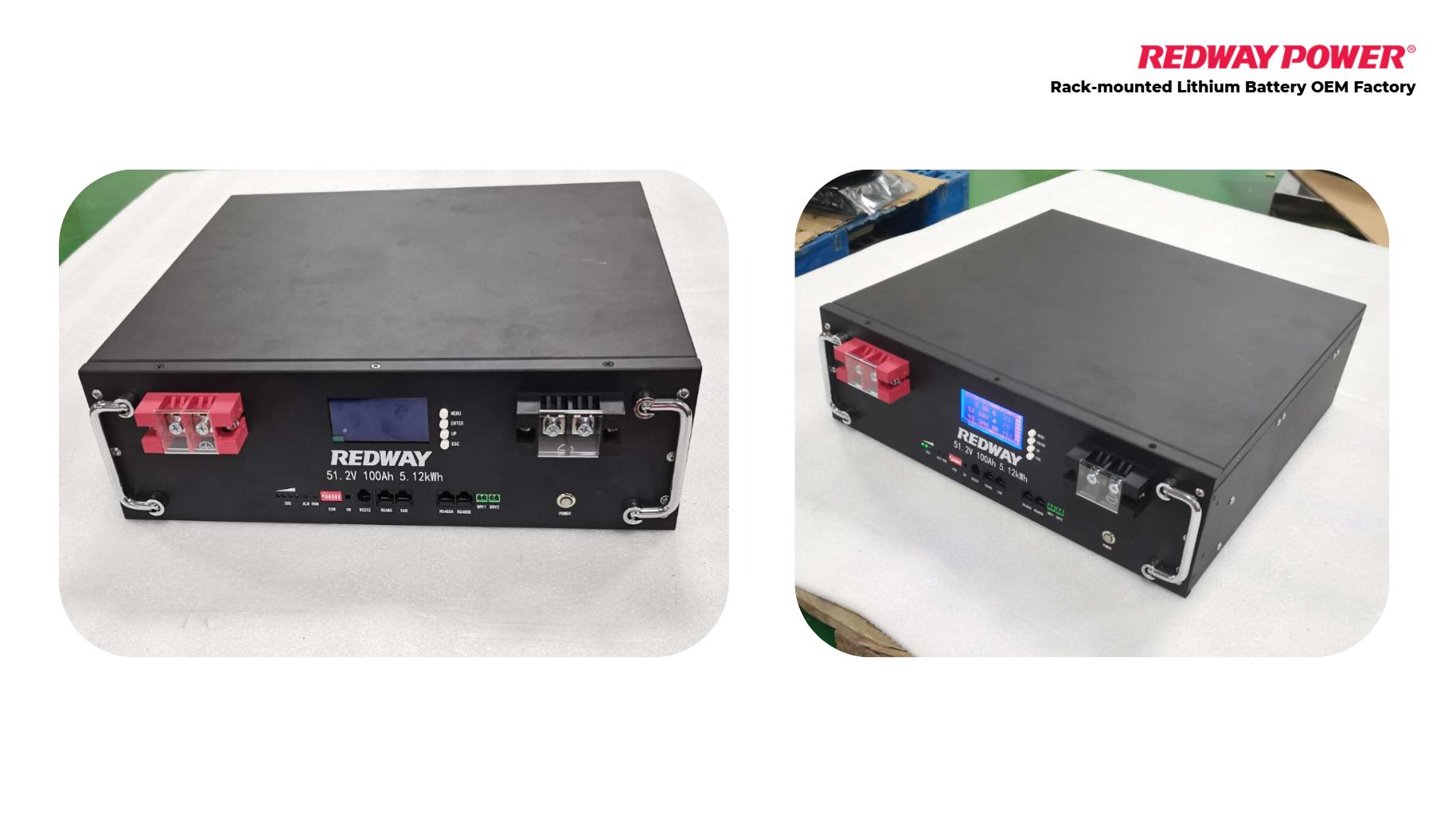
  • Redway Power 48V 100Ah
  • Aolithium 51.2V 100Ah
  • Powersync High Power
  • GoKWh 51.2V 100Ah
  • PKNERGY 3U 51.2V 100Ah
These batteries are designed to meet diverse requirements in data centers, renewable energy systems, and critical power applications.

How Does the EG4 LifePower4 Battery Stand Out?

The EG4 LifePower4 battery stands out with its impressive 7,000 deep charge cycles and a 10-year warranty. It features a built-in battery management system (BMS) for safety and efficiency, operates at 99% efficiency, and allows for parallel connections of up to 64 batteries, making it versatile for various applications.Performance Metrics Chart:

What Key Features Does the Redway Power Battery Offer?

Redway Power batteries are known for their modular design, allowing easy upgrades and replacements. They incorporate advanced battery management systems (BMS) for safety, ensuring protection against overcharging and overheating. These batteries also emphasize sustainability in manufacturing, making them a reliable choice for various energy storage applications.Key Features Chart:
FeatureDescription
Voltage48V
Capacity100Ah
Fast-Charging CapabilityYes
Safety FeaturesAdvanced BMS

What Are the Specifications of Aolithium Batteries?

Aolithium batteries typically feature a nominal voltage of 51.2V and capacities ranging from 100Ah to higher options. They are designed for long cycle life, often exceeding 6,000 cycles at 80% depth of discharge. Their robust BMS ensures safe operation and efficient energy management in various applications.Aolithium Specs Chart:
SpecificationValue
Voltage51.2V
Capacity100Ah
EfficiencyHigh

How Do Powersync High Power Batteries Perform?

Powersync high power batteries deliver reliable performance with a nominal capacity of 100Ah and an energy output of 5.12kWh. They have a cycle life of around 6,000 cycles while retaining 70% capacity. With over 98% discharge efficiency, these batteries are ideal for high-demand applications requiring consistent power delivery.Performance Overview Chart:
SpecificationValue
Nominal VoltageVaries (12.8V / 51.2V)
CapacityUp to 400Ah
Cycle LifeUp to 6000 cycles

What Are the Benefits of GoKWh 51.2V 100Ah Batteries?

GoKWh 51.2V 100Ah batteries offer excellent energy density and long cycle life, making them suitable for various applications. They feature built-in BMS for enhanced safety and performance monitoring. Their compact design allows easy installation in rack-mounted systems, providing reliable energy storage solutions.

Why Choose PKNERGY 3U 51.2V 100Ah Rack Mounted Battery?

The PKNERGY 3U 51.2V 100Ah rack-mounted battery is designed for high performance with a robust BMS ensuring safety during operation. Its compact size fits standard racks easily, while its long cycle life makes it a cost-effective choice for energy storage in residential or commercial applications.PKNERGY Specs Chart:
SpecificationValue
Voltage51.2V
Capacity100Ah
Cycle LifeUp to 6000 cycles

How Do Warranty and Support Impact Your Choice?

Warranty and support are crucial factors when selecting a battery. A longer warranty period indicates manufacturer confidence in product durability, while responsive customer support ensures assistance with installation and troubleshooting. Reliable warranty coverage can significantly reduce long-term ownership costs and enhance peace of mind.

Conclusion

Choosing from the best models of LiFePO4 rack-mounted batteries available in 2025 requires careful consideration of specifications, features, and intended applications. The EG4 LifePower4, Redway Power, Aolithium, Powersync, GoKWh, and PKNERGY batteries all present excellent options tailored to various energy storage needs.

Expert Views

“Selecting a high-quality LiFePO4 rack-mounted battery is crucial for ensuring reliable power supply in critical applications,” states an expert from Redway Tech. “Understanding each model’s unique features can help users make informed decisions that align with their operational requirements.”

FAQ Section

  • What are the best LiFePO4 rack-mounted batteries available in 2025? The top models include EG4 LifePower4, Redway Power, Aolithium, Powersync High Power, GoKWh, and PKNERGY batteries.
  • How do I choose between different battery models? Consider factors such as capacity, voltage ratings, cycle life, safety features, and specific application needs when choosing a battery model.
  • What role does warranty play in my battery selection? A longer warranty often indicates manufacturer confidence in product durability; it also provides peace of mind regarding potential future issues.
How to Troubleshoot Common Issues with Rack-Mounted LiFePO4 Batteries

How Can You Troubleshoot Common Issues with Rack-Mounted LiFePO4 Batteries?

Troubleshooting common issues with rack-mounted LiFePO4 batteries is essential for maintaining optimal performance and longevity. Users can identify problems through systematic checks, follow effective troubleshooting steps, and implement preventive maintenance practices. This guide provides comprehensive insights into diagnosing and resolving common battery issues.

How Do You Identify Common Issues with Rack-Mounted LiFePO4 Batteries?

Common issues with rack-mounted LiFePO4 batteries can be identified by checking for symptoms like reduced capacity, swelling, or unusual heat. Use a multimeter to measure voltage and ensure connections are secure. Monitoring the battery management system (BMS) alerts you to any faults or performance drops.Chart: Symptoms of Common Battery Issues
SymptomPossible Cause
Reduced RuntimeAging battery or poor connections
Failure to ChargeFaulty charger or battery management system (BMS) issues
OverheatingPoor ventilation or internal damage

What Are the Steps for Effective Troubleshooting?

Effective troubleshooting involves several steps: first, inspect the charger and cables for damage. Next, check the battery for swelling or leakage. Clean connections and ensure they are secure. Finally, verify the BMS settings and update any necessary firmware to resolve issues. Chart: Step-by-Step Troubleshooting Process
StepAction
Inspect ChargerTest with another charger
Check ConnectionsEnsure all connections are secure
Clean TerminalsUse isopropyl alcohol on terminals
Verify BMS SettingsCheck if any protections are triggered

How Can You Address Charging Problems?

To address charging problems, first check if the charger is functioning properly and compatible with your battery. Inspect connections for corrosion or looseness. If issues persist, measure the battery voltage with a multimeter and ensure it’s within the acceptable range before attempting to charge again. Chart: Charging Problem Diagnosis
IssueSolution
Insufficient VoltageUse a compatible charger
Undervoltage ProtectionActivate battery using a specific charger

What Maintenance Practices Help Prevent Issues?

Preventive maintenance practices include regular inspections of battery connections, cleaning terminals, and monitoring charge levels. Avoid deep discharges and store batteries in optimal conditions. Following manufacturer guidelines for charging and usage also helps prevent common issues from arising. Chart: Recommended Maintenance Practices
PracticeFrequency
Clean TerminalsMonthly
Inspect ConnectionsMonthly
Capacity TestingQuarterly

How Do You Recognize When to Replace a Battery?

Recognize when to replace a LiFePO4 battery by observing signs like significant capacity loss, swelling, or consistent failure to hold charge. If the battery frequently triggers BMS protection or shows abnormal voltage readings, it may be time for a replacement.Chart: Indicators for Battery Replacement
IndicatorAction
SwellingImmediate replacement
Reduced CapacityConsider replacement
OverheatingInvestigate cause; replace if persistent

How Can Environmental Factors Affect Battery Performance?

Environmental factors such as temperature extremes, humidity levels, and exposure to contaminants can significantly impact battery performance. Ensuring proper ventilation and avoiding extreme conditions can help maintain optimal functionality. Chart: Environmental Impact on Performance
FactorEffect
High TemperaturesAccelerated degradation
High HumidityRisk of corrosion

What Tools Are Essential for Troubleshooting LiFePO4 Batteries?

Essential tools include multimeters for voltage checks, cleaning supplies like isopropyl alcohol, and appropriate chargers designed for LiFePO4 batteries. Having these tools readily available simplifies troubleshooting tasks. Chart: Essential Tools for Troubleshooting
ToolPurpose
MultimeterVoltage measurement
Cleaning SuppliesTerminal maintenance
Specialized ChargerSafe charging practices

How Do Firmware Updates Influence Battery Functionality?

Firmware updates can enhance battery management systems by improving monitoring capabilities and addressing known issues. Keeping firmware current ensures optimal performance and safety features are functioning correctly.Chart: Benefits of Firmware Updates
BenefitDescription
Enhanced MonitoringReal-time tracking of battery health
Bug FixesResolves known software issues

Conclusion

Troubleshooting common issues with rack-mounted LiFePO4 batteries involves identifying symptoms, following systematic steps, addressing charging problems, implementing preventive maintenance practices, recognizing replacement indicators, considering environmental factors, utilizing essential tools, and keeping firmware updated. By employing these strategies, users can ensure their battery systems operate efficiently and reliably.

Expert Views

“Understanding how to troubleshoot common issues is vital for any user of rack-mounted LiFePO4 batteries,” states an expert from Redway. “Proactive maintenance combined with effective troubleshooting techniques not only extends battery life but also enhances overall system reliability.”

FAQ Section

  • What should I do if my rack-mounted LiFePO4 battery won’t charge? First, check the charger and connections; ensure they are functioning correctly. If everything seems fine but it still won’t charge, consider testing the battery voltage.
  • How can I tell if my battery needs replacing? Look for signs like swelling, reduced capacity (below 80%), or consistent overheating during use as indicators that replacement may be necessary.
  • What maintenance should I perform regularly on my batteries? Regularly clean terminals, inspect connections monthly, and test capacity quarterly to ensure optimal performance.

How Can You Effectively Maintain Your LiFePO4 Rack Mounted Batteries?

Maintaining your LiFePO4 rack-mounted batteries is crucial for ensuring optimal performance and longevity. To effectively maintain LiFePO4 rack-mounted batteries, regularly inspect connections for corrosion and tightness. Clean terminals, monitor performance through the battery management system (BMS), and avoid deep discharges. Store batteries in a cool, dry place and follow manufacturer guidelines for charging practices to ensure optimal performance.

What Is the Importance of Regular Inspections for LiFePO4 Batteries?

Regular inspections are vital for identifying potential issues before they escalate into major problems. By routinely checking connections for corrosion, ensuring terminals are clean, and monitoring performance metrics through the Battery Management System (BMS), users can maintain optimal functionality and prevent unexpected failures. Inspection Checklist:
  • Check battery connections for tightness.
  • Inspect terminals for corrosion.
  • Monitor voltage levels with a multimeter.
  • Look for signs of physical damage.

How Should You Follow Safety Precautions When Maintaining LiFePO4 Batteries?

Safety is paramount when handling LiFePO4 rack-mounted batteries. Users should always wear appropriate personal protective equipment (PPE), ensure proper ventilation during maintenance tasks, and avoid short-circuiting terminals by keeping tools away from exposed connections. Safety Guidelines:
  • Use insulated tools.
  • Work in a well-ventilated area.
  • Keep flammable materials away from batteries.

What Are the Best Charging Practices for LiFePO4 Batteries?

Proper charging practices are essential to extend the lifespan of LiFePO4 batteries. Users should follow manufacturer guidelines regarding charging voltage and current, use compatible chargers, and avoid overcharging or undercharging, which can lead to reduced battery life. Charging Protocol:
  • Charge before reaching a 20% state of charge.
  • Use manufacturer-recommended chargers.
  • Monitor charging progress regularly.
Know More:How Can You Effectively Maintain Your LiFePO4 Rack Mounted Batteries? How Can You Ensure Longevity Through Effective Maintenance Practices? How Can You Troubleshoot Common Issues with Rack-Mounted LiFePO4 Batteries? How Can You Effectively Monitor Indicators for Battery Health?

Where Should You Store Your LiFePO4 Batteries for Optimal Performance?

Storing LiFePO4 rack-mounted batteries in appropriate conditions is critical for maintaining their health. Ideal storage environments are cool, dry places with minimal temperature fluctuations, typically between 20°C to 25°C (68°F to 77°F). Storage Recommendations:
  • Store at a partial charge (50%-70%).
  • Avoid extreme temperatures and humidity.
  • Periodically check stored batteries for degradation.

When Should You Conduct Periodic Checks on Your LiFePO4 Batteries?

Periodic checks should be conducted every few months or after significant usage periods to ensure that batteries remain in good condition. This includes monitoring voltage levels, inspecting physical condition, and ensuring that all connections are secure. Periodic Check Activities:
  • Test voltage levels with a multimeter.
  • Inspect for any signs of wear or damage.
  • Clean terminals as needed.

How Does Temperature Affect LiFePO4 Battery Performance?

Temperature significantly impacts LiFePO4 battery performance; optimal operating temperatures range from 15°C to 30°C. Extreme cold can reduce capacity and efficiency, while high temperatures may accelerate aging and increase self-discharge rates, leading to potential safety hazards.Temperature Impact Chart:
Temperature RangePerformance Impact
Below 0°C (32°F)Reduced capacity
0°C to 45°C (32°F to 113°F)Optimal performance
Above 45°C (113°F)Risk of overheating

What Are the Signs of a Failing LiFePO4 Battery?

Signs of a failing LiFePO4 battery include swelling or leakage, reduced capacity or performance, unusual heat during charging or discharging, and frequent voltage drops. If you notice these symptoms, discontinue use immediately and consult the manufacturer. Signs of Failure:
  • Voltage discrepancies between cells.
  • Physical swelling or leakage.
  • Inconsistent power output during operation.

How Can You Extend the Lifespan of Your LiFePO4 Batteries?

To maximize the lifespan of LiFePO4 rack-mounted batteries, users should adhere to best practices including regular maintenance checks, proper charging techniques, and avoiding deep discharges whenever possible. Lifespan Extension Tips:
  • Follow recommended charging cycles.
  • Keep batteries clean and dust-free.
  • Store at optimal temperatures.

Conclusion

By implementing these maintenance practices, users can ensure that their LiFePO4 rack-mounted batteries operate efficiently and reliably over time. Regular inspections, safe handling protocols, proper charging methods, suitable storage conditions, and timely checks are all essential components in maintaining battery health.

Expert Views

“Maintaining your LiFePO4 rack-mounted batteries is not just about following guidelines; it’s about understanding their unique characteristics and treating them with care,” says an expert from Redway Tech. “Proper maintenance can significantly extend their lifespan and enhance performance.”

FAQ Section

  • How often should I inspect my LiFePO4 batteries? Inspections should be conducted every few months or after significant usage periods to ensure optimal performance.
  • Can I store my batteries fully charged? It is recommended to store your batteries at a partial charge (50%-70%) to maintain their health during long-term storage.
  • What happens if I overcharge my LiFePO4 battery? Overcharging can lead to overheating and significantly reduce battery life; always follow manufacturer guidelines on charging practices.

What Safety Precautions Should Be Taken During Installation?

When installing LiFePO4 batteries, it is crucial to follow specific safety precautions to ensure both personnel safety and battery integrity. Key measures include using personal protective equipment (PPE), ensuring proper ventilation, and adhering strictly to manufacturer guidelines.

What Are the Key Safety Precautions When Installing LiFePO4 Batteries?

Key safety precautions include wearing personal protective equipment (PPE) like gloves and goggles, working in a well-ventilated area, and following the manufacturer’s installation guidelines. Avoid short circuits by using insulated tools and ensure that batteries are securely mounted to prevent movement during operation.Chart Title: Key Safety Precautions Checklist
PrecautionDescription
Read Manufacturer GuidelinesUnderstand specific requirements for installation
Use Insulated ToolsPrevent accidental short circuits
Maintain Clean WorkspaceReduce risks associated with spills or debris

Why Is Proper Ventilation Essential During Installation?

Proper ventilation is essential to dissipate any heat generated during installation and prevent gas accumulation. While LiFePO4 batteries emit fewer gases than other types, adequate airflow helps maintain optimal operating temperatures and reduces the risk of thermal events.Chart Title: Importance of Ventilation
AspectImportance
Heat DissipationPrevents overheating
Gas AccumulationReduces risk of harmful fume buildup

How Should You Handle Batteries Safely?

Handle batteries carefully to avoid physical damage or short circuits. Always use insulated tools, keep terminals covered when not in use, and avoid placing conductive materials near battery terminals. If a battery is damaged or shows signs of leakage, do not attempt to use it.Know More:How to Install LiFePO4 Rack Mounted Batteries Efficiently? How to Properly Install LiFePO4 Batteries in a Server Rack? What Safety Precautions Should Be Taken During Installation? How to Ensure Optimal Ventilation and Cooling for Rack-Mounted Batteries?

What Personal Protective Equipment (PPE) Is Necessary?

Necessary PPE includes safety goggles to protect your eyes, gloves to prevent skin contact with chemicals, and protective clothing to shield against potential hazards during installation. Wearing appropriate gear minimizes the risk of injury.Chart Title: Recommended PPE
EquipmentPurpose
Safety GogglesProtect eyes from splashes
GlovesPrevent skin contact with chemicals
Protective ClothingShield against physical injuries

How Do You Ensure Proper Electrical Connections?

Ensure proper electrical connections by following the manufacturer’s wiring diagram closely. Use insulated tools, check that all connections are tight, and verify voltage levels with a multimeter before powering on the system to prevent electrical faults.

What Should You Do If a Battery Shows Signs of Damage?

If a battery shows signs of damage, such as swelling or leakage, stop using it immediately. Contact the manufacturer for guidance on repair or replacement. Never attempt to fix a damaged battery yourself, as it can pose safety risks.

When Is It Necessary to Consult a Professional Installer?

Consult a professional installer if you are unsure about any part of the installation process or if you encounter complex wiring configurations. Professional help ensures that the installation is safe, compliant with regulations, and optimally configured for performance.

Conclusion

Taking appropriate safety precautions during the installation of LiFePO4 batteries is essential for ensuring both personal safety and system integrity. By following best practices such as using PPE, ensuring proper ventilation, and adhering to manufacturer guidelines, users can mitigate risks associated with battery installations.

Expert Views

“Safety cannot be overstated when installing lithium batteries,” states an expert from Redway. “Proper precautions not only protect personnel but also enhance the longevity and reliability of battery systems.”

FAQ Section

Frequently Asked Questions
  • What should I do if I notice damage on my battery before installation? If you observe any damage or irregularities on a battery before installation, do not proceed; contact the manufacturer immediately for further instructions.
  • How can I ensure my workspace is safe during installation? Keep your workspace organized, free from clutter, moisture, and flammable materials while ensuring adequate ventilation.
  • Is it necessary to wear gloves when handling batteries? Yes, wearing gloves is essential as it protects your skin from potential chemical exposure and reduces the risk of electrical shocks.
Search products
Product has been added to your cart