Redway Power · LiFePO4 battery factory for OEM & wholesale, 12V to 100V|Tel +86 189 7608 1534|Get a quick quote
Can You Charge a 36 Volt Forklift Battery with 12 Volts?

Can You Safely Charge a 36 Volt Forklift Battery with 12 Volts?

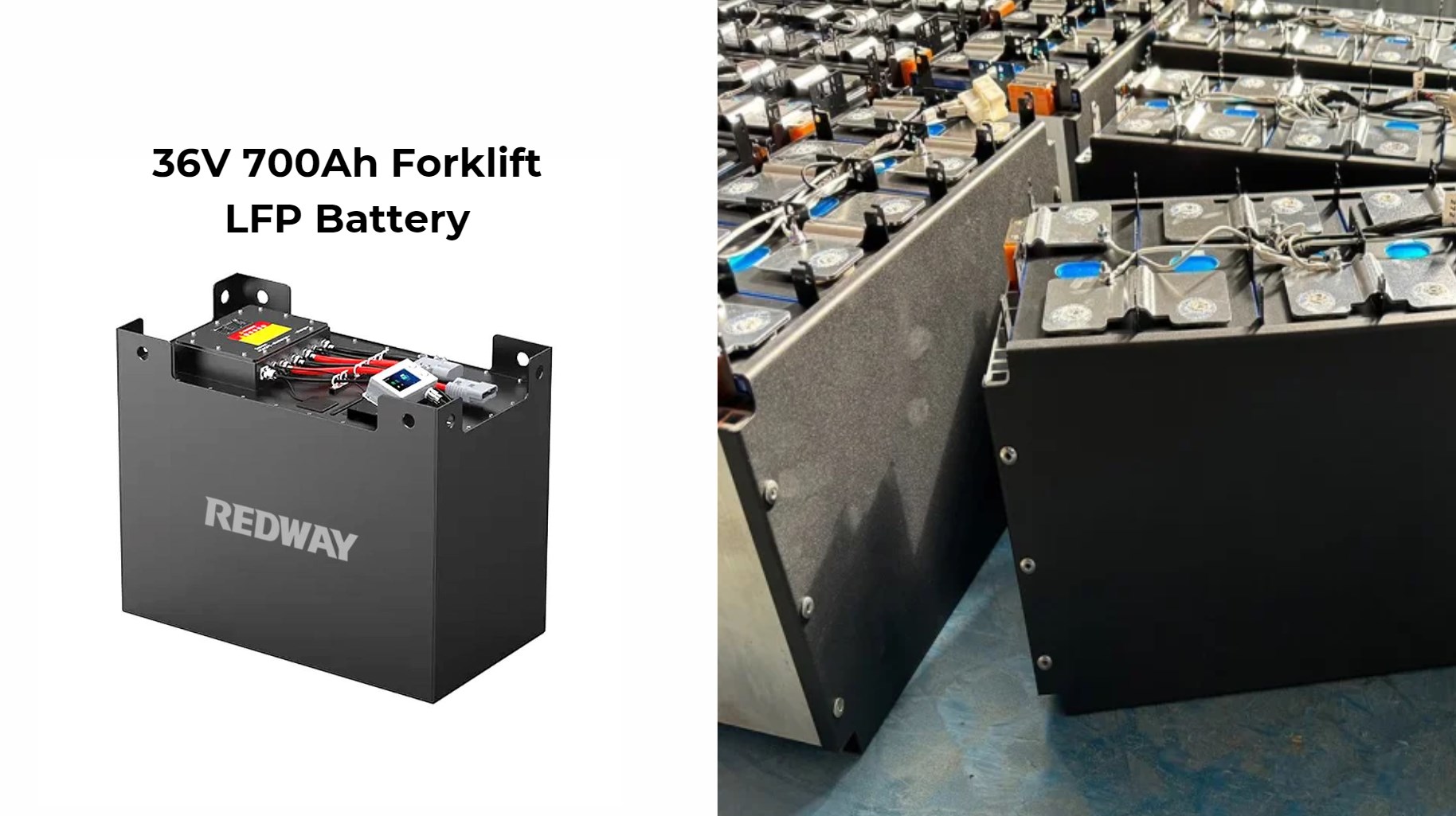
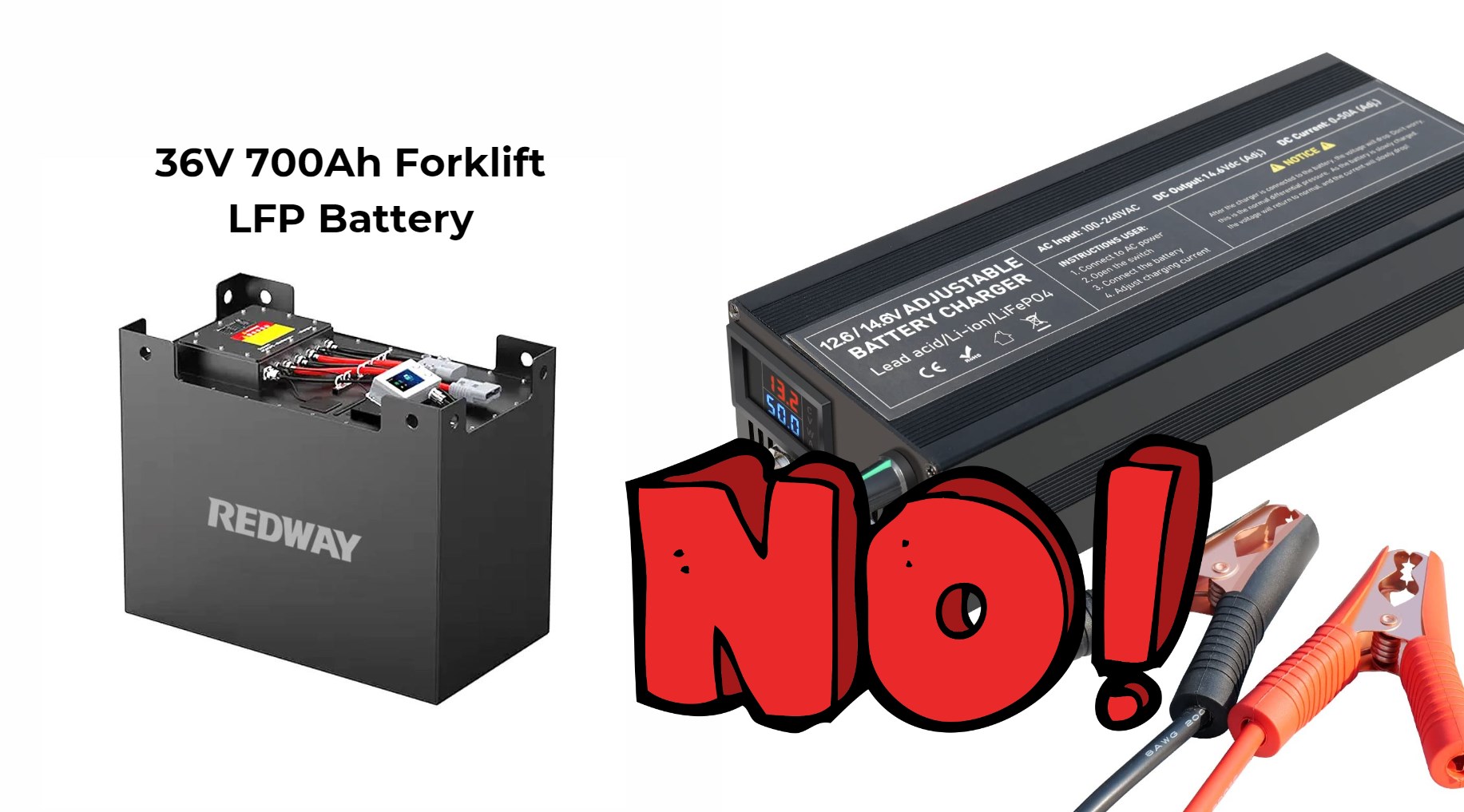
Charging a 36-volt forklift battery with a 12-volt charger is not safe or effective, as it won’t provide sufficient voltage to charge the battery properly. Always use a charger specifically designed for your battery’s voltage to ensure safety and optimal performance.

What Happens When You Use a 12V Charger on a 36V Battery?

Using a 12-volt charger on a 36-volt battery will result in inadequate charging, as the voltage output is insufficient to reach the required levels for charging each cell within the battery system. This can lead to prolonged undercharging and potential damage.Chart: Voltage Requirements for Charging
Voltage LevelRequired Charger OutputResult
12 Volts~14 VoltsInadequate for charging
36 Volts~40 VoltsNecessary for proper charging

Why Is It Important to Use the Correct Charger for Your Forklift Battery?

Using the correct charger ensures that all cells in the battery receive adequate voltage and current during charging, which is crucial for maintaining battery health, performance, and longevity.Chart: Importance of Using Correct Chargers
AspectImportance
Cell HealthPrevents sulfation and damage
PerformanceEnsures optimal operational capacity
SafetyReduces risk of overheating or failure

What Are the Risks of Charging with Insufficient Voltage?

Charging with insufficient voltage can lead to several risks including:
  1. Battery Damage: Prolonged undercharging can cause sulfation in lead-acid batteries, leading to reduced capacity.
  2. Safety Hazards: Improper charging setups can increase risks such as overheating or leaks.
  3. Shortened Lifespan: Inadequate charging can significantly reduce overall battery lifespan.
Know More:How to Replace Forklift Battery Cells? What Are the Different Sizes of Forklift Battery Cells? How to Safely Remove a Forklift Battery Cell? Can You Safely Charge a 36 Volt Forklift Battery with 12 Volts?

How Can You Properly Charge a 36V Forklift Battery?

To properly charge a 36-volt forklift battery, use a dedicated charger designed specifically for that voltage level, typically providing around 40 volts during charging cycles. Ensure all connections are secure and monitor the charging process regularly.Chart: Steps for Properly Charging a Forklift Battery
StepAction
Select Appropriate ChargerEnsure it matches voltage requirements
Connect SecurelyCheck all connections before starting
Monitor ChargeRegularly check voltage levels

How Do Voltage Levels Impact Battery Performance?

Voltage levels directly impact how effectively batteries charge and discharge. A higher voltage during charging allows batteries to reach full capacity more efficiently, while insufficient voltage leads to incomplete charges and performance issues.

Can You Use Multiple Chargers for Different Voltages?

While it is technically possible to use multiple chargers for different voltages, it is not recommended due to complexity and potential imbalances among batteries in multi-voltage systems.

What Are the Long-Term Effects of Improper Charging?

Improper charging practices can lead to:
  1. Sulfation: A buildup that reduces capacity.
  2. Stratification: Uneven electrolyte distribution affecting performance.
  3. Reduced Lifespan: Overall degradation of battery health over time.

Conclusion

Charging a 36-volt forklift battery with only 12 volts is not feasible due to insufficient voltage output, which can lead to various risks including battery damage and safety hazards. Always utilize chargers specifically designed for your battery’s voltage requirements to ensure safe and effective operation.

Expert Views

“Using an incorrect charger can severely compromise your forklift’s battery health,” states an expert from Redway. “Investing in appropriate charging equipment tailored to your specific needs is essential for maintaining both performance and safety.”

FAQ Section

  • Can I use a DC-to-DC converter to charge my forklift battery? No, using a DC-to-DC converter designed for lower voltages will not provide sufficient power needed for proper charging.
  • What should I do if my forklift battery is undercharged? If undercharged, immediately connect it to an appropriate charger designed for its voltage level and monitor until fully charged.
  • How often should I check my forklift’s battery health? Regular checks are recommended at least once every month or before heavy usage periods to ensure optimal performance.

Can I use a 12V charger to charge a 36V battery?
No, you cannot use a 12V charger to charge a 36V battery. A 12V charger does not provide enough voltage and can damage the battery or fail to charge it. Always use a charger that matches the battery voltage.

What voltage should a 36V battery be charged at?
A 36V battery should be charged at around 42V for full capacity. This applies to lithium-ion batteries. For lead-acid types, the charging voltage typically ranges from 41V to 44V, depending on the specific chemistry and charging profile.

What are the OSHA requirements for forklift battery charging?
OSHA requires proper ventilation, eyewash stations, spill kits, and PPE in battery charging areas. Chargers must be properly maintained, and smoking or open flames are prohibited. Batteries should be handled only by trained personnel.

What can I use to charge a 36 volt battery?
To charge a 36V battery, use a 36V battery charger compatible with your battery type (lead-acid, AGM, or lithium-ion). Ensure the charger’s voltage and amperage match the battery’s specifications for safe and efficient charging.

When Should Forklift Batteries Be Recharged?
Forklift batteries should be recharged when they drop to 20–30% charge. Charging too early or too late reduces battery life. Use a proper charger and follow manufacturer guidelines for charging frequency and timing.

How To Charge 36V Battery Without Charger?
Charging a 36V battery without a charger is not recommended, but if necessary, you may use three 12V chargers in series or a variable bench power supply, matching voltage and current exactly. Risk of damage or injury is high.

What Equipment Is Not Needed In Battery Charging Area?
Open flames, smoking materials, and unshielded electrical equipment are not needed—and are prohibited—in battery charging areas. These can ignite hydrogen gas emitted during charging, posing fire and explosion risks.

Where To Buy Quality 36V Battery Chargers?
You can buy 36V battery chargers from online retailers like Amazon, Grainger, or battery specialists. Local industrial supply stores and forklift service companies also carry chargers compatible with lithium or lead-acid batteries.

Which Forklift Type Requires Gas Cylinder Replacement?
Propane forklifts require gas cylinder replacement. These forklifts run on liquid propane gas (LPG) stored in cylinders that must be replaced when empty for continued operation.

Where To Find 36V Lithium Battery Chargers?
36V lithium battery chargers are available online through specialty battery websites, Amazon, eBay, and forklift parts suppliers. Look for chargers with proper voltage output, smart charging features, and compatibility with lithium-ion chemistry.

What Condition Doesn’t Require ICE Forklift Service?
Electric forklifts do not require internal combustion engine (ICE) servicing, such as oil changes or spark plug replacement. They use electric motors and battery power, eliminating many ICE-related maintenance needs.

What Are Forklift Battery Accessories?

What Are Forklift Battery Accessories and Why Are They Essential?

Forklift battery accessories are essential components that enhance the performance, safety, and maintenance of forklift batteries. These accessories include chargers, cables, monitoring systems, watering systems, and safety equipment, all designed to ensure that electric forklifts operate efficiently and effectively.

Why Are Forklift Battery Accessories Important?

Forklift battery accessories are crucial for maintaining battery health and performance. They help ensure that batteries operate efficiently, extend their lifespan, and reduce downtime, which is vital for smooth warehouse operations.

What Types of Forklift Battery Accessories Are Available?

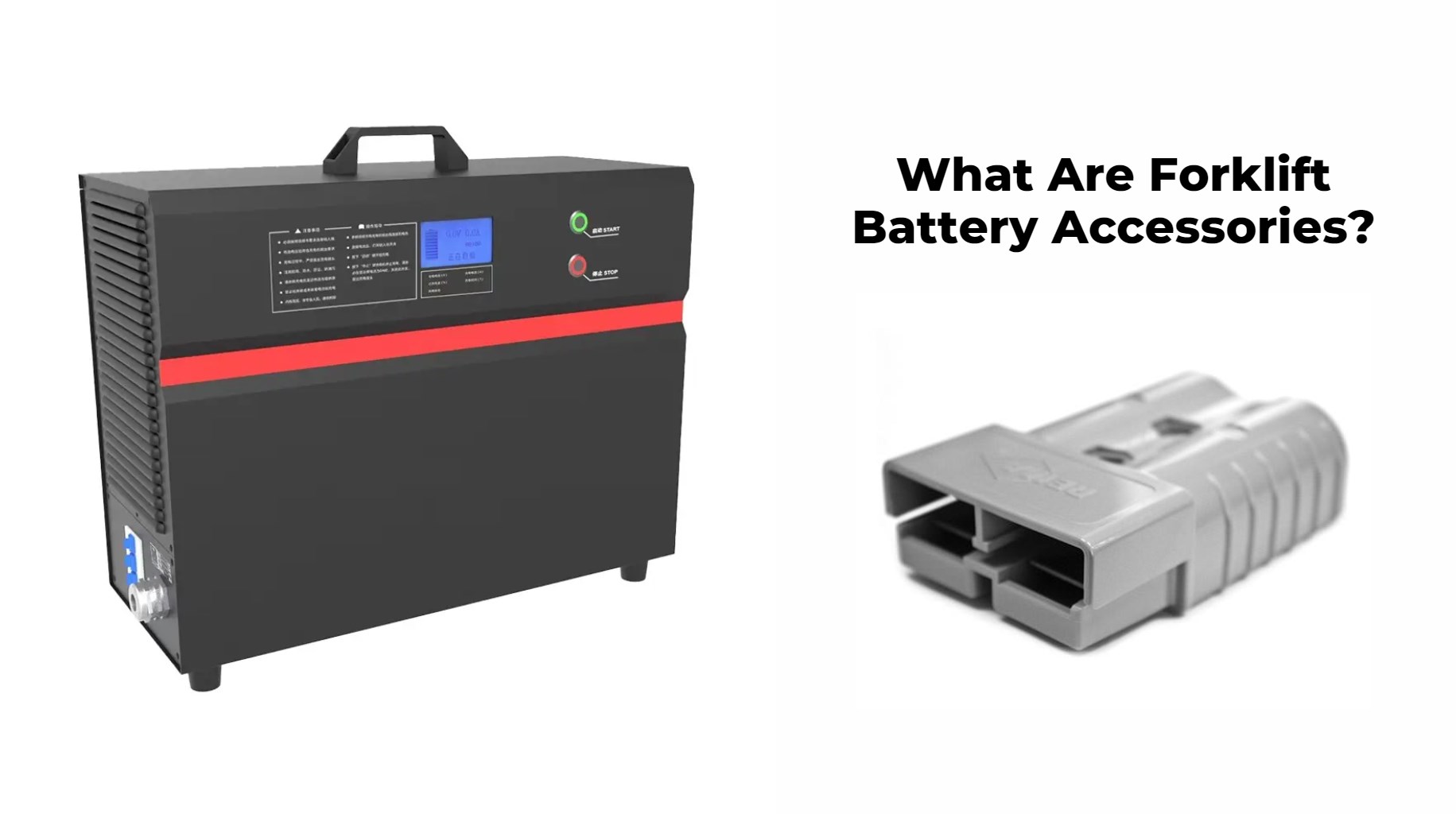
Common forklift battery accessories include battery chargers, battery cables, watering systems, and battery maintenance tools. These accessories help with charging, connecting, and maintaining the batteries effectively.Common types of forklift battery accessories include:
  • Battery Chargers: Devices designed to recharge batteries safely.
  • Battery Cables: Connectors that facilitate electrical flow between the battery and the forklift.
  • Battery Monitors: Systems that track battery health and performance metrics.
  • Watering Systems: Equipment used to maintain proper electrolyte levels in lead-acid batteries.

How Do Battery Chargers Work for Forklifts?

Battery chargers for forklifts convert electrical power into a suitable voltage and current to recharge the batteries. They ensure safe charging by preventing overcharging and can equalize the electrolyte levels in lead-acid batteries.Know More:What Are the Essential Forklift Battery Accessories and Equipment? What Are Forklift Battery Accessories and Why Are They Essential? What Is a Forklift Battery Changer? How to Use a Forklift Battery State of Charge Chart?

What Is the Role of Battery Cables in Forklift Operations?

Battery cables connect the forklift battery to its electrical system, supplying power to start the motor and operate other functions. Damaged cables can lead to poor performance or failure to start.

How Do Battery Monitoring Systems Enhance Performance?

Battery monitoring systems track battery health, charge levels, and usage patterns. This data helps optimize charging cycles and maintenance schedules, improving overall performance and extending battery life.

What Maintenance Tools Are Essential for Forklift Batteries?

Essential maintenance tools for forklift batteries include a hydrometer for checking electrolyte levels, terminal cleaners for removing corrosion, and wrenches for securing connections. These tools help keep batteries in good condition.Essential maintenance tools include:
  • Hydrometers for checking electrolyte levels.
  • Multimeters for testing voltage output.
  • Cleaning brushes for terminals to prevent corrosion. These tools help ensure that batteries remain in optimal condition.

How Can Proper Accessories Extend Battery Life?

Using proper accessories like quality chargers and watering systems ensures that batteries are charged correctly and maintained regularly. This reduces wear and tear, ultimately extending their lifespan.

What Safety Equipment Should Be Used with Forklift Batteries?

Safety equipment when handling forklift batteries includes gloves, goggles, face shields, and aprons. This protective gear helps prevent injuries from acid spills or electrical hazards during maintenance.

How Do Watering Systems Work for Lead-Acid Batteries?

Watering systems for lead-acid batteries automatically fill each cell with distilled water to maintain proper electrolyte levels. This ensures optimal performance and reduces the risk of overfilling or underfilling.

What Should You Consider When Purchasing Battery Accessories?

When purchasing battery accessories, consider compatibility with your forklift model, quality of materials, warranty options, and specific needs like charging speed or maintenance requirements to ensure optimal performance.

Expert Views

“Investing in high-quality forklift battery accessories is crucial for maintaining operational efficiency,” states an expert from Redway. “These components not only enhance safety but also significantly prolong battery life when properly utilized.”

Conclusion

In summary, forklift battery accessories are vital components that support the functionality and longevity of electric forklifts. By understanding their types, importance, and proper maintenance practices, users can optimize their operations while ensuring safety and efficiency.

FAQ Section

  • What are common types of forklift battery accessories? Common types include chargers, cables, monitoring systems, watering systems, and safety equipment.
  • How often should I maintain my forklift battery accessories? Regular checks should be conducted based on usage frequency; chargers should be inspected periodically for functionality.
  • Can I use any charger with my forklift battery? No, always use a charger specifically designed for your type of forklift battery to ensure safe and efficient charging.

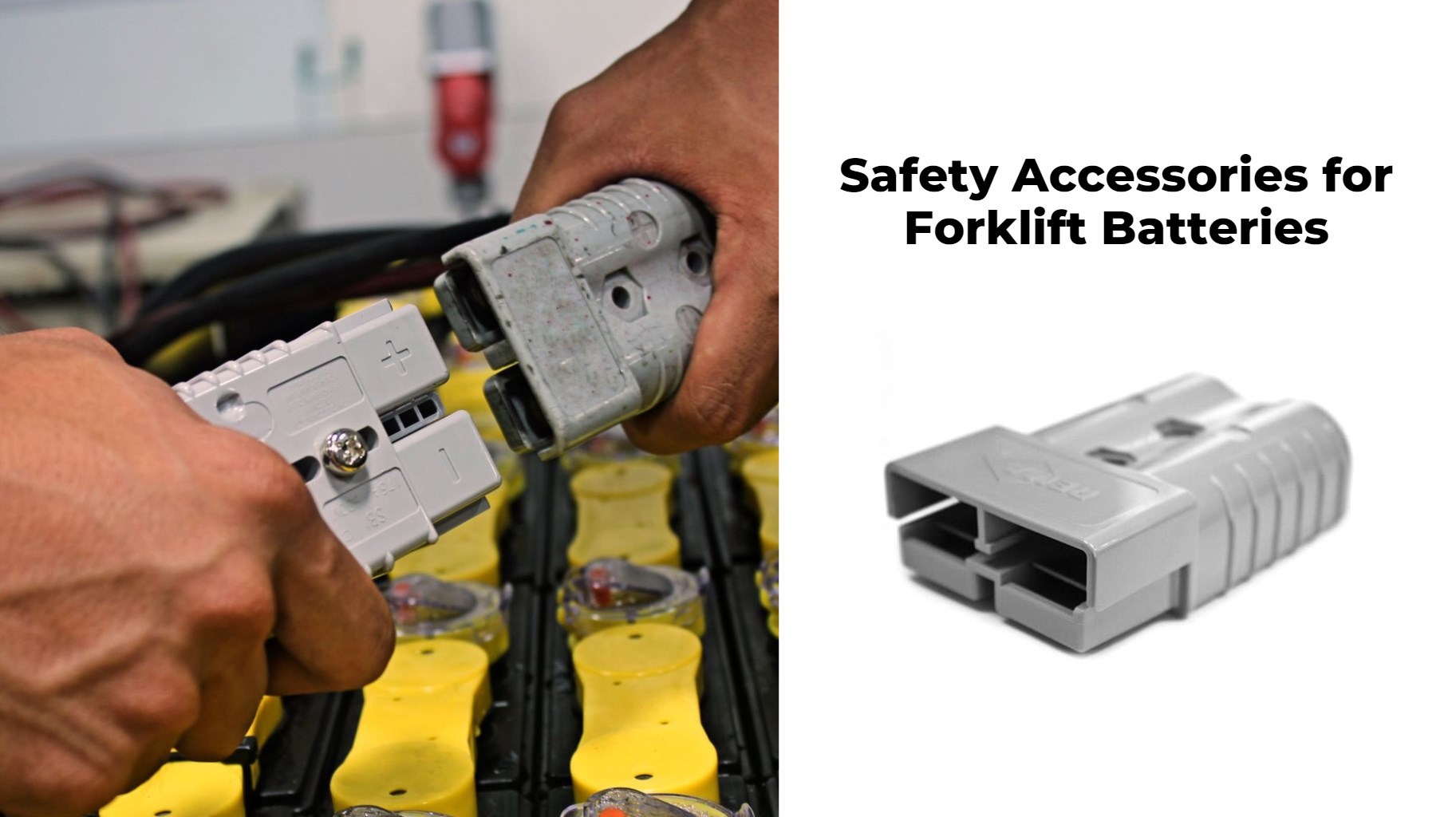
Safety Accessories for Forklift Batteries

How to Use a Forklift Battery State of Charge Chart

How to Use a Forklift Battery State of Charge Chart

Using a forklift battery state of charge chart helps operators monitor battery health by indicating how much usable energy remains. This chart is essential for preventing deep discharges that can damage batteries, ensuring optimal performance, and extending battery life.

How to Use a Forklift Battery State of Charge Chart?

To use a forklift battery state of charge chart, measure the battery’s voltage or specific gravity. Then, find the corresponding percentage on the chart to determine how much charge is left. This helps you know when to recharge the battery.

What is the State of Charge for Forklift Batteries?

The state of charge (SOC) for forklift batteries shows how much energy is left, expressed as a percentage. For instance, 100% means fully charged, while 20% indicates it’s time to recharge to avoid damage.

How Do You Measure the State of Charge Using Specific Gravity and Voltage?

You can measure the SOC using a hydrometer to check specific gravity in lead-acid batteries; higher specific gravity means more charge. You can also use a voltmeter; specific voltage levels correspond to SOC percentages.

Why is Monitoring the State of Charge Important for Forklift Batteries?

Monitoring the SOC is important because it prevents deep discharging, which can damage batteries. Regular checks help maintain optimal performance and extend battery life by prompting timely recharging.

What Are the Best Practices for Charging Forklift Batteries?

Best practices for charging forklift batteries include charging when SOC reaches 20-30%, using the correct charger, allowing full charges, and avoiding overcharging to maintain battery health.

How to Interpret a State of Charge Chart?

To interpret a SOC chart, match your voltage or specific gravity readings with the corresponding SOC percentage on the chart. This helps you determine when to recharge.

What Tools Are Needed to Measure State of Charge?

Tools needed to measure SOC include a hydrometer for specific gravity, a voltmeter for voltage readings, and possibly a smart battery management system for real-time monitoring of charge levels.Essential tools for measuring state of charge include:
  1. A hydrometer for checking specific gravity in lead-acid batteries.
  2. A multimeter for measuring voltage across cells.
  3. A temperature gauge if needed, as temperature affects readings.
Know More:What Are the Essential Forklift Battery Accessories and Equipment? What Are Forklift Battery Accessories and Why Are They Essential? What Is a Forklift Battery Changer? How to Use a Forklift Battery State of Charge Chart?

How Often Should You Check the State of Charge?

You should check the state of charge daily or before each use to ensure optimal performance and prevent unexpected downtime due to depleted batteries. Regular monitoring helps maintain battery health.

Expert Views

Understanding how to use a forklift battery state of charge chart effectively can significantly enhance operational efficiency,” says an expert from Redway. “Regular monitoring not only prolongs battery life but also reduces unexpected downtime, ultimately saving costs.”

Conclusion

Utilizing a forklift battery state of charge chart is crucial for maintaining optimal performance and extending battery lifespan. By understanding how to measure SoC accurately and implementing best practices for charging, operators can ensure their forklifts operate efficiently while minimizing risks associated with poor battery management.

FAQ Section

  • What is a state of charge chart? A state of charge chart visually represents how much usable energy remains in a forklift battery compared to its total capacity.
  • Why should I monitor my forklift’s state of charge? Monitoring helps prevent deep discharges that can damage batteries, ensuring optimal performance and longevity.
  • How do I measure my forklift’s state of charge? You can measure it using specific gravity with a hydrometer or by measuring voltage across cells with a multimeter.

Understanding Battery Chemistry Implications, forklift lifepo4 lithium battery

What Is a Forklift Battery Charger Station?

What Is a Forklift Battery Charger Station and Why Is It Important?

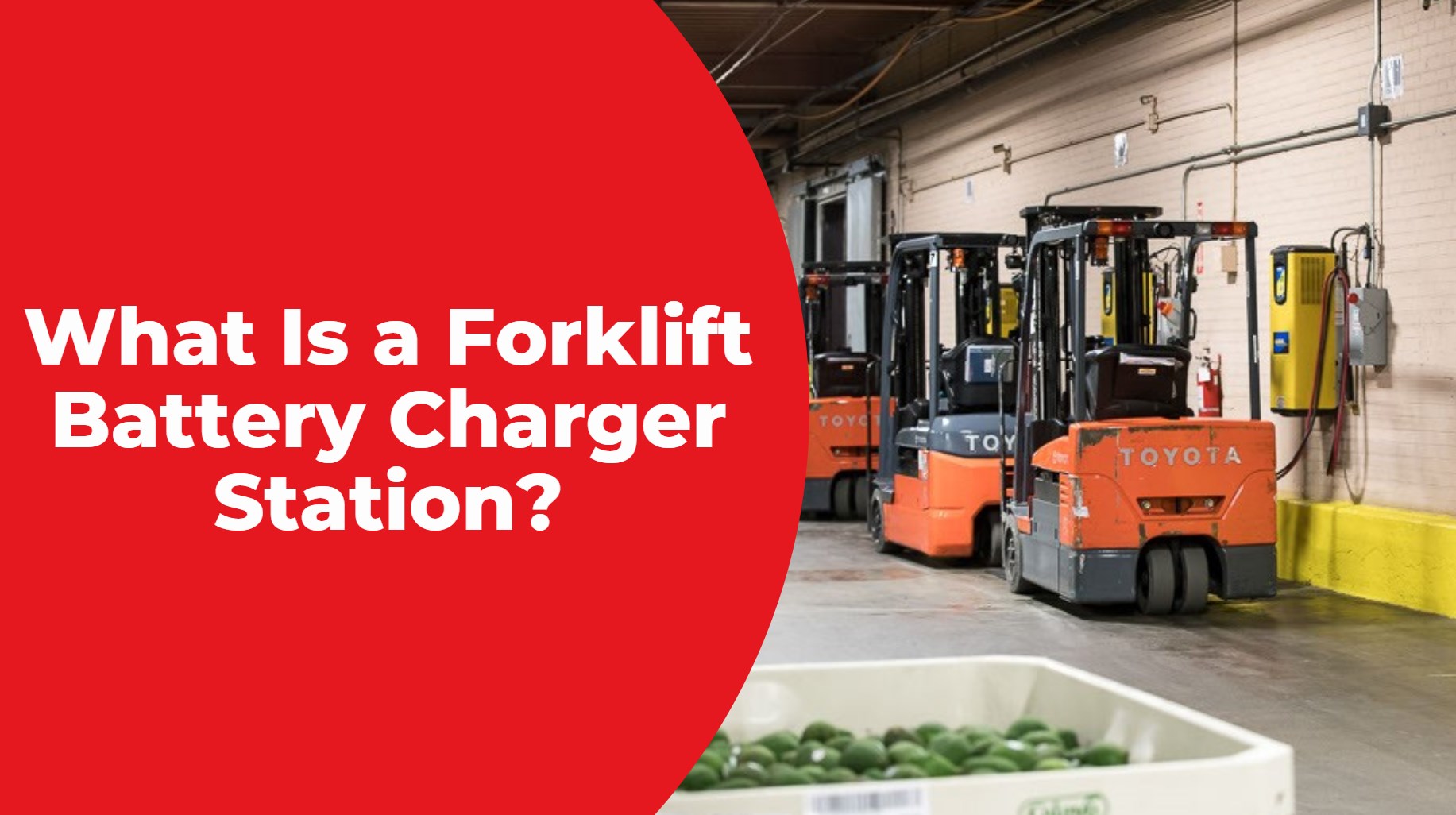
A forklift battery charger station is an essential setup designed to safely charge electric forklift batteries by converting AC power into DC power suitable for battery charging. These stations enhance operational efficiency by ensuring batteries are charged correctly, preventing damage and prolonging battery life.

How Does a Forklift Battery Charger Station Work?

A forklift battery charger station connects to the battery via charging cables. When plugged in, the charger converts AC power to DC, delivering the correct voltage and current to recharge the battery. Most stations include safety features to prevent overcharging and ensure proper operation.

What Are the Key Components of a Forklift Charger Station?

Key components of a forklift charger station include the charger itself, charging cables, a control panel for monitoring, safety equipment (like eyewash stations), and proper ventilation systems. Some stations may also feature battery management systems for enhanced monitoring.Key components of a forklift battery charger station include:
  • Charger Unit: Converts AC to DC power.
  • Charging Cables: Connects to forklifts.
  • Control Panel: Monitors charging status.
  • Safety Features: Prevents overcharging and ensures safe operation.
These components work together to provide reliable charging while safeguarding against potential hazards.Know More:What Are Forklift Battery Sizes and Configurations? What Are the Key Features of 6 x 9 Forklift Batteries? What Are Forklift Battery Amp Hours and Why Are They Important? Why Is Proper Maintenance Important for Clark C300 Forklift Batteries? What Is a Forklift Battery Charger Stand and Why Is It Important? What Is a Forklift Battery Charger Station and Why Is It Important? What Is a 36 Volt Single Phase Forklift Battery Charger?

What Safety Considerations Should Be Taken into Account?

Safety considerations include ensuring proper ventilation to dissipate harmful gases, using protective gear when handling batteries, maintaining clear access to emergency equipment, and adhering to OSHA guidelines for charging areas to prevent accidents and injuries.Safety is paramount when operating forklift battery charger stations:
  • Follow OSHA guidelines to create designated charging areas.
  • Ensure proper ventilation to prevent gas buildup from batteries.
  • Use protective equipment when handling batteries.
Implementing these safety measures minimizes risks associated with battery charging.

How Do Dedicated Charging Stations Improve Efficiency and Cost Savings?

Dedicated charging stations improve efficiency by providing a centralized location for battery charging, reducing downtime. They allow for scheduled charging during off-peak hours, optimizing energy use and lowering electricity costs while ensuring batteries are always ready for operation.

What Design Factors Should Be Considered for Charging Stations?

Design factors include adequate space for maneuvering forklifts, proper ventilation to prevent gas buildup, accessibility for operators, and safety features like spill containment and fire protection. The layout should facilitate easy access to chargers while minimizing hazards.When designing a forklift battery charger station, consider:
  • Space Requirements: Ensure adequate room for maneuvering forklifts.
  • Power Supply Needs: Assess electrical capacity based on fleet size.
  • Accessibility: Position stations near high-use areas to minimize travel time.
These factors contribute to effective design that maximizes operational efficiency.

How Does Wireless Charging Technology Function in Forklifts?

Wireless charging technology uses electromagnetic induction to transfer energy from a charging pad to a receiver on the forklift. When aligned correctly, the system generates a magnetic field that induces an electrical current in the receiver, charging the battery without physical connections.Wireless charging technology uses electromagnetic induction to charge batteries without physical connections:
  • A transmitter generates an electromagnetic field.
  • A receiver on the forklift captures energy from this field.
This innovative approach simplifies charging processes but may have limitations regarding efficiency compared to wired systems.

What Environmental Practices Should Be Implemented at Charging Stations?

Environmental practices include using energy-efficient chargers, implementing recycling programs for old batteries, ensuring proper containment for spills, and utilizing renewable energy sources when possible. These practices minimize environmental impact and promote sustainability in operations.To promote sustainability at forklift battery charger stations:
  • Implement recycling programs for old batteries.
  • Use energy-efficient chargers that minimize environmental impact.
These practices align with regulatory requirements while supporting eco-friendly operations.

How Do You Choose the Right Location for a Charging Station?

Choose a location that allows easy access for forklifts while ensuring safety from traffic hazards. The site should have adequate ventilation, be away from flammable materials, and comply with local regulations regarding electrical installations and safety standards.Selecting an optimal location involves considering factors such as:
  • Proximity to work areas to reduce downtime.
  • Adequate space for safe maneuvering around chargers.
Strategically placing charging stations enhances workflow efficiency within facilities.

What Future Trends Should Businesses Watch in Forklift Battery Technology?

Future trends include advancements in lithium-ion technology for faster charging and longer lifespans, increased use of battery management systems for real-time monitoring, and developments in wireless charging solutions that enhance convenience and efficiency in material handling operations.
  • Businesses should stay informed about these developments to maintain competitive advantages in material handling operations.
Expert Views “Understanding the importance of well-designed forklift battery charger stations is vital for any operation utilizing electric forklifts,” states an expert from Redway. “Proper installation and maintenance not only enhance safety but also improve overall productivity.”

News

  1. Advancements in High-Frequency Charging: High-frequency forklift battery chargers are becoming more prevalent due to their ability to reduce charging times significantly while generating less heat, leading to lower energy consumption and extended battery lifespan.

  2. Integration of Lithium-Ion Technology: Migrating to lithium-ion batteries offers benefits such as increased uptime and efficiency, reduced maintenance costs, and longer operating lifetimes. This shift is gaining traction as companies seek to optimize their forklift fleets.

  3. Smart Charging Stations with Enhanced Safety Features: Modern charging stations are equipped with smart technology that optimizes charging times based on real use, improving safety by preventing overcharging and reducing the risk of accidents. These stations also contribute to a greener workplace by using less energy.

Conclusion

In conclusion, forklift battery charger stations are integral components of electric material handling operations, enabling efficient recharging while ensuring safety standards are met. By understanding their functions, components, and best practices, businesses can optimize their operations and extend the lifespan of their equipment.

FAQ Section

  • What is a forklift battery charger station? A forklift battery charger station is a dedicated area designed for safely recharging electric forklift batteries by converting AC power into DC power suitable for charging.
  • How does a forklift battery charger station work? The station converts alternating current (AC) from electrical outlets into direct current (DC) needed to charge batteries while monitoring conditions to prevent overcharging.
  • What safety considerations should be taken into account when using these stations? Safety considerations include following OSHA guidelines, ensuring proper ventilation, using protective equipment, and creating designated charging areas to minimize risks associated with battery handling.
More FAQWhat safety features should a forklift battery charging station include? A forklift battery charging station should include several critical safety features: proper ventilation to disperse gases produced during charging, hydrogen gas detectors to monitor for potential leaks, and acid-resistant flooring to handle spills. Additionally, the station should be equipped with eyewash stations and showers for emergency situations, as well as storage for personal protective equipment (PPE) like goggles and gloves.How can I ensure my forklift battery charging station meets OSHA requirements? To ensure compliance with OSHA requirements, designate a specific area for battery charging that is separate from other operations. Ensure the area has adequate ventilation and is equipped with safety features such as emergency eyewash stations. Regular inspections and maintenance of equipment, along with training for personnel on safe operating procedures, are also essential to meet OSHA standards.What are the benefits of using modular construction for a forklift battery charging station? Modular construction offers several benefits for forklift battery charging stations, including quick installation and flexibility in design. It allows for customization to fit specific operational needs and can be easily adapted or expanded in the future. Additionally, modular systems often meet safety requirements and can provide durability against wear and tear.How do high-frequency forklift battery chargers differ from conventional ones? High-frequency forklift battery chargers differ from conventional chargers primarily in their efficiency and speed. They use advanced technology to reduce charging times significantly while generating less heat. This efficiency leads to lower energy consumption and can extend the lifespan of the batteries compared to traditional charging methods.What are the key components needed for a forklift battery charging station? Key components of a forklift battery charging station include appropriate chargers (either conventional or high-frequency), battery racks or trays for secure storage, intercell connectors, and safety equipment like spill kits and PPE storage. Additionally, the station should have proper electrical supply and ventilation systems to ensure safe operation during charging.
What Is a Forklift Battery Changer?

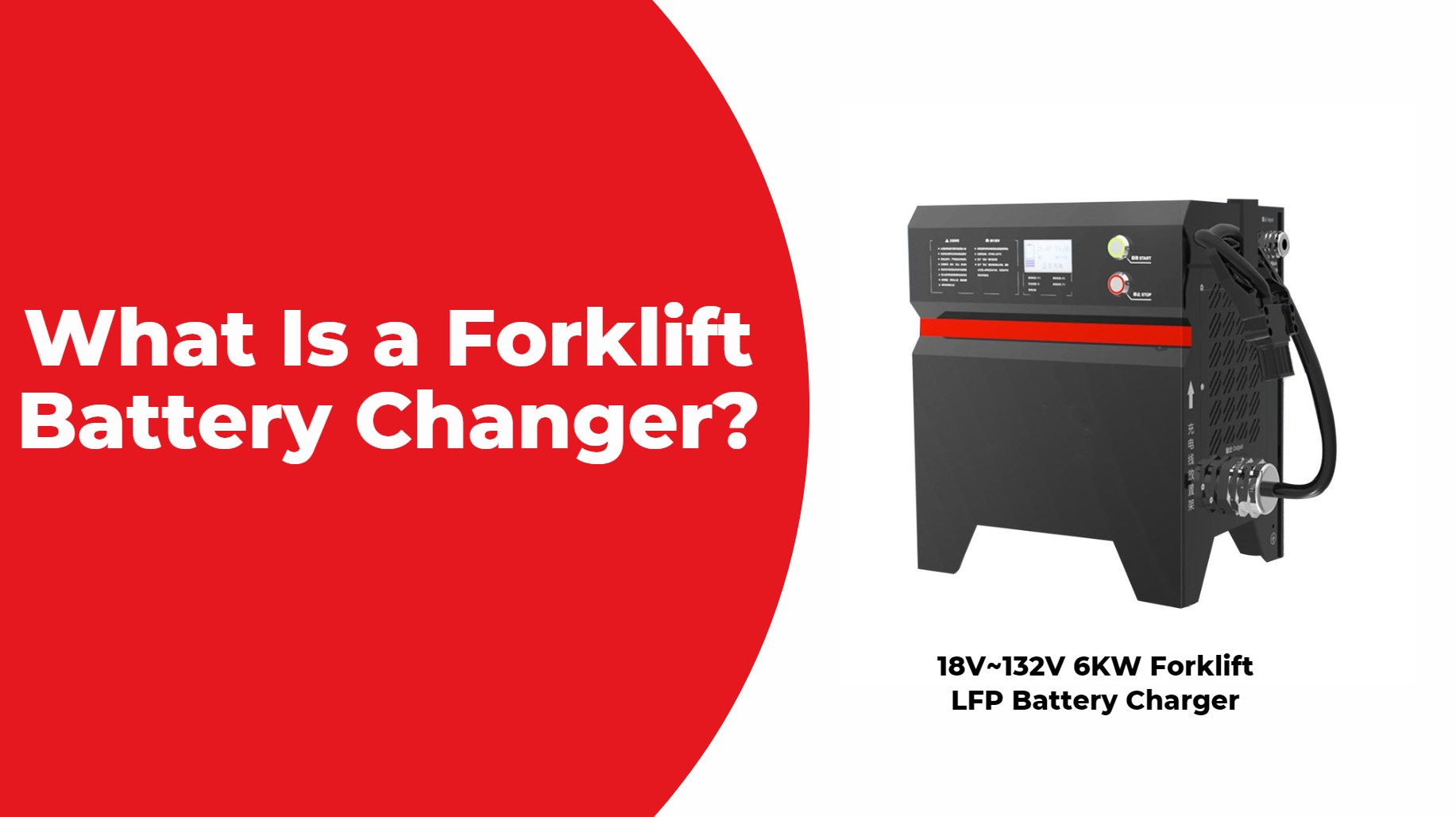
What Is a Forklift Battery Changer and Why Is It Essential?

A forklift battery changer is a specialized piece of equipment designed to facilitate the safe removal and installation of forklift batteries, which can weigh between 800 and 4,000 pounds. These devices streamline the process of battery swapping, ensuring minimal downtime and maximizing safety during operations.

Why Are Forklift Battery Changers Important?

Forklift battery changers are crucial for maintaining operational efficiency in warehouses and distribution centers where electric forklifts are frequently used. They reduce manual handling risks, speed up battery replacement processes, and help maintain consistent productivity levels.

How Do Forklift Battery Changers Work?

Forklift battery changers operate by using mechanical systems to lift, move, and position heavy batteries safely. Some models are mobile, allowing operators to navigate them around the work area, while others are fixed installations that require forklifts to be driven into position for battery swapping.

What Are the Different Types of Forklift Battery Changers?

Different types of forklift battery changers include manual changers, automatic battery exchange systems, and semi-automatic systems. Each type varies in complexity and ease of use, catering to different operational needs.There are several types of forklift battery changers:
  • Gantry Systems: Large structures that allow for automated or semi-automated battery changes.
  • Walkie Models: Manual systems that operators guide into place.
  • Fixed Installations: Stationary units where forklifts come to swap batteries.

What Are the Benefits of Using a Forklift Battery Changer?

Benefits of using a forklift battery changer include faster battery swaps, reduced labor costs, improved safety, and less risk of damage to batteries during handling. This leads to increased productivity in warehouse operations.The key benefits include:
  • Enhanced safety by reducing physical strain on workers.
  • Reduced downtime through quicker battery swaps.
  • Improved handling practices that protect batteries from damage.
Know More:What Are the Essential Forklift Battery Accessories and Equipment? What Are Forklift Battery Accessories and Why Are They Essential? What Is a Forklift Battery Changer? How to Use a Forklift Battery State of Charge Chart?

How to Choose the Right Forklift Battery Changer?

To choose the right forklift battery changer, consider factors like compatibility with your forklift model, lifting capacity, ease of use, and available space in your facility. Assessing these factors ensures optimal performance.When selecting a forklift battery changer, consider factors such as:
  • The size and weight capacity needed based on your fleet.
  • The frequency of battery changes required.
  • Available space in your facility for installation.

What Safety Considerations Should Be Taken into Account?

Safety considerations when using battery changers include ensuring proper training for operators, wearing protective gear, maintaining clear workspaces, and following manufacturer guidelines to prevent accidents during battery swaps.

How Do Forklift Battery Changers Improve Operational Efficiency?

Forklift battery changers improve operational efficiency by allowing quick battery replacements without manual lifting. This reduces downtime and keeps forklifts operational longer, maximizing productivity in busy environments.

What Maintenance Is Required for Forklift Battery Changers?

Maintenance for forklift battery changers includes regular inspections for wear and tear, lubricating moving parts, checking hydraulic fluid levels (for hydraulic models), and ensuring all safety features function properly.

How Do Battery Changers Compare to Manual Battery Swaps?

Battery changers are generally faster and safer than manual swaps. They reduce physical strain on workers and minimize the risk of damaging batteries during handling, leading to better overall efficiency.

What Common Mistakes Should Be Avoided When Using Battery Changers?

Common mistakes to avoid when using battery changers include neglecting regular maintenance, failing to train operators properly, not securing batteries during transport, and overlooking safety protocols that can lead to accidents.

News

PowerHive™ Automated Forklift Battery System Wins 2024 Product of the Year
In June 2024, Concentric’s PowerHive™ system was awarded Plant Engineering’s Product of the Year. This innovative system automates forklift battery management, offering on-demand, scalable power solutions to enhance operational efficiency in manufacturing and distribution settings. ​

Clark Unveils Crossover Electric Forklifts at LogiMAT 2025
At LogiMAT 2025, Clark introduced its new Crossover series, combining features of internal combustion forklifts with electric drives. The Raider and Renegade models, with load capacities of 2.5 to 3.5 tonnes, utilize advanced lithium-ion technology for extended operation and quick charging, aiming to improve efficiency and sustainability in material handling. ​

Green Cubes Technology Launches Forklift Battery Retrofit Kit
In January 2025, Green Cubes Technology introduced a Forklift Battery Retrofit Kit, enabling businesses to upgrade existing forklifts to lithium-ion power. This innovation aims to boost efficiency and reduce operational costs by facilitating the transition from lead-acid batteries to more efficient lithium-ion solutions. ​

Expert Views

“Using a forklift battery changer is not just about convenience; it’s fundamentally about enhancing workplace safety and operational efficiency,” states an expert from Redway. “Investing in this technology can yield significant long-term benefits.”

Conclusion

In summary, forklift battery changers are essential tools that facilitate safe and efficient operations in environments utilizing electric forklifts. Understanding their types, functionalities, benefits, and maintenance needs will help businesses optimize their operations while ensuring safety standards are met.

FAQ Section

  • What is a forklift battery changer? A forklift battery changer is equipment designed to assist in safely removing and installing heavy forklift batteries.
  • Why should I use a forklift battery changer? It enhances safety, reduces downtime during operations, and improves overall efficiency by streamlining the battery swapping process.
  • How often should I maintain my forklift battery changer? Regular inspections should be conducted based on usage; generally, quarterly checks are recommended for optimal performance.

What are the OSHA requirements for forklift battery charging?
OSHA requirements for forklift battery charging include using a designated charging area with proper ventilation, spill kits, eyewash stations, and personal protective equipment (PPE). The area must be free from ignition sources, and workers must be trained in safe handling, neutralizing spills, and proper lifting techniques when moving batteries.

What is the function of the battery in a forklift?
The battery in a forklift supplies electrical power to operate the traction motor, hydraulic systems, and accessories. In electric forklifts, it is the primary power source, enabling movement and lifting. The battery also contributes significant counterweight to maintain forklift stability during operation.

What is the 8 8 8 rule for forklifts?
The 8-8-8 rule for forklifts refers to a battery rotation cycle where each forklift battery is used for 8 hours, allowed to cool for 8 hours, and then charged for 8 hours. This cycle maximizes battery life, prevents overheating, and ensures optimal performance and safety.

When changing a battery on a forklift start by?
When changing a forklift battery, start by parking the forklift, turning off the power, and engaging the parking brake. Wear proper PPE and use insulated tools. Disconnect the battery cables, then use a hoist or battery changer to safely remove and replace the battery. Always follow manufacturer and OSHA guidelines.

Redway Battery: Your Partner in Battery Solutions. forklift lifepo4 battery charger

What Are Forklift Battery Accessories and Equipment?

What Are the Essential Forklift Battery Accessories and Equipment?

Forklift battery accessories and equipment are tools and devices that support the operation, maintenance, and safety of forklift batteries. They include chargers, watering systems, cables, and monitoring devices that enhance battery performance and lifespan.

What Types of Forklift Battery Accessories Are Available?

Available forklift battery accessories include battery chargers, watering systems, battery cables, monitoring devices, and maintenance tools. These accessories help ensure efficient operation and proper care of the batteries.Forklift battery accessories can be categorized into several types:
  1. Watering Systems: Automated systems for efficient battery watering.
  2. Lifting Devices: Tools for safely lifting and transporting batteries.
  3. Monitoring Devices: Equipment that tracks battery health metrics.
  4. Maintenance Tools: Essential tools for routine upkeep.

How Do Forklift Battery Watering Systems Work?

Forklift battery watering systems automate the process of adding water to lead-acid batteries. They use valves and tubing to deliver the right amount of water to each cell, preventing spills and ensuring optimal electrolyte levels for performance.

What Are the Benefits of Using Lifting Devices?

Lifting devices improve safety and efficiency when handling heavy forklift batteries. They reduce the risk of injury during battery replacement or maintenance by providing mechanical assistance, making the process easier and safer for operators.

How to Maintain Forklift Battery Accessories?

To maintain forklift battery accessories, regularly inspect them for wear or damage, clean connectors and terminals, ensure proper operation of watering systems, and follow manufacturer guidelines for charging and usage.To maintain forklift battery accessories:
  1. Regularly inspect watering systems for leaks or clogs.
  2. Clean lifting devices after use to prevent corrosion.
  3. Check monitoring devices for accurate readings.
  4. Store maintenance tools in a dry area to prolong their lifespan.
Know More:What Are the Essential Forklift Battery Accessories and Equipment? What Are Forklift Battery Accessories and Why Are They Essential? What Is a Forklift Battery Changer? How to Use a Forklift Battery State of Charge Chart?

What Safety Measures Should Be Taken When Using Accessories?

Safety measures when using forklift battery accessories include wearing protective gear like gloves and goggles, ensuring proper ventilation during charging, securing cables to prevent tripping hazards, and following all manufacturer instructions.Safety measures when using forklift battery accessories include:
  1. Wearing appropriate personal protective equipment (PPE) such as gloves and goggles.
  2. Ensuring proper ventilation in areas where batteries are serviced.
  3. Following manufacturer guidelines for all equipment usage.
  4. Keeping emergency spill kits accessible in case of acid leaks.

How to Choose the Right Forklift Battery Accessories?

When choosing forklift battery accessories, consider compatibility with your specific battery type, quality of materials, warranty options, and your operational needs. Selecting the right accessories ensures optimal performance and safety.When choosing forklift battery accessories, consider:
  1. Compatibility with your specific battery type.
  2. The operational environment (indoor vs outdoor).
  3. The frequency of maintenance required.
  4. Safety features included in the accessories.

How Do Forklift Battery Accessories Improve Efficiency?

Forklift battery accessories improve efficiency by ensuring batteries are charged correctly, maintained properly, and monitored effectively. This leads to longer battery life, reduced downtime, and enhanced overall performance in warehouse operations.Expert Views “Investing in quality forklift battery accessories can significantly enhance operational efficiency while ensuring safety,” says an expert from Redway. “Properly maintained equipment not only prolongs battery life but also minimizes risks associated with handling heavy industrial batteries.”

Conclusion

Understanding forklift battery accessories is crucial for maintaining optimal performance and safety in warehouse operations. By utilizing appropriate tools such as watering systems, lifting devices, and monitoring equipment, businesses can ensure their forklifts operate efficiently while minimizing risks associated with battery maintenance.

FAQ Section

  • What are forklift battery accessories? Forklift battery accessories are tools designed to enhance the performance, maintenance, and safety of forklift batteries.
  • Why are watering systems important? Watering systems automate the process of adding water to lead-acid batteries, saving time and reducing labor costs.
  • How do I choose the right accessories? Consider compatibility with your specific battery type, operational environment, frequency of maintenance required, and included safety features when selecting accessories.

Essential Forklift Battery Accessories: Battery Chargers

What Is a Forklift Battery Pack?

What Is a Forklift Battery Pack?

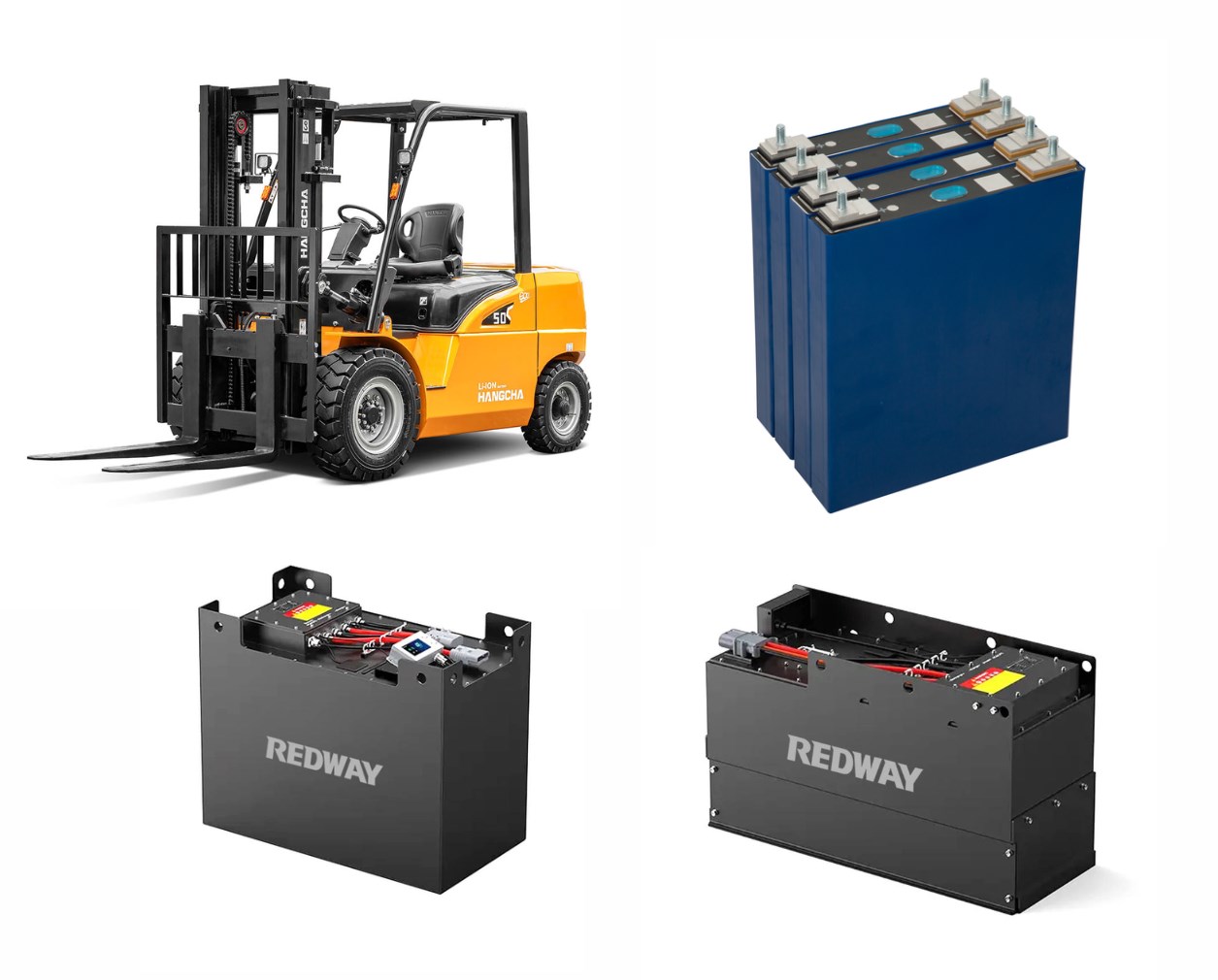
A forklift battery pack is a collection of battery cells designed to provide power to electric forklifts. It stores energy for operation and can come in different types, including lead-acid and lithium-ion.

How Does a Forklift Battery Pack Work?

A forklift battery pack works by converting stored chemical energy into electrical energy. When the forklift is in use, the battery releases this energy to power the motor, allowing the forklift to lift and move loads.

What Are the Different Types of Forklift Battery Packs?

The main types of forklift battery packs include lead-acid batteries, which are common and cost-effective, and lithium-ion batteries, which offer faster charging and longer lifespans. Other types include AGM (Absorbed Glass Mat) batteries that require less maintenance.
  • Lead-Acid Batteries: Traditional option known for affordability but requires regular maintenance.
  • Lithium-Ion Batteries: Increasingly popular due to their longer lifespan, faster charging times, and lower maintenance needs.

What Are the Advantages of Using Forklift Battery Packs?

Advantages of using forklift battery packs include lower operating costs, reduced maintenance needs (especially with lithium-ion), longer lifespan, and faster charging times. They also help improve efficiency in warehouse operations.
  • Enhanced efficiency with lower energy consumption.
  • Longer operational life compared to traditional batteries.
  • Reduced maintenance requirements, especially with lithium-ion technology.

How to Choose the Right Forklift Battery Pack?

To choose the right forklift battery pack, consider factors like compatibility with your forklift model, capacity requirements, charging time, maintenance needs, and overall cost. Assessing these factors ensures optimal performance for your operations.Consider factors such as:
  • Compatibility with your forklift model.
  • Voltage requirements based on operational needs.
  • Amp-hour ratings that match usage patterns.

What Maintenance Is Required for Forklift Battery Packs?

Maintenance for forklift battery packs includes regularly checking fluid levels (for lead-acid), cleaning terminals, ensuring proper charging practices, and scheduling periodic inspections to prolong battery life.Know More:What Are Lithium Forklift Batteries? What Are Used Forklift Batteries? What Are Reconditioned Forklift Batteries? How Can You Effectively Recondition a Forklift Battery? What Is a Forklift Battery Pack?

How Do Forklift Battery Packs Compare to Traditional Batteries?

Forklift battery packs generally offer better performance than traditional batteries. Lithium-ion packs charge faster, last longer (up to 3,000 cycles), and require less maintenance compared to lead-acid batteries, which typically last around 1,500 cycles.

What Are Common Applications for Forklift Battery Packs?

Common applications for forklift battery packs include warehouses, manufacturing facilities, distribution centers, and retail environments. They power electric forklifts used for lifting and transporting goods efficiently.
  • Warehousing
  • Manufacturing
  • Distribution centers They provide reliable power for various material handling tasks.

What Is the Lifespan of a Forklift Battery Pack?

The lifespan of a forklift battery pack varies: lead-acid batteries typically last around 5 years or 1,500 cycles, while lithium-ion batteries can last over 10 years or 3,000 cycles with proper maintenance.

How Do Environmental Conditions Affect Battery Performance?

Environmental conditions can significantly affect battery performance. Extreme temperatures can reduce efficiency; ideal operating conditions are typically between 32°F and 113°F (0°C to 45°C) for optimal performance.

What Safety Measures Should Be Taken When Handling Forklift Batteries?

When handling forklift batteries, wear protective gear like gloves and goggles. Ensure proper ventilation during charging to avoid gas buildup and follow manufacturer guidelines for safe handling and maintenance practices.

Expert Views

“Understanding forklift battery packs is essential for optimizing operations,” states an expert from Redway. “Choosing the right type can significantly improve efficiency and reduce long-term costs.”

Conclusion

In summary, forklift battery packs are vital components that power electric forklifts across various industries. By understanding their types, advantages, maintenance needs, and applications, users can make informed decisions that enhance productivity and sustainability in their operations.

FAQ Section

  • What is the average lifespan of a forklift battery pack? Lead-acid packs typically last around 3 to 5 years while lithium-ion packs can last up to 10 years or more.
  • How often should I maintain my forklift battery pack? Lead-acid batteries require regular checks and watering; lithium-ion batteries need minimal maintenance but should be monitored periodically.
  • Can I use any charger for my forklift battery pack? No, always use chargers specifically designed for your type of battery pack to ensure safety and optimal performance.
What Are Electric Forklift Batteries?

What Are Electric Forklift Batteries?

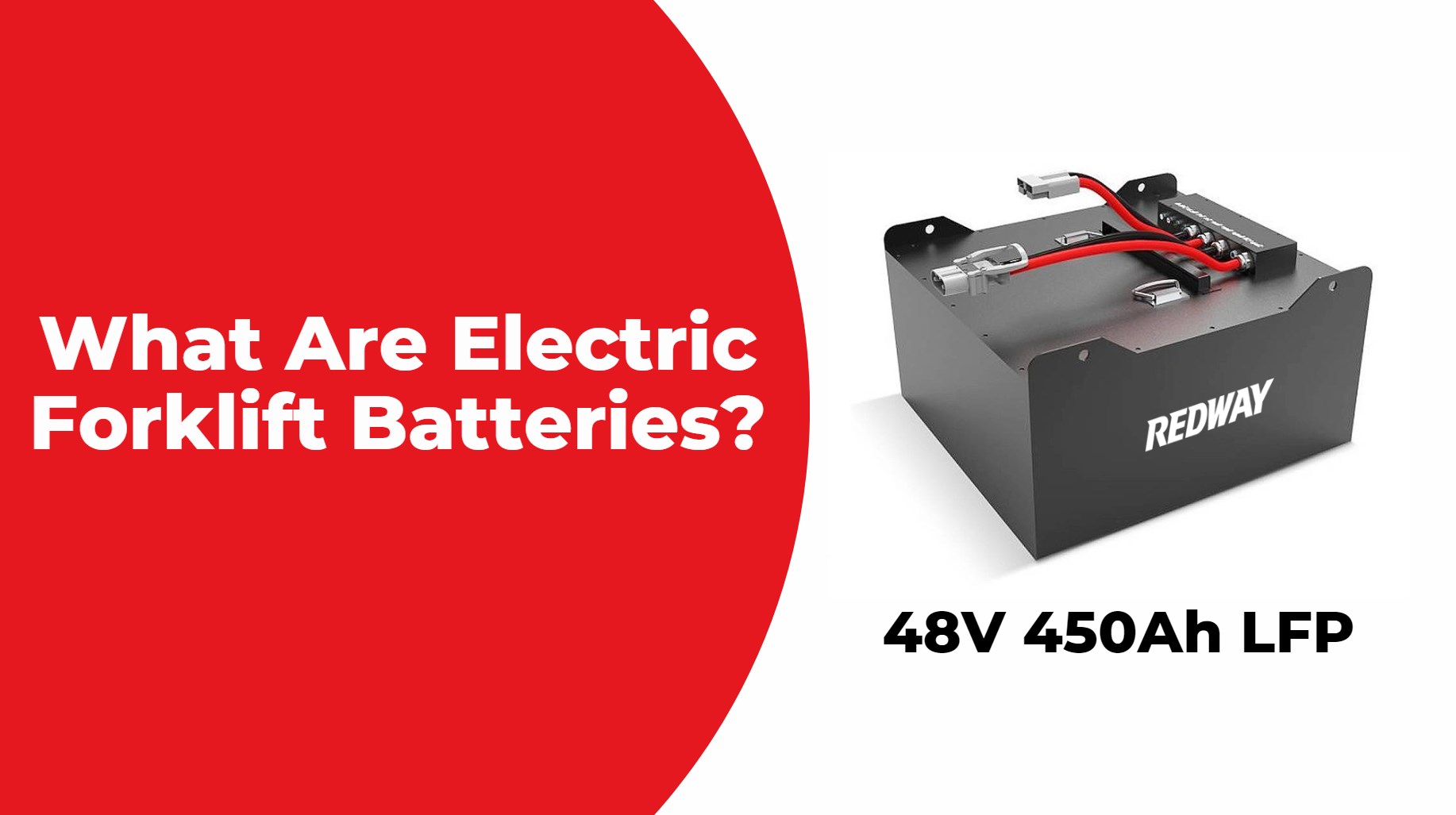
Electric forklift batteries are essential power sources that enable electric forklifts to operate efficiently in various industrial settings. Over the past 12 years, Redway Battery has focused on manufacturing high-quality Lithium LiFePO4 batteries, including specialized solutions for electric forklifts. This article explores the components, benefits, and applications of electric forklift batteries, highlighting why they are crucial for modern material handling operations.Electric forklift batteries are rechargeable power sources for electric forklifts. They typically come in two types: lead-acid batteries, which are traditional and require more maintenance, and lithium-ion batteries, which last longer, charge faster, and need less upkeep. The choice depends on the specific needs of your operation!

Understanding Electric Forklift Batteries

Electric forklift batteries are designed to provide the necessary power to operate forklifts, which are commonly used in warehouses, distribution centers, and manufacturing facilities. These batteries convert electrical energy into mechanical energy, allowing forklifts to lift, move, and transport heavy loads effectively.

Types of Electric Forklift Batteries

  1. Lead-Acid Batteries: The most traditional type, lead-acid batteries are widely used in electric forklifts due to their affordability and established technology. They consist of lead dioxide and sponge lead plates submerged in an electrolyte solution of sulfuric acid. While lead-acid batteries are robust, they require regular maintenance and have a shorter lifespan compared to newer technologies.
  2. Lithium LiFePO4 Batteries: As an advanced alternative, Lithium LiFePO4 batteries are gaining popularity in the forklift market. These batteries provide higher energy density, longer cycle life, and reduced maintenance requirements. They are less prone to sulfation, which is a common issue with lead-acid batteries, leading to greater efficiency and reliability.

Components of Electric Forklift Batteries

  1. Cells: Each electric forklift battery consists of multiple cells connected in series to achieve the desired voltage. For instance, a typical forklift battery may have a configuration of 24, 36, or 48 volts.
  2. Battery Management System (BMS): A crucial component of Lithium LiFePO4 batteries, the BMS monitors and manages the battery’s performance, ensuring optimal charging and discharging while preventing overcharging and overheating.
  3. Enclosure: The battery’s outer casing is designed to protect internal components from physical damage, environmental factors, and chemical spills. Durable materials ensure the longevity of the battery, especially in rugged industrial environments.

Benefits of Electric Forklift Batteries

  1. Efficiency and Performance: Electric forklift batteries provide consistent power delivery, enhancing the performance of forklifts during operation. Lithium LiFePO4 batteries, in particular, offer rapid charging capabilities, allowing for quick turnarounds during shifts.
  2. Longer Lifespan: Lithium LiFePO4 batteries can last significantly longer than lead-acid batteries, often providing over 3,000 cycles compared to 1,500 cycles for traditional lead-acid options. This extended lifespan translates to lower replacement costs over time.
  3. Reduced Maintenance: Unlike lead-acid batteries, which require regular maintenance such as watering and equalization, Lithium batteries need minimal upkeep. This reduction in maintenance not only saves time but also reduces labor costs.
  4. Environmental Benefits: Electric forklift batteries, particularly Lithium types, are more environmentally friendly. They are recyclable and generate less waste compared to traditional lead-acid batteries, which contribute to pollution during disposal.

Applications of Electric Forklift Batteries

  1. Warehousing and Distribution: Electric forklifts powered by efficient batteries are essential for moving goods within large warehouses. Their ability to navigate tight spaces while carrying substantial loads makes them invaluable in these environments.
  2. Manufacturing: In manufacturing settings, electric forklift batteries enable the seamless transport of raw materials and finished products along production lines, enhancing overall operational efficiency.
  3. Retail and Inventory Management: Retail environments utilize electric forklifts to manage stock levels, facilitating quick inventory turnover and optimal space utilization in storage areas.
  4. Recycling and Waste Management: In recycling facilities, electric forklifts equipped with reliable batteries assist in the collection and movement of recyclable materials, improving efficiency and productivity.

Selecting the Right Electric Forklift Battery

Choosing the appropriate electric forklift battery involves several key considerations:
  1. Power Requirements: Assess the power needs of your specific application. Higher voltage batteries (e.g., 48 volts) may be necessary for heavy-duty operations, while lower voltage (e.g., 24 volts) may suffice for lighter tasks.
  2. Battery Type: Consider whether lead-acid or Lithium LiFePO4 batteries are more suitable for your operations. While Lithium batteries offer greater efficiency and lifespan, lead-acid may be more budget-friendly upfront.
  3. Operating Environment: Evaluate the conditions in which the forklift will operate. If the environment is prone to spills or chemical exposure, robust battery enclosures and maintenance requirements will be crucial.
  4. Cost Analysis: Conduct a thorough cost analysis, taking into account initial investment, maintenance costs, and battery lifespan to determine the most cost-effective solution for your business.
Selecting the Right Electric Forklift Battery

Conclusion

Electric forklift batteries are vital for efficient material handling in various industries. With options ranging from traditional lead-acid batteries to advanced Lithium LiFePO4 solutions, businesses can choose the best power source to meet their operational needs. At Redway Battery, we specialize in manufacturing high-quality Lithium LiFePO4 batteries tailored for electric forklifts, ensuring optimal performance and reliability. For custom solutions and quick quotes, contact us today.Latest News
  • Electric forklift batteries primarily come in lead-acid or lithium-ion types, each offering distinct advantages based on operational needs.
  • Recent studies emphasize the growing preference for lithium-ion batteries due to their lower maintenance requirements and longer lifespan.
  • Industry trends indicate a shift towards more sustainable battery technologies as companies aim to reduce their carbon footprints.
Redway Expert Comment Electric forklift batteries are pivotal in modern material handling operations. While lead-acid batteries have been the traditional choice, lithium-ion variants are gaining traction due to their efficiency and reduced maintenance needs. As businesses increasingly prioritize sustainability, the transition towards advanced battery technologies will likely continue to accelerate.”
What Are Reconditioned Forklift Batteries?

What Are Reconditioned Forklift Batteries?

Reconditioned forklift batteries are used batteries that have been restored to full functionality through cleaning, repairing, and balancing cells. They provide a cost-effective, environmentally friendly power source for industrial forklifts without sacrificing safety or performance.

What Are Reconditioned Forklift Batteries?

Reconditioned forklift batteries are previously used batteries that have been thoroughly restored to optimal working condition. This process includes cleaning battery terminals, repairing or replacing damaged cells, balancing voltage across all cells, and testing capacity to ensure reliable performance.

Forklift batteries experience wear and tear from continuous charging and usage. Reconditioning reverses degradation by removing sulfation from lead plates or recalibrating lithium cells, restoring batteries to near-new capacity and efficiency. This reduces the need for new batteries, saving money and lowering environmental impacts. Redway Battery specializes in restoring lithium and lead-acid forklift batteries with strict quality controls that meet or exceed industry standards.

They offer significant cost savings, reduce environmental waste, and provide dependable power comparable to new batteries.

Replacing forklift batteries with new units can be expensive, especially for large fleets. Reconditioned batteries usually cost 30-50% less while maintaining reliable performance, making them a popular economic choice. Environmentally, reconditioning prevents used batteries from becoming hazardous waste, supporting sustainability goals. Advances in lithium battery reconditioning have improved safety and efficiency, helping companies like Redway Battery deliver dependable refurbished batteries trusted in logistics, warehousing, and manufacturing sectors.

How Are Forklift Batteries Reconditioned?

The reconditioning process involves inspecting the battery, cleaning terminals, replacing or repairing cells, equalizing voltage, testing capacity, and confirming safety compliance.

Initially, the battery is checked for physical defects and cell imbalances. Corrosion and deposits are cleaned from terminals and connectors to ensure good electrical contact. Damaged or sulfated cells are rebuilt or replaced. Equalizing charge cycles balance the voltage between cells to prevent overcharging or undercharging particular cells. Finally, capacity tests confirm that the battery can hold charge efficiently, and safety checks ensure compliance with regulations. Redway Battery utilizes advanced reconditioning techniques and OEM-grade parts to guarantee quality and longevity.

Which Types of Forklift Batteries Can Be Reconditioned?

Both lead-acid and lithium-ion forklift batteries are commonly reconditioned, though their restoration methods differ.

Lead-acid batteries, widely used due to affordability, can be reconditioned by removing sulfate buildup and replenishing electrolyte fluids. Lithium-ion batteries, favored for better energy density and life cycle, require precise cell balancing and diagnostics during refurbishment due to their complex chemistry. Lithium battery reconditioning demands specialized expertise, which Redway Battery provides, producing high-performance refurbished lithium packs that last longer after restoration.

How Long Do Reconditioned Forklift Batteries Last?

Reconditioned forklift batteries generally last 60-80% as long as new batteries, often providing 2-4 years of reliable operation.

While new batteries typically last between 3 and 5 years, reconditioned batteries from trusted providers like Redway Battery can perform dependably for several years if properly maintained. The exact lifespan depends on original battery condition, reconditioning quality, operating environment, and ongoing maintenance practices like regular charging and temperature management.

Who Should Consider Using Reconditioned Forklift Batteries?

Warehouse operators, logistics and distribution centers, small to medium enterprises, and companies aiming to lower costs and environmental impact.

Businesses with high forklift usage but tight budgets benefit from the cost-efficiency of reconditioned batteries. Organizations focused on sustainability also find reconditioned batteries appealing due to minimized waste. Redway Battery supports clients across industries with customized reconditioned batteries designed for long performance and reliability.

How Does Using Reconditioned Forklift Batteries Benefit the Environment?

Reconditioning reduces battery waste, conserves raw materials, and lowers energy consumption involved in manufacturing new batteries.

By prolonging battery life, reconditioned batteries decrease the need for mining lead, lithium, and other metals used in new batteries. This reduces environmental damage, energy usage, and greenhouse gas emissions. Proper reconditioning and disposal methods prevent hazardous substances from entering landfills. Redway Battery integrates eco-conscious practices to maximize sustainability in their battery refurbishment services.

Where Can You Find Reliable Reconditioned Forklift Batteries?

From reputable suppliers specializing in battery reconditioning who provide quality assurance, warranties, and post-sale support.

The quality and reliability of reconditioned forklift batteries vary greatly by provider. Choosing established manufacturers like Redway Battery, with ISO certification, advanced factory setups, and expert engineering, ensures high-quality refurbished batteries. Suppliers who offer OEM customization and responsive service help businesses safely switch to reconditioned batteries without compromising productivity.

Can Lithium Battery Technology Enhance Reconditioning?

Yes, lithium battery technology allows more precise diagnostics, cell balancing, and safer, faster restoration processes.

Lithium-ion batteries use battery management systems (BMS) to monitor cell voltage and temperature, enabling detailed insights during reconditioning. This technology supports targeted cell replacement and balancing, which improves post-refurbishment capacity and cycle life. Redway Battery, specializing in LiFePO4 batteries, leverages these innovations to produce top-tier reconditioned lithium forklift batteries that outperform older types in energy efficiency and safety.

What Are the Cost Differences Between New and Reconditioned Forklift Batteries?

Reconditioned forklift batteries typically cost 30-50% less than new batteries while maintaining similar performance and safety standards.

The lower upfront price reduces capital expenditure, and because reconditioned batteries extend usable life, businesses save over time. Even with slightly shorter lifespan versus new batteries, total cost of ownership remains significantly lower. Redway Battery combines competitive pricing with premium quality controls and customization to provide excellent value to commercial customers.

Redway Expert Views

“Reconditioned forklift batteries are reshaping industrial energy solutions by combining sustainability with efficiency. Advances in lithium battery reconditioning enable rebuilt batteries to deliver near-new performance, empowering businesses to reduce costs while supporting greener operations. At Redway Battery, we focus on providing safe, durable, and customized refurbished battery packs that meet stringent industry standards and help clients optimize fleet performance sustainably.” — Senior Engineer, Redway Battery

Summary

Reconditioned forklift batteries offer an affordable, eco-friendly alternative to new batteries by restoring used units to near-new condition. Both lead-acid and lithium batteries benefit from expert reconditioning, with lithium technology improving restoration quality. These batteries provide reliable performance for several years, reducing waste and lowering total costs. Selecting trusted suppliers like Redway Battery ensures operational reliability with OEM-grade quality, customization, and support.

Frequently Asked Questions

Q1: Are reconditioned forklift batteries reliable? Yes, when reconditioned by experts like Redway Battery, they deliver dependable performance comparable to new batteries.

Q2: How often should forklift batteries be reconditioned? Typically every 2-3 years or when capacity noticeably decreases.

Q3: Can reconditioned batteries support heavy usage? Yes, high-quality refurbishment restores durability to meet heavy industrial demands.

Q4: Do reconditioned batteries come with warranties? Reputable suppliers usually provide warranties ensuring quality and performance.

Q5: What maintenance do reconditioned forklift batteries need? Routine charging, clean terminals, and monitoring electrolyte levels or temperature ensure long life.

Search products
Product has been added to your cart