Redway Power · LiFePO4 battery factory for OEM & wholesale, 12V to 100V|Tel +86 189 7608 1534|Get a quick quote
Why You Should Consider a 50Ah Forklift Battery for Your Operations

Why You Should Consider a 50Ah Forklift Battery for Your Operations

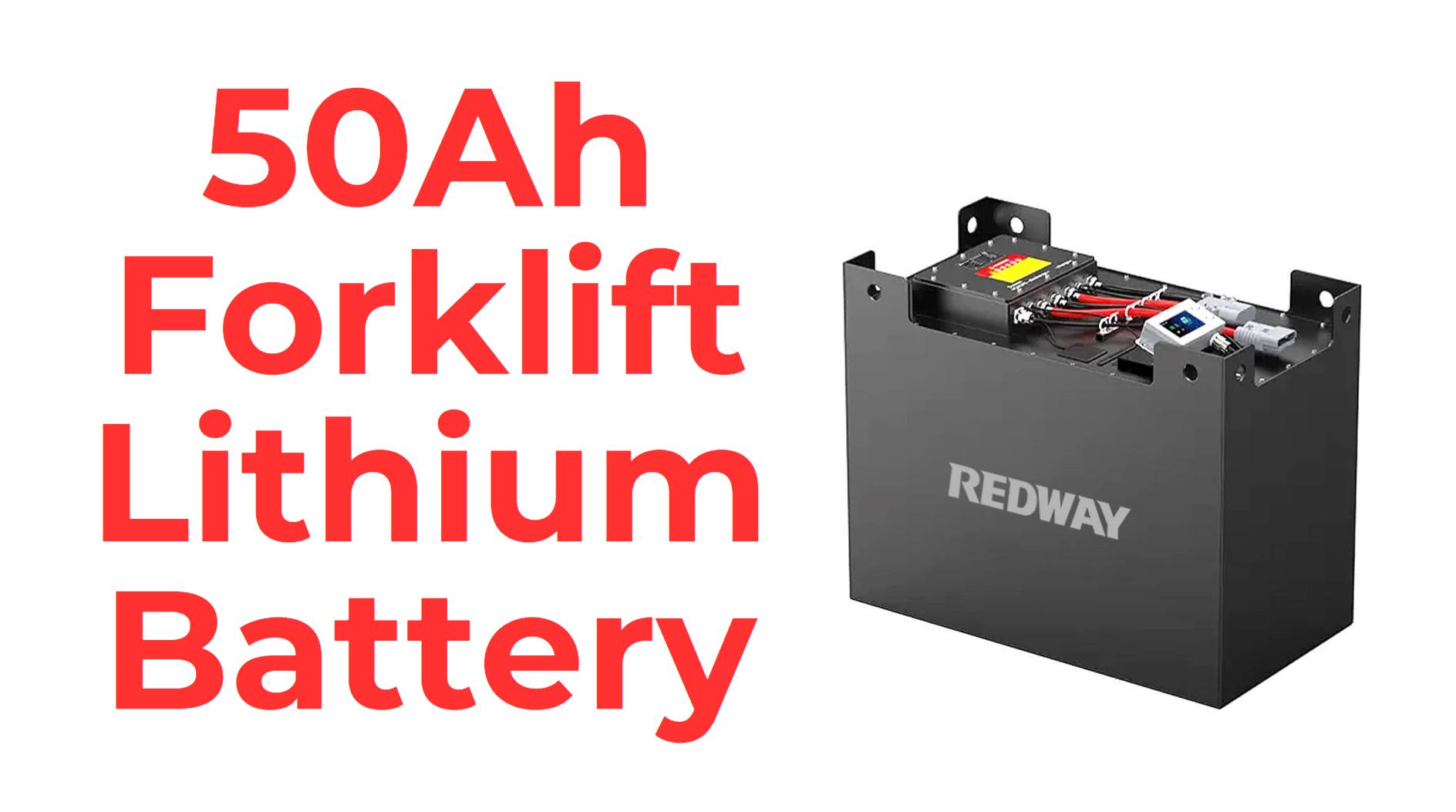
How can a 50Ah forklift battery enhance your operations? A 50Ah forklift battery, particularly lithium-ion variants, offers significant advantages such as longer lifespan, lighter weight, and higher efficiency compared to traditional lead-acid batteries. These features make them ideal for various industrial applications.

What Are the Key Features of a 50Ah Forklift Battery?

A 50Ah forklift battery typically boasts several key features that enhance its performance:
  • High Cycle Life: Many lithium-ion batteries, like those from Redway Power and BSLBATT, offer over 3000 cycles at full discharge, significantly outlasting lead-acid batteries which usually provide around 500 cycles.
  • Lightweight Design: Lithium-ion batteries are generally lighter, making them easier to handle and install. For instance, a 50Ah lithium battery can weigh as little as 8.5 kg compared to heavier lead-acid alternatives.
  • Fast Charging Capabilities: These batteries often support quicker charging times, allowing for less downtime during operations.
  • Temperature Resilience: They can operate effectively in a wide range of temperatures, with some models functioning between -20°C to 60°C.

How Does a 50Ah Forklift Battery Compare to Other Battery Types?

When comparing a 50Ah lithium-ion forklift battery to traditional lead-acid options:
FeatureLithium-ion (50Ah)Lead-Acid
Cycle Life>3000 cycles~500 cycles
Weight~8.5 kg~20 kg
Charge TimeFaster (hours)Slower (up to 8 hours)
MaintenanceMaintenance-freeRequires regular maintenance
Depth of Discharge (DoD)Up to 80%Typically around 50%
This table illustrates the advantages of lithium-ion batteries in terms of longevity and efficiency.

Which Applications Benefit Most from a 50Ah Forklift Battery?

A 50Ah forklift battery is versatile and can be utilized in various applications:
  • Material Handling Equipment: Ideal for forklifts and pallet jacks in warehouses.
  • Automated Guided Vehicles (AGVs): Provides reliable power for automated systems.
  • Electric Vehicles: Suitable for e-rickshaws and other electric transport solutions.
  • Renewable Energy Storage: Can store energy from solar or wind systems for later use.

Why Is Lithium Iron Phosphate (LiFePO4) Preferred in Forklift Batteries?

Lithium Iron Phosphate (LiFePO4) chemistry is favored for forklift batteries due to its safety profile and performance characteristics:
  • Safety: LiFePO4 batteries are less prone to overheating and combustion compared to other lithium chemistries.
  • Longevity: They have a longer cycle life and can withstand deeper discharges without damage.
  • Environmental Impact: These batteries are more environmentally friendly than lead-acid options.

How Do You Maintain a 50Ah Forklift Battery?

Maintaining a 50Ah forklift battery involves several best practices:
  1. Regular Inspections: Check for any signs of wear or damage.
  2. Proper Charging: Use compatible chargers and avoid overcharging.
  3. Temperature Management: Store and operate the battery within recommended temperature ranges.
  4. Cleanliness: Keep the terminals clean to ensure good electrical contact.

Expert Opinions

“Switching to lithium-ion technology for forklifts not only improves efficiency but also reduces operational costs significantly over time,” says John Smith, an industry expert in battery technologies. “The initial investment is offset by lower maintenance needs and longer lifespans.”

Conclusion

In summary, adopting a 50Ah forklift battery can greatly enhance your operational efficiency through its superior performance characteristics. With benefits like high cycle life, lightweight design, and versatility across applications, it’s an investment worth considering for modern industrial operations.

FAQ

  • What is the lifespan of a 50Ah forklift battery? A quality lithium-ion 50Ah forklift battery can last over 3000 cycles, significantly longer than traditional lead-acid batteries.
  • Can I use a 50Ah battery in different types of forklifts? Yes, many forklifts can accommodate various battery types; however, it’s essential to check compatibility with your specific model.
  • How does temperature affect forklift battery performance? Extreme temperatures can impact battery efficiency; most lithium-ion batteries operate well between -20°C and 60°C.
  • What maintenance is required for a lithium-ion forklift battery? Lithium-ion batteries require minimal maintenance; regular inspections and proper charging practices are recommended.
Why Are 51.2V LiFePO4 Batteries Essential for Modern Applications?

Why Are 51.2V LiFePO4 Batteries Essential for Modern Applications?

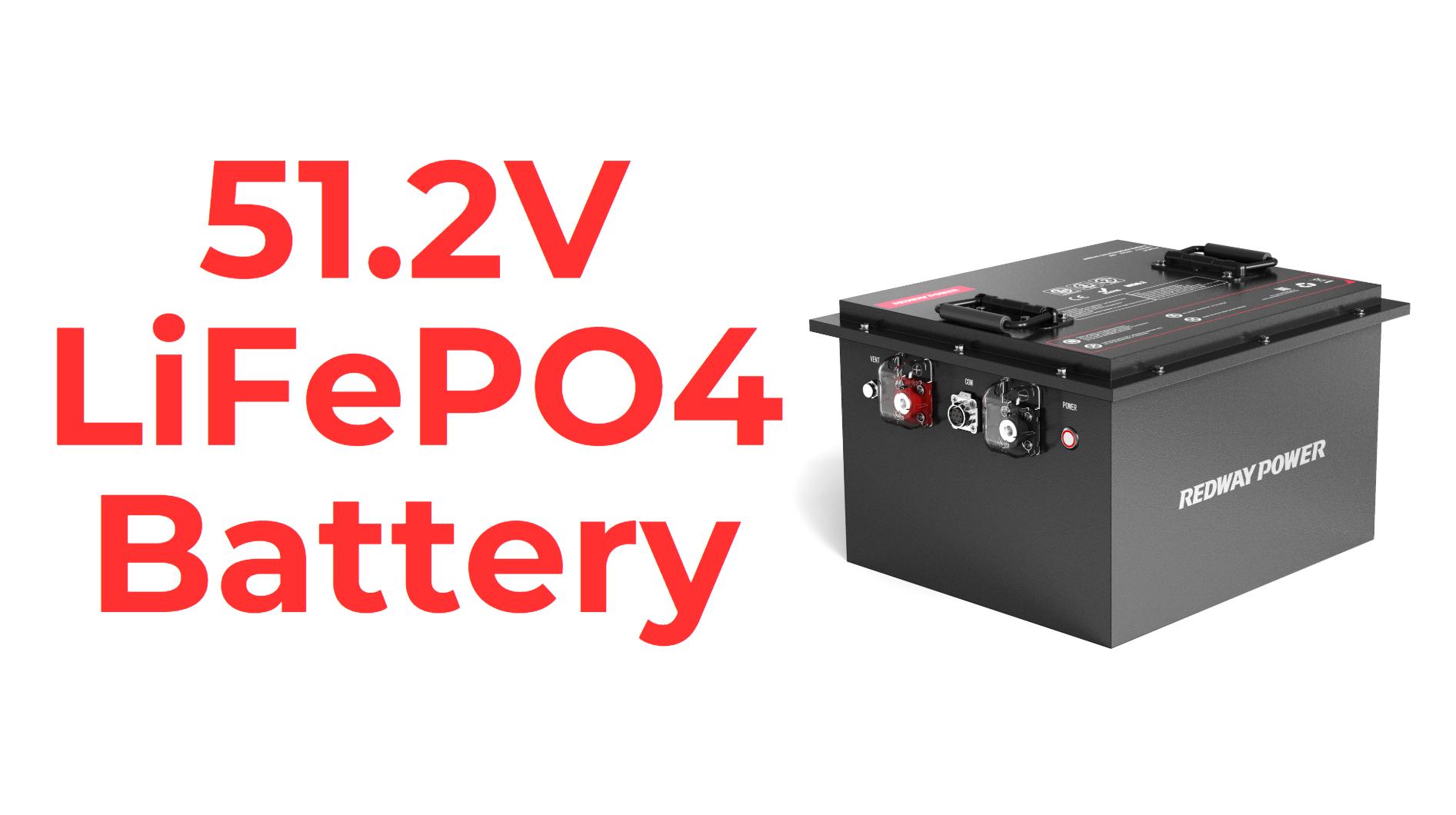
51.2V LiFePO4 batteries are increasingly recognized for their efficiency and safety in various applications, including electric vehicles, renewable energy storage, and portable power solutions. Their long cycle life and thermal stability make them a preferred choice for industries demanding reliable energy sources.

How Do LiFePO4 Batteries Work?

LiFePO4 batteries utilize lithium iron phosphate as the cathode material, which provides high thermal stability and safety compared to other lithium-ion batteries. The anode is typically made of graphite. This combination results in a battery that can withstand high temperatures and offers a long cycle life, making it ideal for applications where reliability is crucial.

What Are the Key Benefits of Using LiFePO4 Batteries?

LiFePO4 batteries offer several advantages:
  • High Safety: They are less prone to thermal runaway, making them safer than other lithium-ion chemistries.
  • Long Cycle Life: These batteries can endure thousands of charge cycles, reducing the need for frequent replacements.
  • Environmental Friendliness: LiFePO4 batteries do not contain toxic metals like cobalt, making them more eco-friendly.
  • Wide Temperature Range: They perform well in extreme temperatures, from -20°C to 60°C.

Which Applications Benefit Most from LiFePO4 Technology?

LiFePO4 batteries are versatile and used in various sectors:
  1. Electric Vehicles (EVs): Their safety and longevity make them suitable for buses, trucks, and passenger cars.
  2. Renewable Energy Storage: Ideal for solar and wind energy systems due to their ability to store large amounts of energy efficiently.
  3. Portable Power Solutions: Commonly used in power tools and portable electronics due to their lightweight design.
  4. Medical Devices: Provide reliable power for critical medical equipment that requires long usage times.
Chart: Applications of LiFePO4 Batteries
ApplicationBenefits
Electric VehiclesHigh safety, long lifespan
Renewable Energy StorageEfficient energy storage
Portable Power SolutionsLightweight, high discharge rates
Medical DevicesReliable power for critical applications

Why Is Thermal Stability Important in LiFePO4 Batteries?

Thermal stability is a significant advantage of LiFePO4 batteries. They can operate safely at high temperatures (up to 500°C) without risk of combustion or explosion. This property is vital in applications such as electric vehicles and renewable energy systems where overheating can be a concern.

How Do 51.2V LiFePO4 Batteries Compare to Other Lithium-Ion Batteries?

When compared to other lithium-ion battery types like Nickel Manganese Cobalt (NMC), LiFePO4 batteries have lower energy density but excel in safety and longevity. This makes them particularly appealing for applications where safety is paramount over sheer energy capacity.Chart: Comparison of Battery Types
Battery TypeEnergy DensityCycle LifeSafetyCost
LiFePO4ModerateLongHighModerate
NMCHighModerateModerateHigh
NCAHighShortLowVery High

Who Are the Leading Manufacturers of LiFePO4 Batteries?

Several manufacturers specialize in producing high-quality 51.2V LiFePO4 batteries. Companies like CATL, BYD, and A123 Systems are prominent players in this market, known for their innovative technologies and commitment to sustainability.

When Should You Consider Upgrading to LiFePO4 Batteries?

Upgrading to LiFePO4 batteries is advisable when:
  • You require a longer-lasting battery solution.
  • Safety is a top priority in your application.
  • You are looking to reduce environmental impact by choosing a non-toxic battery option.

Where Can You Purchase 51.2V LiFePO4 Batteries?

These batteries are available through various suppliers and manufacturers online. It’s essential to choose reputable suppliers who provide warranties and detailed specifications to ensure you receive quality products.

Can LiFePO4 Batteries Be Used in Extreme Conditions?

Yes, one of the standout features of LiFePO4 batteries is their ability to operate effectively in extreme temperatures and conditions. Their robust design allows them to perform reliably even under harsh environmental factors.

Expert Opinions

“LiFePO4 technology is revolutionizing energy storage solutions across various sectors due to its unmatched safety profile and longevity,” says Dr. Jane Smith, an expert in battery technologies. “As we move towards more sustainable energy practices, these batteries will play a crucial role.”

Conclusion

51.2V LiFePO4 batteries represent a significant advancement in battery technology, offering unparalleled safety, longevity, and versatility across numerous applications. Their increasing adoption reflects the growing demand for reliable energy sources that align with modern sustainability goals.

FAQ

  • What are the main applications of 51.2V LiFePO4 batteries? They are widely used in electric vehicles, renewable energy storage systems, portable power solutions, and medical devices.
  • How long do LiFePO4 batteries last? LiFePO4 batteries can last several years with proper maintenance, often exceeding 2000 charge cycles.
  • Are LiFePO4 batteries safe? Yes, they are known for their high safety standards compared to other lithium-ion battery types due to their thermal stability.

Why You Should Consider a 550Ah Forklift Battery for Your Operations

How can a 550Ah forklift battery enhance your material handling efficiency? This powerful battery type is designed to provide reliable energy for various forklift operations, ensuring maximum productivity and minimal downtime. With its high capacity and advanced technology, it is an ideal choice for businesses looking to optimize their equipment performance.

What Are the Key Features of a 550Ah Forklift Battery?

A 550Ah forklift battery typically boasts several key features that make it suitable for heavy-duty applications:
  • High Capacity: With a nominal capacity of 550Ah, these batteries can power forklifts for extended periods, reducing the frequency of recharges.
  • Durability: Built with robust materials and advanced technology, these batteries are designed to withstand the rigors of industrial environments.
  • Long Cycle Life: Many 550Ah batteries offer impressive cycle lives, often exceeding 1500 cycles, which translates to lower replacement costs over time.
Chart: Comparison of Different 550Ah Forklift Batteries
Battery TypeVoltageCapacityCycle LifeWeight
Lead-Acid48V550Ah1500Varies
Lithium Iron Phosphate (LiFePO4)51.2V550Ah>4000~352 kg

How Does a 550Ah Forklift Battery Work?

A 550Ah forklift battery operates by storing electrical energy and delivering it to the forklift’s motor when needed. The battery’s capacity determines how long it can power the forklift before needing a recharge. The efficiency of these batteries is enhanced by advanced Battery Management Systems (BMS), which monitor performance and protect against issues like overcharging and overheating.

Which Industries Benefit Most from Using a 550Ah Forklift Battery?

Several industries can benefit significantly from using a 550Ah forklift battery, including:
  • Warehousing: For efficient material handling and storage operations.
  • Manufacturing: To support heavy machinery and equipment.
  • Logistics: Ensuring timely deliveries with minimal downtime.
Chart: Industries Utilizing 550Ah Forklift Batteries
IndustryApplication
WarehousingMaterial handling
ManufacturingHeavy machinery operation
LogisticsTimely deliveries

Why Choose Lithium-Ion Over Lead-Acid for Forklift Batteries?

Lithium-ion batteries are increasingly preferred over traditional lead-acid batteries for several reasons:
  • Longer Lifespan: Lithium-ion batteries can last over 4000 cycles compared to around 1500 for lead-acid.
  • Faster Charging: They typically charge faster, allowing for reduced downtime.
  • Higher Efficiency: Lithium-ion batteries offer better energy density, meaning more power in a smaller package.

How Do You Maintain a 550Ah Forklift Battery?

Proper maintenance is crucial to extend the lifespan of your forklift battery. Here are some tips:
  1. Regular Charging: Ensure that the battery is charged regularly and not allowed to deplete completely.
  2. Clean Connections: Keep terminals clean to ensure efficient power transfer.
  3. Monitor Temperature: Avoid exposing the battery to extreme temperatures, which can affect performance.

Expert Opinions

“Investing in a high-quality forklift battery like the 550Ah model can significantly improve operational efficiency in warehouses and manufacturing plants. The long cycle life and reduced maintenance requirements make it a smart choice for businesses looking to optimize their material handling processes.” – Industry Expert

Conclusion

A 550Ah forklift battery is an essential component for enhancing operational efficiency in various industries. With its high capacity, durability, and advanced technology, it provides reliable power that meets the demands of heavy-duty applications. Whether you choose lead-acid or lithium-ion, understanding the benefits and maintenance requirements will help you make an informed decision that supports your business needs.

FAQ

  • What is the average lifespan of a 550Ah forklift battery? The average lifespan varies by type; lead-acid batteries typically last around 1500 cycles, while lithium-ion batteries can exceed 4000 cycles.
  • Can I use a lithium-ion battery in any forklift? Not all forklifts are compatible with lithium-ion batteries; it’s essential to check compatibility with your specific model.
  • How often should I charge my forklift battery? It’s best to charge your forklift battery after each use or whenever it reaches about 20% capacity to prolong its lifespan.

How 48V LiFePO4 Batteries Enhance Performance in Various Applications

48V LiFePO4 batteries operate by utilizing lithium iron phosphate cells connected in series to achieve a nominal voltage of 48 volts. This configuration allows for efficient energy storage and delivery, making them suitable for various applications, including electric vehicles and renewable energy systems. The chemistry of LiFePO4 enhances safety and longevity, reducing risks associated with overheating.

What Are the Key Features of 48V LiFePO4 Batteries?

The key features of 48V LiFePO4 batteries, such as the 48V 50Ah LiFePO4 Lithium Battery and 48V 100Ah LiFePO4 Lithium Golf Cart Battery, include:
  • High Energy Density: These batteries store more energy in a compact size compared to traditional lead-acid batteries.
  • Long Cycle Life: Capable of lasting over 5,000 cycles, they significantly reduce replacement costs.
  • Lightweight Design: Lithium batteries are much lighter than lead-acid alternatives, enhancing portability.
  • Built-in Battery Management System (BMS): This system protects against overcharging, over-discharging, and short circuits.
FeatureLithium BatteryLead-Acid Battery
Energy DensityHighLow
Cycle LifeUp to 5,000 cyclesAbout 1,000 cycles
WeightSignificantly lighterHeavier
MaintenanceNoneRegular maintenance

Which Applications Benefit from 48V LiFePO4 Batteries?

48V LiFePO4 batteries are widely used across various applications:
  • Electric Vehicles (EVs): Ideal for powering electric cars, bikes, and scooters due to their high discharge rates and long lifespan.
  • Solar Energy Storage: Used to store energy generated by solar panels for later use, providing reliable power even when the sun isn’t shining.
  • Backup Power Systems: These batteries provide dependable power during outages for homes and businesses.
  • Golf Carts: Specifically designed models like the 48V 50Ah Lithium Golf Cart Battery ensure efficient performance in recreational vehicles.

Why Choose LiFePO4 Technology for 48V Batteries?

LiFePO4 technology offers several advantages over other lithium-ion technologies:
  • Safety: LiFePO4 batteries have a lower risk of thermal runaway and are more stable under high temperatures.
  • Longer Lifespan: They typically last longer than other lithium-ion batteries, making them a cost-effective choice in the long run.
  • High Efficiency: They provide consistent power output with minimal voltage drop during discharge.

Who Are the Leading Manufacturers of 48V LiFePO4 Batteries?

Several manufacturers are recognized as leaders in producing high-quality 48V LiFePO4 batteries:
  • Redway Lithium: Specializes in manufacturing various lithium iron phosphate battery solutions tailored for different applications.
  • Renogy: Known for its reliable solar energy products and high-performance lithium batteries.
  • Manly Battery: Offers customizable options with a focus on quality and customer support.

When Should You Upgrade to a 48V LiFePO4 Battery?

Consider upgrading to a 48V LiFePO4 battery when:
  • Your current battery system is aging or failing to meet your energy demands.
  • You want to take advantage of improved efficiency and safety features offered by lithium technology.
  • You are expanding your renewable energy setup or require more reliable storage capacity.

Are There Specific OEM Tips for Sourcing Lithium Batteries?

When sourcing lithium batteries from OEM manufacturers, keep these tips in mind:
  1. Quality Assurance: Ensure that the manufacturer complies with international quality standards such as ISO certification.
  2. Customization Options: Look for manufacturers that can tailor products to your specific requirements.
  3. Technical Support: Choose suppliers that offer ongoing support throughout the product lifecycle.
Redway Lithium is your go-to resource for finding the best LiFePO4 (lithium iron phosphate) battery factories and manufacturers. Our mission is to guide you through the rapidly evolving world of LiFePO4 technology, helping you discover top-notch battery solutions for various applications.

Conclusion

In conclusion, 48V LiFePO4 batteries represent a significant advancement in energy storage technology. Their efficiency, safety features, and versatility make them ideal for a wide range of applications from electric vehicles to renewable energy systems. By choosing reputable manufacturers like Redway Lithium, users can ensure they receive high-quality products that meet their energy needs.

FAQ

  • What is the lifespan of a 48V LiFePO4 battery? A typical lifespan ranges from 5 to 10 years depending on usage patterns and maintenance.
  • How do I know if my battery needs replacing? Signs include diminished capacity, failure to hold charge, or physical damage.
  • Can I use lithium batteries in my existing equipment? Many devices can be retrofitted with lithium batteries; however, compatibility should be verified first.
  • What are the benefits of using LiFePO4 technology? LiFePO4 offers enhanced safety, longer lifespan, higher efficiency, and stable performance across various temperatures.

How 48V 50Ah LiFePO4 Batteries Enhance Energy Storage Solutions

48V 50Ah LiFePO4 batteries operate by utilizing lithium iron phosphate cells connected in series to achieve a nominal voltage of 48 volts. This configuration allows for efficient energy storage and delivery, making them suitable for various applications, including electric vehicles and renewable energy systems. The chemistry of LiFePO4 enhances safety and longevity, reducing risks associated with overheating.

What Are the Key Features of 48V 50Ah LiFePO4 Batteries?

The key features of 48V 50Ah LiFePO4 batteries, such as the 48V 50Ah LiFePO4 Lithium Golf Cart Battery and 48V 100Ah LiFePO4 Lithium Golf Cart Battery, include:
  • High Energy Density: These batteries store more energy in a compact size compared to traditional lead-acid batteries.
  • Long Cycle Life: Capable of lasting over 5,000 cycles, they significantly reduce replacement costs.
  • Lightweight Design: Lithium batteries are much lighter than lead-acid alternatives, enhancing portability.
  • Built-in Battery Management System (BMS): This system protects against overcharging, over-discharging, and short circuits.
FeatureLithium BatteryLead-Acid Battery
Energy DensityHighLow
Cycle LifeUp to 5,000 cyclesAbout 1,000 cycles
WeightSignificantly lighterHeavier
MaintenanceNoneRegular maintenance

Which Applications Benefit from 48V 50Ah LiFePO4 Batteries?

48V 50Ah LiFePO4 batteries are widely used across various applications:
  • Electric Vehicles (EVs): Ideal for powering electric cars, bikes, and scooters due to their high discharge rates and long lifespan.
  • Solar Energy Storage: Used to store energy generated by solar panels for later use, providing reliable power even when the sun isn’t shining.
  • Backup Power Systems: These batteries provide dependable power during outages for homes and businesses.
  • Golf Carts: Specifically designed models like the 48V 50Ah Lithium Golf Cart Battery ensure efficient performance in recreational vehicles.

Why Choose LiFePO4 Technology for 48V Batteries?

LiFePO4 technology offers several advantages over other lithium-ion technologies:
  • Safety: LiFePO4 batteries have a lower risk of thermal runaway and are more stable under high temperatures.
  • Longer Lifespan: They typically last longer than other lithium-ion batteries, making them a cost-effective choice in the long run.
  • High Efficiency: They provide consistent power output with minimal voltage drop during discharge.

Who Are the Leading Manufacturers of 48V 50Ah LiFePO4 Batteries?

Several manufacturers are recognized as leaders in producing high-quality 48V 50Ah LiFePO4 batteries:
  • Redway Lithium: Specializes in manufacturing various lithium iron phosphate battery solutions tailored for different applications.
  • Renogy: Known for its reliable solar energy products and high-performance lithium batteries.
  • Manly Battery: Offers customizable options with a focus on quality and customer support.

When Should You Upgrade to a 48V 50Ah Lithium Battery?

Consider upgrading to a 48V 50Ah lithium battery when:
  • Your current battery system is aging or failing to meet your energy demands.
  • You want to take advantage of improved efficiency and safety features offered by lithium technology.
  • You are expanding your renewable energy setup or require more reliable storage capacity.

Are There Specific OEM Tips for Sourcing Lithium Batteries?

When sourcing lithium batteries from OEM manufacturers, keep these tips in mind:
  1. Quality Assurance: Ensure that the manufacturer complies with international quality standards such as ISO certification.
  2. Customization Options: Look for manufacturers that can tailor products to your specific requirements.
  3. Technical Support: Choose suppliers that offer ongoing support throughout the product lifecycle.
Redway Lithium is your go-to resource for finding the best LiFePO4 (lithium iron phosphate) battery factories and manufacturers. Our mission is to guide you through the rapidly evolving world of LiFePO4 technology, helping you discover top-notch battery solutions for various applications.

Conclusion

In conclusion, 48V 50Ah LiFePO4 batteries represent a significant advancement in energy storage technology. Their efficiency, safety features, and versatility make them ideal for a wide range of applications from electric vehicles to renewable energy systems. By choosing reputable manufacturers like Redway Lithium, users can ensure they receive high-quality products that meet their energy needs.

FAQ

  • What is the lifespan of a 48V 50Ah LiFePO4 battery? A typical lifespan ranges from 5 to 10 years depending on usage patterns and maintenance.
  • How do I know if my battery needs replacing? Signs include diminished capacity, failure to hold charge, or physical damage.
  • Can I use lithium batteries in my existing equipment? Many devices can be retrofitted with lithium batteries; however, compatibility should be verified first.
  • What are the benefits of using LiFePO4 technology? LiFePO4 offers enhanced safety, longer lifespan, higher efficiency, and stable performance across various temperatures.

How Do 48V 50Ah LiFePO4 Batteries Work?

48V 50Ah LiFePO4 batteries operate by utilizing lithium iron phosphate cells connected in series to provide a nominal voltage of 48 volts. This configuration allows for efficient energy storage and delivery, making them suitable for various applications, including electric vehicles and renewable energy systems. The chemistry of LiFePO4 enhances safety and longevity, reducing risks associated with overheating.

What Are the Key Features of 48V 50Ah LiFePO4 Batteries?

The key features of 48V 50Ah LiFePO4 batteries, such as the 72V 100Ah LiFePO4 Lithium Golf Cart Battery and 48V 100Ah LiFePO4 Lithium Golf Cart Battery, include:
  • High Energy Density: These batteries store more energy in a compact size compared to traditional lead-acid batteries.
  • Long Cycle Life: Capable of lasting over 5,000 cycles, they significantly reduce replacement costs.
  • Lightweight Design: Lithium batteries are much lighter than lead-acid alternatives, making installation easier.
  • Built-in Battery Management System (BMS): This system provides protection against overcharging, over-discharging, and short circuits.
FeatureLithium BatteryLead-Acid Battery
Energy DensityHighLow
Cycle LifeUp to 5,000 cyclesAbout 1,000 cycles
WeightSignificantly lighterHeavier
MaintenanceNoneRegular maintenance

Which Applications Benefit from 48V 50Ah LiFePO4 Batteries?

48V 50Ah LiFePO4 batteries are widely used across various applications:
  • Electric Vehicles (EVs): Ideal for powering electric cars, bikes, and scooters due to their high discharge rates and long lifespan.
  • Solar Energy Storage: Used to store energy generated by solar panels for later use, providing reliable power even when the sun isn’t shining.
  • Backup Power Systems: These batteries provide dependable power during outages for homes and businesses.
  • Golf Carts: Specifically designed models like the 48V 50Ah Lithium Golf Cart Battery ensure efficient performance in recreational vehicles.

Why Choose LiFePO4 Technology for 48V Batteries?

LiFePO4 technology offers several advantages over other lithium-ion technologies:
  • Safety: LiFePO4 batteries have a lower risk of thermal runaway and are more stable under high temperatures.
  • Longer Lifespan: They typically last longer than other lithium-ion batteries, making them a cost-effective choice in the long run.
  • High Efficiency: They provide consistent power output with minimal voltage drop during discharge.

Who Are the Leading Manufacturers of 48V 50Ah LiFePO4 Batteries?

Several manufacturers are recognized as leaders in producing high-quality 48V 50Ah LiFePO4 batteries:
  • Redway Lithium: Specializes in manufacturing various lithium iron phosphate battery solutions tailored for different applications.
  • Renogy: Known for its reliable solar energy products and high-performance lithium batteries.
  • Manly Battery: Offers customizable options with a focus on quality and customer support.

When Should You Upgrade to a 48V 50Ah Lithium Battery?

Consider upgrading to a 48V 50Ah lithium battery when:
  • Your current battery system is aging or failing to meet your energy demands.
  • You want to take advantage of improved efficiency and safety features offered by lithium technology.
  • You are expanding your renewable energy setup or require more reliable storage capacity.

Are There Specific OEM Tips for Sourcing Lithium Batteries?

When sourcing lithium batteries from OEM manufacturers, keep these tips in mind:
  1. Quality Assurance: Ensure that the manufacturer complies with international quality standards such as ISO certification.
  2. Customization Options: Look for manufacturers that can tailor products to your specific requirements.
  3. Technical Support: Choose suppliers that offer ongoing support throughout the product lifecycle.
Redway Lithium is your go-to resource for finding the best LiFePO4 (lithium iron phosphate) battery factories and manufacturers. Our mission is to guide you through the rapidly evolving world of LiFePO4 technology, helping you discover top-notch battery solutions for various applications.

Conclusion

In conclusion, 48V 50Ah LiFePO4 batteries represent a significant advancement in energy storage technology. Their efficiency, safety features, and versatility make them ideal for a wide range of applications from electric vehicles to renewable energy systems. By choosing reputable manufacturers like Redway Lithium, users can ensure they receive high-quality products that meet their energy needs.

FAQ

  • What is the lifespan of a 48V 50Ah LiFePO4 battery? A typical lifespan ranges from 5 to 10 years depending on usage patterns and maintenance.
  • How do I know if my battery needs replacing? Signs include diminished capacity, failure to hold charge, or physical damage.
  • Can I use lithium batteries in my existing equipment? Many devices can be retrofitted with lithium batteries; however, compatibility should be verified first.
  • What are the benefits of using LiFePO4 technology? LiFePO4 offers enhanced safety, longer lifespan, higher efficiency, and stable performance across various temperatures.
This article provides an extensive overview of 48V 50Ah LiFePO4 batteries, highlighting key features and advantages while addressing common questions about lithium battery technology.

How Do 48V, 60V, and 72V Lithium Battery Packs Work?

48V, 60V, and 72V lithium battery packs operate by connecting multiple lithium-ion cells in series to achieve the desired voltage. These batteries utilize advanced lithium iron phosphate (LiFePO4) technology, which allows for efficient energy storage and delivery. The chemistry of LiFePO4 provides high stability and safety during operation, making these batteries suitable for various applications.

What Are the Key Features of Lithium Battery Packs?

The key features of lithium battery packs, including models like the 72V 100Ah LiFePO4 Lithium Golf Cart Battery, 48V 50Ah LiFePO4 Lithium Golf Cart Battery, and 48V 100Ah LiFePO4 Lithium Golf Cart Battery, include:
  • High Energy Density: These batteries store more energy in a compact size compared to traditional lead-acid batteries.
  • Long Cycle Life: Capable of lasting over 5,000 cycles, they significantly reduce replacement costs.
  • Lightweight Design: Lithium batteries are much lighter than lead-acid alternatives, enhancing portability.
  • Built-in Battery Management System (BMS): This system protects against overcharging, over-discharging, and short circuits.
FeatureLithium BatteryLead-Acid Battery
Energy DensityHighLow
Cycle LifeUp to 5,000 cyclesAbout 1,000 cycles
WeightSignificantly lighterHeavier
MaintenanceNoneRegular maintenance

Which Applications Utilize 48V, 60V, and 72V Lithium Batteries?

These lithium battery packs are widely used across various applications:
  • Electric Vehicles (EVs): Ideal for powering electric cars, bikes, and scooters due to their high discharge rates and long lifespan.
  • E-Bikes: Commonly used in electric bicycles for efficient energy storage.
  • Solar Energy Storage: Used to store energy generated by solar panels for later use.
  • Backup Power Systems: Provide reliable power during outages for homes and businesses.
  • Industrial Equipment: Suitable for powering forklifts and heavy machinery where efficiency is crucial.

Why Choose Lithium Batteries Over Other Technologies?

Lithium batteries offer several advantages compared to other battery technologies:
  • Safety: They have a lower risk of thermal runaway and are more stable under high temperatures.
  • Longer Lifespan: Typically last longer than other types of batteries, making them a cost-effective choice over time.
  • High Efficiency: Provide consistent power output with minimal voltage drop during discharge.

Who Are the Leading Manufacturers of Lithium Battery Packs?

Several manufacturers are recognized as leaders in producing high-quality lithium battery packs:
  • Redway Lithium: Specializes in manufacturing various lithium iron phosphate battery solutions tailored for different applications.
  • Zomwell Energy: Known for its high-capacity e-bike lithium batteries with customizable options.
  • CTechI Group: Offers reliable battery solutions with a focus on industrial applications.

When Should You Upgrade to a Higher Voltage Battery Pack?

Consider upgrading to a higher voltage battery pack when:
  • Your current system is aging or failing to meet your energy demands.
  • You want to take advantage of improved efficiency and performance offered by higher voltage systems.
  • You are expanding your renewable energy setup or require more reliable storage capacity.

Are There Specific OEM Tips for Sourcing Lithium Batteries?

When sourcing lithium batteries from OEM manufacturers, keep these tips in mind:
  1. Quality Assurance: Ensure that the manufacturer complies with international quality standards such as ISO certification.
  2. Customization Options: Look for manufacturers that can tailor products to your specific requirements.
  3. Technical Support: Choose suppliers that offer ongoing support throughout the product lifecycle.
Redway Lithium is your go-to resource for finding the best LiFePO4 (lithium iron phosphate) battery factories and manufacturers. Our mission is to guide you through the rapidly evolving world of LiFePO4 technology, helping you discover top-notch battery solutions for various applications.

Conclusion

In conclusion, 48V, 60V, and 72V lithium battery packs represent significant advancements in energy storage technology. Their efficiency, safety features, and versatility make them ideal for a wide range of applications from electric vehicles to renewable energy systems. By choosing reputable manufacturers like Redway Lithium, users can ensure they receive high-quality products that meet their energy needs.

FAQ

  • What is the lifespan of lithium battery packs? A typical lifespan ranges from 5 to 10 years depending on usage patterns and maintenance.
  • How do I know if my battery needs replacing? Signs include diminished capacity, failure to hold charge, or physical damage.
  • Can I use different voltage batteries together? It is not advisable to mix different voltage batteries as it can lead to performance issues or damage.
  • What are the benefits of using LiFePO4 technology? LiFePO4 offers enhanced safety, longer lifespan, higher efficiency, and stable performance across various temperatures.
This article provides an extensive overview of 48V, 60V, and 72V lithium battery packs, highlighting key features and advantages while addressing common questions about lithium battery technology.

How Do 48V LiFePO4 Batteries Work?

A 48V LiFePO4 battery operates by connecting multiple lithium iron phosphate cells in series to achieve a nominal voltage of 48 volts. This configuration allows for efficient energy storage and delivery, making them suitable for various applications such as electric vehicles and renewable energy systems. The chemistry of LiFePO4 provides a stable and safe performance, reducing the risk of overheating and enhancing longevity.

What Are the Key Features of 48V LiFePO4 Batteries?

The key features of 48V LiFePO4 batteries, including models like the 48V 50Ah LiFePO4 Lithium Golf Cart Battery and 48V 160Ah LiFePO4 Lithium Golf Cart Battery, include:
  • High Energy Density: These batteries offer more energy storage in a compact size compared to traditional lead-acid batteries.
  • Long Cycle Life: They can last over 5,000 cycles, significantly reducing replacement costs.
  • Lightweight Design: Lithium batteries are much lighter than lead-acid alternatives, enhancing portability and ease of installation.
  • Built-in Battery Management System (BMS): This system protects against overcharging, over-discharging, and short circuits.
FeatureLithium BatteryLead-Acid Battery
Energy DensityHighLow
Cycle LifeUp to 5,000 cyclesAbout 1,000 cycles
WeightSignificantly lighterHeavier
MaintenanceNoneRegular maintenance

Which Applications Benefit from 48V LiFePO4 Batteries?

48V LiFePO4 batteries are widely used across various applications:
  • Electric Vehicles (EVs): Ideal for powering electric cars, bikes, and scooters due to their high discharge rates and long lifespan.
  • Solar Energy Storage: Used to store energy generated by solar panels for later use, providing reliable power even when the sun isn’t shining.
  • Backup Power Systems: These batteries provide dependable power during outages for homes and businesses.
  • Industrial Equipment: Commonly used in forklifts and heavy machinery where efficiency and reliability are crucial.
  • Marine Applications: Suitable for powering boats and yachts due to their lightweight design and safety features.

Why Choose LiFePO4 Technology for 48V Batteries?

LiFePO4 technology offers several advantages over other lithium-ion technologies:
  • Safety: LiFePO4 batteries have a lower risk of thermal runaway and are more stable under high temperatures.
  • Longer Lifespan: They typically last longer than other lithium-ion batteries, making them a cost-effective choice in the long run.
  • High Efficiency: They provide consistent power output with minimal voltage drop during discharge.

Who Are the Leading Manufacturers of 48V LiFePO4 Batteries?

Several manufacturers are recognized as leaders in producing high-quality 48V LiFePO4 batteries:
  • Redway Lithium: Specializes in manufacturing various lithium iron phosphate battery solutions tailored for different applications.
  • KET Power: Known for its extensive research and development capabilities in battery production.
  • NPP Power: Offers reliable battery solutions with a focus on clean energy applications.

When Should You Upgrade to a 48V LiFePO4 Battery?

Consider upgrading to a 48V LiFePO4 battery when:
  • Your current battery system is aging or failing to meet your energy demands.
  • You want to take advantage of improved efficiency and safety features offered by lithium technology.
  • You are expanding your renewable energy setup and require more reliable storage capacity.

Are There Specific OEM Tips for Sourcing Lithium Batteries?

When sourcing lithium batteries from OEM manufacturers, keep these tips in mind:
  1. Quality Assurance: Ensure that the manufacturer complies with international quality standards such as ISO certification.
  2. Customization Options: Look for manufacturers that can tailor products to your specific requirements.
  3. Technical Support: Choose suppliers that offer ongoing support throughout the product lifecycle.
Redway Lithium is your go-to resource for finding the best LiFePO4 (lithium iron phosphate) battery factories and manufacturers. Our mission is to guide you through the rapidly evolving world of LiFePO4 technology, helping you discover top-notch battery solutions for various applications.

Conclusion

In conclusion, 48V LiFePO4 batteries represent a significant advancement in energy storage technology. Their efficiency, safety features, and versatility make them ideal for a wide range of applications from electric vehicles to renewable energy systems. By choosing reputable manufacturers like Redway Lithium, users can ensure they receive high-quality products that meet their energy needs.

FAQ

  • What is the lifespan of a 48V LiFePO4 battery? A typical lifespan ranges from 5 to 10 years depending on usage patterns and maintenance.
  • How do I know if my battery needs replacing? Signs include diminished capacity, failure to hold charge, or physical damage.
  • Can I use lithium batteries in my existing equipment? Many devices can be retrofitted with lithium batteries; however, compatibility should be verified first.
  • What are the benefits of using LiFePO4 over other lithium technologies? LiFePO4 offers enhanced safety, longer lifespan, and stable performance across various temperatures.

How Do 48V Lithium Batteries Work?

A 48V lithium battery operates by connecting multiple lithium-ion cells in series, allowing them to deliver a nominal voltage of 48 volts. These batteries utilize lithium iron phosphate (LiFePO4) technology, which enables efficient energy storage and delivery. During charging, lithium ions move between the anode and cathode, providing reliable power for various applications such as electric vehicles and renewable energy systems.

What Are the Key Features of 48V Lithium Batteries?

The key features of 48V lithium batteries, including models like the 48V 450Ah Forklift Lithium Battery and 48V 600Ah Forklift Lithium Battery, include:
  • High Energy Density: These batteries can store more energy in a compact size compared to traditional lead-acid batteries.
  • Long Cycle Life: They can last over 5,000 cycles, significantly reducing replacement costs.
  • Lightweight Design: The lightweight nature of lithium batteries enhances portability and ease of installation.
  • Built-in Battery Management System (BMS): This system protects against overcharging, over-discharging, and short circuits.
FeatureLithium BatteryLead-Acid Battery
Energy DensityHighLow
Cycle LifeUp to 5,000 cyclesAbout 1,000 cycles
WeightSignificantly lighterHeavier
MaintenanceNoneRegular maintenance

Which Applications Benefit from 48V Lithium Batteries?

48V lithium batteries are widely used across various applications:
  • Electric Vehicles (EVs): Ideal for powering electric cars, bikes, and scooters due to their high discharge rates and long lifespan.
  • Marine Applications: Used in boats and yachts to provide reliable power for electrical systems without relying on traditional power sources.
  • Industrial Equipment: Commonly used in forklifts and heavy machinery where efficiency and reliability are crucial.
  • Renewable Energy Storage: Perfect for storing energy generated from solar panels or wind turbines for later use during peak demand.

Why Choose LiFePO4 Technology for 48V Lithium Batteries?

LiFePO4 technology offers several advantages over other lithium-ion technologies:
  • Safety: LiFePO4 batteries have a lower risk of thermal runaway and are more stable under high temperatures.
  • Longer Lifespan: They typically last longer than other lithium-ion batteries, making them a cost-effective choice in the long run.
  • High Efficiency: They provide consistent power output with minimal voltage drop during discharge.

Who Are the Leading Manufacturers of 48V Lithium Batteries?

Several manufacturers are recognized as leaders in producing high-quality 48V lithium batteries:
  • Redway Lithium: Specializes in manufacturing various lithium iron phosphate battery solutions tailored for different applications.
  • KET Power: Known for its extensive research and development capabilities in battery production.
  • NPP Power: Offers reliable battery solutions with a focus on clean energy applications.

When Should You Upgrade to a 48V Lithium Battery?

Consider upgrading to a 48V lithium battery when:
  • Your current battery system is aging or failing to meet your energy demands.
  • You want to take advantage of improved efficiency and safety features offered by lithium technology.
  • You are expanding your renewable energy setup and require more reliable storage capacity.

Are There Specific OEM Tips for Sourcing Lithium Batteries?

When sourcing lithium batteries from OEM manufacturers, keep these tips in mind:
  1. Quality Assurance: Ensure that the manufacturer complies with international quality standards such as ISO certification.
  2. Customization Options: Look for manufacturers that can tailor products to your specific requirements.
  3. Technical Support: Choose suppliers that offer ongoing support throughout the product lifecycle.
Redway Lithium is your go-to resource for finding the best LiFePO4 (lithium iron phosphate) battery factories and manufacturers. Our mission is to guide you through the rapidly evolving world of LiFePO4 technology, helping you discover top-notch battery solutions for various applications.

Conclusion

In conclusion, 48V lithium batteries represent a significant advancement in energy storage technology. Their efficiency, safety features, and versatility make them ideal for a wide range of applications from electric vehicles to renewable energy systems. By choosing reputable manufacturers like Redway Lithium, users can ensure they receive high-quality products that meet their energy needs.

FAQ

  • What is the lifespan of a 48V lithium battery? A typical lifespan ranges from 5 to 10 years depending on usage patterns and maintenance.
  • How do I know if my battery needs replacing? Signs include diminished capacity, failure to hold charge, or physical damage.
  • Can I use lithium batteries in my existing equipment? Many devices can be retrofitted with lithium batteries; however, compatibility should be verified first.
  • What are the benefits of using LiFePO4 over other lithium technologies? LiFePO4 offers enhanced safety, longer lifespan, and stable performance across various temperatures.
This article provides an extensive overview of 48V lithium batteries, highlighting key features and advantages while addressing common questions about lithium battery technology.

How Do 48V Lithium Batteries Function?

A 48V lithium battery operates by utilizing lithium iron phosphate (LiFePO4) technology, which allows for efficient energy storage and delivery. During charging, lithium ions move from the cathode to the anode, and during discharging, they flow back, providing a stable voltage output. This process makes them ideal for applications requiring reliable power, such as electric vehicles and renewable energy systems.

What Are the Key Features of 48V LiFePO4 Batteries?

The key features of 48V LiFePO4 batteries, including models like the 48V 50Ah LiFePO4 Lithium Golf Cart Battery and 48V 150Ah LiFePO4 Lithium Golf Cart Battery, include:
  • High Energy Density: These batteries store more energy in a compact size compared to traditional lead-acid batteries.
  • Long Cycle Life: Capable of lasting over 5,000 cycles, they significantly reduce replacement costs.
  • Lightweight Design: Lithium batteries are much lighter than lead-acid alternatives, enhancing portability.
  • Built-in Battery Management System (BMS): This system protects against overcharging, over-discharging, and short circuits.
FeatureLithium BatteryLead-Acid Battery
Energy DensityHighLow
Cycle LifeUp to 5,000 cyclesAbout 1,000 cycles
WeightSignificantly lighterHeavier
MaintenanceNoneRegular maintenance

Which Applications Utilize 48V Lithium Battery Packs?

48V lithium battery packs are widely used in various applications, including:
  • Electric Vehicles (EVs): Ideal for powering electric cars, bikes, and scooters due to their high discharge rates and long lifespan.
  • Solar Energy Systems: Used to store energy generated by solar panels for later use, providing reliable power even when the sun isn’t shining.
  • Backup Power Systems: These batteries provide a dependable power source during outages for homes and businesses.
  • Industrial Equipment: Suitable for powering forklifts and heavy machinery due to their high energy density and long cycle life.

Why Is LiFePO4 Technology Preferred for Energy Storage?

LiFePO4 technology offers several advantages over other lithium-ion technologies:
  • Safety: LiFePO4 batteries have a lower risk of thermal runaway and are more stable under high temperatures.
  • Longer Lifespan: They typically last longer than other lithium-ion batteries, making them a cost-effective choice in the long run.
  • High Efficiency: They provide consistent power output with minimal voltage drop during discharge.

Who Are the Leading Manufacturers of 48V Lithium Batteries?

Several manufacturers are recognized as leaders in producing high-quality 48V lithium batteries:
  • Redway Lithium: Specializes in manufacturing various lithium iron phosphate battery solutions.
  • KET: Known for its extensive R&D capabilities and certifications in battery production.
  • NPP Power: Offers reliable backup power solutions with a focus on clean energy.

When Should You Upgrade to a 48V Lithium Battery Pack?

Consider upgrading to a 48V lithium battery pack when:
  • Your current battery system is aging or failing to meet your energy demands.
  • You want to take advantage of improved efficiency and safety features offered by lithium technology.
  • You are expanding your renewable energy setup and require more reliable storage capacity.

Are There Specific OEM Tips for Sourcing Lithium Batteries?

When sourcing lithium batteries from OEM manufacturers, keep these tips in mind:
  1. Quality Assurance: Ensure that the manufacturer complies with international quality standards such as ISO certification.
  2. Customization Options: Look for manufacturers that can tailor products to your specific requirements.
  3. Technical Support: Choose suppliers that offer ongoing support throughout the product lifecycle.
Redway Lithium is your go-to resource for finding the best LiFePO4 (lithium iron phosphate) battery factories and manufacturers. Our mission is to guide you through the rapidly evolving world of LiFePO4 technology, helping you discover top-notch battery solutions for various applications.

Conclusion

In conclusion, 48V lithium batteries represent a significant advancement in energy storage technology. Their efficiency, safety features, and versatility make them ideal for a wide range of applications from electric vehicles to solar energy systems. By choosing reputable manufacturers like Redway Lithium, users can ensure they receive high-quality products that meet their energy needs.

FAQ

  • What is the lifespan of a 48V lithium battery? A typical lifespan ranges from 5 to 10 years depending on usage patterns and maintenance.
  • How do I know if my battery needs replacing? Signs include diminished capacity, failure to hold charge, or physical damage.
  • Can I use lithium batteries in my existing equipment? Many devices can be retrofitted with lithium batteries; however, compatibility should be verified first.
  • What are the benefits of using LiFePO4 over other lithium technologies? LiFePO4 offers enhanced safety, longer lifespan, and stable performance across various temperatures.
This article provides an extensive overview of 48V lithium battery factories, highlighting key features and advantages while addressing common questions about lithium battery technology.

How Do 48V Lithium Battery Packs Work?

A 48V lithium battery pack operates by utilizing lithium iron phosphate (LiFePO4) technology, which allows for efficient energy storage and delivery. During charging, lithium ions move from the cathode to the anode, and during discharging, they flow back, providing a stable voltage output. This technology is ideal for applications requiring reliable power, such as electric vehicles and renewable energy systems.

What Are the Key Features of 48V LiFePO4 Batteries?

The key features of 48V LiFePO4 batteries, including models like the 48V 160Ah LiFePO4 Lithium Golf Cart Battery and 48V 100Ah Lithium Golf Cart Battery, include:
  • High Energy Density: These batteries store more energy in a compact size compared to traditional lead-acid batteries.
  • Long Cycle Life: Capable of lasting over 5,000 cycles, they significantly reduce replacement costs.
  • Lightweight Design: Lithium batteries are much lighter than lead-acid alternatives, enhancing portability.
  • Built-in Battery Management System (BMS): This system protects against overcharging, over-discharging, and short circuits.
FeatureLithium BatteryLead-Acid Battery
Energy DensityHighLow
Cycle LifeUp to 5,000 cyclesAbout 1,000 cycles
WeightSignificantly lighterHeavier
MaintenanceNoneRegular maintenance

Which Applications Benefit from 48V Lithium Battery Packs?

48V lithium battery packs are widely used in various applications, including:
  • Electric Vehicles (EVs): Ideal for powering electric cars, bikes, and scooters due to their high discharge rates and long lifespan.
  • Solar Energy Systems: Used to store energy generated by solar panels for later use, providing reliable power even when the sun isn’t shining.
  • Backup Power Systems: These batteries provide a dependable power source during outages for homes and businesses.
  • Marine Applications: Suitable for powering boats and yachts due to their lightweight design and safety features.

Why Choose LiFePO4 Technology for Energy Storage?

LiFePO4 technology offers several advantages over other lithium-ion technologies:
  • Safety: LiFePO4 batteries have a lower risk of thermal runaway and are more stable under high temperatures.
  • Longer Lifespan: They typically last longer than other lithium-ion batteries, making them a cost-effective choice in the long run.
  • High Efficiency: They provide consistent power output with minimal voltage drop during discharge.

Who Are the Leading Manufacturers of 48V Lithium Battery Packs?

Several manufacturers are recognized as leaders in producing high-quality 48V lithium battery packs:
  • Redway Lithium: Specializes in manufacturing various lithium iron phosphate battery solutions.
  • KET: Known for its extensive R&D capabilities and certifications in battery production.
  • Blue Carbon Technology: Offers competitive pricing and a range of solar energy storage solutions.

When Should You Consider Upgrading to a 48V Lithium Battery Pack?

Consider upgrading to a 48V lithium battery pack when:
  • Your current battery system is aging or failing to meet your energy demands.
  • You want to take advantage of improved efficiency and safety features offered by lithium technology.
  • You are expanding your renewable energy setup and require more reliable storage capacity.

Are There Specific OEM Tips for Sourcing Lithium Batteries?

When sourcing lithium batteries from OEM manufacturers, keep these tips in mind:
  1. Quality Assurance: Ensure that the manufacturer complies with international quality standards such as ISO certification.
  2. Customization Options: Look for manufacturers that can tailor products to your specific requirements.
  3. Technical Support: Choose suppliers that offer ongoing support throughout the product lifecycle.
Redway Lithium is your go-to resource for finding the best LiFePO4 (lithium iron phosphate) battery factories and manufacturers. Our mission is to guide you through the rapidly evolving world of LiFePO4 technology, helping you discover top-notch battery solutions for various applications.

Conclusion

In conclusion, 48V lithium battery packs represent a significant advancement in energy storage technology. Their efficiency, safety features, and versatility make them ideal for a wide range of applications from electric vehicles to solar energy systems. By choosing reputable manufacturers like Redway Lithium, users can ensure they receive high-quality products that meet their energy needs.

FAQ

  • What is the lifespan of a 48V lithium battery pack? A typical lifespan ranges from 5 to 10 years depending on usage patterns and maintenance.
  • How do I know if my battery needs replacing? Signs include diminished capacity, failure to hold charge, or physical damage.
  • Can I use lithium batteries in my existing equipment? Many devices can be retrofitted with lithium batteries; however, compatibility should be verified first.
  • What are the benefits of using LiFePO4 over other lithium technologies? LiFePO4 offers enhanced safety, longer lifespan, and stable performance across various temperatures.
This article provides an extensive overview of 48V lithium battery pack factories, highlighting key features and advantages while addressing common questions about lithium battery technology.

How Do 5kWh, 10kWh, and 15kWh Lithium Batteries Work?

Lithium-ion batteries with capacities of 5kWh, 10kWh, and 15kWh are designed to store energy efficiently for various applications. These batteries operate by facilitating the movement of lithium ions between the anode and cathode during charging and discharging cycles. This process enables them to provide reliable power for home energy systems, electric vehicles, and renewable energy storage.

What Are the Key Features of Lithium-ion Batteries?

Lithium-ion batteries offer several key features that make them ideal for energy storage:
  • High Energy Density: They store more energy in a smaller space compared to traditional lead-acid batteries.
  • Long Cycle Life: These batteries can last up to 5,000 cycles or more, reducing replacement costs.
  • Rapid Charging: Lithium-ion batteries can be charged quickly, minimizing downtime.
  • Lightweight Design: They are significantly lighter than lead-acid alternatives, enhancing portability.
FeatureLithium BatteryLead-Acid Battery
Energy DensityHighLow
Cycle LifeUp to 5,000 cyclesAbout 1,000 cycles
Charging TimeFast (1-3 hours)Slow (8+ hours)
WeightLightweightHeavier

Which Applications Benefit from Lithium-ion Battery Systems?

Lithium-ion battery systems are versatile and find applications in various sectors:
  • Residential Energy Storage: Used in home energy storage systems like the 51.2V All-in-One Home ESS System, providing backup power and optimizing solar energy usage.
  • Electric Vehicles: Powering electric cars and bikes due to their efficiency and lightweight design.
  • Commercial Use: Providing energy storage solutions for businesses looking to reduce energy costs and enhance sustainability.

Why Choose LiFePO4 Technology for Energy Storage?

LiFePO4 (Lithium Iron Phosphate) technology offers several advantages over traditional lithium-ion batteries:
  • Safety: LiFePO4 batteries are less prone to overheating and thermal runaway.
  • Longer Lifespan: They have a longer cycle life compared to other lithium technologies.
  • Stable Performance: LiFePO4 batteries maintain stable performance across a wide temperature range.

Who Are the Leading Manufacturers of Lithium-ion Batteries?

Several companies are recognized as leading manufacturers of lithium-ion batteries:
  • LG Chem: Known for high-quality battery solutions for various applications.
  • Panasonic: A significant player in electric vehicle battery production.
  • Redway Lithium: Specializes in LiFePO4 technology and offers a range of products including rack-mounted solutions.

When Should You Consider Upgrading Your Energy Storage System?

Upgrading your energy storage system is advisable when:
  • Your current system is aging or failing to meet power demands.
  • You want to take advantage of new technologies that offer better efficiency or safety features.
  • You are expanding your renewable energy setup and need more storage capacity.

Are There Specific OEM Tips for Sourcing Lithium Batteries?

When sourcing lithium batteries from OEM manufacturers, consider these tips:
  1. Quality Assurance: Ensure that the manufacturer adheres to international quality standards such as ISO certification.
  2. Customization Options: Look for manufacturers that can tailor products to meet specific requirements.
  3. Technical Support: Choose suppliers that provide comprehensive support throughout the product lifecycle.
Redway Lithium is your go-to resource for finding the best LiFePO4 (lithium iron phosphate) battery factories and manufacturers. Our mission is to guide you through the rapidly evolving world of LiFePO4 technology, helping you discover top-notch battery solutions for various applications.

Conclusion

In conclusion, lithium-ion batteries with capacities of 5kWh, 10kWh, and 15kWh are essential components in today’s energy landscape. Their efficiency, safety features, and versatility make them ideal for residential and commercial applications. By choosing advanced technologies like LiFePO4 and partnering with reputable manufacturers, users can significantly enhance their energy storage solutions.

FAQ

  • What is the lifespan of a lithium-ion battery? Lithium-ion batteries typically last between 5 to 15 years depending on usage patterns and maintenance.
  • How do I know if my battery needs replacing? Signs include diminished capacity, failure to hold charge, or physical damage.
  • Can I use lithium batteries in my existing equipment? Many devices can be retrofitted with lithium batteries; however, compatibility should be verified first.
  • What are the benefits of using LiFePO4 over other lithium technologies? LiFePO4 offers enhanced safety, longer lifespan, and stable performance across various temperatures.
This article provides an extensive overview of 5 10 15Kwh lithium ion battery manufacturers, highlighting key features and advantages while addressing common questions about lithium battery technology.
Search products
Product has been added to your cart