Redway Power · LiFePO4 battery factory for OEM & wholesale, 12V to 100V|Tel +86 189 7608 1534|Get a quick quote
How to Spot Clark Forklift Battery Trouble?

How to Spot Clark Forklift Battery Trouble?

Recognizing the signs of battery trouble in Clark forklift batteries is crucial for maintaining operational efficiency and preventing costly downtime. Early detection allows for timely maintenance or replacement, ensuring your forklifts remain reliable. Let’s address some common questions: What’s the average lifespan? What are key performance indicators? How does decreased performance indicate battery issues?

What is the Average Lifespan of a Clark Forklift Battery, and How Can I Maximize It?

The average lifespan of a Clark forklift battery ranges from 3 to 5 years, or approximately 1500 charge cycles, with proper maintenance. To maximize its lifespan, adhere to recommended charging practices, perform regular maintenance, and avoid extreme operating conditions. Preventative care can extend the battery’s useful life.

What Are the Key Performance Indicators (KPIs) That Signal Potential Trouble with a Clark Forklift Battery?

Key Performance Indicators (KPIs) that signal potential trouble include decreased run time, slower charging times, increased operating temperature, and visible signs of corrosion or damage. Monitoring these indicators can provide early warnings of battery issues, enabling prompt action.

How Does Decreased Performance Indicate Battery Problems in Clark Forklifts?

Decreased performance, such as reduced lifting capacity or slower travel speeds, is a significant indicator of battery trouble. As a battery ages or develops problems, its ability to deliver consistent power diminishes, leading to noticeable performance declines. It is important to investigate any drop in overall performance.

Why Does Shorter Run Time Suggest a Need for Battery Inspection?

Shorter run times, meaning the forklift operates for less time on a full charge, strongly suggest a need for battery inspection. This could result from sulfation, internal damage, or decreased electrolyte levels. Regular inspections can identify the root cause and determine the appropriate solution.

How Does Visible Corrosion on Battery Terminals Indicate Underlying Issues?

Visible corrosion on battery terminals indicates an underlying issue such as acid leakage, improper cleaning, or inadequate maintenance. Corrosion can impede electrical connections, reduce battery efficiency, and lead to safety hazards. Cleaning the terminals and addressing the source of corrosion are essential.

What Role Does Sulfation Play in Battery Trouble, and How Can It Be Identified?

Sulfation, the buildup of lead sulfate crystals on battery plates, is a common cause of battery trouble. It reduces the battery’s ability to hold a charge and deliver power. Signs of sulfation include longer charging times, decreased performance, and increased battery temperature. Regular equalization charges can help reverse sulfation in its early stages.

How Does Spilled Acid Indicate a Serious Battery Problem Requiring Immediate Attention?

Spilled acid indicates a serious battery problem, such as a cracked case, overfilling, or improper venting. Acid spills pose safety risks and can cause corrosion to the forklift and surrounding environment. Immediate action is required to contain and neutralize the spill, followed by battery inspection and repair or replacement.

What Are the Common Forklift Battery Problems and Their Symptoms?

Common forklift battery problems include sulfation, short circuits, excessive self-discharging, and electrolyte imbalances. Symptoms of these issues include reduced capacity, longer charging times, overheating, and voltage fluctuations. Diagnosing these problems early can prevent further damage.

How Do Different Battery Technologies (Lead-Acid vs. Lithium-Ion) Exhibit Unique Trouble Signs?

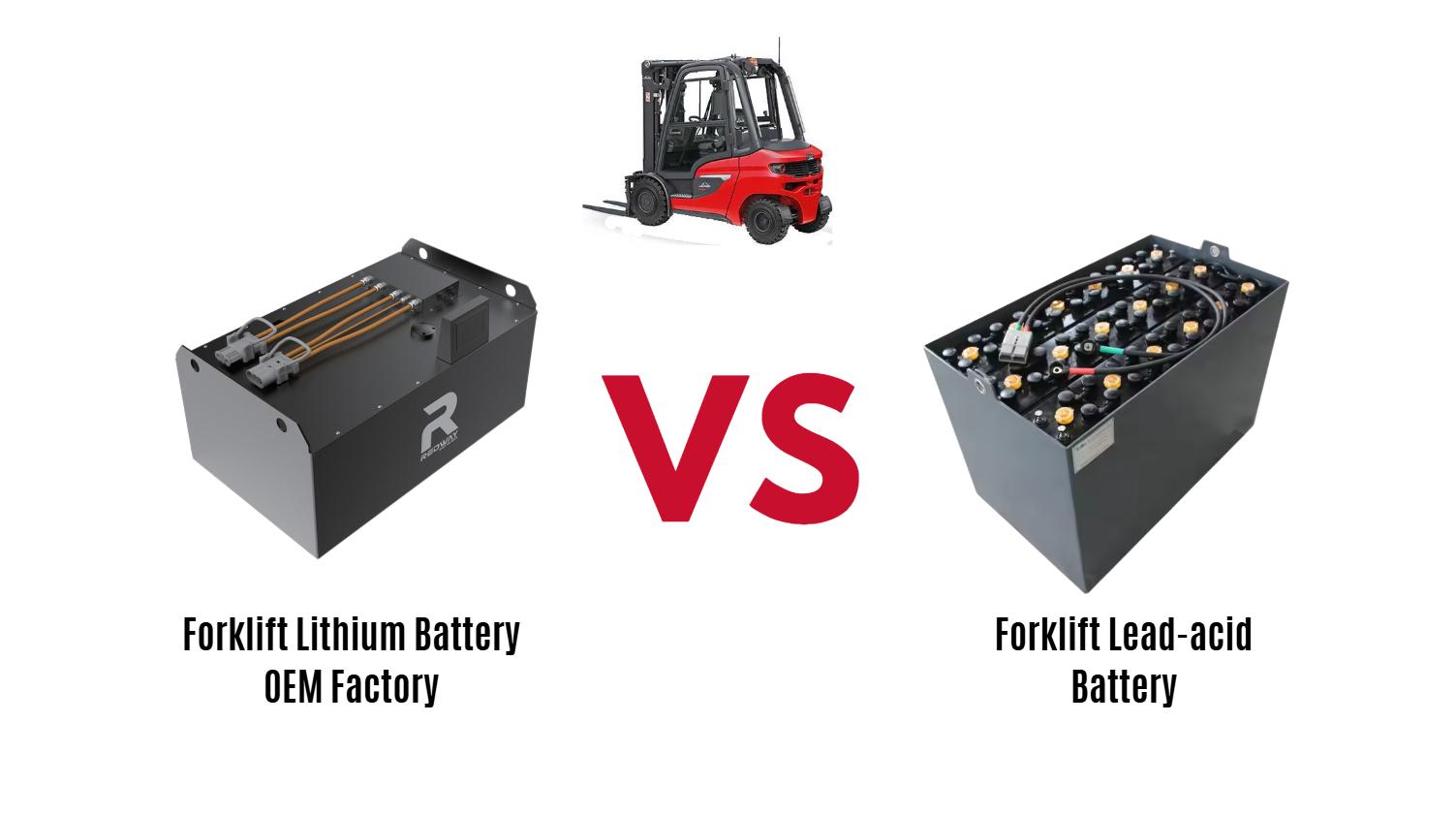
Lead-acid and lithium-ion batteries exhibit unique trouble signs due to their different chemistries and construction. Lead-acid batteries may show signs of sulfation, corrosion, and electrolyte imbalances, while lithium-ion batteries may exhibit issues related to their Battery Management System (BMS), overheating, or cell imbalances. Recognizing these differences is important for accurate troubleshooting.

How Do Improper Charging Practices Contribute to Battery Trouble?

Improper charging practices, such as overcharging, undercharging, or interrupting charge cycles, can significantly contribute to battery trouble. Overcharging can cause overheating and electrolyte loss, while undercharging can lead to sulfation. Following the manufacturer’s recommended charging procedures is essential for maintaining battery health.

What Role Does Load Testing Play in Accurately Diagnosing Battery Issues in Clark Forklifts?

Load testing plays a critical role in accurately diagnosing battery issues. It assesses the battery’s ability to deliver power under load, simulating real-world operating conditions. This helps identify weaknesses and capacity limitations that may not be apparent during standard voltage testing.

How Can Data Logging Help Identify Subtle Performance Declines Over Time?

Data logging involves recording battery performance metrics, such as voltage, current, and temperature, over time. This data can be analyzed to identify subtle performance declines that may indicate early stages of battery trouble. Tracking and analyzing battery performance data enable proactive maintenance and timely interventions.

What Safety Precautions Should Be Taken When Inspecting or Troubleshooting Clark Forklift Batteries?

When inspecting or troubleshooting Clark forklift batteries, always take the following safety precautions:

  • Wear safety goggles and gloves.

  • Work in a well-ventilated area.

  • Avoid smoking or open flames near the battery.

  • Use insulated tools.

  • Follow the manufacturer‘s guidelines.

Temperature Effects on Forklift Batteries

TemperatureEffect
HighCan cause damage and reduce battery life
LowCan reduce battery capacity and performance temporarily
OptimalMaintains battery health and ensures efficient performance

Expert Views

“At Redway Power, we always advise our clients to pay close attention to the subtle signs of battery degradation. Regular visual inspections, combined with data-driven monitoring, can help identify issues before they escalate into major problems. Understanding the specific characteristics of different battery technologies is also crucial for effective troubleshooting.” – Expert at Redway Power

Conclusion

Recognizing the signs of battery trouble in Clark forklift batteries requires a combination of visual inspections, performance monitoring, and adherence to recommended maintenance practices. By being vigilant and proactive, forklift operators and maintenance personnel can ensure reliable battery performance, minimize downtime, and extend the lifespan of their equipment. Regular training and adherence to safety protocols are also essential for preventing accidents and ensuring a safe working environment.

FAQ Section

  • Q: How often should I inspect my Clark forklift battery for signs of trouble? A: Inspect your Clark forklift battery at least once a week for signs of trouble.

  • Q: What should I do if I notice corrosion on my battery terminals? A: Clean the terminals with a baking soda solution and apply a corrosion-resistant coating.

  • Q: Can I use a regular car battery charger on my Clark forklift battery? A: No, use a charger specifically designed for forklift batteries.

  • Q: What is sulfation, and how can I prevent it? A: Sulfation is the buildup of lead sulfate crystals on battery plates. Prevent it by fully charging the battery and performing equalization charges regularly.

  • Q: When should I consider replacing my Clark forklift battery? A: Consider replacing your battery if it consistently exhibits decreased performance, shorter run times, or signs of irreversible damage.

How to Choose the Right Type of Linde Forklift Battery (Lead-Acid vs. Lithium-Ion)?

How to Choose the Right Type of Linde Forklift Battery (Lead-Acid vs. Lithium-Ion)?

Choosing the right Linde forklift battery—lead-acid or lithium-ion—impacts performance and efficiency. Lithium offers faster charging and longer lifespans. Which battery type is right for you? How do they work? How do you choose?

How Do Linde Forklift Batteries Convert Chemical Energy into Electrical Power?

Linde forklift batteries convert chemical energy into electrical energy.

What Are the Key Advantages and Disadvantages of Lithium-Ion Batteries Compared to Lead-Acid Batteries for Linde Forklifts?

Lithium batteries offer faster charging, longer lifespans, low maintenance, lighter weight, and higher efficiency. However, they typically have a higher initial cost.

FeatureLithium BatteriesLead-Acid Batteries
Charging TimeFastLonger
LifespanLongShorter
MaintenanceLowHigh
WeightLightHeavy
Energy DensityHigherLower

Which Battery Capacity Is Right for My Linde Forklift Model?

Battery capacity depends on the forklift model.

Forklift ModelLead-Acid CapacityLithium Capacity
Example ModelExample ValueExample Value

How do charge and cool times compare?

Lead-acid batteries require about 8 hours to charge and 8 hours to cool. Lithium batteries require less time to charge and no cooling time.

How Does the Battery Impact the Energy Usage and Efficiency of My Linde Forklift?

Lithium-ion batteries have higher energy density and maintain consistent voltage, leading to energy savings.

What Forklift Battery Handling, Exchange and Extraction Methods Can Improve Efficiency?

Battery slide-outs, side extraction, and a battery lift-out beam are some methods that can improve efficiency.

What Types of Forklift Batteries can I choose from?

Flat plate batteries, tubular plate batteries, high amp-hour batteries, waterless batteries, and maintenance-free batteries are the options.

What are the long-term cost implications of choosing lithium-ion over lead-acid batteries for my Linde forklift fleet, including disposal costs?

Lithium-ion batteries have higher upfront costs but lower long-term costs.

How do specific industry regulations influence the choice of battery type for Linde forklifts?

Industries with stringent hygiene standards may prefer lithium-ion batteries due to their minimal gassing and spill risks.

What are the performance differences of different lithium-ion chemistries for forklift batteries?

Different lithium-ion chemistries offer varying levels of energy density, thermal stability, and cycle life.

Expert Views

Choosing the right Linde forklift battery requires careful consideration of operational needs, budget, and long-term goals.

Conclusion

Selecting the right Linde forklift battery hinges on balancing initial costs with long-term operational benefits.

FAQ

  • How long do lithium batteries last compared to lead-acid?

    Lithium batteries typically last longer than lead-acid batteries.

  • What are the main advantages of lithium batteries?

    Faster charging times, longer lifespans, low maintenance, and higher energy efficiency.

  • What are the disadvantages of lithium batteries?

    They are typically more expensive upfront.

  • How do I choose the right battery capacity for my Linde forklift?

    Match the battery voltage and capacity to your forklift model and operational demands.

  • Do lithium-ion forklift batteries require special maintenance?

    No, lithium-ion batteries are virtually maintenance-free.

How to Clean Forklift Battery for Corrosion Prevention?

How to Clean Forklift Battery for Corrosion Prevention?

Cleaning your Linde forklift battery regularly is essential to prevent corrosion, extend its lifespan, and ensure safe operation. Corrosion can damage battery components, reduce performance, and even pose safety hazards. By following a proper cleaning routine, you can maintain your battery’s efficiency and reliability. Let’s answer some common questions: Why is cleaning important? How often should I clean? What supplies do I need?

Why Is Cleaning Your Linde Forklift Battery Crucial for Preventing Corrosion?

Cleaning your Linde forklift battery is crucial because it removes corrosive substances that accumulate over time. Sulfuric acid, a key component of lead-acid batteries, can react with metal components, leading to corrosion. This corrosion can damage terminals, cables, and connectors, reducing conductivity and overall battery performance. Cleaning prevents this buildup, ensuring optimal functionality and prolonging battery life.

What Causes Corrosion on Linde Forklift Batteries?

Corrosion on Linde forklift batteries is primarily caused by the interaction of sulfuric acid with metal components. During the charging process, batteries release gases that can create a residue around the vent cap area. This residue contains sulfuric acid, which, over time, corrodes the terminals and other metal parts, forming a powdery white or bluish substance.

How Often Should You Clean Your Linde Forklift Battery to Prevent Corrosion?

The frequency of cleaning depends on the operating environment and battery usage. A good rule of thumb is to inspect the battery every two weeks and clean it whenever the top appears dirty or damp. In dusty or harsh environments, more frequent cleaning may be necessary. Regularly cleaning at least once a month can significantly reduce the risk of corrosion.

What Supplies Do You Need to Safely and Effectively Clean a Linde Forklift Battery?

To safely and effectively clean a Linde forklift battery, gather the following supplies:

  • Gloves: To protect your hands from acid.

  • Safety Goggles: To protect your eyes from splashes.

  • Hot Water: (130°F to 170°F) for dissolving cleaning agents.

  • Baking Soda or Household Ammonia: To neutralize acid.

  • Detergent: Used for general cleaning.

  • Clear Water: To rinse the battery.

  • Clean Paintbrush: To apply the cleaning solution.

  • Wire Battery Terminal Brush: To remove heavy corrosion.

  • Damp Cloth: To wipe off vent tops.

  • Battery Cleaner: A dedicated battery cleaner product.

How Do You Safely Disconnect and Prepare a Linde Forklift Battery for Cleaning?

Before cleaning a Linde forklift battery, follow these safety steps:

  1. Turn off the forklift and ensure it is properly secured.

  2. Disconnect the battery cables, starting with the negative terminal.

  3. Inspect the battery for any visible damage, such as cracks or leaks.

  4. Ensure the area is well-ventilated to dissipate any released gases.

  5. Make sure the battery’s vent caps are tightly in place.

What Is the Best Method for Cleaning a Linde Forklift Battery to Remove Corrosion?

The best method for cleaning a Linde forklift battery involves the following steps:

  1. Prepare the Cleaning Solution: Combine hot water, baking soda (or household ammonia), and detergent in a bucket.

  2. Apply the Solution: Use a paintbrush to spread the cleaning solution over the top of the battery, working it under the intercell connectors and terminals. The baking soda will fizz as it neutralizes the acid.

  3. Remove Heavy Corrosion: If there is heavy corrosion, use a wire battery terminal brush to scrub the terminals.

  4. Rinse Thoroughly: Rinse the battery with clean, hot water using a low-pressure hose to remove all remnants of the solution and loose dirt.

How Do You Neutralize Acid Spills During the Cleaning Process to Ensure Safety?

Neutralizing acid spills is crucial for safety. If acid spills occur during cleaning, immediately apply baking soda to the affected area. The baking soda will neutralize the acid, preventing it from causing burns or damage. Rinse the area with water after the fizzing stops.

How Does Battery Type (Lead-Acid vs. Lithium-Ion) Affect Cleaning Methods and Precautions?

While lead-acid batteries require regular cleaning to remove acid buildup, lithium-ion batteries generally require less maintenance due to their sealed design. However, it’s still important to keep lithium-ion batteries clean and free from dust and debris. Use a dry cloth to wipe down the surface of lithium-ion batteries, and avoid using water or cleaning solutions unless specifically recommended by the manufacturer.

FeatureLead-Acid BatteryLithium-Ion Battery
Cleaning NeedsRegular cleaning to remove acidMinimal cleaning; dry cloth only
Cleaning AgentsBaking soda, water, detergentDry cloth; avoid liquids
PrecautionsNeutralize acid spills, wear PPEAvoid static discharge

How Do You Properly Rinse and Dry a Linde Forklift Battery After Cleaning?

After cleaning, thoroughly rinse the battery with clean, hot water to remove all traces of the cleaning solution. Ensure that no residue remains, as this can attract dirt and moisture. Dry the battery with a clean cloth, paying special attention to the terminals and connectors.

How Can You Protect Battery Terminals to Prevent Future Corrosion?

To prevent future corrosion, apply a protective coating to the battery terminals after cleaning and drying. Products such as petroleum jelly or commercial anti-corrosion sprays create a barrier between the terminals and the air, reducing the risk of corrosion. Ensure the terminals are tightly connected to minimize movement and vibration.

What Safety Precautions Should You Take When Cleaning Linde Forklift Batteries?

Always take the following safety precautions when cleaning Linde forklift batteries:

  • Wear gloves and safety goggles to protect your skin and eyes.

  • Work in a well-ventilated area to avoid inhaling harmful gases.

  • Avoid smoking or using open flames near the battery.

  • Have a water source nearby in case of acid splashes.

  • Follow the manufacturer’s instructions for cleaning and maintenance.

How Do You Properly Dispose of Cleaning Materials and Waste to Protect the Environment?

Dispose of cleaning materials and waste properly to protect the environment. Neutralized acid solutions can be diluted with water and disposed of down the drain in accordance with local regulations. Dispose of used cloths, brushes, and containers in designated waste receptacles. Recycle used batteries whenever possible.

What Are the Signs That Your Linde Forklift Battery Needs More Frequent Cleaning?

Signs that your Linde Forklift battery needs more frequent cleaning include:

  • Visible corrosion on terminals and connectors.

  • Reduced battery performance or runtime.

  • Difficulty starting the forklift.

  • Excessive dirt and debris on the battery surface.

If you notice these signs, increase the frequency of your battery cleaning routine.

Expert Views

At Redway Power, we emphasize the importance of regular battery cleaning as a key factor in maintaining the health and longevity of Linde forklift batteries. Our experience shows that consistent cleaning not only prevents corrosion but also improves overall battery performance and reduces the risk of costly repairs. We recommend a thorough cleaning at least once a month, or more frequently in harsh operating environments. Always prioritize safety by wearing appropriate protective gear and following proper disposal procedures.” – Expert at Redway Power

Conclusion

Cleaning your Linde forklift battery is a critical maintenance task that prevents corrosion, extends battery life, and ensures safe operation. By following the steps outlined in this guide, you can effectively remove corrosive substances, protect battery components, and maintain optimal performance. Regular cleaning, combined with proper charging and maintenance practices, will keep your Linde forklift battery running efficiently and reliably for years to come.

FAQ Section

  • Q: How often should I clean my Linde forklift battery?

    A: Clean your Linde forklift battery at least once a month, or more frequently if it appears dirty or if you notice signs of corrosion.

  • Q: Can I use any cleaning solution to clean my forklift battery?

    A: No, use a cleaning solution made of hot water, baking soda (or household ammonia), and detergent. Avoid using harsh chemicals that could damage the battery.

  • Q: What should I do if I spill acid while cleaning the battery?

    A: Immediately apply baking soda to the spill to neutralize the acid. Rinse the area with water after the fizzing stops.

  • Q: How can I protect the terminals from future corrosion?

    A: After cleaning and drying the terminals, apply a protective coating such as petroleum jelly or a commercial anti-corrosion spray.

  • Q: Is it necessary to disconnect the battery before cleaning it?

    A: Yes, always disconnect the battery before cleaning it to prevent electrical shocks or damage to the forklift.

How Do I Avoid Mistakes in Forklift Battery Care?

Avoiding common mistakes in Linde forklift battery care is essential for maximizing battery life, maintaining performance, and ensuring safety. Proper charging, regular maintenance, and adherence to safety protocols are key. Let’s address some frequently asked questions: What are the most common mistakes? How does neglecting maintenance impact battery life? What role does temperature play?

What Are the Most Common Mistakes in Linde Forklift Battery Care and How Can They Be Avoided?

Common mistakes include neglecting regular maintenance, overcharging or undercharging the battery, and failing to clean terminals regularly. Ignoring warning signs like reduced performance or swelling can also lead to significant issues. To avoid these mistakes, adhere to a strict maintenance schedule, use the correct charger, and regularly inspect the battery for any signs of damage.

How Does Neglecting Regular Maintenance Impact Linde Forklift Battery Performance and Longevity?

Neglecting regular maintenance can lead to reduced battery life and increased downtime. Failing to check and maintain proper electrolyte levels, clean terminals, and equalize batteries (if required) can cause irreversible damage. Consistent maintenance ensures optimal performance and extends the battery’s lifespan.

How Can I Maintain My Linde Forklift Battery Effectively to Prevent Common Issues?

To maintain your Linde forklift battery effectively:

  1. Charge the battery at the end of each workday or when it drops below 30%.

  2. Check and maintain proper electrolyte levels every five charging cycles.

  3. Regularly clean terminals and connections to prevent corrosion.

  4. Avoid deep discharging below 20% capacity.

  5. Follow the manufacturer‘s guidelines for charging and maintenance.

What Are the Best Practices for Charging Electric Forklift Batteries to Maximize Their Lifespan?

Best practices for charging electric forklift batteries include using the correct charger, monitoring the charging process, and ensuring proper ventilation. Only deplete batteries 20-30% between charges for minimal capacity loss over time. Check distilled water levels in flooded lead-acid batteries before initiating any charging cycle.

How Do Extreme Temperatures Affect Linde Forklift Batteries, and How Can I Mitigate These Effects?

Extreme temperatures can significantly affect battery performance and longevity. High temperatures can cause damage and reduce battery life, while low temperatures can reduce battery capacity temporarily. Maintain the recommended operating temperature (under 45°C) and ensure proper ventilation.

What Role Does Proper Ventilation Play in Preventing Common Battery Problems?

Proper ventilation is crucial in preventing the buildup of hydrogen gas during charging, which can lead to explosions. Ensure the charging area is well-ventilated with clear signages for safe maneuvering. Emergency facilities such as fire extinguishers and a water supply should be readily available.

What Are the Key Do’s and Don’ts of Forklift Battery Charging to Avoid Costly Mistakes?

The key do’s and don’ts of forklift battery charging include:

  • Do: Use the correct charger, charge in a well-ventilated area, and monitor the charging process.

  • Don’t: Overcharge or undercharge the battery, interrupt charging cycles, use damaged cables, or ignore warning signs.

How Does the Age of a Linde Forklift Battery Affect Its Maintenance Needs and Potential Problems?

Older batteries require extra care because they have a range of possible issues that vary in how commonly they occur. Problems may include stiff cables and corrosion. Older batteries are more likely to have reduced capacity and require more frequent maintenance.

How Does Improper Charging Impact the Battery’s Performance and Longevity?

Improper charging, such as overcharging or undercharging, can significantly impact the battery’s performance and longevity. Overcharging can lead to reduced battery life and potential explosions, while undercharging can result in sulfation and reduced capacity. Always follow the manufacturer’s guidelines for proper charging procedures.

What Safety Precautions Should I Take at the Charging Station to Protect Batteries and Personnel?

Safety precautions at the charging station are critical. Avoid smoking near a battery charging area, abstain from wearing metal jewelry while charging, and always use safety equipment such as gloves, goggles, and a face shield. Ensure the charging station is well-lit and has clear signages for safe maneuvering.

How Does a Battery Management System (BMS) Help Prevent Common Errors and Improve Battery Life?

A Battery Management System (BMS) is crucial for lithium-ion batteries as it monitors and controls the charging process. The BMS prevents overcharging by regulating voltage and current, ensuring the battery charges safely and efficiently.

How Can I Improve Electric Forklift Battery Life While Avoiding Common Mistakes?

To improve electric forklift battery life while avoiding common mistakes:

  • Follow proper charging protocols.

  • Perform regular maintenance checks.

  • Maintain proper electrolyte levels (for lead-acid batteries).

  • Avoid extreme temperatures.

  • Use the correct charger.

When Should I Seek Professional Help for Linde Forklift Battery Maintenance and Troubleshooting?

Seek professional help if you notice frequent issues, such as swelling, excessive heat, or charger malfunctions. A professional technician can diagnose and repair the charger or battery, ensuring safe and efficient operation.

Expert Views

At Redway Power, we believe that proactive maintenance is the key to maximizing the lifespan and performance of Linde forklift batteries. Ensuring proper charging practices, maintaining correct electrolyte levels, and conducting regular inspections can significantly reduce the risk of common battery problems. Lithium-ion batteries, with their integrated BMS, offer enhanced protection, but all battery types benefit from a diligent maintenance program.” – Expert at Redway Power

Conclusion

Avoiding common mistakes in Linde forklift battery care requires a comprehensive approach that includes understanding proper charging techniques, performing regular maintenance, and adhering to safety protocols. By following these guidelines, you can maximize battery life, improve operational efficiency, and ensure a safe working environment. Consistent training and adherence to manufacturer recommendations are essential for preventing costly errors and maintaining optimal battery performance.

FAQ Section

  • Q: What happens if I consistently overcharge my Linde forklift battery? A: Consistent overcharging can lead to reduced battery life, increased heat, electrolyte leakage, and potential explosions.

  • Q: How often should I check the water levels in my lead-acid Linde forklift battery? A: Check the water levels every five charging cycles. Ensure the battery is fully charged before topping up with distilled water.

  • Q: Can I use any charger for my Linde lithium-ion battery? A: No, use a charger specifically designed for lithium-ion batteries. Using an incorrect charger can damage the battery and create safety hazards.

  • Q: What should I do if my Linde forklift battery is overheating during charging? A: Immediately turn off the charger and allow the battery to cool down. Once cooled, resume charging at a lower charging rate if necessary.

  • Q: How can I clean corrosion from my Linde forklift battery terminals? A: Use a battery cleaner or warm water to clean the terminals. Regular cleaning prevents corrosion and ensures a good connection.

How to Keep Your Linde Forklift Batteries Cool During Charging and Use?

How to Keep Your Linde Forklift Batteries Cool During Charging and Use?

Keeping Linde forklift batteries cool is essential for performance and longevity. Heat can drastically reduce battery life and efficiency. What cooling methods can you use? Why is cooling so important? How do you choose the right method for your environment?

What Cooling Methods Can Be Used for Linde Forklift Batteries?

  • Air cooling

  • Liquid cooling

Why Is Thermal Management Important for Linde Forklift Batteries?

Thermal management is crucial for maintaining performance, reliability, and safety.

How Does Air Cooling Work for Linde Forklift Batteries?

Air cooling involves using air to carry away heat from the battery pack.

How Does Liquid Cooling Work for Linde Forklift Batteries?

Liquid cooling uses a coolant to absorb and carry heat away from the batteries.

What is the process of liquid cooling?

Heated/cooled coolant flows through a cooling surface, which is in good thermal contact with the battery cells.

How can natural airflow help cool batteries?

Modules arranged for excellent natural venting helps transfer heat and maintain a balanced temperature.

What is the best temperature range?

Charging batteries should happen from 50 to 86 degrees Fahrenheit.

What are the charging considerations?

The optimal temperature should be maintained during charging.

How Does Ambient Temperature Affect the Choice of Cooling Method for Linde Forklift Batteries?

In high-temperature environments, liquid cooling is more efficient than air cooling.

What Role Does Battery Age Play in the Effectiveness of Different Cooling Strategies?

Older batteries may generate more heat due to increased internal resistance, making effective cooling strategies even more critical.

What specific environmental concerns contribute to keeping batteries cool?

Environmental Friendliness: Minimizing environmental impact.

Expert Views

Maintaining optimal battery temperatures is crucial for maximizing the performance and lifespan of Linde forklift batteries. Employing efficient cooling methods and adhering to best practices ensures reliable operation and minimizes downtime.

Conclusion

Keeping your Linde forklift batteries cool is vital for their longevity and efficiency.

FAQ

  • What is thermal management?

    Thermal management is what’s responsible for performance, reliability, and safety.

  • What are the best ways to cool a Linde Forklift?

    Air cooling and liquid cooling.

  • What is air cooling?

    Air cooling uses fans or natural airflow.

  • What is liquid cooling?

    Uses coolants circulated through tubes and cold plates.

  • What is an important BMS consideration?

    BMS software ensures the battery provides peak performance, delivers longer run time, maximizes the total battery lifespan and to communicate well between the charger, battery and users.

How to Maintain Proper Water Levels in Your Hyundai Forklift's Lead-Acid Battery?

How to Maintain Proper Water Levels in Your Hyundai Forklift’s Lead-Acid Battery?

Proper maintenance involves checking electrolyte levels weekly, using distilled water to refill cells after charging, and avoiding overfilling. Always wear protective gear, follow manufacturer guidelines, and inspect for leaks or corrosion. Regular maintenance extends battery life and ensures optimal performance.

Why Is Water Level Maintenance Critical for Hyundai Forklift Batteries?

Water levels in lead-acid batteries prevent plate exposure, overheating, and sulfation. Low electrolyte levels reduce capacity and cause irreversible damage. Hyundai recommends monthly checks to avoid costly replacements and ensure operational safety in material handling environments.Maintaining proper water levels ensures the sulfuric acid electrolyte can effectively conduct electricity between the plates. When levels drop, exposed plates oxidize and sulfate crystals form, permanently reducing storage capacity. Hyundai batteries use porous separators that require full submersion to prevent thermal runaway during high-current operations. Dehydration also increases internal resistance, forcing the charger to work harder and generating excess heat that warps plates.
Water LevelEffect on BatteryRecommended Action
Below platesIrreversible sulfationImmediate refill + equalization charge
At recommended levelOptimal ion flowMonthly monitoring

How Does Temperature Affect Water Consumption in Batteries?

High temperatures (above 90°F) accelerate evaporation, requiring biweekly checks. Cold environments slow consumption but increase sulfation risk. Hyundai’s climate guidelines recommend adjusting check frequency seasonally.Temperature fluctuations directly impact electrolyte density and evaporation rates. For every 15°F increase above 77°F, water loss doubles. In freezing conditions, electrolyte contracts, potentially exposing plates even with adequate summer levels. Hyundai advises installing battery compartment temperature sensors in extreme environments. Warehouses using space heaters should implement weekly checks during winter months, while summer maintenance requires verifying ventilation systems to prevent thermal stacking.
Temperature RangeCheck FrequencyMaintenance Tip
32-50°FEvery 45 daysPre-charge warm-up cycles
77-95°FEvery 10 daysUse cooling racks
“Hyundai forklift batteries thrive on predictability. Use automated watering systems to maintain levels within 5% of ideal. Overlook this, and you’ll lose 30% of battery lifespan prematurely.” — Redway Power Solutions Senior Engineer

FAQs

How often should I check a Hyundai forklift battery?
Weekly for heavy use; biweekly for moderate.
Can I use deionized water instead of distilled?
No—Hyundai specifies distilled to avoid impurities.
What’s the cost of neglecting water levels?
Up to $4,000 for premature battery replacement.
Charge It Right: How to Prolong Hyundai Forklift Battery Life?

Charge It Right: How to Prolong Hyundai Forklift Battery Life?

To maximize the lifespan of your Hyundai forklift battery, follow a consistent charging process, charge when the battery reaches 20-30%, use the correct charger, and ensure proper ventilation. For lead-acid batteries, regularly check water levels and perform equalization charging. These practices minimize damage and extend battery life.

Why Is Proper Charging Crucial for Extending the Lifespan of Your Hyundai Forklift Battery?

Proper charging is essential for extending the lifespan of your Hyundai forklift battery because it directly impacts the battery’s overall health and performance. Overcharging, undercharging, or using the wrong charger can lead to irreversible damage, reducing the battery’s capacity and lifespan.

What Are the Key Steps for Safely and Effectively Charging Your Hyundai Forklift Battery?

To safely and effectively charge your Hyundai forklift battery, follow these steps:

  1. Park the Forklift: Choose a designated charging area with proper ventilation.

  2. Power Down: Turn off the forklift completely and engage the parking brake.

  3. Open the Compartment: Enhance ventilation by opening the battery compartment.

  4. Check Electrolyte Levels (Lead-Acid Only): Inspect water levels and top up with distilled water if needed.

  5. Inspect Cables: Visually examine cables for damage.

  6. Connect the Charger: Securely connect the charger to the battery terminals.

  7. Turn On and Monitor: Turn on the charger and monitor the charging process.

  8. Charging Time: Allow the battery to charge fully (typically 8 hours, but varies).

  9. Turn Off Charger First: Turn off the charger before disconnecting cables to prevent sparking.

  10. Close and Return: Close the battery compartment securely.

When Is the Optimal Time to Charge Your Hyundai Forklift Battery for Maximum Longevity?

The optimal time to charge your Hyundai forklift battery is when the battery level drops to 20-30%. Charging at this level helps avoid deep discharges, which can shorten the battery’s lifespan.

How Do You Choose the Correct Charger for Your Hyundai Forklift Battery?

Ensure the charger is compatible with the battery type (lead-acid or lithium-ion) and voltage. Using the wrong charger can damage the battery.

Why Is It Important to Avoid Interrupting Charging Cycles on Your Hyundai Forklift Battery?

Interrupting charging cycles can create battery memory and reduce the overall lifespan. Allow the battery to complete its charging cycle fully before unplugging it.

How Can You Maintain the Proper Battery Storage Temperature During Charging?

Keep the battery storage temperature at less than 45°C (113°F) to prevent damage to the battery cells and extend its lifespan. Avoid charging in hot environments and consider using a cooling system or fan to regulate temperature.

What Are the Specific Maintenance Tips for Lead-Acid Hyundai Forklift Batteries?

For lead-acid batteries, regularly check the water levels inside the battery cells and top them up with distilled water when necessary. Keep a watering log for warranty claims.

What Are the Best Practices for Opportunity Charging vs. Conventional Charging?

  • Conventional Charging: Best for single-shift setups, charging the battery overnight.

  • Opportunity Charging: Charging the battery when convenient (e.g., between shifts) using a specialist forklift battery charger; best suited for multi-shift tasks.

How Do You Establish a Safe Charging Station for Your Hyundai Forklift Battery?

A safe charging station should include:

  • A fire extinguisher

  • Ventilation

  • Acid neutralization materials

  • Acid-resistant floors

  • An eyewash station and safety shower

  • No-smoking signs

What Safety Precautions Should You Take When Charging a Hyundai Forklift Battery?

Take these safety precautions when charging a Hyundai forklift battery:

  • Wear personal protective equipment (PPE), such as rubber gloves, a protective apron, and a face shield.

  • Establish a safe charging station.

  • Ensure proper ventilation.

  • No smoking, sparks, naked flames or welding in close proximity to battery charging.

  • Always turn off the charger before disconnecting the battery.

How Does Equalization Charging Benefit Lead-Acid Hyundai Forklift Batteries?

Lead-acid batteries may benefit from periodic equalization charging, which helps balance the electrolyte levels within the battery. Consult the battery manufacturer about how often to perform this.

How Does a Battery Management System (BMS) Help Optimize Charging?

Lithium-ion batteries benefit from a battery management system (BMS), which regulates the flow of energy from the charger to the battery. This ensures that there are no charging errors that could damage the battery.

Are There Any Specific Recommendations from Hyundai for Charging Their Forklift Batteries?

Refer to Hyundai’s documentation, service bulletins, and your local dealer for recommendations. Make sure to follow any safety policies and guidelines implemented.

Expert Views

“Proper charging is the single most important factor in maximizing the lifespan of a Hyundai forklift battery. Implementing a consistent charging routine, using the correct charger, and maintaining proper water levels for lead-acid batteries can significantly reduce downtime and lower overall operating costs.” – Robert Johnson, Forklift Battery Specialist at Redway Equipment.

Conclusion

Charging your Hyundai forklift battery correctly is crucial for maximizing its lifespan and ensuring reliable operation. By following these guidelines, including charging at the right time, using the correct charger, maintaining proper ventilation, and performing regular maintenance, you can significantly extend your battery’s life and reduce operating costs.

FAQ

  • How often should I equalize my lead-acid Hyundai forklift battery? Consult the battery manufacturer’s recommendations.

  • Can I use any charger for my Hyundai forklift battery? No, you must use a charger that is compatible with the battery type and voltage.

  • What should I do if my Hyundai forklift battery is overheating during charging? Stop charging immediately and allow the battery to cool down. Check the charger and battery for any signs of damage.

  • Where can I find more information about Hyundai forklift battery maintenance? Consult your Hyundai forklift’s operator manual or contact your local Hyundai forklift dealer.

How to Ensure Your Hyundai Forklift Battery is Charged in a Well-Ventilated Area?

Charging in well-ventilated places prevents dangerous gas build up. Proper ventilation is key to workplace safety. What are the ventilation requirements? What are the parts of a ventilation system? How to handle ventilation?

What Are the Risks Associated with Hydrogen Gas Buildup When Charging Hyundai Forklift Batteries?

Hydrogen gas is produced during charging. It’s extremely flammable.

What Are the Ventilation Requirements for Hyundai Forklift Battery Charging Areas?

OSHA has standards that need to be followed.

What Types of Ventilation Systems Can Be Used in Hyundai Forklift Battery Charging Areas (Uptake Ducting, Exhaust Fans, Hydrogen Gas Detectors)?

  • Uptake ducting systems

  • Exhaust fans

  • Hydrogen gas detectors

ComponentFunctionBenefit
Uptake DuctingVentsConstant removal of hydrogen
Exhaust FansExpelsQuick removal
Hydrogen Gas DetectorsActivates fansDynamic ventilation

What Are the General Safety and Maintenance Requirements for Forklift Battery Charging Areas?

Requirements include:

  • Battery charging area

  • Fire extinguisher

  • Eye Wash

  • Spill Kit

  • PPE

What Safety Precautions Should I Follow When Charging Hyundai Forklift Batteries?

  • Totally familiarize yourself with battery handling

  • Keep open flames away from batteries.

What Key Components Make Up an Effective Ventilation System for Hyundai Forklift Battery Charging?

Effective ventilation includes:

  • Uptake ducting

  • Hydrogen exhaust fans

  • Supports for all ducting

  • Hydrogen gas detector

What are the Best Ways to Find the perfect and most-efficient batteries?

  1. Product quality and warranty coverage

  2. Service and support availability

  3. Compatibility with your forklift model

How Can I Calculate the Specific Ventilation Needs for My Hyundai Forklift Battery Charging Area?

Use the formula: B = R/E

What are the Key Considerations for Selecting the Right Exhaust Fans for My Forklift Battery Charging Area?

Considerations should include:

  • CFM rating

  • Non-sparking construction

  • Durability

How Do I Maintain a Safe and Compliant Forklift Battery Charging Area?

  • Regular inspections

  • Maintenance of ventilation equipment

  • Employee training

Expert Views

Proper ventilation is essential for ensuring a safe and compliant forklift battery charging area. Implementing a well-designed ventilation system and adhering to safety guidelines will minimize the risk of hydrogen gas explosions and protect the health of your employees.

Conclusion

Making sure your Hyundai Forklift battery is charged in a well-ventilated area is the most important way to ensure safety.

FAQ

  • What gas is released when I charge the battery?

    Hydrogen

  • How much hydrogen accumulation is dangerous?

    Any more than 4%

  • What are key components of a ventilation system?

    Uptake ducting and exhaust fans.

  • What are the benefits of using Hydrogen gas detectors?

    The detector will warn staff.

  • How can I calculate the ventilation needs?

    Use the formula, B = R/E

Search products
Product has been added to your cart