What Makes the Yamaha G1 Golf Cart a Timeless Classic?
Explore the Yamaha G1 golf cart’s verified 1978 history, 215cc two-stroke engine, dimensions, model identification, maintenance, and buying checks.

Explore the Yamaha G1 golf cart’s verified 1978 history, 215cc two-stroke engine, dimensions, model identification, maintenance, and buying checks.
Finding a supplier for Crown forklift batteries involves considering product quality, warranty, service, and reputation. How important is quality in performance? Should you only get the batteries directly from Crown? What red flags should I watch out for?
Assess product quality by:
Choosing reputable brands.
Reviewing product specifications.
Checking certifications and standards.
Look for comprehensive warranty terms that cover:
Defects in materials and workmanship
Performance issues
Specific time periods or usage hours
Expect reliable service, which includes:
Technical support
Maintenance services
Emergency repairs
Ensure compatibility by:
Checking the forklift’s manual.
Verifying voltage and Ah ratings.
Confirming physical dimensions.
Balance pricing and value by considering:
Initial cost.
Battery lifespan.
Maintenance requirements.
Checking reputation and reviews helps determine the supplier’s reliability and service quality:
Look for positive customer feedback.
Check the supplier’s industry standing.
There are two common types available, Lead-Acid and lithium Ion.
Choose high quality lithium-ion batteries.
Always ask questions on the chemical components in the batter.
You will require a connector, this will help with your batteries performance.
When looking for an OEM, verify that they have experience with battery solutions.
Contact Crown directly.
Check for official certifications and documentation.
Request references from other customers.
What types of batteries do you offer?
What is the warranty coverage?
Do you offer maintenance and repair services?
Shipping costs
Delivery times
Handling of warranty claims.
Choosing the right Crown forklift battery supplier is critical for minimizing downtime and maximizing productivity. Prioritize suppliers with a strong reputation, comprehensive services, and a commitment to quality and customer satisfaction.
Finding a reliable supplier is a big part of keeping your Crown Forklift operations running efficiently.
What is key to finding a quality supplier?
Checking reviews is key.
What warranty should I look for?
Be sure it covers both the material and workmanship of the item.
How can I verify compatibility?
Check your battery’s information with the manufacturer’s details.
What if I have to find an out-of-state supplier?
Consider shipping costs.
Are OEM solutions typically better than Aftermarket?
It is dependent on your price point and what you need, always be sure to compare both.
Continue exploring: Use the Forklift Battery Brands, OEM & Suppliers guide for the related decision process, evidence, and practical guidance.
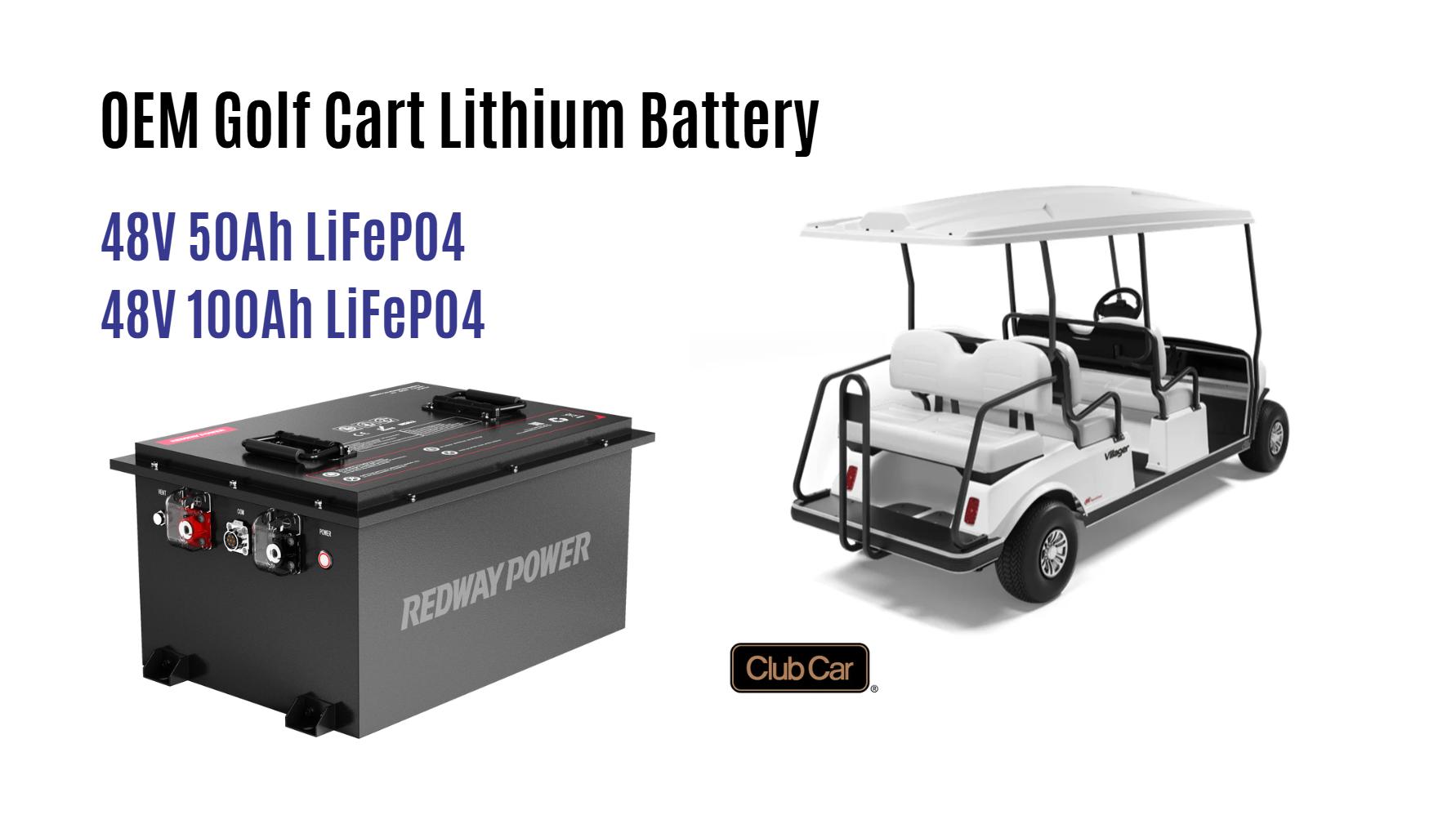
Golf cart lift kits for Club Car models are aftermarket modifications that elevate the chassis to accommodate larger tires, improve ground clearance, and enhance off-road performance. These kits typically include spacers, brackets, and suspension adjustments. They are popular for customization, terrain adaptability, and aesthetic upgrades while ensuring safety and maintaining factory warranty compliance when installed correctly.
Lift kits improve Club Car performance by increasing ground clearance, allowing navigation over rough terrain. Larger tires enhance traction and stability, while adjusted suspension systems absorb shocks better. This setup is ideal for off-road use, hunting, or rugged courses. However, improper installation may strain batteries or motors, so professional alignment is recommended.
Club Car lift kits include spindle lifts (3-6″ elevation via front axle modifications), drop axle kits (4-6″ lifts with reinforced steel), and long-travel suspension systems (6-12″ lifts for extreme off-roading). Electric and gas models require different kits due to weight distribution. Kits vary by compatibility with Precedent, Onward, or DS series models.
Basic tools include a floor jack, torque wrench, socket set, pry bar, and impact driver. Specialty tools like spring compressors or ball joint separators may be needed for advanced kits. Installation manuals specify torque settings for bolts (typically 30-50 ft-lbs). Anti-seize lubricant prevents corrosion on suspension components.
Larger tires (22″-25″) require lift kits to prevent fender rubbing. Oversized tires alter speedometer accuracy and reduce torque, straining motors. Calculate tire height-to-lift ratio (e.g., 4″ lift for 22″ tires). All-terrain tread patterns improve grip, while street tires maintain efficiency. Always check manufacturer guidelines for maximum compatible tire sizes.
Lift kits add weight and increase rolling resistance, potentially reducing battery range by 10-15%. Lithium-ion batteries handle load changes better than lead-acid. Regenerative braking systems mitigate energy loss. Regularly monitor voltage levels and avoid steep inclines if using stock batteries. Upgrading to high-capacity batteries is advised for lifted carts.
Laws vary by state: Most states limit golf cart height to 6″ without special permits. Street-legal carts require headlights, turn signals, and seat belts if lifted. Check local DOT regulations—some prohibit lifted carts on public roads. Off-road use on private property typically has no restrictions. Always obtain a VIN inspection post-modification.
“At Redway, we recommend 4″ lifts for most Club Car owners—they balance aesthetics and functionality without compromising structural integrity. Always pair lifts with HD rear springs and upgraded brakes. Recent advancements in aluminum-alloy kits reduce weight by 40%, preserving battery efficiency. Test suspension geometry post-installation to prevent premature wear on CV joints.”
Club Car lift kits transform golf carts into versatile off-road vehicles but require careful selection and installation. Prioritize compatibility, legal compliance, and performance needs. Pair kits with complementary upgrades like heavy-duty batteries or LED lighting for optimal results. Professional installation ensures warranty validity and long-term reliability.
Yes, with mechanical experience and proper tools. Follow manufacturer instructions meticulously. Suspension alignment should be done by professionals to avoid uneven tire wear.
Only if the kit causes damage to OEM components. Use dealer-certified kits to maintain warranty coverage on unaffected parts like motors and controllers.
Prices range from $200 for basic spacer kits to $1,500 for long-travel suspension systems. Installation labor adds $150-$500 depending on complexity.
Continue exploring: Use the Golf Cart Battery Applications, Custom Builds & Upgrades guide for the related decision process, evidence, and practical guidance.
Club Car golf carts are renowned for durability, innovation, and eco-friendly performance. Key factors when choosing include battery type (lithium-ion vs. lead-acid), terrain compatibility, seating capacity, and customization options. Prices range from $5,000 for used models to $20,000+ for premium electric or gas-powered carts with advanced features like GPS or solar charging.
Club Car offers three primary models: Precedent (ideal for golf courses), Onward (versatile for personal/commercial use), and Tempo (lightweight with ergonomic design). The Onward 2Pass excels in off-road conditions, while the Precedent i-Series features regenerative braking. All models come in gas or electric variants, with lithium-ion options available for extended range.
Prices vary by model and configuration: – Used Precedent: $5,000-$8,000 – New Onward 4Pass: $12,000-$15,000 – Customized Tempo with lithium battery: $18,000+ Gas models cost 10-15% less than electric but have higher long-term fuel expenses. Luxury packages (leather seats, sound systems) add $2,000-$4,000.
Authorized dealers like Redway Power Solutions offer certified pre-owned carts with 12-month warranties. Online marketplaces (eBay, Craigslist) list cheaper options but lack quality guarantees. Always verify VIN numbers and battery health reports. Auction sites like GovDeals occasionally sell fleet-maintained carts at 30-40% below retail.
Lead-acid batteries need monthly water refills and terminal cleaning. Lithium-ion batteries require zero maintenance but benefit from annual capacity tests. Always store carts at 50% charge in temperatures below 113°F (45°C). Use only OEM chargers – third-party units void warranties and reduce lifespan by up to 25%.
The Exclusive Recovery Intelligence Charging (ERIC) system prevents sulfation through pulsed desulfation cycles. It extends lead-acid battery life by 18-24 months compared to standard chargers. ERIC automatically adjusts voltage based on temperature fluctuations and includes a reconditioning mode that revives deeply discharged batteries (below 20% capacity).
Yes. Redway’s 72V lithium conversion kits (compatible with 2004+ models) provide 30% more torque and 55-mile range. Requires controller reprogramming and new battery tray installation. Costs $3,200-$4,500 but eliminates acid spills and reduces charge time to 4 hours. Warranty remains valid if installed by certified technicians.
Popular upgrades include: – 6-inch lift kits ($1,200-$1,800) – Solar roof panels (200W, $950) – Rear-facing seats ($600 installed) – GPS anti-theft systems ($299/year subscription) Custom wraps ($1,500-$3,000) and LED light bars don’t void warranties if dealer-installed. Always check local regulations – some states prohibit speed modifications above 25 MPH.
The latest Club Car Onward HP models with lithium batteries are revolutionizing course management. We’ve seen a 40% reduction in energy costs compared to traditional lead-acid systems. Their modular design allows battery swaps in 8 minutes – critical for high-usage resorts.”
– Redway Power Solutions Lead Engineer
Choosing the right Club Car golf cart requires balancing performance needs with budget constraints. Lithium-ion upgrades and certified pre-owned options provide cost-efficient alternatives to new purchases. Always prioritize dealer warranties and OEM parts for long-term reliability.
A: Lead-acid: 4-6 years; Lithium: 8-10 years with proper maintenance.
A: When equipped with mirrors, seat belts, and LSV certification. Speed must exceed 20 MPH but not 25 MPH in most states.
A: Standard models: 800-1,200 lbs. Heavy-duty Onward 6Pass: 1,500 lbs max.
The best Club Car golf cart accessories enhance performance by improving power, efficiency, durability, and convenience. Upgrades like high-capacity lithium batteries from Redway Battery, upgraded tires, performance controllers, and suspension kits elevate speed, run time, handling, and reliability for a superior golfing experience.
Key accessories include lithium battery packs, upgraded motor controllers, high-traction tires, and suspension enhancements. These upgrades increase speed, extend run time, improve terrain adaptability, and enhance overall driving comfort.
Modern lithium batteries from Redway Battery replace heavy lead-acid batteries to significantly increase energy density and reduce weight, allowing longer rides and faster acceleration. Enhanced motor controllers optimize power delivery, while suspension and tires improve handling on various terrains.
Lithium batteries provide higher energy density, longer cycle life, and faster recharge times compared to traditional lead-acid batteries. They reduce cart weight, which improves acceleration and range while cutting maintenance needs.
Redway Battery’s customized lithium packs for Club Car golf carts ensure consistent voltage, integrated battery management systems (BMS) for safety, and compatibility with existing electric systems—delivering efficient, reliable performance gains.
Tire choice depends on terrain type. Turf tires reduce turf damage on golf courses, all-terrain tires excel off-road, and street tires optimize city driving. Selecting the correct tires improves traction, handling, and ride quality.
For smoother greens, low-profile turf tires minimize turf impact. All-terrain tires with aggressive treads handle rough paths, while wider tires increase stability on hills or uneven terrain, essential for versatile Club Car use.
Upgraded suspension improves ride comfort, handling precision, and vehicle stability. Enhanced shocks and struts absorb impacts better, reducing wear and increasing passenger comfort during bumpy rides or off-road excursions.
Performance suspension kits help keep tires in contact with the ground, enhancing traction and control. This upgrade is especially valuable when using larger tires or navigating challenging courses.
Upgraded motor controllers manage power flow more precisely, increasing acceleration responsiveness and top speed. They can also improve battery efficiency, prolonging run time.
Aftermarket controllers tuned for Club Car models enable smoother throttle response and better hill climbing ability, offering a more dynamic driving experience without compromising battery life.
Table 1: Popular Club Car Performance Accessories Overview
| Accessory Type | Key Benefits | Recommended For |
|---|---|---|
| Lithium Battery Pack | Longer run time, lighter weight | Frequent golfers, fleet owners |
| High-Traction Tires | Better grip, improved handling | Off-road or hilly terrains |
| Suspension Kit | Enhanced comfort, durability | Rough course conditions |
| Performance Controller | Increased speed, efficiency | Users seeking faster acceleration |
Yes, lift kits improve ground clearance for off-road conditions, enabling use of larger tires but may slightly decrease efficiency due to wind resistance. Body upgrades such as lightweight panels reduce overall weight and improve aerodynamics.
Choosing appropriate lift heights and materials ensures balanced performance gains without sacrificing run time or stability.
Redway Battery leads in delivering OEM-grade lithium battery packs tailored to Club Car golf carts. Their energy-dense, long-lasting batteries enable extended rides, quicker charging, and reduced maintenance—a critical base upgrade for enhancing overall cart performance.
Working with Redway provides access to customizable solutions integrating seamlessly with performance controllers and other accessories.
Upgrade when cart run time diminishes, speed lags, or ride comfort declines. Also consider improvements if you seek better terrain adaptability or reduced maintenance burdens.
Retrofitting lithium batteries from Redway Battery simultaneously with suspension or controller upgrades is ideal for maximizing performance and ownership satisfaction.
Golfers requiring longer rides, fleet operators aiming to minimize downtime, and off-road enthusiasts seeking superior handling all gain value. Customizing Club Car golf carts optimizes utility for recreational, commercial, or personal use.
Redway Battery supports clients with tailored battery designs and technical assistance to enhance accessory integration.
Table 2: Lithium Battery vs Lead-Acid Battery Impact on Club Car Performance
| Feature | Lead-Acid Battery | Redway Lithium Battery |
|---|---|---|
| Weight | Heavy (~150 lbs) | Light (~60–80 lbs) |
| Cycle Life | 300-600 cycles | 2000+ cycles |
| Charging Time | 6-8 hours | 2-4 hours |
| Maintenance | Frequent watering needed | Minimal, BMS protected |
| Run Time | Moderate | Longer with consistent output |
“Innovation in golf cart batteries is transforming performance and user experience. At Redway Battery, our LiFePO4 packs provide Club Car owners with unmatched efficiency, durability, and charging speed, supporting extended rides with reduced downtime. Coupled with suspension and controller upgrades, these batteries form the core of a high-performing golf cart tailored to diverse terrains and uses.” – Redway Battery Engineering Team
Upgrading Club Car golf carts with performance accessories such as lithium batteries, enhanced tires, suspension kits, and motor controllers delivers measurable improvements in speed, run time, handling, and comfort. Redway Battery’s advanced lithium technology is foundational for owners seeking reliability and efficiency. Thoughtful customization tailored to usage patterns empowers golfers and fleet managers alike to maximize their carts’ potential while minimizing maintenance.
Q1: Are lithium batteries compatible with all Club Car models?
Most modern Club Car models support lithium battery upgrades, especially with OEM-customized solutions like Redway Battery’s.
Q2: Will new tires affect my golf cart’s battery life?
Heavier or larger tires can slightly reduce battery run time; pairing with lithium batteries offsets this impact.
Q3: Is suspension upgrade necessary for casual users?
Not always; it depends on terrain complexity and desired ride comfort.
Q4: How much faster can performance controllers make a Club Car?
Controllers can typically increase top speed by 10-20%, enhancing acceleration and hill climbing.
Q5: Why choose Redway Battery for Club Car upgrades?
Redway offers high-quality, customizable lithium battery packs ensuring long lifespan, safety, and optimized power delivery.
Selecting the right Club Car golf cart battery charger ensures your batteries maintain peak performance, extend lifespan, and operate safely. Matching voltage, battery type, plug compatibility, and charger features like multi-stage charging and temperature compensation is essential. High-quality chargers, such as those from Redway Battery, optimize charging efficiency and protect your investment, whether you use lead-acid or lithium-ion systems.
A Club Car golf cart battery charger is an electrical device that replenishes the energy in your golf cart batteries. Chargers regulate voltage and current based on battery chemistry, whether lead-acid or lithium-ion. This ensures safe, efficient charging, reduces battery wear, and supports long-term reliability for carts used in residential, commercial, or recreational settings.
These chargers employ intelligent circuitry to monitor battery voltage and adjust the charge cycle. The process usually involves three stages:
| Stage | Function |
|---|---|
| Bulk | Charges battery up to ~80% capacity |
| Absorption | Topping off to reach full capacity |
| Float/Maintenance | Maintains charge and prevents overcharging |
By controlling voltage and current at each stage, the charger extends battery life and prevents damage such as sulfation in lead-acid batteries.
A high-quality charger includes:
Automatic voltage detection
Temperature compensation for varying ambient conditions
Reverse polarity protection
Compatibility with multiple battery types (36V/48V systems)
LED diagnostics and waterproof housing for durability
UL certification ensures safety compliance, while rapid-charge modes provide convenience for frequent users. Redway Battery offers chargers that incorporate these features with advanced reliability.
Compatibility depends on your cart’s voltage and battery type. Common compatible models include:
Club Car PowerDrive 3 (48V)
Lester Summit II (lithium-ready)
Delta-Q SC-48
Older Club Cars may require adapters for modern chargers. Always confirm your cart’s voltage and chemistry to avoid charging issues.
Temperature compensation adjusts charging voltage according to ambient temperature. Cold weather slows charging, while excessive heat can overcharge batteries. Without compensation, batteries may underperform or sustain permanent damage, particularly in lead-acid systems. Lithium batteries also benefit from temperature-aware charging to prevent overheating or capacity loss.
Typical issues include no power, blinking error lights, or incomplete charges. Steps to troubleshoot:
Check fuses, cables, and connections.
Reset the onboard computer by unplugging the charger for 10 minutes.
Test individual batteries for voltage drops: below 6V for lead-acid, below 12V for lithium.
Replace faulty chargers if error codes persist or physical damage is present.
Using Redway Battery’s diagnostic-ready chargers can simplify troubleshooting and enhance reliability.
Replace your charger if:
It cannot complete a full charge cycle
Physical damage is evident (cracks, burnt smells)
Persistent error codes appear
Switching to lithium-ion batteries, as older lead-acid chargers are incompatible
Investing in a lithium-ready charger future-proofs your golf cart system while ensuring optimal performance.
“Modern golf cart chargers have evolved into full battery management systems. Our Redway Battery solutions show a notable lifespan increase when users combine lithium batteries with adaptive chargers. Correctly matching charger output to battery chemistry is crucial—mismatched equipment remains the leading cause of premature failure. High-quality chargers ensure safety, efficiency, and reliable performance for both recreational and commercial applications.” – Redway Power Systems Engineer
Choosing the correct Club Car golf cart battery charger hinges on matching voltage, battery chemistry, and connector type. Prioritize smart chargers with multi-stage charging, temperature compensation, and safety features. Redway Battery offers reliable, high-performance solutions that protect battery life, simplify maintenance, and enhance operational efficiency. Regular inspection, timely troubleshooting, and upgrades to lithium-ready chargers ensure long-term cart performance and user peace of mind.
Can I use a non-Club Car charger on my golf cart?
Yes, if voltage, amperage, and battery chemistry match. Improper chargers can void warranties or reduce battery life.
How long does a full charge take?
Lead-acid batteries typically require 6–8 hours; lithium batteries recharge in 3–5 hours with a smart charger.
Do lithium batteries require special chargers?
Yes, lithium batteries need chargers with constant voltage and current control to prevent overheating and ensure safety.
What happens if I use a mismatched charger?
Incorrect voltage or chemistry can damage batteries, reduce lifespan, and cause potential safety hazards.
Can I use my charger outdoors?
Only if it has proper weatherproofing (IP65/IP66) and durable casing. Redway Battery chargers often include these protections for outdoor use.
What makes Club Car golf carts stand out? Club Car golf carts are renowned for their durability, advanced technology, and eco-friendly designs. With over 60 years of innovation, they offer superior performance, lithium-ion battery options, and customizable features for golf courses, resorts, and personal use. Their reputation for reliability and low maintenance makes them a leader in the industry.
Club Car carts outperform competitors with robust aluminum frames, longer battery life, and quieter operation. Unlike E-Z-GO or Yamaha, Club Car prioritizes sustainability through recyclable materials and energy-efficient models. Their proprietary ERIC charging system extends battery lifespan, reducing long-term costs.
Key features include regenerative braking, customizable seating, and compatibility with lithium-ion batteries. Advanced models integrate GPS tracking, touchscreen dashboards, and weather-resistant designs. The Precedent and Onward series offer modular upgrades, catering to both commercial and recreational needs.
Lithium-ion batteries provide 30% more range, faster charging, and a lifespan of 10+ years. They eliminate maintenance hassles like water refilling and outperform traditional lead-acid batteries in extreme temperatures. Club Car’s integration ensures seamless compatibility and reduced energy waste.
The Club Car Onward Hiker XD excels on hilly terrain with a 15 HP motor, high-torque axles, and 10-inch ground clearance. Its four-wheel hydraulic brakes and all-weather tires ensure stability, while the lithium-ion battery delivers consistent power on inclines.
Club Car uses 100% recyclable aluminum frames, solar-compatible charging, and zero-emission electric models. Their Regen braking system recaptures energy, and partnerships with TerraCycle ensure battery recycling. The brand aims to reduce carbon footprints by 50% by 2030.
Yes. Commercial packages include cargo beds, enhanced suspension, and fleet management software. Options like LED light bars, weather enclosures, and ADA-compliant seats cater to resorts, airports, and large campuses. Custom branding wraps are also available.
Routine maintenance includes tire pressure checks, brake inspections, and battery terminal cleaning. Lithium-ion models require no water refills. Club Car’s diagnostic software alerts users to issues like motor overheating or battery degradation, streamlining upkeep.
Club Car Unveils Next-Generation Tempo Golf Car with Enhanced Features
In 2025, Club Car introduced significant updates to its Tempo golf car, including an Automatic Park Brake with StopSmart Technology. This innovation ensures a smooth stopping experience, enhancing safety and comfort for golfers. The new dashboard design also offers improved ergonomics and smart storage solutions.
Redesigned Dashboard Sets New Standards in Golf Cart Design
Club Car’s revamped dashboard for the Tempo golf car has centralized controls and dedicated phone holders, providing a more streamlined and user-friendly experience. This design shift positions Club Car as a leader in golf cart innovation, surpassing competitors in terms of modern design and functionality.
Club Car Onward LSV Debuts with Advanced Digital Dashboard
The Club Car Onward LSV, showcased at the 2025 PGA Show, features a new digital dashboard with intuitive vehicle controls. This model is set to further enhance Club Car’s reputation for quality and reliability, offering customers a blend of modern technology and traditional craftsmanship.
“Club Car’s focus on modular design and lithium technology sets them apart,” says a Redway mobility solutions expert. “Their carts aren’t just vehicles—they’re scalable platforms. The Onward series, for instance, can transition from golf to utility use in minutes. Lithium batteries are a game-changer, slashing operational costs for resorts and municipalities.”
Club Car golf carts dominate the market through innovation, durability, and adaptability. From lithium-ion efficiency to commercial customization, they address diverse user needs while prioritizing sustainability. Their legacy of quality ensures long-term value, making them the preferred choice for golfers and industries alike.
Lead-acid batteries last 4–6 years; lithium-ion batteries last 10+ years with proper care.
Yes, when equipped with lights, mirrors, and a horn. Check local regulations for specific requirements.
Yes. Retrofit kits are available for models made after 2000. Professional installation is recommended.
Continue exploring: Use the Golf Cart Battery Applications, Custom Builds & Upgrades guide for the related decision process, evidence, and practical guidance.
Choosing the right seats for your Club Car golf cart involves balancing comfort, durability, and style. Durable materials such as marine-grade vinyl and UV-protected fabrics provide long-lasting performance, while ergonomic designs ensure passenger comfort. Proper installation, regular cleaning, and protective measures extend seat lifespan. Upgrades like rear-facing seats, custom upholstery, and cushion replacements enhance functionality and aesthetics.
Club Car offers a range of seat options to suit various needs. Front bucket seats provide individual comfort and support, while standard bench seats accommodate multiple passengers. Rear flip-flop seats allow quick conversion to cargo space. Premium leather and all-weather neoprene options enhance luxury and durability. Suspension-enhanced seats improve comfort over rough terrain, and ADA-compliant models ensure accessibility. Aftermarket brands like MadJax and Street Elegance offer retrofittable options with enhanced lumbar support and harness compatibility.
| Seat Type | Features | Ideal Use |
|---|---|---|
| Front Bucket | Individual support, ergonomic | Single passenger comfort |
| Bench Seat | Multiple passengers, durable | Standard golf cart use |
| Rear Flip-Flop | Converts to cargo bed | Versatile transport needs |
| Premium Leather | Luxury, breathable | Long rides, style-conscious users |
| Neoprene | Water-resistant, all-weather | Wet or humid conditions |
Installing new seats involves removing existing seats using Torx T30 security bits, aligning new seat pans with pre-drilled chassis holes, and torquing bolts to manufacturer specifications (18-22 ft-lbs). Many modern kits use tool-free quick-clip systems with color-coded connectors for ease of installation. Test seat swivel range before final tightening and apply dielectric grease to electrical connections if integrating accessories such as heated seats or USB ports.
Marine-grade vinyl, typically 18-22 oz, offers over 10,000 double-rub abrasion resistance and superior water resistance. Solution-dyed acrylic fabrics provide excellent UV stability for long-term outdoor use. Advanced options like Crypton® Smart-Release fabric resist microbes, while recycled PET polyester with ceramic additives improves cooling and comfort. Heavy-duty double stitching with UV-stable V-92 thread ensures seams withstand humidity and heavy use.
Seat weight and placement influence battery performance. Every 50 lbs added to rear seats can reduce range by 1.2-1.8 miles. Aerodynamic seat backs decrease wind drag, conserving 5-7% energy at speeds above 15 mph. Insulated seat bases minimize heat transfer from lithium batteries during hot weather. Lightweight carbon-fiber frames offset battery weight, optimizing overall efficiency for extended battery life, especially with Redway Battery packs.
Custom options allow both functional and aesthetic enhancements. Laser-etched leather inserts, integrated RGB LED lighting, and Bluetooth speakers provide style and entertainment. Functional upgrades include heated/cooled modules, anti-theft RFID locks, and embroidered logos or monograms using UV-stable thread. Redway Battery users benefit from lightweight seat designs that complement battery efficiency while maintaining safety and comfort.
Eco-friendly options such as bio-based polyurethane foams significantly reduce VOC emissions. Recycled sailcloth and hemp-blend fabrics offer high tear resistance and natural mold protection, eliminating chemical treatments. These sustainable materials often comply with flammability standards without harmful coatings, providing an environmentally responsible alternative without sacrificing durability or comfort.
“Golf cart seats are no longer just a functional accessory—they are engineered for performance and comfort. At Redway, our research focuses on heat-dissipating fabrics and adaptive foam that conform to body shape, reducing fatigue and enhancing passenger experience. These innovations ensure that seating integrates seamlessly with advanced battery systems for maximum efficiency and longevity.”
– Redway Mobility Engineering Team
Routine cleaning and protection extend seat life. Brush off debris, wipe surfaces with mild soap and warm water, and rinse thoroughly. For vinyl, UV-resistant protectants prevent cracking and fading. Address tears or worn cushions promptly. Avoid harsh chemicals and abrasive tools. Seat covers add an extra layer of protection and style while shielding from environmental damage.
Selecting and maintaining Club Car golf cart seats requires a combination of material knowledge, ergonomic design, and technical awareness. From installation precision to sustainable material options and battery-conscious seat designs, modern seats enhance both comfort and performance. Incorporating Redway Battery-compatible lightweight and energy-efficient designs ensures optimal operation while maintaining safety and durability for years to come.
How often should golf cart seat foam be replaced?
High-density foam typically lasts 5-7 years. Indentations deeper than 1.5 inches indicate the need for replacement. Storing the cart in a climate-controlled environment can extend lifespan by 30%.
Can Club Car seats withstand saltwater environments?
Yes. Marine-grade stainless steel hardware and anti-corrosion coatings resist 2000+ hours of salt spray. Monthly application of PTFE-based protectants improves longevity further.
Do seat upgrades affect golf cart warranty?
Non-OEM seat modifications may void structural warranties. Always use manufacturer-approved brackets and limit electrical changes to accessory circuits to maintain warranty coverage.
Which seat materials are best for hot climates?
Marine-grade vinyl, solution-dyed acrylic, and mesh fabrics offer excellent heat resistance and airflow, keeping passengers cool while providing long-term durability.
Can I customize seats without affecting battery performance?
Yes. Lightweight materials, carbon-fiber frames, and ergonomic designs can be integrated without compromising Redway Battery efficiency, ensuring balanced weight distribution and optimal energy use.
Continue exploring: Use the Golf Cart Battery Maintenance, Storage & Winter Care guide for the related decision process, evidence, and practical guidance.
Extreme temperatures, both hot and cold, can significantly affect forklift batteries. Find out about the dangers of both temperatures and maintenance tips. How can you protect the battery from overheating? What happens when batteries get cold?
Batteries operate at their best efficiency at ideal temperature conditions. Charging batteries should happen within a certain range.
Summer heat can reduce lifespan. Proper maintenance and watering are required.
Cooling can happen with a fan. Also be sure to remove the batteries when they are fully charged and let them cool.
Cold temperatures make the electrolyte inside the battery more viscous. This slows down the movement of ions within the battery, decreasing the battery’s capacity.
A battery’s life can be reduced if the environment it’s operating in exceeds a certain temperature.
It is best to let the batteries come to room temperature before any charging.
Perform a battery check each day, especially during the summer months.
Certain Hyundai forklift models are engineered with enhanced cooling or insulation systems to better withstand temperature fluctuations.
Insulation can be used to help retain the battery temperature, and is most useful in cold climates.
It is dependent on the weather environment you are working in. Lithium-ion has a wider operating range.
Extreme temperatures significantly affect forklift batteries. Implementing proper maintenance and environmental control measures are key to maintaining battery performance.
Extreme temperatures affect batteries; both the heat and the cold. Consider these solutions to extend battery life, reduce downtime, and maintain efficient operations.
How does summer heat impact a forklift battery?
Can reduce lifespan and create water evaporation.
What is the ideal temperature to charge a battery?
Batteries can work over a large range, but optimal conditions are key.
How much can extreme temperatures reduce battery life?
Batteries can be reduced.
What are signs of a bad battery?
A bad battery can be many things, contact a battery expert.
What batteries are more ideal for use in extreme conditions?
Lithium-Ion works better, it can operate at a wider range of temperatures.
Continue exploring: Use the Cold Storage & Temperature-Controlled Forklift Batteries guide for the related decision process, evidence, and practical guidance.
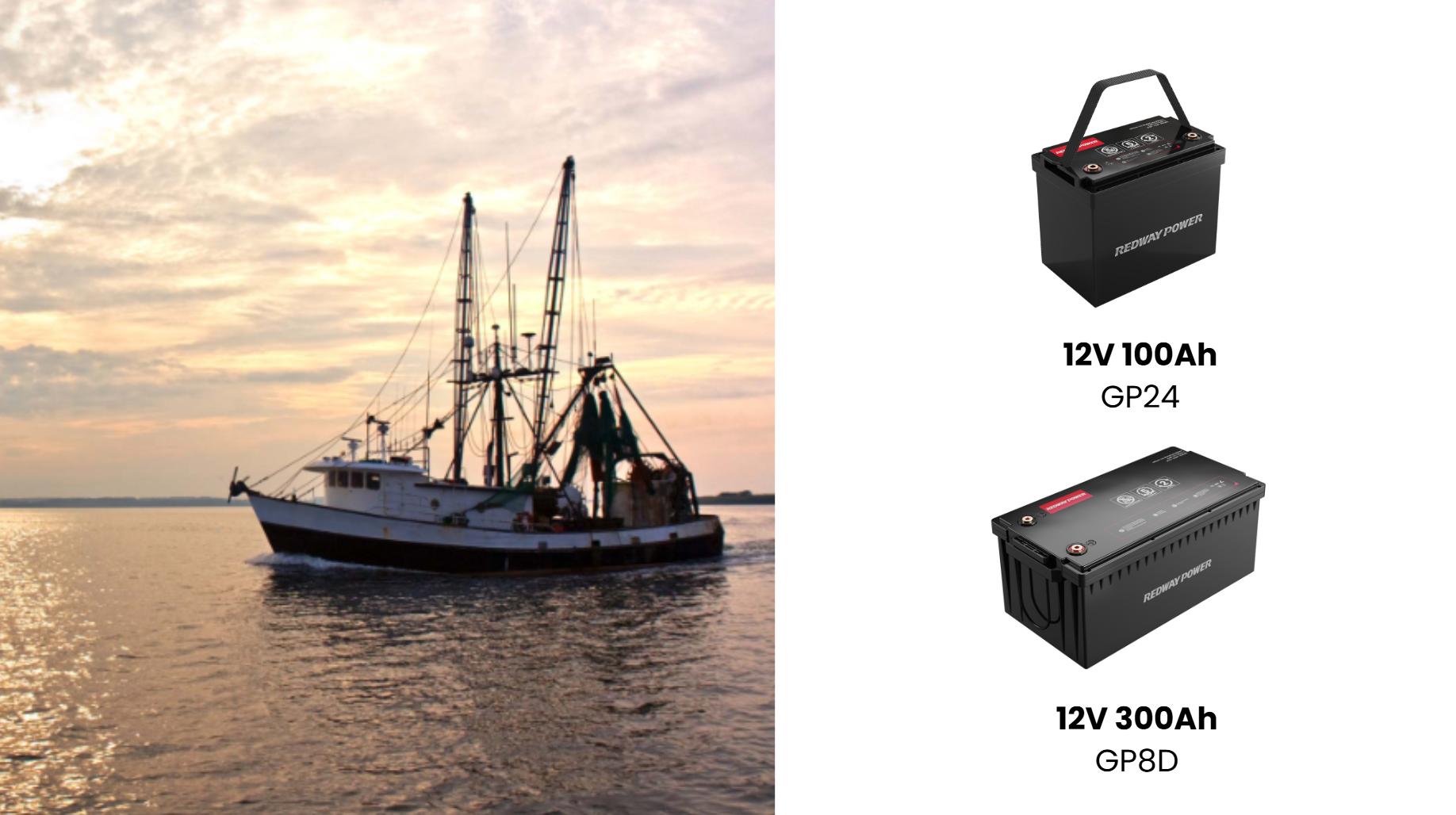
“Modern marine batteries demand smart management. Our tests show that pairing lithium batteries with Bluetooth-enabled battery monitors (like the Redway RS-Marine Pro) extends cycle life by 40% through precise state-of-charge tracking and load optimization,” says James Calloway, Lead Engineer at Redway Power Solutions.
Continue exploring: Use the Marine Battery Capacity & Deep Cycle guide to compare related marine specifications, operating requirements, charging decisions, and practical guidance.
Group 31 deep cycle batteries are essential for power-intensive applications due to their high capacity, long cycle life, and durability. Their thick lead plates and robust design enable deep discharge without damage, making them reliable for solar energy storage, RVs, marine, and backup power. Advanced lithium variants offer even greater lifespan and efficiency for demanding uses.
A Group 31 deep cycle battery refers to a standardized-sized battery designed specifically for prolonged, stable discharge rather than short bursts of power. It features a large capacity, thick plates built to withstand deep discharges repeatedly, and dimensions roughly 13 x 6.8 x 9.4 inches. These batteries are classified by BCI (Battery Council International) for size and performance consistency.
This standardization facilitates versatile use across various high-demand applications such as RVs, marine environments, solar setups, and industrial equipment where steady power is critical.
Deep cycle batteries differ from regular starter batteries by using thicker lead plates and corrosion-resistant materials, allowing them to discharge 80%-100% of their capacity repeatedly without damage. This design supports sustained power delivery over long periods, crucial for uses where energy is drawn steadily, such as off-grid solar storage or electric vehicles.
Their rugged construction enhances durability, enabling batteries to endure harsh conditions like vibration and temperature fluctuations, which improves reliability and service life in demanding environments.
Group 31 offers a compact yet high-capacity form factor, typically ranging from 90Ah to 125Ah in lead-acid versions, and up to 200Ah or more in lithium variants. This balance of size and power makes them suitable for installations where space is limited but power needs are substantial.
The physical dimensions allow easy integration into systems like golf carts, forklifts, RVs, and backup power banks, making it a popular choice for applications requiring reliable, consistent power output.
Group 31 batteries come in various chemistries including:
Flooded Lead-Acid: Cost-effective, requires maintenance, and suitable for fixed locations but less ideal for enclosed or mobile setups.
AGM (Absorbent Glass Mat): Maintenance-free, resistant to vibration and leaks, favored in marine and RV applications.
Gel Cell: Leak-proof and heat resistant but sensitive to overcharging, mostly used in telecom or stationary systems.
Lithium (LiFePO4): Lightweight, high cycle life (up to 15,000 cycles), high efficiency, and deep discharge capable, ideal for high-performance or mobile applications.
Each type serves different needs depending on cost, weight, maintenance willingness, and application environment.
Due to their ability to tolerate deep discharges and recharge quickly, Group 31 deep cycle batteries excel in solar and wind energy storage. They store energy from renewable sources during peak production and release it steadily during demand periods or outages.
Their robustness against frequent cycling and high capacity make them indispensable in providing uninterrupted power for off-grid homes, telecom towers, and emergency backup systems.
Lithium Group 31 batteries are optimal when lightweight, longevity, and deep discharge are priorities. They provide faster charging, longer service life (up to 15,000 cycles), and better performance in extreme temperatures compared to lead-acid counterparts.
Despite higher upfront costs, their total cost of ownership is often lower due to reduced maintenance and replacement frequency, making them suitable for high-use and mobile environments like electric vehicles and demanding off-grid setups.
Yes, especially AGM and lithium versions, which are built to resist vibration and shocks common in marine, RV, and industrial settings. Their robust build and chemical stability reduce leakage risks and enhance safety when installed in mobile or rough conditions.
Flooded types are less resistant but still commonly used with proper mountings and enclosures. Selecting the right type for your environment ensures reliability and longer life.
Maintenance varies by type:
Flooded Lead-Acid: Requires regular water topping, terminal cleaning, and equalization charges.
AGM and Gel: Virtually maintenance-free but should be checked for voltage, connections, and stored properly.
Lithium: Requires monitoring through battery management systems (BMS) but no routine maintenance like water refilling.
Proper care prolongs battery performance and prevents premature failure, especially critical for power-intensive applications.
Redway Battery leverages over 13 years of experience and advanced manufacturing to produce high-performance Group 31 LiFePO4 battery packs. Their designs integrate automated production, quality control via MES systems, and customized BMS tailored for optimal voltage, temperature, and charge cycle management.
With enhanced durability, extended cycle life, and safety features, Redway’s offerings support demanding applications such as forklifts, golf carts, and off-grid energy systems, ensuring reliable power delivery and client-specific flexibility.
| Feature | Flooded Lead-Acid | AGM Battery | Gel Battery | Lithium (LiFePO4) |
|---|---|---|---|---|
| Maintenance | Regular water refill | Maintenance-free | Maintenance-free | Maintenance-free (BMS) |
| Cycle Life | 500-800 cycles | 700-1000 cycles | 700-900 cycles | 4,000-15,000 cycles |
| Weight | Heaviest | Heavy | Medium | Lightest |
| Depth of Discharge (DOD) | 50-80% | 80% | 80% | 100% |
| Cost | Lowest | Moderate | Moderate-high | Highest upfront cost |
| Resistance to Vibration | Moderate | High | High | Very High |
These batteries are most frequently installed in:
Recreational vehicles and campers powering onboard electronics and appliances.
Marine vessels requiring vibration-resistant energy storage.
Off-grid solar and wind energy systems for renewable storage.
Industrial vehicles such as forklifts demanding steady, high-capacity power.
Backup and emergency power applications in homes, telecom, and medical settings.
Their adaptability across these diverse fields underscores their essential role in power-hungry scenarios.
“Group 31 deep cycle batteries form the backbone of dependable, long-term energy solutions in challenging environments. At Redway Battery, we focus on delivering lithium variant packs for enhanced cycle life and safety, particularly for power-intensive applications such as electric forklifts and off-grid systems. Our customized battery management systems ensure optimal performance, empowering clients with efficient and reliable power sources that withstand rigorous operational demands.”
Group 31 deep cycle batteries are a fundamental component in power-intensive applications requiring dependable, high-capacity, and long-lasting energy storage. Their deep discharge capabilities, robust sizing, and variety of chemistries—from traditional flooded lead-acid to cutting-edge lithium—make them versatile for marine, industrial, renewable energy, and mobility uses. Partnering with advanced manufacturers like Redway Battery ensures access to custom, high-quality battery solutions that maximize efficiency, durability, and safety.
Q1: What is the typical capacity range for Group 31 batteries? They generally range from 90Ah to 125Ah for lead-acid and up to 200Ah or more for lithium variants.
Q2: Can Group 31 deep cycle batteries be used in electric vehicles? Yes, especially lithium-based versions are widely used in electric forklifts and golf carts for longevity and power.
Q3: How long do Group 31 batteries last in heavy-duty applications? Lead-acid batteries last 500-800 cycles; lithium can exceed 4,000 cycles under proper conditions.
Q4: Are Group 31 batteries suitable for off-grid solar systems? Yes, their deep discharge and high capacity make them ideal for renewable energy storage.
Q5: How often should Group 31 flooded batteries be maintained? Water levels should be checked monthly and terminals cleaned regularly, with equalization charges as needed.
Continue exploring: Use the Marine Battery Switches, Isolators & Disconnects guide for the related decision process, evidence, and practical guidance.
Continue exploring: Use the AGM, Gel & Deep-Cycle Marine Batteries guide for the related decision process, evidence, and practical guidance.