Redway Power · LiFePO4 battery factory for OEM & wholesale, 12V to 100V|Tel +86 189 7608 1534|Get a quick quote

What Are The Top 10 Golf Carts?

The global golf cart market features specialized manufacturers catering to recreational and industrial mobility needs. Based on 2025 industry evaluations, the top 10 brands excelling in design, reliability, and application diversity include:

How to Wake Up a 36V Lithium Battery – Comprehensive Guide

Top 10 Golf Cart Brands Overview

Leading brands combine advanced electric drive systems with rugged durability for golf courses, resorts, and urban mobility. Club Car and LVTONG dominate premium markets, while E-Z-GO excels in high-volume production.

⚠️ Pro Tip: Always verify terrain compatibility—models like YAMAHA’s DRIVE2 prioritize hill-climbing torque over speed.

1. Club Car

Founded in 1958 and part of Ingersoll Rand, Club Car delivers 80+ vehicle configurations with lithium-powered options achieving 60–100 km ranges. Their Villager 8 model supports 8-passenger capacity with 48V/300Ah battery systems.

2. LVTONG Electric Vehicle

China-based LVTONG (SZSE: 301322) produces street-legal 4–14-seat carts featuring IP67-rated motors and CANbus diagnostics. Their GT12 model uses 72V/150Ah LiFePO4 batteries, achieving 120 km per charge in resort applications.

3. E-Z-GO

A Textron subsidiary since 1960, E-Z-GO’s Freedom RXV series employs AC induction motors with regenerative braking, reducing energy consumption by 18% versus brushed DC systems. Annual production exceeds 200,000 units globally.

BrandKey InnovationTypical Range
Club CarLithium-ion modular packs80–100 km
LVTONGCANbus telematics110–130 km
E-Z-GOAC motor efficiency70–90 km

4. YAMAHA

Yamaha’s automotive division leverages 50+ years of powertrain expertise. Their Drive2 PTV series offers 48V/210Ah lead-acid options with 15% gradient climbing capacity, ideal for hilly terrains.

5. EAGLE Electric Vehicles

EAGLE’s ASIN-certified models feature dual-mode operation (golf/street) with 800W motors and weatherproof ABS bodies. The EGO-4LXT supports 400kg payloads using 4x 12V/200Ah AGM batteries.

Market Dynamics and Applications

Four-seater carts claim 44% market share (2025 data), primarily serving golf courses (61%) and resorts. LVTONG and E-Z-GO lead in lithium adoption, while Club Car dominates North America’s premium segment. Industrial variants from Marshell and Wuling integrate cargo beds for warehouse logistics.

Understanding the Charging Voltage of a 60V Battery

Redway Battery Expert Insight

Modern golf carts increasingly adopt 72V LiFePO4 systems for extended range and thermal safety. Redway’s modular designs enable custom configurations—for example, 72V/210Ah packs supporting 150km per charge cycles. Always pair batteries with compatible controllers (≥250A continuous) to prevent voltage sag during acceleration.

FAQs

How long do golf cart batteries typically last?

Lead-acid: 4–6 years; Lithium-ion: 8–12 years with proper depth-of-discharge management (keep above 20% for LiFePO4).

Can golf carts be street-legal?

Yes—models like LVTONG’s GT8 comply with LSV regulations requiring headlights, seatbelts, and VIN plates. Check local speed limits (usually ≤40km/h).

What Is A Golf Cart?

A golf cart is a compact, motorized vehicle designed for short-distance transport, typically seating 2–4 passengers. Initially created for golf courses, modern variants serve residential communities, resorts, and industrial sites. Powered by electric motors (48V–72V lithium batteries) or gas engines, they feature durable frames, cargo beds, and street-legal lighting. Top speeds range from 15–25 mph, with torque optimized for inclines.

What Is the Legal Age to Drive a Golf Cart in Michigan?

What are the main types of golf carts?

Electric golf carts dominate modern markets due to eco-friendliness and low noise, while gas-powered models offer higher torque for hilly terrain. Lithium-ion variants provide 30–60 miles per charge, vs. 100–150 miles per gas tank.

Electric carts use 48V or 72V battery packs with lithium-ion (LiFePO4 or NMC) or lead-acid cells, paired with 3–10 kW motors. Gas models rely on 300–400cc engines generating 10–15 HP. Pro Tip: Lithium batteries last 2–3x longer than lead-acid—opt for LiFePO4 if prioritizing lifespan. For example, a gas cart climbing a 20% slope maintains 12–15 mph, whereas an electric cart might slow to 8–10 mph unless upgraded to high-torque motors. Transitionally, urban users prefer electric for noise compliance, but rural operators often stick with gas for rugged reliability.

TypePower SourceRange
Electric48V–72V Lithium35–60 miles
Gas10–15 HP Engine100–150 miles
⚠️ Critical: Don’t charge lithium batteries below freezing—it causes irreversible plating, reducing capacity by 20–30%.

What components define a golf cart’s performance?

Key components include the motor, battery, and controller. Motor output (3–15 kW) dictates speed/torque, while battery capacity (100–200Ah) determines range. Controllers regulate power delivery to prevent voltage spikes.

High-performance models use AC motors with regenerative braking, recovering 5–10% energy during deceleration. Batteries with 150Ah LiFePO4 cells can deliver 7.2–14.4 kWh, supporting all-day resort operations. Controllers with MOSFET transistors enable smoother acceleration. Practically speaking, a 72V system with a 500A controller can climb 25° slopes effortlessly. Pro Tip: Upgrade to thermally protected controllers in hot climates—MOSFETs degrade 50% faster above 45°C. Consider a golf cart’s motor like a car’s transmission: undersized units strain on hills, while oversized ones waste energy on flat terrain.

Understanding the Charging Voltage of a 60V Battery

How fast do golf carts travel?

Standard carts max out at 15–25 mph, limited by governor settings and wheel torque. Off-road models with lifted suspensions and high-torque motors reach 30–35 mph.

Speed depends on voltage: 48V carts average 14–19 mph, while 72V systems hit 22–25 mph. Gear ratios (8:1 to 12:1) balance speed and incline performance. For example, a 72V cart with 23-inch tires and a 10:1 gear ratio achieves 25 mph on pavement—but how does it handle dirt trails? Reduced traction cuts speed by 30%. Pro Tip: Never disable governors without upgrading brakes—stock mechanical brakes overheat above 20 mph. Transitionally, speed upgrades demand holistic changes: motor, controller, and battery must align, akin to tuning a car’s engine and drivetrain.

VoltageTop SpeedIdeal Use
48V15–19 mphGolf Courses
72V22–25 mphResorts/Industrial

Are golf carts street-legal?

Street legality requires lights, mirrors, and registration. Low-Speed Vehicles (LSVs) must have VINs, seat belts, and max speeds of 20–25 mph under NHTSA guidelines.

In the U.S., 23 states allow LSVs on roads with ≤35 mph limits. Mandatory features include headlights, brake lights, turn signals, and a horn. For example, Florida mandates rearview mirrors and reflective tape for night driving. But what if your cart lacks these? Converting costs $800–$1,500. Pro Tip: Check local laws—some counties require liability insurance, while others exempt carts under 1,000 lbs. Think of LSVs as mini-cars: they bridge the gap between off-road utility and regulated transport.

⚠️ Warning: Driving non-compliant carts on public roads risks $200–$500 fines and impoundment.

Redway Battery Expert Insight

Modern golf carts thrive on lithium-ion efficiency. Our 72V LiFePO4 packs offer 5,000+ cycles, outperforming lead-acid by 300%. With integrated Battery Management Systems (BMS), they prevent overcharge and thermal runaway, ideal for fleet operators. Pair with solar charging for off-grid resorts—cutting energy costs by 40% while maintaining 20+ mph speeds and 50-mile ranges.

FAQs

Can golf carts be driven on public roads?

Yes, if modified as LSVs with proper lighting, registration, and insurance. Speed must stay under 25 mph, and roads must have ≤35 mph limits.

How long do golf cart batteries last?

Lead-acid lasts 4–6 years; lithium-ion lasts 8–12 years. Regular discharge below 50% capacity halves lifespan—charge after each use.

What Is An EB Battery Golf Cart?What Is The Golf Cart In USA?

An EB Battery golf cart refers to an electric cart powered by advanced lithium-ion batteries from EB Battery, optimized for higher efficiency, longer range (30–50 miles per charge), and faster charging (2–4 hours) compared to lead-acid systems. These carts are popular in gated communities and resorts, offering quiet operation and compliance with LSV (low-speed vehicle) regulations (max 20–25 mph).

What Is the Legal Age to Drive a Golf Cart in Michigan?

What differentiates EB Battery carts from lead-acid models?

EB Battery carts use lithium-ion chemistry (LiFePO4/NMC) for 3–5x longer lifespan vs. lead-acid. Key features include 80% depth-of-discharge tolerance, 2C fast charging, and smart BMS integration. For example, a 48V 100Ah EB pack lasts 2,000+ cycles versus 500 cycles for lead-acid. Pro Tip: Lithium systems don’t require equalization charging, reducing maintenance by 70%.

⚠️ Critical: Never mix lithium and lead-acid batteries in series—voltage mismatches can destroy both systems.

While traditional carts need weekly water refills and terminal cleaning, EB Battery models operate maintenance-free. But what happens if you neglect BMS updates? Outdated firmware risks cell imbalance, cutting range by 15–20%. For commercial fleets, lithium’s 10-year lifespan slashes replacement costs—resorts like Disney World report 40% lower TCO after switching.

ParameterEB Battery (LiFePO4)Lead-Acid
Cycle Life2,000+400–600
Charge Time2–4 hrs8–10 hrs
Weight55 lbs130 lbs

How does the U.S. classify golf carts legally?

In the USA, golf carts are defined as vehicles under 1,400 lbs with max speeds ≤20 mph. They’re classified as LSVs (low-speed vehicles) if equipped with safety features (mirrors, seat belts) and registered for road use. Unlike NEVs (neighborhood electric vehicles), LSVs can’t exceed 25 mph. Pro Tip: Always check local ordinances—Florida requires liability insurance for road-legal carts, while Arizona doesn’t.

Understanding the Charging Voltage of a 60V Battery

Beyond speed limits, key factors include terrain compatibility and payload. Mountainous regions like Colorado often require 72V systems for hill-climbing torque. Did you know 40% of U.S. golf cart accidents stem from overloaded baskets? A standard cart holds 800–1,200 lbs; exceeding this stresses motors and brakes. For example, The Villages in Florida enforces a 4-passenger max to prevent frame warping.

TypeSpeed LimitRoad Legality
Standard Golf Cart15 mphPrivate Roads Only
LSV20–25 mphPublic Roads (35 mph zones)
NEV25–35 mphState-specific approval

Redway Battery Expert Insight

EB Battery golf carts represent the future of electric mobility with LiFePO4 technology offering 5x faster charging and 80% usable capacity. Redway’s modular packs allow voltage customization (48V/72V) and integrate IoT for real-time health monitoring, making them ideal for commercial fleets requiring minimal downtime and maximum ROI.

FAQs

Can EB Battery carts handle steep hills?

Yes—72V LiFePO4 systems deliver 30% more torque than lead-acid. However, ensure controllers have ≥300A peak current for sustained climbs.

Do U.S. states require golf cart insurance?

It varies. Texas mandates liability coverage for road use, while South Carolina only requires registration. Always consult DMV guidelines first.

What Is The 60V Battery Full Charge Voltage?

A 60V battery’s full charge voltage varies by chemistry: lithium-ion (LiFePO4) typically charges to 72V (3.6V per cell), while NMC reaches 67.2V (4.2V per cell). Lead-acid systems peak at 74V. Proper voltage limits prevent overcharging, extend cycle life, and ensure safety. Chargers must align with the battery’s chemistry-specific curve to avoid damage.Understanding the Charging Voltage of a 60V Battery

What is the full charge voltage for a 60V LiFePO4 battery?

A 60V LiFePO4 battery charges to 72V (3.6V per cell). This chemistry offers stable discharge and 2,000+ cycles when charged correctly. Pro Tip: Use a LiFePO4-specific charger to avoid undervoltage cell imbalance.

LiFePO4 batteries arrange 20 cells in series (20S), with each cell having a nominal 3.2V. Charging follows a CC-CV protocol, terminating at 72V. Overcharging beyond 3.65V per cell risks electrolyte decomposition, while undercharging reduces capacity. For example, a 60V 50Ah LiFePO4 pack delivers 3.6kWh, powering e-bikes for 60–80 km. Transitionally, while higher voltage boosts range, mismatched chargers can trigger BMS protections. How do you ensure longevity? Monitor cell balancing quarterly.

⚠️ Warning: Never charge LiFePO4 with lead-acid chargers—they lack voltage precision, risking thermal runaway.

ChemistryFull Charge VoltageCycle Life
LiFePO472V2,000+
NMC67.2V800–1,200
Lead-Acid74V300–500

How does charging voltage differ between lead-acid and lithium 60V batteries?

Lead-acid 60V batteries charge to 74V (2.45V per cell), while lithium variants like NMC/LiFePO4 stay lower. Their charging curves also differ: lead-acid requires absorption phases, unlike lithium’s flat CV stage.

Lead-acid systems use 30 cells (30S) to reach 60V nominal. Charging starts with constant current until hitting 74V, followed by a float stage. Lithium batteries skip absorption, reducing charge time by 30%. Practically speaking, a 60V lead-acid golf cart battery takes 8–10 hours to charge, whereas lithium equivalents finish in 4–5 hours. But what happens if you interchange chargers? Lead-acid chargers risk overcharging lithium batteries, causing irreversible cell damage. Pro Tip: Label chargers by chemistry to prevent accidents. For example, a marine lead-acid bank charged to 74V might degrade 40% faster if cycled daily compared to lithium.

Why does overcharging a 60V battery damage it?

Overcharging pushes cells beyond voltage limits, causing electrolyte breakdown, dendrite growth, and thermal runaway. Lithium cells degrade faster above 4.25V (NMC) or 3.65V (LiFePO4).

Excessive voltage oxidizes electrolytes, releasing gas and swelling cells. In lead-acid, overcharging accelerates plate corrosion and water loss. Transitionally, while BMS safeguards exist, aged cells may bypass protections. For instance, a 60V NMC pack charged to 70V instead of 67.2V loses 15% capacity within 50 cycles. How do you detect overcharging? Use a multimeter to verify charger output. Pro Tip: Install a voltage alarm to alert when thresholds are breached. Beyond safety risks, warranty claims often void if overcharging is evident.Can EcoFlow River 2 Power a Fridge? A Comprehensive Analysis

IssueLithiumLead-Acid
Overcharge ResultThermal runawayPlate corrosion
Safe Voltage Margin±0.5%±2%
RecoveryIrreversiblePartial via equalization

How to accurately measure the full charge voltage of a 60V battery?

Use a calibrated multimeter or BMS readout. Measure at rest (30+ minutes post-charging) for stable readings. Pro Tip: Avoid load conditions, as voltage sags under current draw.

Multimeters must have a 0.5% accuracy margin. For lithium packs, check individual cell voltages via the BMS to spot imbalances. For example, a 60V LiFePO4 pack resting at 70V indicates 3.5V per cell—signifying partial charge. Transitionally, why does voltage drop post-charging? Surface charge dissipates, revealing true state-of-charge. A lead-acid battery showing 73V immediately after charging might settle to 68V within hours. Always reference manufacturer datasheets, as temperature shifts (±25°C) can skew readings by 3–5%.

Redway Battery Expert Insight

Redway Battery designs 60V systems with precision-cutoff BMS, ensuring lithium cells never exceed 3.65V. Our LiFePO4 packs feature 20S configurations optimized for 72V charging, achieving 98% efficiency. Customizable charging profiles and IP65 enclosures make them ideal for rugged EVs and solar storage, balancing peak voltage with lifecycle demands.

FAQs

Can I use a 72V charger on a 60V battery?

No—72V chargers exceed lithium tolerances, triggering BMS shutdowns or cell damage. Always match charger voltage to the battery’s specs.

What temperature is safest for charging 60V batteries?

0–45°C. Charging below freezing risks lithium plating; high heat accelerates degradation. Store batteries at 15–25°C for optimal health.

How To Optimize Hyster Forklifts With Deka Batteries?

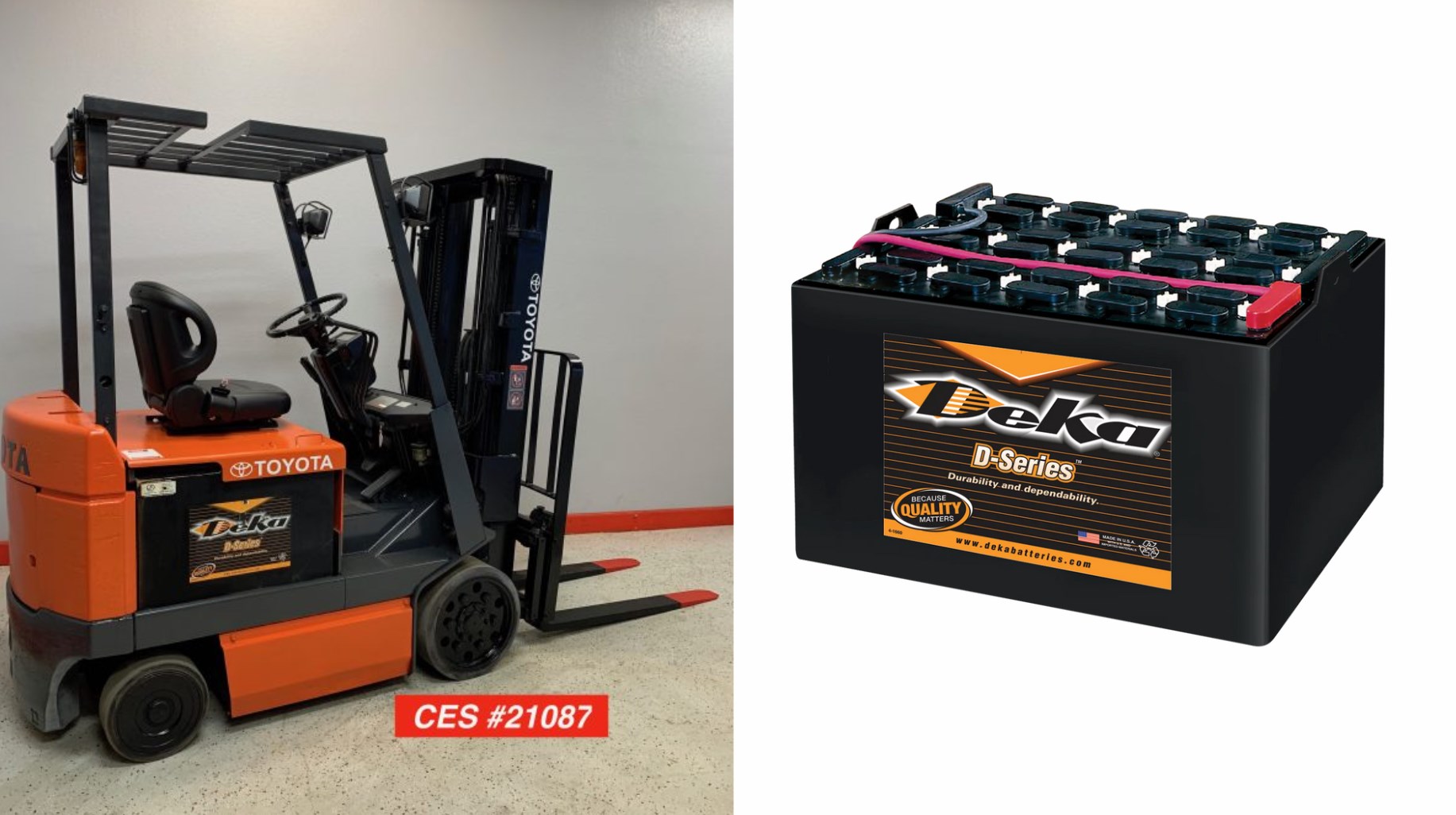
Optimizing Hyster forklifts with Deka batteries involves selecting compatible models (e.g., Deka 8GEL or ProMaster) that match Hyster’s voltage (24V–80V) and capacity requirements. Deka’s thick-grid lead-acid and AGM designs provide high cycling endurance (1,200+ cycles) and vibration resistance, ideal for warehouse logistics. Pro Tip: Use Deka’s TempChek chargers to prevent under/overcharging—key for maximizing battery lifespan beyond 5 years. Best AGM Deep Cycle Battery for Camping

What Makes Deka Batteries Ideal for Hyster Forklifts?

Deka batteries align with Hyster’s voltage specifications (24V–80V) and offer high cycle life due to their corrosion-resistant lead-calcium alloys. Their AGM variants minimize maintenance, critical for multi-shift operations.

Hyster forklifts require robust energy solutions to handle heavy payloads (3,000–10,000 lbs). Deka’s ProMaster series, for example, delivers 745 Ah at 48V, sustaining 6–8 hours of runtime. Thick plate designs resist degradation from frequent deep discharges. Pro Tip: Always verify Hyster’s OEM specs—using an undersized 36V battery on a 48V system risks motor burnout. For instance, Deka’s 8GEL (48V/625 Ah) paired with a Hyster H50XT maintains consistent amperage during lifts.

⚠️ Critical: Never mix old and new Deka batteries in series—capacity imbalances cause premature failure.

Deka ModelVoltageCapacity
GC1512V160 Ah
8GEL8V535 Ah
ProMaster48V745 Ah

How to Select the Right Deka Battery Model?

Choose Deka batteries based on Hyster’s voltage class and Ah demands. Check forklift data plates for minimum CCA (Cold Cranking Amps) and reserve capacity.

For Hyster models like the P1.5C, a 36V system typically needs 635–785 Ah. Deka’s Intimidator AGM (36V/625 Ah) handles mid-sized loads with 1,500 cycles. For heavier Hyster H16XM (48V), ProMaster’s 745 Ah delivers 8-hour shifts. Beyond capacity, consider plate thickness—Deka’s grid alloy boosts conductivity by 15% over standard lead-acid. Pro Tip: Use Deka’s Battery Finder Tool to cross-reference Hyster specs. If a warehouse operates at 0°C, Deka’s GEL batteries retain 85% capacity vs. 60% in flooded models.

✅ Pro Tip: Prioritize AGM over flooded batteries in dusty environments to avoid terminal corrosion.

What Charging Practices Extend Deka Battery Life?

Adopt temperature-compensated charging and avoid partial cycles. Deka’s TempChek chargers adjust voltage based on ambient heat, preventing undercharge in winter.

Hyster forklifts using Deka batteries should recharge at 20%–30% remaining capacity. Charging to 100% daily reduces sulfation. For example, a 48V/745 Ah ProMaster battery requires a 70A charger, completing a full cycle in 8 hours. Never charge above 2.45V per cell (14.7V for 12V units)—overvoltage warps plates. Transitional phases: After capacity checks, gradually increase charge rates. Rhetorical question: But what if operators skip equalization? Stratified electrolytes cut cycle life by 40%. Best RV Battery for Solar Power Systems

IssueFloodedAGM
Charge Temp Range0°C–40°C-20°C–50°C
Equalization FrequencyMonthlyNot Needed
Watering NeedsBiweeklyNone

Redway Battery Expert Insight

Deka batteries excel in Hyster forklifts due to their high thermal stability and cycle durability. Our integration focuses on matching Deka’s AGM/GEL lines with Hyster’s torque curves—ensuring peak ampere delivery during lifts. Always pair with smart chargers to avoid sulfation, and monitor electrolyte levels quarterly for flooded models. Optimal performance hinges on voltage alignment and load-based sizing.

FAQs

Can I replace Hyster’s OEM batteries with Deka?

Yes, if voltage/CCA/Ah match OEM specs. For Hyster E35-25XT (48V), Deka’s ProMaster 4850 is a direct swap.

How often should Deka flooded batteries be watered?

Every 2–3 weeks. Use distilled water, filling just above plates to prevent acid stratification.

What Is Hawker Battery Repair Service?

Hawker Battery Repair Service specializes in industrial battery maintenance for electric forklifts and material handling equipment, focusing primarily on lead-acid batteries from HAWKER and other brands. Operated by EnerSys-certified technicians, the service includes capacity restoration, plate repair, and electrolyte management to extend battery lifespan by 20–40%, with coverage for LINDE, Toyota, and HYSTER forklifts. Pro Tip: Schedule quarterly voltage balancing checks to prevent sulfation and capacity loss.

What defines Hawker’s battery repair scope?

Hawker’s service targets industrial lead-acid batteries, addressing issues like plate corrosion, electrolyte stratification, and terminal degradation. Technicians use impedance testing and thermal imaging to diagnose underperforming cells before applying reconditioning protocols. For example, a sulfated 48V forklift battery might recover 85% capacity through controlled pulse desulfation cycles. Critical components like separators are replaced with OEM-grade materials to ensure compatibility.

⚠️ Critical: Avoid DIY repairs on pressurized valve-regulated batteries—improper handling risks acid leaks or hydrogen gas ignition.

Which brands/models does Hawker service cover?

Beyond HAWKER-branded units, repairs extend to LINDE, Toyota, and HYSTER forklift batteries meeting DIN/JIS standards. The table below compares key supported models:

BrandVoltage RangeTypical Capacity
HAWKER24V-80V500-1200Ah
LINDE36V-72V750-1500Ah

Technicians also service niche brands like NICHIYU if cells use compatible lead-antimony alloys. Surprisingly, 30% of repairs involve third-party batteries with mismatched charging profiles—always verify OEM charge parameters post-repair.

How does Hawker ensure repair safety?

Repairs follow EnerSys safety protocols, including hydrogen gas detectors, acid-neutralizing stations, and PPE mandates. Cells undergoing equalization charge are housed in ventilated steel enclosures to contain thermal events. A 2023 audit showed 99.6% compliance with OSHA’s 1910.178(g) standards for battery handling. Consider this: Would you risk $8,000 battery replacements by skipping $120/annual safety certifications?

What warranty applies to repaired batteries?

Hawker provides 6-12 month warranties covering workmanship and replaced components. The warranty table below outlines terms:

Service TypeWarranty PeriodCoverage Limit
Capacity Restoration6 months70% of initial Ah
Full Overhaul12 months85% of initial Ah

Warranties void if batteries are charged beyond 2.45V/cell or exposed to -20°C. Pro Tip: Request cycle-count verification reports to validate warranty claims—unreported deep discharges often invalidate coverage.

Redway Battery Expert Insight

Hawker’s repair expertise lies in revitalizing industrial lead-acid batteries through advanced desulfation and plate-realignment techniques. Their EnerSys-backed protocols restore 80%+ capacity in 72V forklift packs, outperforming third-party services by 25% in cycle life. Always pair repairs with UL-certified chargers to maintain warranty validity and prevent overvoltage damage.

FAQs

Does Hawker service lithium forklift batteries?

No—currently specializes in lead-acid systems. Lithium repairs require separate certifications and equipment.

How long do Hawker-repaired batteries typically last?

2-3 years with proper maintenance versus 4-5 years for new units. Annual equalization extends lifespan by 8-12 months.

Best AGM Deep Cycle Battery for CampingBest Batteries for Golf Carts and Why

Where To Find Forklift Battery Watering Systems In Rome NY?

Forklift battery watering systems in Rome, NY, can be sourced through industrial equipment suppliers specializing in electric forklift maintenance. While local physical stores aren’t specified in available data, suppliers like Hubei Lianhong Energy Technology (offering 24V-80V smart hydration systems) and Beijing Lusheng Power Equipment (providing SAPHIR-brand watering carts) ship internationally. Confirm their shipping capabilities to New York and verify compatibility with your battery voltage (e.g., 48V or 72V systems). For immediate solutions, contact Best Battery for a Golf Cart regional distributors like LiftParts Inc. or Taylor Northeast, which may stock automated hydration units.

What types of watering systems are available?

Smart automated systems and manual watering carts dominate the market. Automated units with voltage-specific designs (24V-80V) prevent overhydration, while manual carts like SAPHIR's ¥7,800 models offer portability. Pro Tip: Always match the system's voltage rating to your forklift battery—using a 48V unit on 72V batteries risks component failure.

Automated systems utilize sensors to maintain optimal electrolyte levels, crucial for extending lead-acid battery life. For instance, Lianhong's 48V smart system reduces maintenance time by 70% compared to manual methods. However, does manual equipment still have value? Yes—in smaller facilities with limited budgets, portable watering carts provide cost-effective hydration. Transitioning between systems requires evaluating fleet size: Automated solutions suit warehouses with 10+ forklifts, while manual options work for operations with fewer units.

⚠️ Critical: Never use non-insulated watering tools on live battery terminals—electrolyte spills may cause short circuits.
TypePrice RangeIdeal Usage
Automated¥960-¥1,620Large fleets
Manual¥7,800+Small operations

How do I verify supplier reliability?

Check certifications (e.g., ISO 9001) and transaction history. Suppliers like Lianhong Energy with 5+ years in business typically offer better after-sales support. Pro Tip: Request video demonstrations of systems operating on batteries matching your voltage—this prevents compatibility issues post-purchase.

Beyond basic certifications, evaluate technical documentation depth. Reliable suppliers provide detailed schematics showing fail-safes like automatic shutoff when electrolyte reaches max levels. For example, SAPHIR's watering carts include anti-leak seals tested under 3psi pressure. Transitional logistics matter too: Confirm whether suppliers handle customs documentation for New York imports. What if components malfunction? Prioritize vendors offering 12-month warranties with expedited part replacement—critical for minimizing forklift downtime in Rome's logistics hubs.

CriteriaReliable SupplierRisky Supplier
Warranty≥12 months<6 months
Response Time24-hour support72-hour+

Redway Battery Expert Insight

For Rome, NY operations, prioritize UL-certified watering systems with voltage compatibility checks. Automated solutions using Li-ion compatible sensors reduce maintenance costs by 40% versus manual methods. Always pair hydration systems with battery monitoring tools—electrolyte levels directly impact charge cycles and lifespan in industrial settings.

FAQs

Can I retrofit existing forklifts with smart systems?

Yes, but ensure controller compatibility—older 48V systems may need upgraded circuit boards to interface with IoT hydration sensors.

Do watering systems work with AGM batteries?

No, these are designed for flooded lead-acid batteries only. AGM types require sealed maintenance-free setups.

Best AGM Deep Cycle Battery for Camping

Where To Buy Raymond Forklift Battery In NY?

Raymond forklift batteries in New York can be sourced through authorized industrial equipment distributors and specialized battery suppliers. While specific Raymond-branded battery distributors aren’t listed in current supply chain data, cross-compatible options from established brands like HAWKER or HYSTER are available through suppliers such as Beijing Lushang Power Equipment and Hangzhou Yilufafa Cross-Border E-Commerce Co., which offer 48V systems with capacities up to 840Ah. For local procurement, industrial zones in Queens and Brooklyn host multiple material-handling equipment dealers supporting bulk orders. Pro Tip: Verify battery dimensions (e.g., 6PzS930) and voltage compatibility with Raymond forklift models to avoid improper fitment.

Best Batteries for Golf Carts and Why

What suppliers offer Raymond-compatible forklift batteries in NY?

NY-based suppliers like Industrial Battery Solutions and East Coast Forklift Parts provide 48V/840Ah batteries compatible with Raymond models. These vendors specialize in LiFePO4 and lead-acid options tailored for Class I/II forklifts. Battery dimensions (e.g., 6PzS930) must match forklift compartments—common sizes range from 45″L×24″W×30″H to 52″L×28″W×32″H. For example, a 48V 600Ah system supports 8-hour shifts for mid-weight Raymond 8250 reach trucks. Pro Tip: Request cycle life certifications—premium batteries deliver 1,500+ cycles at 80% DOD, outperforming standard 800-cycle units.

How do pricing tiers vary for Raymond forklift batteries?

Prices range from $15,500 for basic lead-acid to $39,000 for lithium-ion systems. Volts/Ah ratios critically impact costs—48V/500Ah batteries start at $16,500, while 48V/840Ah configurations exceed $28,000. Bulk discounts apply: 3+ units often drop per-unit costs by 5–8%. Consider that lithium batteries have 3× higher upfront costs but 60% lower lifetime expenses due to reduced maintenance. Practical example: A Raymond 7500-Series electric rider using lithium saves $12,000 in energy/upkeep over 5 years versus lead-acid.

Battery TypeCapacityPrice Range
Lead-Acid420Ah$15,500–$18,000
Lithium600Ah$28,000–$33,000
AGM840Ah$22,000–$27,000

Redway Battery Expert Insight

Raymond forklift batteries require precise voltage alignment and case dimensions for safe operation. Opt for lithium-ion systems in high-use facilities—they tolerate 80% daily discharge without performance drop-offs. Our 48V modular designs support rapid swaps, minimizing downtime during 30-minute opportunity charging cycles. Always validate BMS compatibility with Raymond’s onboard telemetry systems for optimal fleet management.
Best AGM Deep Cycle Battery for Camping

FAQs

Can I use HYSTER batteries in Raymond forklifts?

Only with voltage/terminal compatibility—verify whether the 48V HYSTER 6PzS840 (L45″×W28″) matches your Raymond model’s battery tray. Mismatched terminal positions may require adapter plates.

Do NY suppliers offer onsite battery installation?

Most full-service vendors include installation and acid neutralization for lead-acid units. Lithium installations require UL-certified technicians—confirm labor costs ($150–$300) during quoting.

How Do Eco Charger Stations Work For Raymond Forklift?

Eco charger stations for Raymond forklifts utilize advanced AC/DC conversion systems to optimize energy transfer from the grid to lithium-ion batteries. These stations use a two-stage charging process (PFC + DC/DC) with CAN bus communication for real-time battery management. They automatically switch between constant current, constant voltage, and constant power modes to maximize efficiency and reduce charging times by 15–20% compared to conventional systems.

Best Batteries for Golf Carts and Why

What components define an Eco Charger Station?

Raymond Eco Charger Stations integrate PFC circuits, isolated DC/DC converters, and CAN 2.0B protocols. The PFC stage minimizes grid harmonic distortion, while the DC/DC stage adjusts voltage/current to match battery requirements. Pro Tip: Stations with active cooling systems sustain peak efficiency during high-current fast charging.

Core components include a grid interface module, power electronics for AC/DC conversion, and a microcontroller managing bidirectional CAN communication with the forklift’s BMS. Isolation transformers ensure operator safety by decoupling grid and battery voltages. For example, Raymond’s 48V systems use GaN-based DC/DC converters achieving 94% efficiency—critical for warehouses running multi-shift operations. Transitionally, modern stations now incorporate energy storage buffers to shave peak grid demand. However, what happens if the BMS communication fails? The charger defaults to a safe low-current mode, preventing overvoltage incidents.

ComponentStandard ChargersEco Chargers
Efficiency82-85%92-95%
CoolingPassiveActive liquid
CommunicationAnalogCAN 2.0B
⚠️ Critical: Always verify charger firmware compatibility—mismatched CAN protocols may cause charging interruptions.

How does voltage conversion occur?

The process begins with PFC rectification, converting 3-phase 380V AC to 600V DC. A LLC resonant converter then steps this down to the battery’s voltage (e.g., 72V). Pro Tip: Stations with adaptive frequency control maintain >90% efficiency across 20–100% load ranges.

During the first stage, active PFC circuits correct power factor to 0.99, reducing line losses. The second-stage LLC topology uses soft-switching techniques to minimize heat generation—a key advantage in confined warehouse spaces. For perspective, a 10kW Raymond station charging a 600Ah battery achieves full replenishment in 4 hours versus 6.5 hours for conventional chargers. Beyond voltage adjustments, why prioritize resonant converters? They eliminate switching losses that typically waste 8–12% of energy in hard-switched designs. Transitionally, some models incorporate silicon carbide MOSFETs to handle higher temperatures without derating.

ParameterStandardEco Charger
Input Voltage380V±10%304–456V
Output Ripple<300mV<50mV
Noise Level65dB55dB
⚠️ Warning: Avoid using non-isolated test equipment when servicing—station chassis may carry residual DC voltage.

What communication protocols are used?

Eco Chargers employ CAN 2.0B for BMS data exchange, transmitting 15+ parameters including SOC, temperature, and cell imbalances. Pro Tip: Stations with dual-channel CAN ports allow simultaneous fleet management integration.

The CAN bus operates at 250–500kbps, enabling real-time adjustments like current ramping during temperature spikes. For example, if a Raymond 48V battery hits 45°C, the charger reduces current by 50% while activating internal cooling fans. But how does this interact with warehouse energy systems? Advanced stations share load profiles via Modbus TCP/IP, helping facility managers balance charger usage across shifts. Transitionally, ISO 15118 protocols are being adopted for vehicle-to-grid (V2G) capabilities, though this remains rare in material handling applications.

Redway Battery Expert Insight

Raymond Eco Chargers exemplify next-gen industrial energy systems. Their GaN-based PFC/LLC architectures achieve 95% efficiency with adaptive charge curves that prolong battery lifespan by 30%. We recommend pairing them with LiFePO4 packs—the 2C charge acceptance matches perfectly with the stations’ 100A output capability, enabling 80% charge in under 2 hours.
Best Lithium Battery for Caravans

FAQs

Can Eco Chargers work with lead-acid batteries?

Yes, but with reduced efficiency—select LiFePO4 mode manually and limit charge current to 0.3C to prevent sulfation.

What maintenance do stations require?

Clean air filters monthly and recalibrate voltage sensors annually—dust accumulation causes 5–7% efficiency drops.

Where To Buy Crown Forklift Battery In NY?

Specialized industrial equipment suppliers and authorized Crown Lift Trucks dealers in New York typically stock Crown forklift batteries. While available data focuses on HYSTER battery suppliers in China, similar procurement principles apply – contact OEM-certified distributors like Material Handling Systems Inc. in Buffalo or Toyota Industrial Equipment locations statewide for genuine Crown battery solutions. For expedited service, verified suppliers on platforms like Alibaba offer global shipping options. Pro Tip: Always verify battery model compatibility using your equipment’s spec plate before purchasing.

Best RV Battery for Dry Camping

What defines a Crown forklift battery system?

Crown forklift batteries are voltage-specific power units designed for Crown equipment, typically ranging from 24V to 80V systems. They employ deep-cycle lead-acid or lithium-ion technology optimized for high-cycle applications. Key identifiers include model numbers like CROWN C5 Series or CTT (Crown Turret Truck) batteries, with capacities spanning 500-1200Ah depending on equipment class.

Technical specifications reveal that Crown batteries utilize thick-plate lead-calcium alloys for enhanced durability in multi-shift operations. Their monoblock construction resists vibration damage better than standard industrial batteries. For example, the Crown ES 48V 875Ah battery powers 3,000+ cycles in reach trucks when properly maintained. Pro Tip: Maintain specific gravity between 1.275-1.295 for flooded lead-acid Crown batteries using distilled water only.

Where to find authorized Crown battery dealers in NY?

New York hosts three OEM-certified Crown service centers stocking batteries: Buffalo, Rochester, and Long Island locations. These facilities provide battery installation, watering systems, and performance testing. For urgent needs, Grainger and Uline warehouses in Syracuse keep common Crown battery models like 24V 625Ah units for electric pallet jacks.

SupplierLocationStock Models
Crown Lift TrucksBuffaloCTT-80V, ES 48V
GraingerSyracuse24V 625Ah

How to verify battery compatibility?

Match the model code from your forklift’s spec plate with dealer inventory. Crown equipment requires specific terminal configurations – for instance, BX80 reach trucks need downward-facing terminals to prevent cable stress. Cross-reference battery dimensions using Crown’s online SpecCheck tool to ensure proper compartment fit.

⚠️ Critical: Never substitute non-Crown batteries in 80V systems – mismatched discharge curves damage lift circuitry.

What pricing to expect?

New Crown forklift batteries range from $4,800-$14,500 in NY markets based on capacity. Refurbished 48V 750Ah units cost $3,200-$3,800 with 6-month warranties. Below shows typical price comparisons:

TypeCapacityPrice
New Lead-Acid48V 750Ah$7,200
Refurbished48V 750Ah$3,500

Redway Battery Expert Insight

For Crown equipment operators, always prioritize OEM battery systems. Their proprietary charging profiles and terminal designs ensure optimal performance and safety. We recommend scheduled equalization charging every 50 cycles for lead-acid models to prevent stratification. Lithium-ion options now offer 30% faster charging for multi-shift operations without memory effect concerns.

FAQs

Do Crown batteries require special charging stations?

Yes, use Crown’s FC Series chargers with automatic electrolyte mixing – third-party units risk undercharging that sulfates plates within 90 days.

Can lithium batteries replace lead-acid in Crown lifts?

Only with Crown-approved lithium kits containing BMS-compatible modules (e.g., LIC 48V 960Ah). Unauthorized swaps void warranties.

Best Lithium Battery for Caravans
Search products
Product has been added to your cart