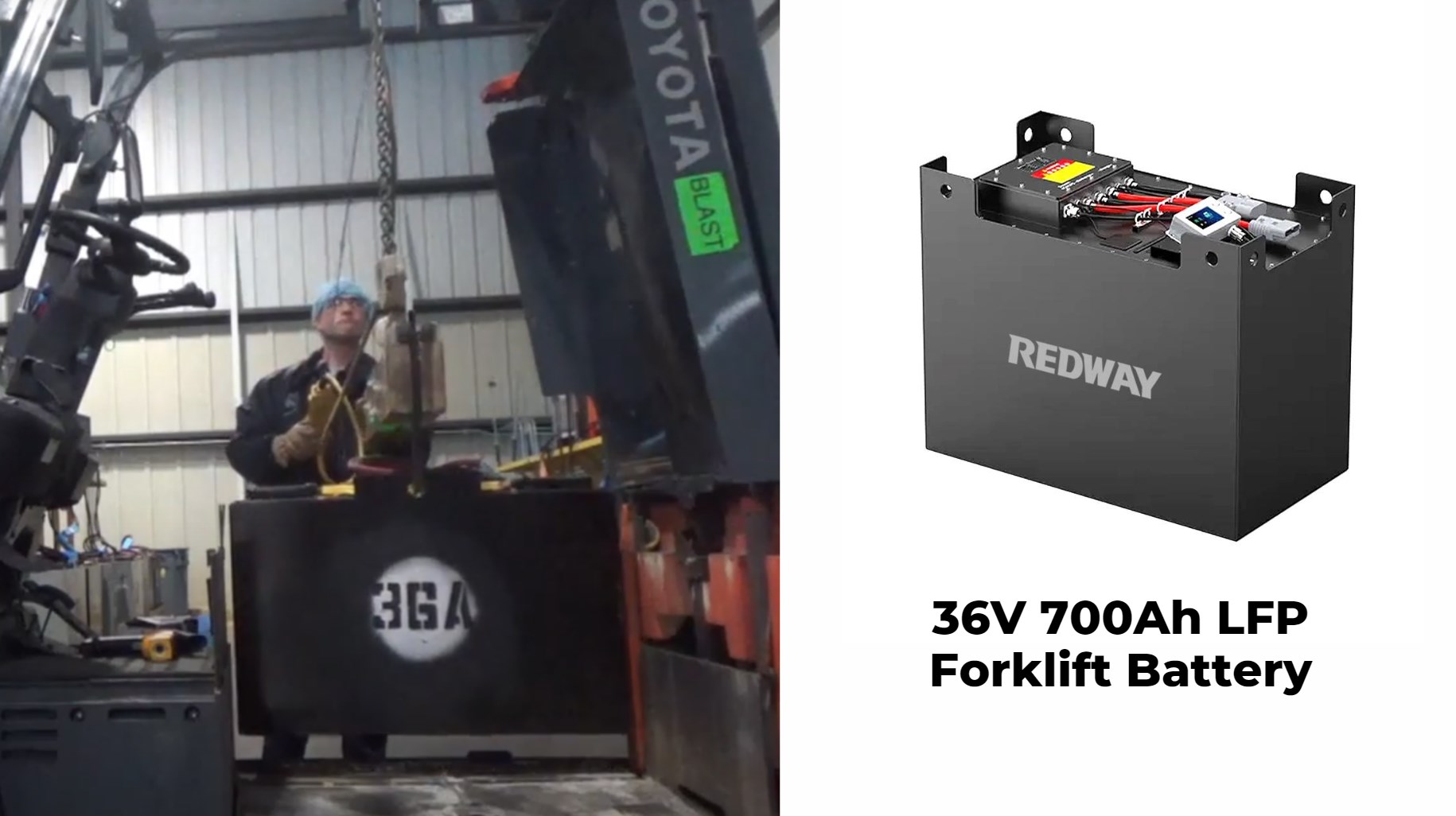
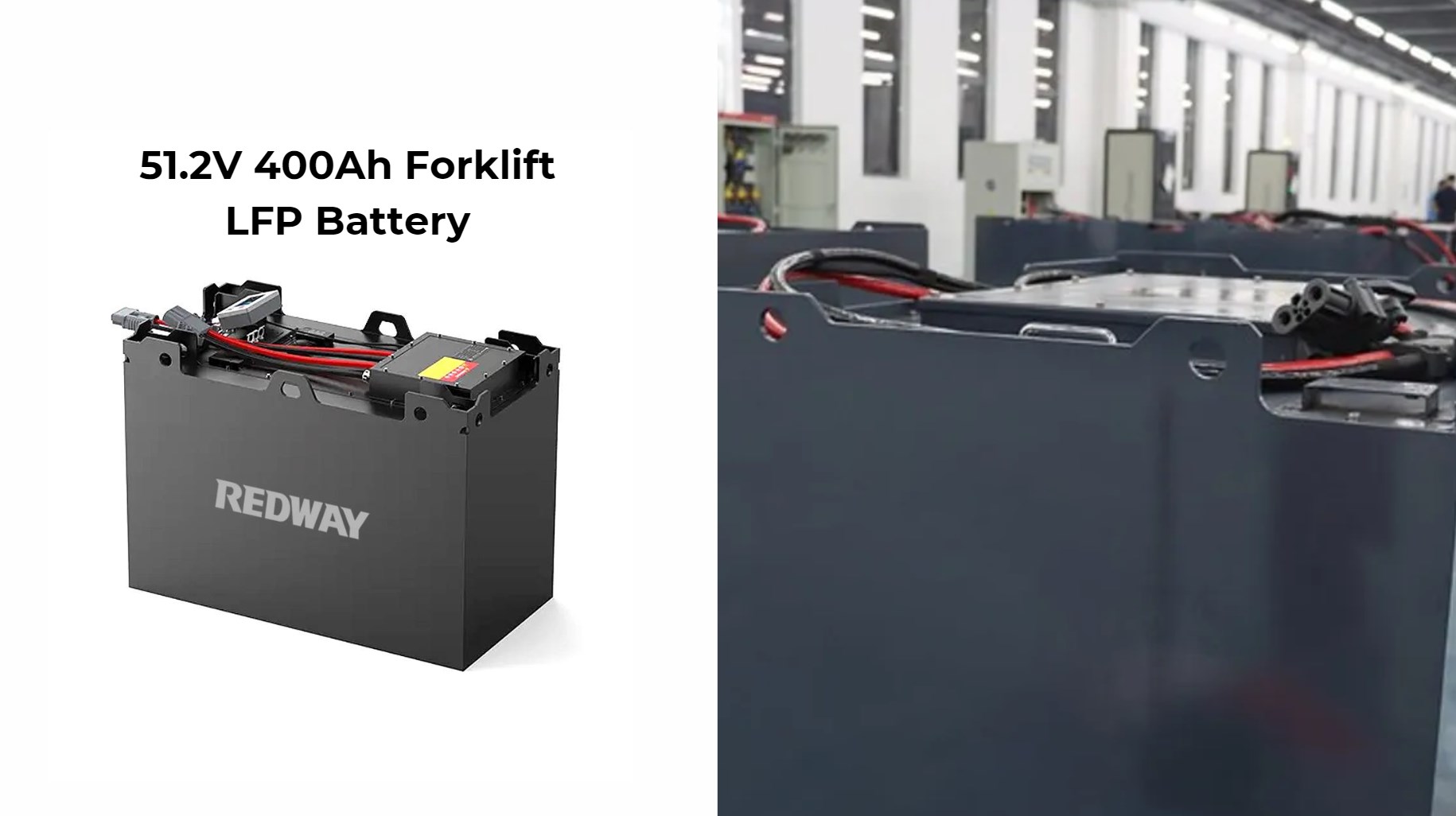
Replacing forklift batteries involves recognizing signs of battery failure, ensuring safety during the process, and following specific steps for replacement. Proper disposal and maintenance are also crucial for extending battery life and ensuring optimal performance.To safely replace a forklift battery, always wear protective gear like gloves and goggles. Make sure the forklift is turned off and parked on a flat surface. Disconnect the battery cables carefully, starting with the negative terminal first, to avoid sparks.
What Are the Signs That Indicate a Bad Forklift Battery?
Signs of a bad forklift battery include slow charging, difficulty starting the forklift, corrosion on the terminals, unusual smells (like rotten eggs), and a battery that feels hot to the touch. If you notice these signs, it may be time to replace the battery.Chart: Common Signs of a Bad Forklift Battery
Sign
Description
Decreased Performance
Reduced lifting capacity
Shortened Run Times
Frequent need for recharging
Visible Corrosion
Rust or buildup on terminals
Spilled Acid
Leakage indicating damage
Sulfation
White powdery substance on terminals
How Can You Ensure Safety During Battery Replacement?
To ensure safety during battery replacement, always work in a well-ventilated area. Keep flammable materials away from the battery. Use tools with insulated handles, and never smoke or use open flames nearby. Make sure to follow all safety guidelines provided by the manufacturer.Chart: Safety Measures for Battery Replacement
Measure
Description
Wear PPE
Gloves, goggles, and steel-toed boots
Secure Forklift
Turn off engine and engage handbrake
Designated Area
Use well-ventilated areas for charging
What Steps Should You Follow to Replace a Forklift Battery?
To replace a forklift battery, follow these steps:
Prepare the Work Area: Ensure it’s clean and free from hazards.
How Do Environmental Regulations Affect Battery Disposal?
Environmental regulations require that batteries be disposed of properly to prevent harmful chemicals from leaking into the environment. Many places have strict laws about recycling lead-acid batteries and may impose fines for improper disposal.
What Tools Are Essential for Replacing Forklift Batteries?
Essential tools for replacing forklift batteries include:
Wrenches or socket sets for removing cables
Insulated gloves for protection
Safety goggles to protect your eyes
A battery cart or dolly for moving heavy batteries
Having these tools ready will facilitate an efficient replacement process.
How Can You Extend the Life of Your New Forklift Battery?
To extend the life of your new forklift battery, regularly check and maintain water levels (if applicable), avoid overcharging, keep terminals clean, and store it in a cool, dry place when not in use. Following these practices can help maximize its lifespan.To extend battery life:
Charge regularly but avoid deep discharges.
Maintain electrolyte levels in lead-acid batteries.
Clean terminals monthly to prevent corrosion.
Store batteries in cool, dry locations when not in use.
Conclusion
Replacing forklift batteries is essential for maintaining operational efficiency and safety in material handling environments. By recognizing signs of battery failure, following proper replacement procedures, ensuring safety measures are in place, and adhering to disposal regulations, operators can enhance both performance and longevity of their equipment.
Expert Views
“Properly replacing forklift batteries not only ensures safety but also maximizes efficiency in operations,” states an expert from Redway. “Understanding each step in this process can significantly reduce risks associated with battery maintenance.”
FAQ Section
What is the average lifespan of a forklift battery?
The average lifespan of a lead-acid forklift battery is typically between 3-5 years, while lithium-ion batteries can last up to 10 years with proper care.
How often should I check my forklift’s battery health?
Regular checks are recommended at least once every month or before heavy usage periods to ensure optimal performance.
Can I replace individual cells instead of the entire battery?
Yes, individual cell replacement is possible if they are compatible with existing cells; however, it’s essential to ensure uniformity in performance.