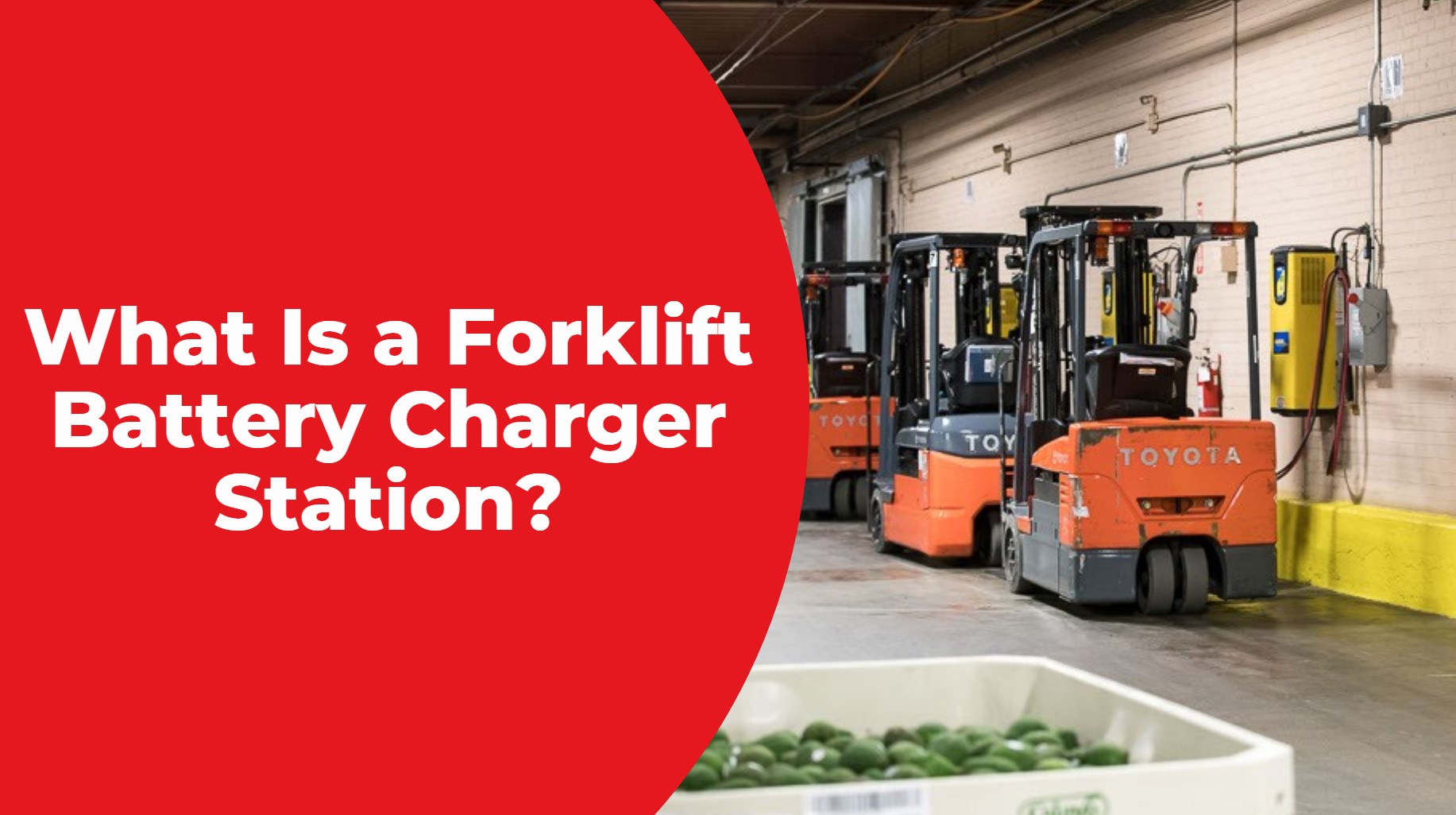
How Does a Forklift Battery Charger Station Work?
A forklift battery charger station connects to the battery via charging cables. When plugged in, the charger converts AC power to DC, delivering the correct voltage and current to recharge the battery. Most stations include safety features to prevent overcharging and ensure proper operation.What Are the Key Components of a Forklift Charger Station?
Key components of a forklift charger station include the charger itself, charging cables, a control panel for monitoring, safety equipment (like eyewash stations), and proper ventilation systems. Some stations may also feature battery management systems for enhanced monitoring.Key components of a forklift battery charger station include:- Charger Unit: Converts AC to DC power.
- Charging Cables: Connects to forklifts.
- Control Panel: Monitors charging status.
- Safety Features: Prevents overcharging and ensures safe operation.
What Safety Considerations Should Be Taken into Account?
Safety considerations include ensuring proper ventilation to dissipate harmful gases, using protective gear when handling batteries, maintaining clear access to emergency equipment, and adhering to OSHA guidelines for charging areas to prevent accidents and injuries.Safety is paramount when operating forklift battery charger stations:- Follow OSHA guidelines to create designated charging areas.
- Ensure proper ventilation to prevent gas buildup from batteries.
- Use protective equipment when handling batteries.
How Do Dedicated Charging Stations Improve Efficiency and Cost Savings?
Dedicated charging stations improve efficiency by providing a centralized location for battery charging, reducing downtime. They allow for scheduled charging during off-peak hours, optimizing energy use and lowering electricity costs while ensuring batteries are always ready for operation.What Design Factors Should Be Considered for Charging Stations?
Design factors include adequate space for maneuvering forklifts, proper ventilation to prevent gas buildup, accessibility for operators, and safety features like spill containment and fire protection. The layout should facilitate easy access to chargers while minimizing hazards.When designing a forklift battery charger station, consider:- Space Requirements: Ensure adequate room for maneuvering forklifts.
- Power Supply Needs: Assess electrical capacity based on fleet size.
- Accessibility: Position stations near high-use areas to minimize travel time.
How Does Wireless Charging Technology Function in Forklifts?
Wireless charging technology uses electromagnetic induction to transfer energy from a charging pad to a receiver on the forklift. When aligned correctly, the system generates a magnetic field that induces an electrical current in the receiver, charging the battery without physical connections.Wireless charging technology uses electromagnetic induction to charge batteries without physical connections:- A transmitter generates an electromagnetic field.
- A receiver on the forklift captures energy from this field.
What Environmental Practices Should Be Implemented at Charging Stations?
Environmental practices include using energy-efficient chargers, implementing recycling programs for old batteries, ensuring proper containment for spills, and utilizing renewable energy sources when possible. These practices minimize environmental impact and promote sustainability in operations.To promote sustainability at forklift battery charger stations:- Implement recycling programs for old batteries.
- Use energy-efficient chargers that minimize environmental impact.
How Do You Choose the Right Location for a Charging Station?
Choose a location that allows easy access for forklifts while ensuring safety from traffic hazards. The site should have adequate ventilation, be away from flammable materials, and comply with local regulations regarding electrical installations and safety standards.Selecting an optimal location involves considering factors such as:- Proximity to work areas to reduce downtime.
- Adequate space for safe maneuvering around chargers.
What Future Trends Should Businesses Watch in Forklift Battery Technology?
Future trends include advancements in lithium-ion technology for faster charging and longer lifespans, increased use of battery management systems for real-time monitoring, and developments in wireless charging solutions that enhance convenience and efficiency in material handling operations.- Businesses should stay informed about these developments to maintain competitive advantages in material handling operations.
News
Advancements in High-Frequency Charging: High-frequency forklift battery chargers are becoming more prevalent due to their ability to reduce charging times significantly while generating less heat, leading to lower energy consumption and extended battery lifespan.
Integration of Lithium-Ion Technology: Migrating to lithium-ion batteries offers benefits such as increased uptime and efficiency, reduced maintenance costs, and longer operating lifetimes. This shift is gaining traction as companies seek to optimize their forklift fleets.
Smart Charging Stations with Enhanced Safety Features: Modern charging stations are equipped with smart technology that optimizes charging times based on real use, improving safety by preventing overcharging and reducing the risk of accidents. These stations also contribute to a greener workplace by using less energy.
Conclusion
In conclusion, forklift battery charger stations are integral components of electric material handling operations, enabling efficient recharging while ensuring safety standards are met. By understanding their functions, components, and best practices, businesses can optimize their operations and extend the lifespan of their equipment.FAQ Section
- What is a forklift battery charger station? A forklift battery charger station is a dedicated area designed for safely recharging electric forklift batteries by converting AC power into DC power suitable for charging.
- How does a forklift battery charger station work? The station converts alternating current (AC) from electrical outlets into direct current (DC) needed to charge batteries while monitoring conditions to prevent overcharging.
- What safety considerations should be taken into account when using these stations? Safety considerations include following OSHA guidelines, ensuring proper ventilation, using protective equipment, and creating designated charging areas to minimize risks associated with battery handling.
Continue exploring: Use the Choosing Forklift Batteries guide to compare related specifications, selection factors, operating requirements, and practical guidance.