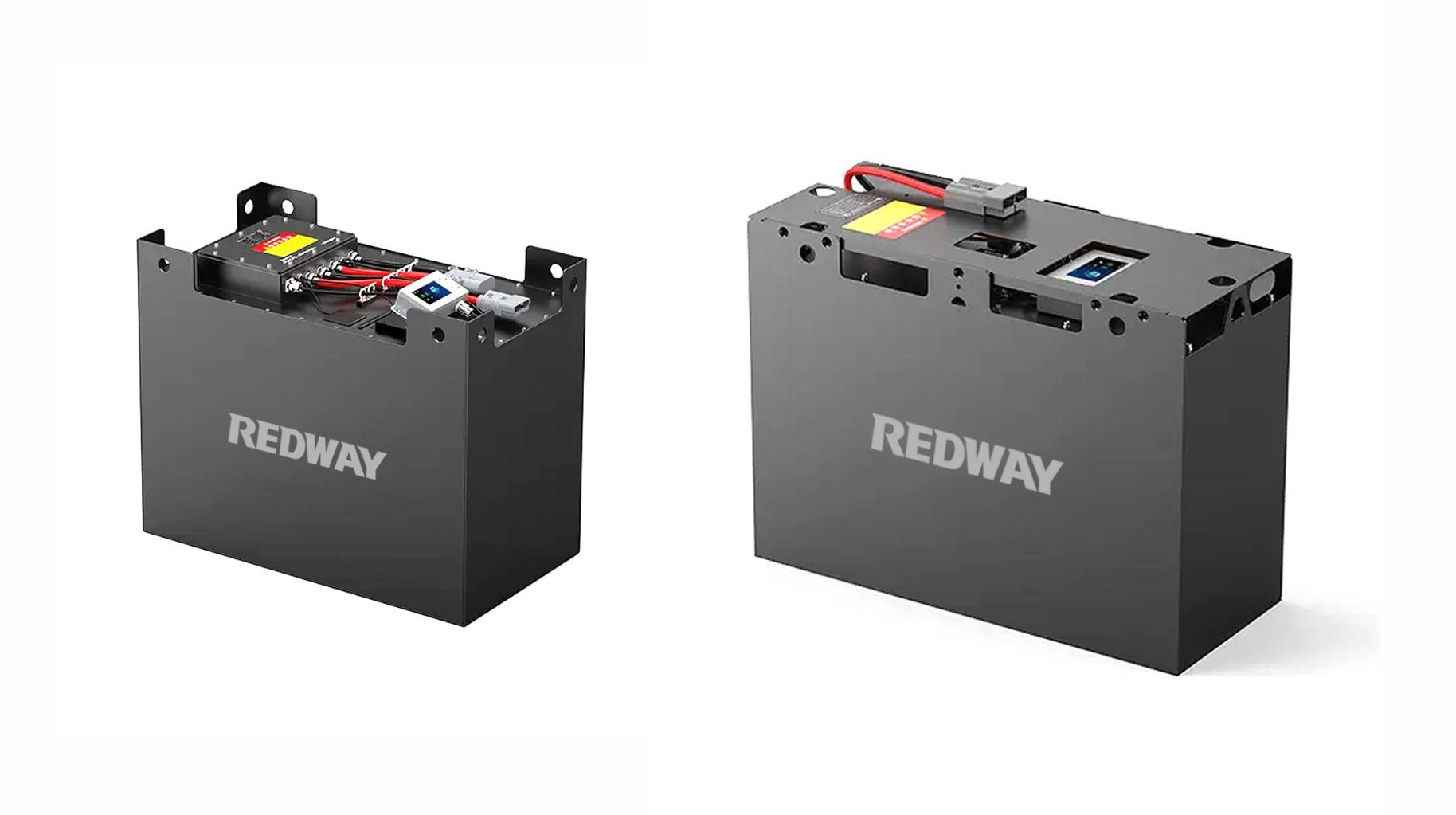
Lithium forklift batteries have revolutionized the material handling industry, offering a range of benefits that significantly surpass those of traditional lead-acid batteries. In this comprehensive guide, we explore the numerous advantages of lithium forklift batteries, their cost implications, and their suitability for various applications.Lithium forklift batteries are gaining popularity due to their lightweight design, fast charging capabilities, and longer lifespan compared to lead-acid alternatives. They enhance productivity by reducing downtime associated with battery changes or recharging.Advantages of Lithium Forklift Batteries1. Enhanced Efficiency

- Energy Efficiency: Lithium-ion batteries boast approximately 40% greater energy efficiency compared to lead-acid batteries and up to 88% more efficiency than diesel-powered systems. This increased efficiency translates into lower energy consumption and reduced operational costs.
- Rapid Charging: Lithium batteries can be fully charged in just 1 to 2 hours, allowing for opportunity charging during short breaks or idle periods. Unlike lead-acid batteries, lithium batteries do not require a cooling-off period between charges, maximizing productivity and minimizing downtime.
- Longevity: Lithium forklift batteries typically last between 2,000 and 3,000 charge cycles, which equates to approximately 8 to 10 years of service life. This is a significant improvement over lead-acid batteries, which generally offer around 1,000 to 1,500 cycles.
- Durability: The robust design of lithium batteries ensures they withstand the rigors of frequent charging and discharging, providing long-term reliability and performance.
- Low Upkeep: One of the most compelling advantages of lithium batteries is their minimal maintenance requirements. Unlike lead-acid batteries, lithium batteries do not need watering, equalization charging, or regular maintenance checks. This not only reduces labor costs but also decreases operational downtime.
- Ease of Use: The reduced maintenance needs contribute to a more straightforward and hassle-free operation, allowing warehouse staff to focus on more critical tasks.
- Space Efficiency: Lithium-ion batteries are notably lighter and more compact than their lead-acid counterparts. This compact size allows for better space utilization within forklifts and warehouses, optimizing the layout and increasing operational efficiency.
- Improved Handling: The lighter weight of lithium batteries contributes to easier handling and installation, making them more versatile for various material handling equipment.
- Cold Weather Performance: Lithium batteries perform exceptionally well in cold environments. They can be charged even at low temperatures without significant loss in capacity, making them suitable for operations in refrigerated or cold storage areas.
- Temperature Tolerance: The ability to function effectively in a range of temperatures ensures that lithium batteries are reliable regardless of environmental conditions.
- Initial Investment: The upfront cost of lithium forklift batteries generally ranges from $17,000 to $25,000, which is approximately 2 to 2.5 times higher than lead-acid batteries. While this initial investment may seem substantial, the long-term benefits often outweigh the higher cost.
- Long-Term Savings: The reduced maintenance requirements, improved energy efficiency, and extended lifespan contribute to significant cost savings over time. Businesses can expect lower operational costs and increased productivity, justifying the higher initial expenditure.
- Food Processing: Lithium forklift batteries are ideal for operations in the food processing industry, where efficiency and reliability are critical. The ability to charge quickly and perform consistently supports continuous operation without the need for frequent battery swapping.
- Manufacturing: In manufacturing environments, where downtime can be costly, lithium batteries offer the reliability and efficiency needed to maintain smooth operations and maximize productivity.
- Third-Party Logistics (3PL): For 3PL providers, the quick charging and long-lasting performance of lithium batteries enhance operational efficiency, making them a valuable asset in logistics and distribution centers.
- Warehouses: In warehouse settings, where space is at a premium, the compact and lightweight nature of lithium batteries allows for better space utilization and improved handling.
- Cold Storage: Lithium batteries are particularly well-suited for cold storage applications, where their performance remains consistent even in low temperatures, ensuring reliable operation in temperature-sensitive environments.
Continue exploring: Use the Lithium vs Lead-Acid Forklift Batteries guide for the related decision process, evidence, and practical guidance.