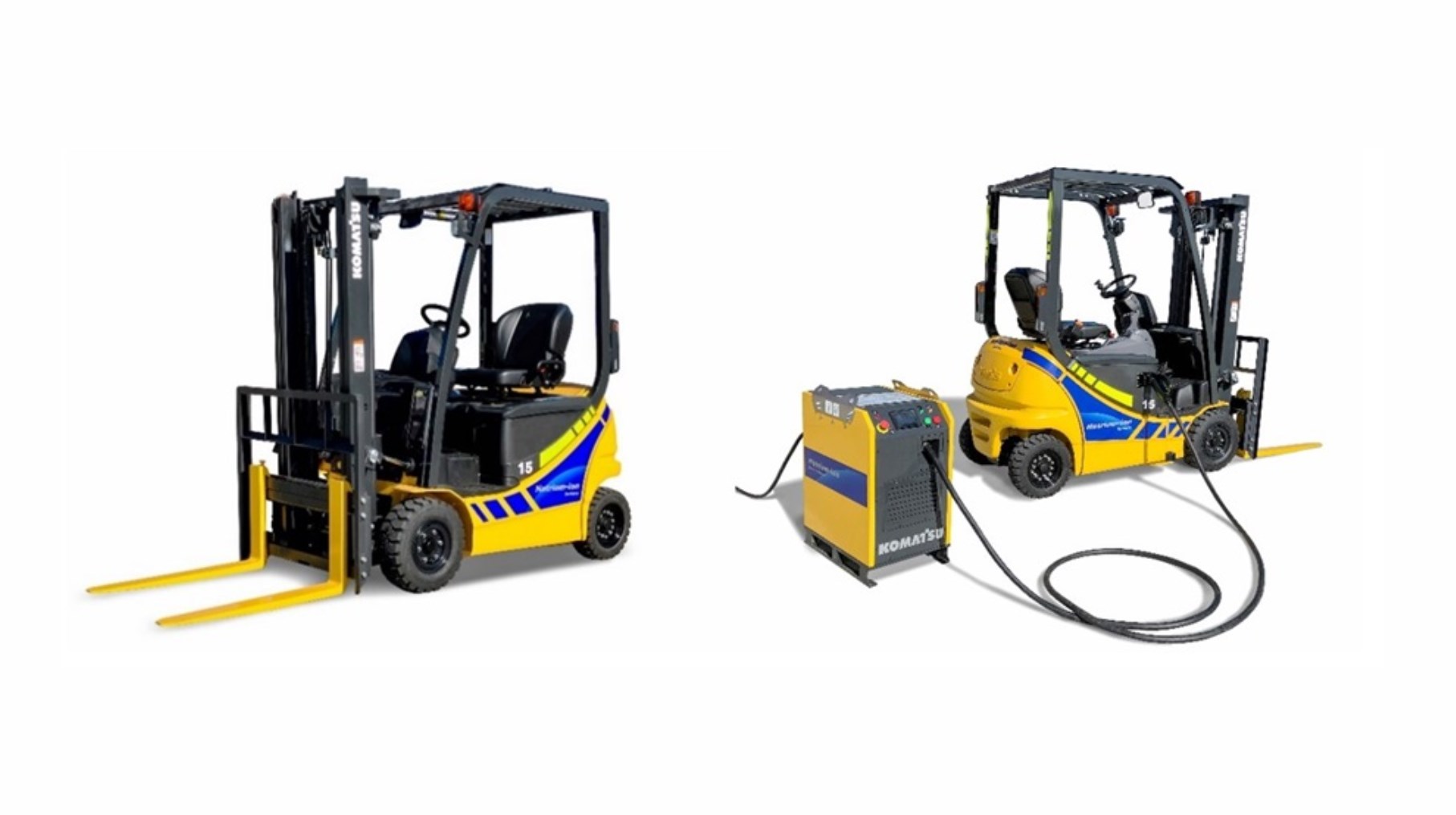
The landscape of electric forklift batteries is rapidly evolving, driven by advancements in technology and a growing emphasis on sustainability. As industries increasingly shift towards electric forklifts, understanding the latest trends and features in battery technology is crucial for optimizing performance and efficiency. This comprehensive guide explores the current state of electric forklift batteries, highlighting key innovations and future directions in this dynamic sector.Innovations in electric forklift batteries include advancements in lithium technology that improve efficiency, reduce costs, and enhance safety features. Trends indicate a shift towards more sustainable solutions with better recycling processes for used batteries.1. Transition to Electric ForkliftsThe move from internal combustion engine (ICE) forklifts to electric models is gaining significant traction. This transition is largely motivated by the desire to:

- Reduce Emissions: Electric forklifts produce zero tailpipe emissions, contributing to cleaner air and a healthier working environment.
- Lower Operating Costs: Compared to ICE forklifts, electric models have fewer moving parts, which translates to lower maintenance and operational costs.
- Improve Efficiency: Electric forklifts offer smoother operation and better control, enhancing overall productivity.
- Higher Energy Density: Lithium-ion (Li-ion) batteries offer a significantly higher energy density than traditional lead-acid batteries. This means more power and longer run times in a smaller, lighter package.
- Longer Cycle Life: Li-ion batteries typically provide a longer cycle life, often exceeding 2,000 charge-discharge cycles, compared to around 1,000 cycles for lead-acid batteries.
- Faster Charging Times: Li-ion batteries can be charged more quickly, often in a few hours, allowing for opportunity charging during breaks and reducing downtime.
- Enhanced Performance Monitoring: Modern electric forklift batteries are equipped with advanced Battery Management Systems that monitor battery health, manage cell balancing, and optimize performance.
- Safety Features: BMS technology includes safeguards against overcharging, over-discharging, and temperature extremes, ensuring the battery operates within safe parameters and prolonging its lifespan.
- Increased Demand: The rise of e-commerce and logistics operations has driven a surge in demand for efficient material handling solutions, including electric forklifts powered by advanced batteries.
- Corporate Responsibility: Companies are increasingly adopting electric forklift technology to meet sustainability targets, reduce carbon footprints, and align with environmental regulations.
- Voltage Ratings: Options include 24V, 36V, 48V, and 80V, each suited to different forklift models and operational requirements.
- Capacity: Battery capacities range from 100Ah to over 1,000Ah, providing flexibility to match the power needs of various applications and forklift sizes.
- Lithium-Ion Batteries: Although they have a higher initial purchase price, Li-ion batteries offer long-term cost savings due to their longer lifespan and reduced maintenance needs.
- Lead-Acid Batteries: While cheaper upfront, lead-acid batteries require regular maintenance and have a shorter lifespan, which can lead to higher overall costs over time.
- Minimal Maintenance: Li-ion batteries require minimal maintenance compared to lead-acid batteries. There is no need for regular watering or cleaning, which reduces labor and operational costs.
- Regular Maintenance: Lead-acid batteries need routine maintenance, including checking and topping up electrolyte levels, which can be time-consuming and increase operational costs.
- Reduced Downtime: The development of fast-charging technology allows batteries to be charged more quickly, minimizing downtime and improving overall productivity.
- Flexibility: Li-ion batteries support opportunity charging, where batteries are recharged during breaks or downtime, further enhancing operational efficiency.
Continue exploring: Use the Cold Storage & Temperature-Controlled Forklift Batteries guide for the related decision process, evidence, and practical guidance.