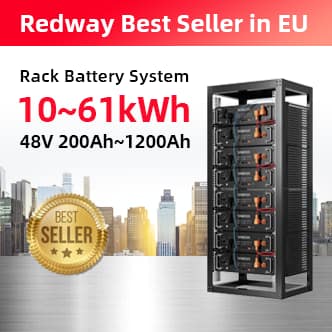
Charging a 48V lithium-ion battery typically takes between 2 to 8 hours, depending on several factors such as battery capacity, charger output, and initial state of charge. Understanding these elements can help users optimize their charging processes and ensure their batteries perform efficiently.
What factors influence the charging time of a 48V lithium-ion battery?
Several key factors affect how long it takes to charge a 48V lithium-ion battery:
- Charger Output: The amperage of the charger significantly impacts charging speed; higher amperage results in shorter charging times.
- Battery Capacity: Larger capacity batteries take longer to charge than smaller ones.
- State of Charge: A fully discharged battery will require more time to reach full capacity compared to one that is partially charged.
Chart: Factors Affecting Charging Time
| Factor | Description |
|---|
| Charger Output | Higher amperage reduces charging time |
| Battery Capacity | Larger capacities take longer to charge |
| Initial State of Charge | More discharged batteries require longer times |
How can you calculate the charging time for a 48V lithium battery?
To estimate the charging time for a
48V lithium battery, use the following formula:
Charging Time (hours) = Battery Capacity (Ah) / Charging Current (A)For example, if you have a 48V 100Ah battery and use a 20A charger:Charging Time = 100Ah / 20A = 5 hours.This calculation provides a theoretical estimate; actual times may vary based on efficiency losses and other factors.
Chart: Charging Time Calculation Example
| Battery Capacity (Ah) | Charger Current (A) | Estimated Charging Time (hours) |
|---|
| 100 | 20 | 5 |
| 200 | 40 | 5 |
| 50 | 10 | 5 |
What are the expected charging times based on charger output?
Charging times vary significantly based on the output of the charger used:
- 2A Charger: A 48V 100Ah battery would take approximately 50 hours.
- 10A Charger: The same battery would take about 10 hours.
- 20A Charger: Charging would be reduced to about 5 hours.
Chart: Expected Charging Times by Charger Output
| Charger Output (A) | Charging Time for 100Ah Battery (hours) |
|---|
| 2 | 50 |
| 10 | 10 |
| 20 | 5 |
How does the capacity of the battery affect its charging duration?
The capacity of a lithium-ion battery directly influences its charging duration. Larger batteries store more energy and thus require more time to charge fully. For instance, a larger capacity (e.g., a 200Ah battery) will take twice as long to charge with the same current as a smaller (e.g., a 100Ah) battery.
Chart: Impact of Battery Capacity on Charging Duration
| Battery Capacity (Ah) | Estimated Charging Time with a 10A Charger (hours) |
|---|
| 50 | 5 |
| 100 | 10 |
| 200 | 20 |
What best practices should be followed when charging lithium-ion batteries?
To ensure optimal performance and longevity of lithium-ion batteries, consider these best practices:
- Use Appropriate Chargers: Always use chargers that match your battery specifications.
- Avoid Deep Discharges: Recharge before your battery drops below about 20% capacity.
- Charge in Suitable Conditions: Keep batteries in moderate temperature environments during charging.
Chart: Best Practices for Lithium-Ion Battery Charging
| Practice | Description |
|---|
| Use Compatible Chargers | Ensure chargers meet manufacturer specifications |
| Avoid Deep Discharges | Recharge before reaching low levels |
| Moderate Temperature | Charge in environments between 20°C – 25°C |
What steps can be taken if a lithium battery does not charge?
If your lithium battery fails to charge, follow these steps:
- Check Connections: Ensure all connections are secure and free from corrosion.
- Inspect Charger: Verify that the charger is functioning correctly and providing adequate output.
- Test Battery Voltage: Use a multimeter to check if the battery has any residual voltage.
- Consult Manufacturer: If issues persist, consult with the manufacturer or seek professional assistance.
Chart: Troubleshooting Steps for Non-Charging Batteries
| Step | Action |
|---|
| Check Connections | Ensure secure and clean connections |
| Inspect Charger | Verify functionality and output |
| Test Voltage | Measure with multimeter |
| Consult Manufacturer | Seek professional help if necessary |
What advancements are being made in lithium-ion battery technology?
The future of lithium-ion technology looks promising with ongoing advancements aimed at improving efficiency, reducing costs, and enhancing safety features. Innovations such as solid-state batteries and enhanced thermal management systems are being researched to address current limitations and expand applications across various industries.
Chart: Future Trends in Lithium-Ion Technology
| Trend | Description |
|---|
| Solid-State Batteries | Higher energy density and improved safety |
| Enhanced Thermal Management | Better performance in extreme conditions |
Latest News
Recent developments indicate significant advancements in lithium-ion technology, particularly regarding faster charging capabilities and improved safety features. Manufacturers are focusing on enhancing efficiency while reducing costs, making these batteries more accessible for various applications, including electric vehicles and renewable
energy storage systems.
Editor Comment
“The evolution of lithium-ion technology continues to reshape how we think about energy storage and consumption. As we enhance our understanding of these systems, it becomes increasingly important to adopt best practices for their maintenance and usage, ensuring they serve as reliable power sources in our transition towards sustainable energy.”
FAQ Section
Q1: How long does it typically take to charge a fully depleted 48V lithium-ion battery?
A1: Charging times vary based on charger output but generally range from about 5 hours with a high-output charger to over 50 hours with lower-output options.
Q2: What factors influence how long it takes to charge my lithium-ion battery?
A2: Key factors include charger output current, initial state of charge, and overall capacity of the battery.
Q3: What should I do if my lithium battery won’t charge?
A3: Check connections, inspect your charger for functionality, test the voltage with a multimeter, and consult your manufacturer if problems persist.
Continue exploring: Use the Fast Charging & Charger Sizing guide to review charger selection, LiFePO4 charging profiles, fast charging, sizing, troubleshooting, and safety guidance.