
Marine Battery Applications & Safety
Design each bank around its essential load and failure consequence. Starting, trolling, house and emergency systems need deliberate isolation, protection and monitoring.
Make the operating decision before selecting a model
This sub-hub covers one stage of the wider Marine Batteries decision. Follow the sequence, then open the article that matches the vessel and electrical duty.
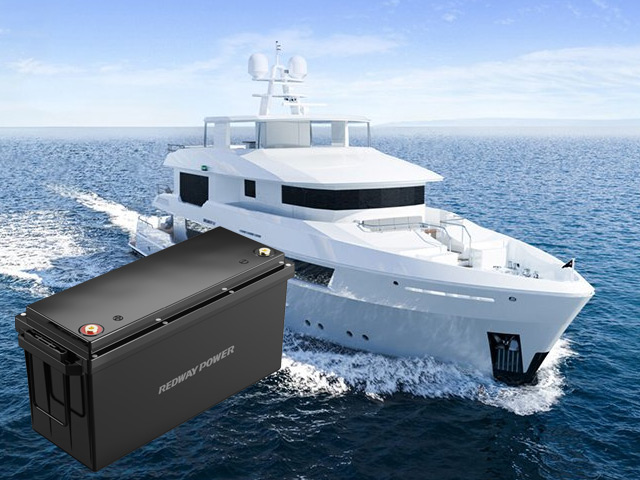 VESSEL
Start with the electrical duty
Separate starting, house, trolling and emergency loads before comparing batteries.
Define the application →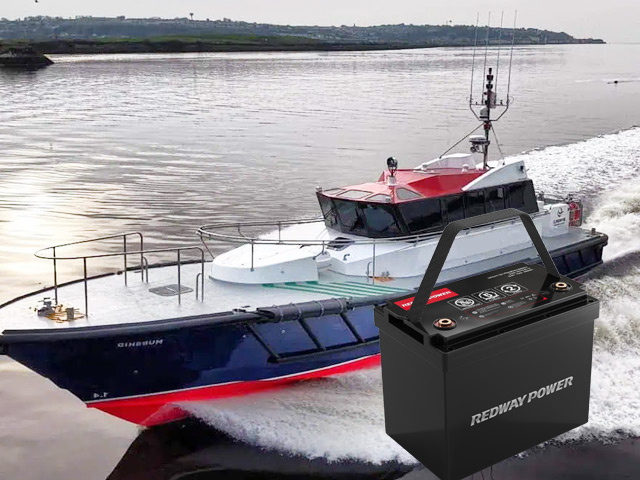 ENERGY
Size for the hardest day
Use measured current, runtime, reserve and charging access to determine usable energy.
Build the energy budget →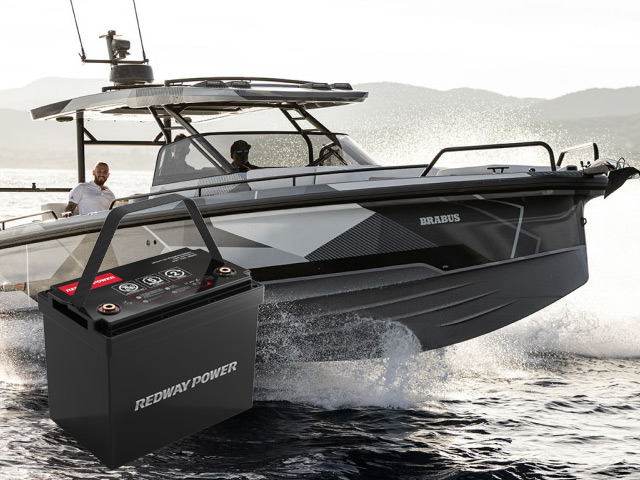 VALIDATION
Test the installed system
Approve current, charge, temperature, mounting and protection under real operating conditions.
Request an engineering review →Keep essential loads alive after a single failure
Bilge pumps, navigation, communications and engine starting should not all depend on one unprotected path. Separate banks or protected circuits according to the vessel’s risk profile, provide correctly rated disconnects and fuses, and make emergency combining deliberate. The goal is not maximum complexity; it is preventing one short circuit, depleted house bank or failed connection from removing every critical function at once.
- What Is the Best 24V Trolling Motor Battery for Your Boat?
- How Do Dual Purpose Marine Batteries Compare to Deep Cycle Batteries?
- How Does a Marine Battery Switch Improve Boat Safety and Performance
- What Are Dual Purpose Marine Batteries?
- What Makes a Marine Starting Battery with 1000 CCA Essential for Your Boat?
Match trolling batteries to thrust and route
A trolling motor’s voltage, propeller load, boat weight, wind and operating speed determine current. Continuous high speed can use far more energy than intermittent positioning. Size the bank from measured current across the real fishing day, confirm connector and cable ratings, and keep a reserve for the return trip. Lithium reduces weight, but BMS peak current and cold-weather charging still need confirmation.
- How Do Lithium Marine Trolling Batteries Enhance Your Boating Experience
- How Does a Marine Battery Gauge Improve Boating Safety and Efficiency?
- How Do Custom Marine Battery Cables Improve Boat Safety and Performance?
- What is the Difference Between a Deep Cycle and a Dual Purpose Marine Battery?
- What Makes Group 27 Marine Batteries Ideal for Boat Starting?
Specify starting and dual-purpose batteries honestly
Starting batteries prioritise cranking current, deep-cycle batteries prioritise repeated energy delivery, and dual-purpose batteries trade between them. A dual-purpose label is useful only when both the engine start requirement and house discharge remain inside its documented limits. Large engines, cold conditions or heavy hotel loads usually justify separate banks. Validate cranking voltage at the engine, not only at the battery terminals.
- What Makes Interstate Marine Starting Batteries a Top Choice for Boaters?
- What Is the Best Marine Battery for a Trolling Motor?
- What Makes the Exide 27MDC Nautilus Marine Battery Ideal for Boating
- What Makes O’Reilly Marine Batteries Ideal for Boating
- What Makes the Interstate Marine Cranking Battery 24M-XHD Ideal for Boats?
Protect against water, vibration and heat
Marine installations combine conductive moisture, motion, limited ventilation and high fault current. Use secure hold-downs, covered terminals, strain relief, tinned cable where appropriate and enclosures suited to the location. Keep batteries away from excessive heat and protect service access. Water resistance claims do not eliminate the need for drip control, cable glands and inspection after heavy weather or maintenance work.
Write the emergency and isolation procedure
Crew should know how to isolate a fault, combine banks when permitted, start from the reserve source and respond to heat, odour, smoke or a BMS alarm. Label switches and fuses clearly, keep required PPE and extinguishing equipment accessible, and do not improvise around damaged lithium packs. Test the procedure at the dock so the first use is not during a loss-of-power event.
- What Makes Costco Marine Batteries a Top Choice for Boaters?
- How to Choose a Reliable 12V Lithium Trolling Motor Battery Exporter in China
- What Makes Deka Marine Batteries a Top Choice for Boaters
- What Makes EverStart Marine Batteries a Reliable Choice for Boaters?
- What Makes the Size 24 Marine Battery Ideal for Boats?
Document the installed system for future service
Record the approved battery, charger settings, protection devices, cable sizes and isolation procedure in one place. Add commissioning measurements for voltage, peak current, temperature and recharge time, then note any BMS or monitor settings. This record makes later troubleshooting safer, prevents an incompatible replacement from being installed, and gives operators a clear baseline when range, cranking or charging behaviour changes.
Build the bank around the vessel and charging sources
Voltage, usable energy, peak current, mounting, protection and charging must describe the same operating system.
Request a marine battery reviewMarine Battery Applications & Safety questions
What should be checked first for Marine Battery Applications & Safety?
Start with the boat, load profile and electrical system. Confirm nominal voltage, starting or cycling duty, maximum current, installation space, charging sources and exposure to moisture before comparing brands.
How many articles are included in this Marine Battery Applications & Safety route?
This page links to 25 focused marine battery articles plus its parent hub and an engineering contact route. The page stays below the approved link budget.
Is a deep-cycle battery the same as a starting battery?
No. Starting batteries deliver short high-current bursts, while deep-cycle batteries are designed for repeated energy discharge. Dual-purpose designs are a compromise and must be checked against both duties.
Can LiFePO4 replace lead-acid on a boat?
Yes when the charger, alternator or DC-DC path, BMS current, cable protection, mounting, temperature limits and state-of-charge monitoring are reviewed as one system.
What information should be sent for a marine battery quotation?
Send vessel type, system voltage, starting and house loads, daily energy use, peak current, compartment dimensions, charging sources, temperature range, compliance market and annual volume.
Turn the vessel data into a battery brief
Send the vessel, voltage, starting and house loads, daily energy, dimensions, charging sources and annual volume.
Contact Redway