
Marine Battery Capacity & Deep Cycle
Size usable energy from the longest normal day, then confirm peak current separately. Voltage sets system compatibility; amp-hours, discharge limits and reserve decide how long the boat can operate.
Make the operating decision before selecting a model
This sub-hub covers one stage of the wider Marine Batteries decision. Follow the sequence, then open the article that matches the vessel and electrical duty.
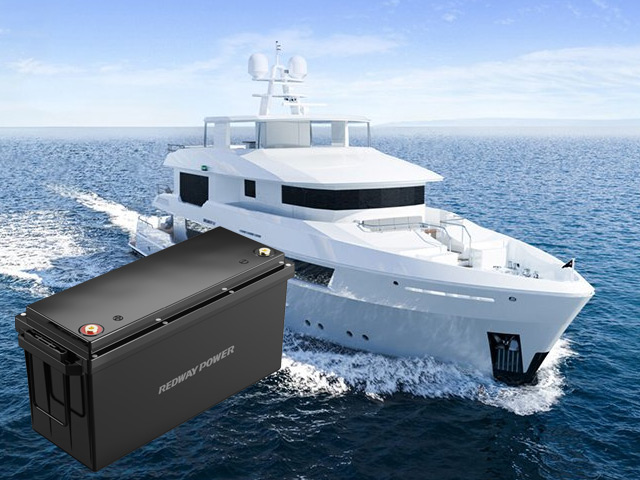 VESSEL
Start with the electrical duty
Separate starting, house, trolling and emergency loads before comparing batteries.
Define the application →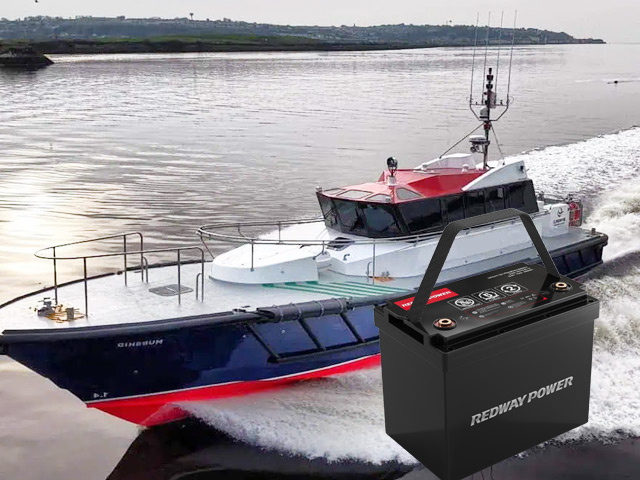 ENERGY
Size for the hardest day
Use measured current, runtime, reserve and charging access to determine usable energy.
Build the energy budget →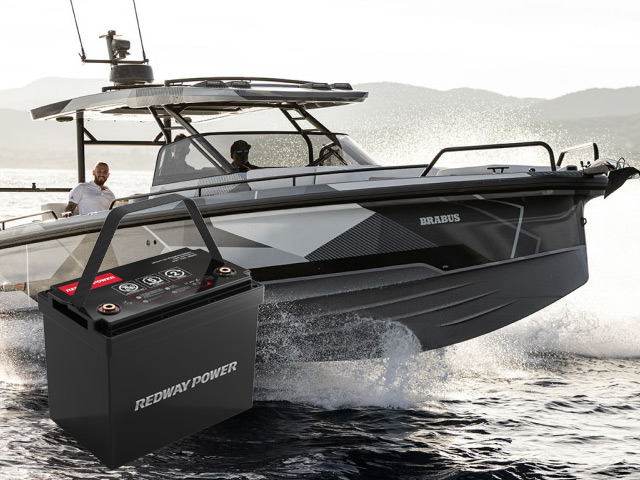 VALIDATION
Test the installed system
Approve current, charge, temperature, mounting and protection under real operating conditions.
Request an engineering review →Build a daily energy budget before choosing amp-hours
List every house load, its measured current and realistic hours of use. Navigation electronics, refrigeration, pumps, lighting, communications and inverters often run on different schedules, so nameplate watts alone are misleading. Add the energy used during the longest normal day, convert it to watt-hours, and include a reserve for weather, ageing and charging uncertainty. Capacity should cover the mission without relying on repeated emergency discharge.
- What Is the Longest Lasting 12V Deep Cycle Marine Battery for Boats?
- What Makes a 105 Amp Hour Deep Cycle Marine Battery Ideal for Boating
- How to Choose the Right Deep Cycle Marine Battery Amp Hours for Your Boat?
- What Makes Group 31 AGM Batteries Ideal for Marine Deep Cycle Use?
- What Makes Group 31 Deep Cycle Marine Batteries Essential for Boating?
Treat voltage and capacity as different decisions
The vessel architecture fixes nominal voltage; series and parallel arrangements then provide the required energy and current. A 24V bank is not simply a larger 12V bank, and amp-hours cannot be compared without voltage. Use watt-hours for energy, confirm that series strings are built from matched batteries, and avoid mixing ages or models. Parallel banks need balanced cabling so one branch does not carry disproportionate current.
- What Determines 12V Deep Cycle Marine Battery Capacity for Off-Grid Systems?
- What Makes Group 27 Deep Cycle Marine Batteries Ideal for Boating?
- What Makes the 31 Series Deep Cycle Marine Battery Ideal for Boating
- What is the Difference Between Deep Cycle 12V and Marine Batteries?
- What Is a 12V Deep Cycle Marine Battery and How Does It Work
Use the permitted depth of discharge, not the label
A 100Ah label does not mean every amp-hour should be used. Lead-acid cycle life falls quickly with deep discharge, while LiFePO4 normally allows a larger usable fraction but still needs reserve for BMS cut-off and ageing. Size from usable capacity at the actual discharge rate and temperature. For critical navigation or bilge loads, protect a reserve that ordinary comfort loads cannot consume.
- How to Optimize 12V Deep Cycle Marine Battery Charging Time?
- What Is The TM27-165 Group 27 12V Marine Battery?
- How Can You Extend the Lifespan of Your 12V Deep Cycle Marine Battery
- What Is the Best 12V Deep Cycle Marine Battery for Trolling Motors?
- What Is a 12V Deep Cycle Marine Battery and How Does It Work?
Check current capability alongside endurance
House-bank energy and motor-starting current are separate constraints. Inverters, windlasses, thrusters and trolling motors can demand large peaks even when daily watt-hours are modest. Confirm continuous and surge BMS limits, terminal current, cable size, fuse coordination and voltage drop at the farthest load. A bank can have enough energy for the day and still shut down instantly if peak current was ignored.
Validate range and runtime on the water
Bench ratings rarely reproduce wind, current, hull condition, propeller choice or accessory use. Record state of charge, current and voltage during the hardest normal trip, then compare actual energy use with the design model. Repeat the test after charging and at different temperatures. Use the measured result to set alarms and operating reserves rather than promising a fixed number of hours from capacity alone.
Document the installed system for future service
Record the approved battery, charger settings, protection devices, cable sizes and isolation procedure in one place. Add commissioning measurements for voltage, peak current, temperature and recharge time, then note any BMS or monitor settings. This record makes later troubleshooting safer, prevents an incompatible replacement from being installed, and gives operators a clear baseline when range, cranking or charging behaviour changes.
Build the bank around the vessel and charging sources
Voltage, usable energy, peak current, mounting, protection and charging must describe the same operating system.
Request a marine battery reviewMarine Battery Capacity & Deep Cycle questions
What should be checked first for Marine Battery Capacity & Deep Cycle?
Start with the boat, load profile and electrical system. Confirm nominal voltage, starting or cycling duty, maximum current, installation space, charging sources and exposure to moisture before comparing brands.
How many articles are included in this Marine Battery Capacity & Deep Cycle route?
This page links to 25 focused marine battery articles plus its parent hub and an engineering contact route. The page stays below the approved link budget.
Is a deep-cycle battery the same as a starting battery?
No. Starting batteries deliver short high-current bursts, while deep-cycle batteries are designed for repeated energy discharge. Dual-purpose designs are a compromise and must be checked against both duties.
Can LiFePO4 replace lead-acid on a boat?
Yes when the charger, alternator or DC-DC path, BMS current, cable protection, mounting, temperature limits and state-of-charge monitoring are reviewed as one system.
What information should be sent for a marine battery quotation?
Send vessel type, system voltage, starting and house loads, daily energy use, peak current, compartment dimensions, charging sources, temperature range, compliance market and annual volume.
Turn the vessel data into a battery brief
Send the vessel, voltage, starting and house loads, daily energy, dimensions, charging sources and annual volume.
Contact Redway