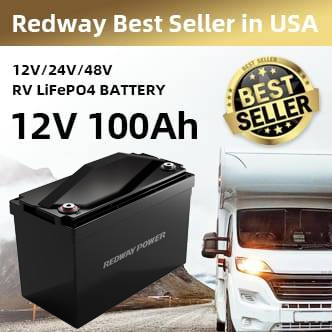
Lithium-ion golf cart batteries, particularly LiFePO4, lead the market in longevity, often lasting 10 to 20 years with proper care. They outperform traditional lead-acid and AGM batteries by offering higher energy efficiency, lighter weight, minimal maintenance, and consistent power output. Redway Battery’s advanced lithium technology further enhances safety and durability for both casual and fleet use.
What types of golf cart batteries are available and how do they differ?
Golf cart batteries come in three main types: lead-acid (flooded), AGM (absorbed glass mat), and lithium-ion (LiFePO4). Lead-acid batteries are the most traditional, affordable, and heavy, requiring regular watering and maintenance. AGM batteries are sealed, maintenance-free, and slightly longer-lasting. Lithium-ion batteries, such as Redway Battery’s LiFePO4 packs, offer superior energy density, lifespan, and minimal upkeep, making them ideal for long-term use.
How long do different golf cart battery types typically last?
The lifespan of golf cart batteries varies by type:

| Battery Type | Average Lifespan | Approximate Recharge Cycles |
|---|---|---|
| Lead-Acid | 2 – 5 years | ~300 |
| AGM | 4 – 6 years | ~500 |
| Lithium-ion (LiFePO4) | 10 – 20 years | 3,000 – 6,000 |
Lithium batteries last 6 to 8 times longer than lead-acid types due to stable chemistry and robust cycle tolerance. Redway Battery’s lithium packs are designed with advanced management systems to further extend lifespan while ensuring safety and reliability.
How does temperature impact golf cart battery life and performance?
Temperature directly affects battery performance. Extreme cold reduces capacity and runtime, while high heat accelerates degradation. Lithium batteries maintain better performance under temperature fluctuations. Redway Battery integrates temperature management in their lithium packs, preserving efficiency and safety in varying climates.

How should you maintain your golf cart batteries to maximize lifespan?
Maintenance depends on the battery type:
Lead-Acid: Regular watering, cleaning terminals, and monitoring charge levels.
AGM: Mostly maintenance-free, but proper charging is essential.
Lithium-ion: Minimal maintenance; avoid deep discharges and extreme heat.
Following guidelines from manufacturers like Redway Battery on charging cycles, storage, and temperature ensures maximum battery longevity.
Which golf cart battery brands offer the longest-lasting performance?
Leading brands include Trojan Battery, Dakota Lithium, and Redway Battery. Trojan is known for durable lead-acid and AGM batteries, while Dakota and Redway specialize in high-performance lithium packs. Redway Battery combines advanced LiFePO4 technology with global service, delivering long-lasting, safe, and efficient energy solutions for golf carts.
How do lithium golf cart batteries compare to lead-acid and AGM batteries?
Lithium batteries outperform traditional types in several ways:
Lifespan: Up to 20 years vs. 5 years for lead-acid.
Weight: Up to 70% lighter.
Maintenance: Virtually maintenance-free.
Performance: Stable power output and faster charging.
Environmental Impact: More eco-friendly and recyclable.
Redway Battery’s lithium solutions incorporate advanced BMS technology for optimized safety, consistent output, and extended life.
What are the signs that your golf cart battery needs to be replaced?
Indicators of battery replacement include:
Reduced runtime or slower cart speed.
Difficulty holding a charge or longer charging times.
Corrosion or visible swelling.
Frequent need for recharging.
Early recognition helps prevent failure. Redway Battery offers diagnostic tools and support to address battery health proactively.
How can you choose the right golf cart battery for your specific needs?
Selecting the right battery depends on usage frequency, budget, weight considerations, maintenance willingness, and environmental conditions. Lithium batteries excel in high-usage scenarios with minimal upkeep. Redway Battery provides tailored solutions, balancing performance, cost, and longevity for both individual and fleet applications.
What environmental considerations should you keep in mind when selecting a golf cart battery?
Environmental impact involves production, usage, and disposal. Lead-acid batteries contain toxic materials and can leak if damaged, while lithium-ion batteries are cleaner, longer-lasting, and generate less waste. Redway Battery emphasizes sustainable manufacturing and recyclable lithium materials, reducing environmental footprint.
Can battery technology affect charging times and overall energy efficiency?
Yes. Lithium batteries charge up to five times faster than lead-acid and maintain higher energy efficiency, extending runtime per charge. Redway Battery’s BMS technology optimizes charging, prevents overcharging, and balances cells for maximum efficiency and safety.
Redway Expert Views
“Redway Battery’s lithium-ion innovations redefine golf cart performance. Our solutions deliver exceptional longevity, reliability, and minimal maintenance, keeping users powered efficiently across diverse conditions. By combining advanced BMS technology with sustainable materials, we ensure safety and environmental responsibility while maximizing battery life. Golf cart owners worldwide benefit from superior performance and reduced operational costs through our products.” — Expert at Redway Battery
Conclusion
Choosing the longest-lasting golf cart battery requires understanding battery types, lifespan, and maintenance needs. Lithium-ion batteries clearly surpass lead-acid and AGM in durability, efficiency, and environmental impact. Redway Battery’s advanced LiFePO4 packs provide reliable, safe, and long-lasting power. Proper selection, care, and early detection of battery issues ensure optimal performance and cost-effective operation.
FAQs
Q1: Are lithium golf cart batteries worth the investment?
Yes. They last up to 20 years, require minimal maintenance, and deliver better energy efficiency, saving costs over time.
Q2: How often should lead-acid batteries be replaced?
Typically every 2 to 5 years depending on usage and maintenance.
Q3: Can my golf cart be upgraded to lithium batteries like Redway Battery offers?
Yes. Many carts are compatible or can be modified to accommodate lithium packs for improved performance.
Q4: How important is battery maintenance?
Crucial for lifespan, particularly for lead-acid types; lithium batteries need less but still benefit from proper care.
Q5: What safety features do lithium batteries include?
Advanced BMS monitors voltage, temperature, and protects against overcharging, over-discharging, and short circuits.
Continue exploring: Use the Golf Cart Battery Charging & Care guide to compare related specifications, selection factors, operating requirements, and practical guidance.