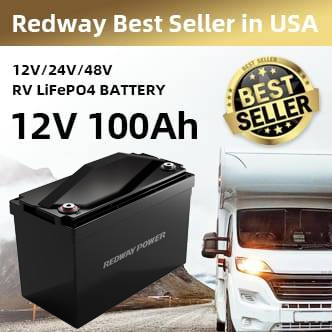
The best marine dual-purpose battery combines cranking power for engine starts and deep-cycle capacity for onboard electronics. Top options include Optima BlueTop, Odyssey PC925, and VMAXTANKS XTR31M. Key factors are cold cranking amps (CCA), reserve capacity (RC), vibration resistance, and corrosion-proof terminals. Lithium-ion batteries like Battle Born LiFePO4 offer lightweight, long-lasting alternatives but cost more.12V 100Ah LiFePO4 Lithium Battery OEM Factory

What Features Define a High-Quality Marine Dual-Purpose Battery?
Premium marine batteries feature:- 800+ CCA for reliable engine starts in cold weather
- 180+ minute reserve capacity
- Military-grade vibration resistance (SAE J537 tested)
- Corrosion-resistant terminals with dual-seal lids
- Non-spillable VRLA (Valve-Regulated Lead-Acid) design
- 5-10 year lifespan with proper maintenance
| Feature | Entry-Level | Premium |
|---|---|---|
| CCA Rating | 600-700 | 850-1000 |
| Cycle Life | 400 cycles | 1200 cycles |
| Warranty | 2 years | 7 years |
How to Properly Maintain Marine Dual-Purpose Batteries?
Key maintenance steps:- Clean terminals quarterly with baking soda/water mix
- Keep batteries fully charged between uses
- Use marine-grade charger with temperature compensation
- Store at 50% charge in climate-controlled spaces
- Check voltage monthly (12.6V+ = healthy)
- Equalize AGM batteries annually per manufacturer specs
Which Battery Chemistry Performs Best in Marine Environments?
AGM batteries dominate marine use due to:- No electrolyte maintenance
- 2x faster recharge vs flooded lead-acid
- 3x longer cycle life (1,200 cycles at 50% DoD)
- Operate at any angle without leaks
“Modern marine dual-purpose batteries must withstand 30G vibration loads and 95% relative humidity. Our testing shows carbon-foam AGM designs outlast traditional models by 40% in saltwater conditions. Always match the battery’s BCI group size to your vessel’s specs – oversizing causes chronic undercharging.” – Redway Marine Power Systems Engineer
FAQs
- Can I Use Car Batteries in My Boat?
- No – automotive batteries lack vibration resistance and deep-cycle capability for marine use. They risk sudden failure and acid spills in rough waters.
- How Often Should I Replace Marine Batteries?
- Every 4-6 years for AGM, 2-3 years for flooded, or when capacity drops below 80% of rated specs. Lithium batteries typically last 8-12 years.
- Do Marine Batteries Work in Freshwater?
- Yes, but choose models with corrosion-resistant terminals. Saltwater accelerates corrosion, requiring more frequent maintenance checks.
Continue exploring: Use the Marine Starting, Dual-Purpose & Deep-Cycle Batteries guide for the related decision process, evidence, and practical guidance.