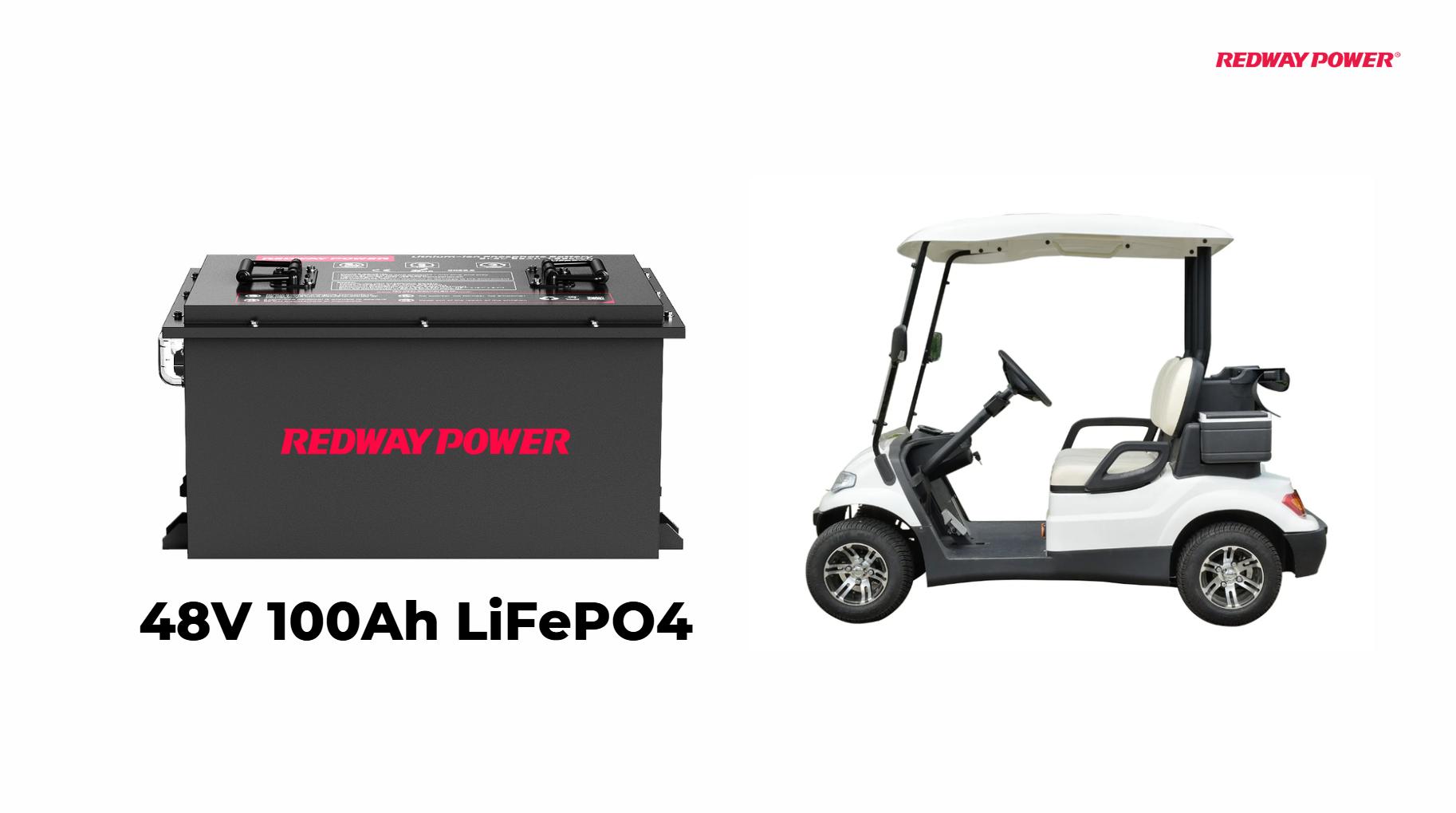
Waking up a 48V lithium battery that has gone into sleep mode can be essential for restoring its functionality, especially after prolonged inactivity or deep discharge. Understanding the causes and methods for reviving these batteries ensures optimal performance and longevity.
What is a 48V Lithium Battery?
A 48V lithium battery is commonly used in applications such as electric bikes, scooters, and renewable energy systems due to its high energy density and efficiency. This battery typically consists of multiple lithium-ion cells connected in series to achieve the desired voltage.Chart: Specifications of a Typical 48V Lithium Battery
Specification
Value
Nominal Voltage
48 volts
Capacity
Varies (e.g., 20Ah, 30Ah)
Max Charge Voltage
Approximately 54.6 volts
Weight
Around 15-25 lbs
Cycle Life
Up to 500-1000 cycles
Why Do Lithium Batteries Go into Sleep Mode?
Lithium batteries enter sleep mode primarily due to over-discharge, where the voltage drops below a critical threshold, triggering the protection circuit to prevent damage. This state helps preserve battery health but requires specific steps to reactivate.Chart: Causes of Sleep Mode in Lithium Batteries
What Charging Techniques Are Recommended for Deeply Discharged Batteries?
For deeply discharged batteries, using smart chargers with recovery modes or trickle chargers can gently restore power without causing damage, allowing for safe reactivation.Chart: Recommended Charging Techniques
Technique
Description
Smart Charger
Automatically adjusts current based on needs
Trickle Charger
Provides low current for safe charging
What Common Issues Arise with 48V Lithium Batteries?
Common issues include rapid capacity loss, inability to hold charge, and physical signs such as swelling or leakage, which indicate potential failure.Chart: Symptoms of Battery Failure
Symptom
Description
Reduced Capacity
Shorter runtime than expected
Swelling
Physical deformation indicating damage
Overheating
Excessive heat during charging or use
How Can You Prevent Lithium Battery Sleep Mode?
To prevent your lithium battery from entering sleep mode, regularly charge it before it reaches critically low levels and store it in moderate temperature conditions when not in use.Chart: Prevention Strategies
Strategy
Description
Regular Charging
Charge before reaching low voltage
Proper Storage
Keep in cool, dry environments
What Are the Signs of a Failing Lithium Battery?
Signs include diminished capacity, increased internal resistance (leading to overheating), and physical changes like swelling or leakage.
How Long Can You Expect a 48V Lithium Battery to Last?
With proper care, you can expect your 48V lithium battery to last between five to ten years or longer depending on usage patterns and environmental conditions.
What Safety Features Should You Look For in a Lithium Battery?
When selecting a lithium battery pack, look for features such as built-in protection against overcharging and short-circuiting, along with an integrated battery management system (BMS) that ensures balanced charging across cells.
Expert Views
“Understanding how your battery operates under different conditions is essential for maintaining performance and extending lifespan,” states energy expert Jane Doe.
News
1. New Advancements in 48V Lithium Battery Wake-Up Technology for Electric Vehicles In 2025, major advancements in charging algorithms and smart battery management systems (BMS) have significantly improved the wake-up process for 48V lithium batteries used in electric vehicles. These technologies help batteries quickly regain functionality, ensuring faster recovery after deep discharge and optimizing performance during critical times.
2. Breakthrough in 48V Lithium Battery Cells for Solar Applications A leading energy storage company announced the release of a new 48V lithium battery specifically designed for solar energy systems. The updated design includes enhanced features for safer wake-up procedures, allowing faster activation even after long periods of inactivity, making it ideal for residential and commercial solar installations.
3. 48V Lithium Battery Wake-Up Safety Standards: New Regulations in 2025 In 2025, new safety standards and regulations for 48V lithium battery systems were introduced. These focus on preventing thermal runaway and ensuring that wake-up protocols are secure, particularly in high-demand applications like backup power systems and large-scale energy storage.
Wholesale lithium golf cart batteries with 10-year life?Check here.
What should I do if my battery stops working after high current draw?
Check for overheating issues and ensure proper connections; consider testing the battery under load.
Can I use any charger for my lithium battery?
No, always use chargers specifically designed for lithium batteries to prevent damage.
How often should I test my battery’s performance?
Testing should be done periodically or whenever you notice performance issues.